


5 Top Points
- Saudi Arabia and Germany partnered to export green hydrogen to Europe.
- UAE’s Special Envoy met senior EU officials and MEPs in Brussels to boost cooperation.
- Cyprus and Oman strengthened maritime cooperation with new agreements.
- Saudi Arabia will host INTERPOL’s MENA office.
- Qatar’s Emir was the first leader to visit Damascus ahead of the Syrian Leader’s first trip abroad to Saudi Arabia.
‘Round and About the Gulf
Kingdom of Bahrain

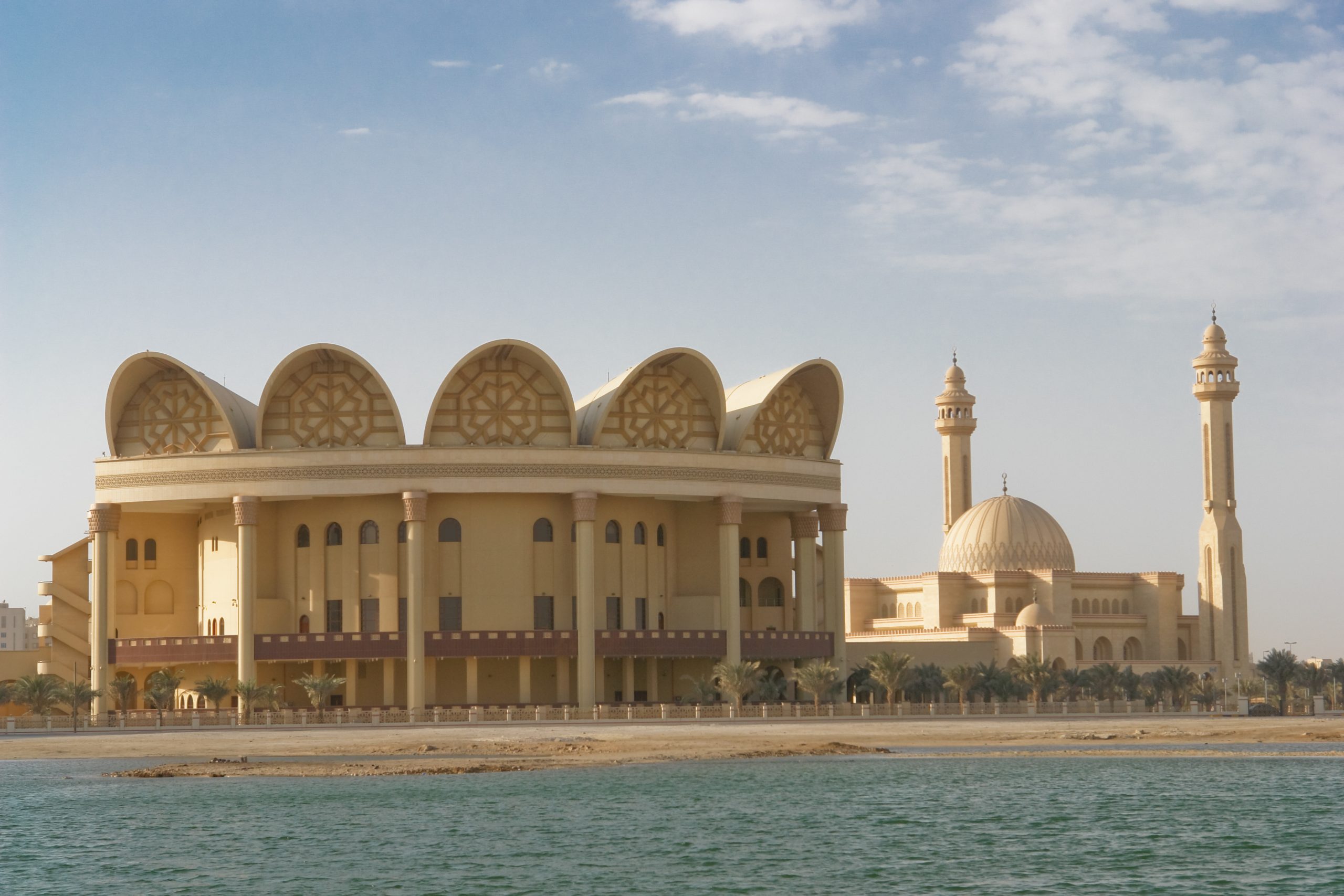
Monday, 3 February—Bahrain’s King Hamad bin Isa Al-Khalifa approved amendments to the 2006 law, increasing oil revenue allocations to the Future Generations Reserve Fund. Contributions will range from $1 to $5 per exported barrel, depending on oil prices. The revised law will take effect from the next fiscal year.
State of Kuwait

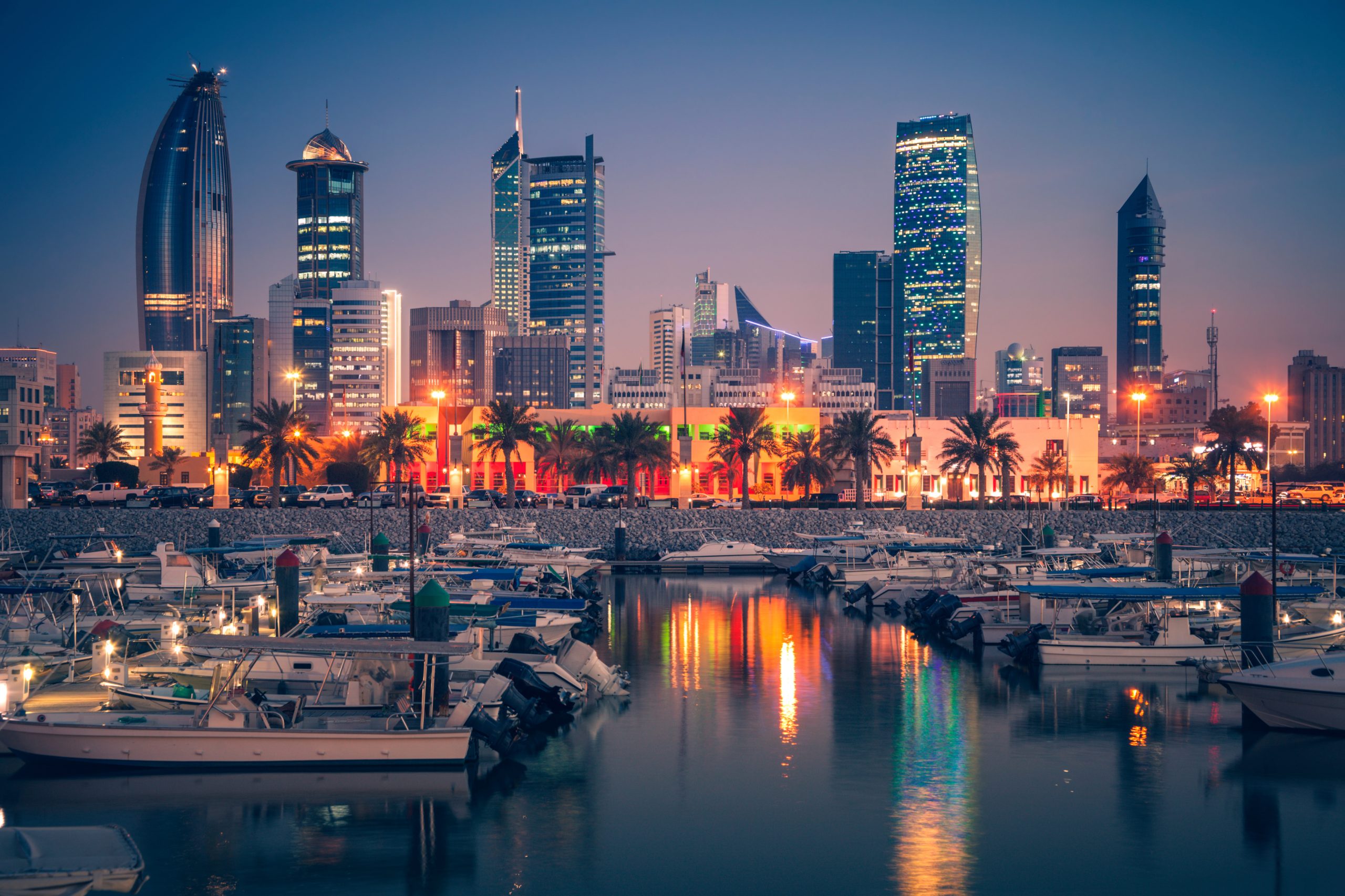
Monday, 2 February—Kuwait’s Cabinet approved the draft state budget for 2025-2026, forecasting a 12% higher deficit of 6.31 billion Kuwaiti Dinar (€19.7 billion). The budget projects revenues of 18.2 billion KWD (€56.8 billion) and expenditures of 24.5 billion KWD (€76.5 billion), slightly lower than the previous year.
Sultanate of Oman

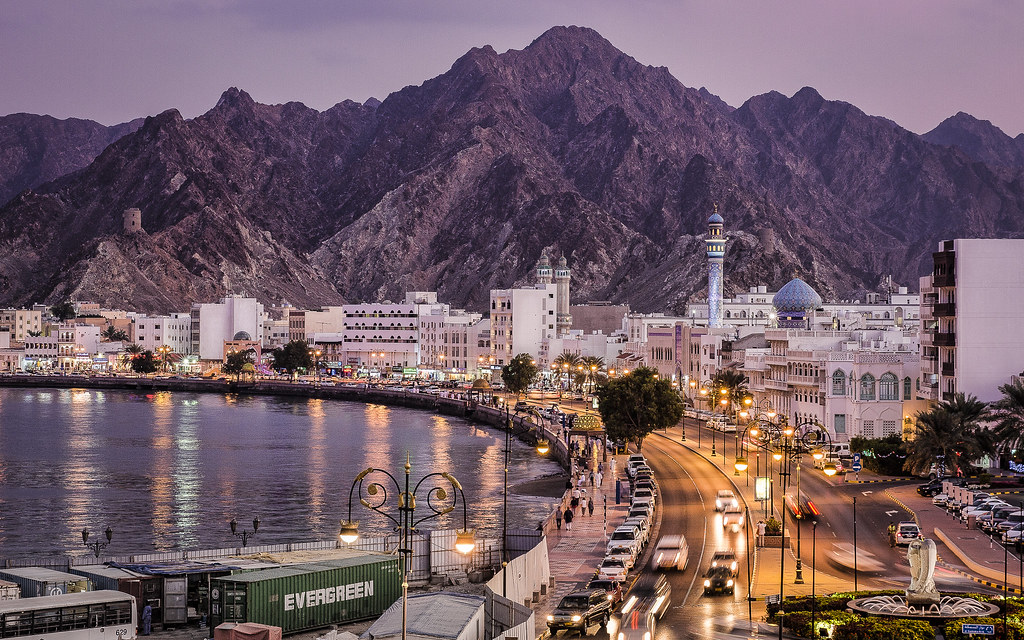
Thursday, 30 January—Oman introduced a draft personal income tax law, raising exemption thresholds and reducing tax rates. Approved by the State and Shura Councils, it now awaits the Sultan’s final approval. The new law raises the taxable income threshold for foreign workers to $130,000 and lowers the maximum tax rate from 15% to 5%.
State of Qatar

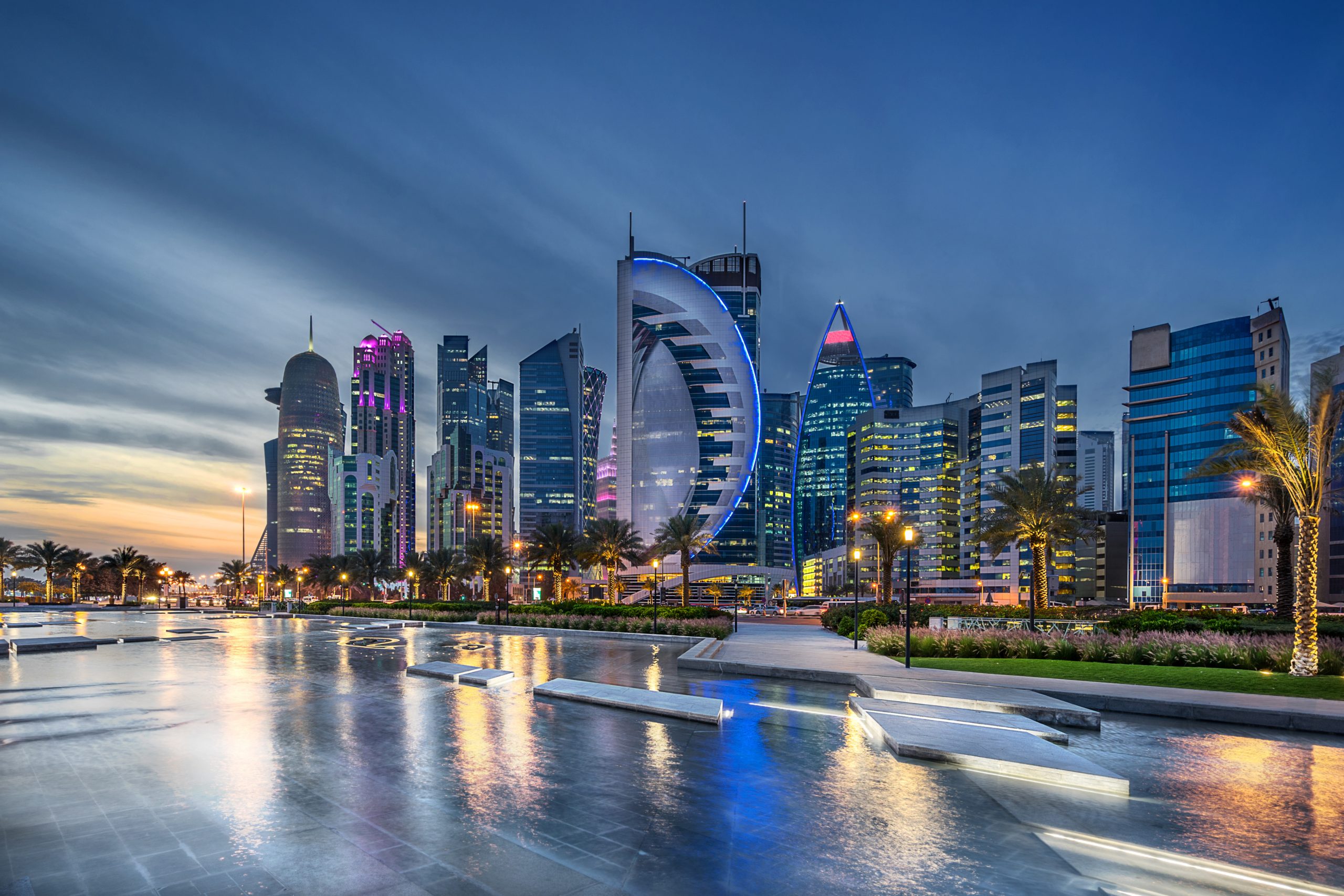
Sunday, 2 February—Qatar’s Prime Minister and Minister of Foreign Affairs, Mohammed bin Abdulrahman Al-Thani, called on Israel and Hamas to immediately begin negotiating phase two of the Gaza ceasefire, a day before the deadline for the negotiations should begin according to the original ceasefire agreement, adding that there is no clear plan for when talks will begin. He said that mediators have engaged with Hamas and Israel over the phone and Qatar has set an agenda for the next phase of negotiations, stressing the urgency of reaching an agreement before the 42nd day of the ceasefire.
Kingdom of Saudi Arabia

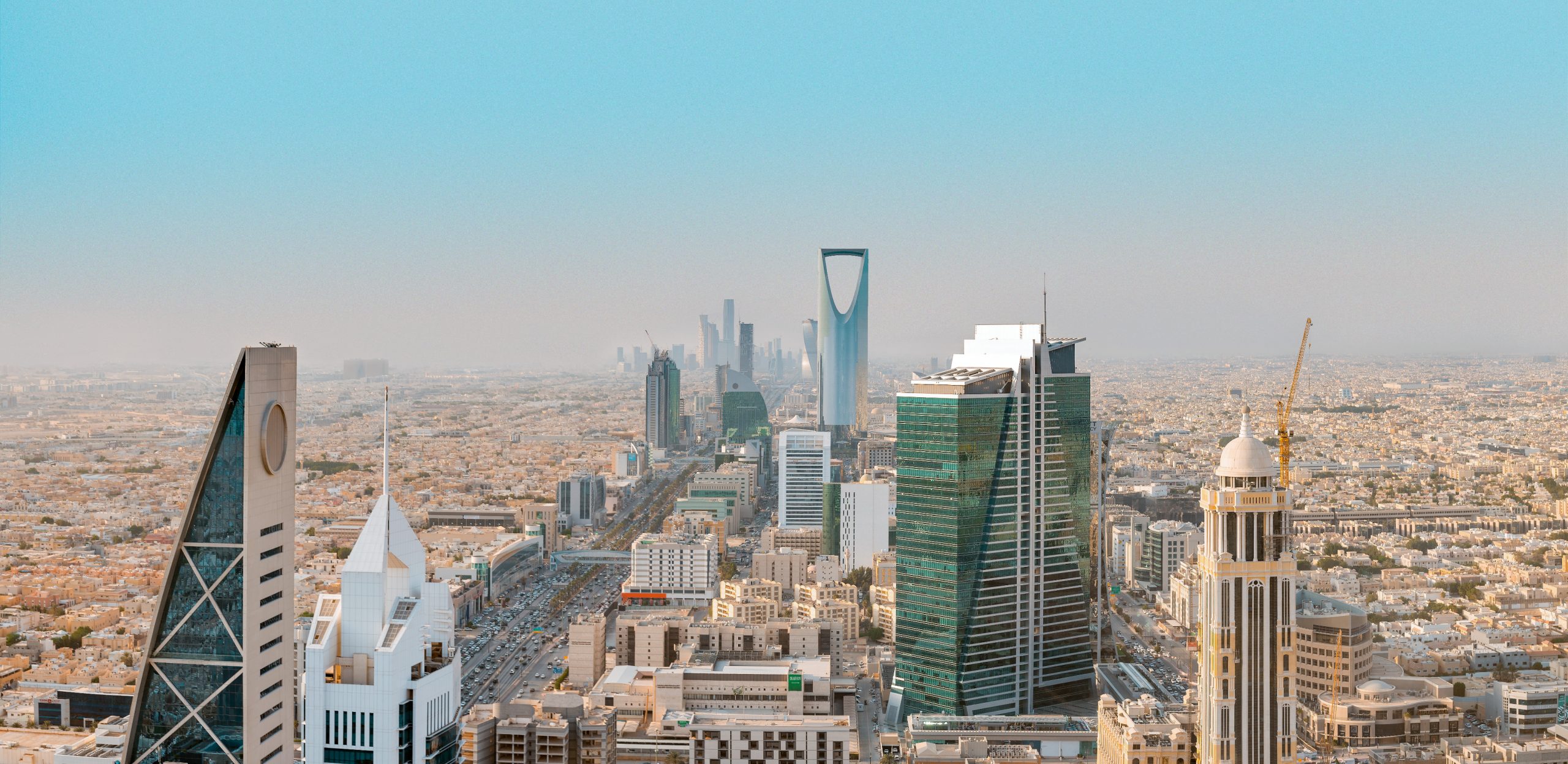
Thursday, 30 January—Saudi Arabia and the International Criminal Police Organisation (INTERPOL) signed an agreement to establish INTERPOL’s regional office for the Middle East and North Africa (MENA) in the Kingdom. The signing was witnessed by Saudi Minister of Interior, Abdulaziz bin Saud Al-Saud, and INTERPOL President, Ahmed Naser Al-Raisi, in Riyadh.
United Arab Emirates

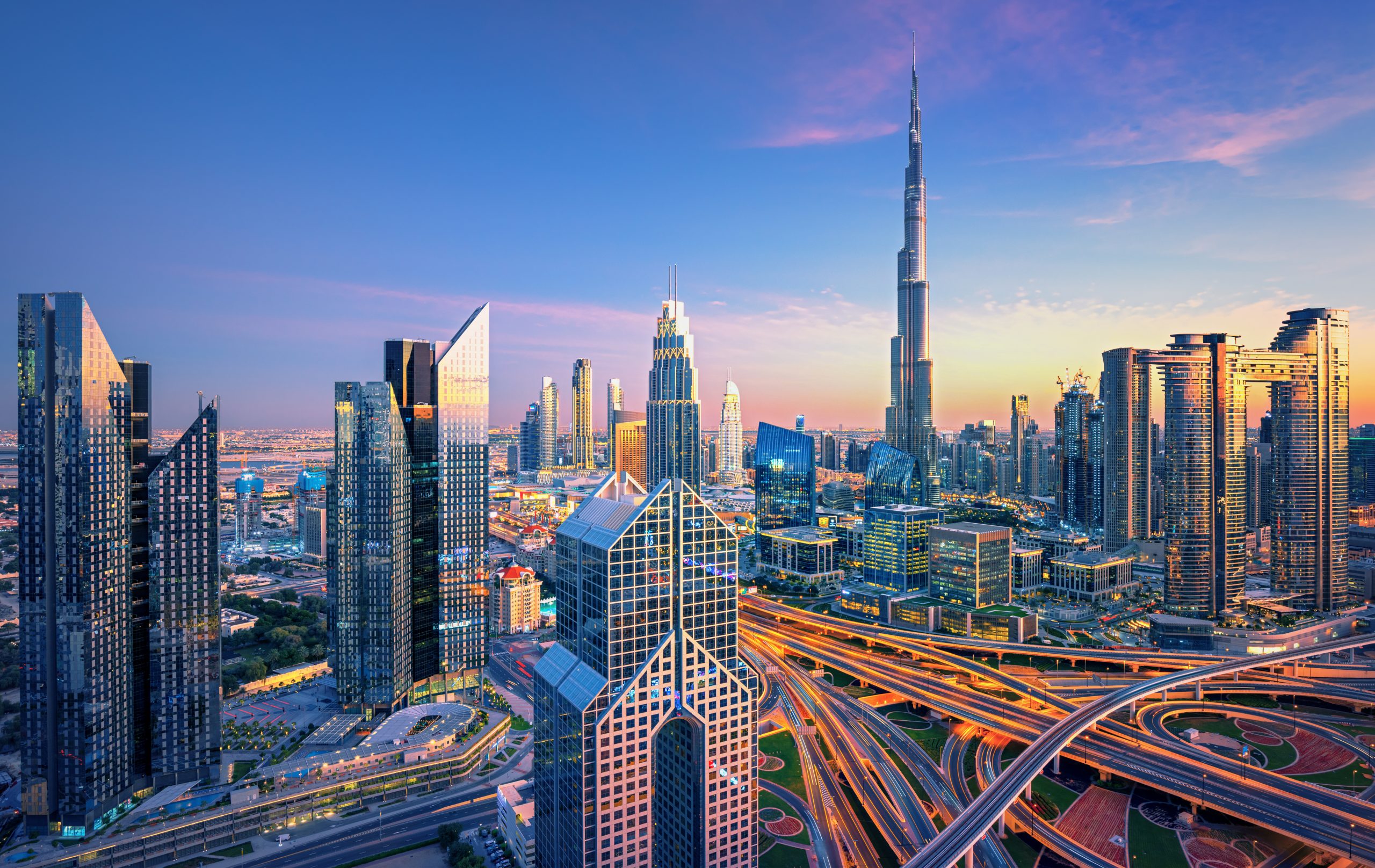
Thursday, 30 January—The UAE Ministry of Defence received the first of 80 Dassault Rafale fighter jets during an official handover ceremony in Paris in the presence of UAE Minister of State for Defence Affairs, Mohammed Al-Mazrouei, and French Defence Minister, Sebastien Lecornu. The fighter jets are part of a €16.6 billion defence agreement signed with France in 2021.
EU Corner
Tuesday, 28 January—The GCC Ambassadors to the EU participated in the 5th Humanitarian Senior Officials Meeting on Ukraine, chaired by EU Commissioner for Equality, Preparedness and Crisis Management, Hadja Lahbib, in Brussels.
Wednesday, 29 January—Qatar and the European External Action Service (EEAS) convened the Third Senior Officials’ Meeting in Doha, focusing on trade and economic relations, global issues, and cooperation in peace, security, and counter-terrorism.
Thursday, 30 January—Saudi Arabia’s Crown Prince and Prime Minister, Mohammed bin Salman Al-Saud, received a phone call from the European Council’s President, Antonio Costa, to discuss ways to deepen EU-Saudi cooperation as well as regional and international security. Costa emphasised Saudi Arabia’s key role as EU’s partner for regional stability.
Thursday, 30 January—UAE Assistant Minister for Political Affairs and Envoy of the Foreign Minister to the European Union, Lana Nusseibeh, met senior EU officials and Members of the European Parliament in Brussels, including EU Commissioner for the Mediterranean, Dubravka Šuica, Deputy Secretary-General at European External Action Service, Simon Mordue, Director-General for Trade at the European Commission, Sabine Weyand, EU Special Representative for the Gulf, Luigi Di Maio, and EU Special Representative for the Horn of Africa, Annette Weber. Discussions covered economic cooperation and regional developments, including Gaza and Syria, as well as Ukraine and Sudan.
Sunday, 2 February—The European Union’s civilian Border Assistance Mission for the Rafah Crossing Point (EUBAM Rafah) was redeployed to the Rafah Crossing at the request of Palestinians and Israelis, in coordination with the Egyptians. This move, in line with the 2005 Agreement on Movement and Access, aims to help support the ceasefire agreement and monitor the reopening of the Rafah border-crossing and the transfer of individuals out of Gaza.
Key Official Visits & Contacts
Wednesday, 29 January—Qatar’s Emir, Tamim bin Hamad Al-Thani, met with Sultan Haitham bin Tariq Al-Said in Oman. The two countries signed several agreements on cooperation, including in diplomatic training, social development, culture, education, sports, and youth affairs. They also discussed the situation in Gaza and Syria.
Thursday, 30 January—Qatar’s Emir, Tamim bin Hamad Al-Thani, became the first foreign leader to visit Damascus. During a meeting with Syria’s new Interim President, Ahmed Al-Sharaa, he called for an inclusive Syrian government and the launch of reconstruction efforts. The visit followed Al-Sharaa’s appointment and the dissolution of the previous regime’s army and armed groups involved in the Al-Assad regime’s overthrow.
Thursday, 30 January—Saudi Arabia and Sweden convened in Stockholm for the second round of political consultations, co-chaired by Saudi Vice Minister of Foreign Affairs, Waleed bin Abdulkarim El-Khereiji, and Swedish State Secretary for Foreign Affairs, Dag Hartelius.
Saturday, 1 February—Foreign Ministers from Egypt, Jordan, Qatar, Saudi Arabia, the UAE, and the Secretary-General of the Palestine Liberation Organisation and the Arab League met in Cairo. They welcomed the Hamas-Israel ceasefire and rejected US President Donald Trump’s proposal to relocate Palestinians from Gaza to Egypt and Jordan. They pledged to work with Washington towards a just and comprehensive peace in the Middle East in line with the two-state solution.
Sunday, 2 February—Syria’s Interim President, Ahmad Al-Sharaa, made his first official foreign visit to Saudi Arabia. He met Saudi Crown Prince and Prime Minister, Mohammed bin Salman Al-Saud, to discuss Syria’s reconstruction, humanitarian efforts, and cooperation in energy, technology, education, and healthcare. They also discussed political and diplomatic cooperation, including efforts to lift sanctions on Syria in order to boost its economic recovery.
Sunday, 2 February—Danish Foreign Minister, Lars Lokke Rasmussen, visited Saudi Arabia to explore ways to strengthen bilateral ties, particularly in trade and investment, highlighting Saudi Arabia’s important role in addressing regional conflicts, notably in Lebanon, Palestine and Syria. He discussed these topics, among others, during a meeting with his Saudi counterpart, Faisal bin Farhan Al-Saud.
Sunday, 2 February—Iraq’s Deputy Prime Minister and Foreign Minister, Fuad Hussein, received Oman’s Minister of Commerce, Qais bin Mohammed Al-Yousef, in Baghdad. Discussions focused on strengthening trade, investment, and private sector collaboration.
Sunday, 2 February—Bahrain and Slovenia held their first round of political consultations in Manama. Talks, led by Director General of Bilateral Relations at the Ministry of Foreign Affairs, Abdullah bin Ali Al-Khalifa, and Slovenia’s State Secretary at the Ministry of Foreign Affairs, Marko Stucin, covered political and economic cooperation. Stucin also met with Bahrain’s Foreign Affairs Minister, Abdullatif bin Rashid Al-Zayani, and signed an agreement on political consultations between the Foreign Ministries to enhance dialogue on regional and global issues.
Monday, 3 February—Saudi Arabia’s Crown Prince and Prime Minister, Mohammed bin Salman Al-Saud, met with with German President, Frank-Walter Steinmeier, in Riyadh to strengthen bilateral ties. Saudi Energy Minister, Abdulaziz bin Salman Al-Saud, and German Finance Minister, Jörg Kukies, discussed energy cooperation and witnessed the signing of a Memorandum of Understanding by Saudi Arabia’s ACWA Power and Germany’s Securing Energy for Europe (SEFE) to produce and export 200,000 tonnes of green hydrogen and ammonia to Europe by 2030. The Saudi-German Roundtable Meeting explored opportunities for private sector collaboration, including in energy, mining, healthcare, digital transformation, artificial intelligence, infrastructure, transportation, logistics, financial services, and tourism.
Monday, 3 February—Oman and Cyprus signed two Memoranda of Understanding to enhance maritime cooperation, including through modern technology, enhancing maritime safety and security, preventing pollution from ships, addressing ship registration issues, and combating illegal activities such as piracy.
Monday, 3 February—Saudi Minister of Foreign Affairs, Faisal bin Farhan Al-Saud, and his Japanese counterpart, Iwaya Takeshi, co-chaired the 2nd Saudi-Japan Strategic Dialogue in Tokyo. Two Memoranda of Understanding were signed during the meeting — one establishing a strategic partnership council and the other one exempting diplomatic and special passport holders from short-term visas.