


5 Top Points
- Saudi Arabia hosted Ukraine’s President and high-level US-Ukraine talks.
- Iraq turns to Qatar and Oman for gas amid US sanctions on Iran.
- The UN declared 28 January as the International Day for Peaceful Coexistence, following Bahrain’s initiative.
- Oman appointed its Ambassador to Germany as a Non-Resident Ambassador to Ukraine.
- GCC countries held joint ministerial meetings with Egypt, Jordan, Morocco, and Syria.
‘Round and About the Gulf
Kingdom of Bahrain

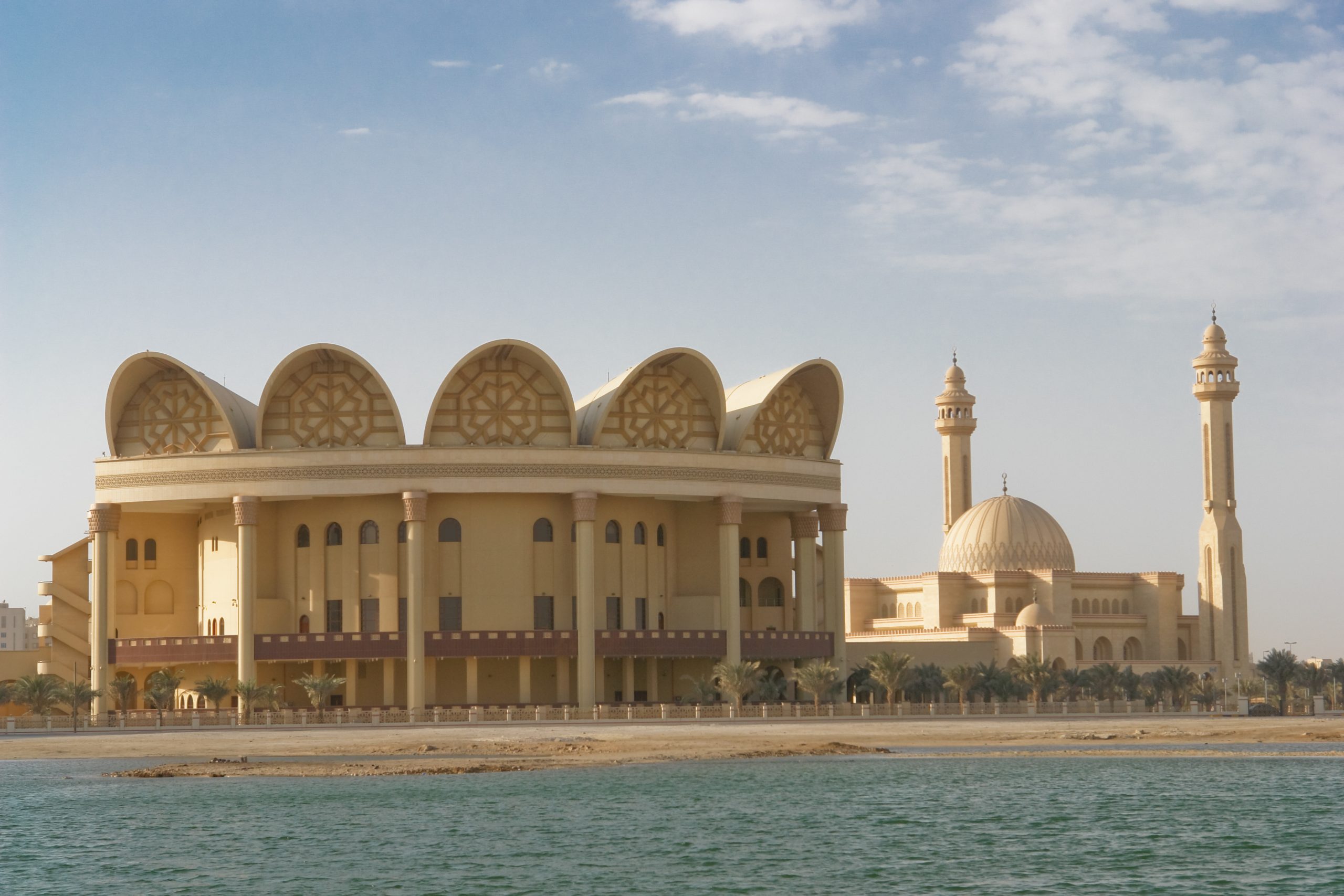
Thursday, 6 March—The United Nations General Assembly designated 28 January as the International Day for Peaceful Coexistence, following an initiative led by Bahrain’s King Hamad Global Centre for Peaceful Coexistence (KHGC). It is part of Bahrain’s efforts to diplomatic efforts for global peace, prioritising dialogue, tolerance, and human rights while rejecting extremism and hatred.
State of Kuwait

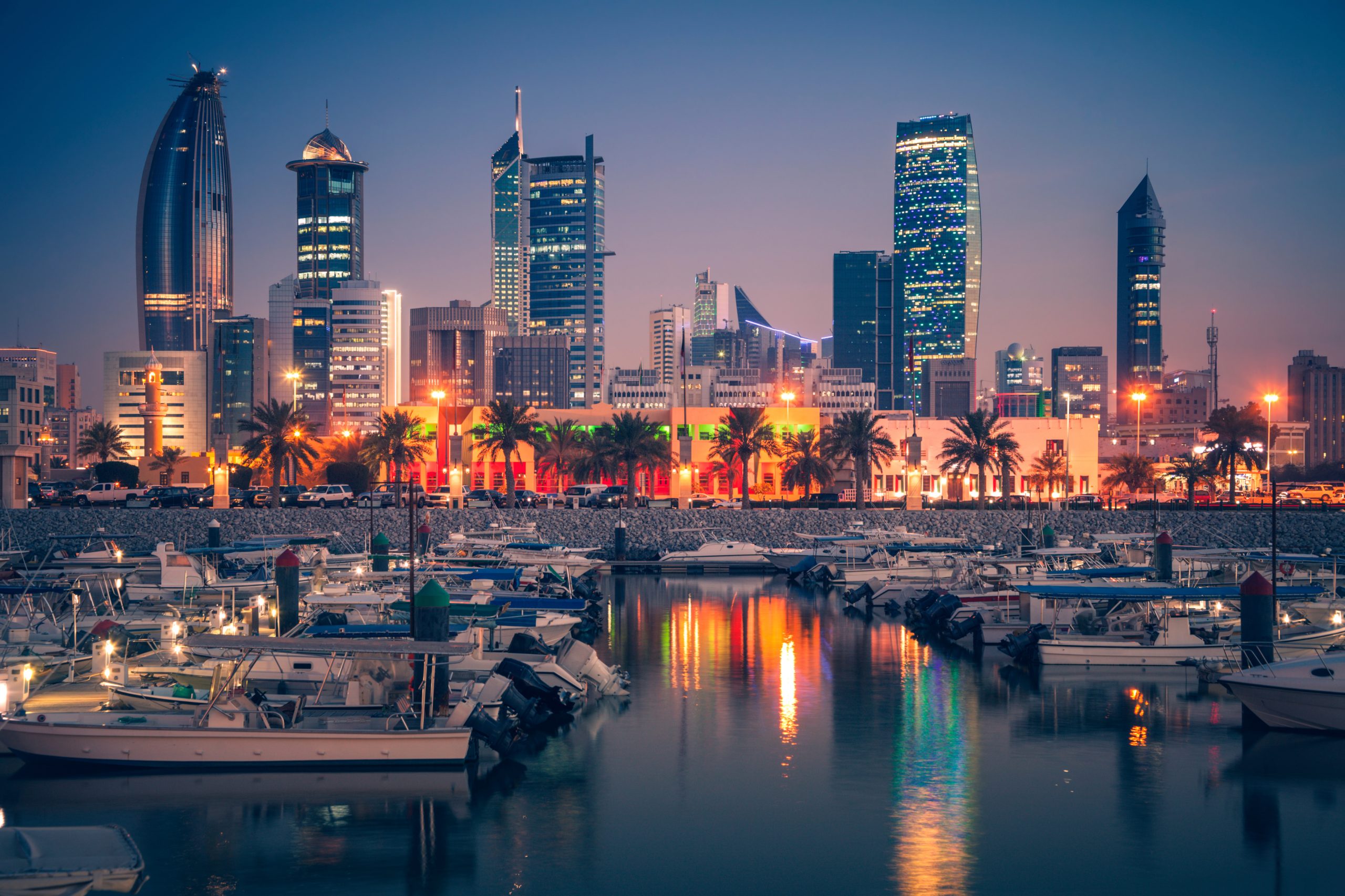
Thursday, 6 March—Kuwait’s government announced a strategic partnership with Microsoft to establish an AI powered Azure cloud region in Kuwait.
Thursday, 6 March—Kuwait’s Foreign Minister, Abdullah Al-Yahya, chaired the 163rd GCC Ministerial Council meeting in Mecca, reaffirming the GCC countries’ commitment to regional stability, economic cooperation, counterterrorism, and conflict resolution. Discussions covered Afghanistan, Gaza and the Palestinian issue, Lebanon, Sudan, Syria, and Yemen as well as concerns over Iran’s nuclear programme and regional militia network. On the Russia-Ukraine war, the GCC praised Saudi, UAE, and Qatari prisoner exchange mediation and pledged continued humanitarian aid. The GCC also held Joint Ministerial Meetings with Egypt, Jordan, Morocco, and Syria, focusing on strengthening strategic relations and regional security.
Sultanate of Oman

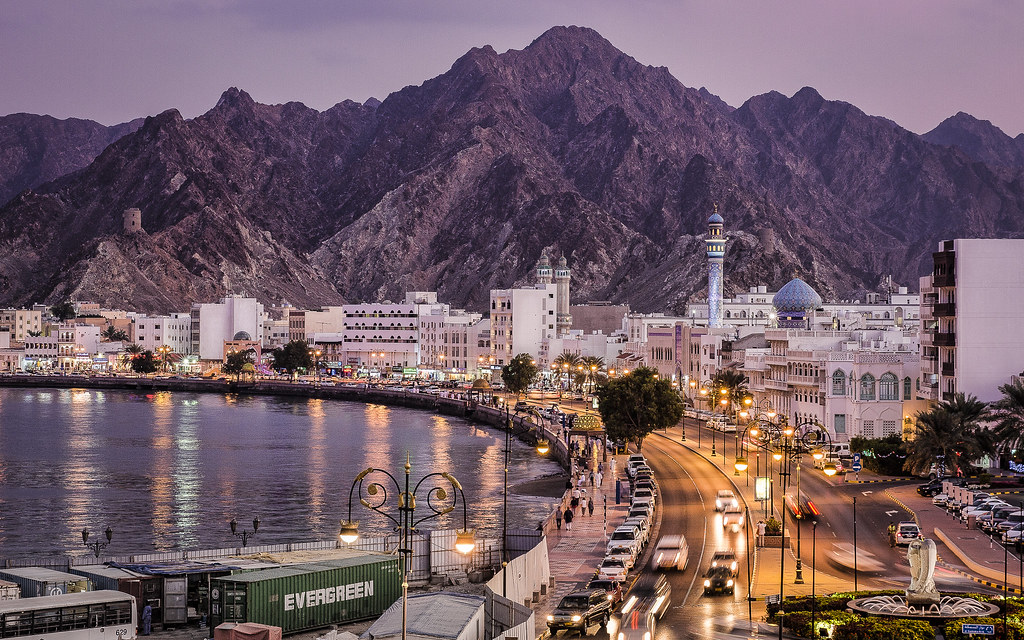
Thursday, 6 March—Oman’s Sultan, Haitham bin Tariq Al-Said, issued Royal Decree 31/2025, appointing Maitha bint Saif Al-Mahrouqi, the Ambassador to Germany, as Oman’s Non-Resident Ambassador to Ukraine. This appointment follows Ukraine’s opening of its embassy in Oman in October 2024.
State of Qatar

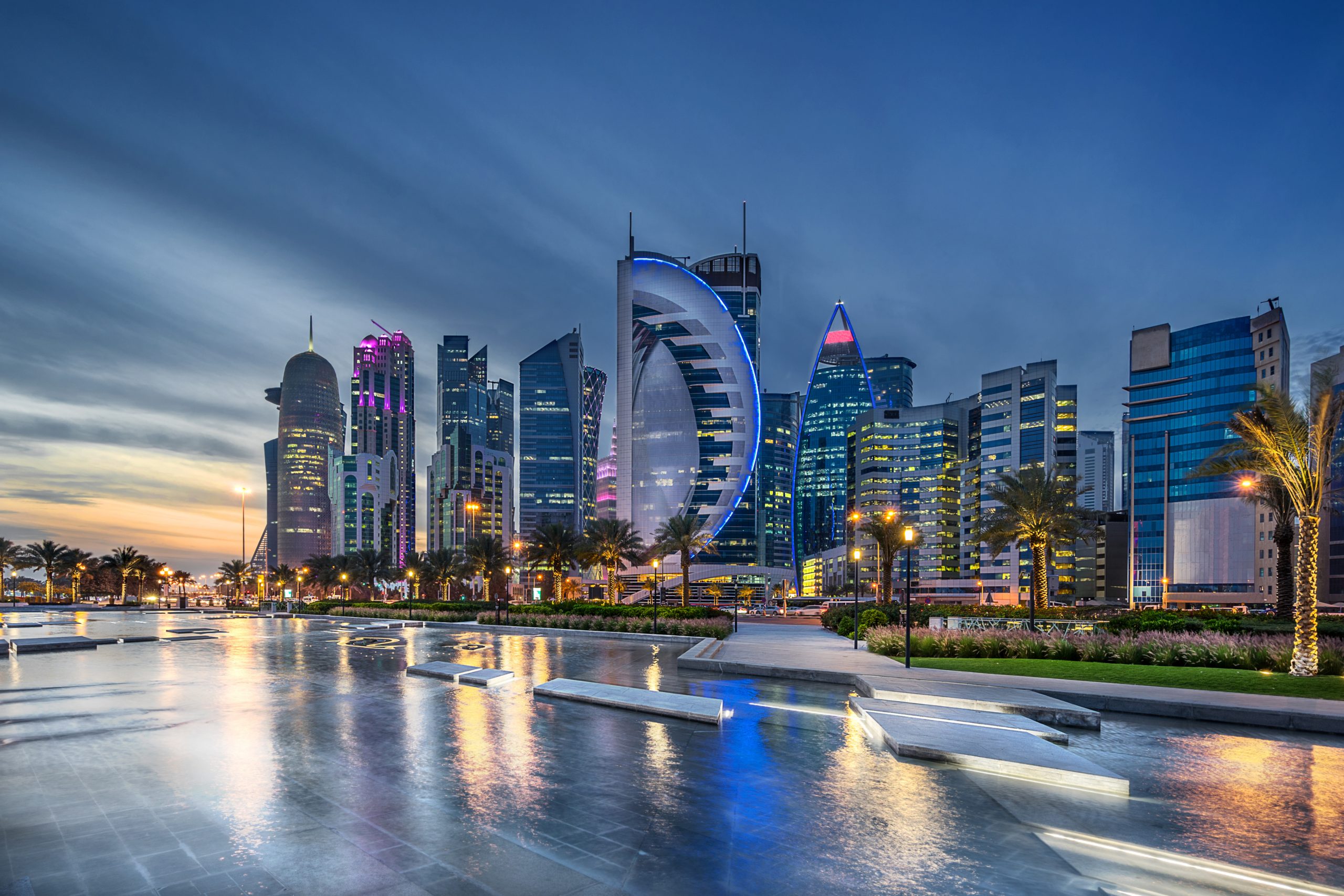
Monday, 10 March—Iraq is turning to Qatar and Oman for gas supplies after the US declined to renew a sanctions waiver for Iraqi electricity purchases from Iran, raising concerns over potential gas restrictions. Baghdad currently imports up to 50 million cubic metres of Iranian gas daily, but a halt could cut its electricity production by a third. To compensate, Iraq plans to lease a floating LNG terminal at Khor Al-Zubair port to process Qatari and Omani gas via a 45-kilometre pipeline to Basra. A deal with the UAE-based Breeze Investment is expected by the end of March, with operations set to begin in mid-2025, supplying 14 million cubic meters of gas daily.
Kingdom of Saudi Arabia

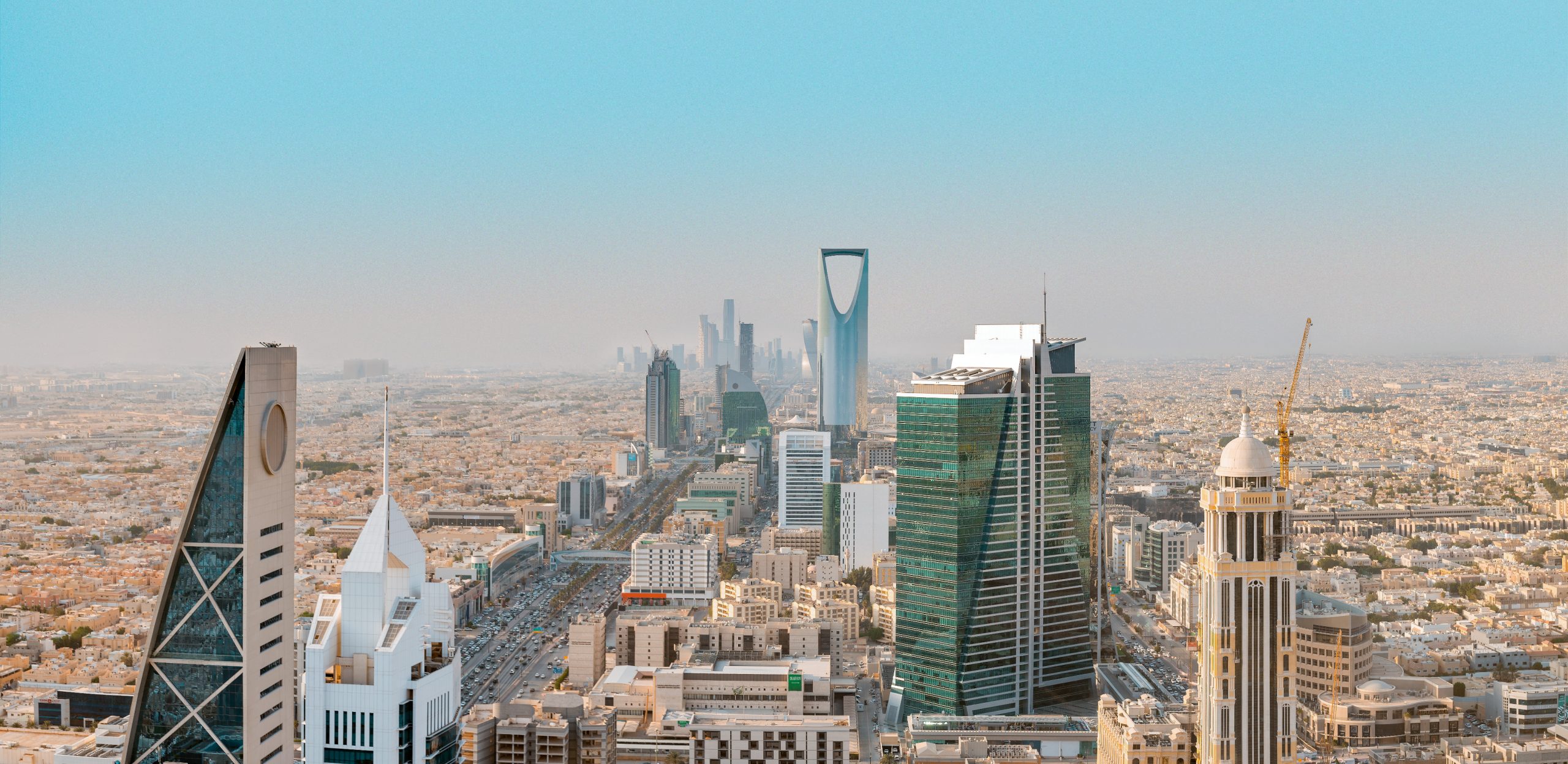
Tuesday, 11 March—Saudi Arabia’s Crown Prince and Prime Minister, Mohammed bin Salman, and Ukraine’s President, Volodymyr Zelenskyy, vowed to enhance bilateral economic and trade relations, notably in energy, food security and agriculture, and infrastructure, and welcomed the upcoming reestablishment of the Saudi-Ukrainian Business Council. Zelenskyy also thanked for Saudi Arabia’s humanitarian and development aid and diplomatic efforts to end the war. The two leaders met in Jeddah ahead of the Saudi-hosted talks between US and Ukrainian officials, which focused on ending the war in Ukraine. During the talks, Ukraine agreed to a 30-day ceasefire, while the US agreed to resume military aid and intelligence sharing with Kyiv.
United Arab Emirates

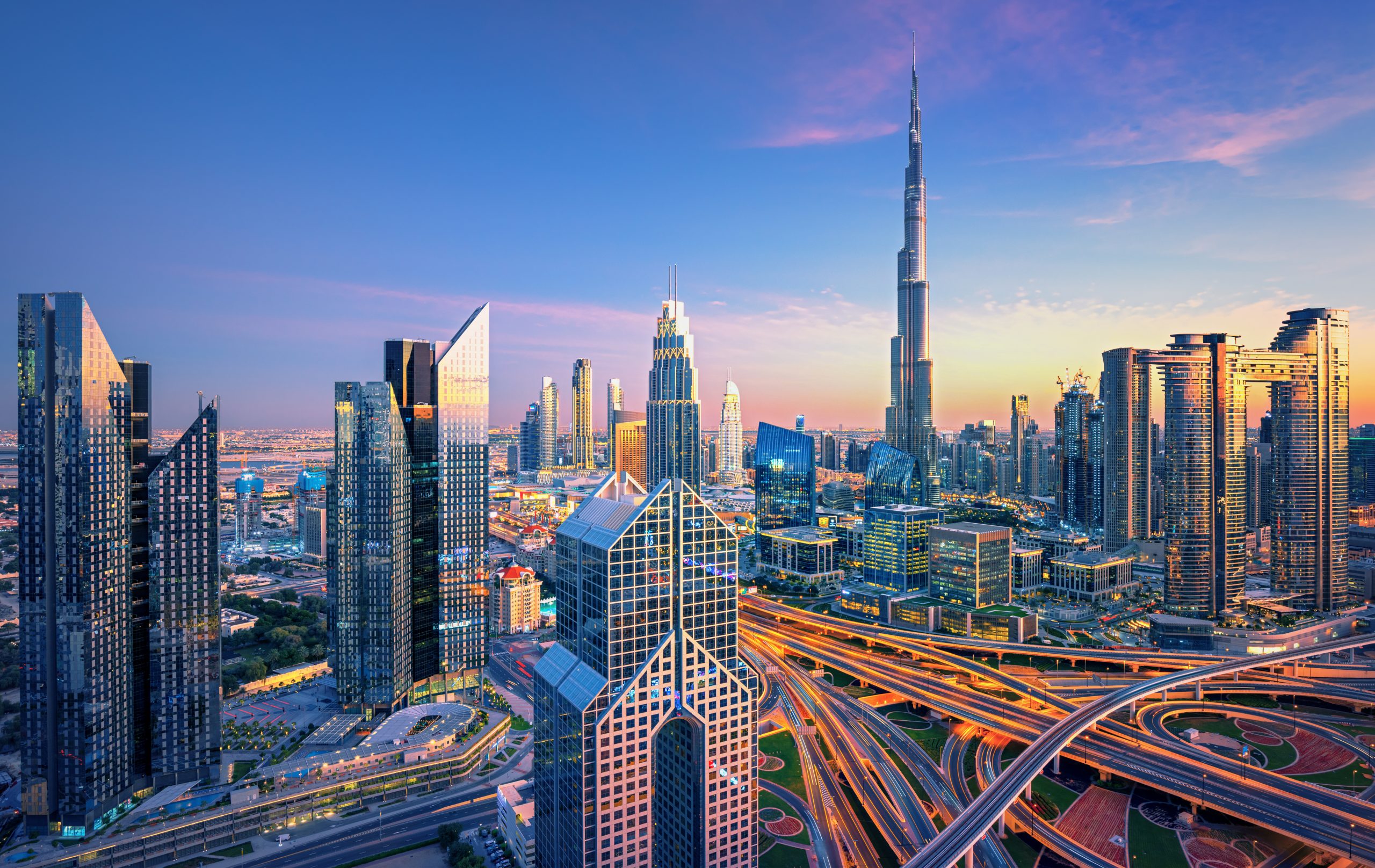
Thursday, 6 March—The UAE and Central African Republic signed a Comprehensive Economic Partnership Agreement (CEPA) and several agreements covering investment protection and promotion, double taxation avoidance, infrastructure, mineral resources, and education, among others.
Tuesday, 11 March—The UAE Cabinet approved the National Investment Strategy 2031, aiming to more than double foreign investment inflows to AED240 billion (€60.2 billion) by 2031. The plan seeks to boost total foreign investment stock from AED800 billion (€200.4 billion) to AED2.2 trillion (€551.2 billion) and raise foreign direct investment’s contribution to GDP to 8%. Key priority sectors include industry, financial services, transport and logistics, renewable energy and water, as well as telecommunications and information technology.
EU Corner
Wednesday, 5 March—At the International Atomic Energy Agency (IAEA) Board of Governors meeting in Vienna, the EU expressed grave concerns over Iran’s expanding nuclear programme, citing serious proliferation risks. It condemned Iran’s increase of highly enriched uranium production, removal of monitoring equipment and rejection of IAEA inspectors, hindering verification efforts. Calling Iran the only non-nuclear weapon state systematically accumulating highly enriched uranium, the EU urged Tehran to return to its JCPOA commitments and fully cooperate with the IAEA.
Saturday, 8 March—The EU strongly condemned attacks reportedly by pro-Assad elements on interim government forces in Syria’s coastal areas and all violence against civilians, stressing the need for full compliance with international humanitarian law. It urged external actors to respect Syria’s sovereignty and territorial integrity and condemned any actions that destabilise the country or hinder a peaceful and inclusive transition.
Sunday, 9 March—The EU welcomed the Arab Recovery and Reconstruction Plan for Gaza adopted at the Cairo Summit, viewing it as a serious basis for discussions on Gaza’s future with Arab partners. It emphasised the need for a political and security framework acceptable to both Israelis and Palestinians, while opposing to any future role for Hamas in Gaza. The EU reaffirmed its commitment to a two-state solution, pledged continued support for the Palestinian Authority, and called for full implementation of the Israel-Hamas ceasefire-hostage release agreement and unhindered humanitarian aid flow to Gaza. Earlier, the Foreign Ministers of France, Germany, Italy, and the UK also backed the plan, pledging to work with the Arab initiative.
Key Official Visits & Contacts
Wednesday, 5 March—The Head of the GCC Mission to the EU, Fahad Saqr Al-Jimaz, met with the Head of the Iran Section at the European External Action Service, Bruno Scholl, to discuss the EU’s policy towards Iran.
Friday, 7 March—UAE Assistant Minister of Foreign Affairs for Energy and Sustainability, Abdulla Ahmed Balalaa, visited Brussels from 6–7 March to strengthen UAE-EU cooperation in renewable energy, energy efficiency, and water resilience ahead of COP30 and the 2026 UN Water Conference. He participated in the EU’s consultative process on water resilience strategy and met with senior officials from the European Commission, the European External Action Service, and the European Investment Bank to explore investment opportunities in clean energy, infrastructure, and water sustainability.
Friday, 7 March—The 20th Extraordinary Session of the Organisation of Islamic Cooperation (OIC) Council of Foreign Ministers in Jeddah, Saudi Arabia, approved Syria’s reinstatement as an OIC member. On the sidelines, Saudi Minister of Foreign Affairs, Faisal bin Farhan Al-Saud, met with his Iranian counterpart, Abbas Araghchi, to discuss bilateral ties and regional developments.
Monday, 10 March—Oman’s Foreign Minister, Badr Albusaidi, hosted Afghan Taliban Foreign Minister, Mawlawi Amir Khan Muttaqi, in Muscat, discussing ways to enhance bilateral cooperation. The two sides agreed to boost trade and investment ties, particularly in food security, and collaborate on education and training programmes. Oman reiterated its support for Afghanistan’s integration into the international community.
Tuesday, 11 March—UAE Deputy Prime Minister and Foreign Minister, Abdullah bin Zayed Al-Nahyan, met French officials in Paris, including Foreign Minister Jean-Noël Barrot, Minister of the Armed Forces Sébastien Lecornu, Minister of Culture Rachida Dati, and Élysée Palace Secretary-General, Alexis Kohler. Building on the recent UAE President’s visit to France, the talks focused on strengthening UAE-France relations in trade, investment, defence, culture, climate action, and advanced technology, as well as regional and global developments, and joint efforts to promote peace and stability.