



5 Top Points
- The US launched a military campaign against Yemen’s Houthis, vowing continued operations until attacks on US forces and Red Sea shipping cease.
- Omani and Iranian Foreign Ministers discussed US airstrikes against Yemen’s Houthis.
- Qatar’s Emir met with Russia’s First Deputy Prime Minister in Doha.
- UAE Deputy Prime Minister visited Finland, Sweden, and Denmark to expand bilateral ties.
- Kuwait and China signed a framework agreement to cooperate in renewable energy and solar plants technology.
‘Round and About the Gulf
Kingdom of Bahrain

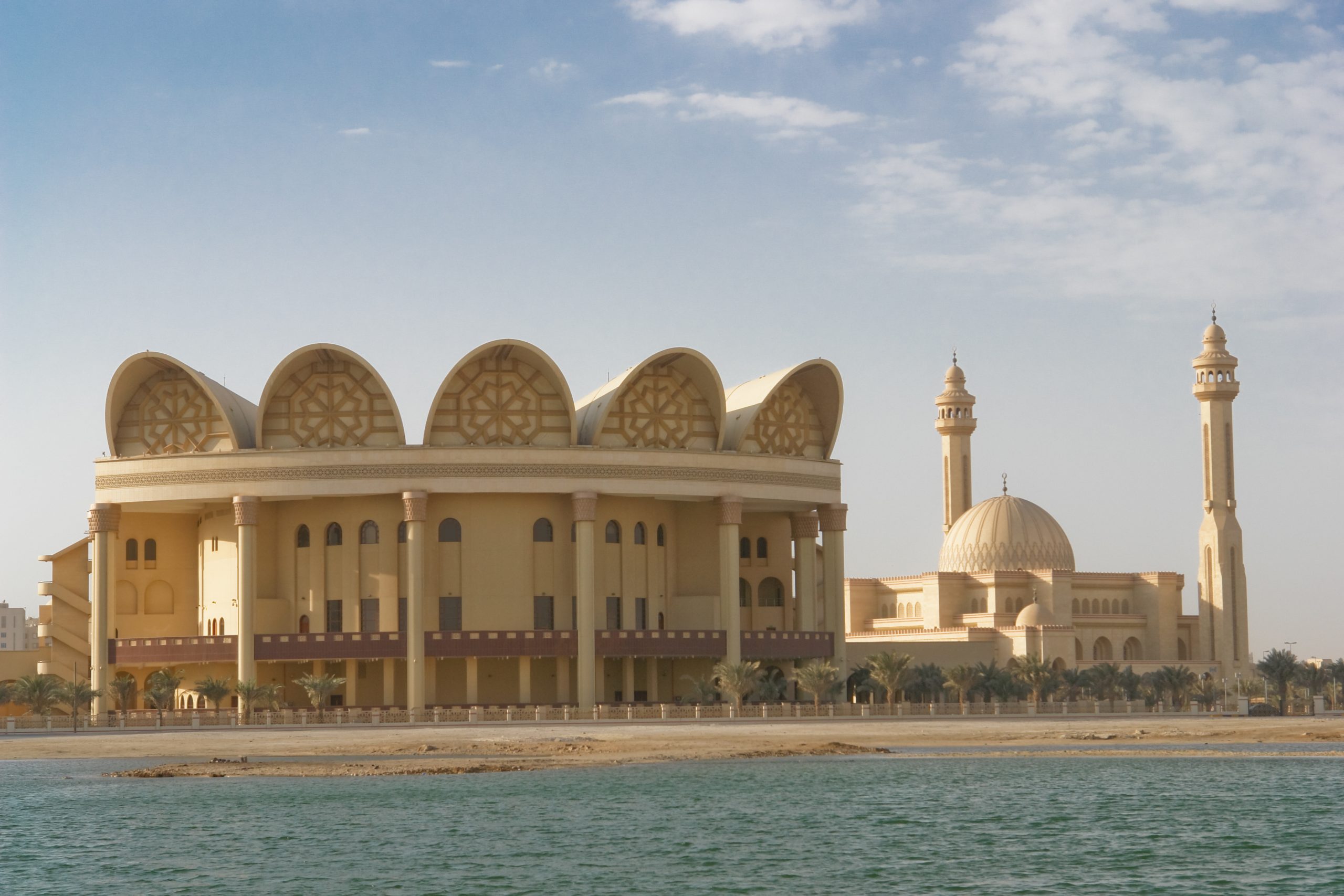
Saturday, 15 March—Bahrain’s National Space Science Agency successfully launched ‘Al Munther’, the first domestically developed nano-satellite. It was launched into orbit at an altitude of 550 km above sea level aboard a Falcon 9 rocket as part of the SpaceX Transporter-13 mission from Vandenberg Space Force Base in California, US. Bahrain’s National Space Science Authority team begun its initial operations and system testing in orbit.
State of Kuwait

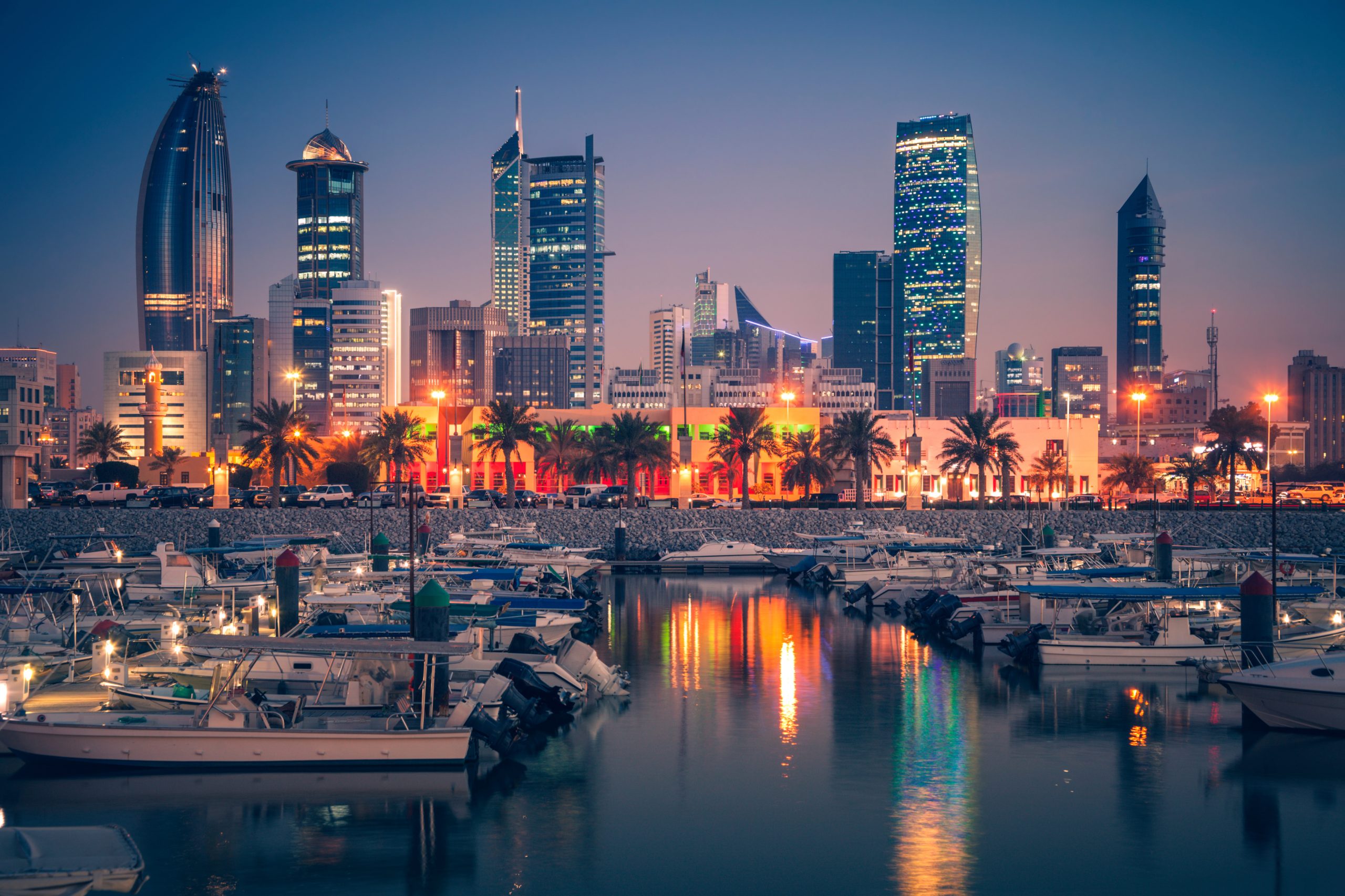
Monday, 17 March—Kuwait and China signed a framework agreement to cooperate in renewable energy and solar plants technology. The deal signed by Adel Al-Zamel, Kuwait’s Undersecretary at the Ministry of Electricity and Water and Renewable Energy, and Ren Jingdong, the Deputy Director of the Chinese National Energy Administration, includes plans for expanding the Al-Shagaya and Al-Abdiliya solar projects, which will each have a joint production capacity of 3,500 megawatts, with the potential to increase to 5,000 megawatts. It is part of Kuwait’s plan to generate 15% of its energy from renewable sources by 2030.
Sultanate of Oman

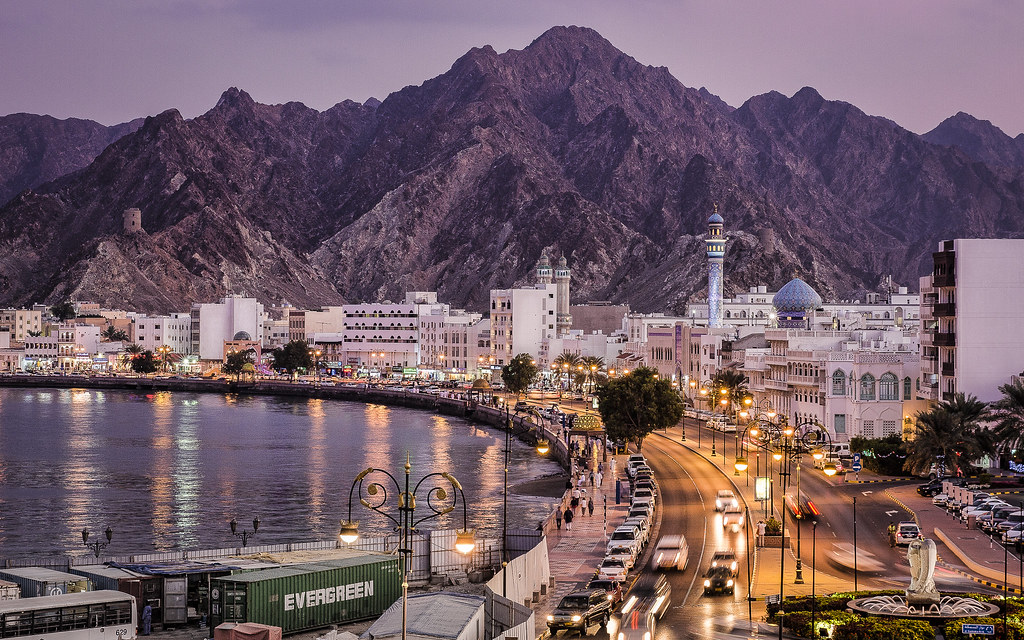
Sunday, 16 March—In response to US strikes against the Houthis (Ansar Allah) in Yemen, Oman’s Foreign Ministry voiced deep concern over the escalating conflict and its humanitarian consequences. It cautioned that continued hostilities would heighten regional instability. Reaffirming its commitment to dialogue and peaceful solutions, Oman called on all parties to address the root causes and urged all actors to take responsibility in maintaining calm and preventing further escalation.
State of Qatar

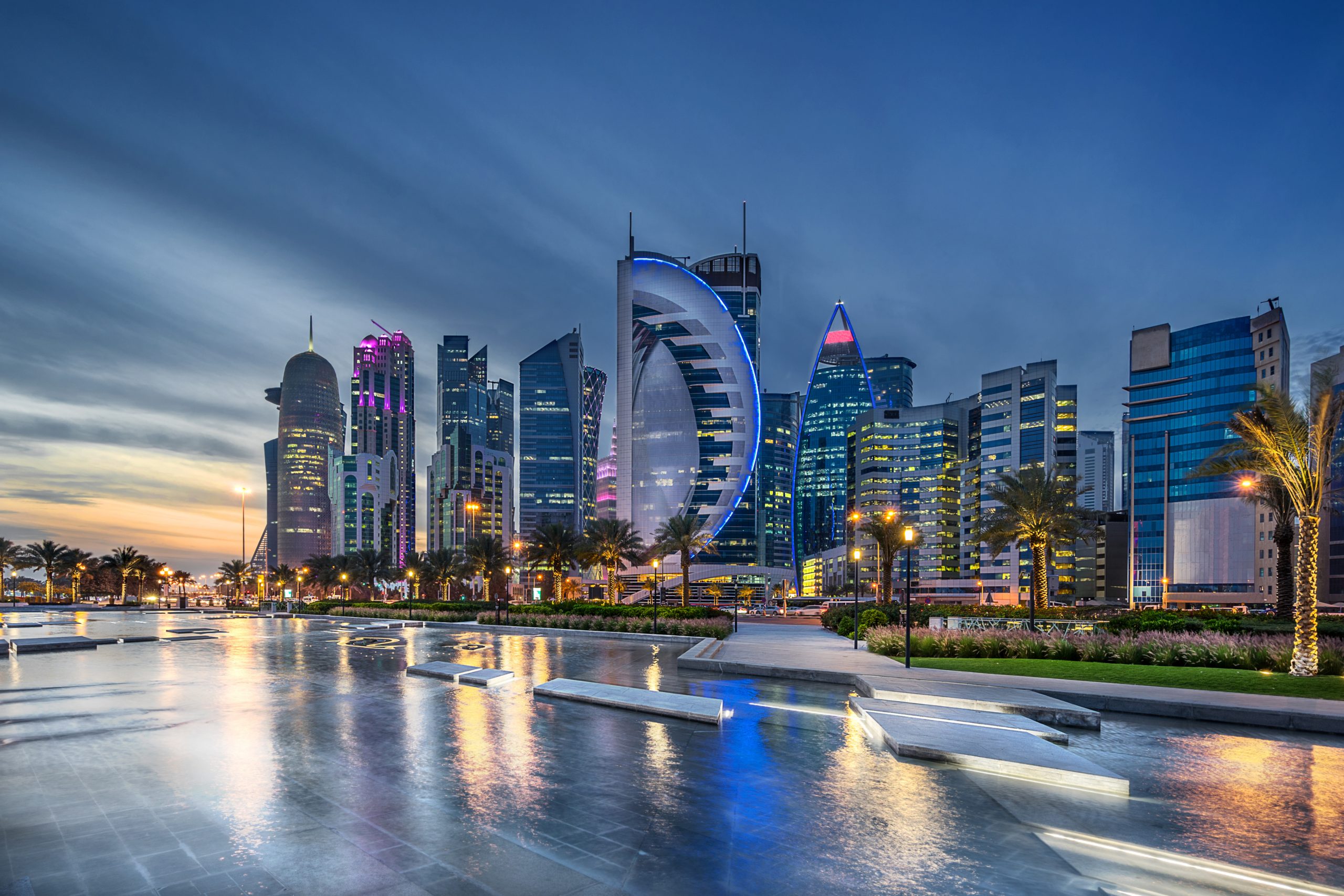
Thursday, 14 March—Qatar plans to supply Syria with 2 million cubic metres of natural gas daily to generate 400 megawatts of electricity, aiming to alleviate severe power shortages. The gas will be sent to the Deir Ali power station south of Damascus via a pipeline through Jordan. The initiative is part of a deal involving the Qatar Fund for Development, Jordan’s Ministry of Energy, and the UN Development Programme.
Kingdom of Saudi Arabia

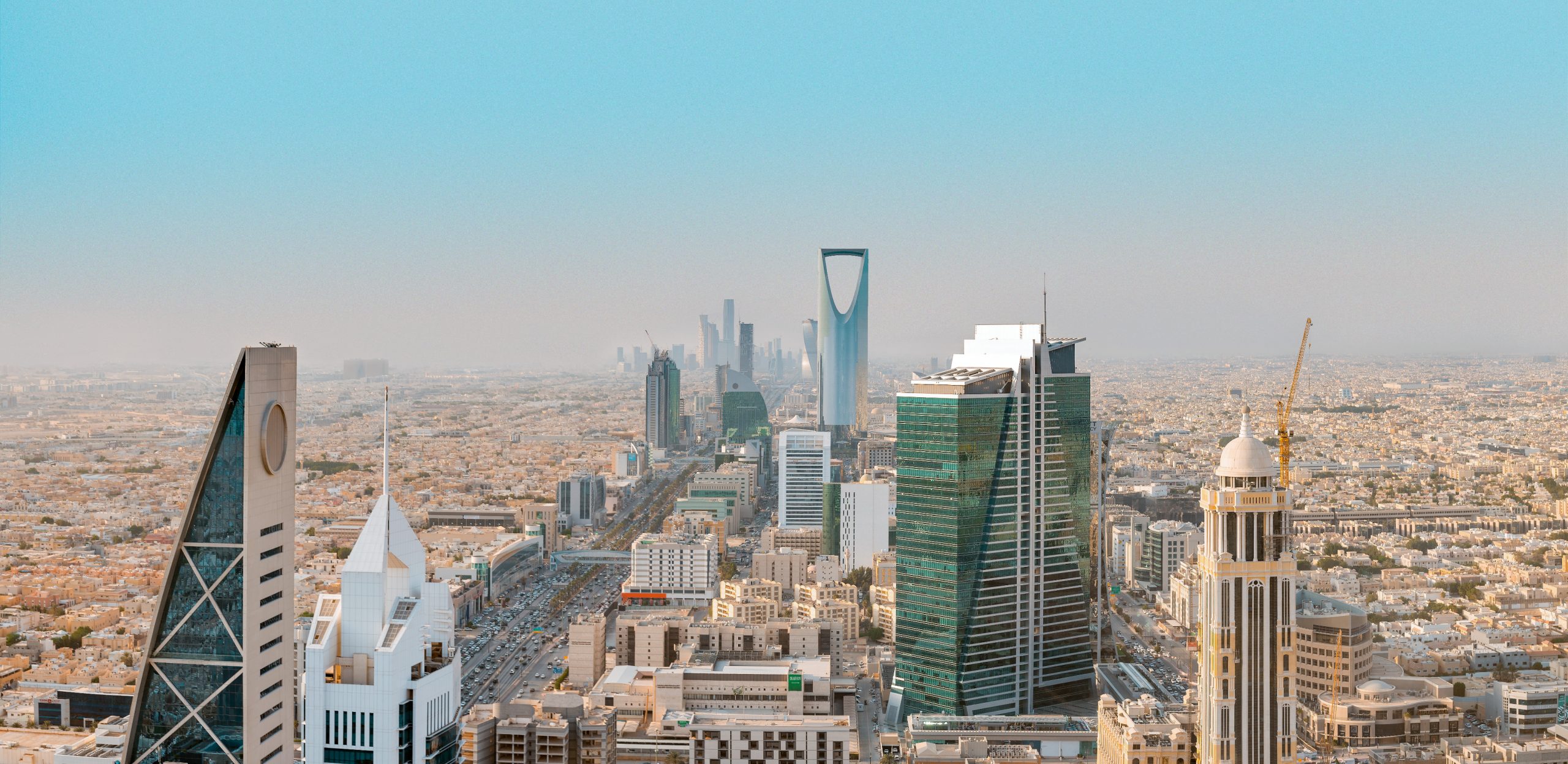
Monday, 17 March—Saudi Arabia’s General Directorate of Narcotics Control and Iraqi authorities cooperated to intercept the largest drug shipment in Iraq’s history — 1.1 tons of captagon pills (7 million pills) concealed inside a truck with other merchandise that entered Iraq from Syria via Türkiye. Saudi Arabia reaffirmed its commitment to dismantling international narcotics networks.
United Arab Emirates

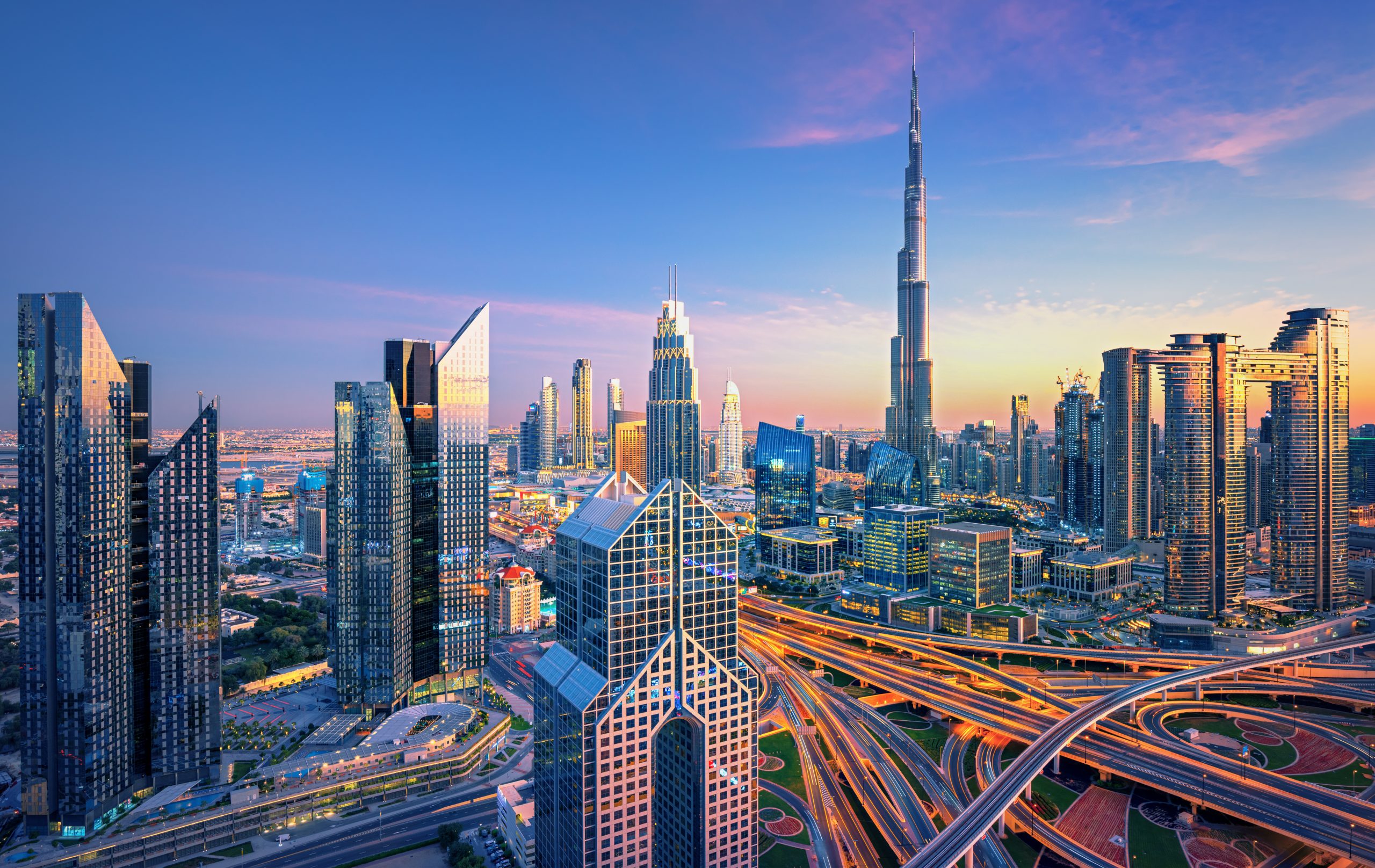
Wednesday, 12 March—The UAE, Qatar, and Oman participated as observers in joint naval exercises conducted by Iran, Russia, and China in the Gulf of Oman. Other observer countries included Azerbaijan, Iraq, Kazakhstan, Pakistan, South Africa, and Sri Lanka.
EU Corner
Friday, 14 March—Saudi Arabia’s Foreign Minister, Faisal bin Farhan Al-Saud, held a phone call with EU High Representative for Foreign Affairs and Security Policy, Kaja Kallas.
Monday, 17 March—UAE Minister of State, Ahmed Al-Sayegh, held talks with Maroš Šefčovič, European Commissioner for Trade and Economic Security, and Maria Luis Albuquerque, Commissioner for Financial Stability and Financial Services, to explore trade relations between the UAE and the EU. The discussions focused on the prospects of a potential free trade agreement and the role of fintech innovations in improving supply chain access and deepening economic ties between the UAE and the EU.
Monday, 17 March—The EU Foreign Ministers discussed key Middle Eastern issues, focusing on Gaza, Syria, and Iran during their meeting in Brussels. They condemned the politicisation of humanitarian aid in Gaza and supported the Arab League reconstruction plan, stressing that Hamas must have no future role in Gaza. On Syria, they addressed escalating violence, the 9th Brussels Syria conference’s pledges, the easing of sanctions and the need for accountability and inclusive governance. Regarding Iran, concerns centred on regional destabilisation, military aid to Russia, hostage diplomacy, and the nuclear programme, with a call for EU unity in addressing these challenges.
Monday, 17 March—GCC Secretary General, Jasem Albudaiwi, met with top EU officials, including High Representative Kaja Kallas and European Council President Antonio Costa, in Brussels during the 9th Conference on Syria, which secured €5.8 billion in pledges. Their discussions focused on strengthening GCC-EU ties, reviewing the October 2024 GCC-EU Summit outcomes, and preparing for the upcoming ministerial meeting in Kuwait. Key topics included regional conflicts, particularly Gaza and Syria, with an emphasis on the EU’s role in fostering stability. Albudaiwi also met with Dubravka Šuica, European Commissioner for the Mediterranean, to explore an EU-GCC conference on energy security. Additionally, Ukraine’s Special Envoy invited him on behalf of the Foreign Minister to visit Ukraine.
Tuesday, 18 March—UAE Assistant Minister for Political Affairs and Envoy of the Minister of Foreign Affairs, Lana Nusseibeh, met with Anna-Maria Boura, the Chief Foreign Policy Advisor to European Council President, Stefano Sannino, Head of the European Commission’s Directorate-General for the Middle East, North Africa, and the Gulf, and Olof Skoog, Deputy Secretary General for Political Affairs of the EU’s External Action Service, to discuss economic cooperation, regional stability, and UAE-EU bilateral relations.
Key Official Visits & Contacts
Wednesday, 12 March—UAE Deputy Prime Minister and Foreign Minister, Abdullah bin Zayed Al-Nahyan, visited Finland, Sweden, and Denmark to enhance cooperation and discuss regional developments. In Helsinki, he met President Alexander Stubb, delivering a letter from UAE President and held talks with Foreign Minister Elina Valtonen on bilateral ties. He also met Emirati engineers training in space technology in Finland. In Stockholm, he was received by King Carl XVI Gustaf and Crown Princess Victoria and met Defence Minister Pål Jonson, Trade Minister Benjamin Dousa, and Foreign Minister Maria Stenergard to discuss defence, trade, and diplomatic cooperation. In Copenhagen, he met King Frederik X, Parliament Speaker Søren Gade, and Foreign Minister Lars Løkke Rasmussen to explore economic and political collaboration. UAE and Denmark signed a Memorandum of Understanding for cooperation in the sustainable agricultural and food systems sectors.
Wednesday, 12 March—Doha hosted a meeting on Palestine, which aimed to present the Arab reconstruction plan for Gaza, approved at the Arab League Summit on 4 March, as an alternative to the US proposal to relocate Palestinians to neighbouring countries. They also agreed with the US Envoy to continue consultations and coordination on this plan as a basis for the reconstruction efforts in the Strip. Participants, which included senior officials from Qatar, Saudi Arabia, Egypt, Jordan, the UAE, and the Palestine Liberation Organisation, agreed with the US Special Envoy to the Middle East, Steve Witkoff, to continue consultations on the plan as the basis for Gaza’s reconstruction.
Thursday, 13 March—Pakistan suggested Oman could use its Gwadar and Karachi ports to access emerging Central Asian markets. The offer was made during a high-level meeting in Muscat between Pakistan’s Commerce Minister, Jam Kamal, and his Omani counterpart, Qais Al-Yousif. Both sides discussed strategies to enhance trade and investment, agreeing on the need to improve transport links and strengthen Pakistan’s role as a trade corridor. The talks also focused on cooperation in textiles, agriculture, food security, and manufacturing.
Thursday, 13 March—Saudi Arabia’a Crown Prince and Prime Minister, Mohammed bin Salman Al-Saud, reaffirmed the Kingdom’s commitment to facilitating dialogue and a political resolution to the Ukraine crisis in a phone call with Russia’s President, Vladimir Putin. Putin thanked Saudi Arabia for hosting Russian-American talks on 18 February. They also discussed bilateral cooperation and global oil market stability. The call followed the Mohammed bin Salman’s meeting with Ukraine’s President, Volodymyr Zelenskyy, and the US-Ukraine talks hosted in Jeddah.
Sunday, 16 March—Saudi Arabia’a Crown Prince and Prime Minister, Mohammed bin Salman Al-Saud, received a phone call from Italy’s Prime Minister, Giorgia Meloni. It came following the Saudi-hosted talks between Ukraine and the United States, which resulted in a ceasefire proposal and the resumption of US intelligence sharing and security assistance and were welcomed by the EU and the G7 Foreign Ministers.
Saturday, 15 March—The United States launched a military campaign against Yemen’s Houthis (Ansar Allah), with the Defence Secretary, Pete Hegseth, affirming that operations would continue until the group ceases attacks on US forces and Red Sea shipping. The Houthis claimed to have launched rockets and drones at a US aircraft carrier, though American officials confirmed that all projectiles were intercepted. The strikes, ordered by President Trump, represent the most extensive US military operation in the Middle East since the beginning of his term and are part of his maximum pressure on Iran and its proxies.
Sunday, 16 March—Oman’s Foreign Minister, Badr Albusaidi, received his Iranian counterpart, Abbas Araghchi. They discussed ways to strengthen cooperation and the recent US airstrikes against the Houthis (Ansar Allah) in Yemen and underscored the importance of dialogue and peaceful means to address regional issues and ease tensions.
Sunday, 16 March—Qatar’s Emir, Tamim bin Hamad Al-Thani, met with Russia’s First Deputy Prime Minister, Denis Manturov, and his accompanying delegation to discuss bilateral relations and ways to boost them along with the latest developments regarding Gaza and Ukraine. Manturov was in Doha for the 5th Session of the Qatar-Russia Joint Committee on Trade, Economic, and Technical Cooperation.
Monday, 17 March—Deputy Ruler of Abu Dhabi and UAE National Security Adviser, Tahnoon bin Zayed Al-Nahyan, visited the United States. The discussions aimed at enhancing UAE-US economic and technological cooperation while also addressing regional challenges and reinforcing the long-standing bilateral strategic partnership. He witnessed the signing of a multi-year agreement with Microsoft and Core42 to implement a sovereign cloud system aimed at enhancing government services through AI and digital transformation as Abu Dhabi seeks to become the world’s first fully AI-native government by 2027.