




The arrest of one of the main rivals to President Recep Tayyip Erdogan’s, Istanbul Mayor Ekrem Imamoglu, is neither accidental nor isolated; it is intricately linked to both internal political dynamics in Turkey and shifting international conditions.
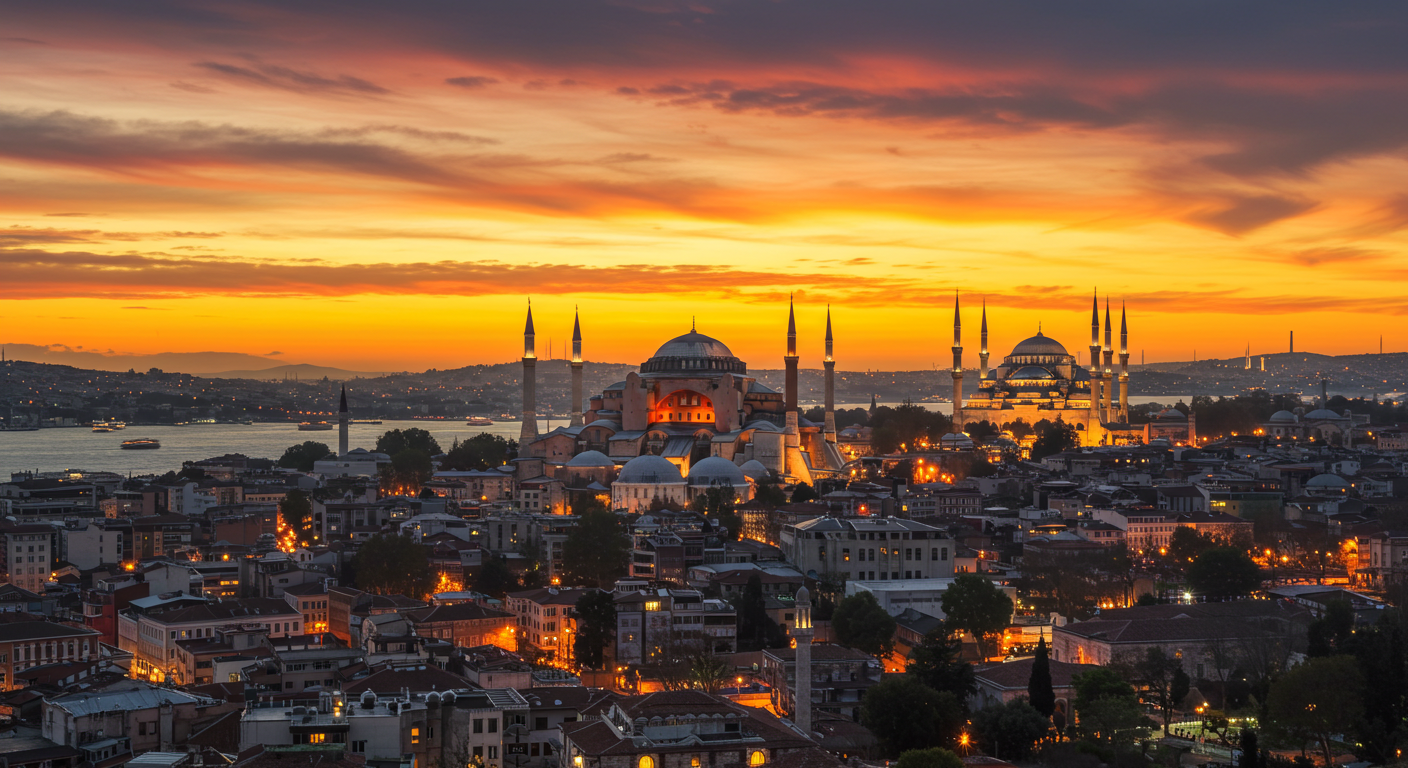
In spring 2024, the ruling Justice and Development Party (AKP) suffered a significant setback in national municipal elections, failing to reclaim the mayoralties of Istanbul and Ankara while losing control of several other major cities. This marked the first major defeat for the AKP in over two decades. Key cities, including Istanbul, Ankara, Izmir, Bursa, and Adana, fell under opposition control. Istanbul holds particular significance for Erdogan, as it was the starting point of his political career when he became mayor of Turkey’s largest city, once the capital of the Ottoman Empire.
Several factors contributed to the AKP’s electoral failures, including widespread public dissatisfaction with its economic policies, which resulted in soaring prices and a devaluation of the national currency. Previously, Turkey’s economic successes enabled Erdogan to win elections and maintain power, as the country emerged as one of the new industrial nations, ranking 17th globally in GDP. However, between 2018 and 2021, the Turkish economy faced a crisis, and as it began to recover, it was engulfed by inflation, undermining the government’s authority. Additionally, there has been significant discontent regarding Erdogan’s increasingly authoritarian policies, characterised by the suppression of free speech, attempts to control the judiciary, media, and universities, and the arrest of political opponents.
Mayor Imamoglu is currently the most popular opposition figure, garnering support from various political factions in Turkey, including traditionalists, nationalists, Kemalists, secularists, and Kurds. Such a candidate stands a viable chance in presidential elections. The charges of corruption and alleged ties to Kurdish separatists against Imamoglu appear to be aimed at intimidating the opposition in Turkey’s domestic political landscape. However, in the long term, these actions pose serious risks for Erdogan himself. Imamoglu has refuted the accusations and called on his supporters to rally in cities across the nation to fight for their rights. Hundreds of thousands took to the street—not merely in support of Imamoglu, but as a protest against Erdogan and his relentless pursuit of power by any means necessary.
While the situation facing Turkey’s economy and society is fraught with challenges, the international aspect seems to be somewhat favourable for Erdogan. Europe is preoccupied with the Russia-Ukraine conflict, and the newly elected Trump Administration appears to harbour a positive disposition towards Erdogan. In January, Trump stated, ‘President Erdogan is my friend. He is a guy I respect. I think he respects me too. Look at his actions in Syria. Russia is weakened. Iran is weakened. Erdogan is a very cool guy. He sent his guys into Syria under various names and in different ways; they went in and took everything there.’
Turkish columnist Ali Yaycioglu, writing for Oksijen, noted that the decision to arrest Ekrem Imamoglu was made possible by the current geopolitical context—chiefly, Trump’s victory in the US presidential elections. Yaycioglu argues that Erdogan feels confident that international reactions to such a drastic and demonstrative action will be restrained. ‘Had Trump not won the election,’ he asserts, ‘the government would hardly have dared to undertake such an operation.’ Interestingly, the social media platform X, owned by Elon Musk, has blocked accounts of several Turkish opposition activists. Erdogan seems to hope that the US will turn a blind eye to the suppression of dissent and the arrest of opposition activists in Turkey.
Reports indicate that three days prior to Imamoglu’s arrest, Erdogan spoke with Trump about Syria, the Kurds, and Ukraine, with the potential military operation against Iran likely being a central topic of discussion. Relations between Tehran and Ankara are — it is no secret — deteriorating, especially following the victories of pro-Turkish forces in Syria and the displacement of Bashar al-Assad. In March, Turkish Foreign Minister Hakan Fidan openly accused Iran of supporting Kurdish separatism.
Russian commentator Rinat Mukhametov suggests that Erdogan’s political instincts may have led him astray this time. Previously adept at sensing the mood of the Turkish populace, which allowed him to skillfully manipulate both the masses and the elite, he is now relying on security forces to suppress protests.
In October 2024, Turkish cleric Fethullah Gülen, leader of the Hizmet movement, died in exile. He was one of Erdogan’s key opponents, accused of plotting the bizarre military coup in Turkey in 2016. The coup that allowed Erdogan to crack down on Hizmet. At that time, the Kemalist opposition watched as Gulenists were arrested en masse and their structures were destroyed. Now, almost 10 years later, their turn has come – Erdogan has already blamed the opposition for the escalation of violence on the streets of Turkish cities. We may be witnessing a final battle that will have fundamental implications for the future of Turkey.