



From a geopolitical perspective, relations between Europe and the Gulf Cooperation Council (GCC) countries have historically developed along two main lines: trade and energy. The GCC, with its vast oil and gas resources, has played a crucial role in ensuring Europe’s energy security, particularly during times of crisis. However, in recent years, the growing political and economic influence of Gulf countries — together with a more assertive foreign policy approach — is reshaping the global geopolitical landscape, and presenting Europe with new opportunities and challenges.
Today, Europe finds itself in a strategic position, where its engagement with the Gulf states could extend far beyond the traditional economic framework. Geopolitical dialogue can be harnessed not only to enhance economic cooperation but also to address global issues such as regional conflicts, terrorism, migration crises, and human rights issues. To truly build bridges between Europe and the Gulf, an approach is needed that transcends ideological and cultural divides, embracing the value of genuine and in-depth dialogue. Key samples of cooperation involve all GCC members—Bahrain, Kuwait, Oman, Qatar, Saudi Arabia and the UAE have each developed a supportive, negotiation-fuelled role in mediating international conflicts ranging from the Russia-Ukraine war to Afghanistan.(1) Gulf countries can play a constructive role in international diplomacy, working alongside Europe to help resolve global conflicts.
It is also notable that trade volumes continue to grow between Europe and the Gulf. Consider, for example, the UAE, which in recent years has sought to strengthen ties with Europe through strategic investments, particularly in sectors such as technology, healthcare, and renewable energy. Collaboration in these areas is essential for building bridges between the GCC and Europe, promoting both economic development and also deeper mutual understanding. The UAE’s hosting of Expo 2020 Dubai, provided Europe with opportunities to engage in innovative and sustainable projects and to further learn about the intricacies of the GCC more completely.(2)
There are, of course, points of friction as well. Before the Houthis began their wholesale attacks on Red Sea shipping, Europe viewed the war in Yemen primarily through a humanitarian lens and tended to condemn the military intervention of Saudi Arabia. With time — and the fact that the US and Europe now have to deal with Houthi violence — Europe has reduced its criticism of Saudi Arabia but the polarisation and politicisation of crises complicates smooth cooperation. Only through open and candid engagement can bridges of trust and long-term cooperation be built. Despite peaks and valleys, Europe has been actively involved in humanitarian assistance, development aid, and political support for Yemen, contributing approximately €1 billion since 2015.(3) Furthermore, European nations support UN-led peace efforts and urged all parties to engage in negotiations to resolve the conflict.(4)
Another crucial aspect of the Euro-Gulf dialogue lies in the cultural dimension. Religious, political, and social differences are often seen as insurmountable barriers, but when approached correctly, they can instead become valuable assets. The presence of huge volumes of migrant workers from South Asia in Gulf countries has enriched local cultural identities. This diversity — together with the magnetism the region has for specialists and experts from around the world — is a vital part of the region’s dynamism. Europe could do more to recognise and support these cultural connections, encouraging exchanges and initiatives that highlight shared experiences and points of convergence. Some positive examples of intercultural dialogue include the many programmes of the King Hamad Global Centre (Bahrain) and the Doha Film Institute (Qatar). The former acts as a research and outreach hub while the later aims to promote Arab cinema and storytelling through partnerships with European festivals and the distribution of films addressing the region’s social and cultural challenges.(5) Initiatives like this can help bridge misunderstandings and close cultural gaps, fostering a shared vision of diversity and integration.
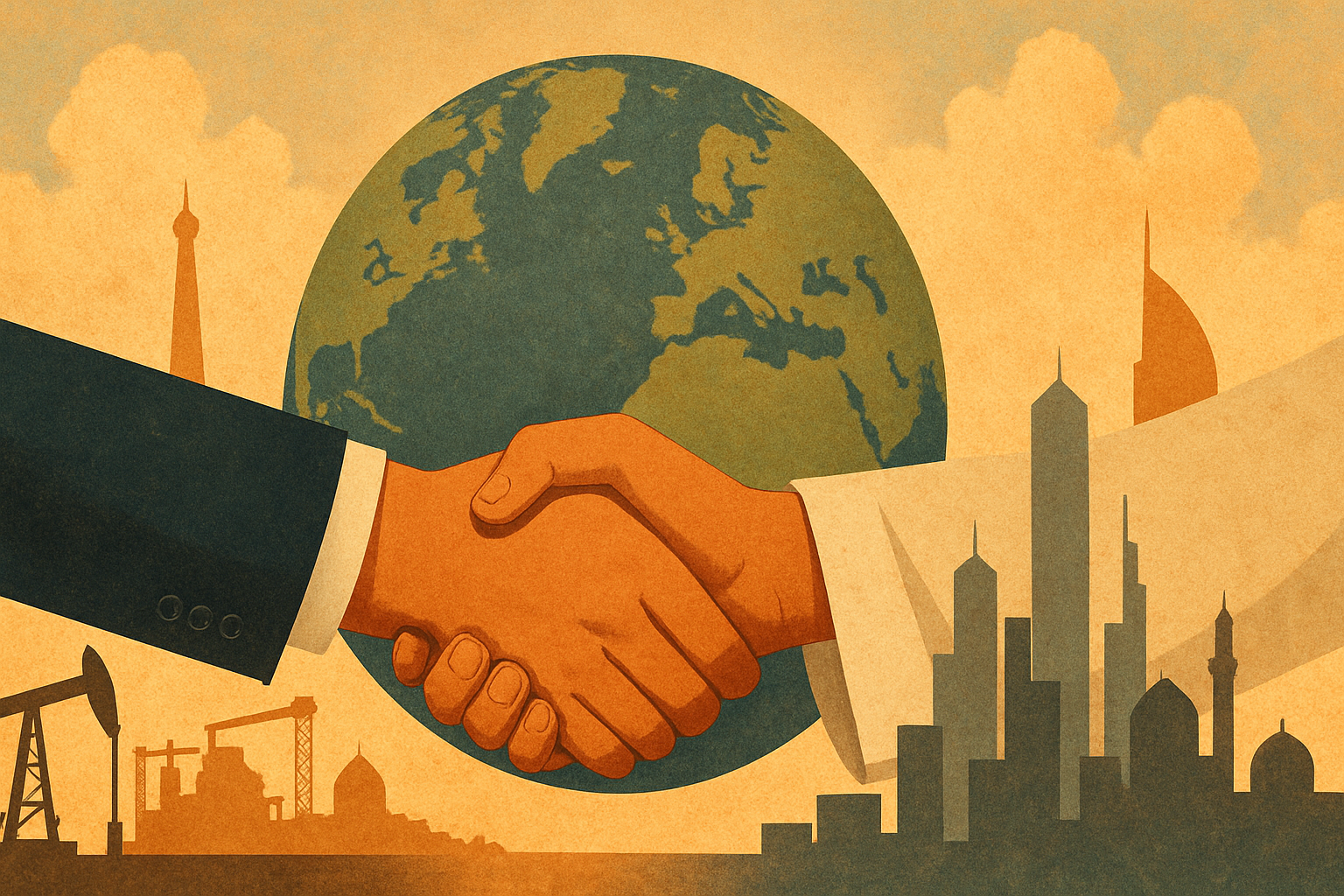
Geopolitically, Europe has a unique opportunity to act as a mediator between the Arab world and the West. It has the potential to promote policies that move beyond the logic of building walls and instead foster dialogue and cooperation to build bridges between different civilisations. Overcoming geopolitical, cultural, and religious divisions requires patience, political will, and, above all, the ability to see difference not as a threat but as a resource. If Europe can embrace this mindset, its dialogue with the Gulf and the broader Arab world could present a unique opportunity to build a future founded on peace, cooperation, and shared development.