


5 Top Points
- Oman hosted the third round of US-Iran nuclear talks as European engagement looms.
- The EU and GCC deepened security ties at the Brussels dialogue, with counter-terrorism, maritime security, and cyber and hybrid threats high on the agenda.
- Qatar and the UK held a strategic dialogue, expanding cooperation in technology, science, health, and innovation.
- The Foreign Ministers of Saudi Arabia and France coordinated on Gaza peace efforts.
- Cyprus strengthened ties with Bahrain, targeting deeper relations with the Gulf.
‘Round and About the Gulf
Kingdom of Bahrain

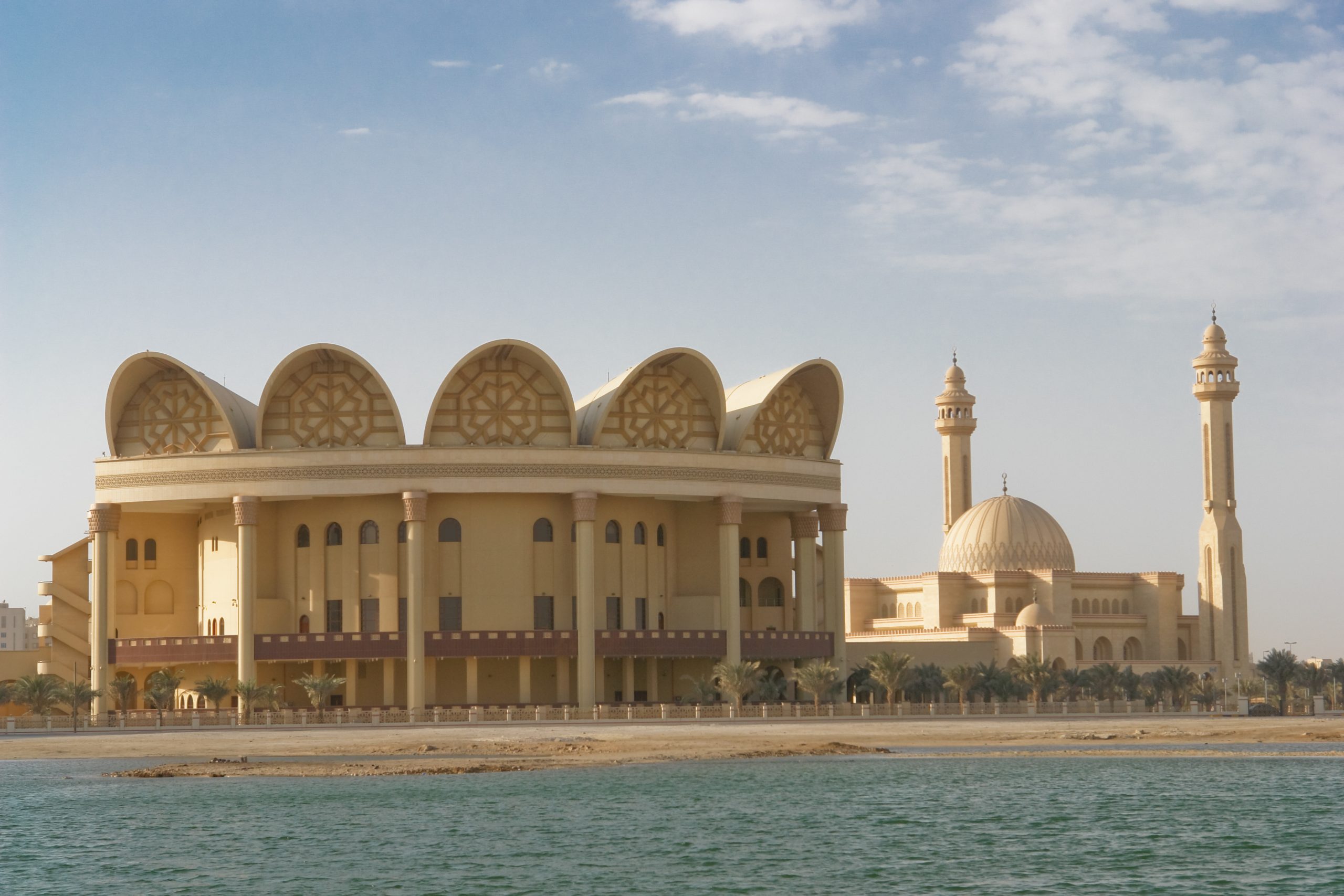
Tuesday, 29 April—Bahrain is preparing to launch a bond sale to raise at least $1.5 billion to refinance maturing debt, amid strained finances exacerbated by lower oil prices and fiscal pressures. This move comes as S&P recently downgraded Bahrain’s outlook to negative, highlighting growing concerns over the Kingdom’s debt burden.
State of Kuwait

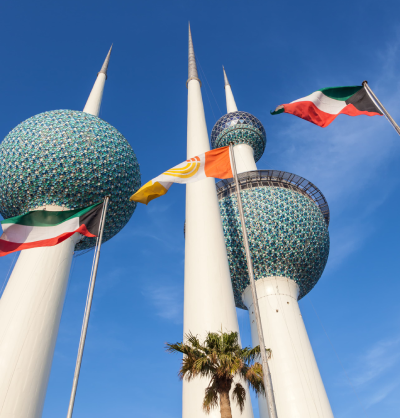
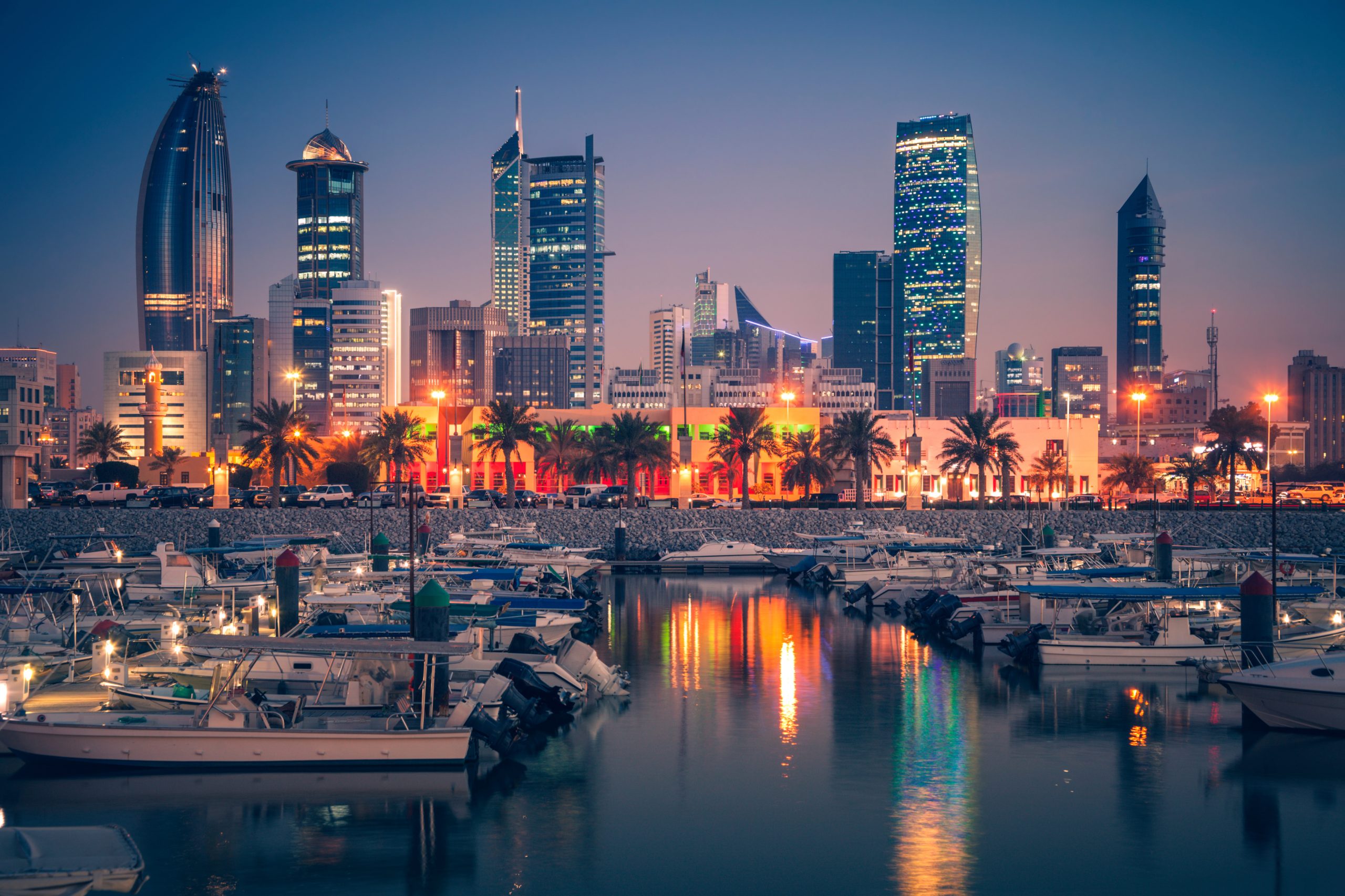
Monday, 28 April—Kuwait Oil Company and the Dutch energy major Shell have extended their 10-year Enhanced Technical Services Agreement through 2029 to support Kuwait’s ambition of achieving a production capacity of 4 million barrels of crude oil per day and 2 billion cubic feet per day of gas by 2040. The collaboration underlines Kuwait’s efforts to strengthen its energy sector through international expertise.
Sultanate of Oman

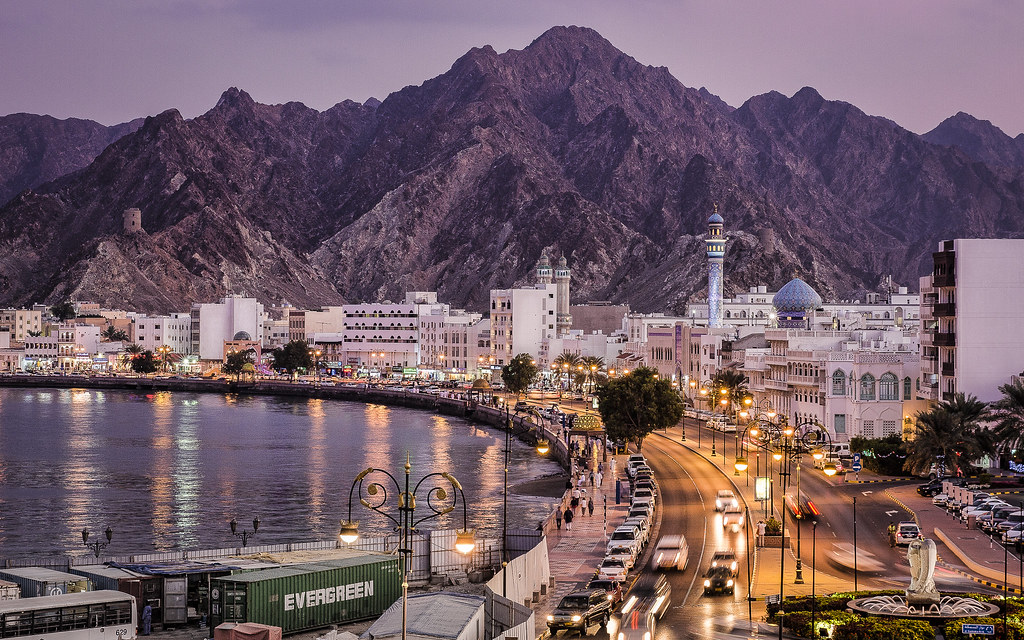
Saturday, 26 April—Oman hosted the third round of US-Iran high-level and the first expert-level nuclear talks, following agreement at the previous round in Rome to begin drafting a framework for a potential nuclear deal. These developments were preceded by Iranian and Omani consultations with Russia and China. Meanwhile, Iran has signalled its readiness to engage with European powers on its nuclear programme, with France indicating that European countries are willing to enter dialogue if Tehran demonstrates genuine commitment.
State of Qatar

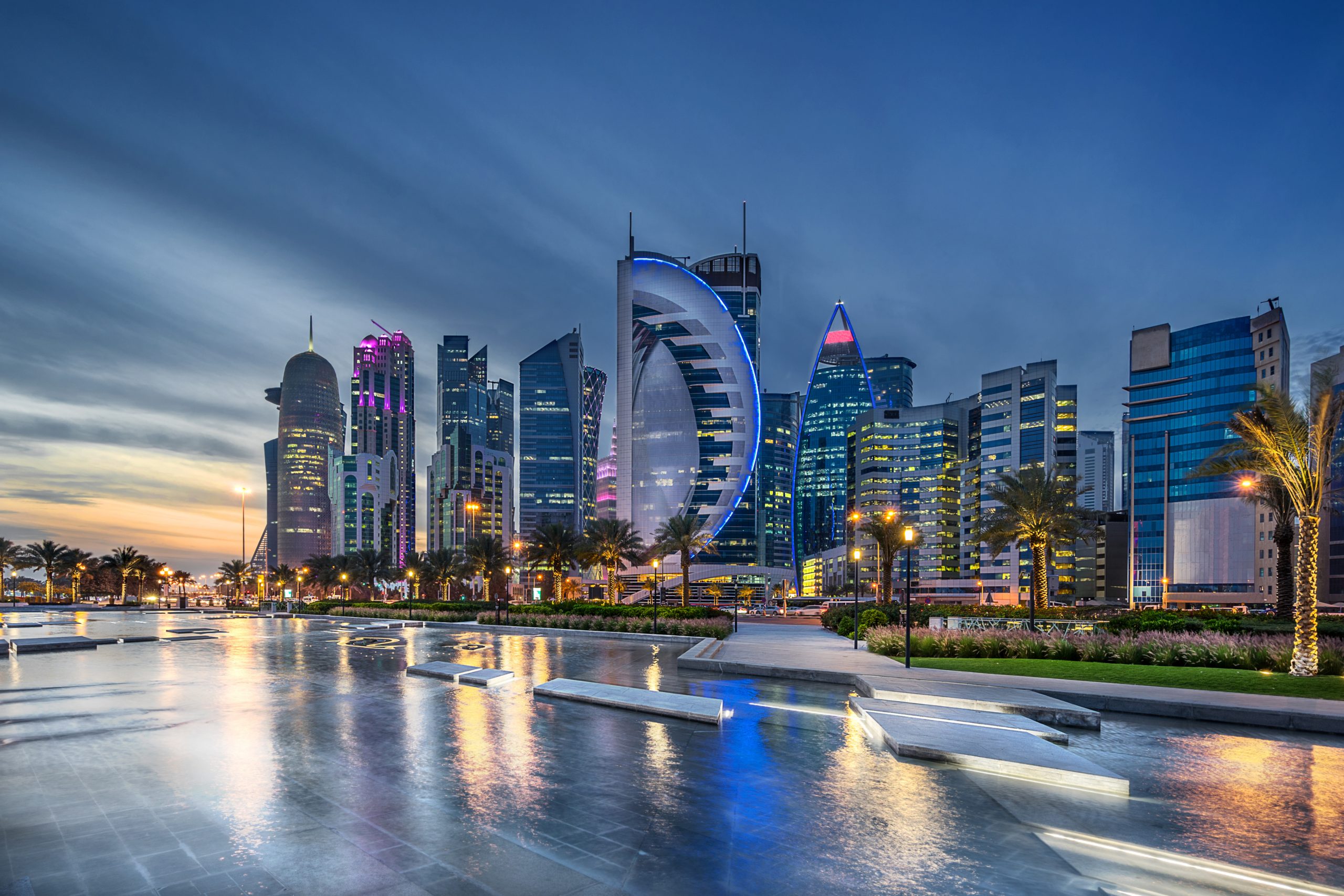
Monday, 28 April—Qatar’s Emir, Tamim bin Hamad Al-Thani, inaugurated the Ras Laffan and Mesaieed solar power plants, with a combined capacity of 875 megawatts. This development doubles the country’s solar energy capacity to 1,675 megawatts, representing around 15% of the total generation capacity.
Kingdom of Saudi Arabia

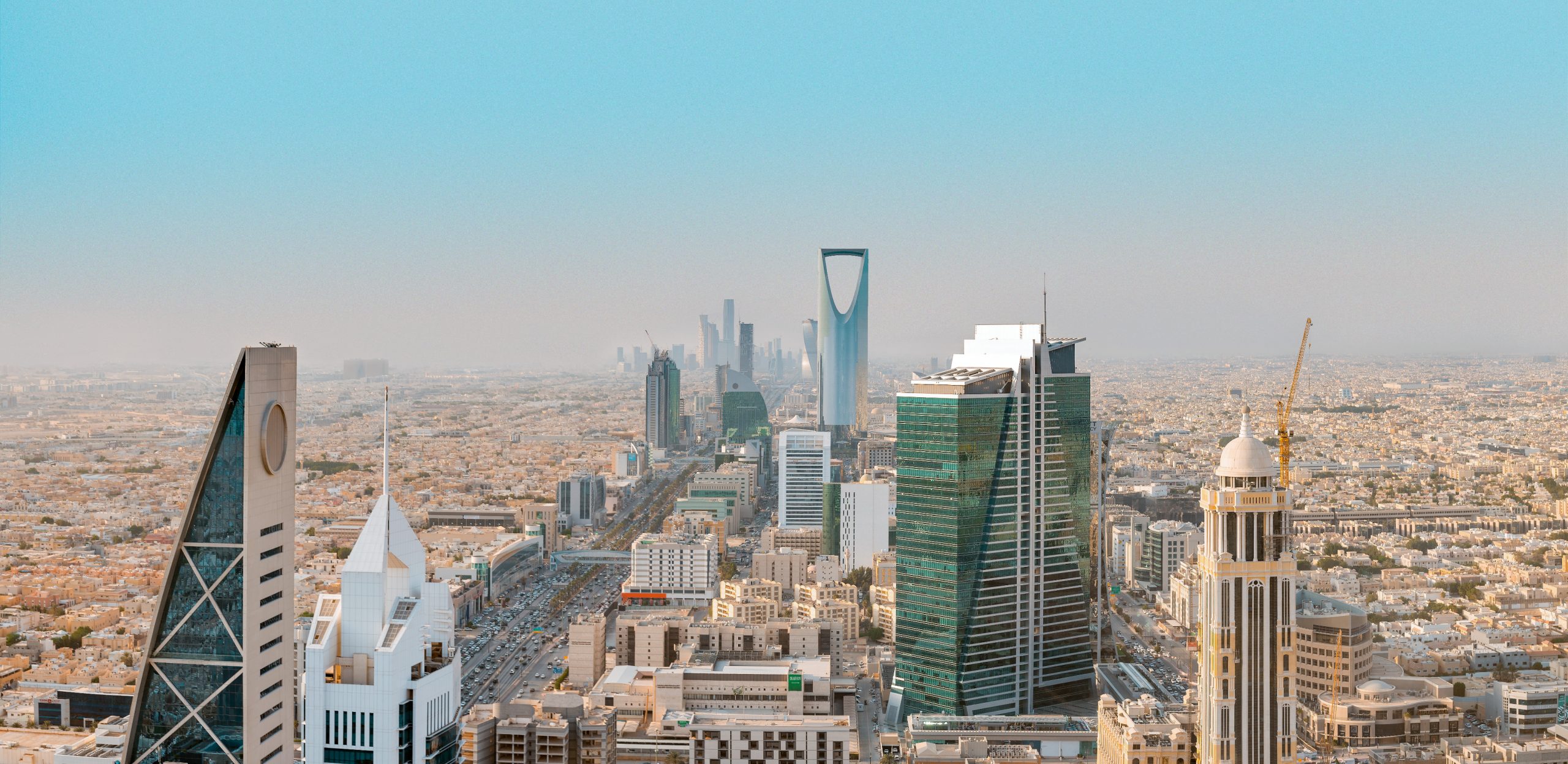
Sunday, 27 April—Saudi Arabia and Qatar announced they would jointly pay Syria’s outstanding debt of nearly $15 million to the World Bank in a bid to facilitate the resumption of World Bank support and activities in Syria after more than 14 years of suspension.
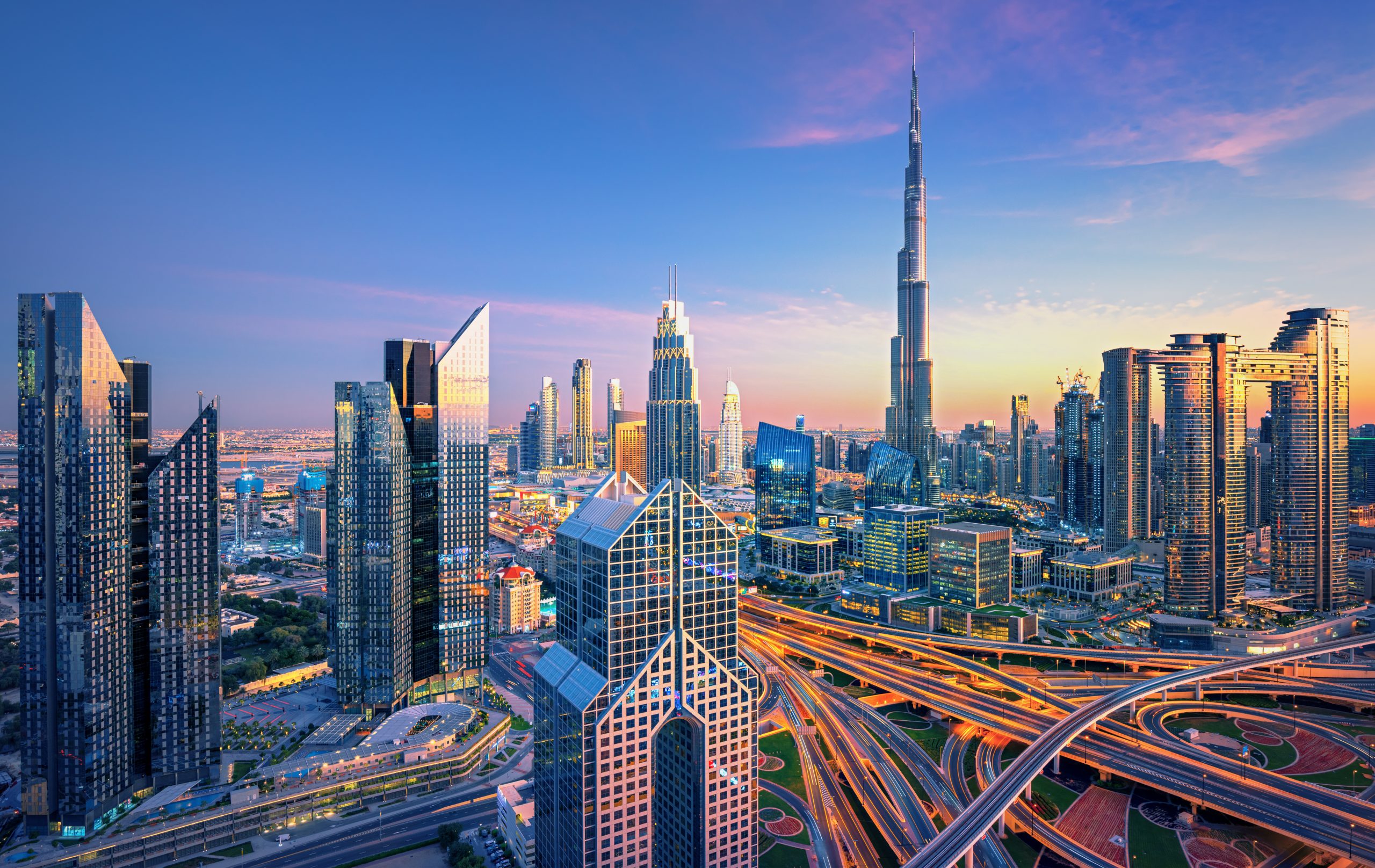
United Arab Emirates

Tuesday, 29 April—The UAE’s Permanent Mission to the UN reiterated its call for an unconditional end to the civil war in Sudan, urging both the Sudanese Armed Forces (SAF) and the Rapid Support Forces (RSF) to engage in peace talks and ensure humanitarian access. The statement came in response to the UN Panel of Experts’ report, which found no evidence to support SAF’s allegations of UAE involvement in the conflict and instead highlighted grave violations committed by both warring parties.
EU Corner
Thursday, 24 April—Senior EU and GCC officials met in Brussels for the second EU-GCC Regional Security Dialogue. Co-chaired by representatives from the European External Action Service, the GCC Secretariat, and Kuwait (as current GCC Chair), the meeting included exchanges on regional security issues and cooperation in counter-terrorism, maritime security, cyber and hybrid threats, disaster preparedness, and combating international organised crime.
Key Official Visits & Contacts
Wednesday, 23 April
—Qatar’s Prime Minister and Foreign Minister, Mohammed bin Abdulrahman Al-Thani, met US Secretary of State, Marco Rubio, in Washington to discuss Gaza ceasefire mediation, regional security, and the Iran nuclear talks, reaffirming Qatar’s commitment to diplomacy. This meeting took place ahead of President Donald Trump’s planned visit to Qatar, Saudi Arabia, and the UAE from 13–16 May, his first regional tour since returning to office.
—Admiral Giuseppe Cavo Dragone, Chair of the NATO Military Committee, made his first visit to the Gulf, travelling to Kuwait to meet senior leaders and engage with the NATO-Istanbul Cooperation Initiative Regional Centre. His visit underscores NATO’s growing engagement with Gulf partners.
Friday, 25 April
—A senior Kuwaiti military delegation, led by Undersecretary of Defence, Abdullah Mishal Al-Sabah, visited Italy, meeting Defence Minister, Guido Crosetto, and Deputy Defence Minister, Matteo Perego di Cremnago, to discuss enhancing defence cooperation, particularly in cybersecurity and advanced capabilities. The delegation also visited Leonardo’s Eurofighter production line in Turin and other Italian defence facilities.
—Saudi Foreign Minister, Faisal bin Farhan Al-Saud, received French Minister for Europe and Foreign Affairs, Jean-Noël Barrot, for discussions on bilateral relations and regional developments, notably Gaza. They also coordinated efforts for a Saudi-French co-hosted conference in June to address the Palestinian issue and promote a two-state solution.
—US Deputy Secretary of State, Christopher Landau, met Bahrain’s Finance Minister, Salman bin Khalifa Al-Khalifa, in Washington to reaffirm the strong US-Bahrain partnership, praising Bahrain’s role in regional security, economic cooperation, and the Abraham Accords. Their talks highlighted new opportunities for collaboration in energy, technology, and infrastructure.
Saturday, 26 April
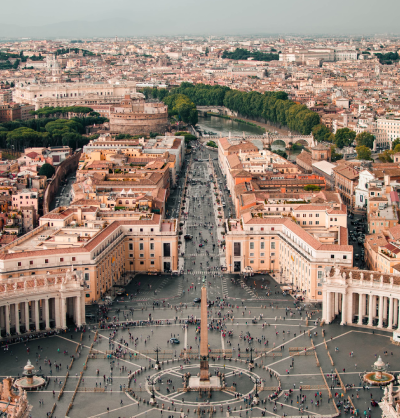
—Officials from several GCC countries attended the funeral of the late Pope Francis at the Vatican, conveying condolences and signalling deepening interfaith engagement with the Holy See. Delegations included Crown Prince of Abu Dhabi, Khaled bin Mohamed Al-Nahyan, Bahrain’s Minister of Transportation and Telecommunications, Abdulla bin Ahmed Al-Khalifa, Qatar’s Prime Minister and Foreign Minister, Mohammed bin Abdulrahman Al-Thani, and Saudi Arabia’s Minister of State for Foreign Affairs, Cabinet Member, and Climate Envoy, Adel Al-Jubeir, among others. Saudi Arabia remains the only GCC country without formal ties with the Holy See.
Sunday, 27 April
—Cypriot Foreign Minister, Constantinos Kombos, arrived in Bahrain to meet King Hamad bin Isa Al-Khalifa and Foreign Minister Abdullatif bin Rashid Al-Zayani, reaffirming and expanding bilateral ties in trade, investment, defence, and energy. The visit underscores Cyprus’s ambition to deepen relations with the Gulf and serve as a European gateway to the region.
—Qatar and the United Kingdom held their second Strategic Dialogue in Doha under the slogan ‘Partners for the Future’, signing a letter of intent on peace and reconciliation and launching new working groups in technology, science, health, and innovation. The talks, led by Qatar’s Prime Minister and Minister of Foreign Affairs, Mohammed bin Abdulrahman Al-Thani, and UK Foreign Secretary, David Lammy, reinforced the deepening Qatar-UK partnership, with both sides highlighting the urgent need for diplomatic solutions to end the Gaza war.
Tuesday, 29 April
—Saudi Foreign Minister, Faisal bin Farhan Al-Saud, met his Omani counterpart, Badr bin Hamad Albusaidi, in Oman to discuss strengthening bilateral ties and regional developments, notably the US-Iran nuclear negotiations. The two ministers also visited the Rub Al-Khali border crossing, symbolising growing trade and travel cooperation between the two countries. It cam e a day after the Saudi Foreign Minister held a phone call with his Iranian counterpart, Abbas Araghchi, regarding developments in the Oman-sponsored US-Iran nuclear talks.