


5 Top Points
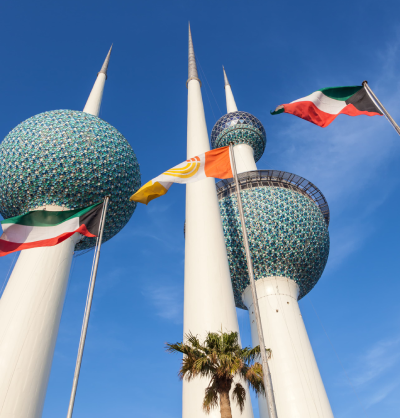
- GCC-Japan ministers push FTA and energy/security cooperation: Foreign Ministers from all six GCC states and Japan met in Kuwait City and agreed to accelerate GCC-Japan FTA talks, and underscored priorities including maritime route security, digital/AI, and net-zero collaboration.
- E3 trigger UN ‘snapback’ against Iran: the UK, France and Germany formally notified the UN Security Council of Iran’s ‘significant non-performance,’ starting a 30-day process to restore all UN sanctions lifted under UNSCR 2231.
- The UAE’s Ministry of Education delivers a nationwide AI curriculum: around 1,000 teachers have been trained to deliver the new K-12 curriculum across all grade levels for the 2025-2026 school year.
- Kuwait invites bids for the first phase of the Al-Khairan power-and-water project: the project is part of Kuwait’s efforts to upgrade its grid amid surging demand.
- Qatar-Egypt investment deal: Qatar’s Prime Minister Sheikh Mohammed bin Abdulrahman Al Thani visited Cairo to kick-start a 7.5 billion USD investment ‘partnership package’ with Egypt. The two governments agreed to activate the Gulf funding pledged earlier in the year, with ‘specific projects’ to be announced in the coming weeks.
‘Round and About the Gulf’
Kingdom of Bahrain

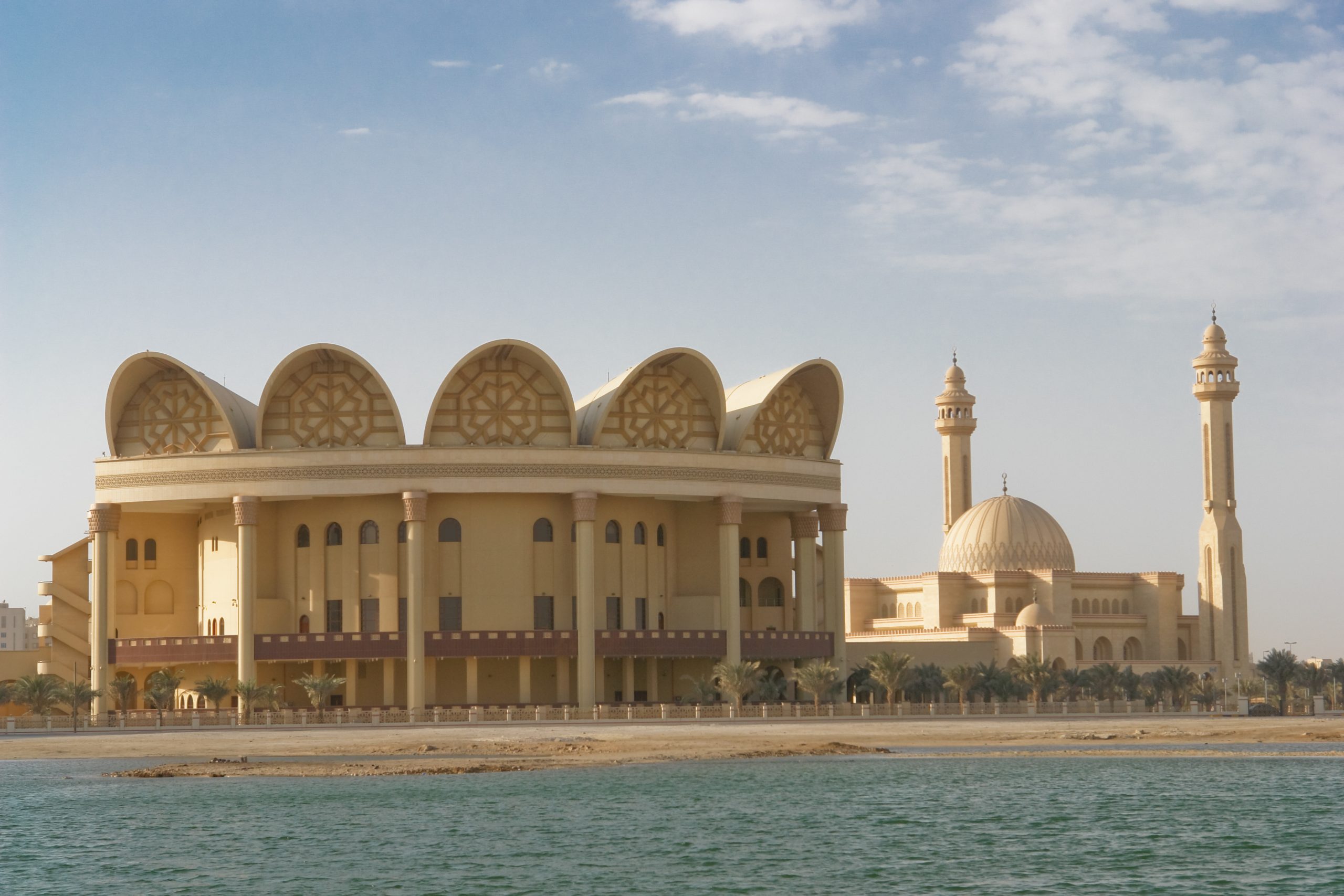
Tuesday, 27 August – Bahrain’s Foreign Minister Abdullatif al-Zayani received the credentials of Israel’s new ambassador, Shmuel Revel, at a ceremony in Manama. Bahrain normalised ties with Israel in 2020 under the Abraham Accords; Revel’s arrival follows the earlier departure of Bahrain’s envoy in 2023 in solidarity with Gaza. Al-Zayani also said Bahrain will continue advocating for a two-state solution and backing regional mediation on Palestine.
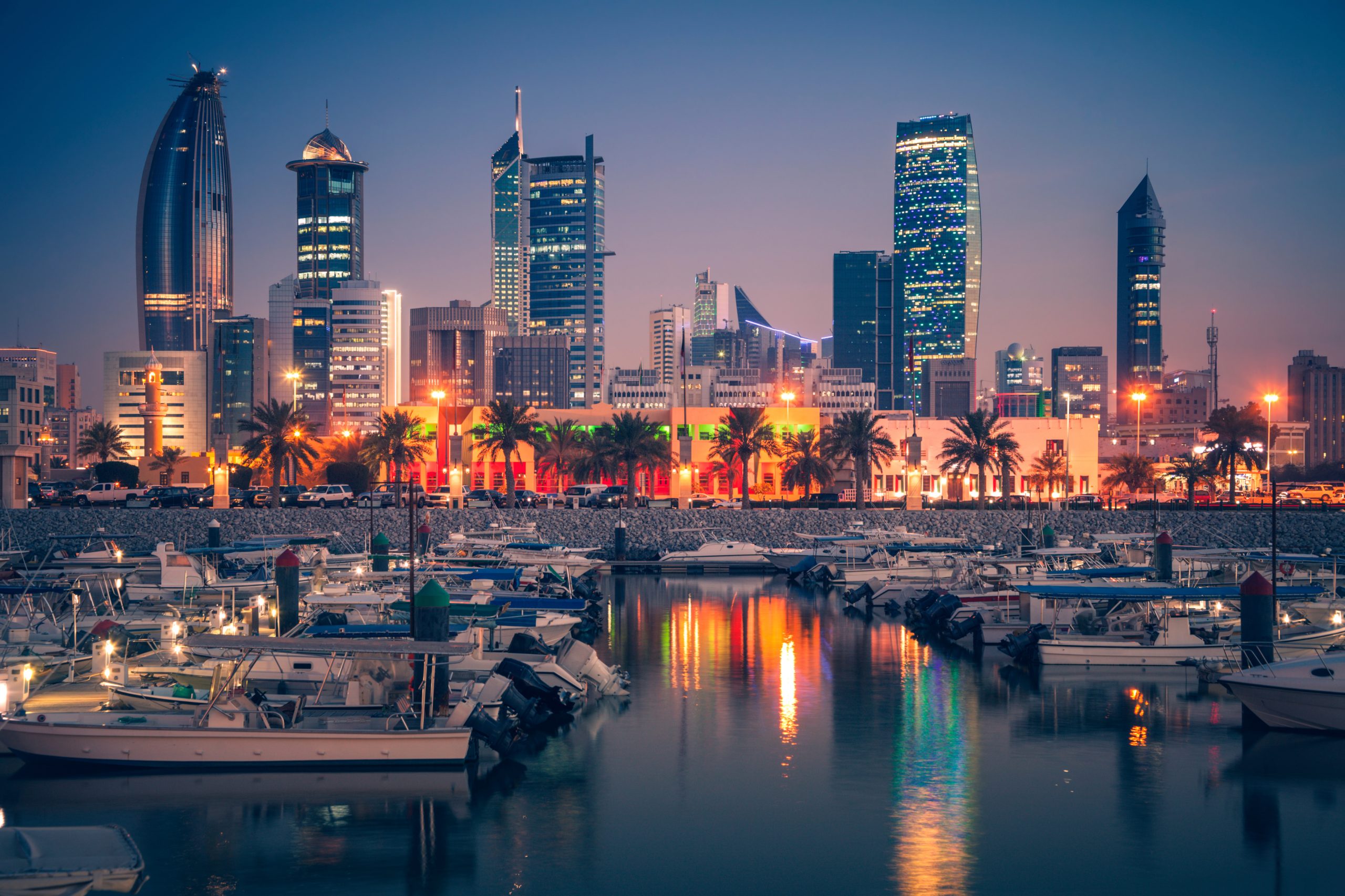
State of Kuwait

Wednesday, 1 September – Kuwait invited bids for the first phase of the 1.8 GW Al-Khairan power-and-water project, aiming to ease chronic electricity shortages. The Kuwait Authority for Partnership Projects (KAPP) issued tenders to three pre‑qualified consortia (led by UAE’s TAQA, Saudi’s ACWA Power and China Power), under a public–private partnership model. Once completed, the Al-Khairan plant will also produce 125 million gallons of water per day. The project is part of Kuwait’s efforts to upgrade its grid and reduce energy shortages amid surging demand.
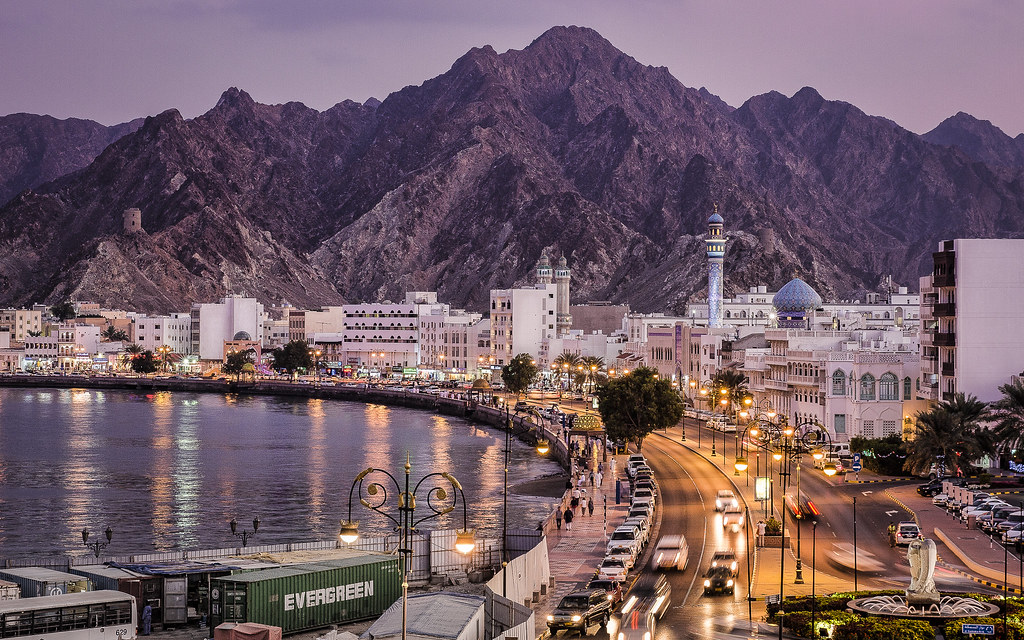
Sultanate of Oman

Monday, 1 September – further to last week’s statement of intent, Oman officially launched its revamped 10‑year Golden Residency visa for foreign investors. Announced at a ‘Sustainable Business Environment’ forum in Salalah, the new scheme (overseen by the Ministry of Commerce) reduces the investment threshold to 200,000 OMR (circa 520,000 USD) for long-term residency. It allows qualifying investors (and their families) renewable decade-long residence, along with benefits like fast-track airport entry. Officials said the visa programme is designed to attract capital and expertise to Oman as it pushes ahead with economic diversification under Vision 2040. The Salalah forum also introduced related initiatives, such as support for high-performing Omani firms and an online system for business registration transfers.
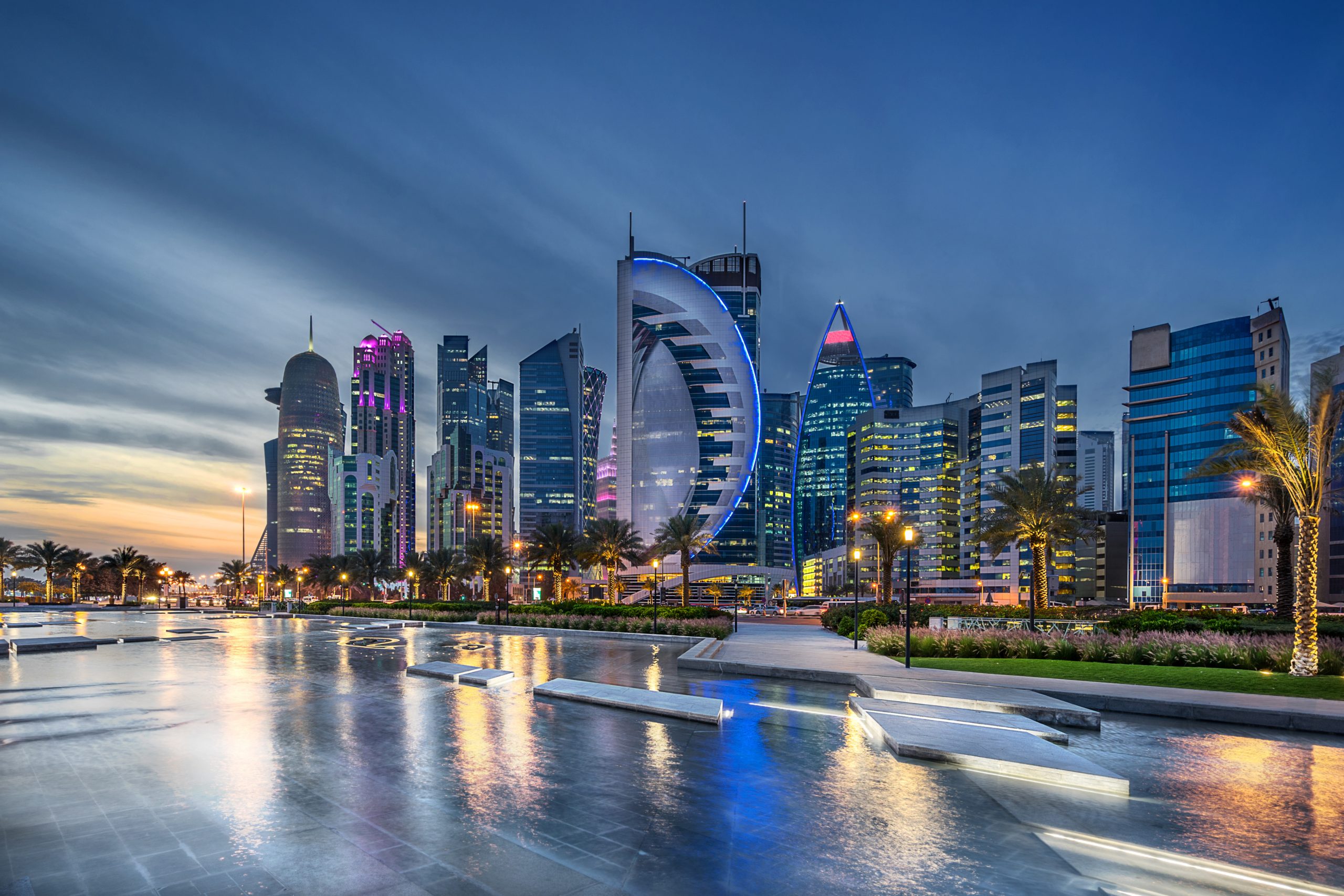
State of Qatar

Thursday, 28 August – Qatari Prime Minister Sheikh Mohammed bin Abdulrahman Al Thani was in Cairo to meet Egyptian officials, discussing activation of a 7.5 billion USD Qatar-Egypt ‘partnership package’. Egypt’s cabinet announced that Sheikh Mohammed and Egyptian Prime Minister Mostafa Madbouly agreed to finalise projects under the investment agreement (April 2025). Madbouly said specific projects would be announced soon, aiming to support Egypt’s budget and development needs. The visit underscores Qatar’s continued role as a key Gulf backer of Egypt’s economy.
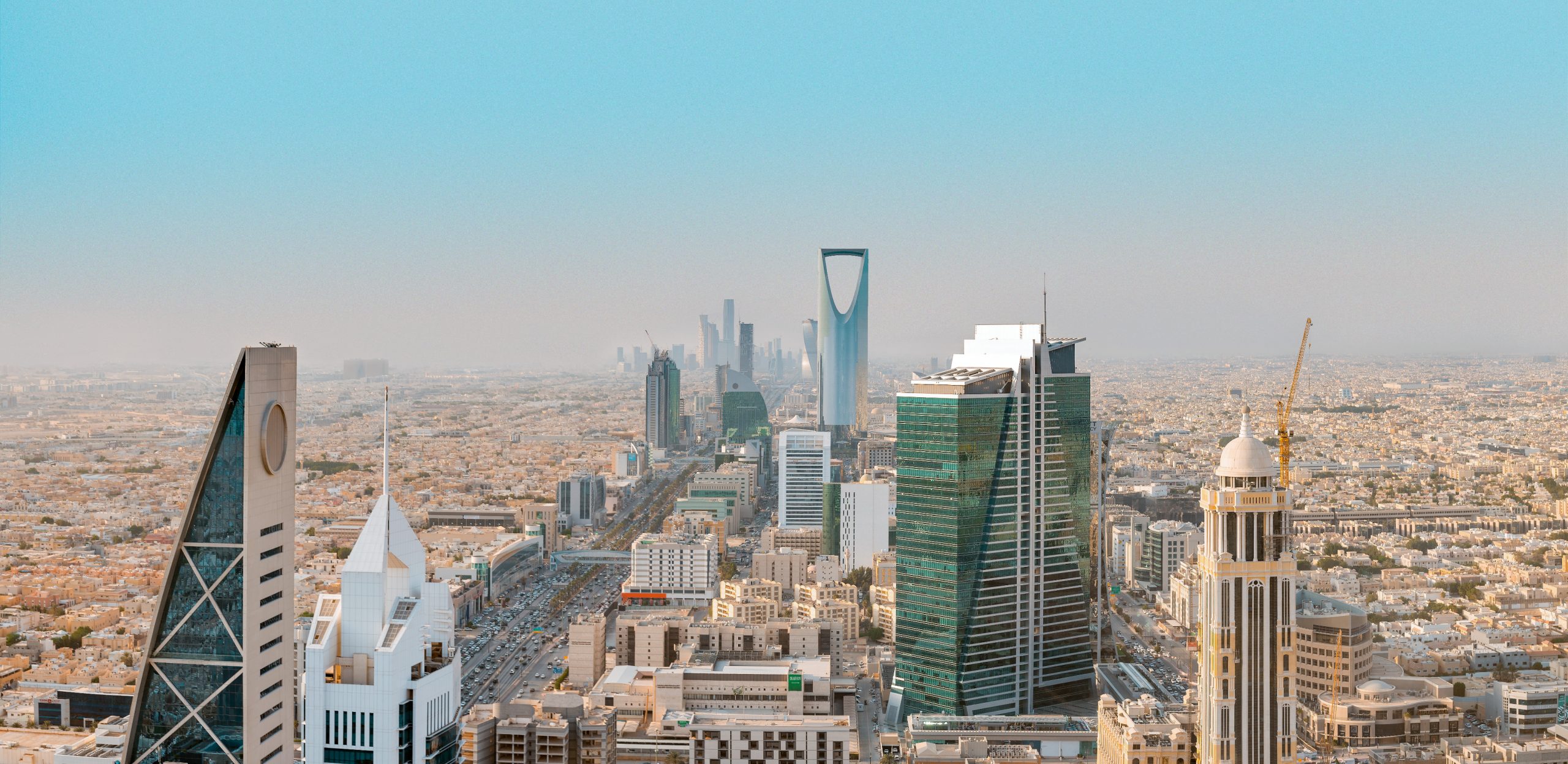
Kingdom of Saudi Arabia

Wednesday, 27 August – Saudi Arabia’s Investment Minister Khalid Al-Falih met China’s Commerce Minister Wang Wentao in Beijing. In a statement, the Chinese Commerce Ministry said Wang and Al-Falih discussed aligning China’s Belt and Road Initiative with Saudi Arabia’s Vision 2030 reforms. They agreed to deepen cooperation in energy, new materials, supply chains and capital markets. The talks come as China seeks Gulf support for a stalled China-GCC trade deal and as Riyadh looks to diversify its economy with Chinese investment.
Sunday, 31 August – Saudi Armed Forces joined the ‘Bright Star 2025’ multinational exercise in Egypt, launching a command-post drill to sharpen planning and leadership skills, enhance interoperability, and test command-and-control systems across participating forces. The deployment underscores Riyadh’s focus on joint readiness with key partners and sustained defence cooperation with Cairo.
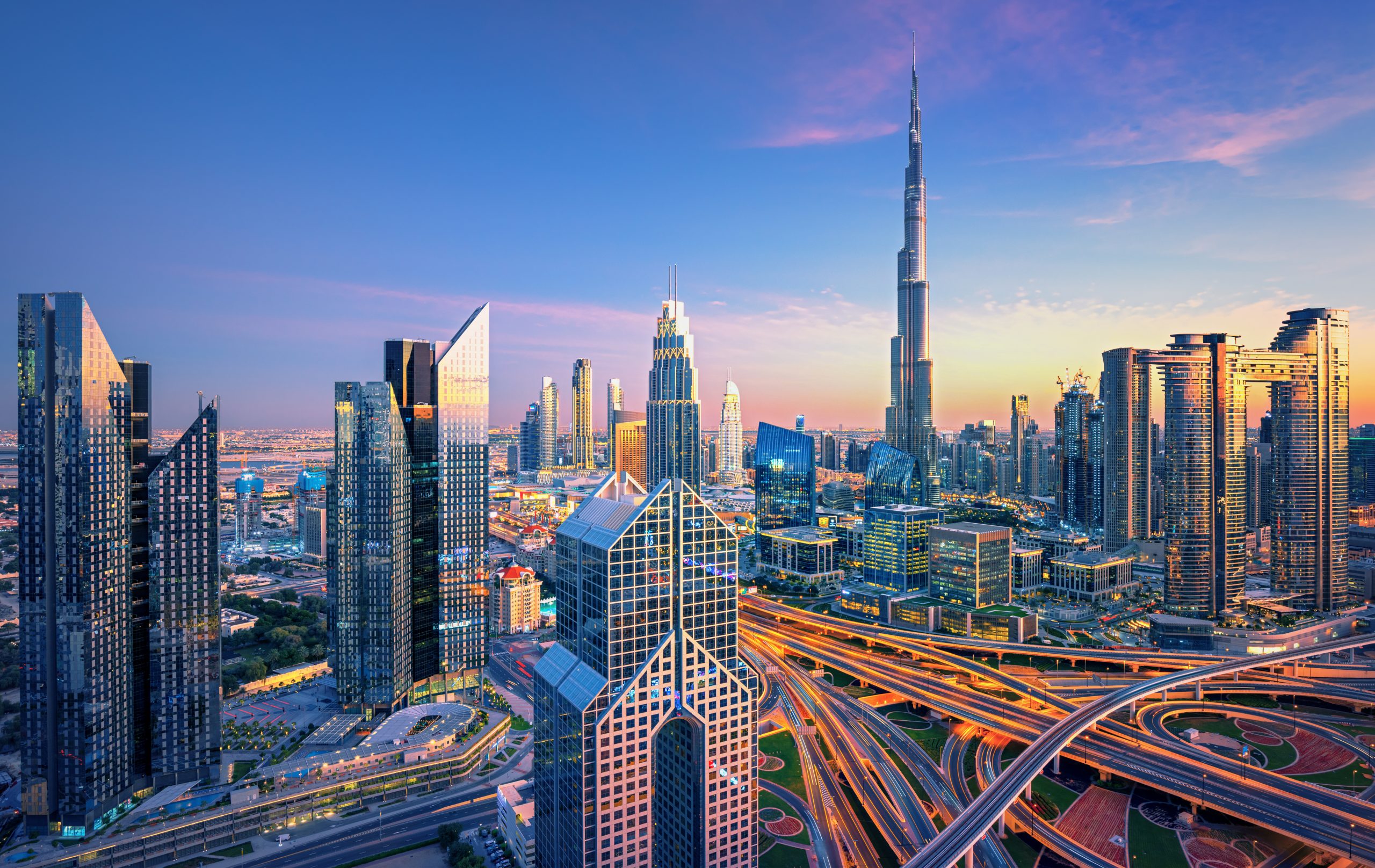
United Arab Emirates

Tuesday, 26 August – The UAE conducted its 81st humanitarian airdrop into Gaza under Operation ‘Birds of Goodness,’ delivering food and relief parcels to civilians trapped by the fighting. The airdrop, coordinated from Amman, involved UAE air force transports alongside planes from Jordan, Germany and Indonesia, and increased the total airlifted aid in this operation to over 4,076 tonnes. Abu Dhabi emphasised that it will continue these multi-nation airdrops as part of a ‘regional and international’ relief effort.
Tuesday, 26 August – The UAE’s Ministry of Education confirmed that around 1,000 teachers have been trained to deliver a new, nationwide AI curriculum across all grade levels. The K‑12 programme officially introduced for the 2025-2026 school year will cover fundamental AI concepts, coding skills and data literacy. Officials highlighted that despite the training, the country still faces a shortage of educators overall, as thousands of new teachers are being recruited to meet rising student demand.
EU Corner
Thursday, 28 August – the UK, France and Germany (E3) formally notified the UN Security Council of Iran’s ‘significant non-performance,’ starting a 30-day process to restore all UN sanctions lifted under UNSCR 2231, otherwise known as the sanctions ‘snapback’. The E3 said they remain open to diplomacy during this window; the White House welcomed the move, while Russia, China and Iran rejected it. For GCC states, snapback raises compliance and maritime/security risks across shipping, insurance and energy trade, and could tighten enforcement on missile and arms related transfers.
Key Official Visits & Contacts
Monday, 1 September (Stockholm, Sweden) – the Sultanate of Oman and the Kingdom of Sweden held their third round of political consultations in Stockholm. The Omani delegation was headed by Ambassador Munthir Mahfoudh Almanthri (Head of the Europe Department at Oman’s Foreign Ministry) and the Swedish delegation by Michael Lindvall (Director‑General of Global Affairs, Swedish MFA). They reviewed bilateral relations and discussed ways to enhance cooperation across various fields.
Monday, 1 September (Kuwait City, Kuwait) – the second GCC-Japan Joint Ministerial Meeting took place, chaired by Kuwait’s Foreign Minister Abdullah Al-Yahya with GCC Foreign Ministers and Japan’s Foreign Minister Takeshi Iwaya. The meeting agreed on the following: (1) pledged to accelerate GCC–Japan FTA negotiations, citing the Joint Action Plan 2024-28; (ii) set focus on energy security, clean hydrogen/blue ammonia, carbon capture, maritime route security, food security, and the digital economy/AI; (3) noted 2024 trade of 115 billion USD and over 15 billion USD Japanese investment in renewables/digital/smart industry; (4) flagged GCC participation at Expo Osaka 2025 and Japan’s 5.5 million USD UN-Habitat contribution for Syria as reflecting shared humanitarian values.