





5 Top Points
- Israel strikes Hamas leaders in Doha: Israel carried out an airstrike in Qatar’s capital targeting a meeting of Hamas’s senior leadership, including figures like Khalil al-Hayya and Khaled Mashaal, whom it accused of being ‘directly responsible’ for the 7 October attacks. Qatar denounced the attack as a gross violation of its sovereignty, while Saudi Arabia and other GCC countries blasted the strikes as a flagrant breach of international law and warned Israel of ‘severe consequences’ if it broadens the conflict beyond Gaza.
- Saudi Arabia steps up Syria reconstruction drive: Riyadh deepened its engagement with post-war Syria, launching wide-ranging humanitarian projects in areas devastated by the conflict. The Saudi aid agency KSRelief announced an initiative to clear 75,000 m³ of rubble from Damascus and its countryside and to rebuild vital infrastructure.
- Bahrain-Egypt sign multi-sector accords in Cairo: During a visit (3 September), Bahrain and Egypt signed eight memoranda of understanding spanning investment, industry, trade, culture and youth.
- Spain imposes arms embargo on Israel over Gaza: In a sign of Europe’s hardening stance, Spanish Prime Minister Pedro Sánchez announced a total ban on arms sales to Israel (8 September) to help ‘stop the genocide in Gaza’.
- Oman-Estonia deepen digital and green cooperation: In Muscat (7-8 September), Foreign Ministers Sayyid Badr Al Busaidi and Margus Tsahkna held political consultations focused on collaboration in renewables, artificial intelligence, cybersecurity and digital transformation, with both sides exploring private-sector partnerships and investment opportunities.
‘Round and About the Gulf’
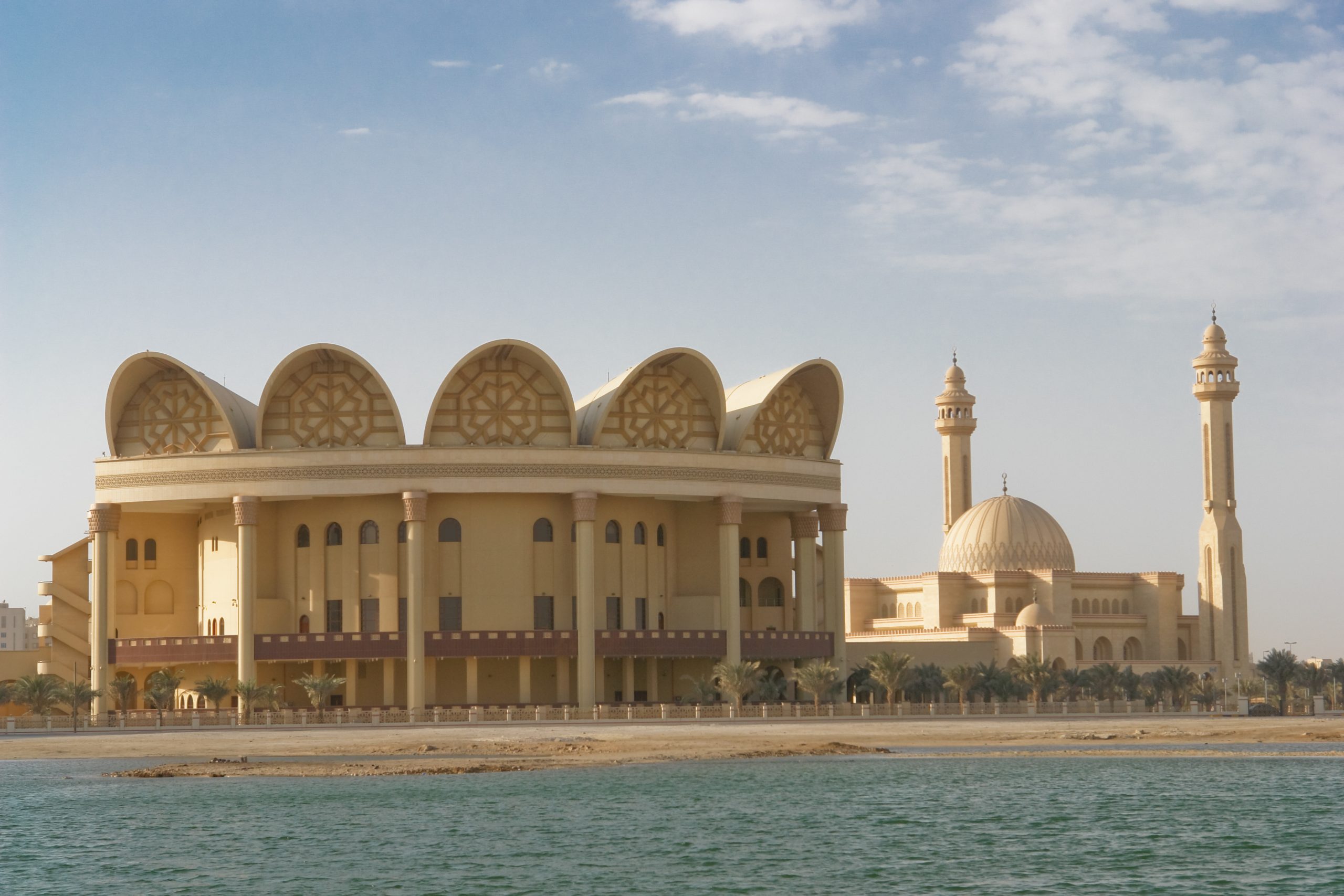
Kingdom of Bahrain

Wednesday, 3 September – Bahrain’s Crown Prince and Prime Minister, Prince Salman bin Hamad Al Khalifa, paid an official visit to Egypt that was hailed as a boost to the countries’ historic partnership. He met with President Abdel Fattah El Sisi in Cairo, in which they signed a raft of agreements and Memoranda of Understanding (MoU) to broaden cooperation, including over a dozen MoUs covering investment promotion, customs, tourism, labour, urban planning, youth and sports, social insurance, exhibitions, market integration, antiquities, competition policy, and aluminium industry. The Bahraini delegation backed Cairo’s calls to end the war in Gaza, protect civilians, release hostages and ensure sustained humanitarian aid, reiterating Manama’s commitment to a just and lasting Middle East peace as it prepares for a UN Security Council term in 2026-27.
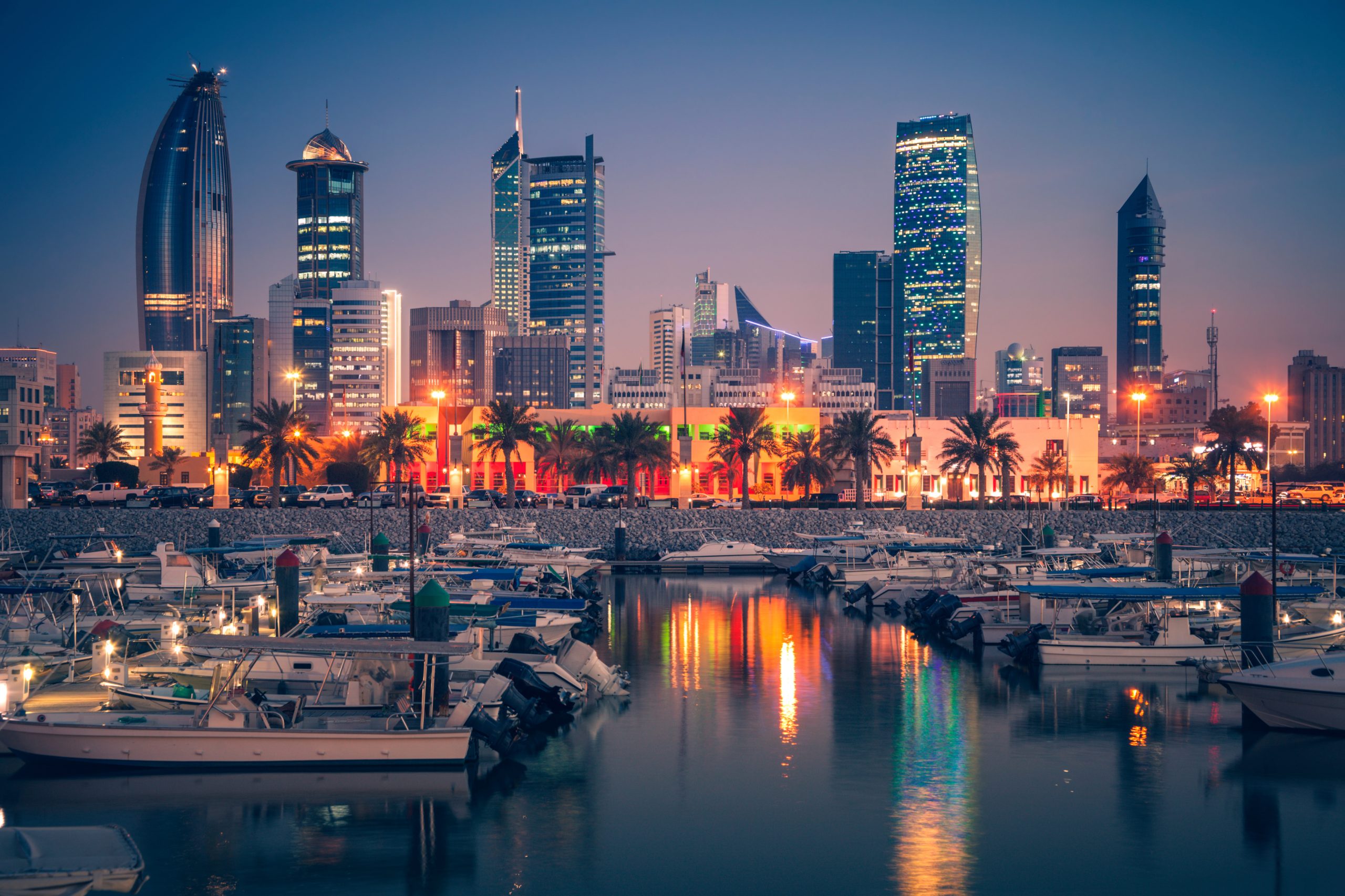
State of Kuwait

Sunday, 7 September – Kuwait’s National Fund for SME Development announced a renewed focus on tourism and technology initiatives as top priorities to spur the non-oil economy. Basma Al-Jassem, the fund’s Director General, told entrepreneurs at a preparatory meeting for Expo 2025 Osaka that the fund is committed to supporting Kuwaiti innovators and showcasing their projects on the world stage. Two tech startups have been selected to represent Kuwait at Expo Osaka, in coordination with the Ministry of Information, a step aligned with the ‘New Kuwait 2035’ vision to diversify the economy.
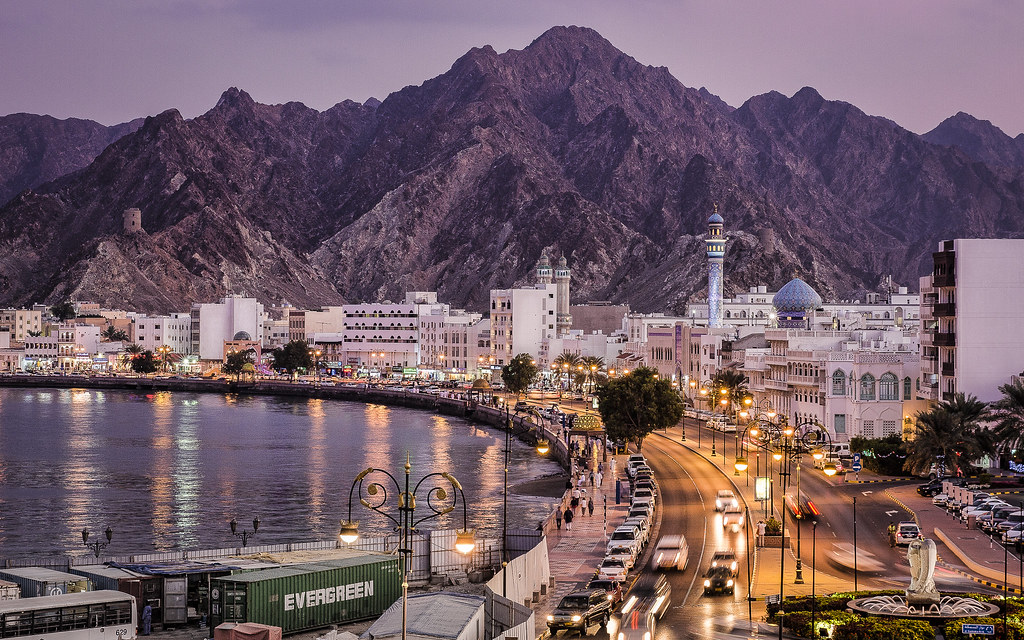
Sultanate of Oman

Monday, 8 September – Muscat hosted a round of political consultations between Oman and Estonia, reflecting Oman’s outreach to new European partners. Omani Foreign Minister Sayyid Badr bin Hamad Al Busaidi met visiting Estonian Foreign Minister Margus Tsahkna for talks that focused on cooperation in renewable energy, digital technology and artificial intelligence, as well as exchanges on regional and international issues. The ministers discussed ways to enhance innovation and digital development, and agreed to explore joint projects in maritime connectivity, clean energy and smart transport solutions. Both sides also reaffirmed the importance of humanitarian aid delivery to Gaza and dialogue to resolve conflicts.
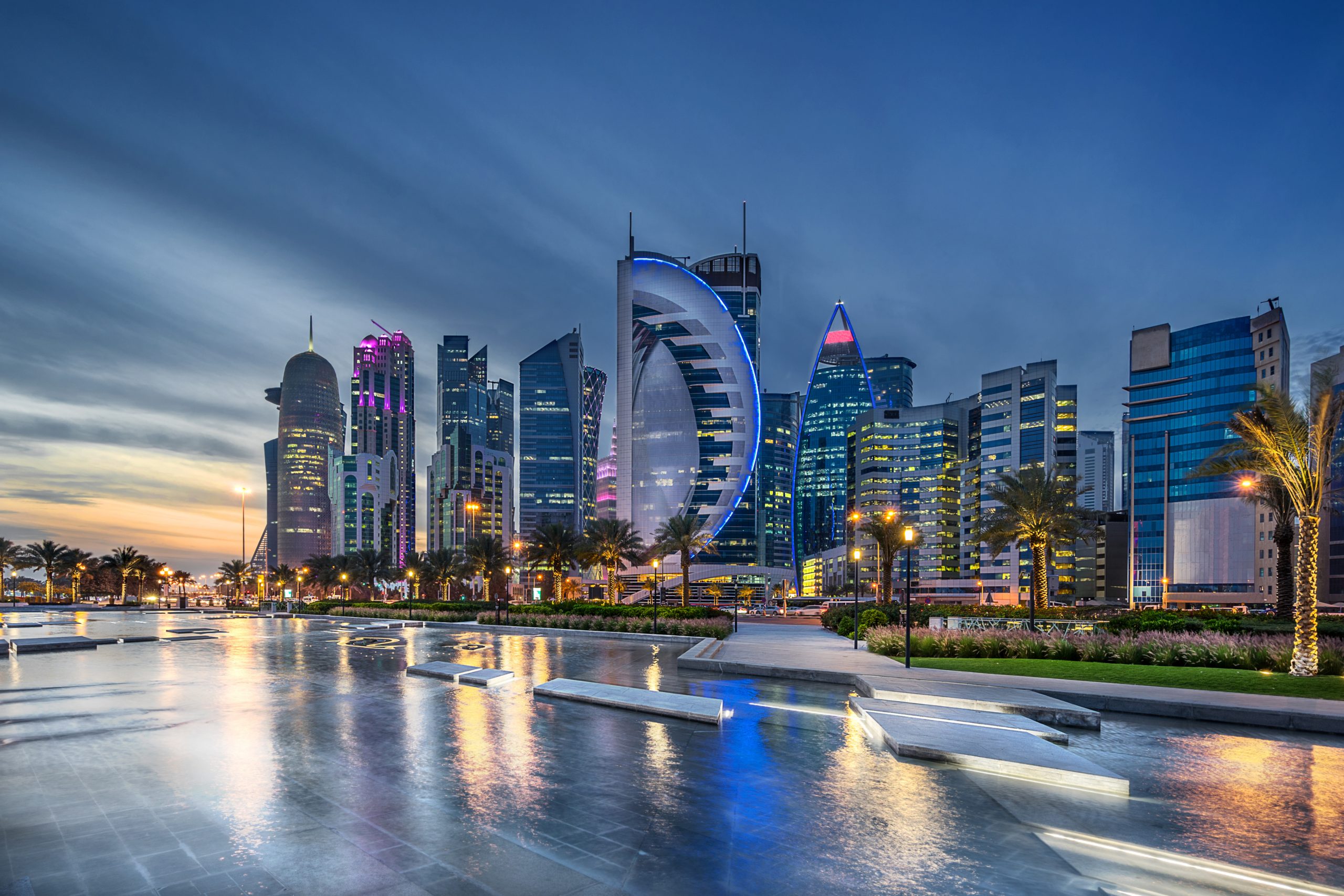
State of Qatar

Sunday, 7 September – The Arab League Ministerial Council unanimously approved the establishment of a Permanent Arab Committee for International Humanitarian Law, an initiative proposed by Qatar, in a session convened in Cairo. Qatar’s Justice Minister Ibrahim bin Ali bin Issa Al Hassan Al Mohannadi praised the adoption of the IHL committee as a ‘significant achievement for joint Arab action.’ The new committee will coordinate Arab efforts to strengthen compliance with humanitarian law, a move that comes amid the ongoing wars in Gaza and Sudan. The Doha-backed proposal, first tabled earlier this year, gained full support from all Arab foreign ministers. Kuwait’s Justice Minister Nasser Al-Sumait, chair of his country’s IHL committee, also lauded the decision and stressed Gulf states’ firm commitment to protecting human rights and upholding IHL principles across the region.
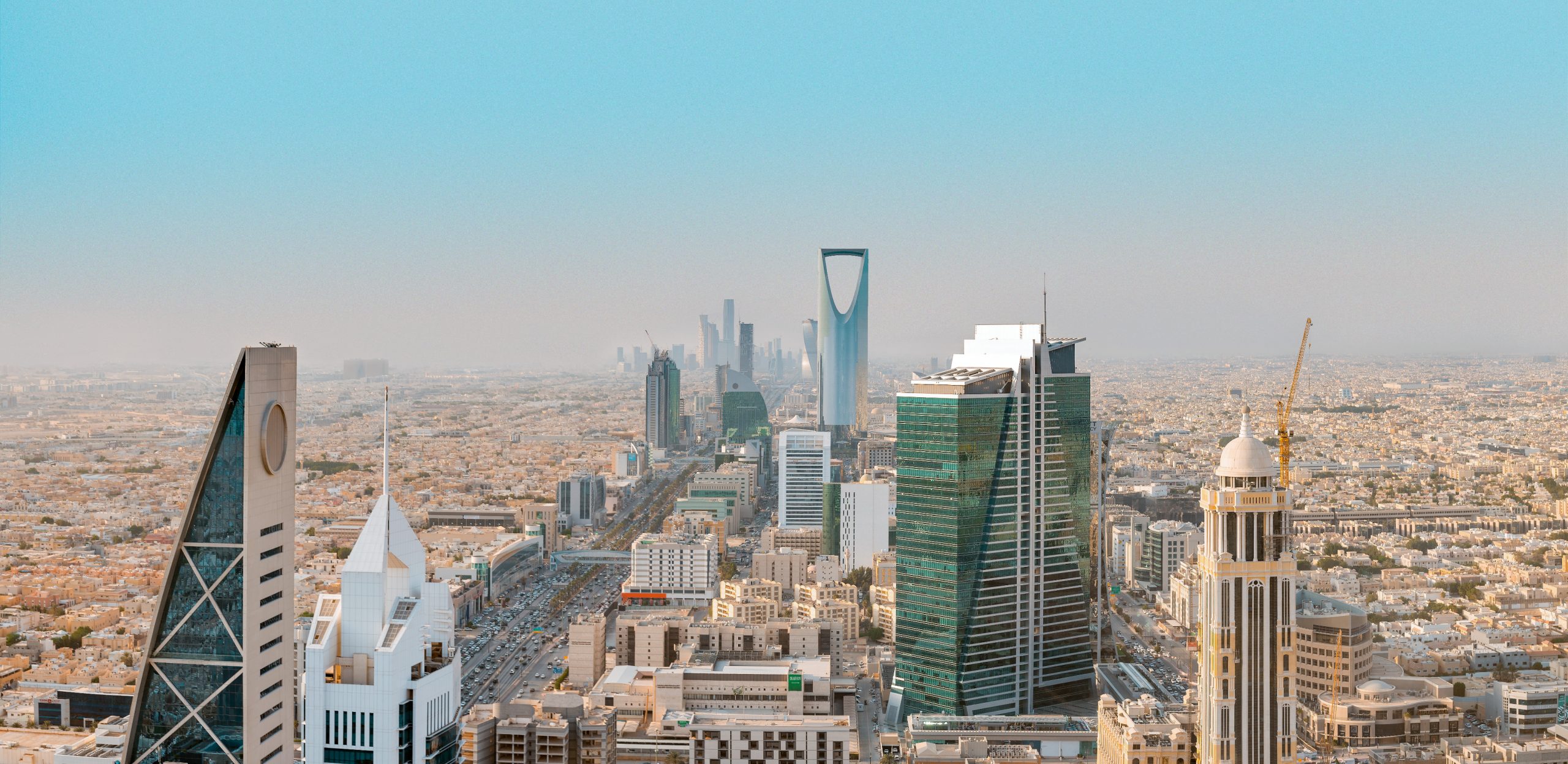
Kingdom of Saudi Arabia

Sunday, 7 September – Saudi Arabia signalled a major commitment to Syria’s recovery, unveiling a package of humanitarian reconstruction projects during an event in Damascus. Abdullah Al-Rabeeah, head of the King Salman Humanitarian Aid and Relief Centre (KSRelief), announced that Saudi assistance will fund the removal of an estimated 75,000 cubic metres of war debris from Damascus and its suburbs. Under agreements signed in Damascus (7 September), Saudi-funded programmes will rehabilitate 34 schools in Aleppo, Idlib and Homs, restore dozens of bakeries, and repair water and sewage networks in the capital. The move underscores Saudi Arabia’s growing ties with Syria’s new authorities following the 2024 ouster of the Assad regime, complementing a 6.4 billion USD investment pledge in July and joint Gulf efforts to stabilise and rebuild Syria.
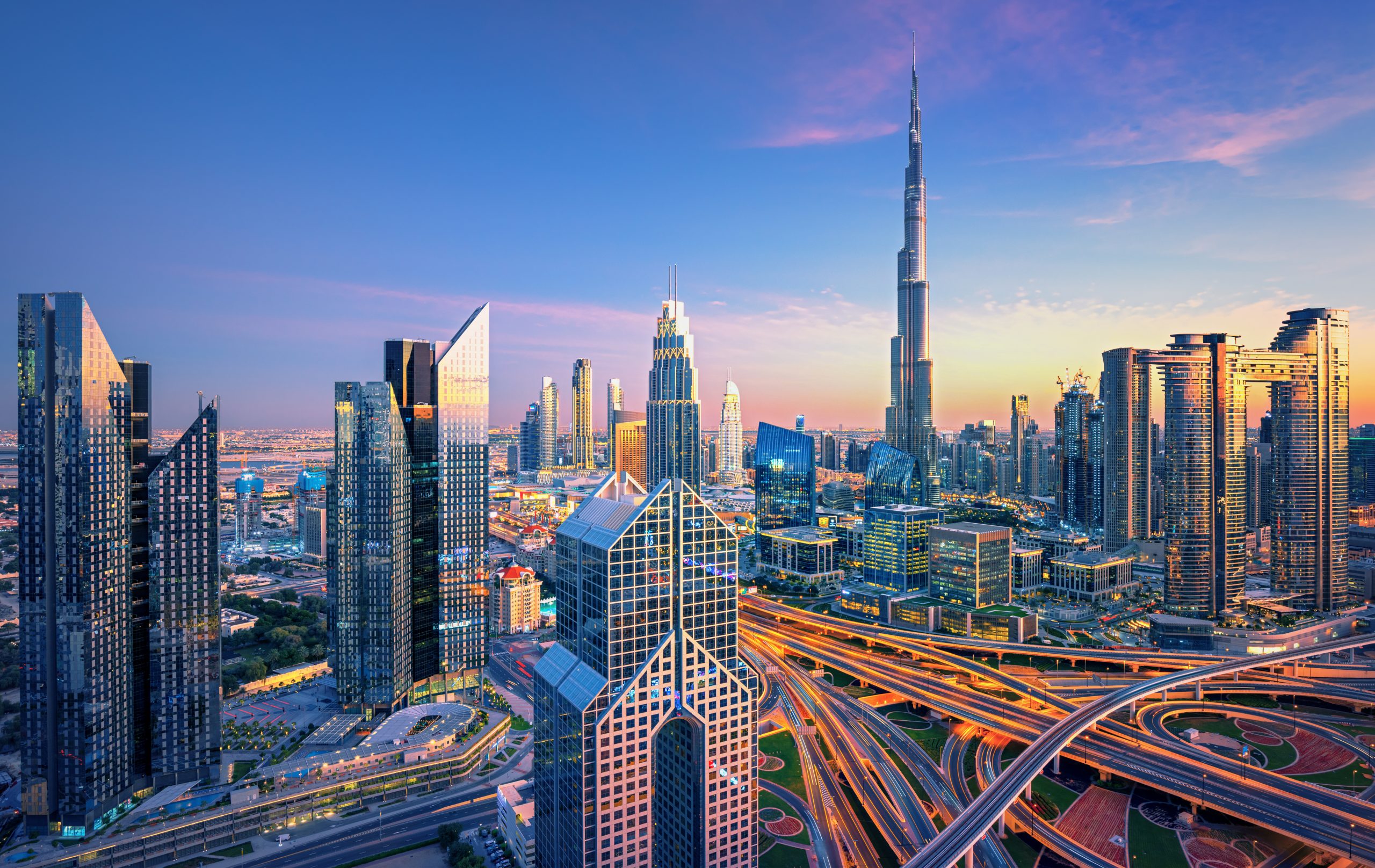
United Arab Emirates

Tuesday, 9 September – Under the directives of UAE President Sheikh Mohammed bin Rashid appointed Lana Zaki Nusseibeh and Saeed Mubarak Rashed Al Hajeri as Ministers of State, reinforcing the UAE’s diplomatic and economic policy bandwidth. Nusseibeh previously served as Assistant Minister for Political Affairs and the UAE’s UN ambassador; Al Hajeri has held senior economic and trade portfolios.
EU Corner
Spanish Prime Minister Pedro Sánchez’s announcement of a total arms embargo on Israel reverberated across Europe this week. His left-wing government approved a package of measures (8 September), subject to parliamentary ratification, to ramp up pressure on Israel over its war in Gaza. These include banning all Spanish exports of weapons and military equipment to Israel, blocking refuelling for Israeli military ships in Spanish ports, and denying airspace to aircraft carrying defence supplies. Sánchez pledged additional Spanish funding for UN relief efforts and signalled support for Palestinian statehood, aligning with domestic public opinion demanding a firmer stance.
Key Official Visits & Contacts
Wednesday, 3 September (Riyadh, Saudi Arabia) – UAE President Sheikh Mohamed bin Zayed Al Nahyan made a visit to Saudi Arabia for high-level talks with Crown Prince Mohammed bin Salman. In a meeting that included top Saudi ministers (energy, interior, defence, foreign affairs and national security) and an Emirati delegation, the two Gulf leaders coordinated their strategy on the Palestinian issue ahead of the UN General Assembly. Riyadh and Abu Dhabi aligned their positions on reviving a credible two-state peace process, agreeing that there can be ‘no lasting calm without a political horizon’ for Palestinian statehood.
Monday, 8 September (Muscat, Oman) – Estonian Foreign Minister Margus Tsahkna concluded a two-day visit to Oman aimed at bolstering political and economic ties. Accompanied by a 17-member Estonian business delegation, Tsahkna held talks with Omani Foreign Minister Sayyid Badr Al Busaidi and other officials. The visit (as part of a Gulf tour) focused on opportunities for collaboration in digital government, cybersecurity, green energy and smart transportation. During meetings in Muscat, Tsahkna highlighted the successful operations of Estonian tech firms like Nortal in Oman’s e-government sector, and agreed with Omani counterparts to establish an Estonia-Oman Business Council to facilitate joint ventures.
Tuesday, 9 September (Riyadh, Saudi Arabia) – Continuing his Gulf tour, Estonia’s Foreign Minister Margus Tsahkna travelled to Riyadh for discussions with Saudi officials on expanding economic cooperation. Tsahkna met with Saudi Foreign Minister Prince Faisal bin Farhan Al Saud and pitched Estonia’s tech and innovation offerings as Saudi Arabia pursues Vision 2030 reforms. The Estonian delegation, which included companies in autonomous transport, digital services, and clean energy, explored opportunities within Saudi mega-projects. An Estonian start-up specialising in hydrogen technology (Stargate Hydrogen) is already collaborating with Saudi’s NEOM smart city and the King Abdullah University of Science and Technology (KAUST) on green fuel solutions. During the visit, Stargate planned to sign two cooperation agreements to expand its regional presence and deliver electrolyser technology for Saudi Arabia’s ambitious clean energy initiatives.