


5 Top Points
- EU-GCC Joint Statement on Gaza and Ukraine: At the 29th GCC-EU Joint Council in Kuwait (5-6 October), Gulf and European foreign ministers adopted a joint statement backing the USproposed Gaza peace initiative and reaffirming Ukraine’s territorial integrity amid the war with Russia.
- Saudi market opening: The Capital Market Authority (CMA) launched a 30-day consultation to let all non-resident foreigners invest directly on Tadawul, scrapping QFI rules and swaps in a signal towards major market-access liberalisation.
- Oman-Belarus Strategic Partnership: Oman’s Sultan Haitham bin Tarik paid a state visit to Belarus (6-7 October), meeting President Alexander Lukashenko and signing a package of agreements to boost economic and cultural cooperation.
- Kuwait’s Gaza air bridge: Kuwait dispatched its 16th aid flight (10 tonnes) to Al-Arish for delivery into Gaza, extending sustained GCC humanitarian support.
- Qatar-Germany dialogue: Doha and Berlin inaugurated a foreign-minister-level strategic dialogue, aligning on Gaza mediation and deepening energy and economic cooperation.
‘Round and About the Gulf’
Kingdom of Bahrain

Tuesday, 1 October – Bahrain’s Electricity and Water Authority issued an international tender for a new desalination plant on Hawar Island as part of efforts to bolster water security. The planned seawater reverse osmosis facility will produce one million gallons per day of potable water, with a two-year EPC contract and bids due by end of November.
Monday, 7 October – Bahrain and Saudi Arabia reaffirmed their close ties during a high-level meeting in Manama. Crown Prince and Prime Minister Salman bin Hamad Al Khalifa received Saudi Foreign Minister Prince Faisal bin Farhan, praising the Saudi-Bahraini partnership as a cornerstone of regional stability and economic progress. The two sides reviewed regional developments and reiterated a joint commitment to Arab unity, security and prosperity.
State of Kuwait

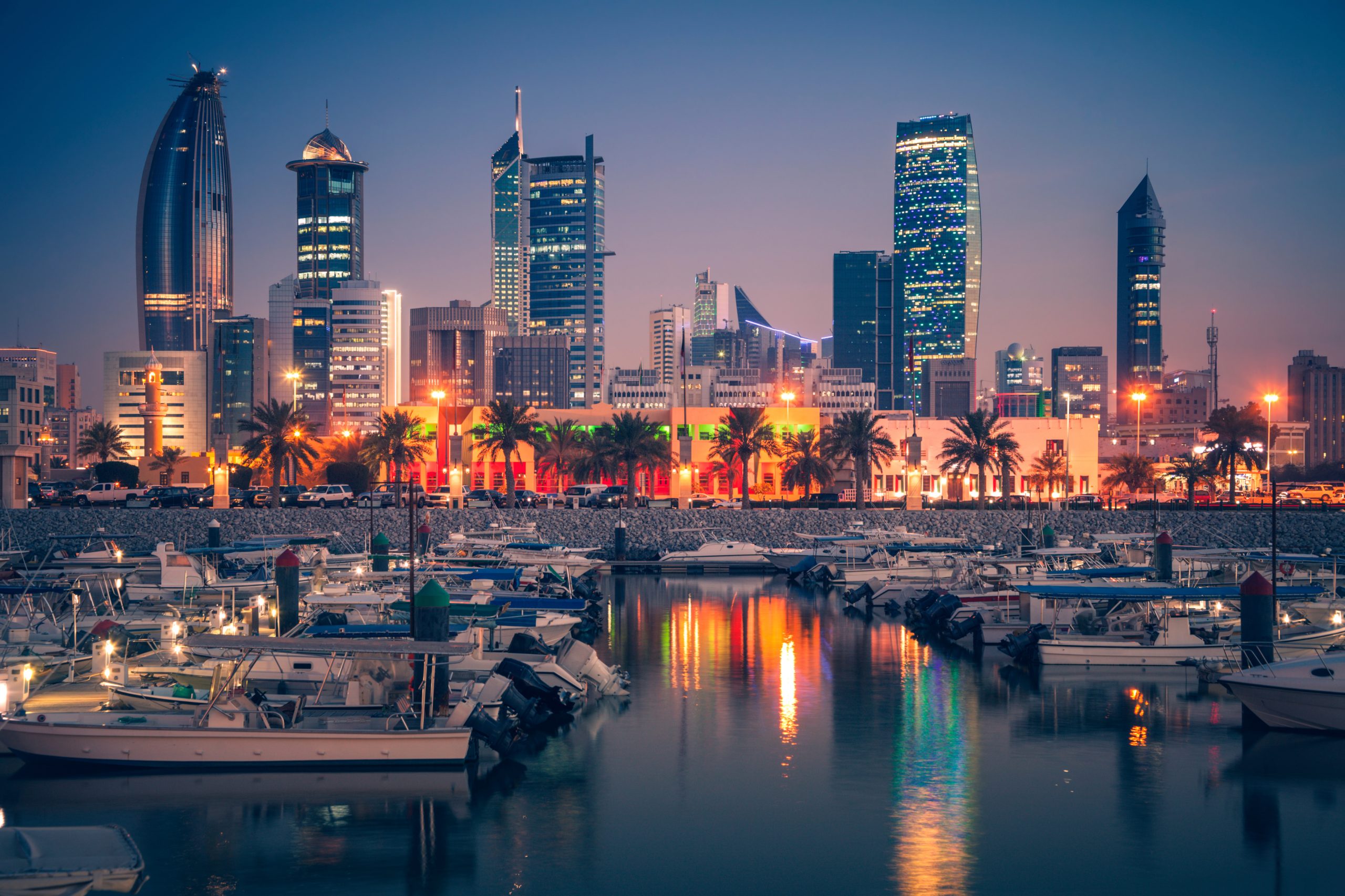
Thursday, 2 October – Kuwaiti authorities reported that development expenditure hit a five-year high in the first quarter of the 2025/26 fiscal year, as the government accelerates capital projects. The current budget includes 69 new development projects alongside hundreds of ongoing ones, ranging from power and water plants to new residential cities.
Sunday, 5 October – Kuwait continued its robust humanitarian support for Gaza. The Kuwaiti Air Force sent a 16th relief flight carrying 10 tonnes of food supplies to Egypt for delivery into the Gaza Strip. Organised by the Kuwaiti Red Crescent in coordination with government ministries, the airlift is part of Kuwait’s ongoing humanitarian bridge, which in its second phase has delivered over 150 tonnes of aid to besieged Gazans. Kuwaiti officials also condemned the interception of a Gaza aid flotilla and are working to free several Kuwaiti activists detained by Israel.
Sultanate of Oman

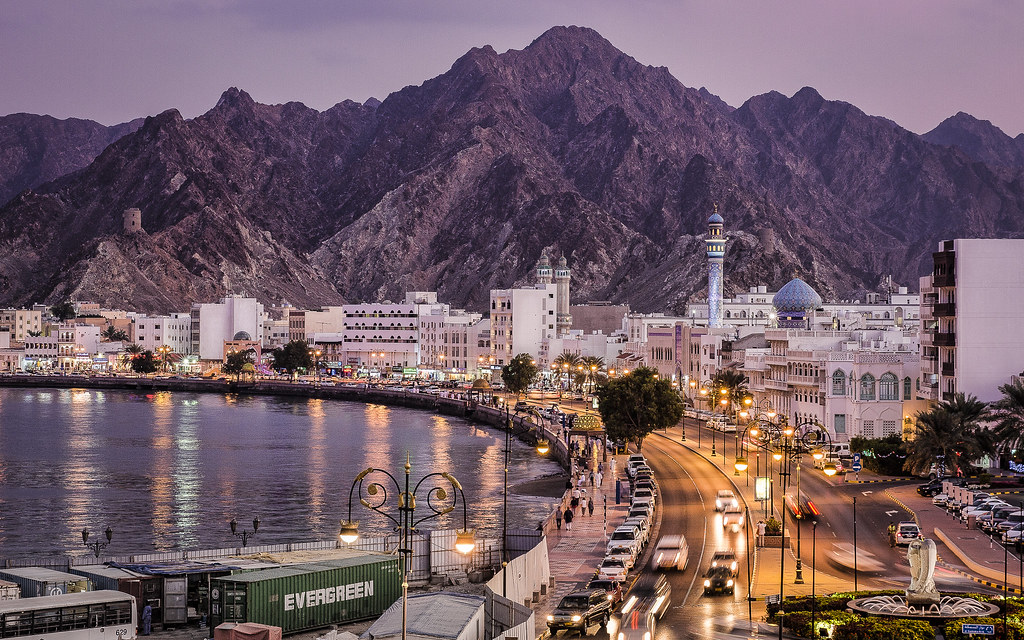
Monday, Tuesday, 6-7 October – Oman’s Sultan Haitham bin Tarik undertook a historic state visit to Belarus, marking a significant expansion of Muscat’s international partnerships. In Minsk, Sultan Haitham and President Lukashenko held talks and oversaw the signing of multiple agreements, including a joint cooperation roadmap to guide projects in sectors such as food production, logistics, agriculture, industry, tourism and culture.
Tuesday, 8 October – Muscat hosted the 17th Oman-UK Joint Working Group meeting in London (via videolink), as part of ongoing efforts to strengthen ties with European partners. Omani and British officials reviewed bilateral cooperation in trade, investment, education and defence, expressing mutual commitment to advance projects aligned with Oman’s Vision 2040 diversification strategy.
State of Qatar

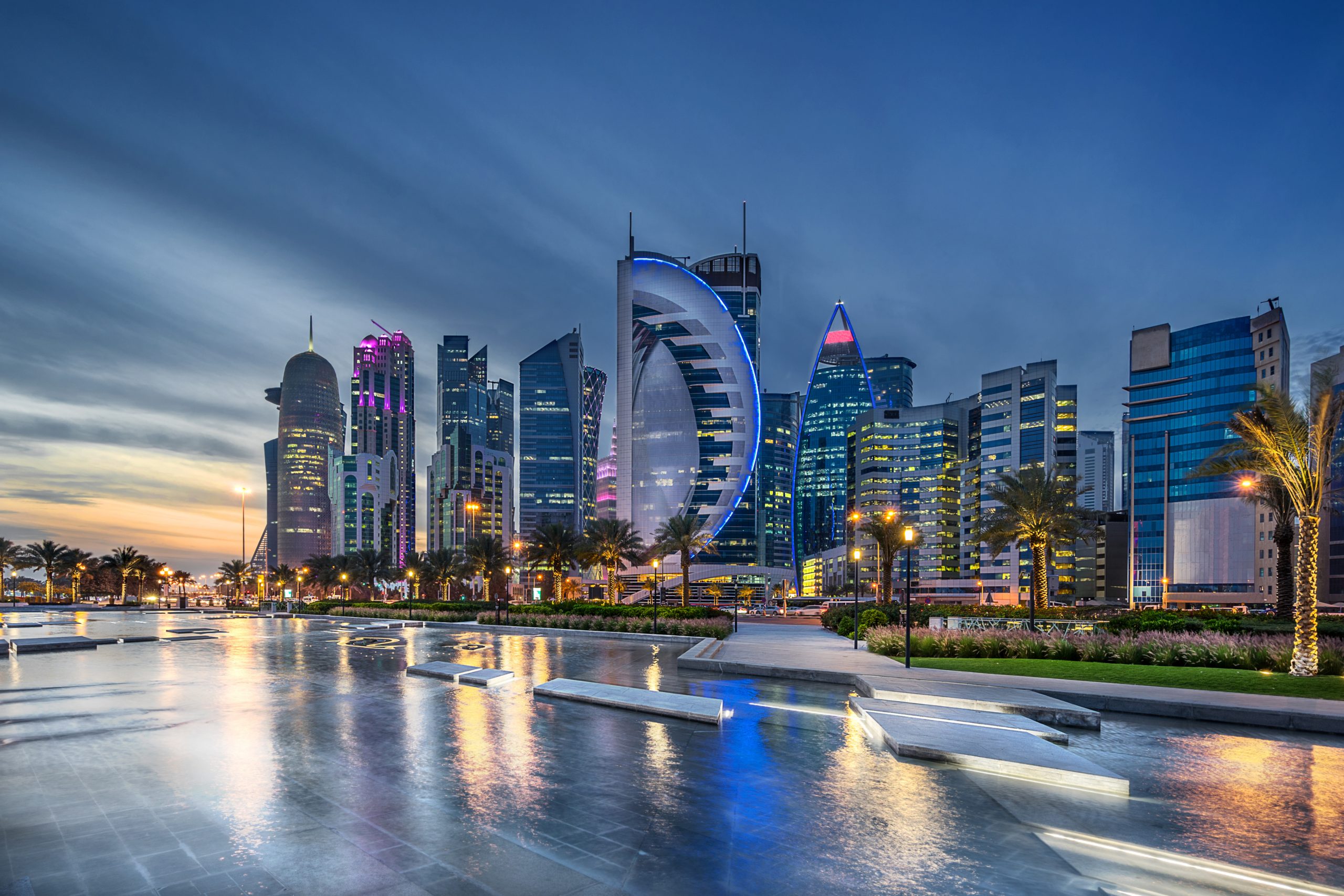
Thursday, 3 October – QatarEnergy announced the first production from the Al-Shaheen offshore carbon capture project, part of Qatar’s strategy to reduce emissions in LNG operations. The pilot phase is capturing and reinjecting roughly 2,000 tons of CO₂ per year from natural gas processing. Officials said this represents a step towards Qatar’s goal of 9 million tons/year of carbon capture by 2030. In parallel, QatarInvestment Authority executives reaffirmed plans to double QIA’s annual investments in the US over the next decade.
Kingdom of Saudi Arabia

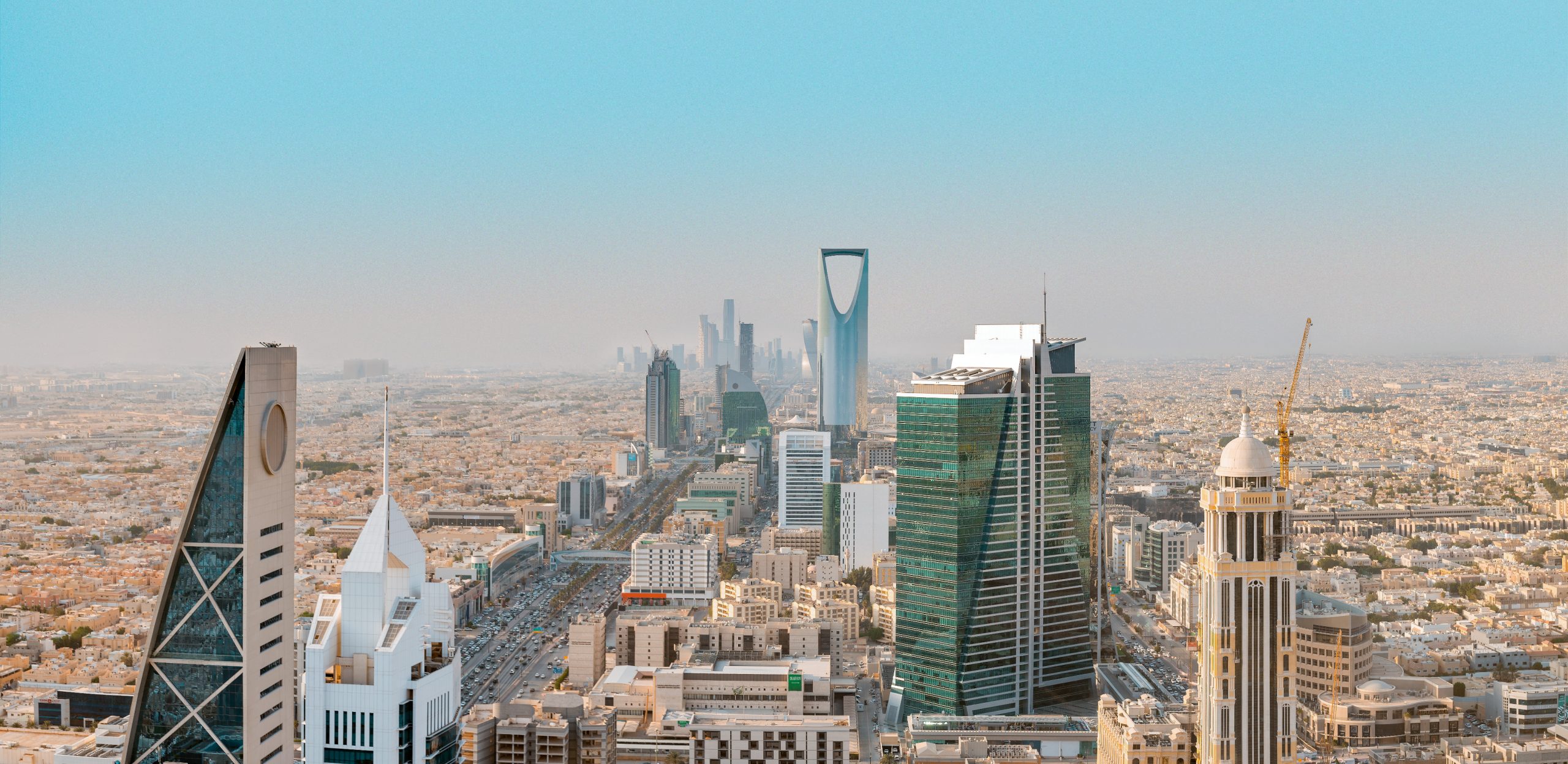
Tuesday, 8 October – Saudi Arabia’s Capital Market Authority formally proposed ending foreign investor restrictions on the Tadawul, as it seeks to transform the Kingdom into a global financial hub. The draft rules would permit full direct ownership of Saudi stocks by foreign institutions and individuals, eliminating the 49% foreign ownership cap per listed company and the Qualified Investor vetting process.
Wednesday, 2 October – In a bid to protect consumers from rising living costs, the Saudi government announced it is examining an expansion of the residential rent cap freeze nationwide. A two-year freeze on rent increases is already in place for key cities, and officials signalled it may be broadened to all regions to ensure affordable housing.
Monday, Tuesday, 30 September – 1 October – Saudi Arabia quietly adjusted its oil strategy at the turn of the month. With OPEC+ production increases (an extra 137,000 bpd for October) agreed in September, Saudi Aramco lowered its official selling price (OSP) for Arab Light crude to Asian customers by 1 USD/barrel for October deliveries. This larger-than-expected price cut, narrowing the premium over Oman/Dubai benchmarks, is aimed at shoring up Asian demand as supplies rise.
United Arab Emirates

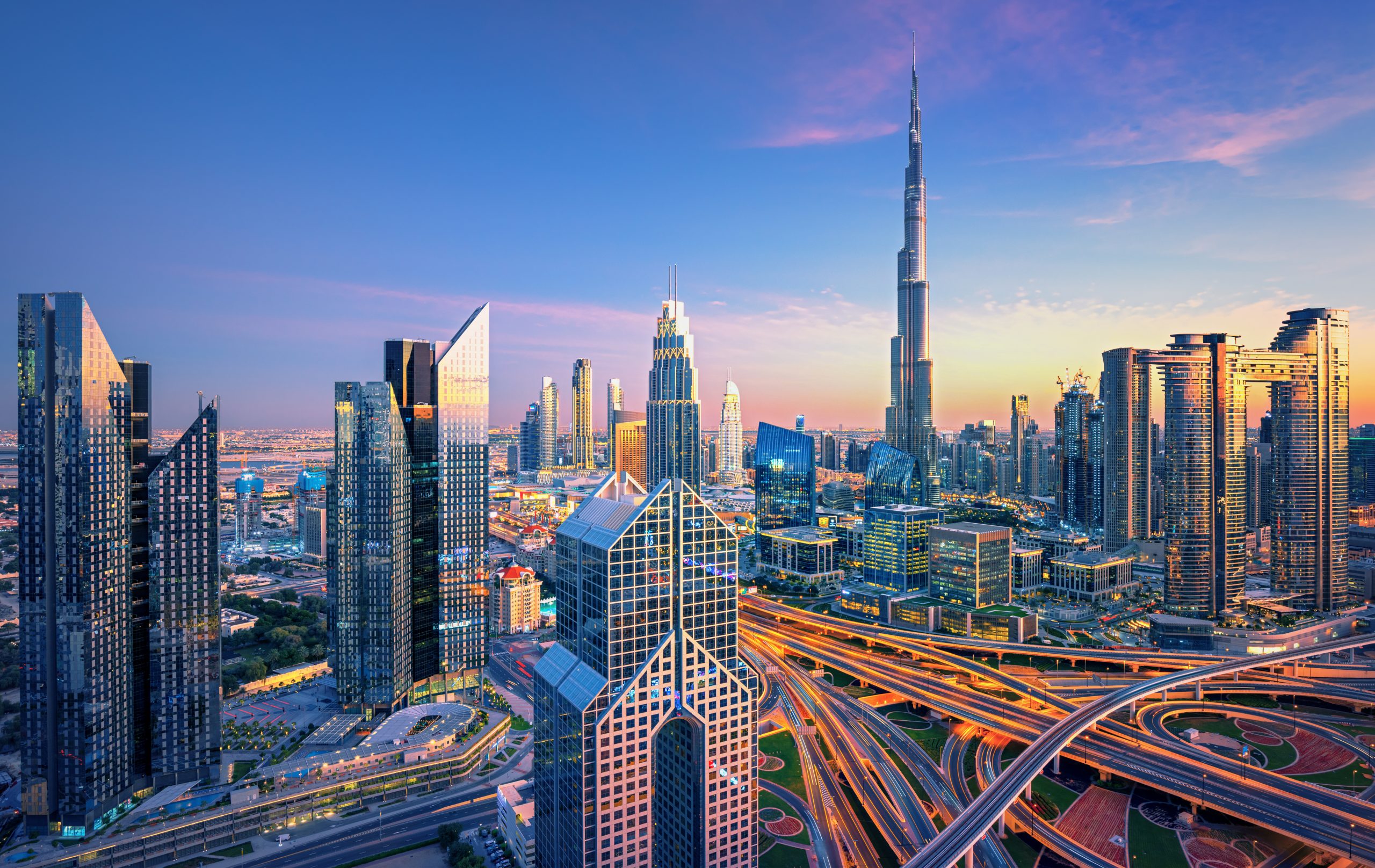
Monday, 30 September – The UAE participated in global climate talks in the run-up to hosting COP30 next year. In New York, the UAE’s Climate Change Special Envoy Sultan Al Jaber outlined plans for an ‘inclusive COP’ that brings together oil producers and green technology leaders, aiming to make pragmatic progress on emissions reduction and climate finance.
Wednesday, 2 October – The UAE rolled out new initiatives to upskill its workforce for the digital economy. A strategic collaboration with Google was launched to provide UAE university students with free one-year access to professional online courses in AI, cloud computing, and data analytics. Meanwhile, Dubai’s ‘Digital Dubai’ office announced the start of the Annual Labour Force Survey 2025, deploying AI tools to gather labour market data to inform future employment policies.
Tuesday, 8 October – New data showed the UAE’s non-oil ‘wellness’ economy surging, reflecting post-Covid shifts in consumer behaviour. A report by the Global Wellness Institute ranked the UAE’s wellness sector (spanning fitness, nutrition, beauty and spa services) as a 34 billion USD market, up 58% from 2019.
EU Corner
Sunday, Monday, 5-6 October – Kuwait City hosted the 29th GCC-EU Joint Ministerial Meeting, with Kuwaiti Foreign Minister Sheikh Abdullah Al-Yahya co-chairing alongside EU High Representative Kaja Kallas. Kuwait highlighted the strategic importance of GCC-EU cooperation amid regional crises, noting that dialogue and partnership with Europe are vital for Gulf security, economic resilience and multilateral solutions. In a joint statement the EU and GCC spoke with one voice on Gaza, demanding an immediate, unconditional ceasefire, humanitarian corridors, and eventual two-state peace, while supporting a US-led framework to end the conflict. It also underscored unified support for Ukraine’s sovereignty against Russia’s aggression; notably, Gulf states joined EU members in condemning violations of the UN Charter and calling for a just peace in Ukraine, commending Saudi, Emirati and Qatari mediation efforts in prisoner exchanges.
Key Official Visits & Contacts
Sunday, Monday, 5-6 October (Doha and Kuwait City) – German Foreign Minister Johann Wadephul toured the Gulf to strengthen European engagement. In Doha, he met Qatar’s Prime Minister and Foreign Minister Sheikh Mohammed bin Abdulrahman Al Thani to coordinate efforts on ending the Gaza war. Wadephul praised Qatar’s mediation, and inaugurated a new Germany-Qatar strategic dialogue focused on security, energy and reconstruction in the Middle East.
Monday, 6 October (Kuwait City) – On the sidelines of the EU-GCC gathering, Bahraini Foreign Minister Abdullatif Al Zayani met Hungarian Foreign Minister Péter Szijjártó to discuss bilateral relations. The two ministers reviewed the longstanding ties between Bahrain and Hungary and explored ways to broaden economic and cultural cooperation for mutual benefit.
Monday, Tuesday, 6-7 October (Minsk) – Oman-Belarus State Visit: His Majesty Sultan Haitham bin Tarik of Oman conducted an official visit to Belarus, meeting President Aleksandr Lukashenko in Minsk. It was the first-ever visit by an Omani ruler to Belarus, underlining Muscat’s outreach to new partners.