


5 Top Points
- Bahrain-Qatar Connectivity Restored: In a sign of warming ties, Bahrain’s government welcomed the launch of a new passenger ferry service linking Bahrain and Qatar. The weekly ferry is expected to boost tourism, trade and people-to-people contacts. Bahraini authorities also directed work to advance the delayed Bahrain-Qatar Causeway project.
- Saudi-UAE Anti-Corruption Pact: In Abu Dhabi, Saudi Arabia’s Nazaha (National Anti-Corruption Commission) and the UAE Accountability Authority signed an MoU to step up joint investigations, information-sharing and training on cross-border graft.
- Deepening Saudi-Kuwaiti Cooperation: Saudi Arabia and Kuwait strengthened bilateral ties through their third Coordination Council meeting, held in Riyadh. Saudi Foreign Minister Prince Faisal bin Farhan and Kuwaiti FM Sheikh Abdullah Al-Yahya reviewed the historic fraternal relations and oversaw the signing of four MoUs in areas including media, economic planning, science and technology, and public-private partnership.
- Gulf Humanitarian Push for Gaza: Gulf states ramped up relief efforts for war-torn Gaza as the ceasefire held. Saudi Arabia’s KSrelief delivered a new batch of food aid to central Gaza as part of an ongoing campaign, bringing the total Gulf air-and-sea bridge shipments to over 7,600 tons of food, medical and shelter supplies so far. Likewise, the UAE is preparing to increase aid deliveries into Gaza, and Qatar sent a fresh convoy of aid via Egypt, including 2,790 shelter tents.
- UAE Cautious on Gaza Stabilisation Force: The UAE signalled reservations about joining any international peacekeeping mission in Gaza without a clear mandate. Senior Emirati official Anwar Gargash stated that Abu Dhabi ‘does not yet see a clear framework’ for a proposed Gaza stabilisation force and ‘will probably not participate’ under current conditions.
‘Round and About the Gulf’
Kingdom of Bahrain

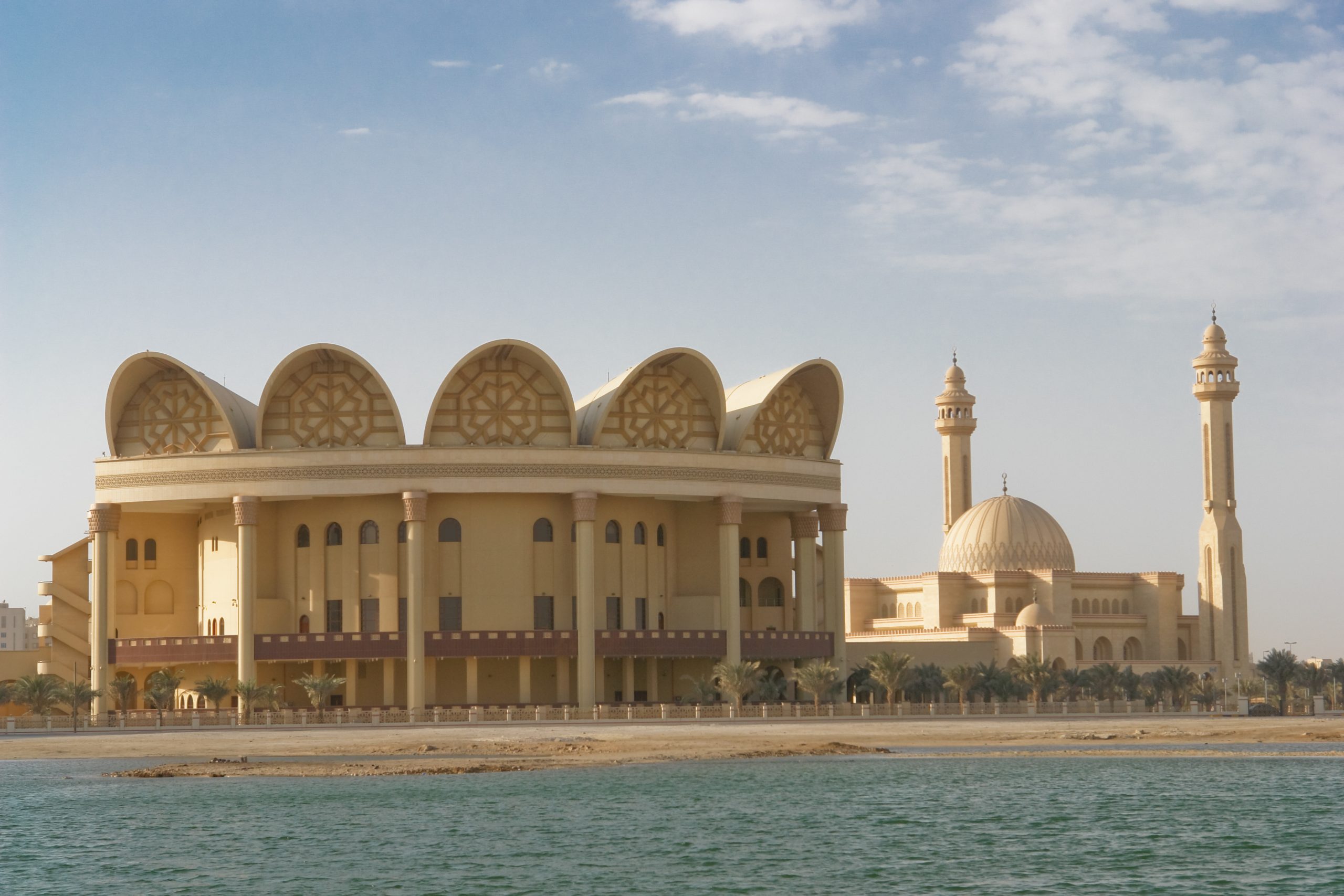
Thursday–Saturday, 6–8 November – Bahrain hosted a state visit by His Majesty Sultan Ibrahim, the King of Malaysia. King Hamad bin Isa Al Khalifa welcomed Sultan Ibrahim with full honours, including a state banquet at Sakhir Palace and special visits to national monuments. The two monarchs held talks reaffirming their strong bilateral relations and mutual desire to expand cooperation across all sectors.
Monday, 10 November – Bahrain’s Cabinet celebrated a milestone in regional connectivity, welcoming the launch of new passenger ferry services between Bahrain and Qatar. Officials noted the ferry link will strengthen tourism, trade and people-to-people exchange, and Crown Prince Salman bin Hamad directed that the route be fully utilised for passengers, vehicles and cargo. The Cabinet also instructed continued work on the long-planned Bahrain-Qatar causeway.
State of Kuwait

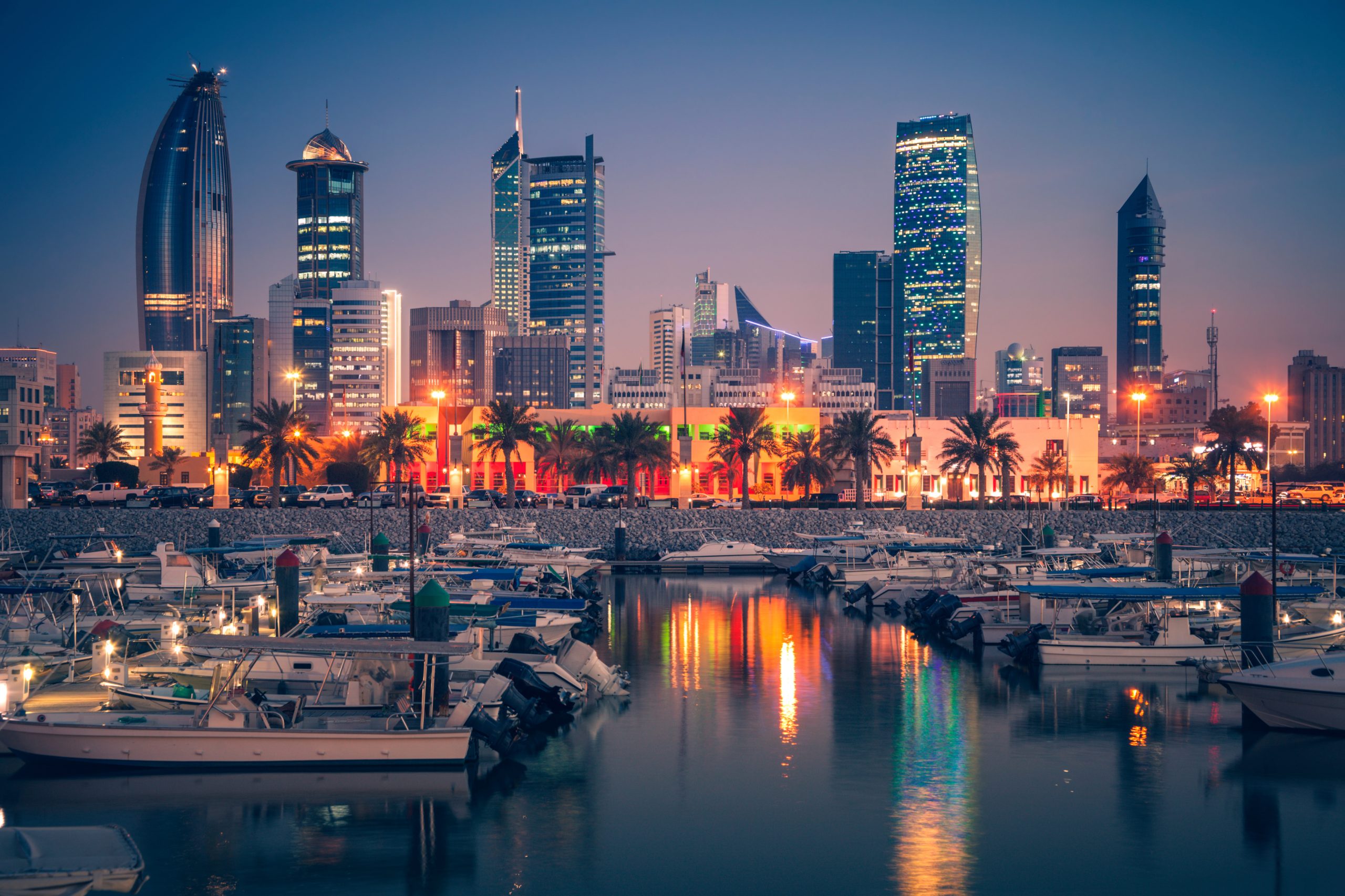
Monday, 10 November – Kuwait unveiled major reforms aimed at openness and security. First Deputy Prime Minister and Interior Minister Sheikh Fahad Al-Yousef Al-Sabah announced that Kuwait now offers one of the world’s fastest entry visa services, an e-visa issued ‘within 5 minutes’ for all nationalities. He affirmed Kuwait welcomes visitors of any country, provided they respect local laws. Sheikh Fahad also revealed that the Amir has signed a new anti-drugs law imposing harsher penalties, as part of efforts to combat narcotics smuggling.
Sultanate of Oman

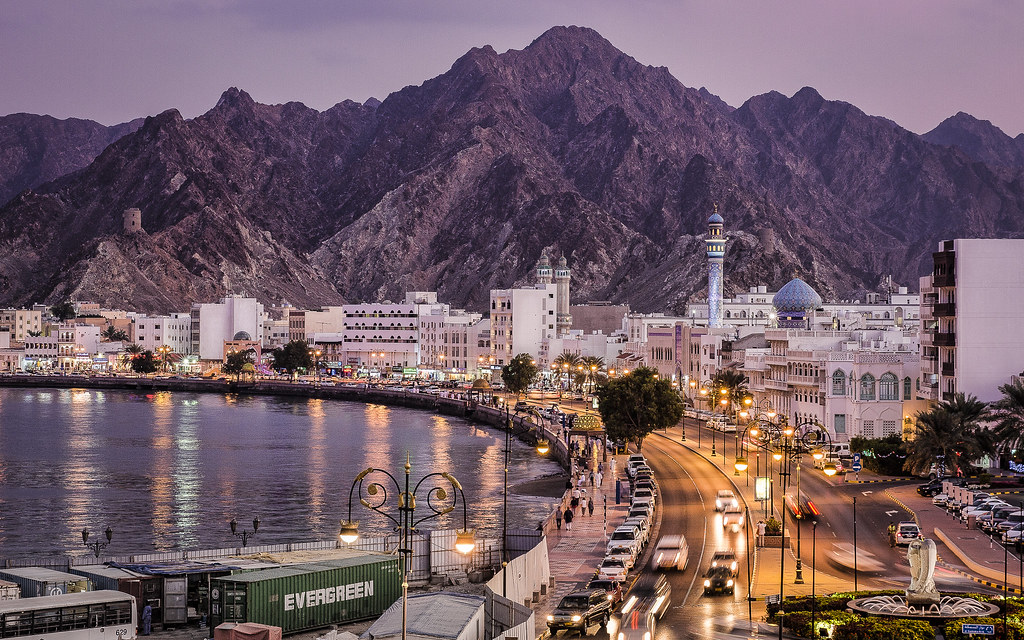
Tuesday, 11 November – Oman gained a new role in global environmental stewardship, winning election to UNESCO’s Man and the Biosphere (MAB) Council. Oman will serve on the international coordinating council for 2025–2029, in a term elected during UNESCO’s General Conference in Uzbekistan. Omani officials noted that the MAB Council seat will enable Oman to further cooperate on expanding nature reserves, biodiversity conservation and climate change research at the international level.
State of Qatar

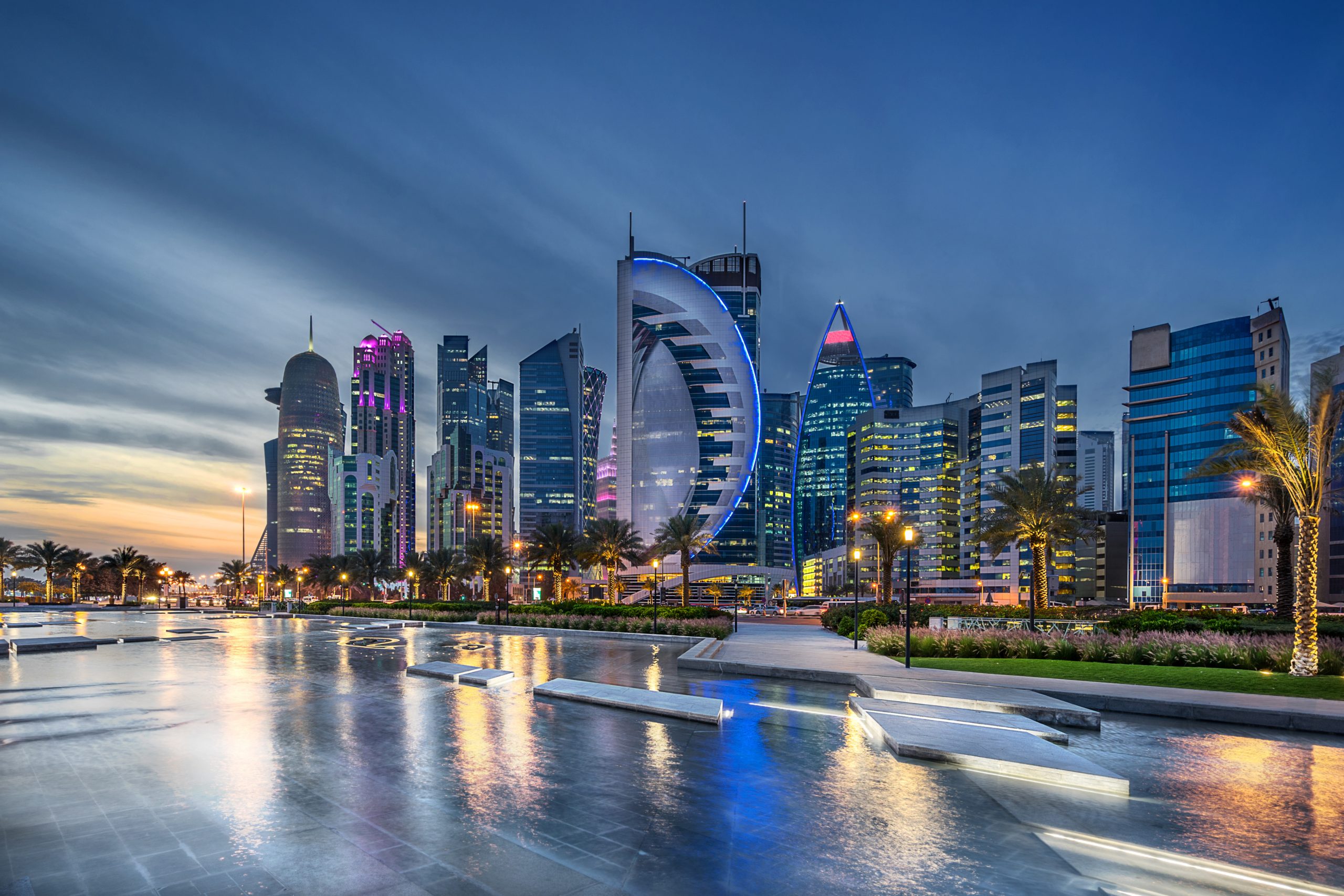
Friday, 7 November – Qatar concluded hosting the second World Summit for Social Development in Doha (5–7 November), a UN forum focused on tackling poverty and inequality. The event drew several heads of state and government, including Belgium’s King Philippe and Namibia’s Prime Minister, underscoring Qatar’s growing role in global development dialogues.
Kingdom of Saudi Arabia

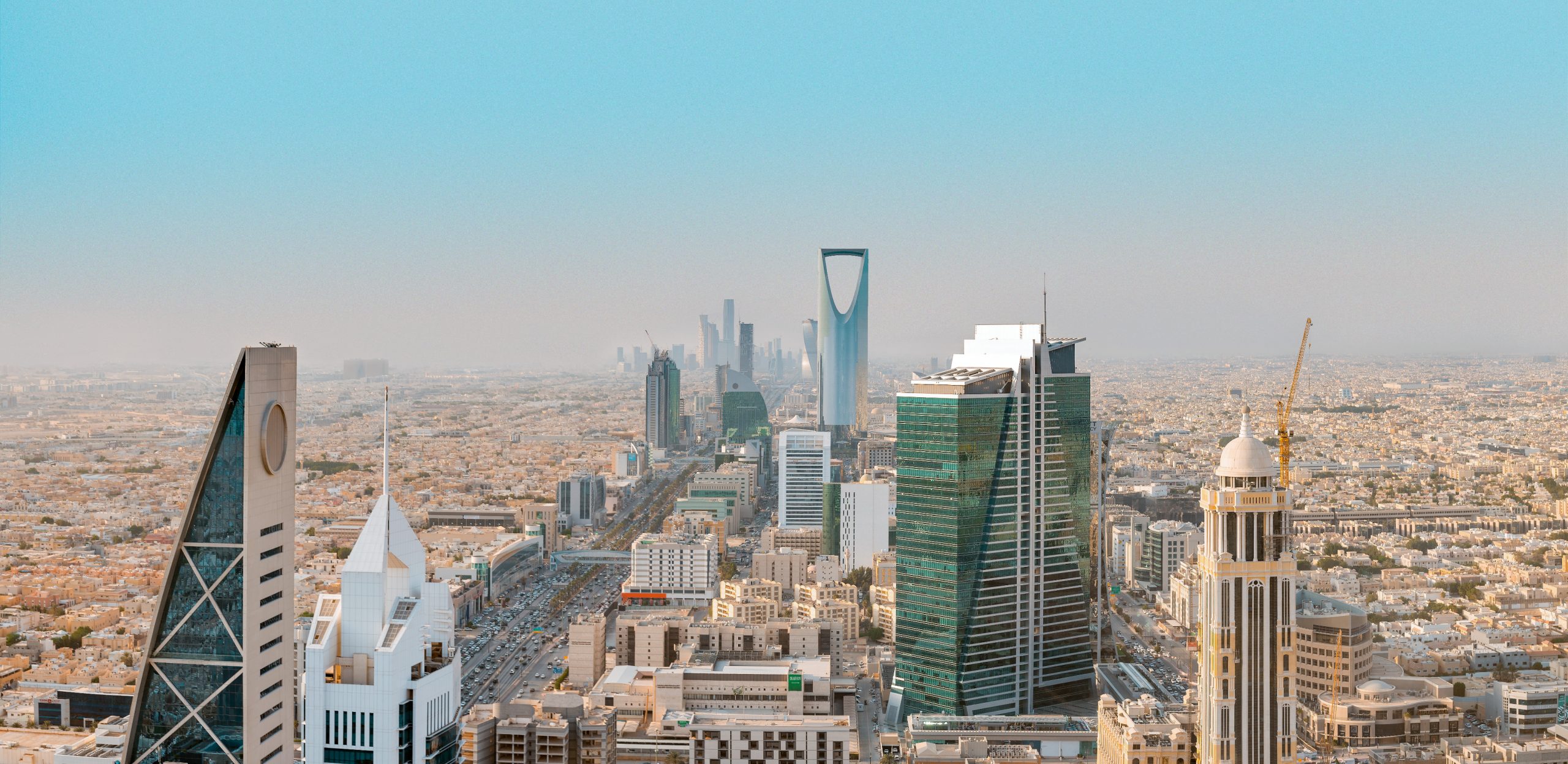
Monday, 10 November – Saudi Arabia and Kuwait affirmed their ‘brotherly’ alliance by convening the third Saudi-Kuwaiti Coordination Council in Riyadh. Saudi Foreign Minister Prince Faisal bin Farhan and Kuwaiti FM Sheikh Abdullah Al-Yahya co-chaired the session, which followed up on joint projects and past agreements. At the meeting, the two sides signed four new MoUs to enhance cooperation in media and broadcasting, economic planning, science and technology, and public–private partnership.
Saturday, 8 November – Saudi Arabia continued its extensive humanitarian campaign for Palestine, delivering a new batch of food aid to Gaza via the King Salman Humanitarian Aid and Relief Center (KSrelief). The convoy reached the Deir al-Balah area of central Gaza, part of an ongoing Saudi effort under a nationwide fundraising drive. KSrelief has now established a robust air and sea bridge for Gaza, with 71 relief flights and 8 ships transporting over 7,655 tons of food, medical and shelter supplies to date.
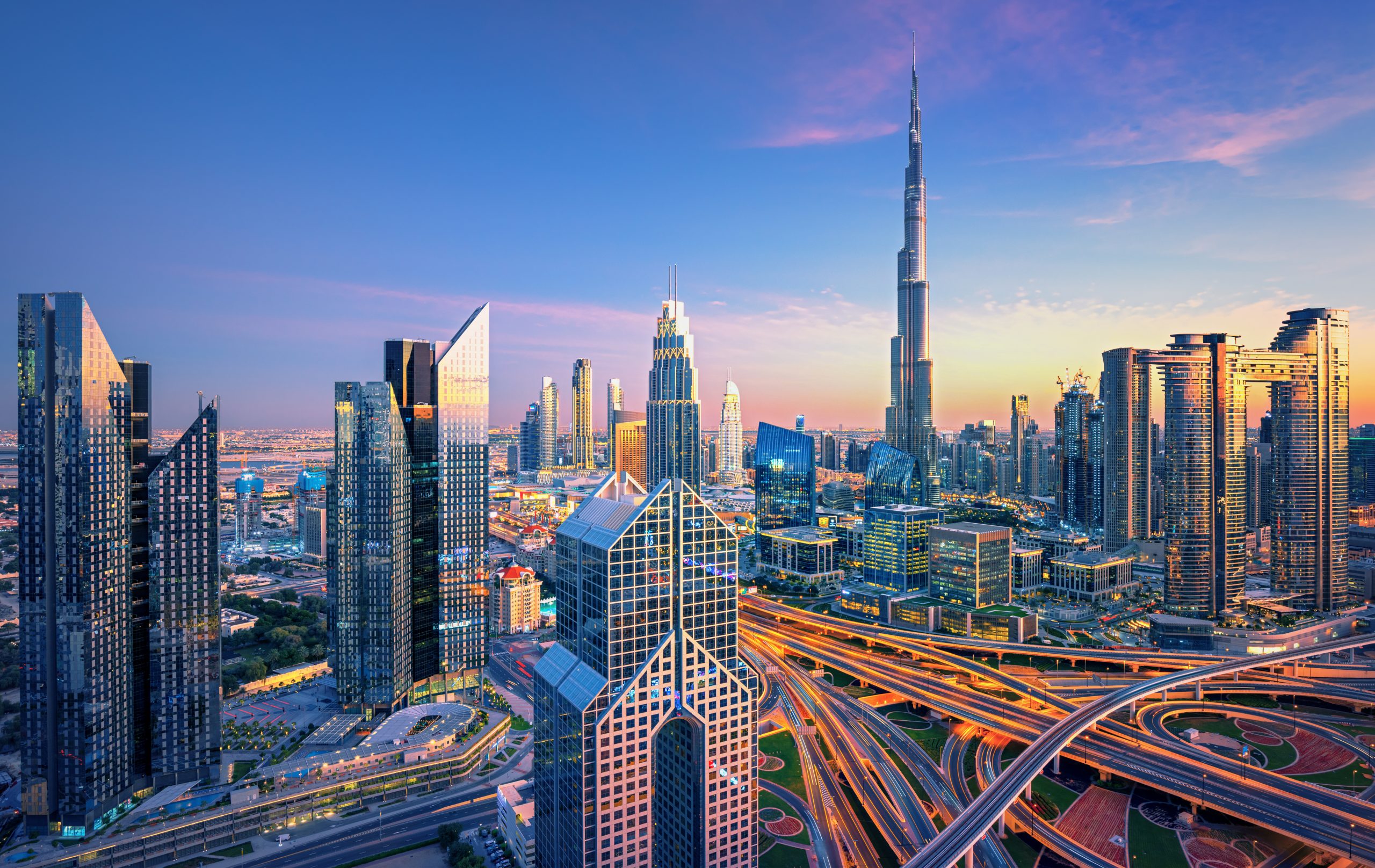
United Arab Emirates

Monday, 10 November – In Abu Dhabi, Saudi and Emirati officials bolstered cooperation against corruption. Saudi Arabia’s Nazaha (Oversight and Anti-Corruption Authority) and the UAE’s Accountability Authority (UAE-AA) signed a Memorandum of Understanding to jointly prevent and combat corruption crimes. The MoU, signed by Nazaha President Mazin Al-Kahmous and UAE-AA Chairman Humaid Al Shamsi, aims to facilitate the exchange of information on cross-border corruption and to develop institutional capacities in both countries.
EU Corner
EU-GCC Business Forum (Kuwait City) – Under the patronage of Kuwait’s Prime Minister, the 9th EU-GCC Business Forum (6 November) gathered senior policymakers and investors to push Euro-Gulf partnerships in diversification, green energy, and the digital economy. Organised with Kuwait’s MFA and investment authority, it aimed to convert the political momentum in EU-GCC ties into concrete projects and deal-flow.
The EU renews ISIL/Al-Qaeda sanctions with partner alignment: The EU confirmed its counterterrorism regime against ISIL/Da’esh and Al-Qaeda is extended to 31 October 2026, and noted alignment by partner countries. The move sustains financial pressure on networks operating across Syria-Iraq and the wider region, areas of direct concern for both Europe and Gulf security cooperation.
Key Official Visits & Contacts
Thursday–Saturday, 6–8 November (Manama) – His Majesty Sultan Ibrahim, King of Malaysia, paid a state visit to Bahrain at the invitation of King Hamad bin Isa Al Khalifa. Sultan Ibrahim was greeted with a red-carpet welcome and full ceremonial honours, reflecting the first Malaysian state visit to Bahrain in over 50 years.
Sunday–Tuesday, 2–4 November (Doha) – His Majesty King Philippe of Belgium visited Qatar to participate in the 2nd World Summit for Social Development, a United Nations forum hosted in Doha. During his stay, King Philippe held talks with Amir Sheikh Tamim bin Hamad Al-Thani at the Amiri Diwan. King Philippe additionally toured Qatar Foundation initiatives with Sheikha Moza, noting Qatar’s strides in education and social progress.
Monday, 10 November (Riyadh) – Saudi Foreign Minister Prince Faisal bin Farhan Al Saud welcomed Sheikh Abdullah Al-Yahya, Foreign Minister of Kuwait, for high-level talks in Riyadh. The two ministers co-chaired the 3rd Saudi-Kuwaiti Coordination Council, reviewing the implementation of joint projects and agreements throughout 2025.
Tuesday, 11 November (Abu Dhabi) – Nazaha President Mazin Al-Kahmous of Saudi Arabia and Humaid Al Shamsi, Chairman of the UAE Accountability Authority, met in Abu Dhabi to sign a bilateral MoU on anti-corruption cooperation. The agreement establishes a framework for the two GCC allies to share information on cross-border corruption cases and to conduct joint training and capacity-building. During the signing ceremony, officials from both sides discussed further steps to promote transparency, integrity and the rule of law. The MoU – witnessed by senior justice and interior ministry figures – was praised as a milestone in Saudi–Emirati efforts to combat graft and enhance good governance across the region.