

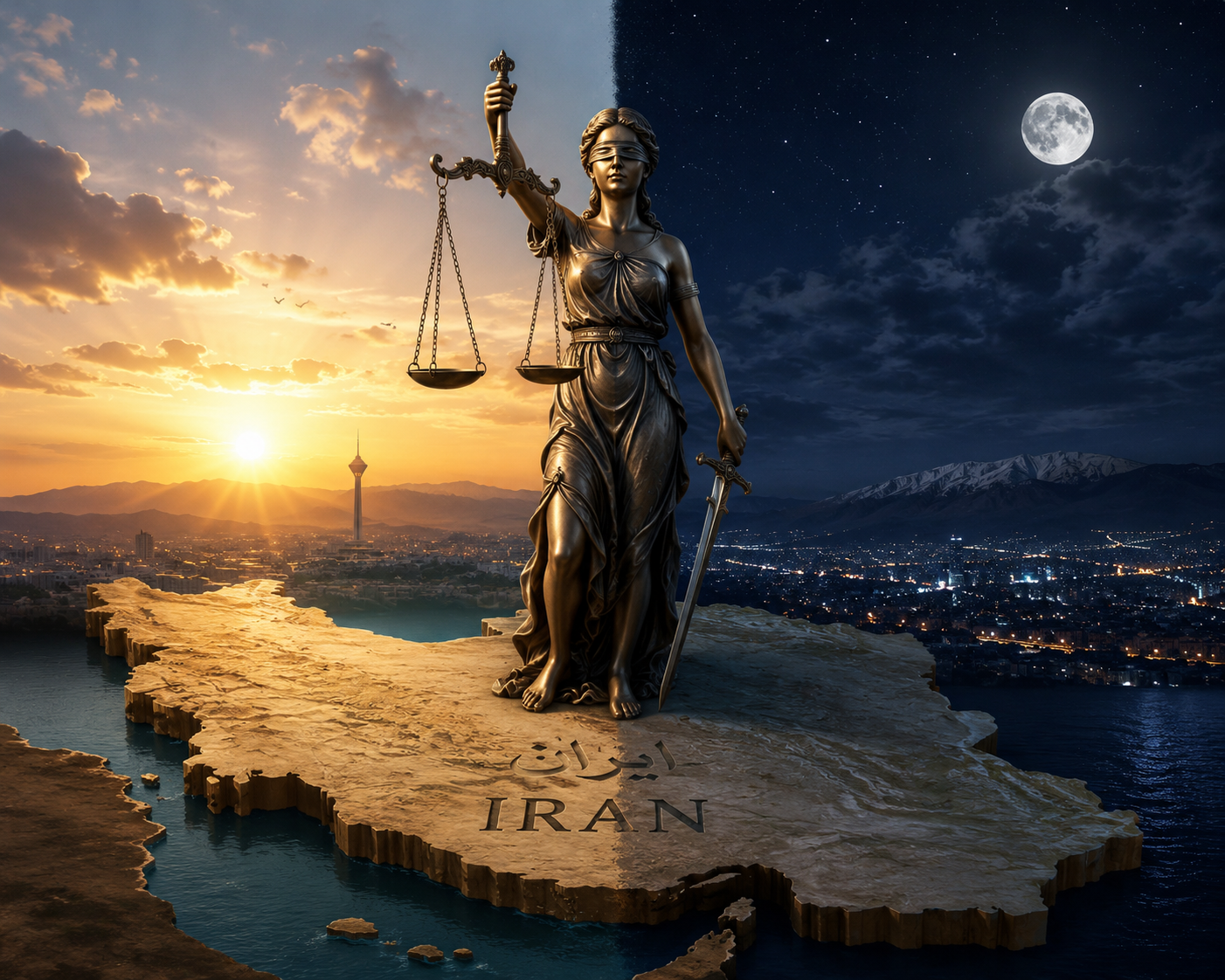


For more than four decades, the Islamic Republic of Iran has ruled through executions, torture, censorship, and fear. Thousands of Iranians have been imprisoned for speaking freely. Women have been beaten and killed for refusing compulsory hijab. Protesters have been executed after forced confessions and sham trials. Families across Iran carry the trauma of losing children, parents, and friends to state violence. The massacre of 8-9 January 2026, became another symbol of this brutality. As reports of killings, mass arrests, and violent crackdowns spread among Iranians, fear and grief once again consumed the country. Yet much of the international reaction was muted. Headlines moved on quickly, global attention shifted elsewhere, and many Iranians were left asking the same question they have asked for years: Why does the world remain silent when Iranians die?
Part of the answer lies in the regime’s machinery of censorship. The Islamic Republic has built one of the world’s most sophisticated systems of information control. Journalists are arrested, internet access is shut down during protests, and foreign reporters are heavily restricted. Videos of massacres, torture, and executions are difficult to verify quickly, allowing international media to delay coverage or avoid it entirely. A regime that controls information can also manipulate global perception. But censorship alone does not explain the silence. The deeper reason is political hypocrisy.
For decades, the Iranian regime has presented itself internationally as a force of “resistance” against the United States and Israel. That image has protected it from the level of scrutiny directed at many other authoritarian governments. Some political activists and movements that claim to support justice suddenly become cautious when the victims are Iranian and the oppressor presents itself as anti-Western. This contradiction became especially visible during the rise of pro-Palestinian demonstrations around the world. Defending Palestinian civilians and condemning war crimes is morally necessary. But supporting Palestinians should never mean legitimising authoritarian governments. Yet in many protests, symbols linked to the Islamic Republic appeared openly. For many Iranians, this was deeply disturbing. The same regime accused of killing protesters, imprisoning women, and executing dissidents was being treated by some activists as a legitimate symbol of resistance. Iranian victims disappeared from the conversation.
The issue has never been Palestine versus Iran. Human rights are not selective. A person can defend Palestinian civilians while also condemning the brutality of the Iranian regime. But ideological activism often fails this basic principle. Too many movements defend human rights only when it fits their political narrative. If condemning Tehran complicates an anti-Western worldview, Iranian suffering becomes inconvenient. This selective outrage destroys the credibility of human rights movements themselves.
Governments and international institutions are also part of the problem. Western leaders issue statements, publish reports, and impose symbolic sanctions, but many Iranians see these actions as empty gestures. In practice, nuclear negotiations, regional stability, oil markets, and geopolitical interests consistently take priority over human rights. The message is clear: Iranian lives are negotiable.
Executions continue. Political prisoners disappear. Protest crackdowns intensify. Yet global reactions remain weak and temporary. International organizations speak the language of justice while failing to confront the reality of systematic repression inside Iran. Modern media dynamics also contribute to the silence. Today’s attention economy rewards spectacle, constant footage, and military escalation. Iran’s suffering is often hidden behind prison walls, internet shutdowns, and state censorship. Executions happen quietly. Families mourn under surveillance. Fear spreads silently across society. The lack of continuous visual coverage makes it easier for the world to look away. But silence does not make the crimes less real.
Despite enormous risks, Iranians continue to resist. Women remove compulsory hijabs in public despite threats of arrest. Students protest despite intimidation and imprisonment. Workers strike despite economic collapse. Families of executed protesters continue demanding justice even while facing harassment from security forces. These are not isolated acts of anger. They are acts of political courage against one of the most entrenched authoritarian systems in the world. Iranians are not asking for pity. They are demanding consistency.
If human rights are universal, they must apply to Iranians too. Freedom cannot depend on whether victims fit fashionable political narratives. Oppression does not become acceptable simply because the government committing it calls itself anti-Western. The world cannot claim to defend justice while remaining selectively blind to tyranny. History has always shown that silence protects oppressors. Every time media outlets soften the reality of the Islamic Republic, every time activists excuse authoritarianism for ideological reasons, and every time governments prioritise strategy over human dignity, the regime grows stronger. The Iranian people are fighting not only state repression but also global indifference. And indifference is political.
Justice loses all meaning when empathy depends on ideology, geography, or political convenience. A world that ignores Iranians while speaking endlessly about human rights is not defending universal values. It is defending selective morality.