



Abstract: This month’s stratEGIC focuses on three fundamentally important themes: first, it looks at Bahrain and its strategy for achieving food security. Many often forget that the GCC states are vulnerable to supply-line disruption, and Bahrain is setting an example by establishing a Food Security Authority. This first part also looks at France and Germany as countries that are also bringing to prioritise food security. The second part looks at Kuwait’s economic diversification strategy and pays attention to its non-oil revenues. This is becoming increasingly important for Kuwait — and the other GCC countries — as they prepare for the future. Finally, this segment toys with US election scenarios: the ‘what if’ Trump or Harris is elected and what does that imply for the Gulf?
Keywords: Food security, Supply chain resilience, local production, self-sufficiency, sustainability, diversification, non-oil sector, Kuwait Vision 2035, aconomic resilience and partnerships, diplomacy, Iran, security alliances
Food Security in Bahrain
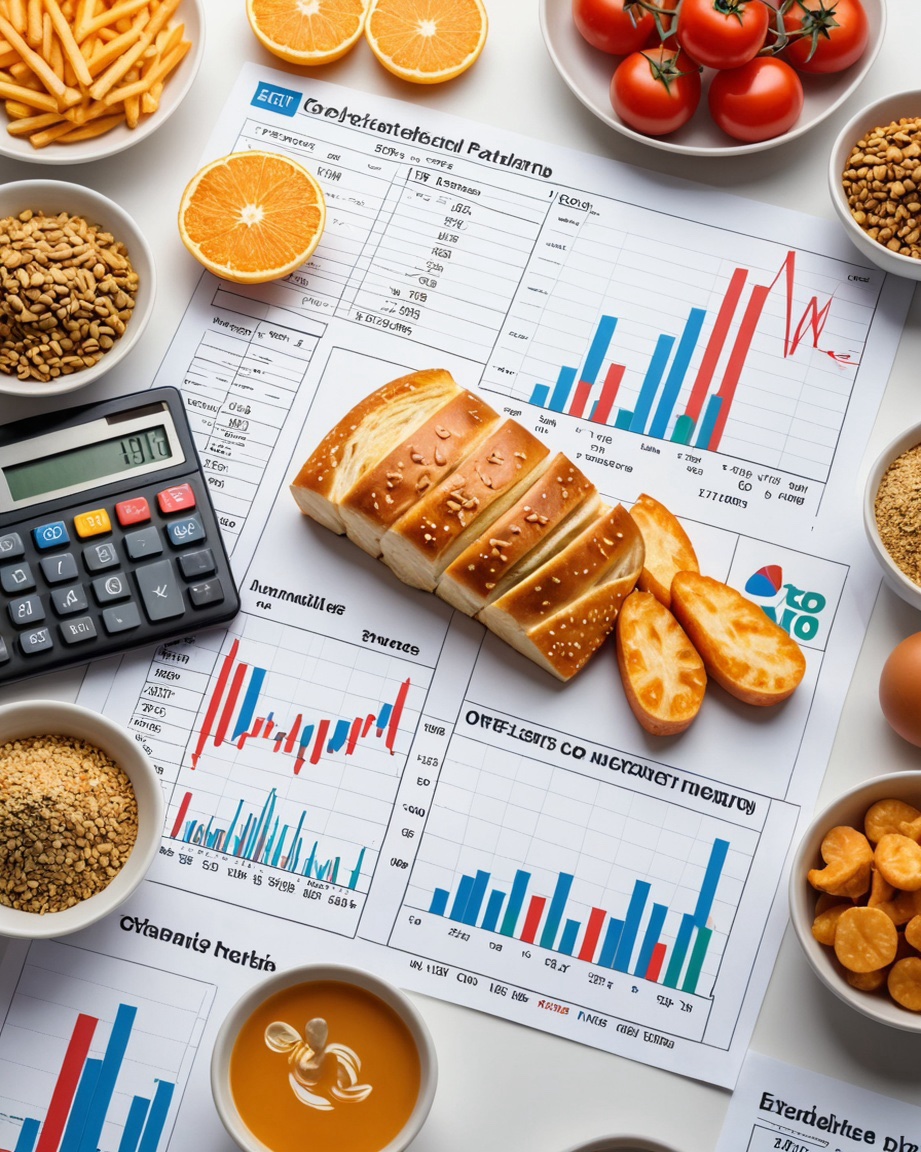
Bahrain recently proposed the establishment of a dedicated Food Security Authority to improve the country’s resilience against supply chain disruptions and increase local food production. Introduced by Hamad Al Doy, Member of the Nuwab [Parliament], the initiative aims to ensure a reliable supply of essential goods such as food and medicine, particularly in the context of growing global concerns over food security and with the goal of enhancing Bahrain’s self-sufficiency. The Bahrain Chamber of Commerce and Industry has already advised on measures to strengthen the national food supply. If approved, this organisation would play a key role in the management oversight of Bahrain’s food and health supplies, reducing dependence on imports and positioning it as a significant player in the regional food industry, capitalising on its strategic links. This initiative reflects Bahrain’s broader national security objectives and aims to ensure the long-term stability of food systems, a priority for governments around the world in the aftermath of the pandemic.
Several European countries have launched similar initiatives to strengthen food security and increase resilience against supply chain disruptions, particularly in response to the current wars in Eastern Europe [Russia-Ukraine] and the Middle East. For example, France recently established a national food resilience strategy aimed at securing national food production by reducing its dependence on foreign imports. The French Ministry of Agriculture (Ministère de l’Agriculture, de la Souveraineté alimentaire et de la Forêt) has emphasised local production of essential food products, supported by subsidies and innovation incentives to strengthen the resilience of the agricultural sector to crises. The French policy sets targets for viable and independent food production and reflects Bahrain’s focus on local self-sufficiency and strategic planning for essential goods. The EU’s largest economy, Germany, has also taken steps to boost food security. In response to geopolitical tensions and supply chain bottlenecks, the German Federal Ministry of Food and Agriculture (Bundesministerium für Ernährung und Landwirtschaft) has introduced policies that increase support for domestic agriculture, including incentives for farmers to adopt sustainable practices and the expansion of urban and vertical farming initiatives. The approach prioritises both food production and environmental friendliness, with the long-term goal of positioning Germany as a driving force of sustainable agriculture in Europe.
Bahrain’s focus on strengthening supply chain resilience and expanding regional influence in food production, aligns with Europe’s efforts, but with a distinct regional emphasis on utilising transport links for food security and regional economic influence.
Kuwait’s New Economic Plan for 2025
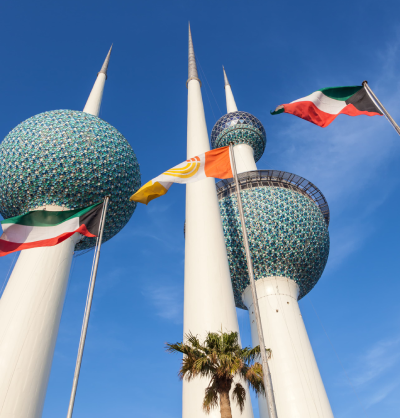
Kuwait’s economy is set for substantial expansion in 2025, with it non-oil GDP expected to grow at a rate of 2.6%, slightly higher than 2024, marking progress in diversification efforts. Although oil remains at the core of Kuwait’s revenues, the non-oil sector is moving steadily forward, supported by increased government spending on infrastructure and strategic investments in the digital, healthcare and education sectors. The Kuwait Vision 2035 development plan, recent updates to foreign ownership laws and private sector incentives have further stimulated foreign investment, given that a commitment to clean energy and sustainability is creating new opportunities in the non-oil sector. This combination of traditional revenue streams with a strengthening non-oil sector positions Kuwait for a more resilient and balanced economic future for 2025 and beyond.
Nevertheless, Kuwait’s economy will face significant fiscal challenges, which will require budget cuts to deal with deficits. Inflation seems under control, although low investment rates could limit future growth. Kuwait’s dependence on oil exposes it to price fluctuations and regional tensions, underlining the need for structural reforms to diversify and strengthen the private sector. Sustainable development will depend on these adjustments to reduce vulnerability and support a long-term growth trajectory.
The economic growth path taken by Kuwait mirrors the efforts made by some European countries to reduce dependence on traditional industries through diversification and sustainable development. For example, just like Kuwait’s Vision 2035 plan, the EU’s ‘NextGenerationEU’ programme seeks to strengthen economies by investing in green energy, digitisation and infrastructure, positioning these sectors as central to future growth. However, while Europe focuses largely on the transition from traditional manufacturing and carbon-intensive industries, Kuwait’s strategy remains more rooted in reducing dependence on oil revenues.
Both the Gulf and Europe share a strategic approach to boosting non-traditional sectors, but Kuwait’s vision is adapted to its particular resource-based economy, balancing oil revenues with growth in finance, logistics and digital industries, achieving a more gradual shift in differentiation than Europe’s green transition.
The 2024 US Election: What a Trump or Harris Victory Means for the Gulf Region
The outcome of the 2024 US Presidential Election is poised to significantly impact the Arab Gulf region, with clear consequences whether Donald Trump or Kamala Harris prevails. Each candidate brings a unique approach that could reshape US relations with the Gulf, affecting areas like security, trade and alliances.
A Trump administration would likely strengthen ties with Gulf allies, focusing on expanding military and economic partnerships. Trump’s support for Israel, demonstrated during his first term through moving the US embassy to Jerusalem and backing the Abraham Accords, would likely continue. Trump’s “maximum pressure” campaign on Iran, which imposed heavy sanctions and halted the nuclear deal, is likely to be revived and Trump’s policies may encourage Gulf leaders to increase defence spending and seek closer US military collaboration. However, his policy preferences risk escalating regional tensions if a more balanced approach to the Israel-Palestine conflict is not formulated.
A Harris Administration, on the other hand, is expected to maintain diplomatic efforts, focusing on stabilising regional dynamics through renewed engagement, particularly with Iran. Harris has expressed support for re-entering the Joint Comprehensive Plan of Action (JCPOA), which would lift some sanctions on Iran in exchange for nuclear restrictions. Gulf leaders, especially in Saudi Arabia and the UAE, may be concerned by this approach, despite a recent warming of relations, fearing that it could empower Iran. However, a return to diplomacy might also ease tensions, potentially opening avenues for regional dialogue. Harris’ support for green energy initiatives, including the Inflation Reduction Act, suggests a US pivot towards renewable energy. This shift could reduce US demand for Gulf oil, impacting economies that rely heavily on fossil fuel exports. However, Harris’ commitment to global sustainability goals might create opportunities for Gulf states looking to diversify their economies under initiatives like Saudi Arabia’s Vision 2030. Collaborating on clean energy projects could foster a new dimension of U.S.-Gulf relations, benefiting both sides as the Gulf increasingly invests in solar and hydrogen power.
For Gulf leaders, a Trump victory might mean strengthened security alliances and continued high demand for oil, while a Harris administration could encourage sustainable economic diversification and diplomacy. In either scenario, Gulf countries would need to adapt to evolving US policies, with each candidate’s approach presenting both challenges and opportunities.
(30/10/2024)
Resources
- https://www.newsofbahrain.com/bahrain/104316.html
- https://gulfpress.net/gulf/bahrain/proposal-for-the-establishment-of-a-food-security-authority/
- https://agriculture.gouv.fr/france-2030-lancement-de-lappel-projets-resilience-et-capacites-agroalimentaires-2030
- https://agriculture.ec.europa.eu/cap-my-country/cap-strategic-plans/germany_en
- https://read.organicseurope.bio/publication/eu-food-and-farming-policy-and-food-security/food-security-challenges-in-an-eu-context/
- https://www.arabtimesonline.com/news/kuwaits-economy-set-for-expansion-in-2025/
- https://next-generation-eu.europa.eu/index_it
- DW: “[Trump or Harris — fate of Middle East hangs in the balance], (https://www.dw.com)”
- Gulf News: “[US Election 2024: A nation at the crossroads], (https://gulfnews.com)”
- Middle East Institute: “[Comparing Harris and Trump on Middle East Policy], (https://www.mei.edu)”
- CSIS: “[The Global Impact of the 2024 U.S. Presidential Election], (https://features.csis.org)”
- P. Morgan: “[Weighing The Impact of a Potential Trump Victory], (https://www.jpmorgan.com)”