



Abstract:
Change is rapidly unfolding across the Middle East; accelerated by the 28 February 2026 US/Israel-Iran war. As GCC countries closely monitor the implications of a potential US–Iran ceasefire agreement there are increased efforts for economic diversification through innovative ways including artificial intelligence while heightening economic integration within the GCC. At the same time, landmark projects such as Oman’s solar-powered Marsa LNG facility demonstrate the region’s growing commitment to balancing economic growth with sustainability and energy transition. Together, these developments highlight how Gulf states navigate the global landscape with resilience and prosperity as the goals.
Keywords:
GCC, Security, Regional Stability, Iran, Ballistic Missiles, US-GCC Relations, Strait of Hormuz, Artificial Intelligence, Arab Digital Economy, Marsa LNG Project, Oman Energy Transition, Solar Power Development, Low-Carbon LNG, Renewable Energy Integration, Decarbonisation of Shipping.
A New Regional Balance? GCC Concerns Over US–Iran Agreement
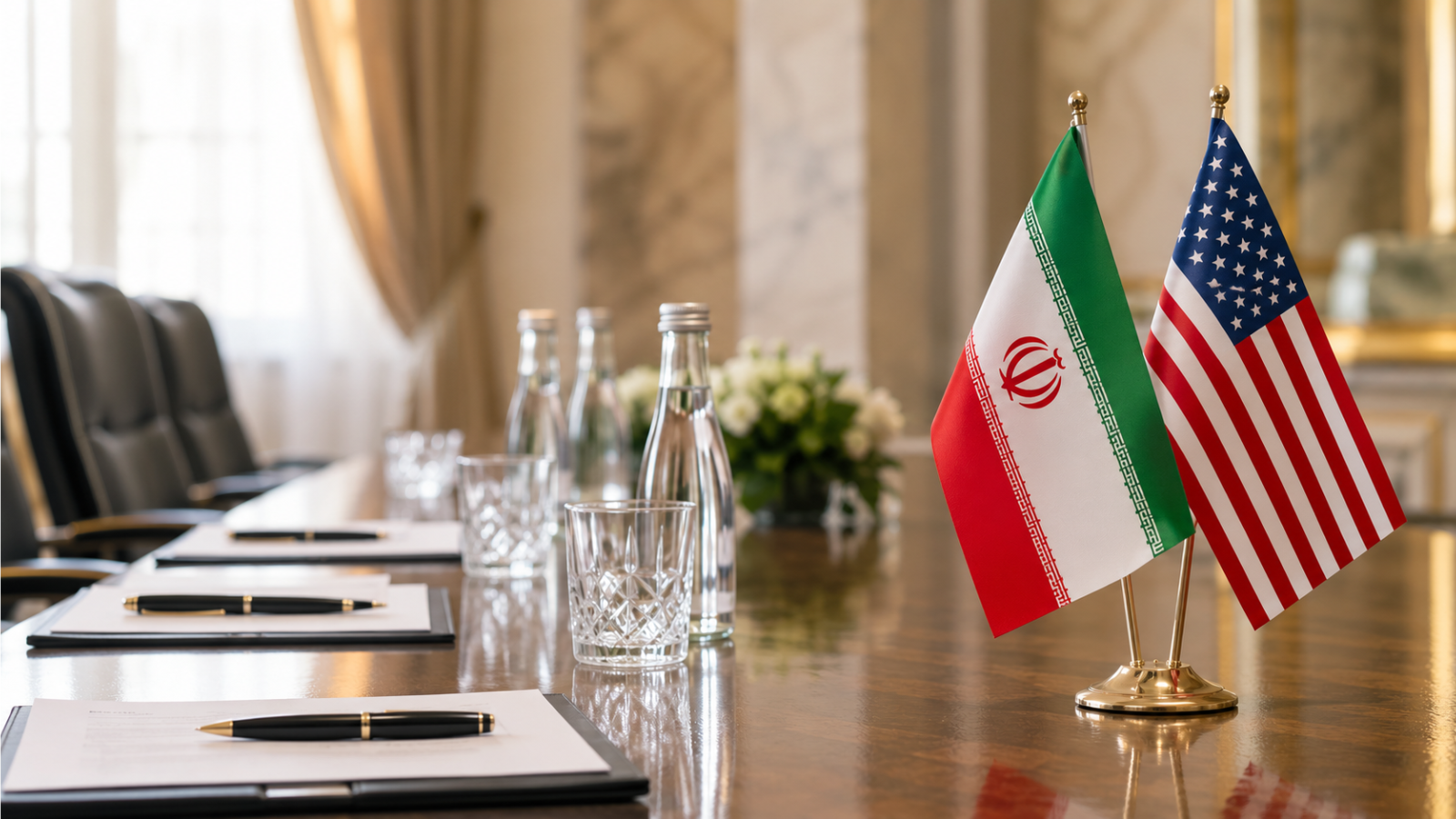
US-Iran relations is being closely watched across the Gulf. It has prompted renewed discussions about regional security, strategic stability and the future balance of power in the Middle East. Against this backdrop, US Secretary of State Marco Rubio travelled to Bahrain, Kuwait and the United Arab Emirates (UAE) at the end of June (2026) to consult with Gulf leaders and address mounting concerns about the US’ attempts to improve relations with Iran. A key concern for the GCC is that sanctions relief could provide Iran with additional financial resources to strengthen its regional influence. Iran’s network of regional partners and proxy groups has long been viewed as a key security challenge by several GCC countries. As a result, any agreement that could alter the strategic landscape without addressing broader regional issues is being closely monitored by Gulf leaders.
Another point of concern relates to Iran’s ballistic missile and its drone capabilities. According to analysts, many Gulf states believe that a sustainable security framework should cover more than just nuclear-related issues, and should also include discussions on missile development, maritime security and regional military activities. Without progress in these areas, some fear that any diplomatic breakthrough could leave the underlying causes of tension unresolved. US officials have emphasised that engagement with Tehran is intended to enhance regional stability rather than undermine existing security commitments. The timing is particularly significant, given the recent disruption to regional trade routes and energy markets. Changes in relations between the US and Iran clearly change the security of critical maritime corridors, including the Strait of Hormuz, through which much of the world’s oil and liquefied natural gas exports pass. Preserving freedom of navigation and safeguarding energy infrastructure remain top priorities for both Europe and the GCC and the near-future will see if US-Iran engagement can redefine regional dynamics or if it is more of back to the future.
Arab League Economies Look to AI and Integration to Drive Future Growth
Artificial intelligence is rapidly emerging as a strategic priority across the Arab world–a point highlighted by the Arab Parliament (the legislative body of the Arab league). Policymakers increasingly view advanced technologies as essential tools for economic diversification, competitiveness, and long-term development.
The countries of the Gulf Cooperation Council already play leading roles in this transformation and the other members of the Arab League are already taking notes and making their own contributions. Significant public and private investment is being directed towards AI research, talent development, and emerging technology sectors as governments seek to establish themselves as regional and global innovation hubs.
However, the Arab Parliament’s message extends beyond technology alone. Larger markets capable of supporting innovation and attracting international investors can be created by Arab countries if they harmonise regulations, facilitate cross-border trade and encourage joint investments. The establishment of a more interconnected regional economy has the potential to catalyse innovation, provide a foundation for nascent technology enterprises, and facilitate the growth of existing businesses throughout the Arab world.
The initiative comes at a time when many countries are pursuing ambitious diversification strategies to reduce their reliance on hydrocarbon revenues. Analysts estimate that AI could contribute hundreds of billions of dollars to regional economies over the next decade, presenting one of the most significant growth opportunities available to policymakers today. Ultimately, the Arab Parliament’s call reflects a broader shift from merely adopting new technologies to establishing the institutions, skills, and partnerships necessary for creating a sustainable innovation ecosystem.
Oman Accelerates Its Energy Transition with Solar-Powered Marsa LNG Project
Oman is taking another significant step in its energy transition strategy by developing a large-scale solar power plant to support the Marsa LNG project, one of the Gulf region’s most innovative energy initiatives. This project demonstrates the country’s increasing dedication to blending traditional energy sources with renewable technologies, as it strives to diversify its economy, reduce its carbon footprint, and maintain its status as a leading energy producer. At the heart of this initiative is the Marsa LNG project, a joint venture between TotalEnergies and OQ Exploration & Production. Located at the Port of Sohar, the facility is set to become the Middle East’s first dedicated LNG bunkering hub, providing cleaner fuel to the maritime sector and promoting the decarbonisation of regional shipping. The liquefaction plant is designed to produce around one million tonnes of LNG each year, with operations scheduled to begin in 2028.
The project’s integration with renewable energy is what makes it particularly noteworthy. A dedicated solar power plant with an output of around 280–300 MW is being developed to meet the annual electricity needs of the LNG facility. According to the project developers, the Marsa LNG facility will be fully electrified and powered by renewable energy, resulting in substantially lower greenhouse gas emissions than the industry average. It is estimated that the plant’s carbon intensity could be over 90% lower than that of a typical LNG facility, which would make it one of the lowest-emission LNG projects globally. This approach responds to increasing international demand for cleaner energy solutions. The solar project also highlights Oman’s ambition in this field. Indeed, in recent years, the country has launched multiple solar, wind and green hydrogen initiatives, seeking to capitalise on its huge natural resources and strategic location. The Marsa project shows how renewable energy can be incorporated into large-scale industrial operations without compromising competitiveness or energy security. Beyond its environmental benefits, the development is expected to generate economic opportunities through infrastructure investment, job creation and technology transfer. The project will reinforce Sohar’s power, community and tourism.
The Marsa LNG project and its dedicated solar power plant demonstrate how Oman is seeking to balance economic growth, energy security and environmental sustainability. If the initiative is successful, it could serve as a model for future energy developments across the Gulf region and the world, showing that traditional energy infrastructure and renewable power can work together to speed up the transition to a more sustainable global system.
Sources:
- https://www.reuters.com/world/asia-pacific/rubio-heads-uae-kuwait-bahrain-discuss-iran-deal-with-gulf-allies-2026-06-22/
- https://www.reuters.com/world/middle-east/rubio-faces-tough-task-selling-iran-reset-wary-gulf-allies-2026-06-23/
- https://gccbusinesswatch.com/news/arab-parliament-urges-greater-investment-in-ai-technology-localisation-and-regional-economic-integration/
- https://www.telecomreview.com/articles/reports-and-coverage/29355-the-gccs-ai-blueprint-building-economies-around-intelligence
- https://www.middle-east.news/oman-accelera-sulla-transizione-energetica-nuovo-impianto-solare-per-il-progetto-gnl-di-marsa/
- https://omanet.om/en/news/economy/marsa-lng-oman-solar-consultant/
- https://www.worldoil.com/news/2025/5/1/totalenergies-oqep-break-ground-on-marsa-lng-plant-in-oman
- https://marsalng.om/news-detail/totalenergies-launches-the-marsa-lng-project-in-the-sultanate-of-oman