



Abstract
Qatar achieved record-breaking tourism numbers in 2024, with over 5 million international arrivals and a growing contribution to national GDP, supported by Qatar Airways’ global connectivity and innovative stopover initiatives. Emphasis is placed on the potential of under-promoted natural assets, such as Khor Al Adaid, to enhance Qatar’s tourism appeal beyond its urban infrastructure. In contrast, the UAE faces urgent environmental challenges, with extreme heatwaves pushing temperatures beyond 50°C—raising public health concerns and highlighting the need for robust climate adaptation strategies. Meanwhile, Saudi Arabia’s Public Investment Fund (PIF) has transitioned into a digitally driven global investment powerhouse, closing 2024 with 3.424 trillion (SAR) in assets and expanding its influence through domestic economic diversification, AI integration, and international partnerships. Sustainability and ESG leadership also define PIF’s trajectory, positioning it as a central agent of transformation under Vision 2030. Collectively, these developments reveal a region balancing economic ambition, environmental realities, and the pursuit of global relevance through innovation, investment, and strategic branding.
Qatar Airways: Fuelling Tourism Through Connectivity and Experience
Qatar’s tourism sector is experiencing remarkable growth, underpinned by heavy infrastructure investment and hosting strategic events. The number of international visitors to the country in 2024 reached a record high, exceeding the 5 million mark and showing a significant 25% increase compared to the year 2023. This has set a new, unprecedented record for arrivals. It is encouraging to note that the positive momentum continued into 2025, with over 1.5 million visitors between January and March, primarily driven by the GCC, European, and Asian markets. It is becoming increasingly evident that tourism has a significant economic impact, contributing 55 billion (QAR) to GDP (around 8%) in 2024—a notable 14% increase from the previous year. It is encouraging to note that forecasts remain positive, with arrivals expected to reach 5.3 million in 2025 and projected to grow to 5.7 million by 2029. Meanwhile, it is anticipated that travel and tourism spending will contribute around 120 billion (QAR) to the nation’s economy by 2025, potentially generating 350,000 employment opportunities across various sectors.
While Doha offers a variety of modern amenities, including world-class museums, luxury hospitality, and a vibrant skyline, Qatar’s most impressive natural attraction, which is perhaps its most under-promoted, lies just beyond the capital: the sea in the desert. Officially known as Khor Al Adaid, this inland sea is one of the very few places on Earth where the sea encroaches deep into the dunes, forming a landscape that can be described as surreal and otherworldly, where towering golden dunes collapse directly into shimmering tidal waters. This natural phenomenon, recognised as a UNESCO natural reserve, is accessible only by off-road vehicles and remains untouched by large-scale tourism, offering a rare environment for travellers. It is a destination which combines geological uniqueness with emotional resonance and could perhaps be given a more central role in the country’s tourism promotion. It is thought that Khor Al Adaid is more than just a photogenic site, and that it is an ecological treasure and a poetic expression of Qatar’s desert identity. The hope remains that it will stay preserved, experienced respectfully, and shared globally as a symbol of natural wonder.
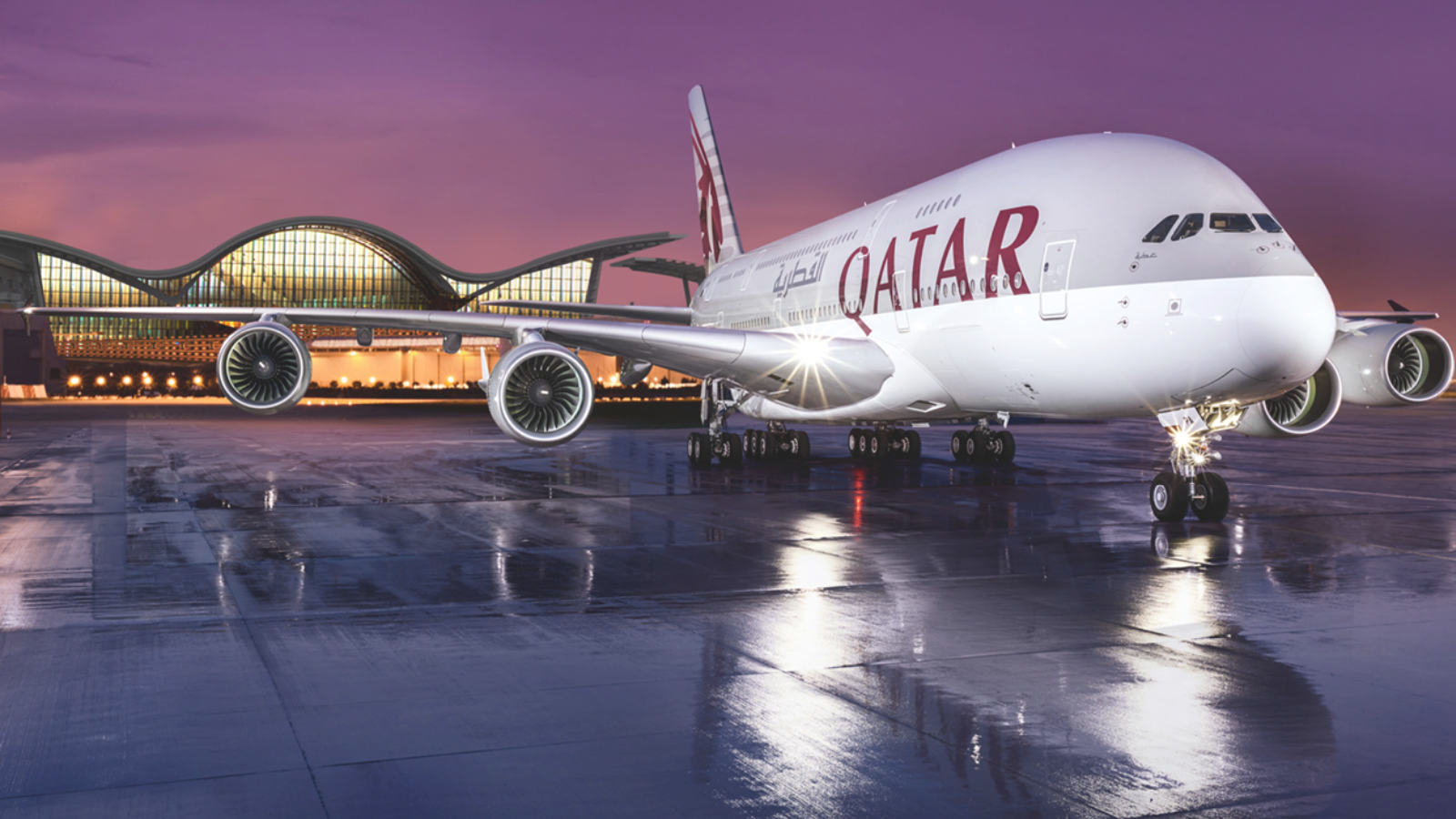
As Qatar’s national carrier, Qatar Airways has been working to stimulate tourism. Through a formal partnership with Visit Qatar, it promotes specialised stopover packages that transform brief transfers into immersive experiences in Doha, ranging from upscale hotel stays to desert excursions. The airline is continually looking for ways to expand its route network and service capabilities, recently adding flights to destinations like Hamburg and reviving Venice routes, with the aim of encouraging transit passengers to extend their stay. Qatar Airways has been recognised for its efforts and has claimed the title of World’s Best Airline at the Skytrax Awards on multiple occasions, enhancing destination prestige. It seems as though technological innovations complement its promotional efforts, including onboard Wi-Fi powered by Starlink and the development of AI-based assistance, which could improve the passenger experience and reinforce Qatar’s modern image.
In essence, Qatar’s tourism appears to be benefiting from a positive cycle: state-led cultural and infrastructure strategies seem to attract visitors, while Qatar Airways’ global reach, award-winning reputation, and innovative services seem to reinforce the country’s appeal as a premier travel destination. However, to fully realise its potential, it is essential to emphasise the unspoken beauty of its natural surroundings, especially the inland sea. This underscores the notion that Qatar’s true allure is not solely confined to its skyscrapers, but also lies in the quiet majesty of its desert and sea.
Heat Hits Hard: UAE Swelters Through Climate Extremes
The UAE is currently experiencing a period of extremely high summer temperatures, which are among the highest recorded in the country’s meteorological history with recent readings showing inland temperatures exceeding 50°C, with an astonishing high of 51.8°C recorded in Al Ain—one of the highest ever documented in the country. These conditions are a cause for concern and highlight the need for ongoing monitoring of both climate volatility and public health across the Gulf region.
Meteorological authorities have expressed concerns that the ongoing heat may not be solely seasonal, but rather a sign of a more widespread regional trend that is connected to global climate change. It is also worth noting that high humidity levels along the coast are compounding the effect, making heat indices feel even more severe. For the UAE’s large outdoor workforce, especially in sectors like construction, logistics, and sanitation, this rise in temperature may present some challenges, including heat exhaustion, dehydration, and heatstroke. While government regulations do prohibit outdoor work during peak midday hours in summer, the recent heatwaves have led to renewed calls for stricter enforcement and expanded protections for vulnerable labourers. It is my understanding that emergency medical teams have also been deployed in key urban centres to respond to heat-related incidents. However, public awareness campaigns continue to encourage hydration, shelter-seeking, and limited sun exposure during daylight hours.
It is important to acknowledge the human cost of rising temperatures and to recognise the urgent need for climate adaptation strategies, such as urban cooling infrastructure and labour reform. As the summer unfolds, the UAE may well face further challenges related to climate change, with environmental policy and public health measures playing a central role in the national response.
PIF Annual Report 2024: From Digital Transformation to Global Investment Leadership
On 13 August 2025, the Public Investment Fund (PIF) released its Annual Report 2024, marking the year as a decisive turning point in its trajectory. Over the course of 2024, the institution completed its shift from a phase of digital transformation to one of full digital leadership, embedding artificial intelligence and automation across investment processes, portfolio management, and the development of strategic sectors. This deep technological integration has not only enhanced operational efficiency but has also redefined how PIF operates as a catalyst for Saudi Arabia’s Vision 2030, with measurable impact on the Kingdom’s economy and an increasingly assertive presence in global markets.
From a financial perspective, PIF closed the year with assets under management of SAR 3.424 trillion, a 19% increase from 2023, and maintained an average annual portfolio return of 7.2% since 2017. The composition of its portfolio remains heavily weighted toward domestic investments, which account for 80% of total AuM, while international investments stand at 17% and the treasury pool at 2%. In 2024, the fund raised $9.83 billion through a combination of sukuk, conventional bonds, and sterling-denominated issuances—complemented by an unsecured $15 billion revolving credit facility. These moves strengthened PIF’s financial flexibility and investor confidence, while Moody’s upgraded the fund’s long-term issuer rating from A1 to Aa3. In parallel, the fund’s brand value reached $1.1 billion, securing the position of the world’s most valuable sovereign wealth fund brand.
Strategically, PIF continued to advance its Vision Realisation Programme (VRP) 2021–2025, which targets SAR 4 trillion in AuM by 2025, a minimum of SAR 150 billion in annual local investments, SAR 1.2 trillion in cumulative non-oil GDP contribution, the creation of 1.8 million direct and indirect jobs, and a local content contribution of 60%. In 2024, this translated into the launch of new national champions such as Alat, aimed at making Saudi Arabia a global hub for electronics and advanced industries; Neo Space Group, operating in satellite and IoT services; Adeera, focused on homegrown hospitality brands from midscale to luxury; and QSAS, dedicated to interactive entertainment experiences rooted in culture and heritage. On the international stage, PIF deepened its footprint with high-profile stakes in Heathrow Airport, Rocco Forte Hotels, and Selfridges Group, while also partnering with Google Cloud to establish a global AI hub in Saudi Arabia.
Sustainability emerged as another defining theme of 2024. PIF reduced its greenhouse gas emissions by 30% compared to 2022, with 84% of its portfolio emissions covered by active decarbonisation plans, and raised $9 billion through green bonds to fund 91 eligible projects. The fund’s ESG leadership was recognised with a 96% score on the Global SWF GSR Scoreboard, ranking first in the Middle East and tied for second globally. These efforts were complemented by large-scale infrastructure and real estate developments: NEOM advanced over 100 active construction sites and completed 60% of its green hydrogen plant; Diriyah progressed in developing cultural districts and branded residences, targeting 47 million annual visitors; Red Sea Global continued its regenerative tourism projects; and Qiddiya expanded its entertainment and sports infrastructure.
The 2024 performance confirms PIF’s growing influence not only in capital markets but also as a central instrument of Saudi Arabia’s industrial policy, capable of merging technological innovation, sustainability, and international diversification. The challenge ahead will be to sustain execution capabilities and profitability across an unprecedented scale of projects, while navigating an increasingly complex and competitive global macroeconomic environment. The year’s achievements signal that PIF is positioning itself not merely as a fund, but as an architect of transformative economic change with ambitions that extend well beyond the Kingdom’s borders.
Sources
- https://www.news.com.au/travel/travel-advice/flights/qatar-airways-increases-flights-across-its-global-network-including-two-aussie-cities/news-story/ed05114fc5afeca403344c98f5ad8c92
- https://www.thesun.co.uk/travel/36079787/world-best-airline-flights-cheap-luxury/
- https://www.qatarairways.com/press-releases/en-WW/234629-qatar-airways-and-qatar-tourism-promote-qatar-as-the-ultimate-tourism-destination/
- https://www.news.com.au/travel/travel-advice/flights/qatar-airways-increases-flights-across-its-global-network-including-two-aussie-cities/news-story/ed05114fc5afeca403344c98f5ad8c92
- https://thepeninsulaqatar.com/article/16/04/2025/qatar-to-receive-record-53-million-tourists-in-2025-report
- https://www.reuters.com/sustainability/climate-energy/uae-summer-temperatures-surge-near-record-highs-after-hottest-ever-spring-2025-08-04/
- https://www.pif.gov.sa/en/news-and-insights/press-releases/2025/pif-continued-to-drive-the-economic-transformation-of-saudi-arabia-while-shaping-global-economies-in-2024/
- https://www.arabnews.com/node/2611735/business-economy