


5 Top Points
- Oman-Italy cement strategic ties: Italian Prime Minister Giorgia Meloni paid an official visit to Muscat where she and Sultan Haitham bin Tarik affirmed a commitment to deepen the Oman Italy strategic partnership.
- Qatar pushes Gaza ceasefire efforts: Doha redoubled its mediation in the Israel-Gaza conflict amid a fragile truce. Qatar’s Foreign Ministry spokesperson Majed Al-Ansari welcomed moves toward a second phase of the Gaza ceasefire, expressing hope that an extended truce will stabilise conditions and alleviate Gaza’s humanitarian crisis.
- Saudi expands global energy partnerships: Saudi Arabia’s Energy Minister Prince Abdulaziz bin Salman held a series of high-level meetings in Riyadh with counterparts from Greece, Brazil, Morocco, Libya, and Pakistan, aiming to bolster international energy cooperation. Talks covered joint work in oil and gas, electricity interconnection and clean technologies.
- UAE pioneers agrivoltaics for food security: Abu Dhabi launched the Middle East’s first agrivoltaic project combining solar power generation with agriculture. The pilot, unveiled by Masdar and Elite Agro during Abu Dhabi Sustainability Week , will integrate photovoltaic panels into farms to generate clean energy while improving crop yields.
- Bahrain moves to widen social support: In Manama, lawmakers unanimously approved urgent proposals to reform Bahrain’s cost-of-living allowance system. The parliamentary measures now sent to the Cabinet, aim to broaden eligibility criteria so that more low-income and vulnerable citizens qualify for monthly support stipends.
‘Round and About the Gulf’
Kingdom of Bahrain

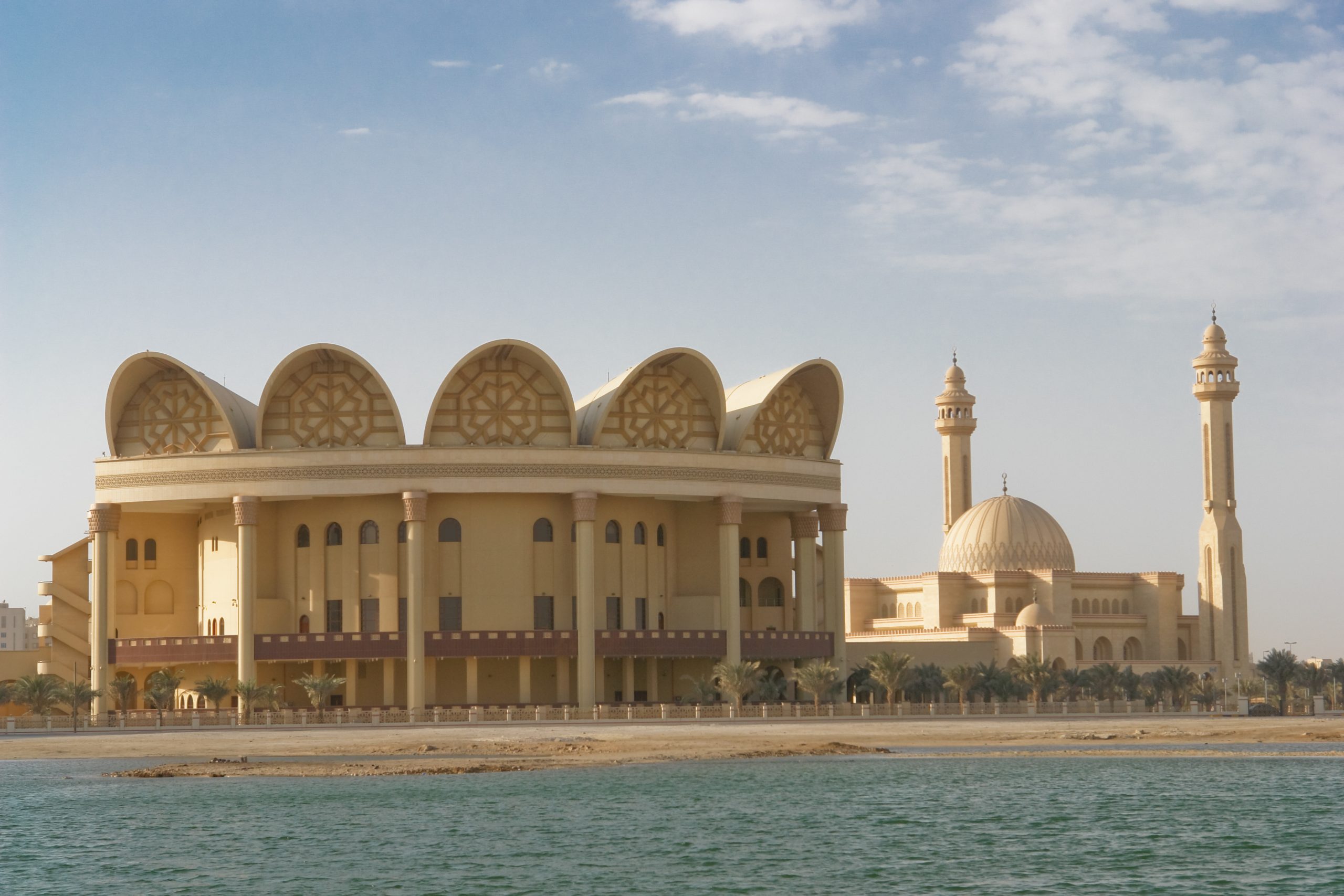
Wednesday, 14 January – Bahrain’s Parliament approved a package of cost-of-living allowance reforms to enhance social support. MPs unanimously backed proposals to widen the pool of citizens eligible for monthly government stipends, addressing concerns that the current system leaves out some needy families. The reforms will refine the criteria for assistance, including coverage of vulnerable self-employed Bahrainis, to ensure subsidies better reach low-income households.
State of Kuwait

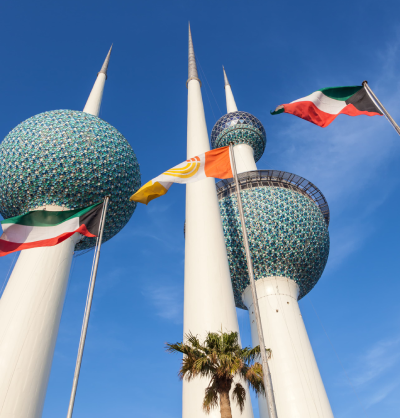
Wednesday, 14 January – Kuwait’s National Standing Committee on human rights convened to coordinate the country’s fourth periodic report under the International Covenant on Economic, Social and Cultural Rights. The meeting, chaired by Human Rights Ambassador Sheikha Jawaher Al-Sabah, reviewed preparations for the report due in Geneva next October. Kuwait plans to host UN training in February to help government bodies incorporate international recommendations before final submission, as part of ongoing efforts to improve compliance with global human rights commitments.
State of Kuwait
Wednesday, 14 January – Kuwait’s National Standing Committee on human rights convened to coordinate the country’s fourth periodic report under the International Covenant on Economic, Social and Cultural Rights. The meeting, chaired by Human Rights Ambassador Sheikha Jawaher Al-Sabah, reviewed preparations for the report due in Geneva next October. Kuwait plans to host UN training in February to help government bodies incorporate international recommendations before final submission, as part of ongoing efforts to improve compliance with global human rights commitments.
Monday, 19 January – Kuwait announced it will introduce a new school curriculum on drug awareness, making it the first Arab country to mandate a dedicated anti-drug subject in schools. The Education Ministry’s initiative, part of a wider campaign against narcotics, will educate students on the dangers of drug abuse to individuals and society. The compulsory course, slated for the next academic year, is designed to strengthen prevention among youth.
Sultanate of Oman

Wednesday, 14 January – Oman hosted Italian Prime Minister Giorgia Meloni for an official visit that bolstered bilateral ties. Sultan Haitham and Meloni held talks at Al Barakah Palace in Muscat, discussing ways to expand cooperation and announcing plans for a joint action roadmap through 2030. They reaffirmed their commitment to a strategic partnership, agreeing to boost trade and investment, encourage private sector joint ventures, and collaborate on energy and green technologies.
Friday, 16 January – Muscat turned its focus to Asia as the Omani-Thai Business Forum convened to explore trade and investment opportunities. Organised by Oman’s Chamber of Commerce and Industry, the forum brought together Omani and Thai officials and entrepreneurs to strengthen private-sector partnerships. Both sides emphasised Oman’s strategic location as a gateway to Gulf markets and highlighted the potential for joint ventures, as Thailand seeks to expand its presence in Oman under a new cooperation framework. The forum underscores Muscat’s drive to diversify economic ties beyond the GCC and attract foreign investment into its development plans.
State of Qatar

Wednesday, 14 January – Qatar intensified its diplomatic advocacy for Gaza, welcoming efforts to prolong the ceasefire there amid dire humanitarian conditions. In remarks to QNA, Foreign Ministry spokesman Majed Al-Ansari said Doha is working with mediators to implement the next phase of the truce. Qatar reiterated that it will continue leveraging its mediator role, in coordination with the US and regional players, to de-escalate the conflict and seek a sustainable peace framework.
Thursday, 15 January – Qatari officials participated in a ministerial roundtable on mining held in Riyadh on the sidelines of Saudi Arabia’s Future Minerals Forum. Qatar’s delegation joined counterparts from the Gulf and beyond to discuss cooperation in minerals and metals, a sector gaining strategic importance as the region diversifies. The meeting examined ways Gulf states can develop critical raw materials value chains jointly, aligning with initiatives like the EU’s ResourceEU plan, and highlighted Qatar’s interest in investment opportunities in mining projects as part of broader economic collaboration with its neighbours.
Kingdom of Saudi Arabia

Friday, 16 January – Saudi Arabia took further steps to strengthen its network of energy partnerships. Energy Minister Prince Abdulaziz bin Salman hosted senior officials from Greece, Brazil, Morocco, Libya, and Pakistan in Riyadh for talks on expanding cooperation across oil, gas and renewable sectors. With Greece’s energy minister, he reviewed joint projects in electricity interconnection and clean hydrogen, while discussions with Brazil’s minister explored technical collaboration in petroleum and power generation. Meetings with Libya and Pakistan focused on opportunities in energy technology, efficiency and supply security.
Saturday, 17 January – Saudi Foreign Minister Prince Faisal bin Farhan held separate telephone calls with the foreign ministers of Iraq, Jordan, Türkiye, and Spain to discuss bilateral relations, regional developments, and ways to enhance cooperation and support security and stability in the Middle East. Prince Faisal and his counterparts exchanged views on the situations in Syria, Yemen and broader Gulf security, affirming the importance of coordination. In his call with Spain’s Foreign Minister José Manuel Albares, Prince Faisal reviewed Saudi-EU ties and recent initiatives like the critical minerals dialogue.
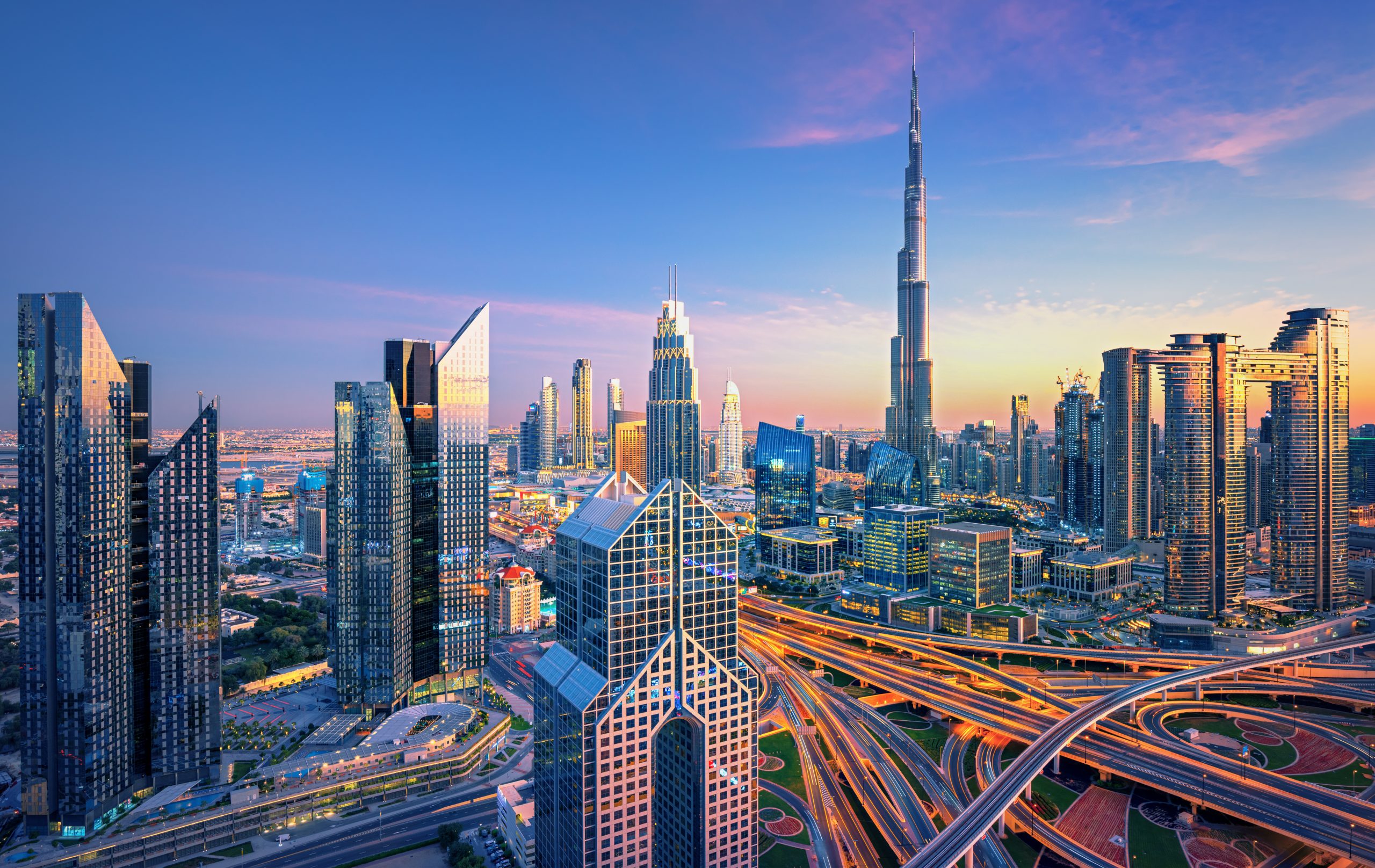
United Arab Emirates

Wednesday, 14 January – The UAE continued to integrate clean technology in agriculture, as Abu Dhabi’s Department of Energy signed a partnership with Silal, a government agribusiness company, to advance sustainable energy and water solutions for farming. Announced during Abu Dhabi Sustainability Week, the collaboration will pilot solar-powered irrigation systems and energy efficient greenhouses to reduce agriculture’s carbon and water footprint.
Thursday, 15 January – The UAE showcased the agrivoltaic project launched by Masdar in partnership with Elite Agro, merging renewable energy production with agriculture. In this first-of its-kind pilot in the region, solar panels are installed above crop fields to provide shade and generate electricity simultaneously. The project, revealed at Abu Dhabi Sustainability Week, aims to increase farm output by reducing heat stress on plants while powering irrigation and cooling systems with solar energy.
EU Corner
Europe used high-profile forums in the Gulf this week to advance its climate and energy cooperation agenda. The EU convened a ‘Hydrogen and Advanced Fuels Summit’ in Abu Dhabi, bringing together policymakers, investors and industry from Europe, the GCC and wider region. Held alongside Abu Dhabi Sustainability Week under a Team Europe initiative, the summit focused on translating climate ambition into concrete projects, from developing regulatory standards for hydrogen trade to mobilising investment in clean fuel infrastructure. EU Energy Director-General Ditte Juul Jørgensen told the gathering that Gulf engagement is ‘essential’ for Europe’s transition, stressing that international partnerships are vital to build new hydrogen supply chains.
Meanwhile in Riyadh, the first EU-Saudi roundtable on critical raw materials was held on the margins of the Future Minerals Forum. Organised by the EU Delegation and Saudi authorities, the dialogue aligned the EU’s new Critical Raw Materials Act with Saudi Vision 2030 plans to become a minerals hub. EU Ambassador Christophe Farnaud and Saudi Deputy Mining Minister Turki Al Babtain jointly opened the session, reflecting a shared commitment to secure supply chains for key minerals like lithium, rare earths and cobalt. They agreed on pursuing strategic partnerships, including investment in exploration, processing and recycling, to reduce dependency on single suppliers and support both Europe’s green tech needs and Saudi industrial diversification.
Key Official Visits & Contacts
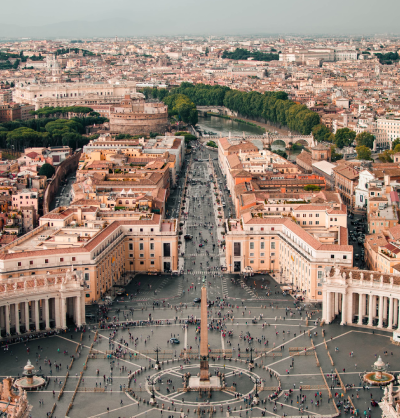
Thursday, 15 January (Kuwait City) – Kuwait hosted Cardinal Pietro Parolin, the Vatican’s Secretary of State, on a three-day visit coinciding with the elevation of Our Lady of Arabia church in Ahmadi to a minor basilica, the first such status in the Gulf. Kuwaiti Prime Minister Sheikh Ahmad Al Abdullah Al-Sabah and Foreign Minister Sheikh Abdullah Al-Yahya held official talks with Cardinal Parolin, celebrating the milestone for Kuwait’s Catholic community. The leaders reaffirmed Kuwait Vatican ties rooted in mutual respect and religious coexistence, recalling Kuwait’s diplomatic relations with the Holy See since 1968.
Thursday, 15 January (Riyadh) – Waleed Al-Khuraiji, Saudi Arabia’s Vice Foreign Minister, met with Oman’s Ambassador Sayyid Najib Al-Busaidi who delivered a written message from Sultan Haitham to Crown Prince Mohammed bin Salman. The letter from the Omani leader conveyed warm wishes and proposals to strengthen Saudi-Omani cooperation in various fields.