


5 Top Points
- Oman will host high-level Iran-US talks amid rising regional tensions.
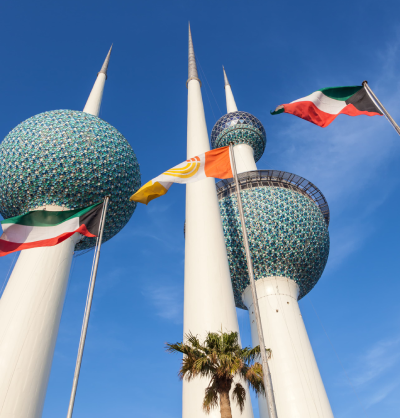
- Kuwait signed a key deal with Turkish company to launch the first phase of the Gulf Railway.
- OPEC+ countries, led by Saudi Arabia, agreed to boost oil output in May.
- The UAE expands its role in South Asia’s energy and trade corridors.
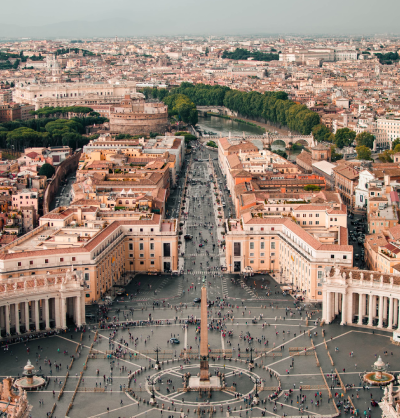
- Bahrain and Italy explored deeper cooperation on renewable energy and sustainability.
‘Round and About the Gulf
Kingdom of Bahrain

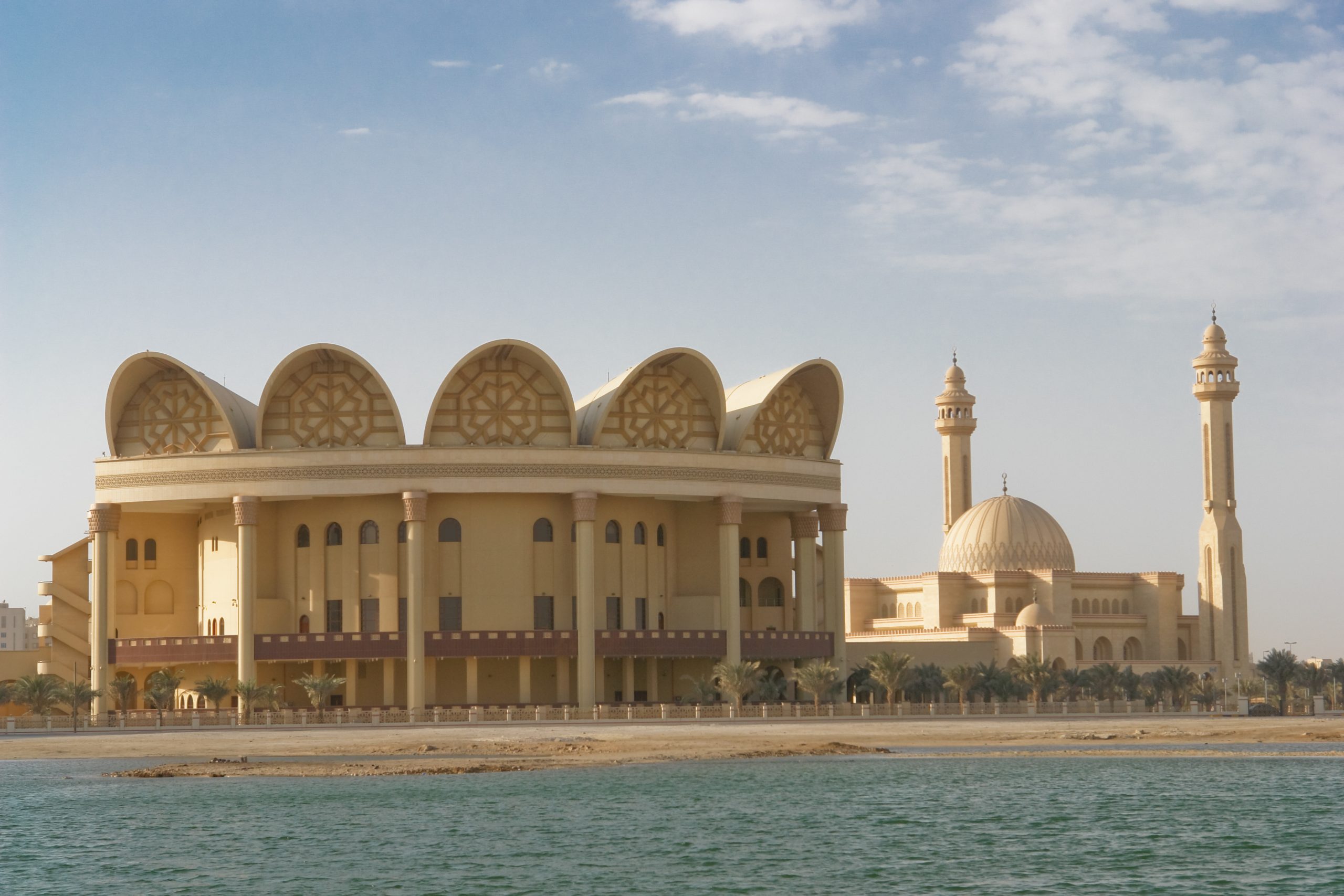
Tuesday, 8 April—Bahrain is preparing to host the 8th Smart Cities Summit (15-16 April), bringing together experts and industry leaders to discuss innovation, sustainability, and smart urban development. The event includes the Smart Cities Awards 2025, highlighting cutting-edge projects in Artificial Intelligence of Things (AIoT), FinTech, environmental, social and governance (ESG) practices, waste management, and renewable energy, as Bahrain seeks to positions itself as a regional hub for smart city solutions.
State of Kuwait

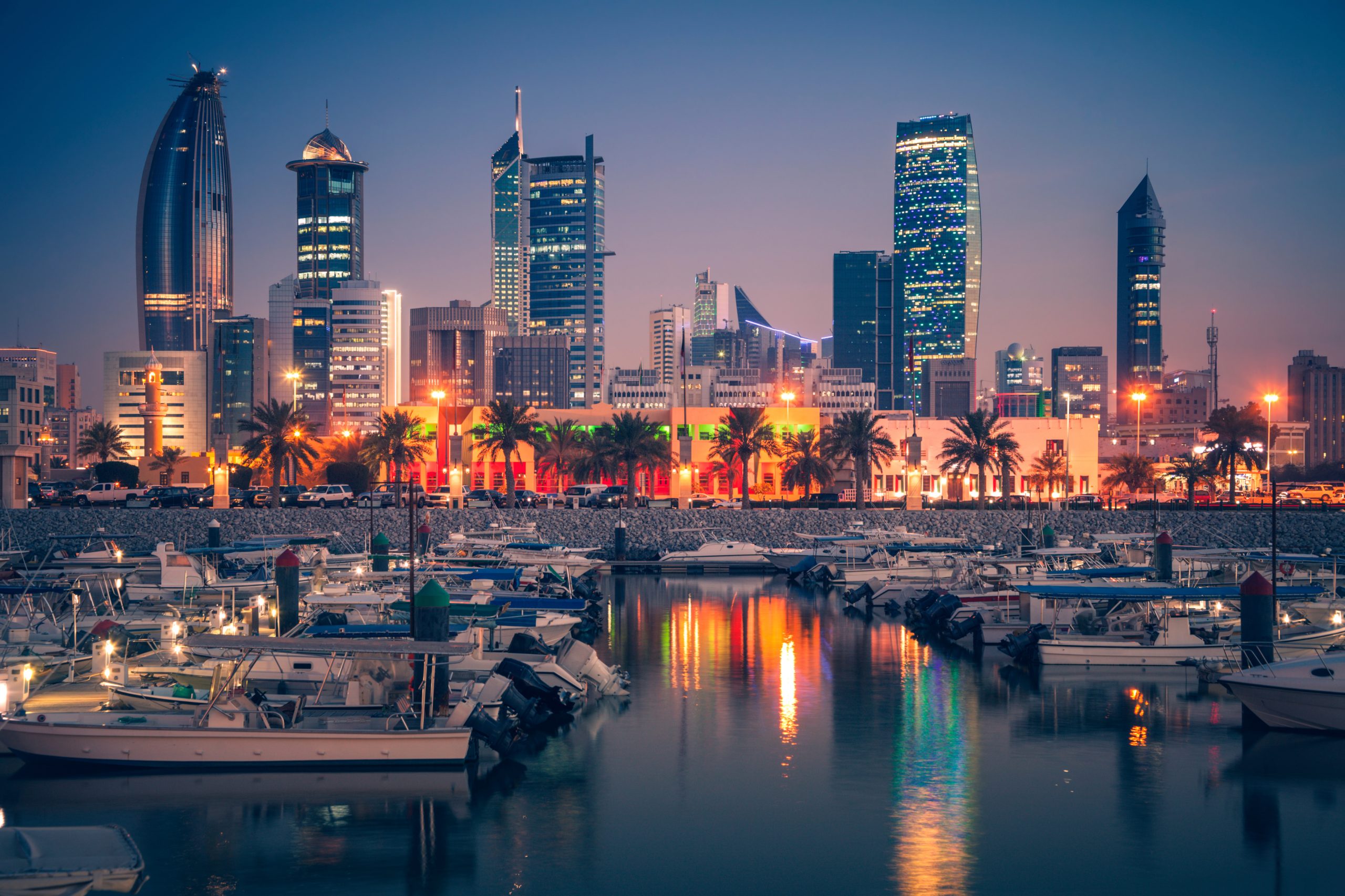
Monday 7 April—Kuwait advanced the launch of the long-anticipated Gulf Railway by signing an agreement with the Turkish company, Proyapi, to design the project’s first phase. The railway will eventually link all six Gulf Cooperation Council (GCC) countries, spanning 2,177 km from Kuwait to Muscat, Oman. Kuwait’s segment will cover 111 km and will serve as the northern starting point of the route. The project was initially agreed upon by GCC member states in 2009.
Sultanate of Oman

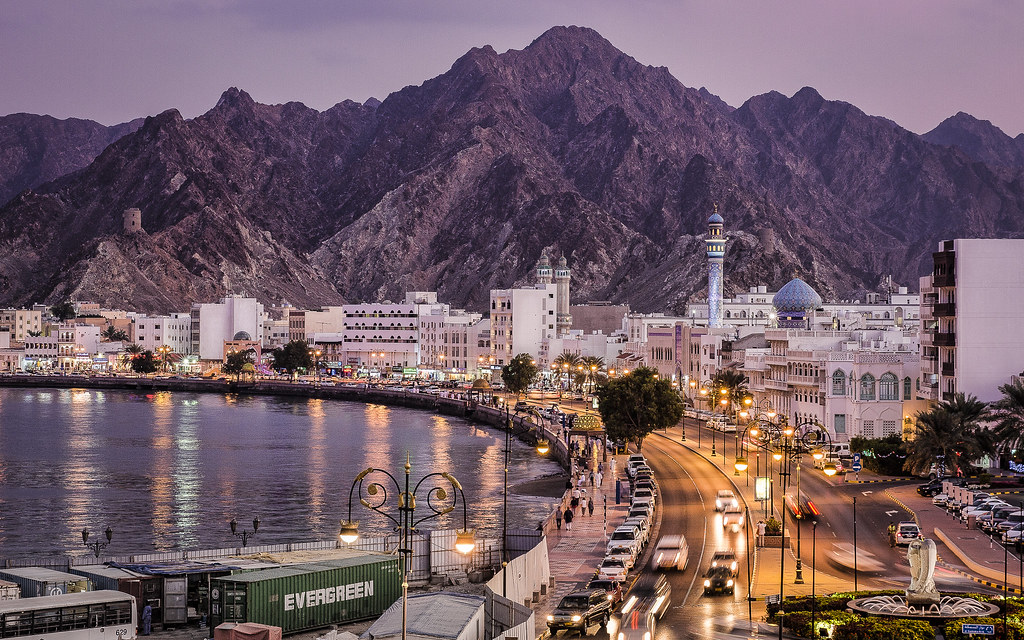
Tuesday, 8 April—Oman is set to host high-level talks between Iran and the United States on 12 April. While there is disagreement over whether the talks will be conducted directly or indirectly, they are expected to be led by Iran’s Foreign Minister, Abbas Araqchi, and US Presidential Envoy, Steve Witkoff. The development comes amid heightened tensions: Iran has placed its armed forces on high alert and accelerated uranium enrichment to near weapons-grade levels, warning Gulf countries against involvement in any potential military action targeting Iran.
State of Qatar

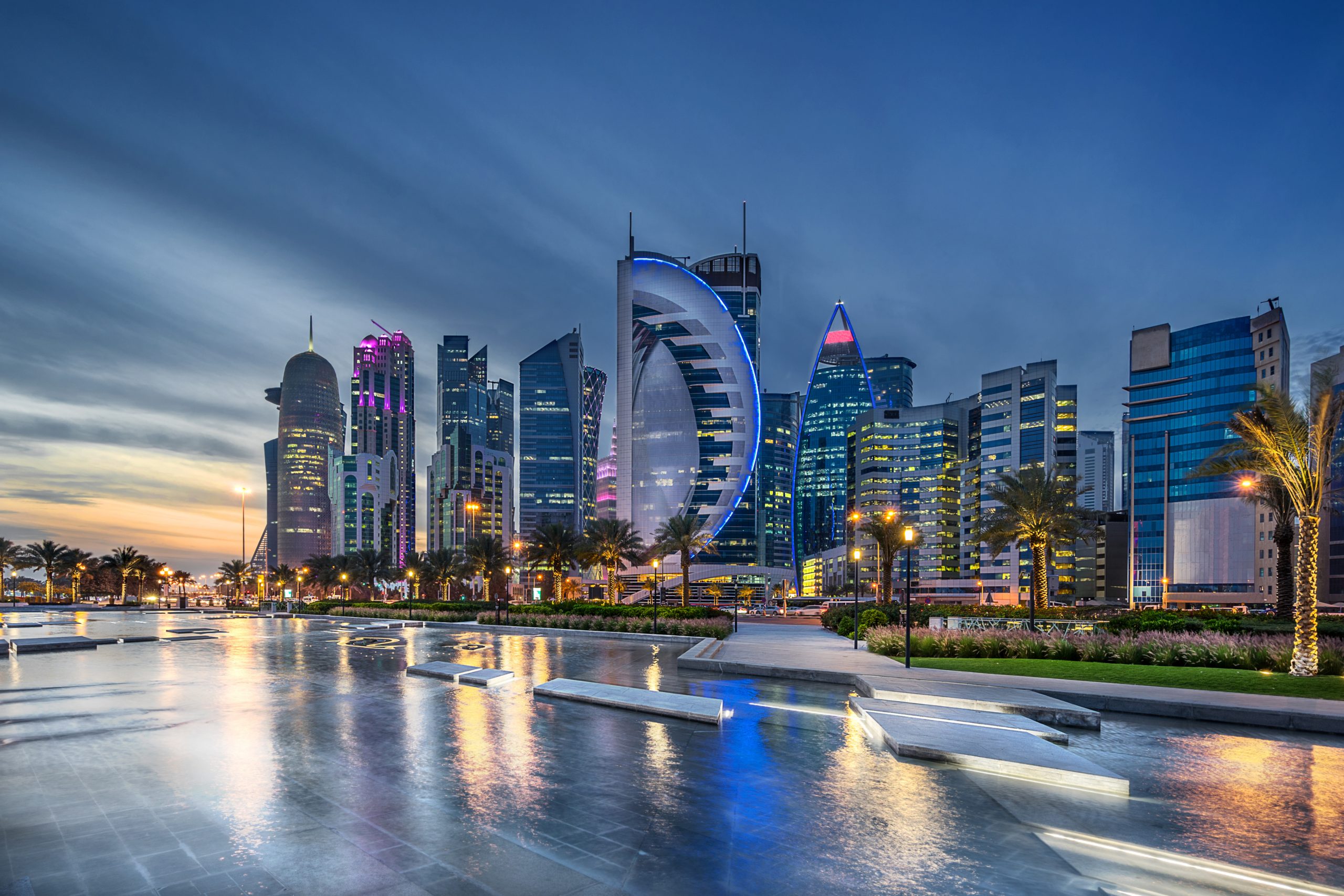
Thursday, 3 April—Qatar has dismissed Israeli claims that it financed a campaign to undermine Egypt’s role in mediating hostage talks between Israel and Hamas, calling the accusations baseless and harmful to regional diplomacy.
Kingdom of Saudi Arabia

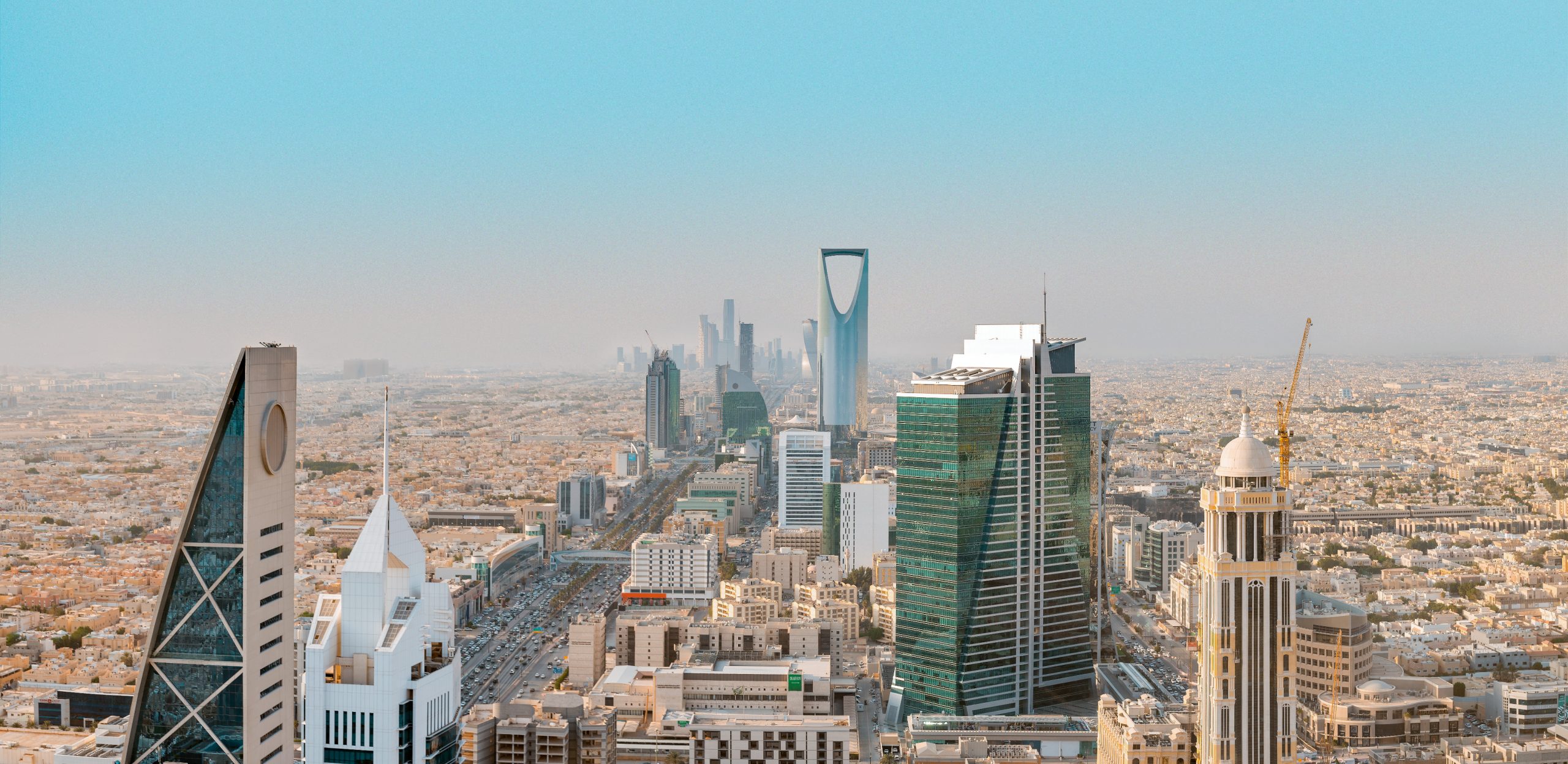
Thursday, 3 April—Eight OPEC+ countries—Algeria, Iraq, Kazakhstan, Kuwait, Oman, Russia, Saudi Arabia, and the UAE—agreed to increase oil production by 411,000 barrels per day in May 2025, as part of a gradual rollback of earlier voluntary cuts amid a stable market outlook. The group may pause or reverse the increase if conditions change and pledged to submit updated compensation plans for overproduction by 15 April. They will review market conditions monthly, with the next meeting set for 5 May.
United Arab Emirates

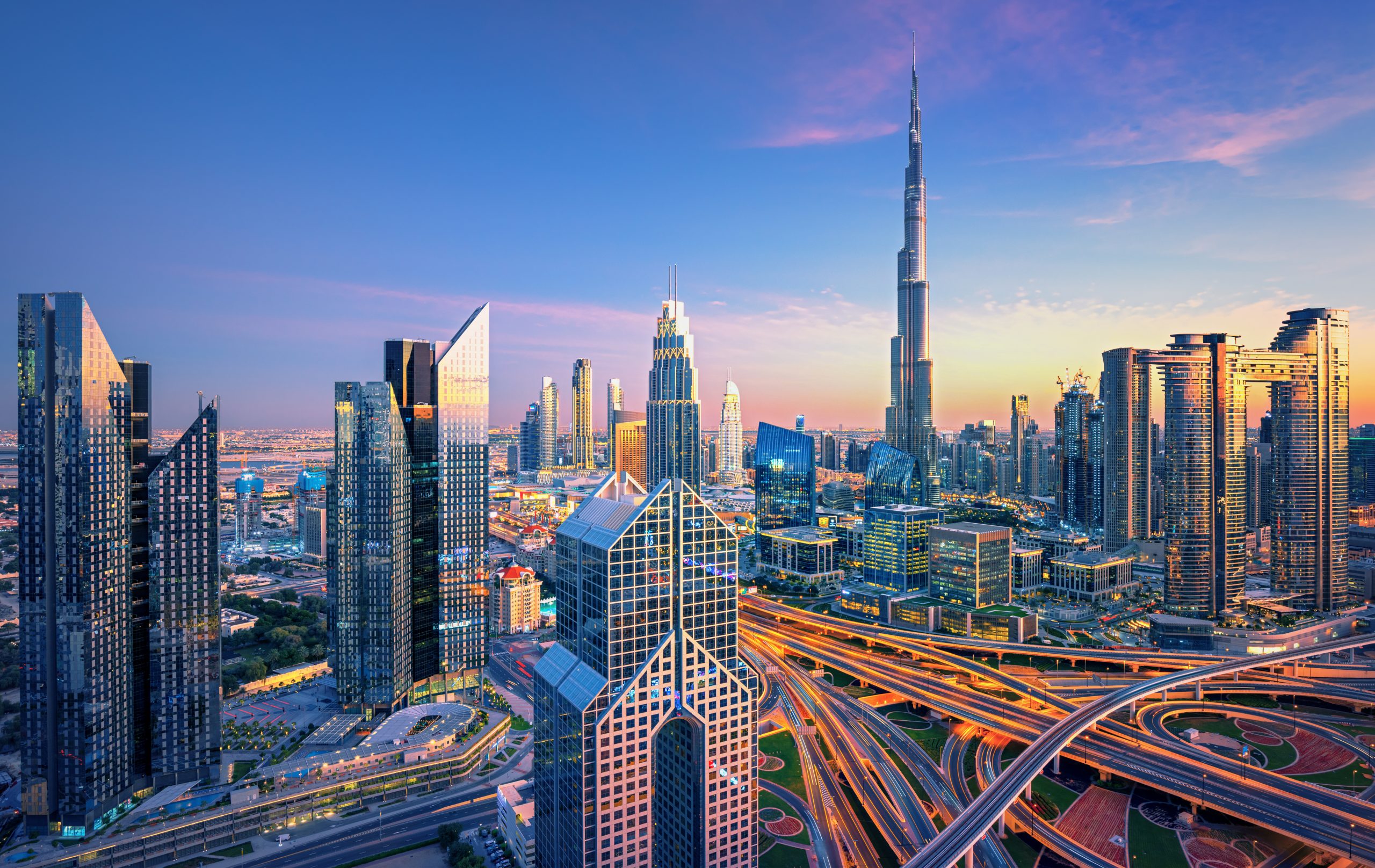
Tuesday, 8 April—The air forces of the UAE and Qatar have participated in the multinational air exercise Iniochos 2025 at Andravida Air Base, Greece, alongside forces from France, Greece, India, Israel, Italy, Montenegro, Poland, Slovenia, Spain, and the US, as well as Cypriot personnel and observers from Bahrain and Slovakia. This year’s exercise is scheduled to conclude on 11 April.
EU Corner
Thursday, 3 April—The Polish EU Council Presidency hosted an informal meeting of EU Defence Ministers in Warsaw to discuss the EU’s ReArm Europe Plan, the White Paper on European Defence, and the situation in Ukraine.
Friday, 4 April—A delegation from the Saudi-European Parliamentary Friendship Committee of the Shura Council, led by Chairman Mohammed Al-Homaidhi, met members of the European Parliament’s Delegation for Relations with the Arab Peninsula, chaired by MEP Reinhold Lopatka (EPP), in Strasbourg. During the 17th joint parliamentary meeting, discussions focused on strengthening bilateral relations and enhancing cooperation across all sectors, particularly within parliamentary frameworks.
Friday, 4 April—EU Counter-Terrorism Coordinator ,Bartjan Wegter, attended the Aqaba Process Balkans III forum in Sofia, co-chaired by Jordan’s King, Abdullah II, and Bulgaria’s President, Rumen Radev. The meeting addressed key security challenges in Southeast Europe—including irregular migration, terrorism, radicalisation, and extremism—focusing on enhancing regional and international coordination through the exchange of expertise and joint security efforts. Delegates included heads of state and senior officials from Albania, Belgium, Bosnia and Herzegovina, Croatia, Cyprus, France, Greece, Hungary, Italy, Japan, Kosovo, Montenegro, the Netherlands, North Macedonia, Norway, Romania, Serbia, Slovenia, Spain, the UK, and the US.
Tuesday, 8 April—The EU and the GCC launched the Radiological Data Exchange Platform for the GCC (GCC-RDEP) to enhance nuclear safety and emergency preparedness through improved data sharing and coordination. The initiative, unveiled in Riyadh by GCC Secretary-General, Jasem Albudaiwi, in the presence of the EU Ambassador to Saudi Arabia, Christophe Farnaud, was developed in collaboration with the GCC Emergency Management Centre, the GCC Nuclear Safety Authority, and the EU’s Joint Research Centre. It will enable the real-time exchange of radiological data between monitoring systems in the GCC and the EU.
Key Official Visits & Contacts
Thursday, 3 April—Bahrain’s Foreign Minister, Abdullatif bin Rashid Al-Zayani, met with US Secretary of State, Marco Rubio, in Washington, reaffirming Bahrain’s commitment to its strategic partnership with the United States. Discussions covered political, economic, security, and development cooperation under the US-Bahrain Comprehensive Security Integration and Prosperity Agreement and the Abraham Accords.
Friday, 4 April—Germany’s Minister of State at the Federal Ministry of Economic Cooperation and Development, Niels Annen, praised Kuwait’s active role in humanitarian aid and global development, particularly through the Kuwait Fund for Arab Economic Development (KFAED), during a meeting with Kuwait’s Assistant Foreign Minister for Human Rights Affairs, Jawaher Ibrahim Duaij Al-Sabah, in Berlin. The two officials discussed enhancing bilateral cooperation in the economic and development sectors.
Sunday, 6 April—During a meeting in Abu Dhabi, UAE’s Deputy Prime Minister and Minister of Foreign Affairs, Abdullah bin Zayed Al-Nahyan, met Israel’s Foreign Minister, Gideon Saar, to discuss a ceasefire in Gaza, the release of hostages, and the humanitarian crisis. Sheikh Abdullah reiterated support for a two-state solution and the Palestinian people, and called for enhanced international cooperation to combat extremism, enhance regional stability and facilitate aid delivery.
Monday, 7 April—The fifth round of political consultations between the Saudi and Dutch Foreign Ministries took place in The Hague, co-chaired by Saudi Deputy Minister of Foreign Affairs for Political Affairs, Ambassador Saud Al-Sati, and Director-General for Political Affairs at the Dutch Ministry of Foreign Affairs, Marcel de Vin.
Monday, 7 April—Bahrain’s Electricity and Water Affairs Minister, Yasser bin Ibrahim Humaidan, met with Italy’s Environment and Energy Security Minister, Gilberto Pichetto Fratin, to explore stronger cooperation in renewable energy and energy security. Humaidan highlighted Bahrain’s sustainability goals, including a 30% emissions reduction by 2035 and net zero by 2060, while Fratin commended Bahrain’s progress and expressed interest in expanding joint efforts for a sustainable energy transition.
Monday, 7 April— UAE’s Deputy Prime Minister and Minister of Foreign Affairs, Abdullah bin Zayed Al-Nahyan, held talks with Cyprus’s Foreign Minister, Constantinos Kombos, to discuss enhancing bilateral relations and addressing regional and international developments. The visit also included talks with UAE’s Minister of State for International Cooperation, Reem Al-Hashimy, and came ahead of Cyprus’s EU Council Presidency in 2026.
Monday, 7 April—Saudi Arabia’s Assistant Minister of Defence for Strategic Affairs, Lieutenant General Salman Al-Harbi, met in Riyadh with Athanasios Davakis, Greek Deputy Minister of National Defence, to review progress on joint defence initiatives and discuss ways to strengthen military cooperation between Saudi Arabia and Greece.
Tuesday, 8 April—Hamdan bin Mohammed Al-Nahyan, Crown Prince of Dubai, UAE’s Deputy Prime Minister and Minister of Defence, began an official visit to India, where he was received by Suresh Gopi, India’s Minister of Petroleum and Natural Gas and Tourism. Sheikh Hamdan led high-level talks focused on deepening bilateral cooperation in strategic sectors, including aviation, economy and trade. The visit follows a recently signed trilateral agreement between India, the UAE, and Sri Lanka to develop the port city of Trincomalee into a regional energy hub, including plans for a refinery, fuel supply infrastructure, and a petroleum pipeline between India and Sri Lanka.
Tuesday, 8 April—US Energy Secretary, Chris Wright, will embark on his first official tour to the UAE, Saudi Arabia, and Qatar as part of preparations for a potential visit by President Trump in May. The visit will coincide with renewed Iran-US nuclear talks and falling oil prices, and follows Wright’s recent meeting with Israel’s Energy Minister, who proposed an oil pipeline from Saudi Arabia to the Israeli port of Eilat for export to Europe.
Tuesday, 8 April—Syrian President Ahmed Al-Sharaa is scheduled to visit the UAE and Türkiye as part of his efforts to secure diplomatic support for his administration. This marks his second visit to a Gulf country, following a trip to Saudi Arabia in February.