


5 Top Points
- Bahrain was elected as a non-permanent member of the UN Security Council from 1 January 2026.
- Oman and Kazakhstan discussed setting up a trilateral committee with Iran to advance plans for an international transport corridor.
- GCC Ministers backed Iran-US talks, urging Tehran to honour UN Charter and address regional security concerns.
- EU and Qatar discussed developments in the Horn of Africa.
- The UAE and Oman held High-Level Political Dialogues with the EU.
‘Round and About the Gulf
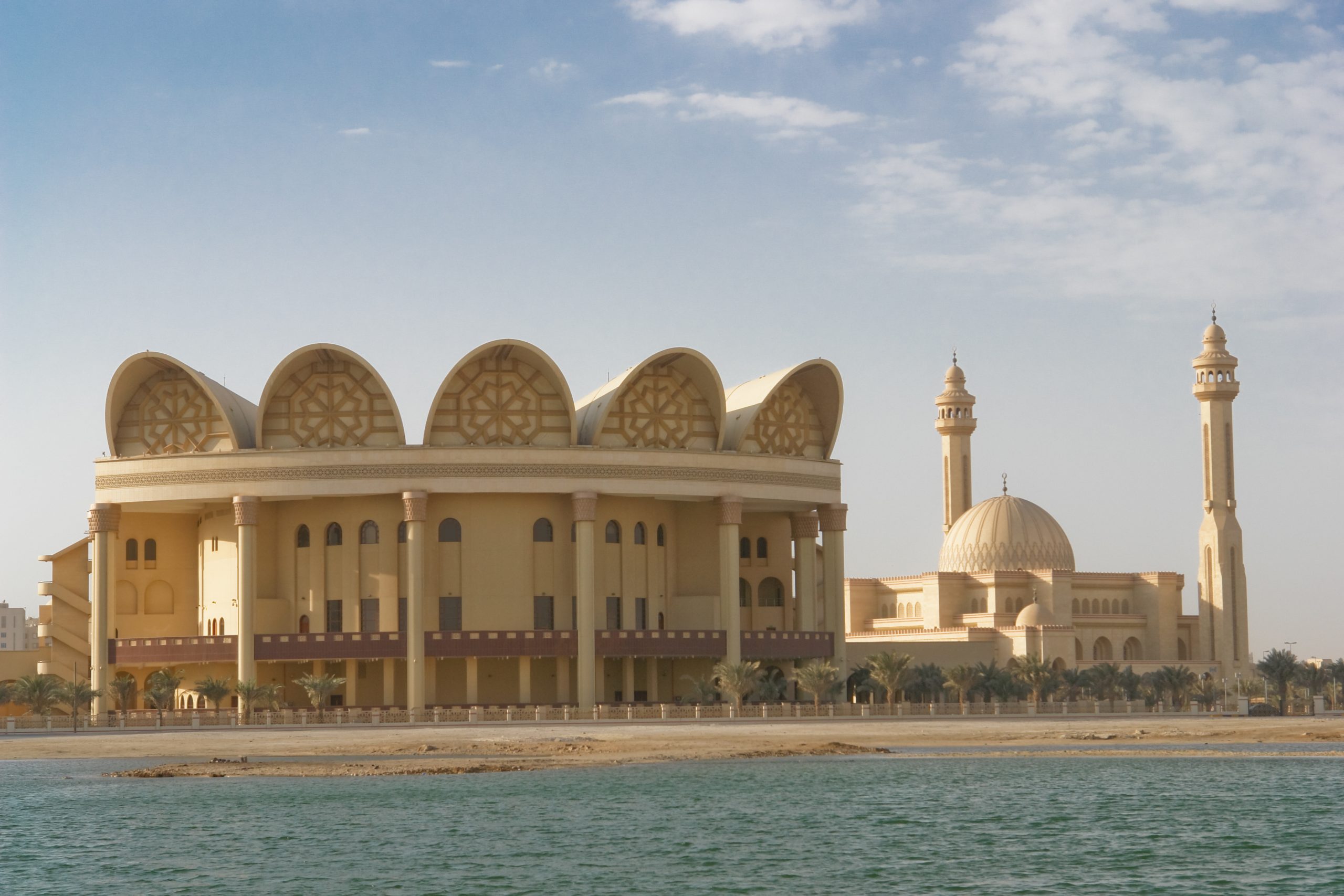
Kingdom of Bahrain

Tuesday, 3 June—Bahrain, Colombia, the Democratic Republic of the Congo, Latvia, and Liberia were elected as non-permanent members of the UN Security Council for the 2026-2027 term, starting from 1 January 2026. These countries will replace Algeria, Guyana, South Korea, Sierra Leone, and Slovenia.
State of Kuwait

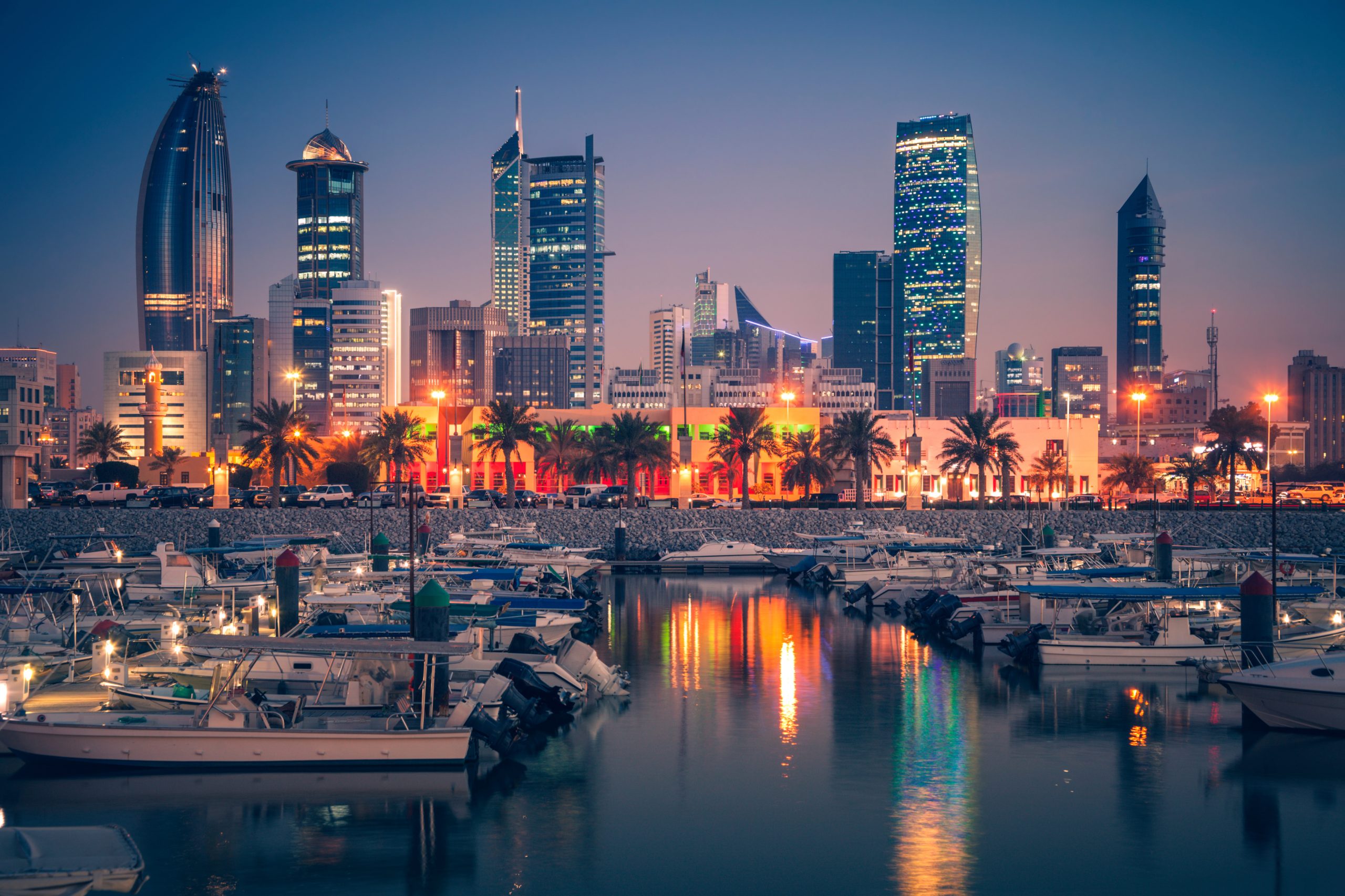
Monday, 2 June—Kuwait hosted the 164th GCC Ministerial Meeting, where member states welcomed Oman-sponsored Iran-US talks and urged Iran to uphold the UN Charter’s principles, including sovereignty and non-interference. The GCC also voiced concern over Iran’s nuclear activities, calling for comprehensive negotiations that address regional security issues like missiles, drones, and maritime safety.
Sultanate of Oman

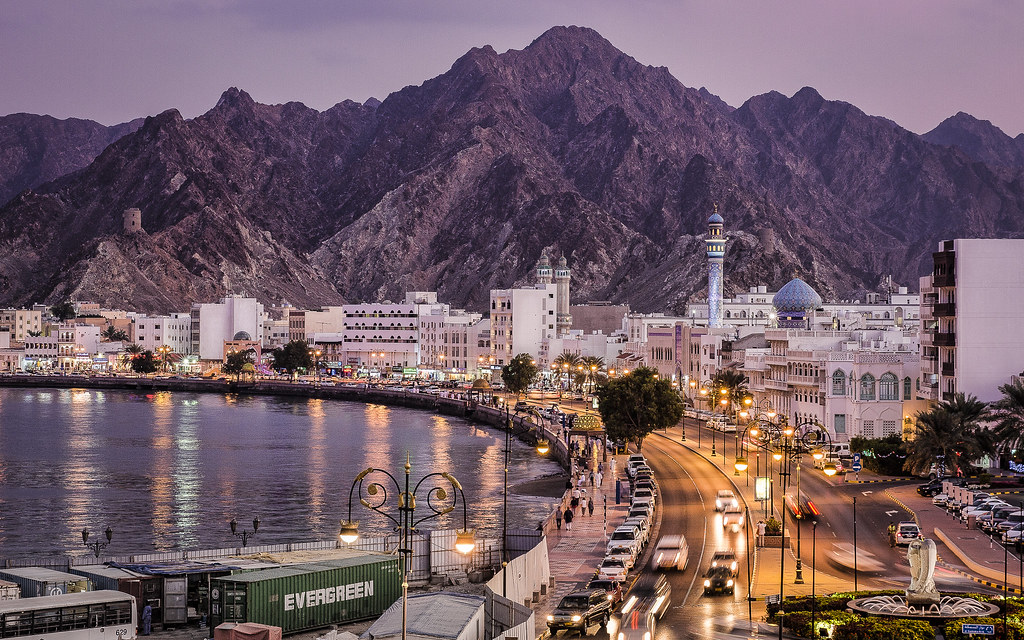
Wednesday, 28 May—China announced it will waive visa requirements for citizens of Oman, Bahrain, Kuwait and Saudi Arabia starting 9 June, completing visa-free access for all GCC countries.
State of Qatar

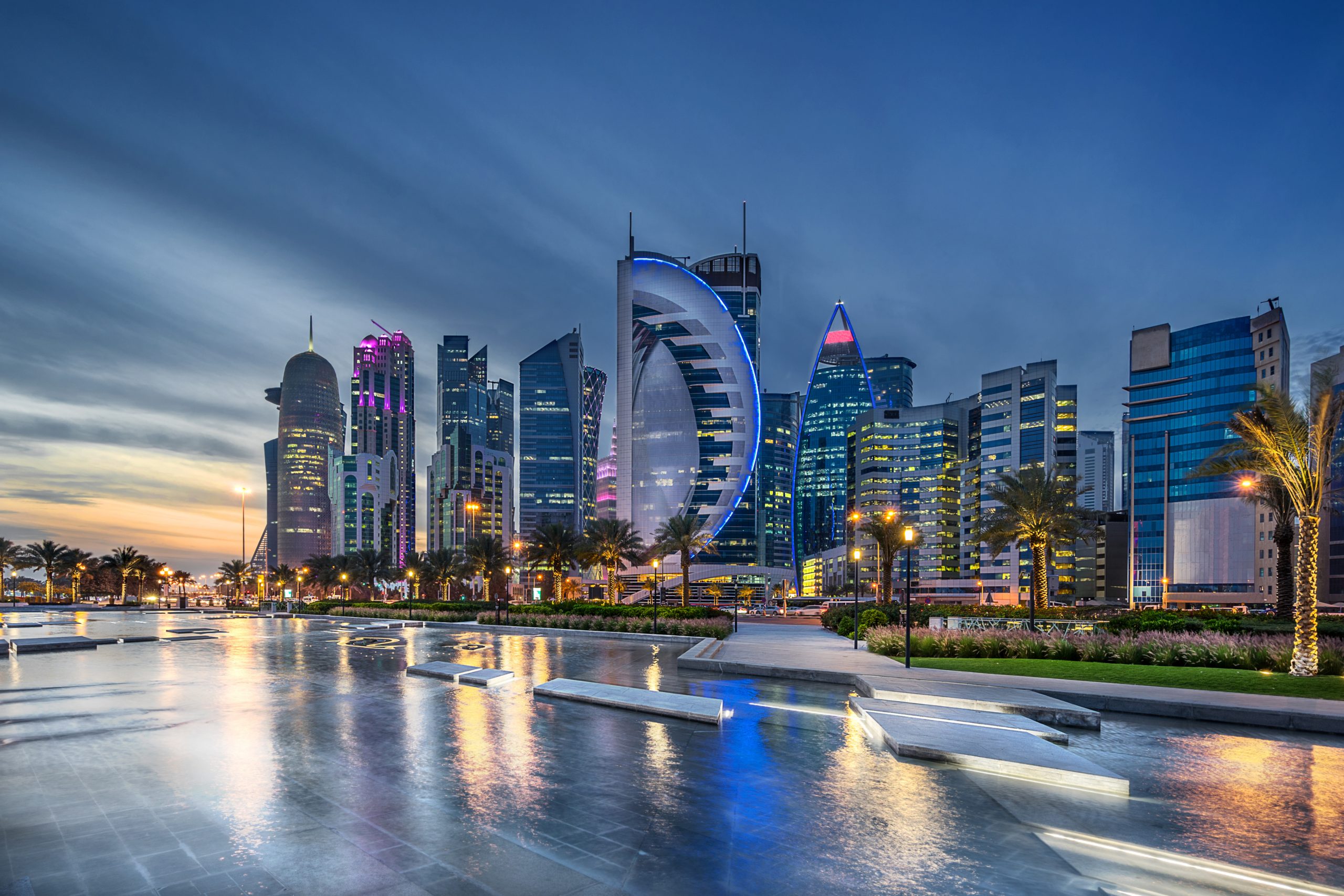
Tuesday, 3 June—Qatar reported a budget deficit of $137.1 million (QAR 500 million) in Q1 2025, marking a shift from previous surpluses, as declining oil revenues and higher spending led to a shortfall covered through debt instruments. Total revenues dropped 7.5% year-on-year to $13.5 billion, while expenditures stood at $13.7 billion, driven by current and capital outlays; meanwhile, the government launched a $1 billion investment incentive programme to boost foreign and domestic investment in key sectors.
Kingdom of Saudi Arabia

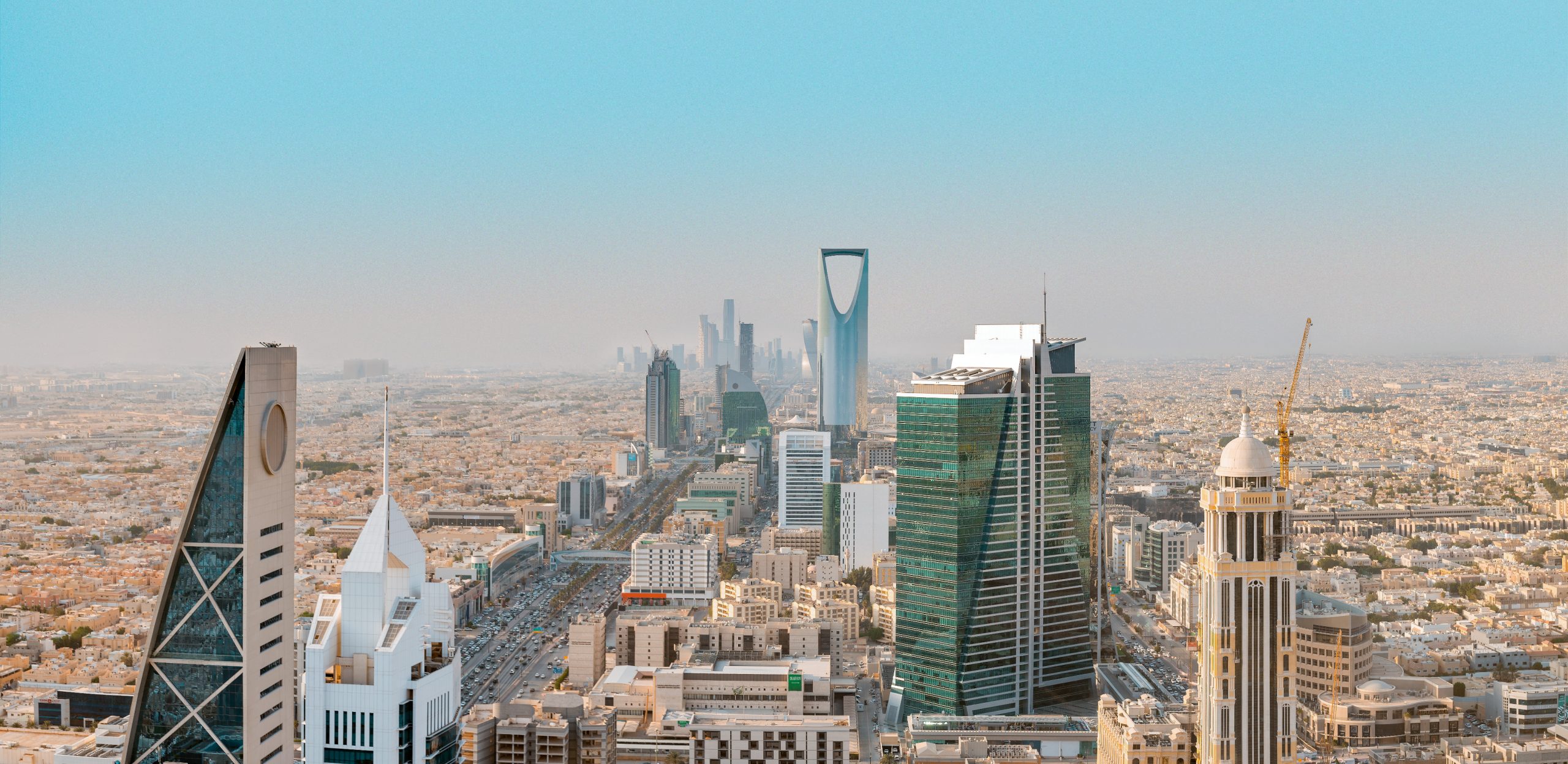
Wednesday, 28 May—The Global Water Organisation (GWO) officially launched in Riyadh, with founding members Saudi Arabia, Kuwait, Qatar, Spain, Senegal, Pakistan, Greece and Mauritania signing its charter to address global water challenges through international cooperation and innovation. Saudi officials emphasised the urgent need for sustainable solutions, improved project efficiency, and greater private sector involvement in managing water resources.
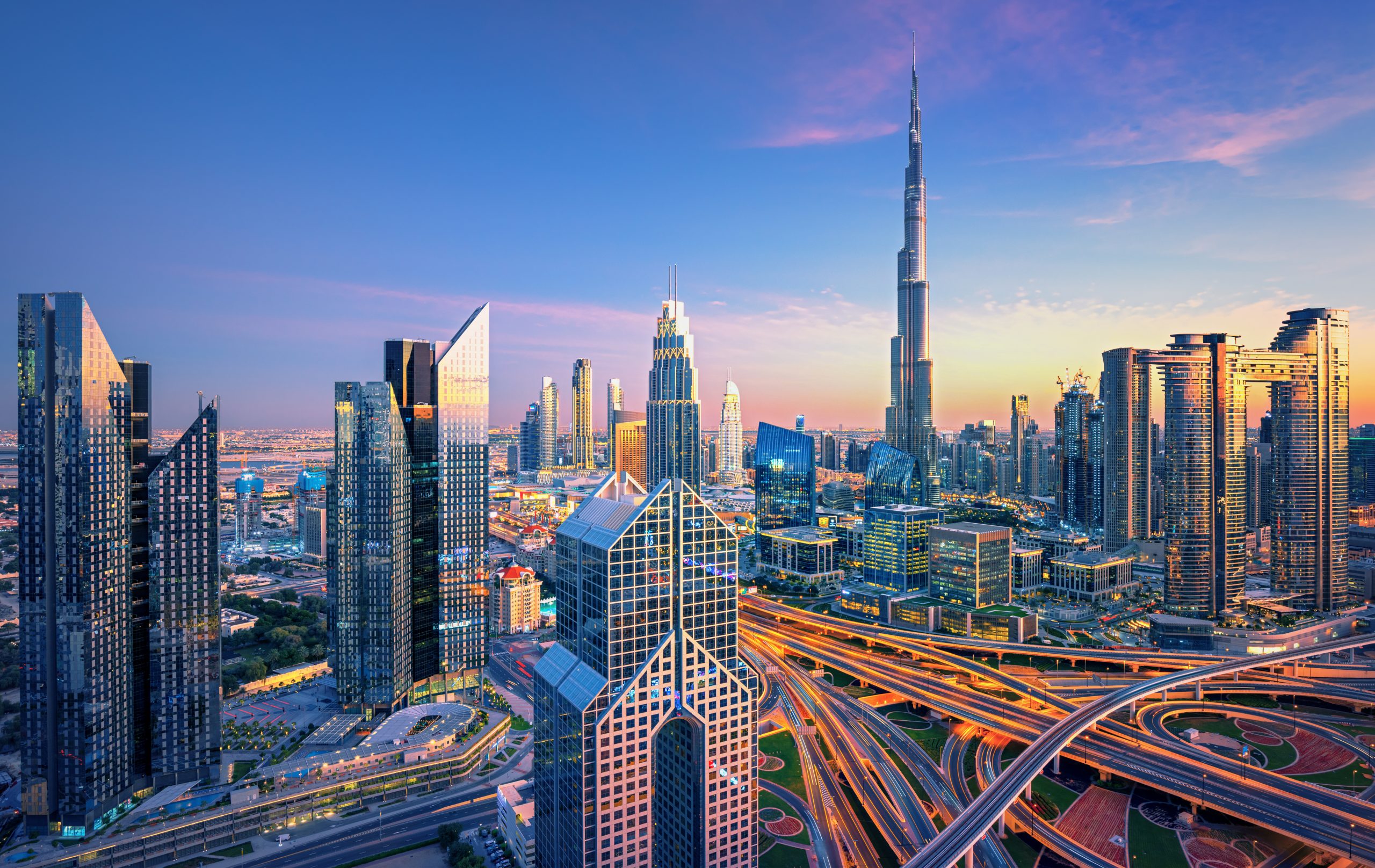
United Arab Emirates

Tuesday, 3 June—XRG, the investment arm of the state-owned Abu Dhabi National Oil Company (ADNOC), aims to build a gas and LNG business with a capacity of 20-25 million metric tons per year by 2035, as part of its newly approved five-year strategy.
EU Corner
Wednesday, 28 May—The 4th High-level Political Dialogue between the EU and the UAE took place in Abu Dhabi, co-chaired by Deputy Secretary-General of the European External Action Service (EEAS) for Political Affairs, Olof Skoog, and UAE Assistant Minister for Political Affairs and the Foreign Minister’s Envoy for the EU, Lana Nusseibeh. The meeting welcomed the launch of EU-UAE free trade talks and explored deepening the partnership through a Strategic Partnership Agreement, while also addressing key regional and international issues including Gaza, Sudan, Ukraine, Yemen and Red Sea security.
Wednesday, 28 May—The EU unveiled a new strategy to enhance stability and security in the Black Sea region, aiming to boost connectivity and economic growth by linking Europe with the South Caucasus, Central Asia, and beyond. Structured around three pillars—security and resilience, sustainable prosperity, and environmental protection—the strategy involves closer cooperation with Ukraine, the Republic of Moldova, Georgia, Türkiye, Armenia, and Azerbaijan. Key initiatives include a Black Sea Maritime Security Hub, a dedicated Connectivity Agenda aligned with Trans-European Networks, and support for climate preparedness and the blue economy.
Saturday, 31 May—The EU and Oman held the 5th Political Dialogue, co-chaired by Oman’s Undersecretary of Foreign Ministry, Khalifa Al-Harthy, and EEAS Deputy Secretary-General for Political Affairs, Olof Skoog.
Tuesday, 3 June—Special Envoy of Qatar’s Minister of Foreign Affairs, Faisal bin Abdullah Al-Hanzab, and Nayef bin Abdullah Al-Emadi, Director of the Arab Affairs Department, met with EU Special Representative for the Horn of Africa, Annette Weber, during her visit to Doha. They discussed developments in the Horn of Africa, particularly in Sudan and Somalia, and emphasised the importance of strengthening coordination to support peace and stability in the region.
Key Official Visits & Contacts
Wednesday, 28 May—Saudi Defence Minister, Khalid bin Salman Al-Saud, met UK National Security Advisor, Jonathan Powell, in London to discuss strengthening the strategic partnership between their countries and enhancing cooperation. The talks also covered regional and global developments, with a shared focus on supporting security and stability, following earlier discussions with UK Defence Secretary, John Healey.
Wednesday, 28 May—Iranian President, Masoud Pezeshkian, visited Oman for two days to strengthen bilateral ties and discuss regional developments, including the Palestinian issue and ongoing indirect US-Iran nuclear talks, in which Oman plays a key mediating role. The visit resulted in the signing of five cooperation agreements, ten Memoranda of Understanding and three executive programmes across sectors such as investments, trade, transport, technology, and urban planning.
Thursday, 29 May—Japanese Prime Minister, Shigeru Ishiba, and Kuwaiti Crown Prince, Sabah Khalid Al-Hamad Al-Sabah, met in Tokyo and agreed to elevate bilateral ties to a comprehensive strategic partnership and cooperate on crude oil market stability and decarbonisation.
Saturday, 31 May—Saudi Foreign Minister, Faisal bin Farhan Al-Saud, led a high-level economic delegation to Damascus and announced that Saudi Arabia and Qatar will jointly provide financial support to Syrian state employees, as part of efforts to aid the country’s reconstruction and economic recovery. He also highlighted ongoing Saudi support in lifting sanctions and enhancing bilateral cooperation, with planned investments in energy, agriculture, and infrastructure following the recent lifting of sanctions by the US and EU. A few days later, Saudi Interior Minister, Abdulaziz bin Saud Al-Saud, met his Syrian counterpart, Anas Khattab, in Jeddah to discuss enhancing bilateral security cooperation and reaffirmed the Kingdom’s commitment to supporting Syria’s efforts to restore security and stability.
Saturday, 31 May—Kazakhstan’s Deputy Prime Minister, Serik Zhumangarin, met with Oman’s Minister of Finance, Sultan bin Salim Al-Habsi, in Astana to strengthen bilateral economic ties, focusing mainly on trade, investment, and transport connectivity. Central to their discussions was the proposal for a Kazakhstan-Oman international transport corridor via Iran, with plans to establish a trilateral working group to advance this initiative. The conversation also covered plans to boost transit volumes along the International North-South Transport Corridor (INSTC), a strategic trade route linking Russian ports on the Baltic and Arctic seas to the Gulf and the Indian Ocean.
Sunday, 1 June—Syrian President, Ahmad Al-Sharaa, arrived in Kuwait to hold talks with Emir Mishal Al-Ahmad Al-Jaber Al-Sabah, aimed at strengthening bilateral ties and reaffirm Kuwait’s support for Syria’s sovereignty and people. The visit follows the recent revival of relations, marked by humanitarian aid and regional diplomatic engagement as part of Al-Sharaa’s broader Gulf tour.
Monday, 2 June—Belgian Foreign Minister, Maxime Prévot, visited Qatar to strengthen political and economic ties, promote Belgian expertise, particularly in LNG, and discuss key humanitarian and societal issues. He also explored collaboration on mediation, met with Qatari officials and business leaders, and emphasised support for women’s rights and inclusive development.
Tuesday, 3 June—Kuwait and the UAE signed multiple Memorandums of Understanding across key sectors including diplomacy, energy, education, healthcare, and infrastructure, during an official visit by UAE Vice President, Deputy Prime Minister, and Chairman of the Presidential Court, Mansour bin Zayed Al-Nahyan, to Kuwait.
Tuesday, 3 June—President of Qatar’s National Cyber Security Agency, Abdulrahman bin Ali Al-Farahid Al-Malki, met with Malta’s Ambassador to Qatar, Simon Pullicino, to review bilateral cooperation in cybersecurity. The two sides discussed enhancing their partnership and exploring opportunities for deeper collaboration in the field.