





5 Top Points
- Former Prime Minister Sabah Al-Khaled Al-Sabah was appointed as Kuwait’s Crown Prince.
- The UAE became the first Arab country to sign a Comprehensive Economic Partnership Agreement (CEPA) with South Korea.
- Qatar and Greece signed a military cooperation agreement during the Emir’s visit to Athens.
- Bahrain’s King and UAE’s President met with Chinese President in Beijing and agreed to enhance cooperation.
- Saudi Arabia began the secondary public offering of Aramco shares.
‘Round and About the Gulf
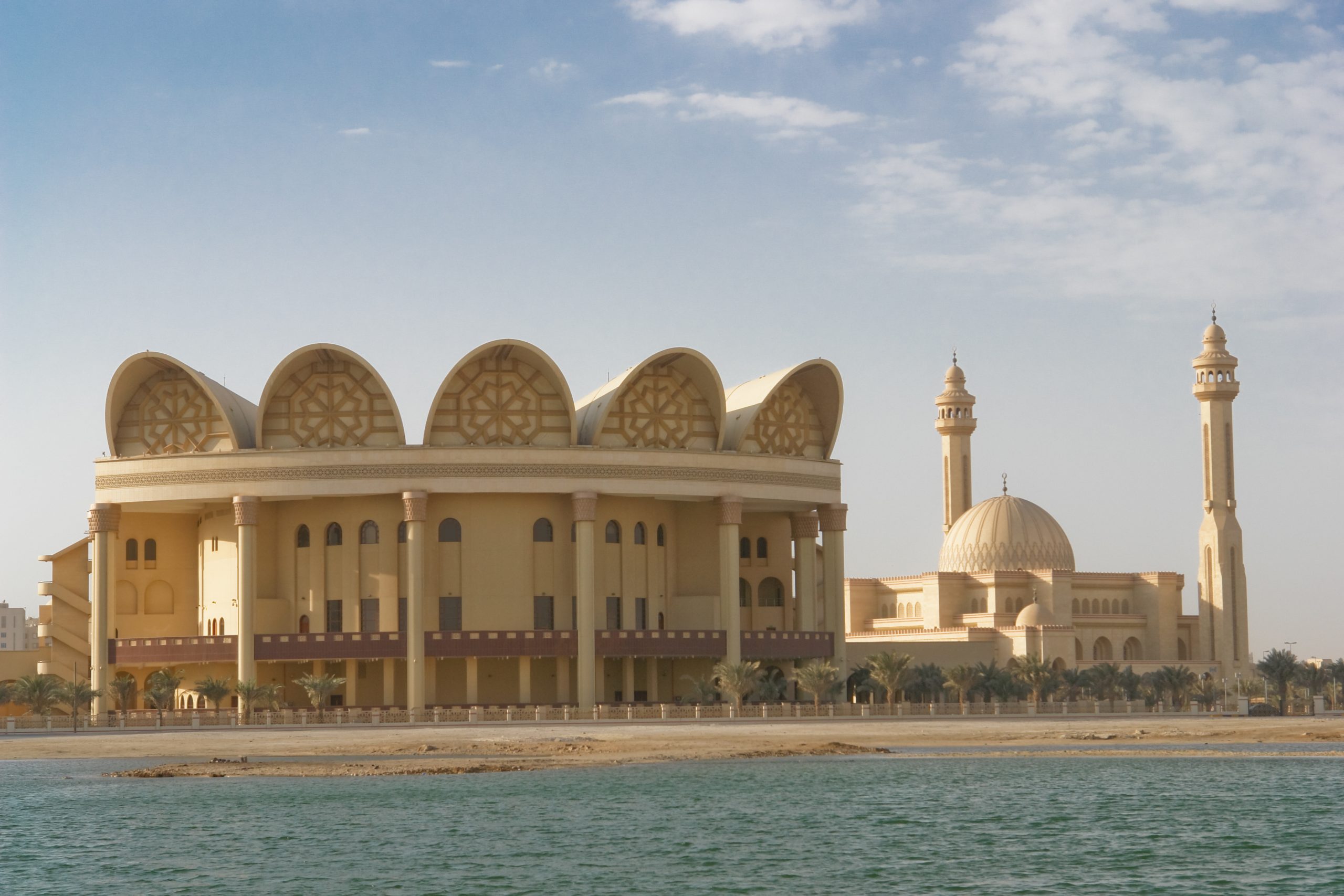
Kingdom of Bahrain

Friday, 31 May—Bahrain and China agreed to elevate their bilateral relations to a comprehensive strategic partnership and enhance cooperation in various sectors, including energy, investment, transportation, science, energy and digital economy, and push for concluding the GCC-China Free Trade Agreement. It came as Bahrain’s King Hamad bin Isa Al-Khalifa, who is the President of the current session of the Arab Summit, attended the opening ceremony of 10th ministerial meeting of China-Arab States Cooperation Forum. King Hamad also briefed the Chinese President Xi Jinping on the outcomes of the recent 33rd Arab League Summit in regard to the Palestinian issue and welcomed China’s support in restoring Bahrain-Iran diplomatic relations. A few days earlier, Bahrain launched its first direct flight to China.
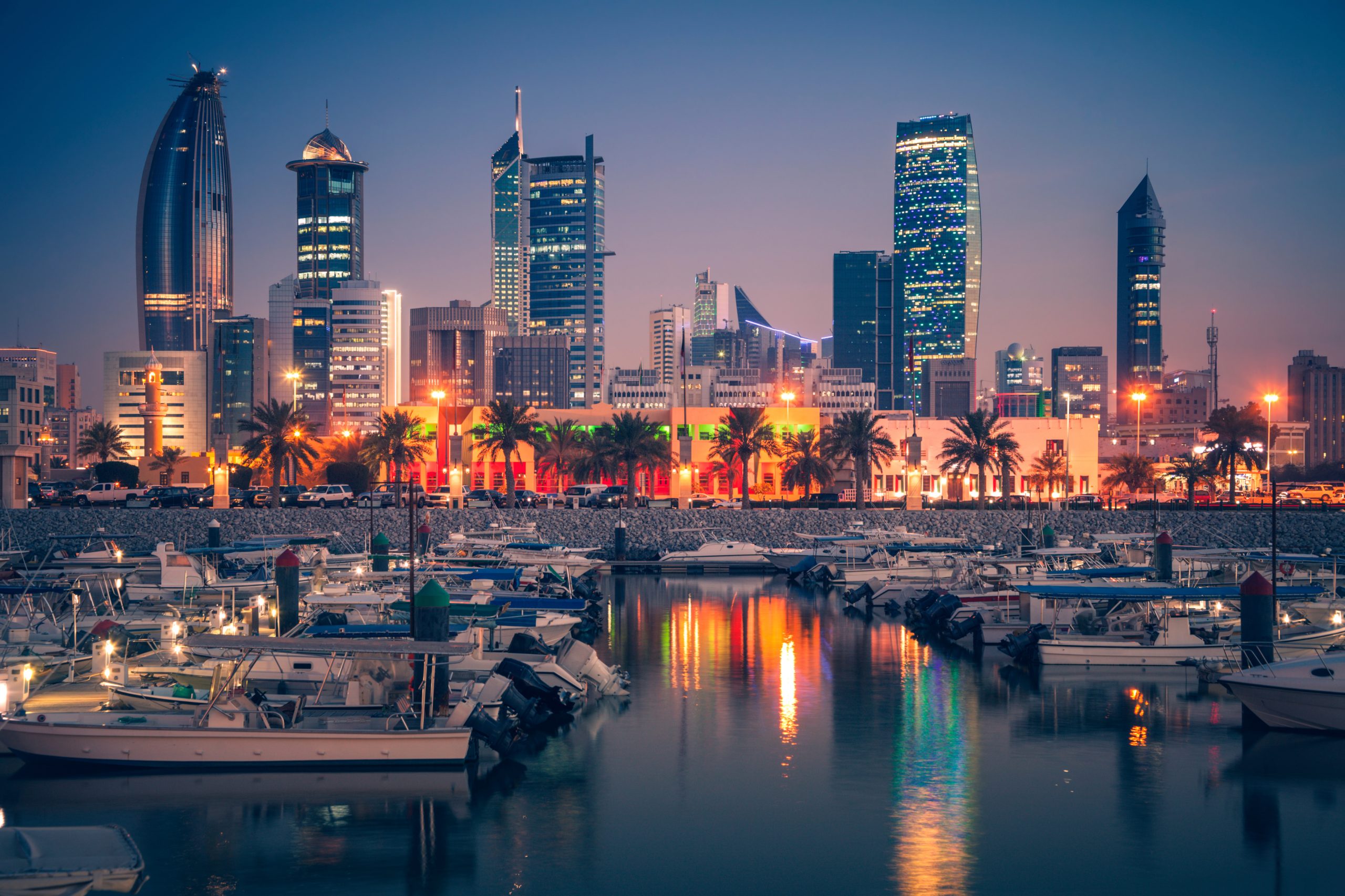
State of Kuwait

Wednesday, 29 May—Kuwait’s Emir, Mishal Al-Ahmad Al-Jaber Al-Sabah, inaugurated the Al-Zour refinery, which is one of the biggest in the Middle East and should help Kuwait achieve its target of 4 million bpd production capacity by 2035. Kuwait said it reached a record refining capacity of more than 2 million barrels per day (bpd), of which 1.415 million bpd is refined domestically and around 0.6 million bpd in Kuwait’s refineries located in Italy, Oman and Vietnam.
Saturday, 1 June—Sabah Al-Khaled Al-Hamad Al-Mubarak Al-Sabah was appointed as Crown Prince of Kuwait by the Emir Mishal Al-Ahmad Al-Jaber Al-Mubarak Al-Sabah. He is the nephew of Emir Mishal and served as Kuwait’s Prime Minister between 2019-2022. It is the first time that the Crown Prince comes from the Hamad branch of Al-Sabah ruling family as the previous ones came from the Jaber or Salem branches.
Sultanate of Oman

Thursday, 30 May—In Muscat, Oman and Ireland signed an agreement on avoidance of double taxation, pertaining to taxes on income and prevention of tax evasion.
Saturday, 1 June—Oman’s Ministry of Energy and Minerals launched ‘Taqah’, a digital platform that will allow local and international investors to explore investment opportunities and digital services in multiple sectors across Oman, including the oil and gas, renewable energy and mineral services sectors. It will initially include four basic packages: Archiving and Bidding, Licensing Management and Revenue Collection, Contract Management, and Inspections and Site Visits.
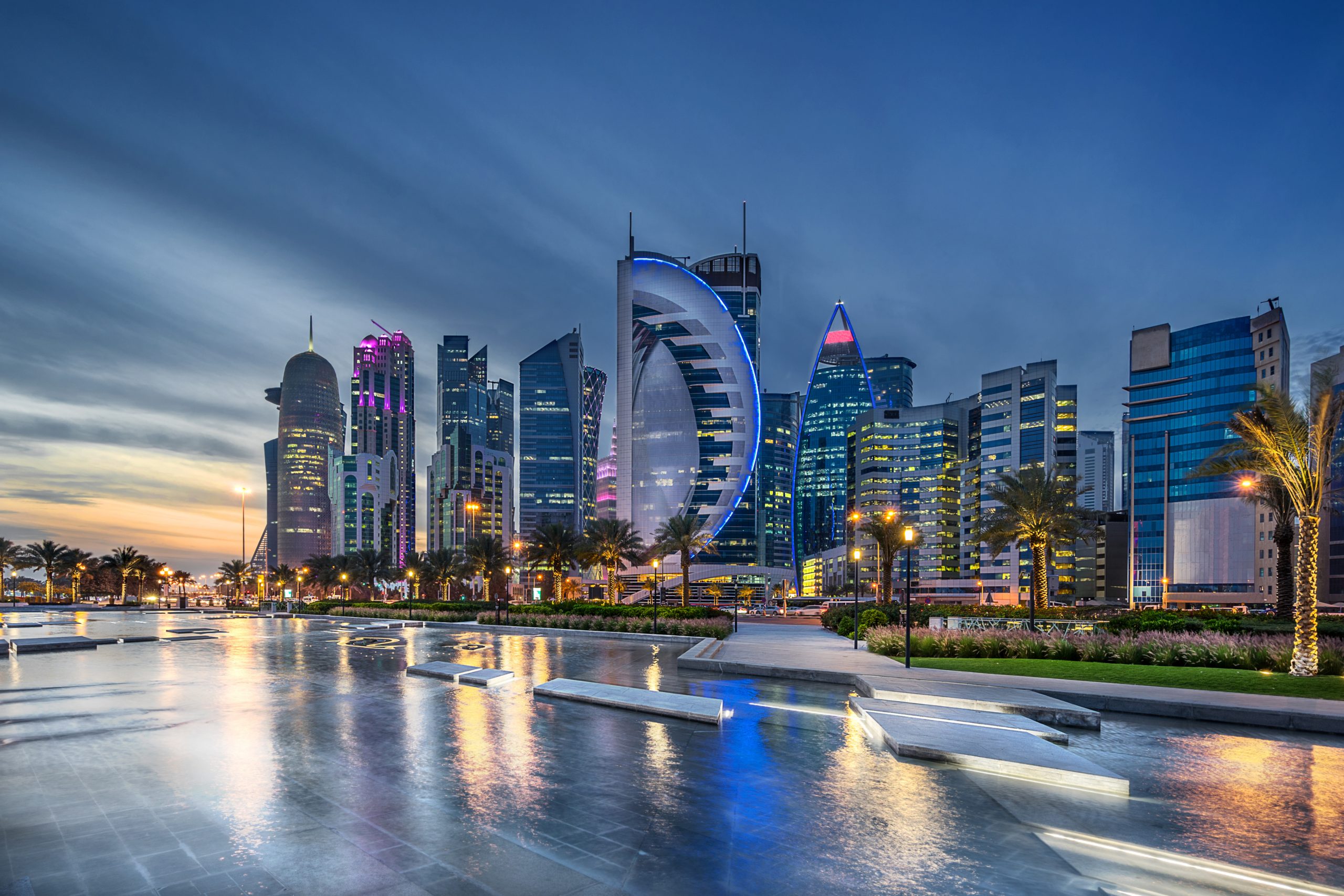
State of Qatar

Saturday, 1 June—Qatar, Egypt and the United States released a joint statement calling on both Hamas and Israel to finalise the agreement embodying the principles outlined by US President Biden on 31 May 2024, which offers a roadmap for a permanent ceasefire and ending the crisis.
Sunday, 2 June—The Qatar Central Bank (QCB) announced the launch of its Central Bank Digital Currency (CBDC) project.
Kingdom of Saudi Arabia

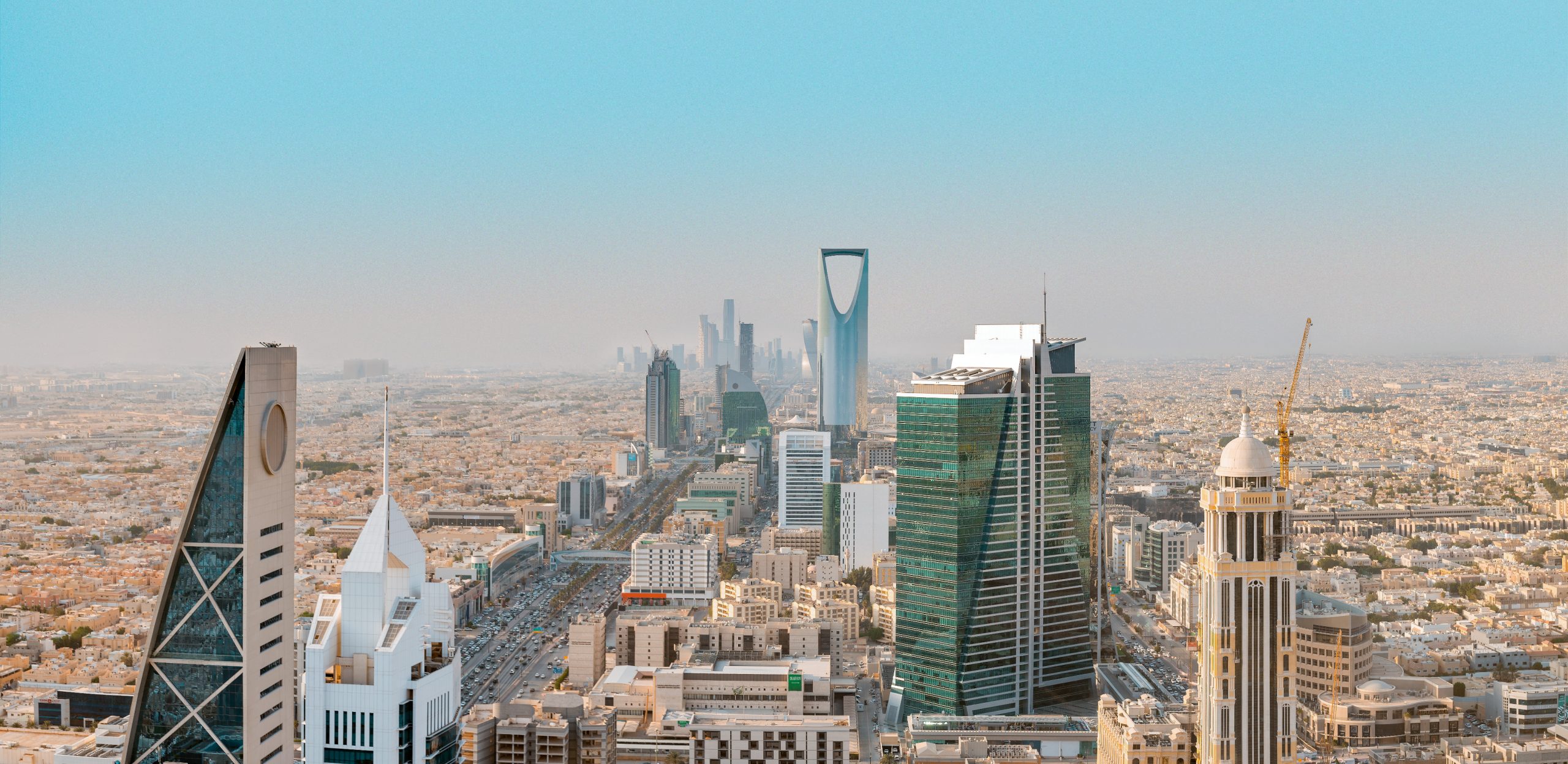
Sunday, 2 May—Saudi Arabia began the sale of 1.545 billion shares (around 0.64% stake) in its national energy company, Aramco, aiming to raise around $12 billion for the country’s economic diversification projects. It is the second public offering of Aramco shares. The first one in 2019 sold a 1.5% stake of the company for a record $29.4 billion and became the largest initial public offering in the history.
Sunday, 2 May—Saudi Energy Minster, Abdulaziz bin Salman Al-Saud, chaired the 37th OPEC and non-OPEC (OPEC+) Ministerial Meeting that agreed to extend the crude oil production cuts in a bid to boost oil prices amid slowing demand and rising US output. On the sidelines of the hybrid meeting, Algeria, Iraq, Kazakhstan, Kuwait, Oman, Russia, Saudi Arabia and the UAE met in person in Riyadh and agreed that in addition to the 37th Ministerial Meeting decisions, they will extend the voluntary cuts of 1.65 million barrels per day (bpd) until the end of 2025 and the extra voluntary cuts of 2.2 million bpd until the end of September 2024. The UAE production was increased by 300,000 barrels per day to be phased in gradually from January 2025.
United Arab Emirates

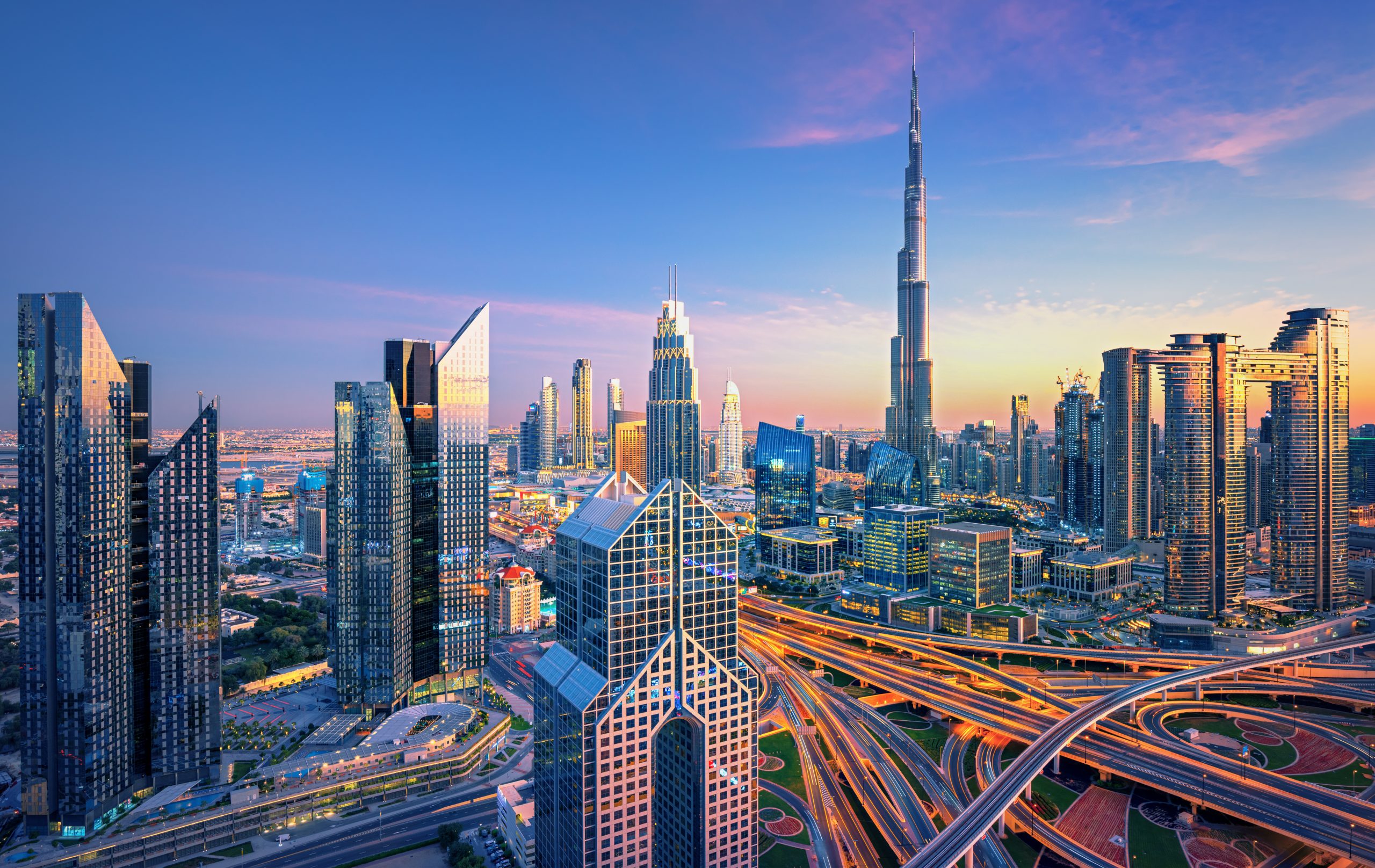
Wednesday, 29 May—The UAE became the first Arab country to sign a Comprehensive Economic Partnership Agreement (CEPA) with South Korea, aiming to strengthen bilateral business and investment ties, notably in energy and defence. It came during a summit between the UAE President, Mohamed bin Zayed Al-Nahyan, and his South Korean counterpart, Yoon Suk Yeol, which also witnessed the signing of signed several other agreements and Memoranda of Understanding, including in industry, advanced technology, nuclear energy, and maritime transport.
Friday, 31 May—UAE helped mediate an exchange of 150 prisoners between Russia and Ukraine.
EU Corner
Wednesday, 29 May—The EU Delegation opened the 3rd European Film Festival in Saudi Arabia, which ran in Riyadh and Jeddah until 6 June and showcased 21 movies from various European countries, in an effort to boost cultural ties with Saudi Arabia’s booming film industry.
Wednesday, 29 May—Officials and representatives of several think tanks from the GCC countries participated in the 2nd Schuman Security and Defence Forum 2024 organised by the European External Action Service (EEAS) in Brussels. The GCC participants included: Bahrain’s Head of Mission to the EU, Abdulla bin Faisal Al-Doseri; Kuwait’s Undersecretary of the Ministry of Defence, Abdullah Mishal Al-Sabah; Chief of Staff of the Omani Sultan’s Armed Forces, Vice Admiral Abdullah bin Khamis Al-Raisi; Qatar’s Ambassador to EU and NATO, Abdulaziz Ahmad Al-Malki; Saudi Arabia’s Chief of the General Staff, Lieutenant General Fayyad Al-Ruwaili; and UAE’s Director of International Affairs Department at the Ministry of Defence, Jamal Ebrahim Al-Marzooqi.
Thursday, 30 May—Brussels hosted the 6th EU-GCC Trade and Investment Dialogue.
Thursday, 30 May—The EU Special Representative for the Gulf Region, Luigi Di Maio, held a series of meetings with European officials regarding the strengthening of cooperation between the EU and the GCC, notably in regional security and high-level dialogue. Those included talks with Slovenia’s Foreign Minister, Tanja Fajon, in Ljubljana and with Italy’s Minister of Defence, Guido Grosetto, and Minister for European Affairs, Raffaele Fitto, in Rome.
Friday, 31 May—The Council of the EU approved new sanctions against six Iranian individuals and three entities involved in developing and supplying drones and missiles for use in Russia’s war in Ukraine and in the Middle East and Red Sea region. It included the Islamic Revolutionary Guard Corps (IRGC) Navy, Iran’s Minister of Defence, Mohammad-Reza Gharaei Ashtiani, Commander of the IRGC Qods Force, Ismail Qaani, and Head of the Iranian Aviations Industries Organisation (IAIO), Afshin Khaji Fard.
Monday, 3 June—Jasem Mohamed Albudaiwi, the Secretary General of the Gulf Cooperation Council (GCC), met with Péter Szijjártó, Minister of Foreign Affairs and Trade of Hungary. Szijjártó affirmed that Hungary will work during its upcoming presidency of the EU Council to support files related to EU-GCC relations, including intensifying political dialogue, trade exchange, and exempting GCC citizens from the Schengen visa.
Key Official Visits & Contacts
Wednesday, 29 May—Greece and Qatar signed a Military Cooperation Agreement between their Defence Ministries and a Memorandum of Cooperation on political consultations between their Foreign Ministries during the first official visit of Qatar’s Emir, Tamim bin Hamad Al-Thani, to Greece. It came during his talks with Prime Minister, Kyriakos Mitsotakis, in Athens, which also focused on ways to enhance bilateral ties and cooperation in economic, investment, energy and cultural fields.
Wednesday, 29 May—Bahrain’s King, Hamad bin Isa Al-Khalifa, Egypt’s President, Abdel Fattah El-Sisi, Tunisia’s President, Kais Saied, and UAE’s President, Mohamed bin Zayed Al-Nahyan, attended the opening ceremony of the 10th Ministerial Conference of the China-Arab States Cooperation Forum in Beijing. The Forum was also attended by Foreign Ministers of Kuwait and Saudi Arabia, Abdullah Ali Al-Yahya and Faisal bin Farhan Al-Saud; Oman’s Undersecretary of the Foreign Ministry for Political Affairs, Khalifa Ali Al-Harthy; and Qatar’s Minister of State at the Ministry of Foreign Affairs, Mohammed bin Abdulaziz Al-Khulaifi, among others. The Forum released a joint statement on the Palestinian issue and adopted the Beijing Declaration and the Action Implementation Plan to boost Sino-Arab ties and cooperation.
Wednesday, 29 May—The Ministerial Committee formed by the Joint Arab-Islamic Extraordinary Summit for Gaza, led by Saudi Foreign Minister, Faisal bin Farhan Al-Saud, held talks with Spanish Prime Minister, Pedro Sanchez, in Madrid regarding international efforts to stop the war in Gaza, West Bank and Israeli offensive in Rafah. They praised Spain for recognising the State of Palestine. The meeting was also attended by Palestinian Prime Minister, Mohammad Mustafa; Qatar’s Prime Minister and Foreign Minister, Mohammed bin Abdulrahman Al-Thani; Jordan’s Foreign Minister, Ayman Safadi; Türkiye’s Foreign Minister, Hakan Fidan; and Secretary General of the Organization of Islamic Cooperation, Hissein Brahim Taha.
Thursday, 30 May—During a meeting between President Xi Jinping and President Mohamed bin Zayed Al-Nahyan in Beijing, the UAE and China signed several agreements and Memoranda of Understanding to enhance bilateral ties in the fields of the Belt and Road Initiative, peaceful use of nuclear energy, science and technology, tourism, culture and education, and established the China-UAE High-Level Investment Cooperation Committee. In a joint statement released on Sunday, China expressed support for the UAE’s efforts to ‘reach a peaceful solution to the issue of the three islands of Greater Tunb, Lesser Tunb, and Abu Musa through bilateral negotiations,’ which prompted Iran to summon Chinese Ambassador in Tehran.
Monday, 3 June—Saudi Arabia’s Foreign Minister, Faisal bin Farhan Al-Saud, and his Kuwaiti counterpart, Abdullah Ali Al-Yahya, co-chaired the 2nd Saudi-Kuwaiti Coordination Council meeting in Kuwait. The two countries signed several Memoranda of Understanding, including on mutual recognition of seafarers’ certificates, technical cooperation in environmental protection and a joint cooperation programme between their diplomatic institutes. The Saudi Foreign Minister also met separately with Kuwait’s Emir, the Prime Minister, and the new Crown Prince.
Monday, 3 June—The Foreign Ministers of Egypt, Jordan, Qatar, Saudi Arabia and the UAE held a virtual meeting to discuss the updates of the mediation efforts to reach a permanent ceasefire and the release of the hostages, in addition to sufficient aid delivery into the Gaza Strip. They endorsed the three-phase proposal presented by the US President Biden on 31 May. It came a day after the UAE President, Mohamed bin Zayed Al-Nahyan, and Qatari Emir, Tamim bin Hamad Al-Thani, met in Abu Dhabi to discuss the plan.
Monday, 3 June—Saudi Arabia’s Minister of Defence, Khalid bin Salman Al-Saud, met the visiting Brazilian Vice President, Geraldo Alckmin, to discuss cooperation in military industries, research and development, and technology transfer and localisation and signed a draft agreement on defence cooperation. Alckmin, accompanied by business representatives, also met with Saudi Arabia’s Investment Minister, Khalid Al-Falih, and witnessed the signing of three memoranda of understanding to develop public-private investment partnerships.
Tuesday, 4 June—Oman’s Minister of Economy, Saeed bin Mohammed Al-Saqri, led Oman’s delegation to the 27th Arab-German Economic Forum in Berlin, where he discussed the prospects of expanding cooperation with Germany in various sectors, such as in manufacturing, energy, automobile industry, financial and banking services, and tourism.