





5 Top Points
- Arab mediators table Gaza ceasefire plan: Qatar, Egypt and Türkiye presented Hamas with a proposal for a comprehensive Gaza truce and hostage deal, including a full ceasefire, release of all captives (living and deceased) in exchange for Palestinian prisoners, and an Israeli pullback under international supervision.
- Saudi Arabia leads diplomatic push to halt Gaza offensive: In the wake of Israel declaring plans to fully occupy Gaza, Saudi Foreign Minister Prince Faisal bin Farhan held urgent calls with counterparts from Türkiye, Egypt, France, Germany and the EU, urging coordinated action to stop Israel’s military action.
- UAE spearheads Gaza airlift with European partners: The UAE carried out its 68th humanitarian airdrop over Gaza as part of operation ‘Birds of Goodness’, delivering food and medicine to areas unreachable by land.
- Bahrain launches landmark solar project to advance renewable energy goals: the Electricity and Water Authority announced work has begun on the country’s first grid-scale solar power plant, a 150 MW facility near Bilaj Al Jazayer in the southern governorate.
- Oman advances green hydrogen ambitions: Muscat took a key step in its clean energy strategy as Oman’s United Engineering Services (UES) signed an MoU with China’s Sungrow Hydrogen to establish an electrolyser manufacturing facility in Oman.
Round and About the Gulf
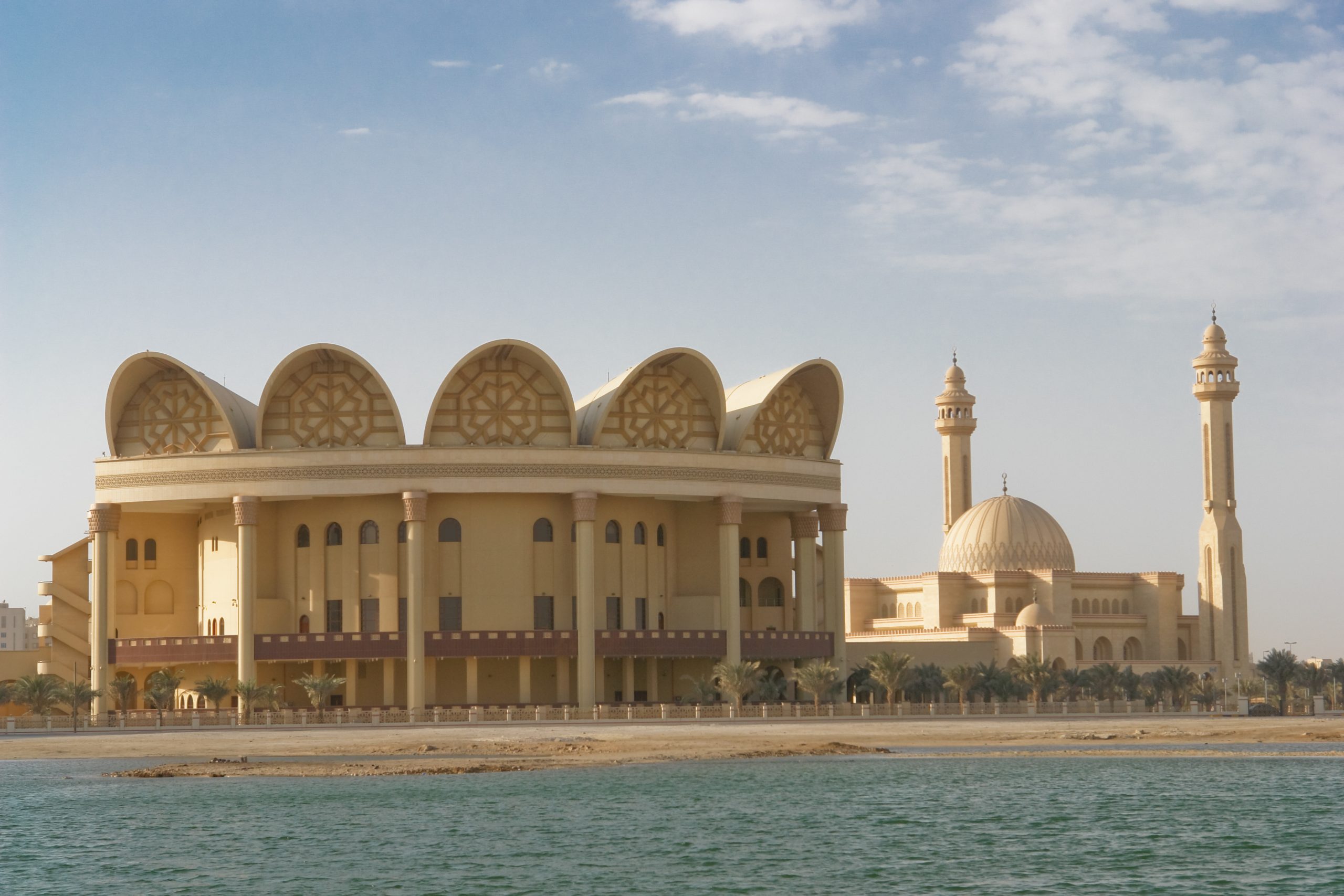
Kingdom of Bahrain

Saturday, 9 August – Bahrain joined a 24-nation Arab–Islamic ministerial committee in condemning Israel’s declared intent to impose full military control over Gaza. In a joint statement, the committee, which included Bahrain, Saudi Arabia, Qatar, Oman and other OIC members, called the announcement a ‘serious and unacceptable escalation’ violating international law and entrenching illegal occupation.
Tuesday, 12 August – The Electricity and Water Authority announced work has begun on Bahrain’s first grid-scale solar power plant, a 150 MW facility near Bilaj Al Jazayer in the southern governorate. Spanning 1.2 km², the solar farm is slated to start operations by late 2027 and supply over 6,000 homes, contributing to Bahrain’s goal of 20% renewable energy by 2035 and net-zero by 2060.
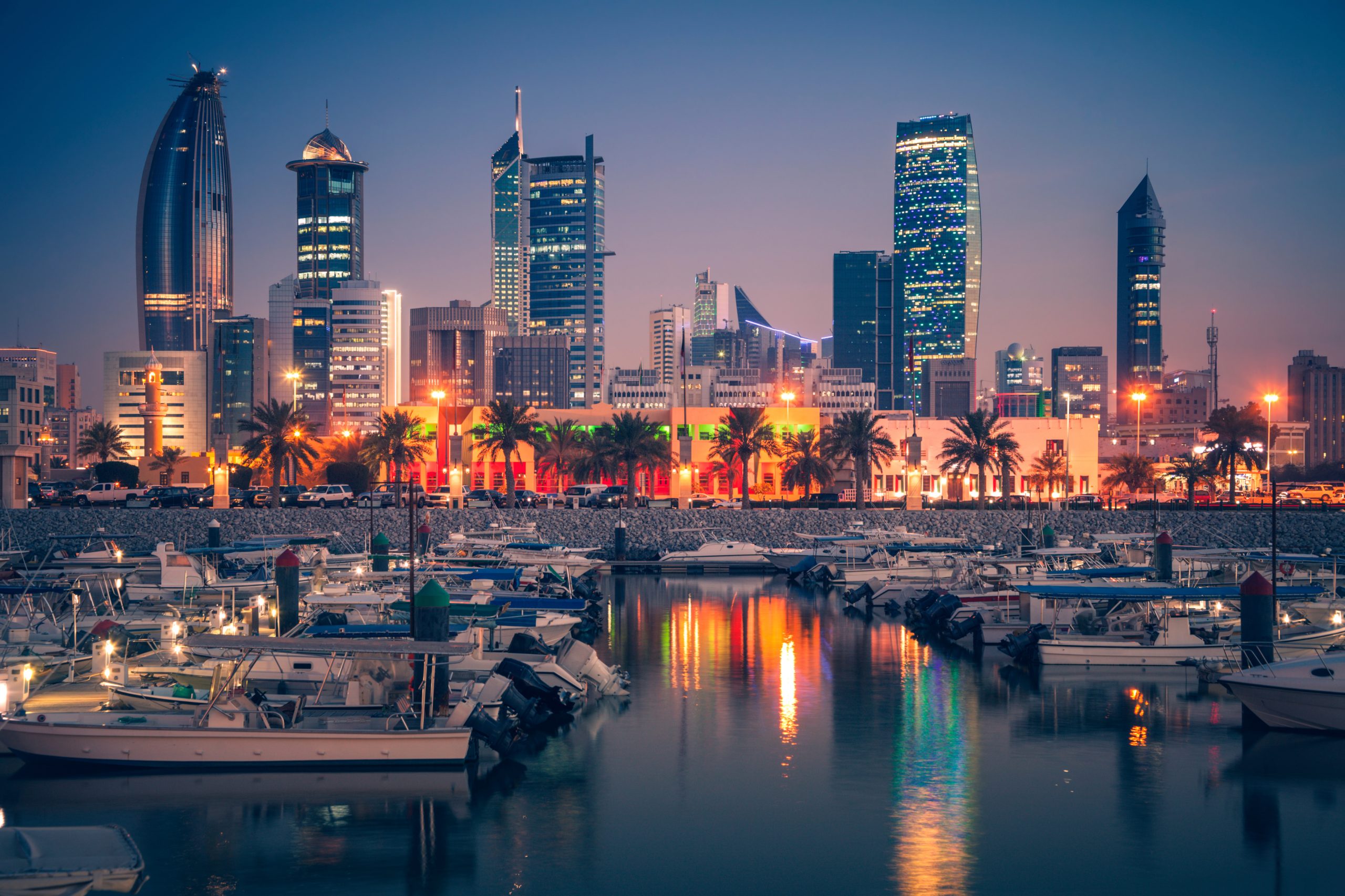
State of Kuwait

Wednesday, 6 August – Kuwait’s government reported that a nationwide Gaza relief campaign raised KD 11.5 million in public donations. The emergency fund, launched by Kuwait’s leadership and civil society, has been used to procure food, medicine and essentials for Palestinians in coordination with local charities.
Sunday, 10 August – The first Kuwaiti air force transport loaded with aid took off from Abdullah AlMubarak Air Base bound for Al-Arish, Egypt, carrying urgent supplies for onward delivery into Gaza. The Kuwaiti Red Crescent, which organised the air bridge with support from the Defence and Foreign Ministries, said this marked the start of regular relief flights to alleviate Gaza’s ‘catastrophic’ humanitarian conditions. Kuwaiti volunteers will accompany the shipments to ensure efficient handover to Egyptian and Palestinian partners
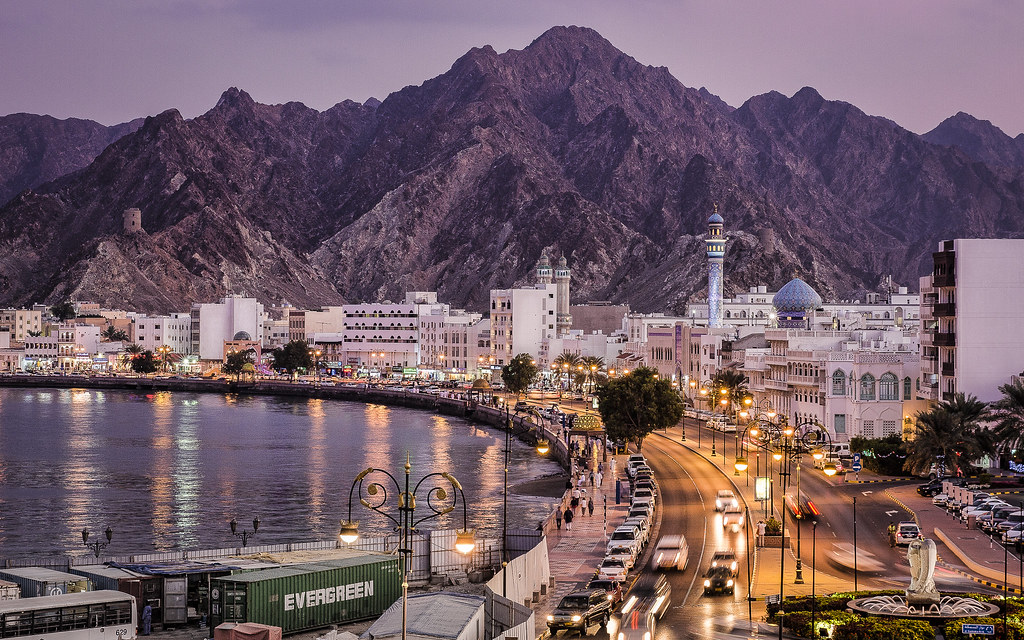
Sultanate of Oman

Wednesday, 12 August – Oman’s UES signed an agreement with China’s Sungrow to explore building a plant in Oman to make hydrogen electrolysers and related equipment. The proposed plant will produce hydrogen electrolysers and gas separation systems for domestic projects and export, bolstering Oman’s plans to localise the hydrogen value chain. The initiative supports Oman’s allocation of 2,300 km² for green hydrogen production and its vision to become a regional hub for the hydrogen economy.
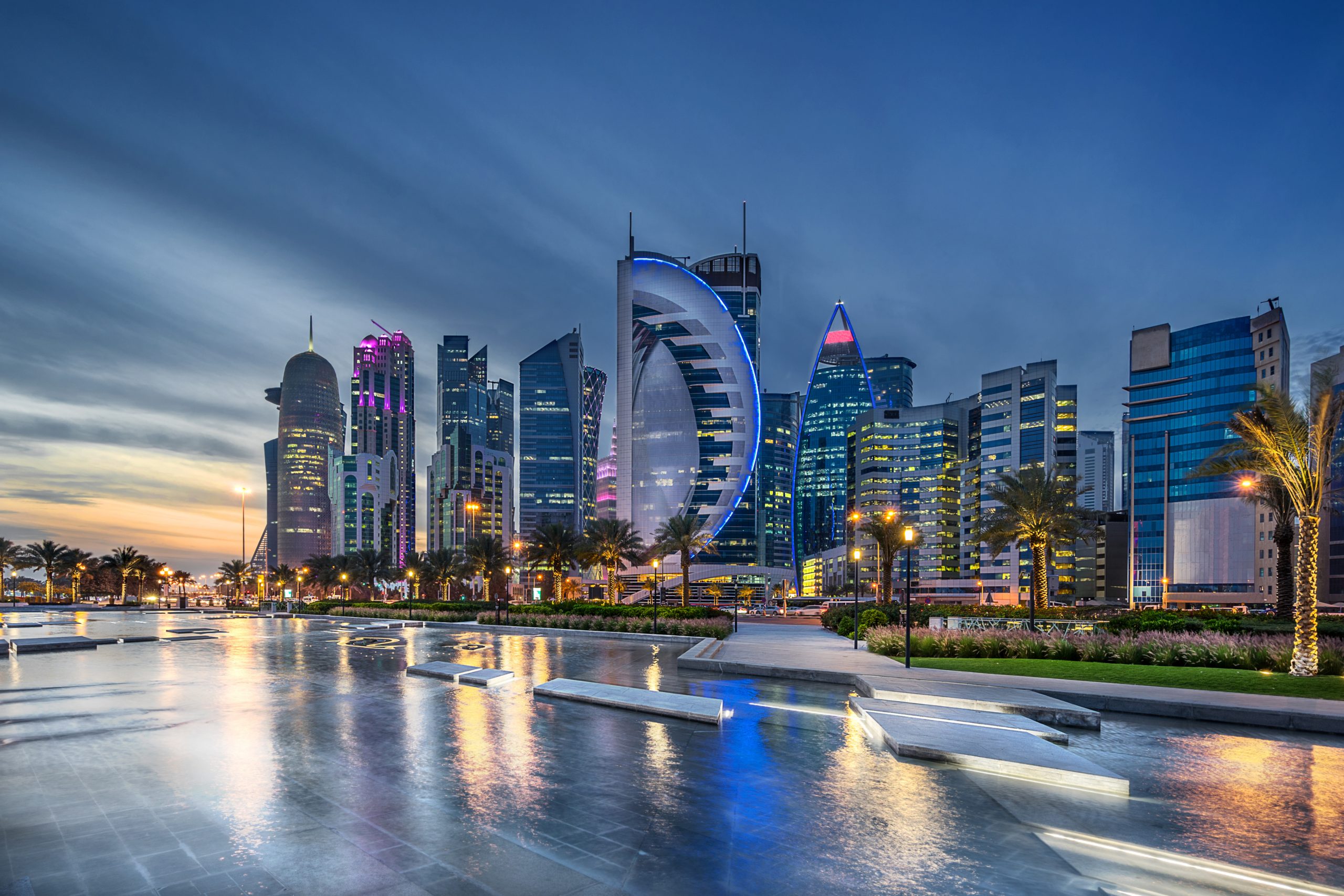
State of Qatar

Friday, 8 August – Qatari Prime Minister Mohammed bin Abdulrahman Al Thani conferred with international counterparts to rally support for the truce initiative and ensure urgent humanitarian aid reaches Gaza. Qatar’s Sheikh Hamad Hospital in northern Gaza, which opened an emergency trauma this month, has so far treated over 2,500 war-wounded patients.
Tuesday, 12 August – Working with Egypt and Turkey, Qatari mediators presented a far-reaching proposal to Hamas for a full ceasefire and prisoner swap to end the fighting. The plan calls for all hostages in Gaza to be released and Israel to withdraw its forces under Arab-American monitoring, coupled with a freeze of Hamas military activity and talks on Gaza’s post-war governance. Doha indicated that if Hamas accepts the terms, Qatar will pass the deal to US negotiators to obtain Israel’s agreement. The move reflects Qatar’s position as a principal mediator (alongside Cairo) and its effort to leverage the ‘window of opportunity’ created by recent regional ceasefires.
Kingdom of Saudi Arabia

Tuesday, 5 August: In domestic politics, Saudi Arabia’s Cabinet convened in NEOM and applauded the shifting stance in Europe and beyond toward Palestinian recognition. The ministers welcomed announcements by multiple participants of the recent Riyadh peace summit that they intend to recognise the State of Palestine at the UN if the war continues. The government affirmed it is following up on these outcomes and will continue mobilising support for Palestine, noting that Saudi Arabia’s own air and sea bridges have been steadily sending humanitarian aid to Gaza despite the conflict.
Friday, 8 August – Following Israel’s approval of a plan to occupy Gaza City, Saudi Foreign Minister Prince Faisal bin Farhan was on the phone with key Arab and Western counterparts, coordinating a response. He discussed the situation in back-to-back calls with the foreign ministers of Türkiye, Egypt, France and Germany, as well as with EU High Representative for Foreign Affairs, Kaja Kallas. Prince Faisal urged unified international pressure to halt Israel’s military operations and prevent a further humanitarian collapse in Gaza. Riyadh’s vigorous geopolitical engagement, spotlights Saudi Arabia’s growing diplomatic activism on the Palestine issue.

United Arab Emirates

Saturday, 9 August – The UAE hailed a historic peace accord ending hostilities between Azerbaijan and Armenia. Emirati Minister of State Ahmed Al Sayegh commended the leaders of both Caucasus nations for their ‘wisdom’ in achieving a diplomatic solution, calling the US-brokered deal a significant milestone for regional peace. The Emirates signalled readiness to help foster a new era of cooperation in the Caucasus, in line with its broader policy of promoting conflict resolution through dialogue.
Sunday, 10 August – Emirati military transports, joined by cargo planes from Germany, Italy, France, Belgium and the Netherlands, dropped tonnes of relief packages over besieged areas of Gaza inaccessible to ground convoys. This multi-nation effort, conducted alongside Jordan (and with the participation of Germany, Italy, the Netherlands, Belgium, and France) was the 68th airdrop of aid under Operation ‘Birds of Goodness’, part of ‘Operation Chivalrous Knight 3’. It delivered food staples and medical supplies to displaced families and brought the UAE’s total airborne aid above 3,908 tonnes.
EU Corner
Friday, 8 August – The EU’s High Representative for Foreign Affairs, Kaja Kallas joined calls with Saudi Foreign Minister Prince Faisal, backing the Gulf states’ appeals for an immediate ceasefire in Gaza and condemning Israel’s occupation plans. Brussels urged a return to negotiations, lending support to Qatar and Egypt’s mediation efforts to broker a truce. In parallel, European militaries cooperated on Gaza aid delivery, with aircraft from five EU/NATO countries participated in the UAEled airdrop mission that ferried relief supplies into Gaza. The unprecedented joint humanitarian operation underscored a growing Euro-Gulf alignment in tackling the conflict’s fallout, combining Gulf initiative with European logistical support to bypass the blockade and reach those in need.
Key Official Visits & Contacts
Monday, 11 August – Saudi-Ukraine phone call: Saudi Crown Prince Mohammed bin Salman (MBS) spoke with Ukrainian President Volodymyr Zelenskyy to discuss diplomatic efforts to end the war in Ukraine. Zelenskyy thanked MBS for Riyadh’s support and noted a ‘real chance for peace’ may be emerging, stressing that any settlement must be just and include security guarantees. Both sides agreed on the danger of any peace moves made without consulting Ukraine or Europe. The call highlighted Saudi Arabia’s growing role in conflict resolution beyond the Middle East, building on its hosting of multinational talks on Ukraine, and the leaders agreed their teams would coordinate next steps and explore joint reconstruction projects.
Monday, 11 August – Kuwait-UK diplomatic meeting: Kuwaiti Foreign Minister Sheikh Abdullah AlYahya met the UK’s outgoing Ambassador to Kuwait, Belinda Lewis, in London as she paid farewell calls at the end of her tenure. Al-Yahya praised Ambassador Lewis’s contributions over the past four years to strengthening UK-Kuwait relations. They reviewed the progress in bilateral cooperation across defence, investment and education, reaffirming the mutual commitment to the historic friendship between the two countries. The Foreign Minister also welcomed the appointment of the next British envoy (due to arrive in September) and expressed Kuwait’s eagerness to continue
deepening ties with the UK under the new partnership framework agreed last year.