


5 Top Points
- Bahrain and Egypt co-chaired emergency Arab League Summit approving Egypt’s Gaza Plan.
- Greek Prime Minister and UAE President met in Abu Dhabi to strengthen economic and investment ties.
- Qatar and Iran advanced the world’s longest undersea tunnel to boost regional trade.
- Lebanese President sought stronger diplomatic and economic ties during key visit to Saudi Arabia.
- Qatar and Russia discussed regional developments and bilateral energy, trade and investment cooperation, with potential projects worth over $1 billion.
‘Round and About the Gulf
Kingdom of Bahrain

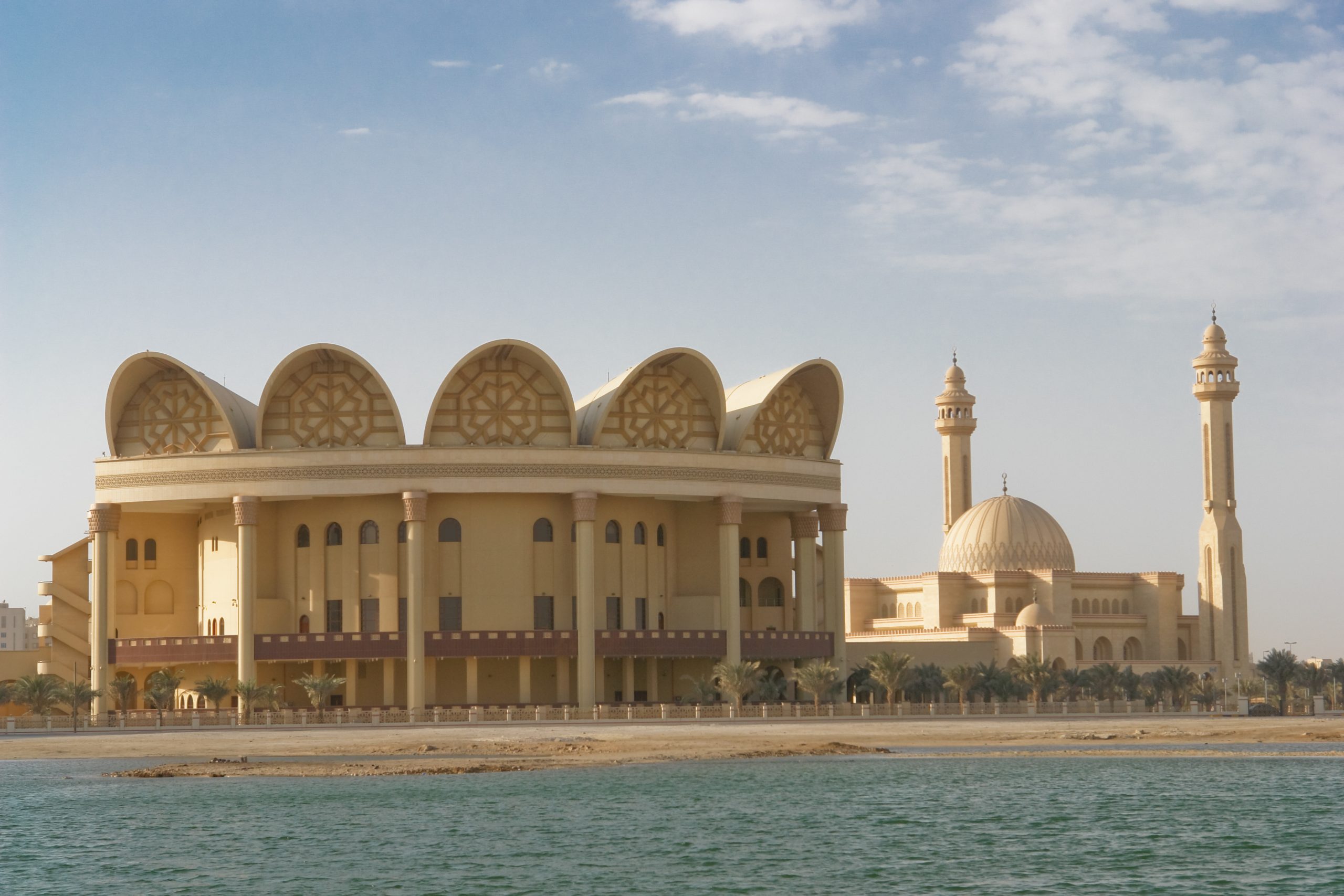
Tuesday, 4 March—Bahrain’s King Hamad bin Isa Al-Khalifa and Egypt’s President Abdel Fattah Al-Sisi co-chaired the emergency Arab League Summit in Cairo, where Egypt’s alternative plan for Gaza’s reconstruction was adopted. The $53 billion plan, which addresses Gaza’s reconstruction, governance, and security, aims to rebuild the Strip without displacing residents by 2030. Under the plan, Hamas would transfer power to an interim independent administration until a reformed Palestinian Authority takes control. Reaffirming the Bahrain Summit’s goals, the leaders reaffirmed their commitment to lasting peace, the Palestinian right to self-determination, and the two-state solution.
State of Kuwait

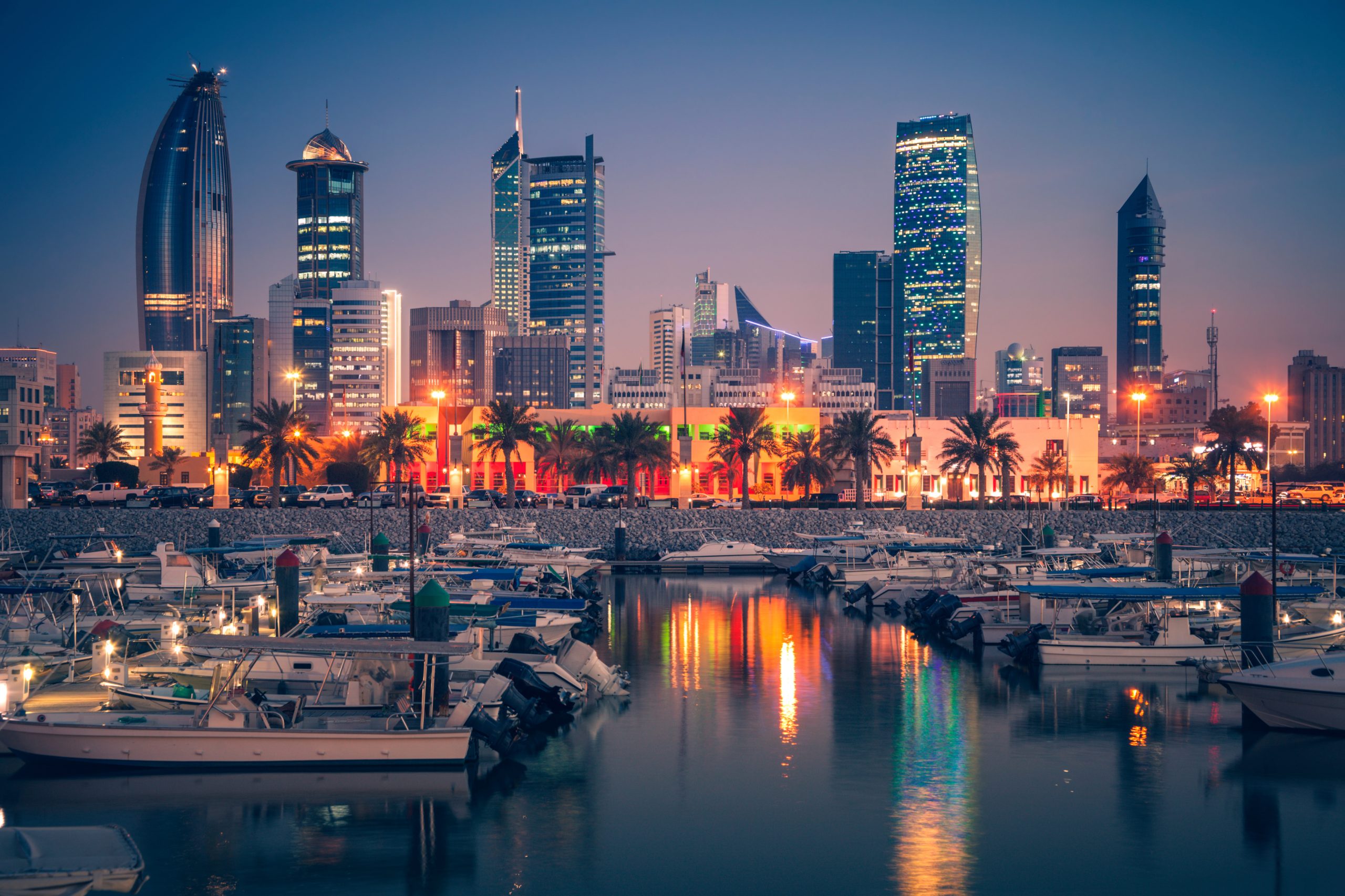
Monday, 3 March—Kuwait is planning to develop a state-of-the-art medical city for retirees, costing 243 million Kuwaiti dinars (€741.5 million) in a bid to modernise healthcare services for the country’s aging population and reduce reliance on overseas treatment. Located in Amghara, the Kuwait Medical City will include a 400-bed hospital, specialised medical centres, long-term care, rehabilitation services, and non-medical facilities like residential and recreational areas. The project is expected to be completed by 2030.
Sultanate of Oman

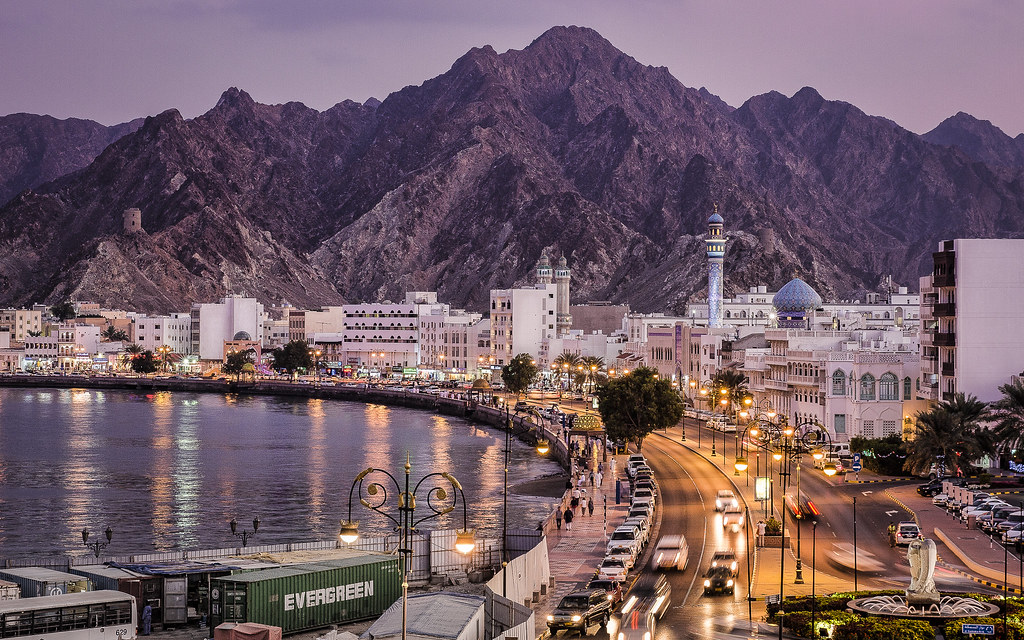
Thursday, 27 February—Oman’s Sultan Haitham bin Tariq Al-Said issued two Royal Decrees defining the Foreign Ministry’s responsibilities and establishing a new Diplomatic and Consular Corps Law.
State of Qatar

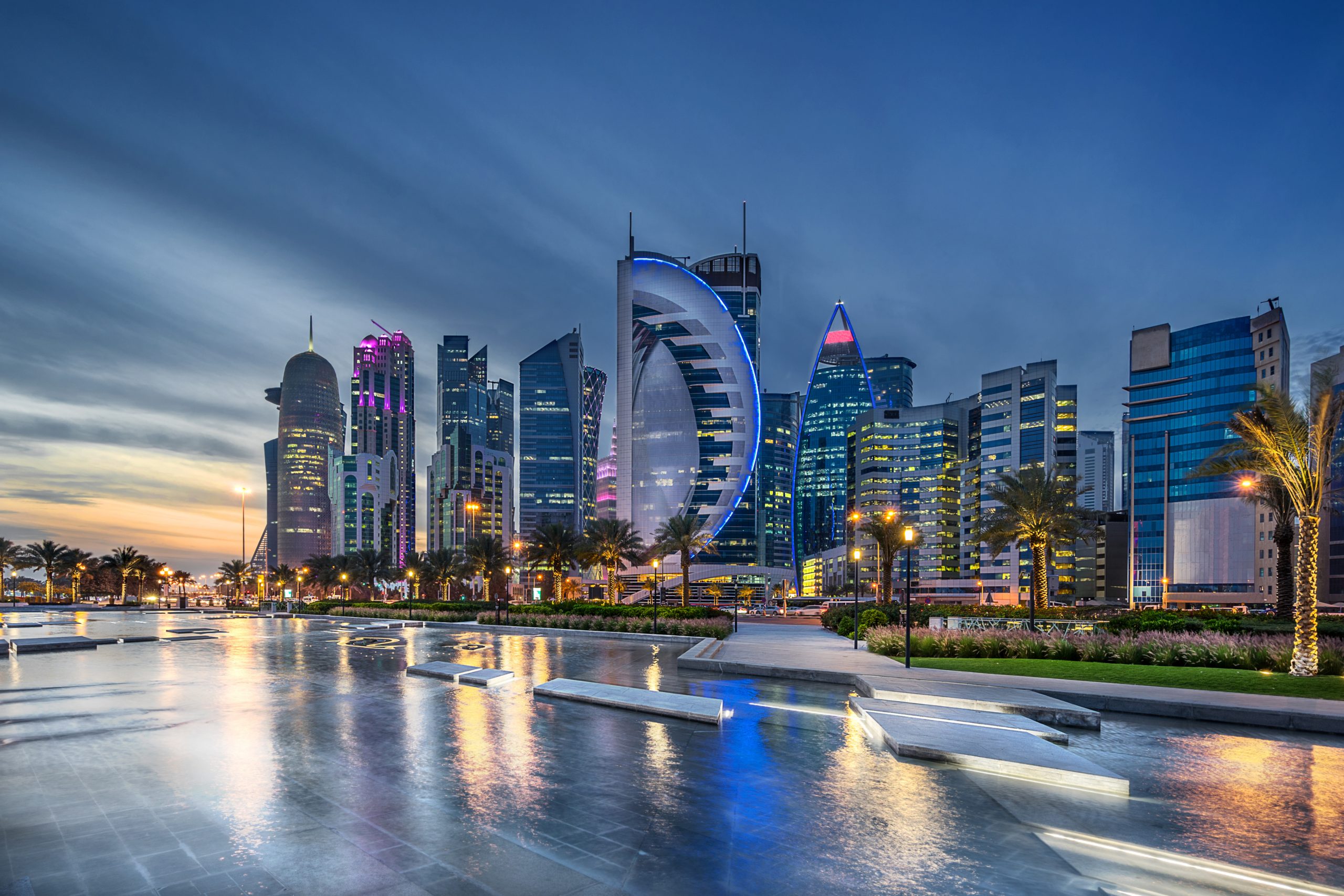
Wednesday, 26 February—Qatar and Iran advanced their undersea infrastructure project with the formation of a joint committee to oversee its execution, following high-level talks between Qatar’s Emir and Iranian officials in Tehran. The 190-kilometre tunnel beneath the Gulf would link Qatar and Iran, offering Doha direct access to Eurasian markets and providing an alternative to existing Saudi land routes. It would become the world’s longest undersea tunnel.
Kingdom of Saudi Arabia

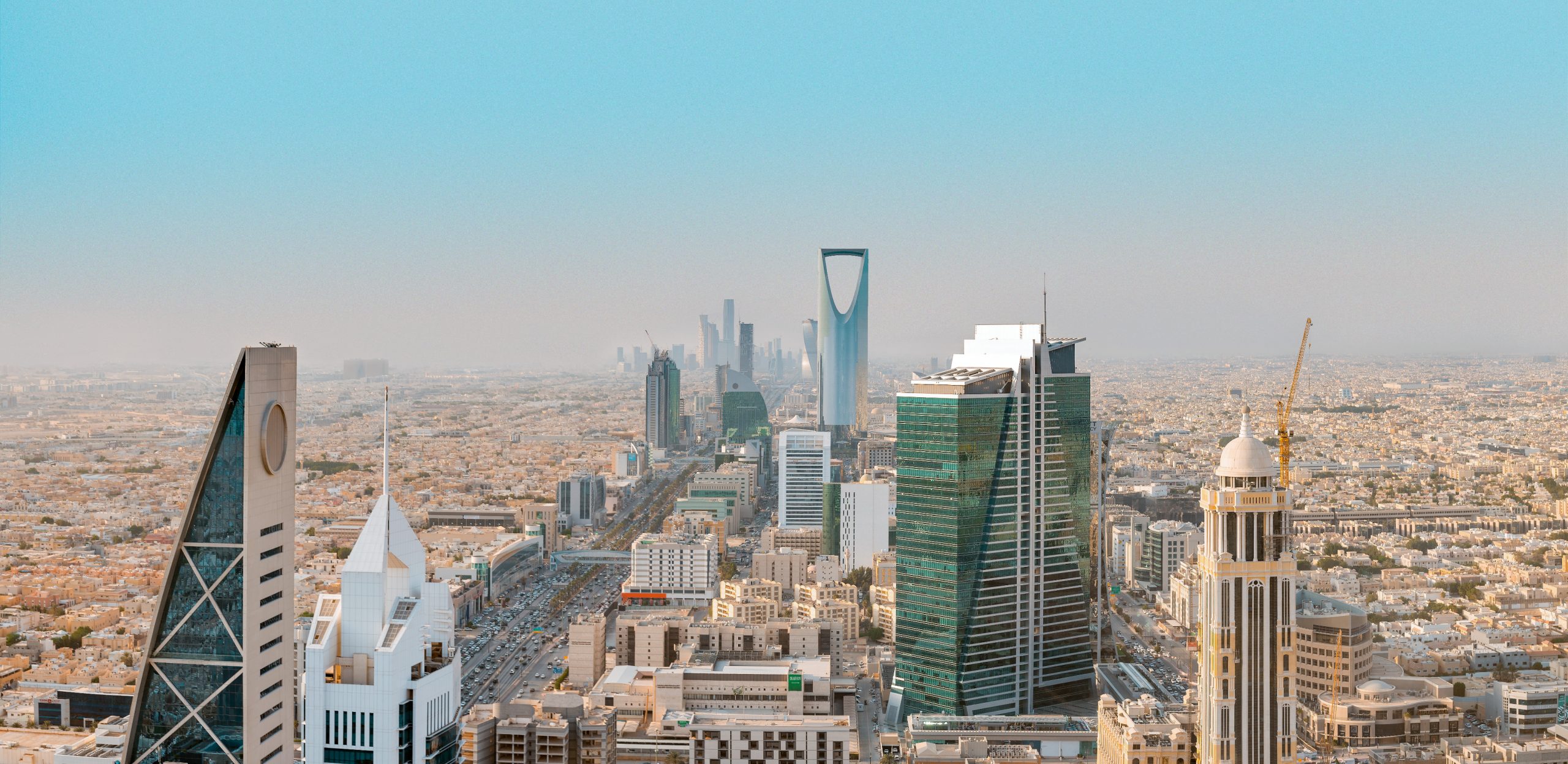
Monday, 3 March—The Saudi Ports Authority (Mawani) introduced two new shipping services connecting Saudi Arabia to Oman, India and Iraq, aiming to enhance Saudi exports and imports, and strengthen the Kingdom’s role as a logistics hub. The India Red Sea Express (BIGEX3) will link Jeddah Islamic Port to ports in India and Oman, while the India Upper Gulf Express (BIGEX4) will connect Dammam to India and Iraq. BIGEX3 can carry 2,633 standard 20-foot containers (TEUs), and BIGEX4 can carry 3,527 TEUs.
Wednesday, 26 February—Saudi Arabia raised €2.25 billion through a euro-denominated bond sale, which included its first green tranche, as part of its Global Medium-Term Note Issuance Program. The offering, split into two tranches, was oversubscribed four times, attracting around €10 billion in orders.
United Arab Emirates

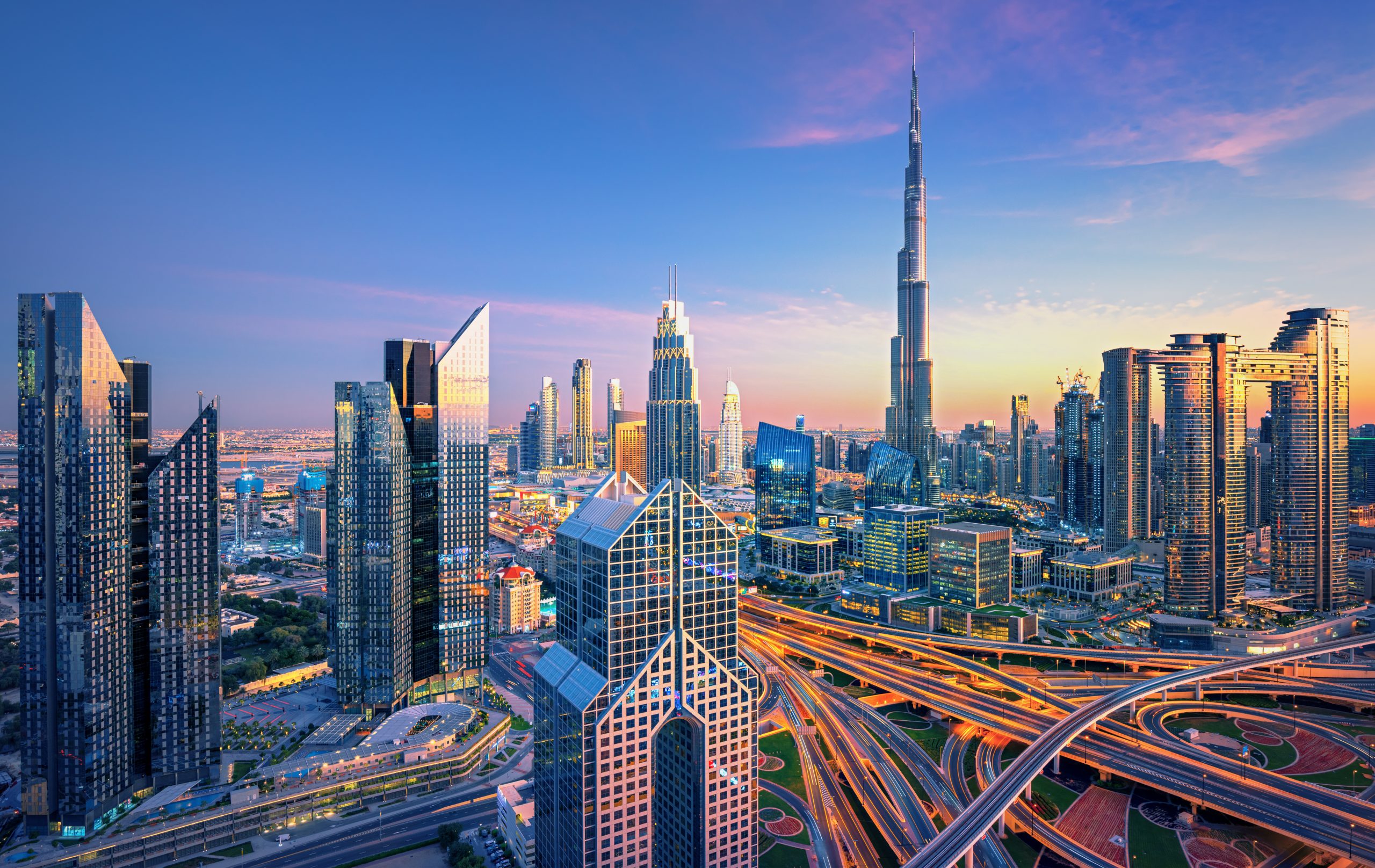
Tuesday, 4 March—The Abu Dhabi National Oil Company (ADNOC) and Austria’s OMV will form a new chemicals joint venture, Borouge Group International, merging their shareholdings in Borouge plc and Borealis AG. Headquartered in Vienna and Abu Dhabi, it will acquire NOVA Chemicals Corporation for 49.2 billion UAE Dirham (AED), forming a global chemicals powerhouse valued at more than AED 220 billion (€56.6 billion), making it the world’s fourth-largest producer of polyolefins.
EU Corner
Wednesday, 26 February—UAE Minister of State for Foreign Trade, Thani bin Ahmed Al-Zeyoudi, and European Commissioner for Trade and Economic Security, Maroš Šefčovič, held virtual discussions on expanding bilateral trade and investment. They emphasised the importance of open, rules-based trade and explored ways to enhance the $67.6 billion (€63.7 billion) non-oil trade exchange in 2024, highlighting the mutual benefits of deepening UAE-EU economic ties at both bilateral and regional levels.
Friday, 28 February—European Commission President, Ursula von der Leyen, and the College of Commissioners visited New Delhi to strengthen EU-India relations, meeting the Prime Minister, Narendra Modi, to advance their Strategic Partnership. Key discussions focused on trade negotiations, security and defence cooperation, and connectivity projects such as the India-Middle East-Europe Corridor (IMEC), with Von der Leyen highlighting the potential for faster trade, energy links, and digital connectivity between India, the Gulf and Europe.
Sunday, 2 March—European Commissioner for the Mediterranean, Dubravka Šuica, and Egypt’s President, Abdullatif Al-Sisi, discussed EU-Egypt Strategic and Comprehensive Partnership, support for Gaza reconstruction and the EU’s upcoming New Pact for the Mediterranean.
Monday, 3 March—European Council President, Antonio Costa, attended on behalf of the EU the emergency Arab League Summit on Gaza and welcomed the Arab Plan for Gaza approved at the meeting. On the margins, he met with Syria’s President ahead of the annual Brussels Conference for Syria on 17 March.
Tuesday, 4 March—European Commission President, Ursula von der Leyen, unveiled the five-point ‘REARM Europe’ plan to increase defence spending following the US suspension of military aid to Ukraine. Von der Leyen stated that the plan could mobilise nearly €800 billion in defence expenditures.
Key Official Visits & Contacts
Wednesday, 26 February—Qatar’s Emir, Tamim bin Hamad Al-Thani, met with Russia’s Foreign Minister, Sergei Lavrov, in Doha to discuss the situation in Gaza, Lebanon, Syria and Ukraine and explore strengthening energy and investment ties, with potential projects worth over $1 billion. A week later, Qatar Chamber Chairman Khalifa bin Jassim Al-Thani held talks with Russia’s Deputy Minister of Industry and Trade, Alexey Gruzdev, on expanding economic cooperation in various sectors, including finance, energy, and pharmaceuticals. Gruzdev highlighted Qatar as the largest Gulf investor in Russia.
Wednesday, 26 February—During his official visit to Switzerland, Saudi Minister of Economy and Planning, Faisal Alibrahim, met with Swiss private sector leaders to explore investment opportunities and advancements in technology, innovation, and AI. He also visited innovation hubs and attended a roundtable with the Swiss Business Federation to strengthen trade relations and discuss joint ventures. Additionally, he held discussions with Swiss Federal Councillor, Guy Bernard Parmelin, on enhancing collaboration in innovation, entrepreneurship, and support for SMEs.
Thursday, 27 February—Greek Prime Minister, Kyriakos Mitsotakis, met with UAE President, Mohamed bin Zayed Al-Nahyan, in Abu Dhabi to strengthen economic and investment ties. They discussed future collaboration in digital technology, AI, data centres, and renewable energy, with Greece highlighted as a key hub for economic and energy connections between India, the Middle East, and Europe. With the UAE exceeding its €4 billion investment target in Greece, both leaders explored further cooperation in tourism, agriculture, and connectivity. They also addressed regional issues, particularly Syria, and Mitsotakis invited UAE President to visit Greece.
Thursday, 27 February—Saudi Foreign Minister, Faisal bin Farhan Al-Saud, held a telephone conversation with Bulgarian Foreign Minister, Georg Georgiev, to discuss bilateral relations and mutual interests. Earlier, Saudi Ambassador to Bulgaria, Rami Al-Otaibi, met with Bulgarian Minister of Defence, Atanas Zapryanov, and Minister of the Interior, Daniel Mitov, in Sofia to strengthen ties and explore cooperation opportunities, including joint efforts to combat organised crime, terrorism, drug trafficking, cyber threats, and illegal immigration.
Thursday, 27 February—Pakistan and the UAE signed key agreements to enhance cooperation in mining, railways, banking, and infrastructure during Abu Dhabi Crown Prince Khaled bin Mohamed bin Zayed Al-Nahyan’s first official visit to Islamabad. As Pakistan navigates economic recovery, Prime Minister Shehbaz Sharif highlighted the Uzbekistan-Afghanistan-Pakistan Railway project, emphasising its potential to benefit Gwadar and Abu Dhabi ports and transform regional trade.
Thursday, 27 February—The Saudi-Hellenic Round Table Meeting in Riyadh focused on strengthening trade and investment ties between Saudi Arabia and Greece, particularly in the construction sector. Co-chaired by Saudi Minister of Commerce, Majid Al-Kassabi, and Greek Deputy Foreign Minister for Economic Diplomacy, Tasos Chatzivasileiou, the meeting brought together key Saudi investment entities and Greek companies to explore trade cooperation and economic opportunities.
Friday, 28 February—UK Security Minister, Dan Jarvis, visited the UAE, where he met with the Minister of State, Ahmed bin Ali Al-Sayegh, and the Dubai Police Commander in Chief to strengthen the UK-UAE partnership against illicit financial flows. Both countries agreed to enhance judicial cooperation, align their efforts in tackling illicit finance and target criminal financial networks through initiatives like the Combined Anti-Money Laundering Operational Team (CAMLOT).
Friday, 28 February—The UAE and Iran held their first-ever political consultations in Abu Dhabi, co-chaired by UAE Assistant Minister for Political Affairs, Lana Nusseibeh, and Iran’s Deputy Foreign Minister for Political Affairs, Majid Takht Ravanchi. The talks focused on issues of mutual interest and ways to deepen cooperation. Ravanchi also met with UAE President’s Diplomatic Adviser, Anwar Gargash.
Monday, 3 March—President Joseph Aoun arrived in Riyadh for his first foreign visit since taking office, marking the first visit by a Lebanese head of state to Saudi Arabia in six years. In talks with Crown Prince and Prime Minister, Mohammed bin Salman Al-Saud, Aoun expressed his commitment to strengthening diplomatic and economic ties, aligning with Saudi Arabia’s Vision 2030, and ensuring state control over arms. The leaders reaffirmed their commitment to fully implementing the Taif Agreement, applying international resolutions, and upholding Lebanon’s sovereignty. They also agreed to address barriers to Lebanese exports to Saudi Arabia and facilitate travel for Saudi citizens to Lebanon.
Tuesday, 4 March—Saudi Arabia’s Defence Minister, Khalid bin Salman Al-Saud, met with Slovak Deputy Prime Minister and Defence Minister, Robert Kalinak, in Riyadh. The discussions focused on bilateral security and defence relations, regional and international developments, and other mutual interests.
Tuesday, 4 March—Saudi Minister of State for Foreign Affairs, Cabinet Member, and Climate Affairs Envoy, Adel bin Ahmed Al-Jubeir, received the Special Envoy of the French President to Lebanon, Jean-Yves Le Drian, in Riyadh to discuss regional developments and issues of common interest.