


5 Top Points
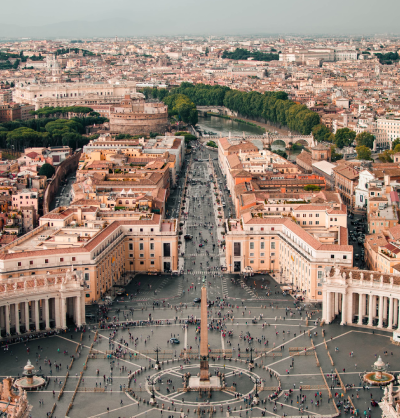
- UAE President visited Albania and Italy to strengthen trilateral partnership, plans to invest $40 billion in Italy.
- Saudi Arabia hosted informal GCC, Egypt, and Jordan summit to explore alternative Gaza reconstruction plan.
- Bahrain’s Intra-Islamic Dialogue Conference called for unity and an end to sectarianism.
- Qatar’s Emir met with Iran’s President and Supreme Leader to discuss bilateral relations, regional diplomacy, and releasing frozen assets.
- Oman’s Foreign Minister embarked on Central Asia tour to enhance bilateral relations and economic cooperation.
‘Round and About the Gulf
Kingdom of Bahrain

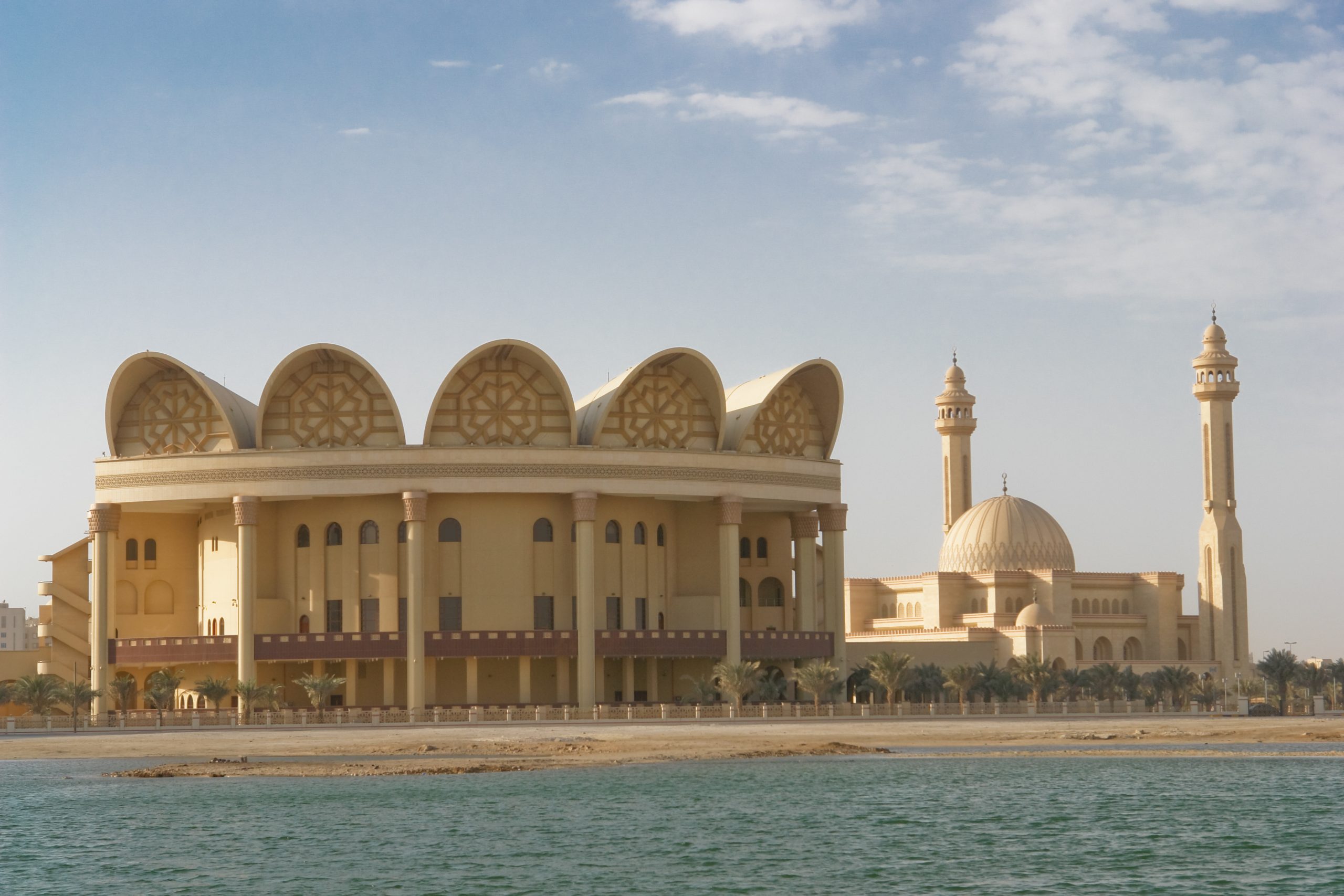
Wednesday, 19 February—The Intra-Islamic Dialogue Conference in Bahrain brought together over 400 scholars, including Al-Azhar’s Grand Imam, to promote Islamic unity and shared perspectives. It concluded with the ‘Nida’ Ahl Al Qibla’ Declaration, advocating for mutual respect, scholarly dialogue, and cooperation to counter division and extremism. The declaration calls for an end to sectarian rhetoric, greater collaboration among scholars and media, and safeguarding Islamic teachings from political misuse.
State of Kuwait

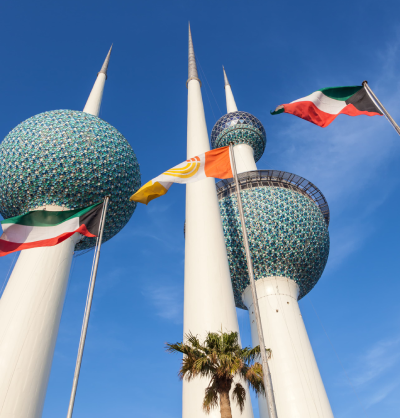
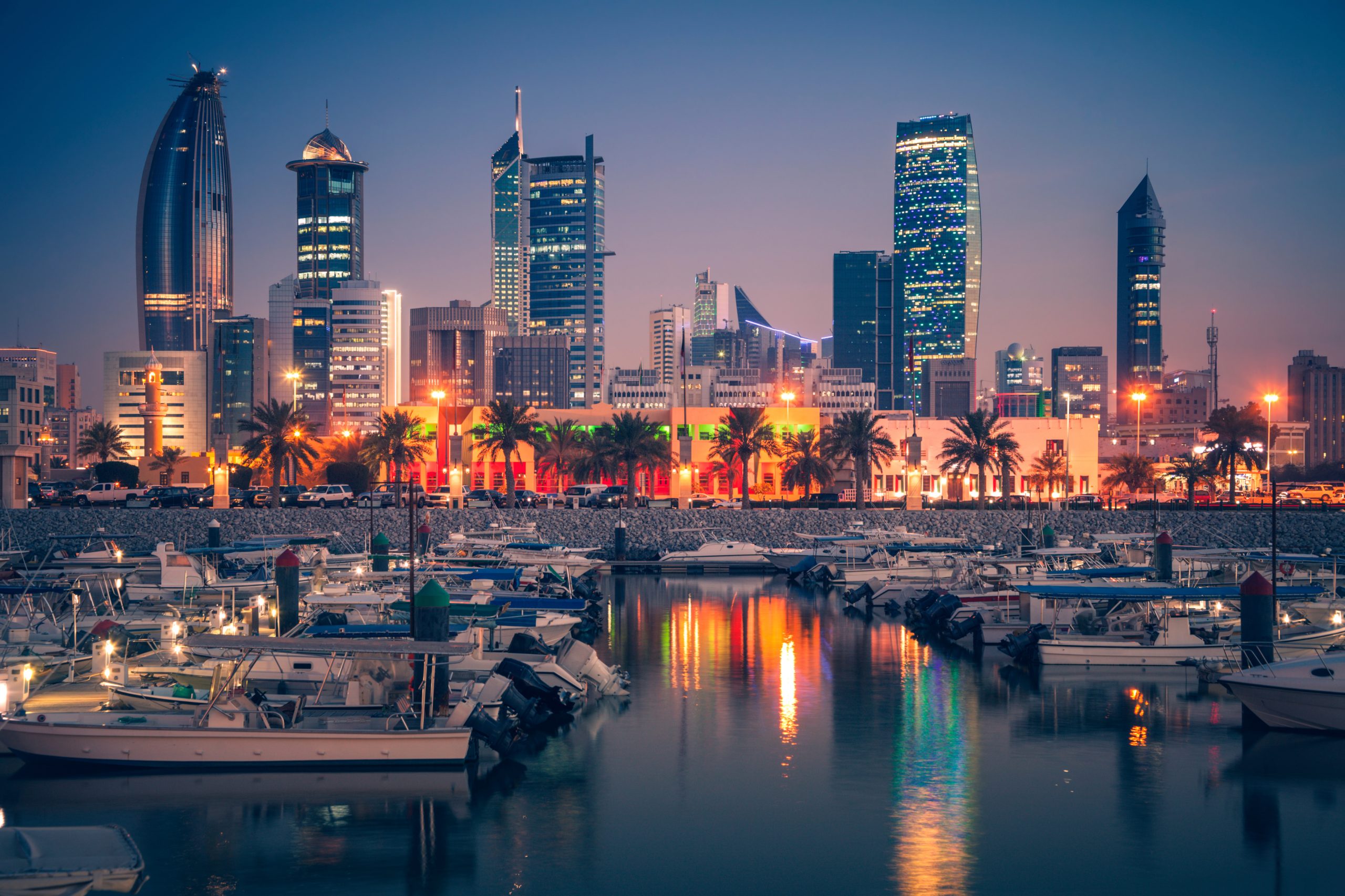
Wednesday, 19 February—Kuwait’s Emir, Meshal Al-Ahmad Al-Jaber Al-Sabah, and Uzbekistan’s President, Shavkat Mirziyoyev, held talks at Bayan Palace, signing four key agreements on labour, air cargo, smart cities, and industry. Bilateral trade reached $6.8 million (€6.5 million) in 2024, driven by Uzbek exports of petroleum, copper, and grapes, while Kuwaiti exports included measuring instruments and tool parts. With Kuwaiti investments in Uzbekistan at $12.6 million (€12 million), the two countries are exploring energy, agriculture, tourism, and Islamic banking for further cooperation.
Sultanate of Oman

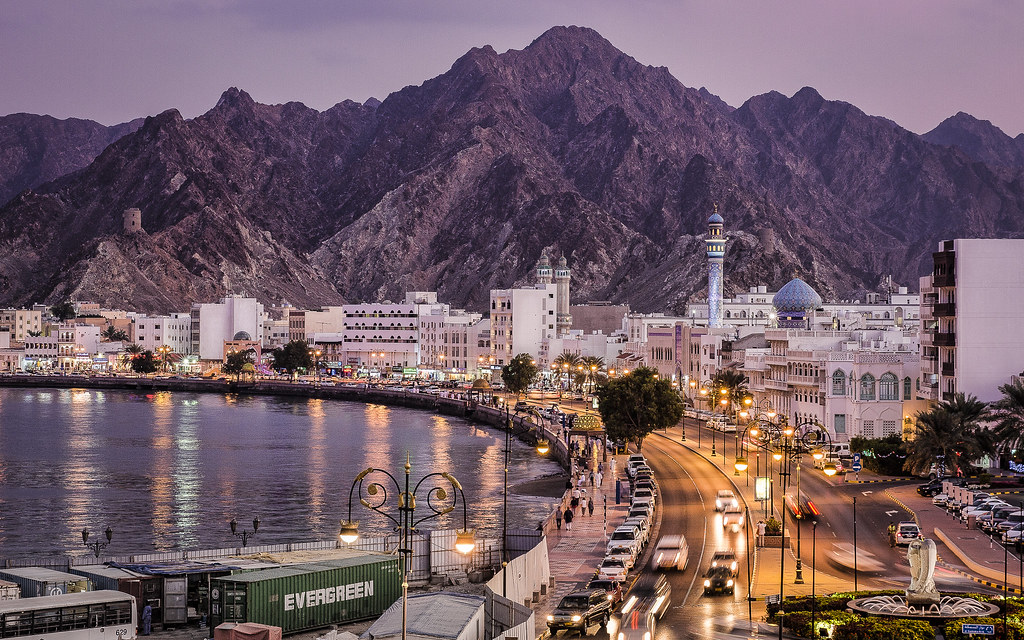
Thursday, 20 February—Oman’s Asyad Shipping, a subsidiary of Oman’s state-owned Asyad Group transporting LNG, crude oil, and other products, launched its initial public offering (IPO), offering 1.042 billion shares worth 128 million rials ($332.48 million), with Qatar Investment Authority’s Falcon Investments and Oman’s Mars Development as key investors. If priced at the top range, Asyad Shipping will be valued at 640.7 million rials ($1.66 billion), with shares expected to list on the Muscat Stock Exchange by 12 March. The IPO is part of Oman’s privatisation strategy to attract foreign investment.
State of Qatar

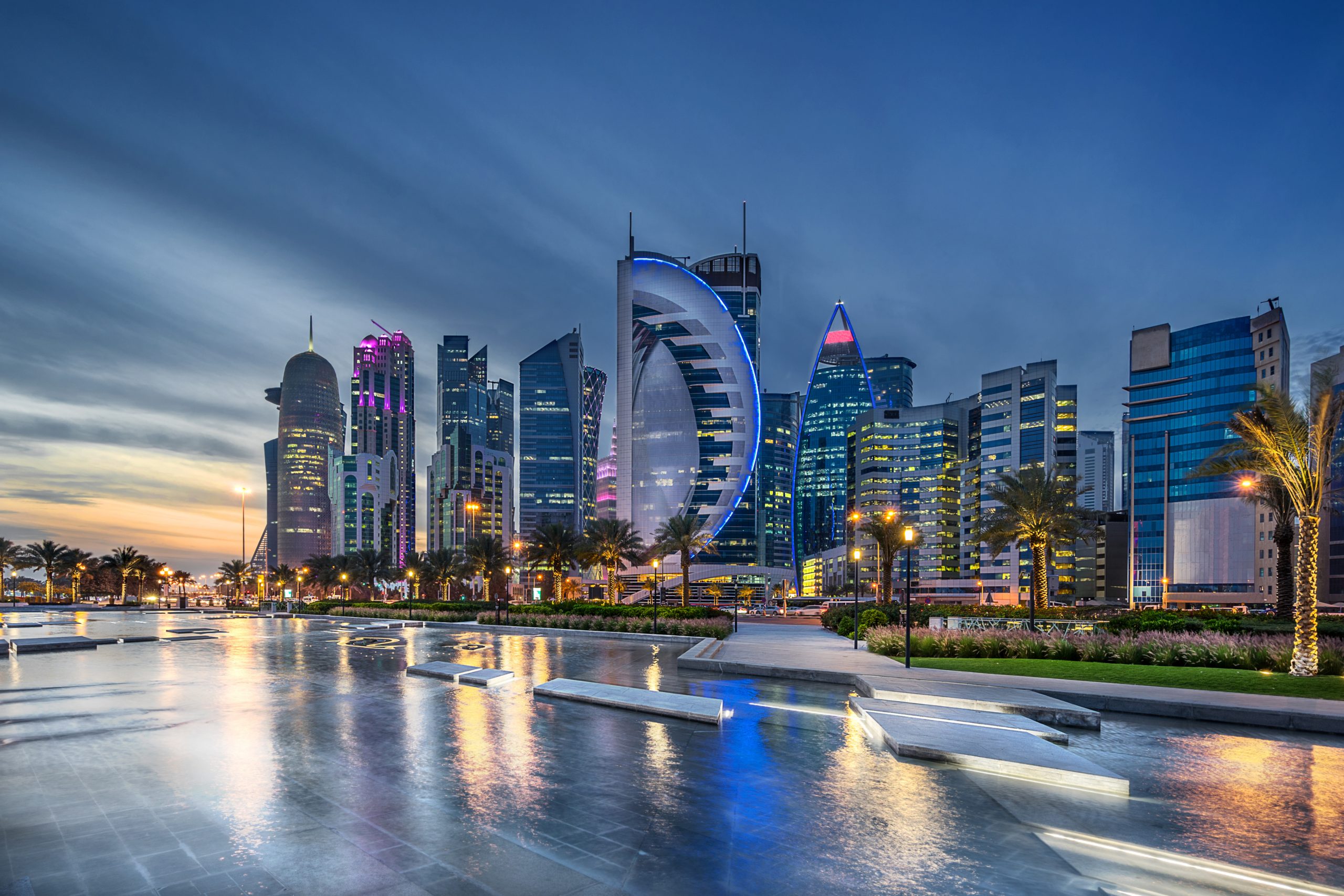
Monday, 24 February—QatarEnergy and Guangzhou Guanggang Gases & Energy Company (G-gas) signed a 20-year agreement for Qatar to supply China with 100 million cubic feet of helium annually. This marks the first direct long-term helium supply deal between the two countries. The signing ceremony, held at QatarEnergy’s Doha headquarters, was attended by senior executives and witnessed by Qatar’s Minister of State for Energy Affairs and CEO of QatarEnergy, Saad Sherida Al-Kaabi.
Kingdom of Saudi Arabia

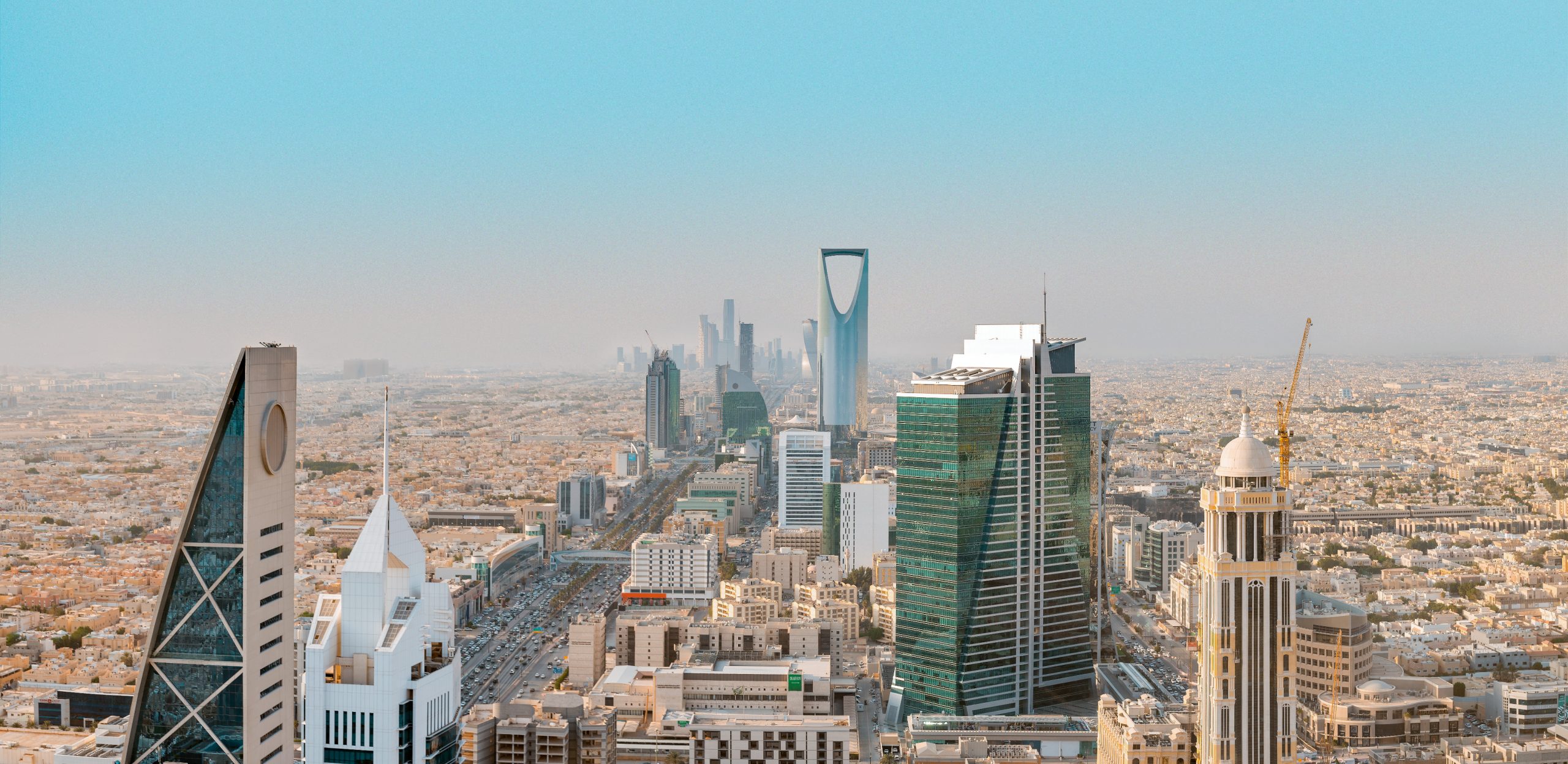
Thursday, 20 February—King Salman bin Abdulaziz Al-Saud officially approved the Saudi Riyal symbol.
Friday, 21 February—Saudi Arabia’s Crown Prince and Prime Minister, Mohammed bin Salman Al-Saud, approved the Kingdom’s implementation of the Personal Status Law system concerning families and marriages. The law sets the legal age for marriage at 18 and grants women the right to annul a marriage unilaterally. The 41-article law was approved in March 2022.
United Arab Emirates

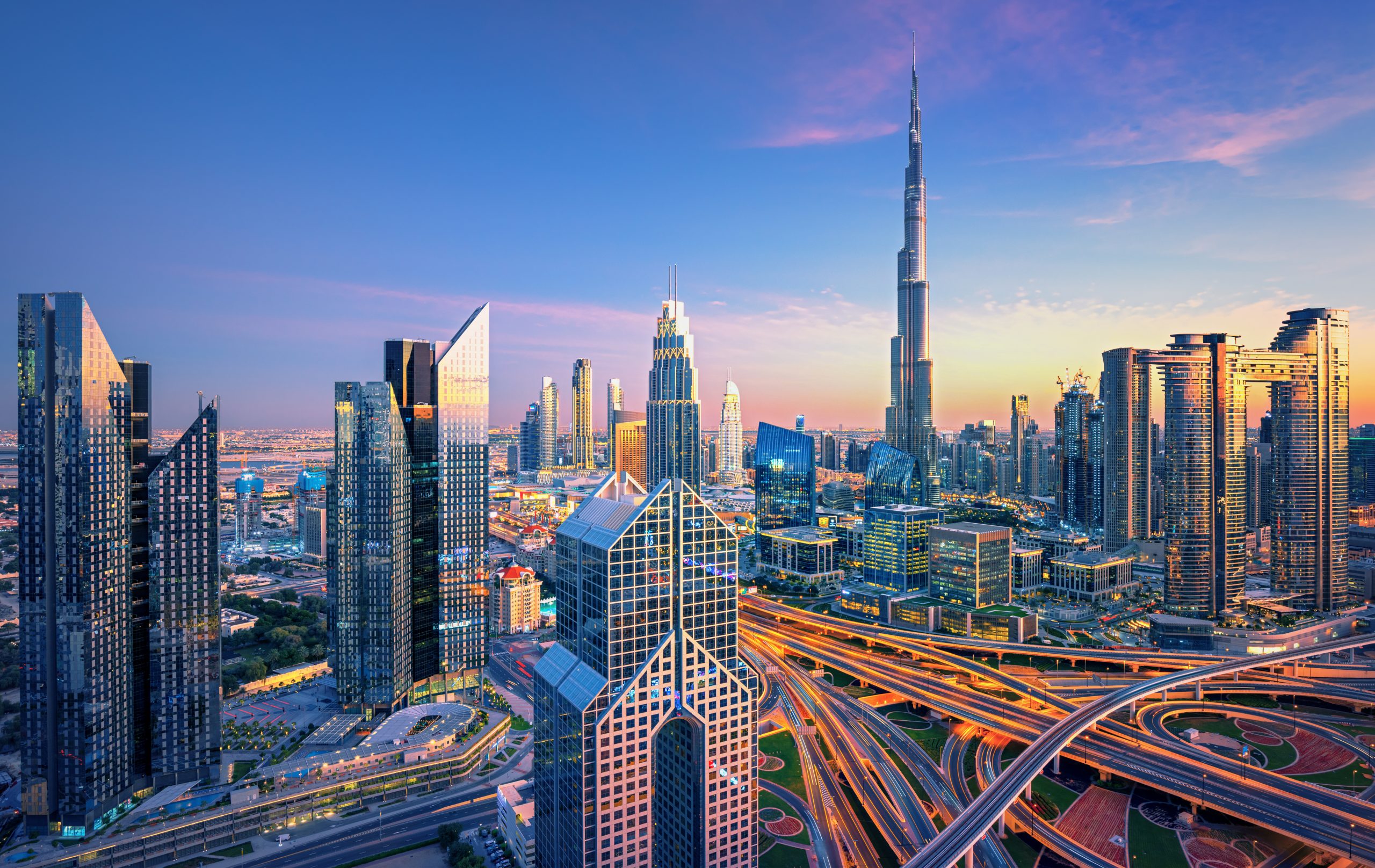
Thursday, 20 February—The IDEX and NAVDEX 2025 exhibitions concluded in Abu Dhabi with the UAE securing 40 defence contracts worth AED23.72 billion. Key deals included agreements with Italy’s Leonardo, France’s Nexter, Sweden’s SAAB, and US Lockheed Martin for helicopters, tanks, and aircraft maintenance, alongside major local contracts for ammunition, military footwear, and technical support. The event reaffirmed the UAE’s commitment to cutting-edge defence acquisitions and global security leadership.
EU Corner
Sunday, 23 February—Kuwait’s Deputy Foreign Minister, Jarrah Jaber Al-Ahmad Al-Sabah, received Director-General of the European Commission’s Directorate General European Civil Protection and Humanitarian Aid Operations (DG ECHO), Maciej Popowski, to discuss humanitarian and development cooperation between the EU and Kuwait.
Monday, 24 February—The EU Council decided to suspend several restrictive measures on Syria to support political transition, economic recovery, and reconstruction. The decision includes lifting sectoral sanctions on energy and transport, unfreezing funds for five Syrian banks, allowing financial transactions for humanitarian and reconstruction purposes, and easing export restrictions on luxury goods for personal use. However, the EU maintains sanctions related to the Al-Assad regime, chemical weapons, illicit drug trade, arms trade, and surveillance equipment, while continuing to monitor the situation and assess further measures.
Monday, 24 February—The EU Council has adopted its 16th sanctions package, imposing targeted restrictive measures on 48 individuals and 35 entities for actions undermining Ukraine’s territorial integrity, sovereignty, and independence. The sanctions target Russia’s military-industrial sector, shadow fleet networks transporting Russian oil, third-country actors aiding Russia’s war effort, notably China, Türkiye and North Korea, and Kremlin-linked propaganda outlets. With this package, EU sanctions now apply to over 2,400 individuals and entities.
Monday, 24 February—The EU Council extended the mandate of the EU Special Representative for the Gulf region, Luigi Di Maio, for additional two years.
Monday, 24 February—Saudi Arabia’s Deputy Minister of Foreign Affairs, Waleed Elkhereiji, received Hana Jalloul, First Vice-Chair of the Foreign Affairs Committee in the European Parliament and Rapporteur on the Kingdom, in Riyadh.
Monday, 24 February—Chairman of the Committee on Defence, Interior, and Foreign Affairs in the UAE Federal National Council, Ali Rashid Al-Nuaimi, received a delegation of the European Parliament’s Delegation for Relations with the Arab Peninsula, led by its Chair Reinhold Lopatka, to discuss strengthening parliamentary cooperation, particularly in political, economic, and cultural fields.
Key Official Visits & Contacts
Wednesday, 19 February—UAE President, Mohamed bin Zayed Al-Nahyan, received US Secretary of State, Marco Rubio, reaffirming UAE’s rejection of any attempts to displace the Palestinian people from their land and highlighting the need for Gaza’s reconstruction to be linked to a path that leads to a ‘comprehensive and lasting peace based on the two-state solution.’ Rubio visited the region for discussions with Russian officials in Saudi Arabia and talks on US President Donald Trump’s post-war Gaza plan, which proposed US control and the relocation of its 2.4 million residents to neighbouring countries.
Wednesday 19 February—Qatar’s Emir, Tamim bin Hamad Al-Thani, visited Iran for high-level talks with President Masoud Pezeshkian and Supreme Leader Ayatollah Ali Khamenei. The visit focused on strengthening bilateral relations, regional diplomacy, and Iran’s frozen assets. Qatar and Iran discussed reactivating a joint commission for infrastructure projects and boosting trade, in addition to the Palestinian issue and the situation in Syria. Khamenei urged Qatar to help facilitate the release of $6 billion (€5.7 billion) in Iranian funds frozen due to international sanctions, which the US had agreed to unfreeze under a 2023 agreement.
Wednesday, 19 February—Saudi Arabia’s Minister of Energy, Abdulaziz bin Salman Al-Saud, reaffirmed the Kingdom’s commitment to bolstering energy ties with Cairo at the Egypt Energy Show 2025, where the two countries signed an executive plan to enhance energy efficiency through regulatory, technical, and capacity-building initiatives. As part of the collaboration, Saudi firms will develop five solar and wind projects in Egypt totalling 1.7 GW and $1.7 billion (€1.6 billion), with ACWA Power also securing a 2 GW wind project in Hurghada. Additionally, Saudi Arabia’s Al-Qahtani Group, UK’s Shard Capital, and UAE-based Royal Strategic Partners signed a $7 billion (€6.7 billion) agreement to build a petrochemical complex in New Alamein City.
Thursday, 20 February—UAE Minister of State for Foreign Trade, Thani bin Ahmed Al-Zeyoudi, led a delegation to Warsaw, Poland, to enhance trade and economic cooperation, two weeks after the Polish President’s visit to the UAE. Discussions with senior Polish officials focused on renewable energy, agriculture, advanced technology, and infrastructure projects, highlighting Poland’s strategic location and infrastructure projects, as well as the UAE’s position as a key gateway for Polish companies into Asia and Africa.
Thursday, 20 February—Dubai’s Deputy Ruler, UAE’s Deputy Prime Minister and Minister of Finance, Maktoum bin Mohammed Al-Maktoum, met with Russia’s Deputy Prime Minister, Dmitry Patrushev, in Dubai. The discussions centred on enhancing bilateral relations, particularly in agriculture, finance and banking. Both parties expressed a commitment to strengthening dialogue between their financial institutions. Russia also indicated readiness to boost exports of grain, meat, and confectionery products to the UAE.
Thursday, 20 February—Saudi Foreign Minister, Faisal bin Farhan Al-Saud, met with UK Secretary of State for Foreign, Commonwealth and Development Affairs, David Lammy, and French Minister for Europe and Foreign Affairs, Jean-Noël Barrot, on the margins of the G20 Foreign Ministers’ Meeting in South Africa.
Friday, 21 February—Saudi Arabia’s Crown Prince and Prime Minister, Mohammed bin Salman Al-Saud, hosted an informal meeting with leaders from five GCC countries, Egypt, and Jordan to discuss plans to rebuild Gaza without displacing its residents, in response to US President Trump’s contentious proposal. The talks served as a precursor to the emergency Arab Summit in Cairo on 4 March. Attendees included Bahrain’s Crown Prince and Prime Minister Salman bin Hamad Al-Khalifa, Egypt’s President Abdel Fattah Al-Sisi, Jordan’s King Abdullah II and Crown Prince Hussein, Kuwait’s Emir Meshal Al-Ahmad Al-Sabah, Qatar’s Emir Tamim bin Hamad Al-Thani, and UAE’s President Mohammed bin Zayed Al-Nahyan alongside National Security Adviser Tahnoun bin Zayed Al-Nahyan.
Friday, 21 February—UAE Minister of State, Shakhboot bin Nahyan Al-Nahyan, met with Swiss diplomats — Arthur Mattli, Ambassador to the UAE, Sylvain Estier, Special Envoy for the Horn of Africa, and Wolfgang Amadeus Brülhart, Special Envoy for the Middle East and North Africa — in Abu Dhabi to discuss developments in the Horn of Africa. They explored ways to enhance cooperation between the UAE and Switzerland to support stability and diplomatic efforts in Africa and beyond. Both sides reaffirmed the importance of ongoing dialogue in addressing regional challenges and enhancing security.
Saturday, 22 February—Belarusian Prime Minister, Roman Golovchenko, visited Qatar, where he engaged in high-level discussions with Qatari officials, including Deputy Prime Minister and Minister of State for Defence Affairs, Saoud bin Abdulrahman Al-Thani, focused primarily on investments projects and opportunities, notably in construction, energy, and information and telecommunication technologies.
Sunday, 23 February—UAE President, Mohamed bin Zayed Al-Nahyan, travelled to Albania and Italy, one month after the three countries signed a tripartite strategic energy partnership. In Tirana, he met with Albanian Prime Minister Edi Rama to discuss Balkan stability and strengthen economic, energy, and tech ties, while also overseeing renewable energy and smart city security agreements. In Rome, the UAE President met with Italy’s Prime Minister, Giorgia Meloni, and UAE pledged to invest $40 billion (€38 billion) in Italy. The two countries signed over 40 deals in defence, industry, advanced technology, artificial intelligence, energy, health, culture, education, scientific research, transportation, space, mining, and building economic partnerships with African countries. He also met with President Sergio Mattarella.
Monday, 24 February—US Defence Secretary, Pete Hegseth, met with Saudi Defence Minister, Khalid bin Salman Al-Saud, in Washington, DC, to strengthen military and defence cooperation. Their discussions focused on regional security, strategic coordination, and addressing shared security challenges.
Monday, 24 February—Bahrain’s Foreign Minister, Abdullatif bin Rashid Al Zayani, met with his Iranian counterpart, Abbas Araghchi, in Geneva during the 58th UN Human Rights Council session. They discussed strengthening bilateral ties, regional security, and Gulf cooperation, stressing the importance of good neighbourliness. Both condemned the forced displacement of Palestinians from Gaza and called for joint efforts to tackle the humanitarian crisis.
Monday, 24 February—Oman’s Foreign Minister, Badr bin Hamad Al-Busaidi, conducted a diplomatic tour to Central Asia, visiting Azerbaijan, Uzbekistan, and Kazakhstan to strengthen bilateral ties and economic cooperation. In Baku, he held political consultations and welcomed the opening of an Azerbaijani embassy in Muscat. In Tashkent, he met with President Shavkat Mirziyoyev to discuss trade, investment, and regional collaboration, including the upcoming 2nd Central Asia-Gulf Summit. In Astana, met with Deputy Prime Minister and Foreign Minister, Murat Nurtleu, to discuss economy, culture, and tourism ties as well as investment initiatives, supporting Oman’s proposal to establish a Direct Investment Fund targeting Kazakhstan and neighbouring countries.