


5 Top Points
- Saudi Arabia hosted Syrian and Lebanese Defence Ministers for border security talks.
- Qatar and Egypt advance new Gaza ceasefire proposal amid regional escalation.
- UAE expanded clean energy presence in Europe with major Spanish solar project.
- Kuwait approved $97 billion international borrowing law to boost long-term fiscal stability.
- Bahrain launched bid for UN Security Council seat for 2026–2027 term.
‘Round and About the Gulf
Kingdom of Bahrain

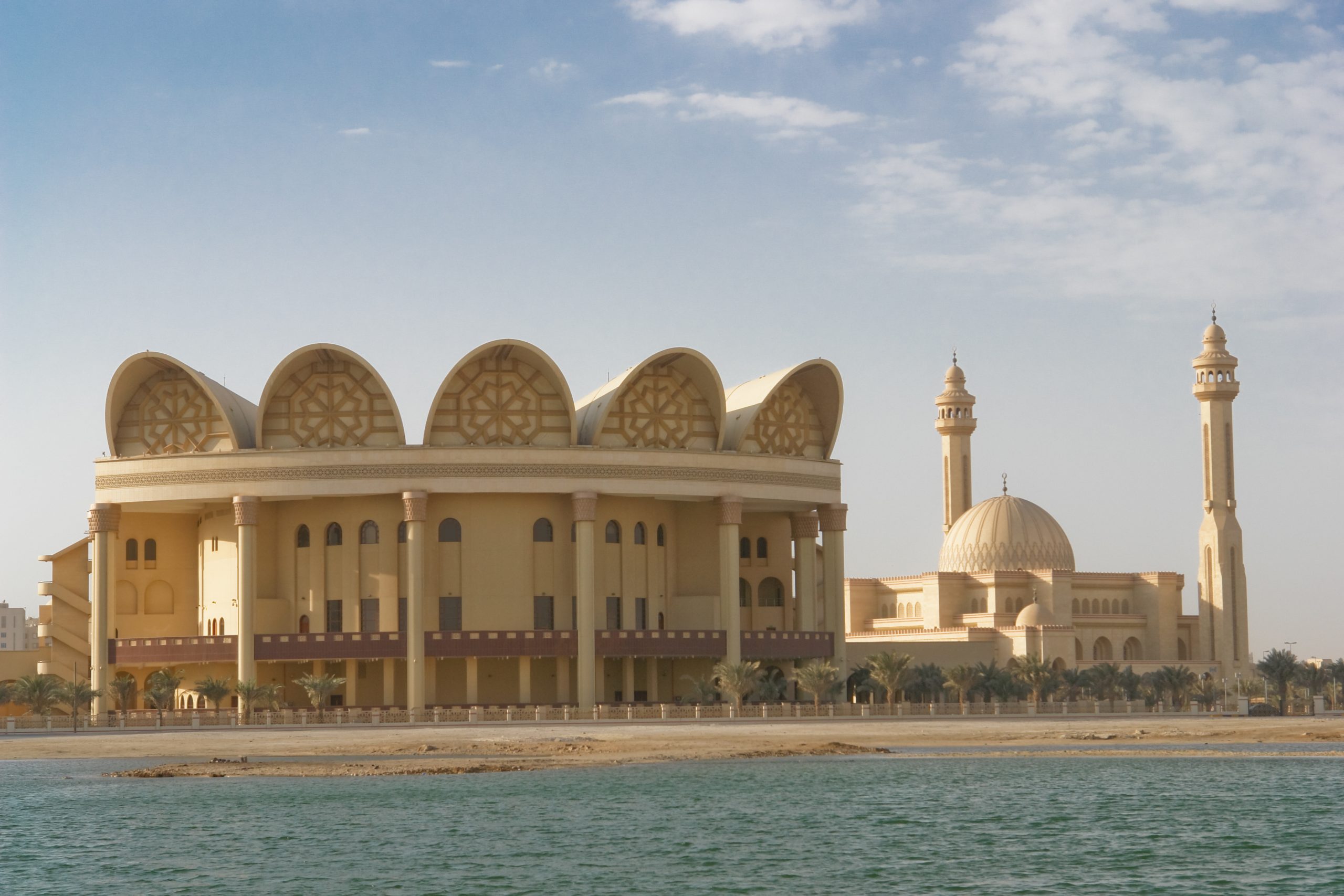
Wednesday, 26 March—Bahrain’s Cabinet approved the Kingdom’s official candidacy for a non-permanent seat on the United Nations Security Council for the 2026–2027 term.
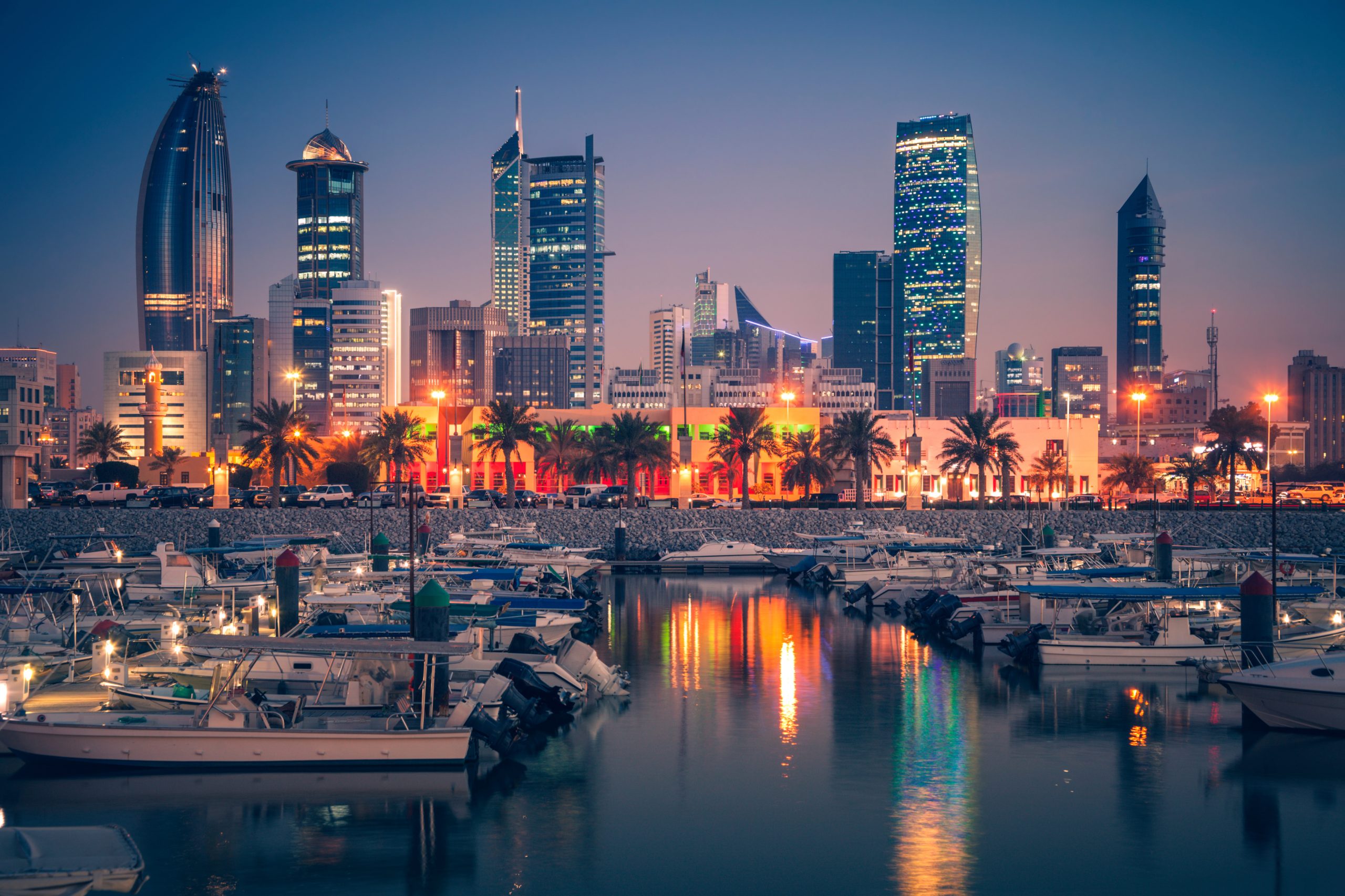
State of Kuwait

Thursday, 27 March— Kuwait issued a new law through a decree that allows the government to borrow up to KD30 billion ($97.4 billion) from international markets for the first time since 2017, when the previous borrowing law expired. The law also permits the issuance of financial instruments with maturities of up to 50 years, aimed at strengthening financial stability, supporting long-term development, and enhancing Kuwait’s credit rating in line with its Vision 2035.
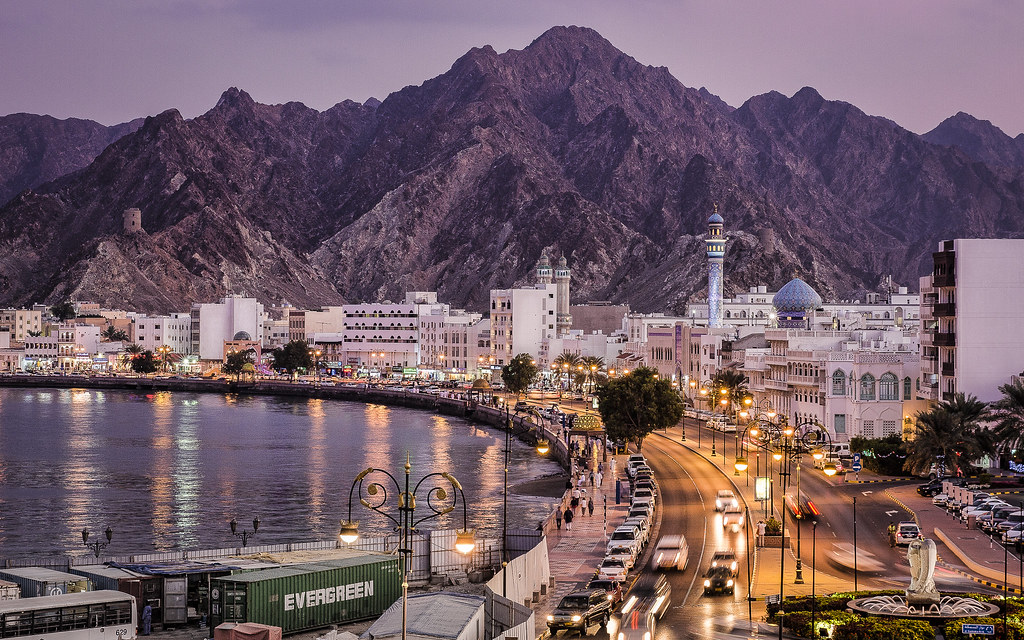
Sultanate of Oman

Thursday, 27 March—Iran has responded to a message from US President Donald Trump, delivered via Oman, in which he called for a new nuclear deal. Iran’s Foreign Minister, Abbas Araqchi, said Tehran rejected direct talks under pressure but expressed openness to indirect negotiations; days later, Trump threatened Iran with military strikes and further sanctions if an agreement was not reached.
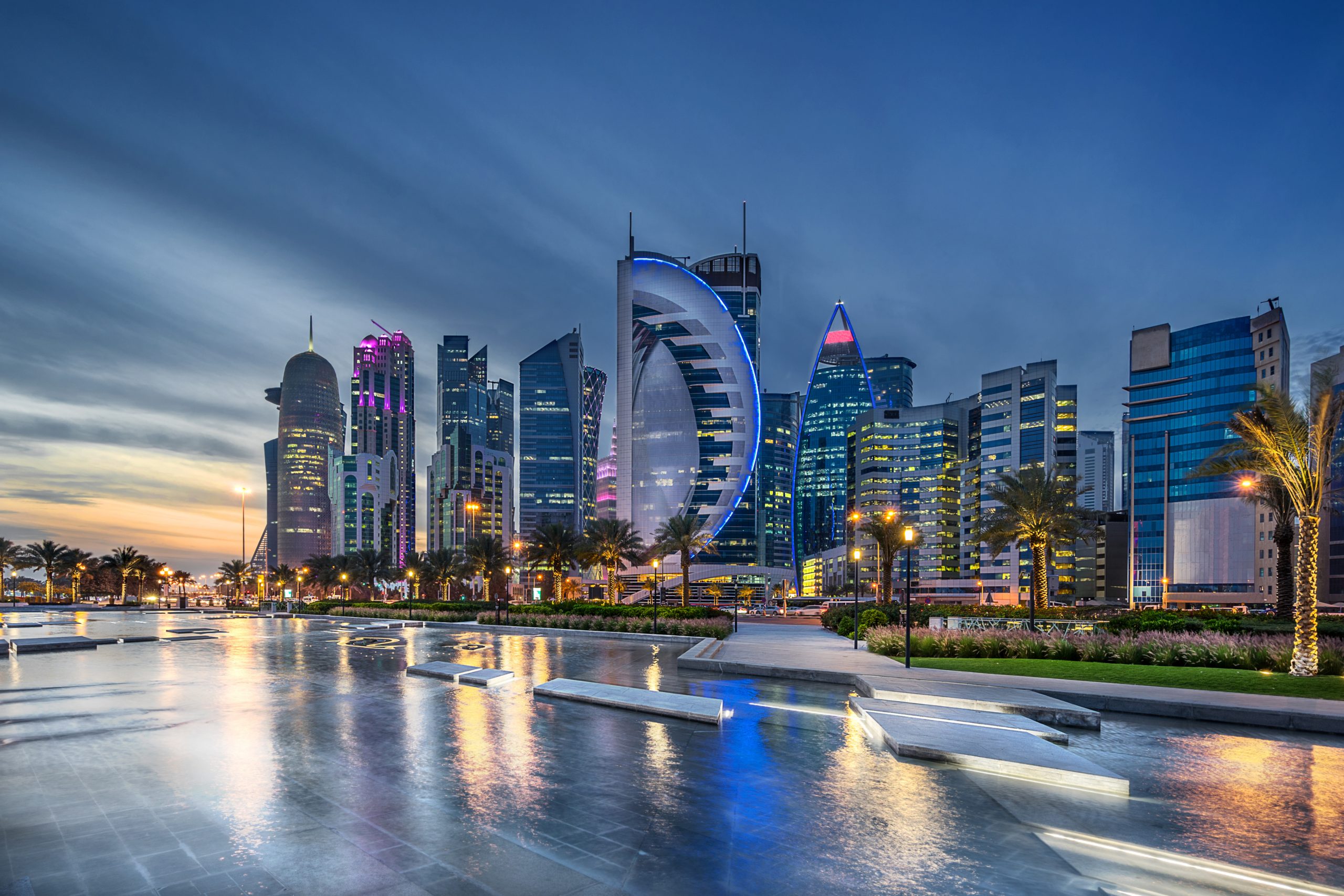
State of Qatar

Wednesday, 26 March—Egyptian Foreign Minister, Badr Abdelatty, and Qatari Prime Minister, Mohammed bin Abdulrahman Al-Thani, held telephone talks to advance efforts to restore the Gaza ceasefire and implement the 19 January agreement, amid renewed Israeli military operations aimed at pressuring Hamas to release hostages. They stressed the importance of ongoing coordination with the US to reduce tensions and later presented a new ceasefire proposal with a transitional phase to Israel and Hamas.
Thursday, 27 March—Qatar announced another successful mediation of the reunification of two more groups of children with their families in Ukraine and Russia.
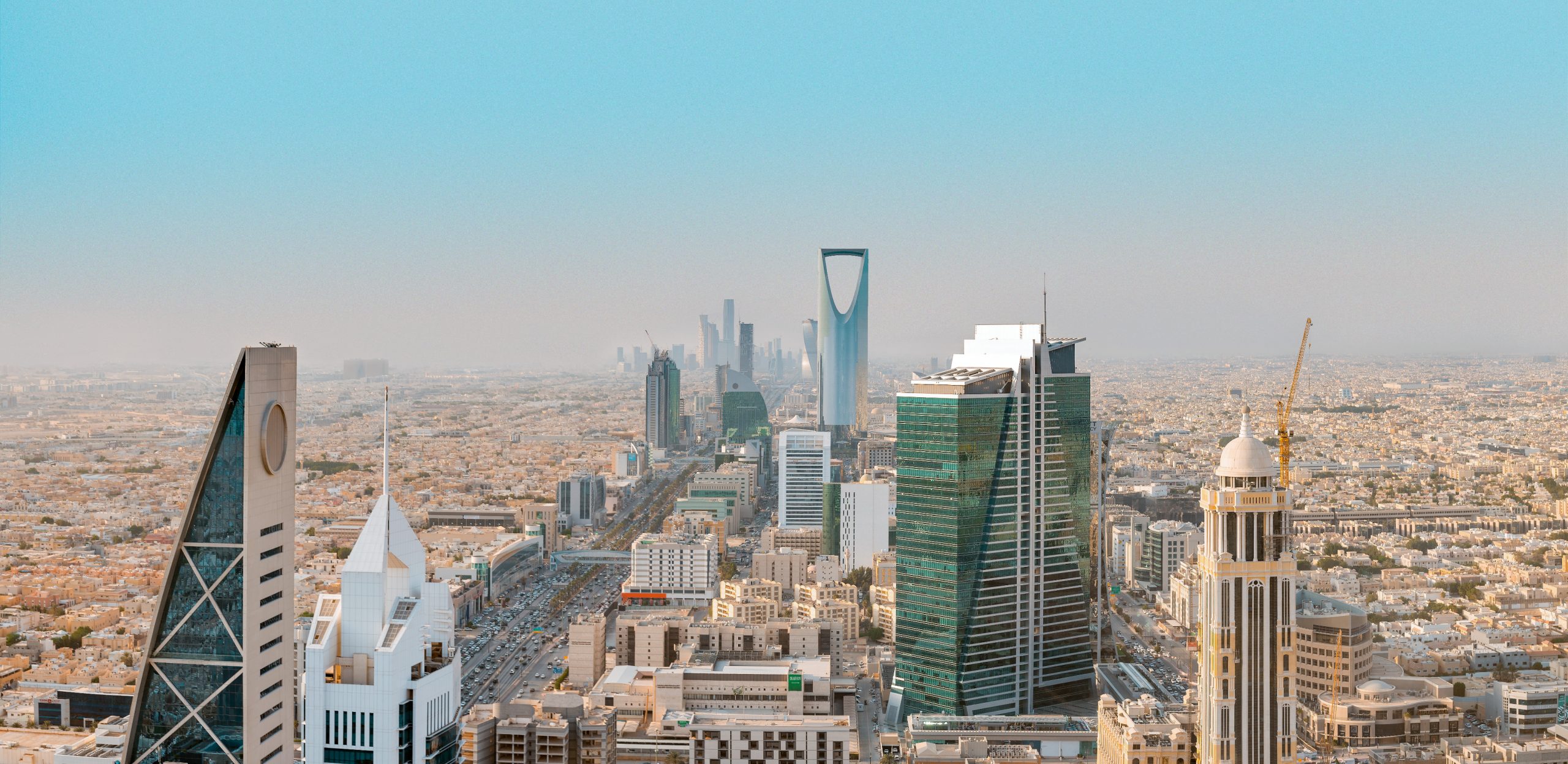
Kingdom of Saudi Arabia

Thursday, 27 March—Saudi Arabia hosted the Defence Ministers of Syria and Lebanon, Murhaf Abu Qasra and Michel Menassa, for a security coordination meeting in Jeddah, attended by Saudi Defence Minister, Khalid bin Salman Al-Saud. The meeting resulted in an agreement highlighting the strategic importance of border demarcation, the formation of joint committees, and mechanisms to address security threats, particularly on the Syrian-Lebanese border, with a follow-up meeting planned in Saudi Arabia.
Thursday, 27 March—King Salman bin Abdulaziz Al-Saud issued two Royal Orders: promoting Major General Saleh bin Abdulrahman Al-Harbi to Lieutenant General and appointing him Head of the Military Apparatus, and appointing Khalid bin Bandar Al-Saud, Saudi Ambassador to the UK, as an advisor at the Ministry of Foreign Affairs.
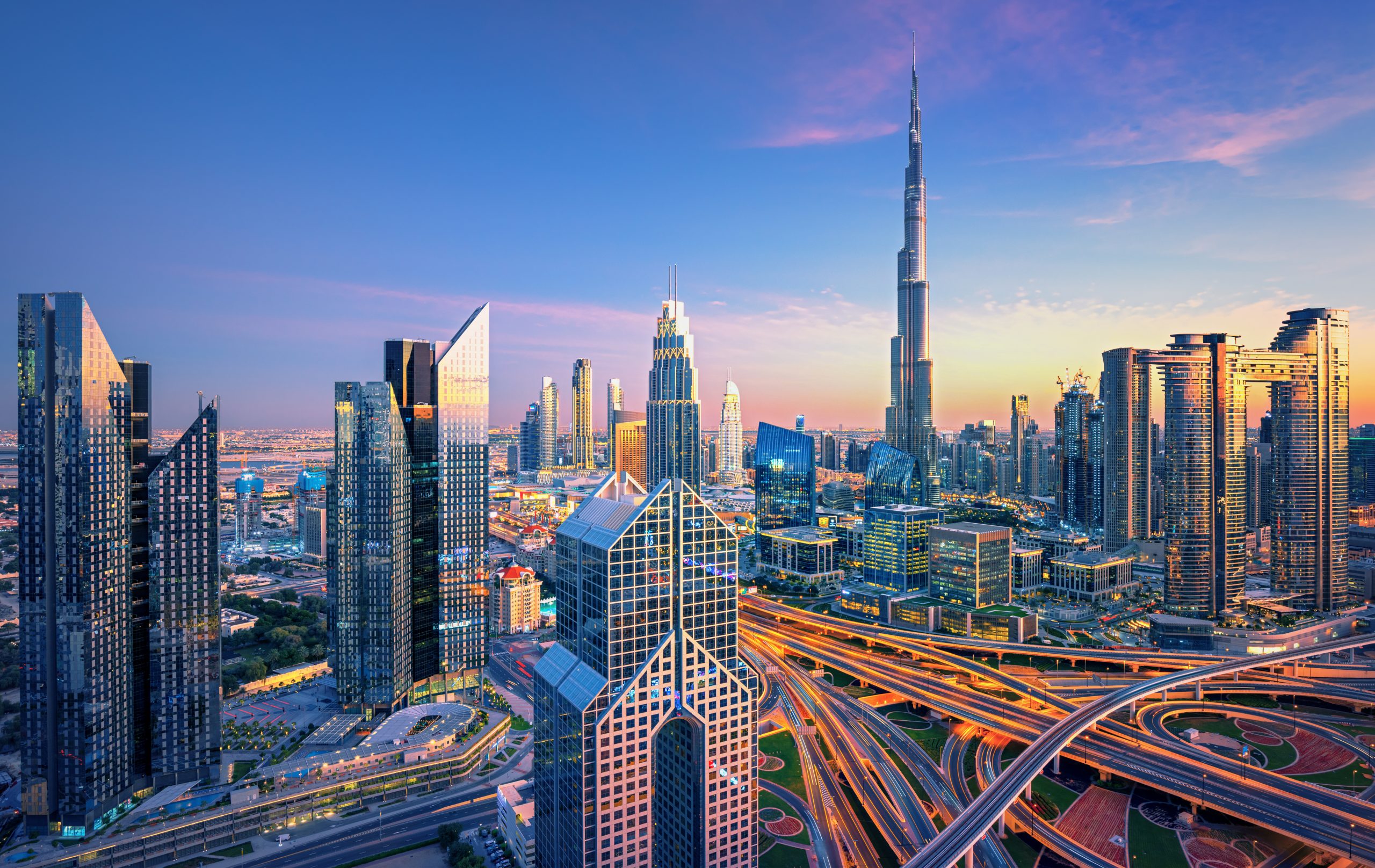
United Arab Emirates

Sunday, 30 March—Since launching in 2021, the UAE’s Comprehensive Economic Partnership Agreement (CEPA) programme has led to 26 trade deals by early 2025, including new agreements this year with Malaysia, New Zealand, Kenya, Ukraine, and the Central African Republic. With several deals already in force and others nearing finalisation—most notably with Japan—the programme continues to strengthen the UAE’s global trade ties and private sector opportunities.
Thursday, 27 March—UAE renewable energy company Masdar, through its subsidiary Saeta, announced investment in Valle Solar, one of the largest solar PV projects in Spain’s Valencia region. The 234 MW plant, with potential for a 259 MW battery storage system, is set to begin operations in 2027. Valle Solar marks a key milestone in Masdar’s European expansion and supports its goal of reaching 100GW in clean energy capacity by 2030.
Thursday, 27 March—The UAE’s Central Bank unveiled a new symbol for the national currency, the Dirham, and announced significant progress on the Digital Dirham initiative, a key component of the Financial Infrastructure Transformation Programme.
EU Corner
Wednesday, 26 March—The EU’s ban on re-exporting Russian LNG via its ports came into effect, aiming to reduce Moscow’s revenues following the invasion of Ukraine. The impact is expected to be limited, as such trans-shipments account for less than 10% of Russia’s LNG exports, and the EU will continue purchasing Russian LNG while gradually reducing reliance by 2027 through increased imports from suppliers such as Norway, Qatar, and the US.
Wednesday, 26 March—The EU launched the Preparedness Union Strategy to enhance its capacity to prevent and respond to emerging threats, including geopolitical tensions, hybrid and cyberattacks, disinformation, climate change, and natural disasters. The strategy outlines 30 key actions aimed at protecting essential services, improving crisis coordination, strengthening civil-military cooperation, promoting public preparedness, and reducing strategic dependencies through closer external partnerships.
Thursday, 27 March—At the 20th EU-Central Asia Ministerial Meeting in Ashgabat, the EU and five Central Asian countries reaffirmed their commitment to deepening cooperation in areas such as trade, energy, climate change, digitalisation, and security. They also stressed respect for international law, discussed regional stability—including developments in Afghanistan and Ukraine—and prepared for the first EU-Central Asia Summit, set for 4 April 2025 in Samarkand, Uzbekistan.
Monday, 31 March—The EU welcomed the formation of Syria’s new transitional government and expressed its readiness to support efforts in addressing the country’s challenges. It reiterated its support for a Syrian-led, inclusive transition ensuring accountability and national reconciliation, while calling on all external actors to respect Syria’s unity and territorial integrity.
Key Official Visits & Contacts
Friday, 28 March—Saudi Arabia’s Crown Prince and Prime Minister, Mohammed bin Salman Al-Saud, met in Mecca with Sudan’s Sovereign Council Head and Army Chief, Abdel Fattah Al-Burhan, to discuss the situation in Sudan and ongoing efforts to address it. They also agreed to establish a coordination council to strengthen bilateral relations across all fields.
Friday, 28 March—UAE President, Mohamed bin Zayed Al-Nahyan, and Vice President, Mohammed bin Rashid Al-Maktoum, held separate meetings with Montenegro’s Prime Minister, Milojko Spajić, during his working visit to the UAE. Discussions focused on enhancing cooperation in trade, renewable energy, infrastructure, tourism, and technology, with bilateral agreements signed in the fields of economy and tourism.
Friday, 28 March—Saudi Arabia’s Crown Prince and Prime Minister, Mohammed bin Salman Al-Saud, held a phone call with Dutch Prime Minister, Dick Schoof, to discuss opportunities to deepen bilateral relations, Saudi Arabia’s hosting of the Ukraine talks, and the latest developments in Gaza.
Monday, 31 March—US President, Donald Trump, announced plans to visit Saudi Arabia, Qatar, and the UAE in May, marking his first official foreign trip.