


5 Top Points
- The EU and the UAE agreed to launch free trade agreement negotiations.
- Oman hosted first round of US-Iran talks, second round set for Italy.
- Saudi Crown Prince and French President discussed two-state solution plans.
- Oman and the Netherlands signed hydrogen agreements during Sultan Haitham’s visit.
- US and Saudi Arabia agreed to cooperate on developing Saudi civil nuclear programme.
‘Round and About the Gulf
Kingdom of Bahrain

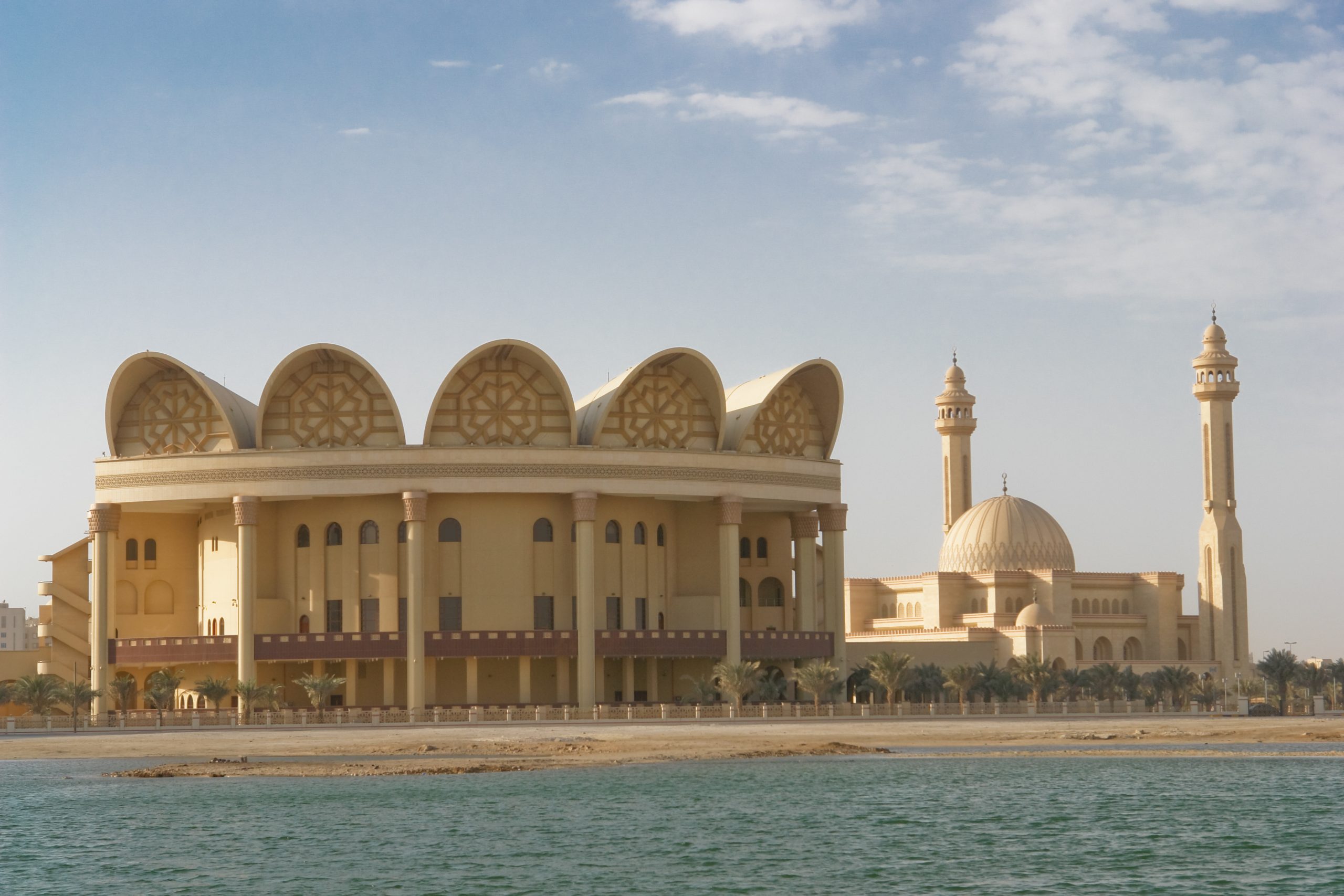
Sunday, 13 April—Bahrain welcomed Oman’s hosting of high-level talks between the United States and Iran, expressing support for diplomatic initiatives aimed at resolving regional disputes through peaceful means. Bahrain, along with other GCC states, voiced hope that the dialogue would contribute to regional and international stability.
State of Kuwait

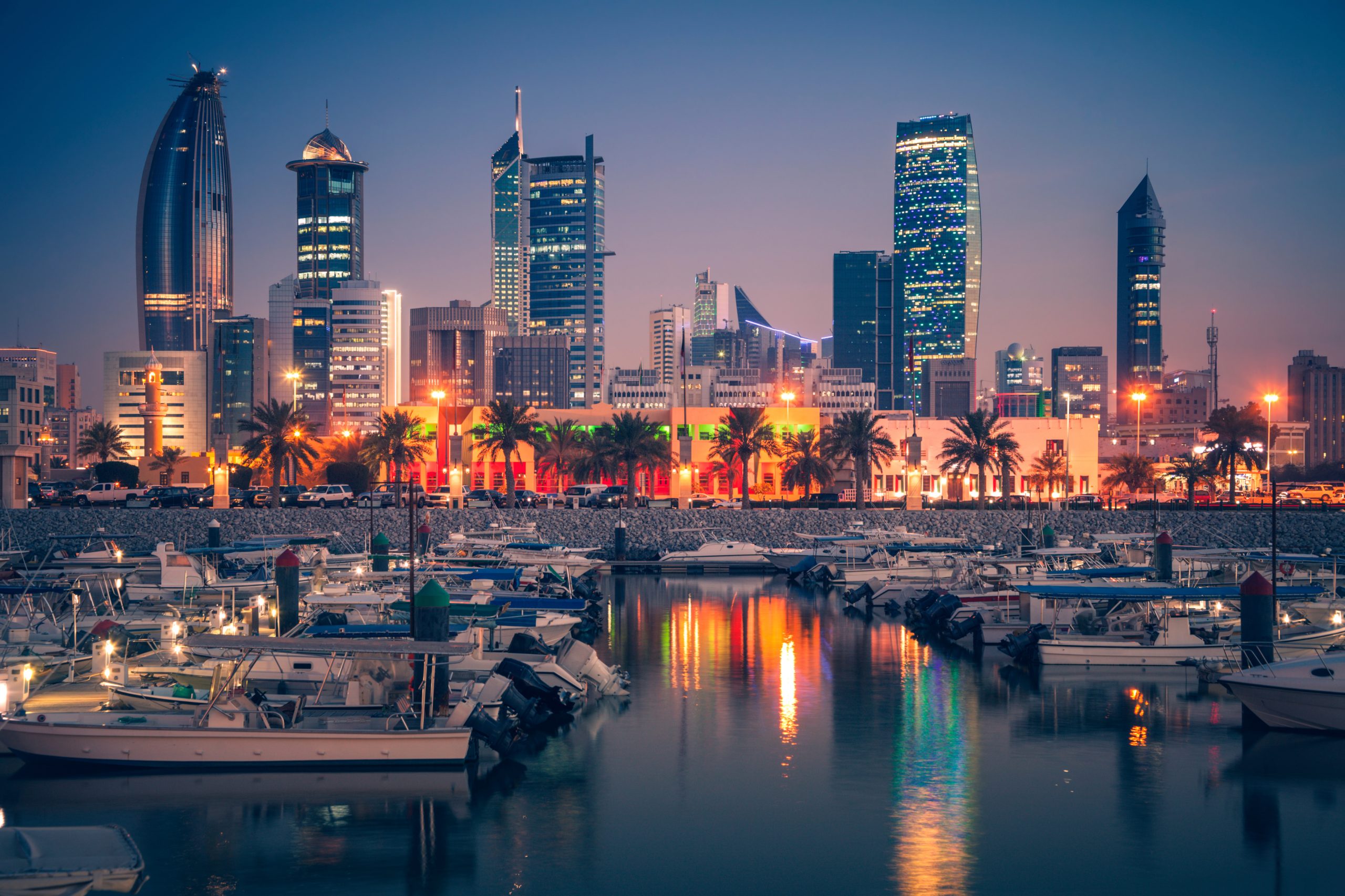
Tuesday, 15 April—Kuwait initiated executive procedures to merge two major state-owned oil firms as part of a broader restructuring of its energy sector. Kuwait National Petroleum Company (KNPC) will acquire Kuwait Integrated Petroleum Industries Company (KIPIC).
Sultanate of Oman

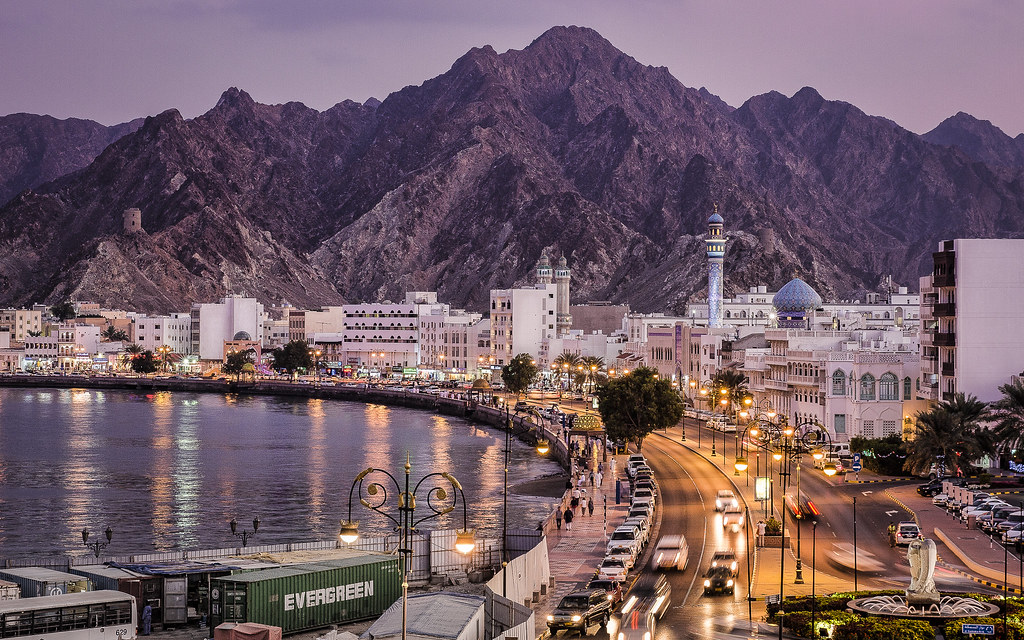
Sunday, 13 April—Oman hosted the first round of US-Iran talks in Muscat, mediated by Omani officials. The meeting involved Iranian Foreign Minister, Abbas Araghchi, and US Presidential Envoy, Steve Witkoff, with a second round scheduled for Saturday in Rome, Italy, to include Omani mediators and potentially US Vice President JD Vance.
State of Qatar

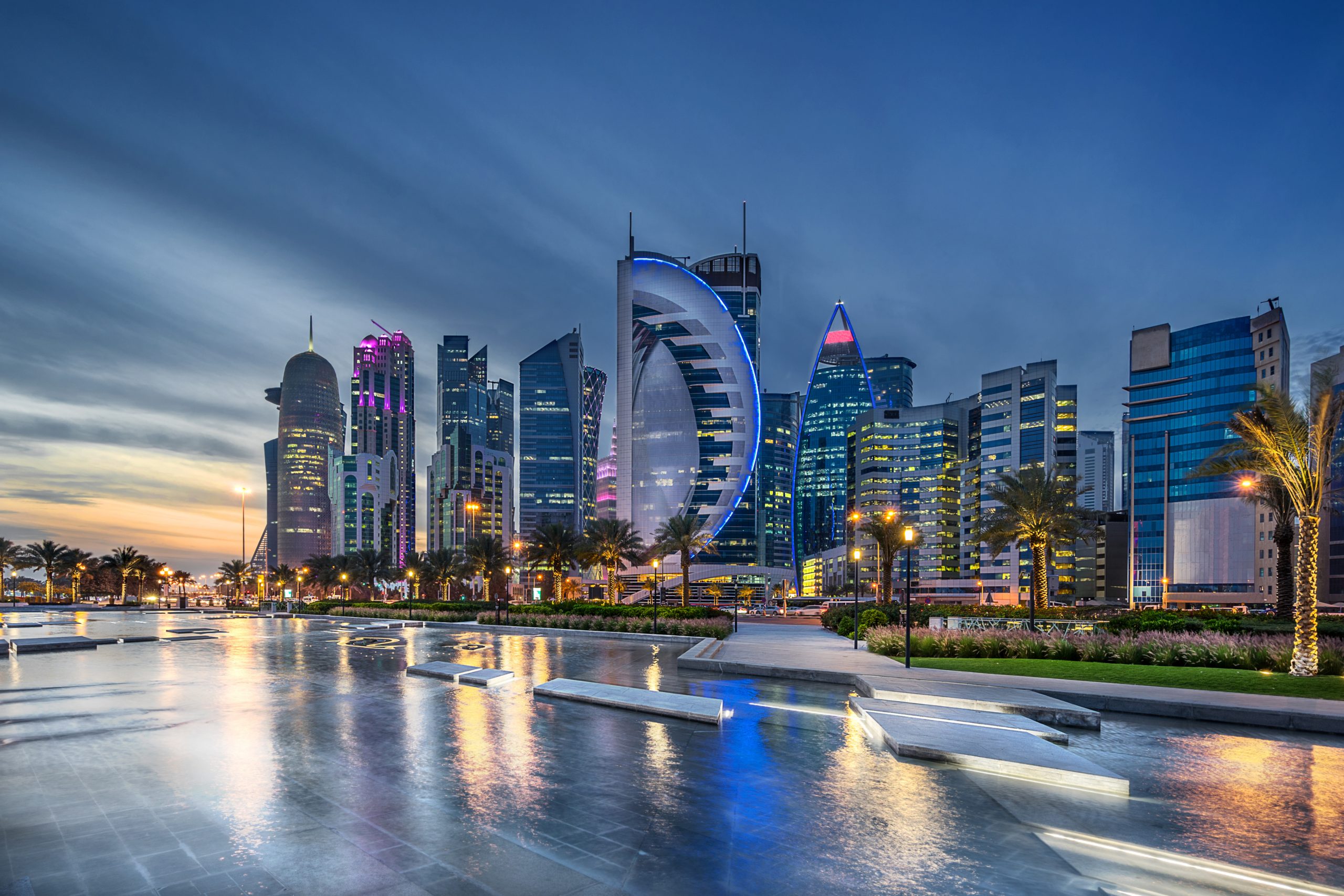
Sunday, 13 April—Qatar and Indonesia signed a Memorandum of Understanding to establish a Qatar-Indonesia Strategic Dialogue to deepen bilateral cooperation. Two days later, Indonesia’s sovereign wealth fund, Danantara, and the Qatar Investment Authority announced plans to launch a $4 billion joint investment fund focused on renewable energy, healthcare, technology, and downstream commodity industries in Indonesia.
Kingdom of Saudi Arabia

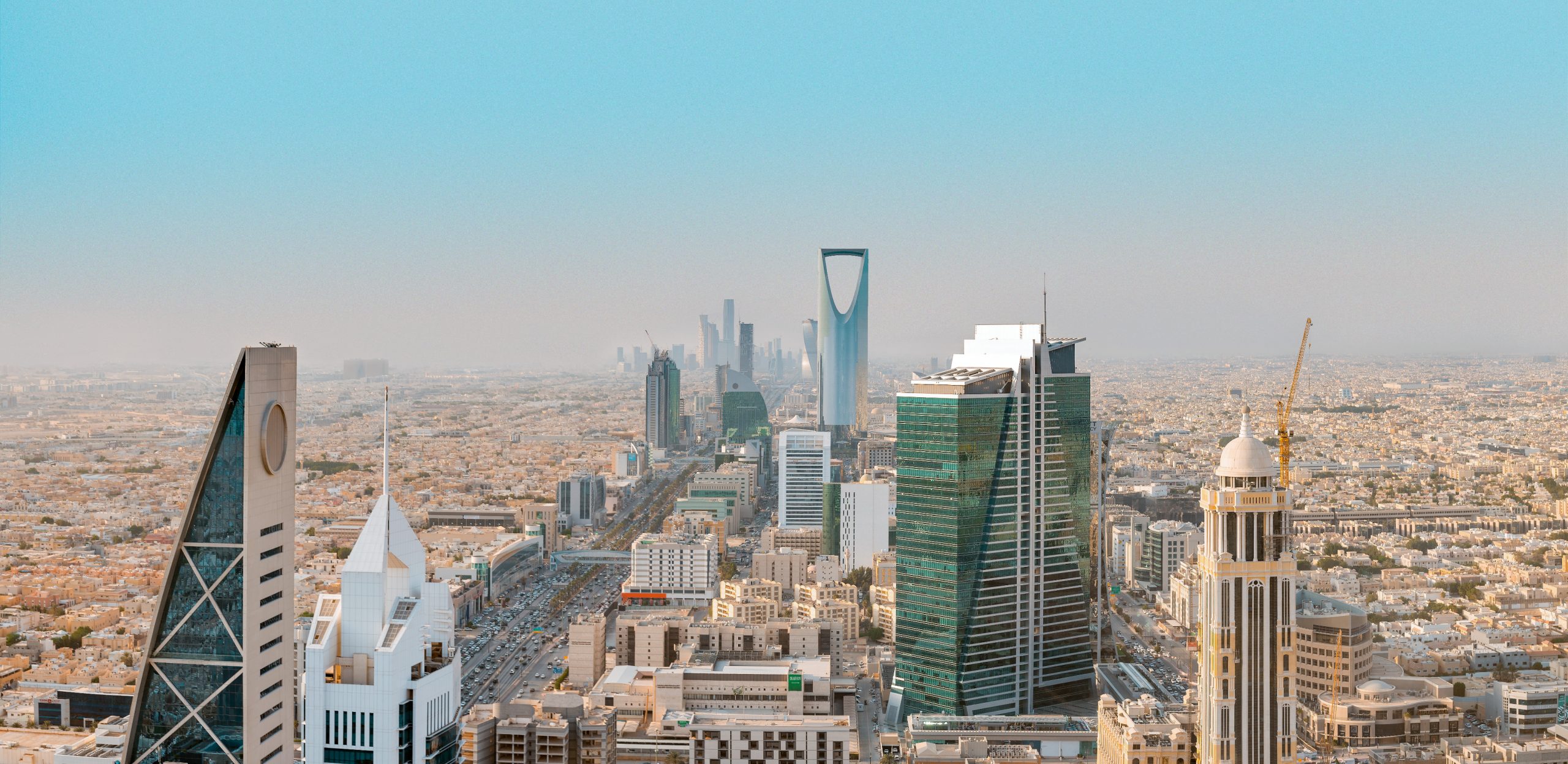
Sunday, 13 April—Saudi Arabia and the United Kingdom announced a strategic partnership to strengthen cooperation between British financial institutions and Saudi infrastructure developers. The partnership includes the formation of the UK-Saudi Sustainable Infrastructure Assembly, which will convene in Riyadh and London to support projects such as the Electric Vehicle Infrastructure Co and the Prince Faisal Bin Fahad Sustainable Sports City.
United Arab Emirates

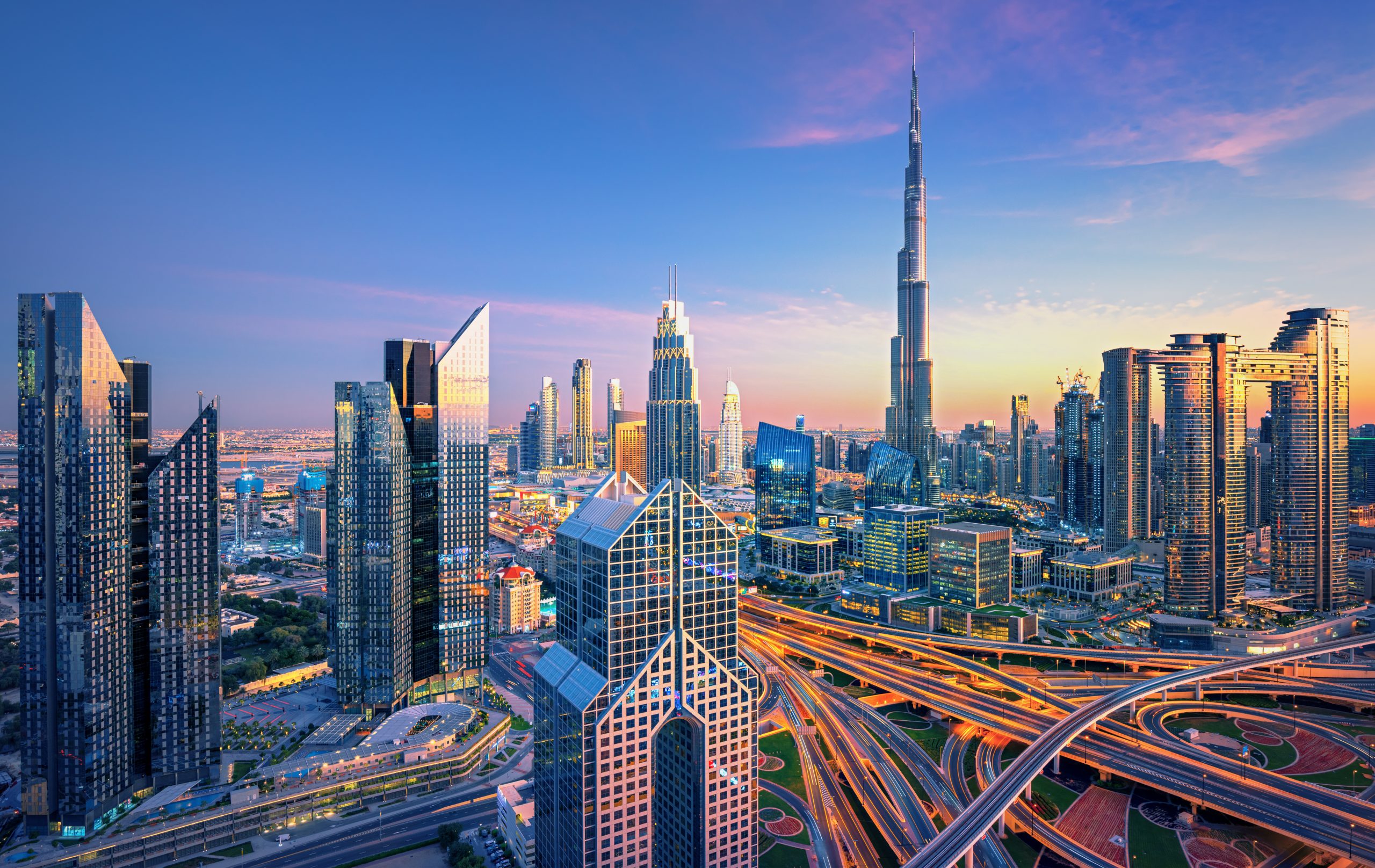
Monday, 14 April—The UAE Cabinet, chaired by Prime Minister Sheikh Mohammed bin Rashid Al-Maktoum, approved the establishment of a Regulatory Intelligence Office to overhaul the legislative system using artificial intelligence. The office will link federal and local laws with judicial rulings and executive actions, enabling real-time impact assessment and legislative updates based on global best practices.
EU Corner
Thursday, 10 April—The EU and UAE agreed to begin negotiations toward a Comprehensive Economic Partnership Agreement during a call between European Commission President Ursula von der Leyen and UAE President Sheikh Mohamed bin Zayed Al-Nahyan. With $67.6 billion in non-oil trade in 2024, the EU is the UAE’s second-largest trade partner, and talks will focus on trade, investment, and collaboration in renewable energy, green hydrogen, and critical raw materials.
Friday, 11 April—The EU Special Representative for the Gulf region, Luigi Di Maio, joined the Antalya Ministerial Meeting on the Two-State Solution alongside foreign ministers from Bahrain, Qatar, Saudi Arabia, Ireland, Slovenia, and Spain during the Antalya Diplomacy Forum in Türkiye.
Monday, 14 April—A delegation from the European Parliament’s Committee on Foreign Affairs (AFET), led by Chair David McAllister, began its visit to Saudi Arabia and the UAE scheduled from 14 to 17 April. The visit aimed to strengthen economic ties and discuss security issues including Gaza, Yemen, and Iran.
Monday, 14 April—The EU and the Palestinian Authority held the first EU–Palestinian Authority High-Level Political Dialogue in Luxembourg. It came as the EU launched a €1.6 billion support package for 2025–2027 to aid recovery in Gaza and the West Bank and a dedicated Palestine Donor Platform to coordinate international efforts for the recovery and future reconstruction of Gaza.
Monday, 14 April—The EU Council imposed sanctions on seven individuals and two entities in Iran over serious human rights violations, including the use of the judiciary for arbitrary detention.
Key Official Visits & Contacts
Wednesday, 9 April—Saudi Foreign Minister, Faisal bin Farhan Al-Saud, met in Washington with US Secretary of State, Marco Rubio, and National Security Advisor, Michael Waltz. Discussions focused on regional conflicts including Gaza, Yemen, and Sudan, Ukraine, as well as maritime security and global cooperation.
Wednesday, 9 April—Saudi Minister of State for Foreign Affairs and Climate Envoy Adel Al-Jubeir met in Riyadh with Stefania Craxi, President of the Italian Senate’s Foreign Affairs and Defence Commission. The two officials discussed strengthening Saudi-Italian cooperation and exchanged views on key regional and international developments, reaffirming their shared commitment to addressing common challenges.
Wednesday, 9 April—Saudi Crown Prince and Prime Minister, Mohammed bin Salman Al-Saud, received a telephone call from French President, Emmanuel Macron, who later announced plans for France to potentially recognise the State of Palestine as soon as in June during a UN conference on two-state solution co-hosted with Saudi Arabia. Macron expressed hope that the conference would lead to mutual recognition of both Israel and Palestine by several countries and reiterated the need to reform the Palestinian Authority to govern post-war Gaza. Mohammed bin Salman later also spoke with UK Prime Minister Keir Starmer.
Wednesday, 9 April—The UAE and the Netherlands held the fourth round of political consultations in The Hague, co-chaired by Lana Zaki Nusseibeh, Assistant Minister for Political Affairs, and Marcel de Vink, Director-General for Political Affairs. Discussions covered economic cooperation, renewable energy, food security, technology, and regional developments, with both sides noting a 20% rise in non-oil trade and nearly $1.07 billion in bilateral investment.
Sunday, 13 April—Syrian President Ahmed Al-Sharaa visited the UAE for talks with President Mohamed bin Zayed Al-Nahyan on rebuilding Syria and resuming bilateral air links. Two days later, Al-Sharaa travelled to Qatar for a meeting with Emir Tamim bin Hamad Al-Thani.
Sunday, 13 April—US Energy Secretary Chris Wright met with Saudi Energy Minister Prince Abdulaziz bin Salman in Riyadh and announced that the US and Saudi Arabia will sign a preliminary agreement to cooperate on the development of a Saudi civil nuclear programme.
Sunday, 13 April—Mohammed bin Abdulkarim Al-Issa, Secretary-General of the Muslim World League, met French officials in Paris including Foreign Minister Jean-Noël Barrot, Justice Minister Gérald Darmanin, and Interior Minister Bruno Retailleau, to discuss interfaith dialogue, ethics, and promoting moderate Islam.
Sunday, 13 April—Qatar’s Emir, Tamim bin Hamad Al-Thani, and Egypt’s President, Abdel Fattah Al-Sisi, met in Doha where they committed to advancing $7.5 billion Qatari investments in Egypt. The meeting followed President Al-Sisi’s earlier visit to Kuwait as part of a regional effort to secure economic partnerships.
Tuesday, 15 April—Oman’s Sultan, Haitham bin Tariq Al-Said, began a state visit to the Netherlands, where he met King Willem-Alexander and Dutch business leaders. During the visit, Oman and the Netherlands signed three agreements: one on liquified hydrogen energy cooperation, another on hydrogen infrastructure and carbon dioxide transport, and a third on the OQ-Royal Vopak partnership in the Special Economic Zone at Duqm.
Tuesday, 15 April—Qatar’s Prime Minister and Minister of Foreign Affairs, Sheikh Mohammed bin Abdulrahman Al-Thani, met with the French President’s Special Envoy to Lebanon, Jean-Yves Le Drian, in Doha. The talks addressed Lebanon’s political situation and ways to support economic recovery and stability.