


5 Top Points
- GCC Summit in Bahrain: The 46th Gulf Cooperation Council (GCC) Summit convened in Bahrain (3 December) with Italy’s Prime Minister Giorgia Meloni attending as an honoured guest, the first time a European leader has participated. Gulf leaders issued the ‘Sakhir Declaration,’ affirming unity on regional security and economic integration.
- Bahrain-Saudi strategic pact: Manama hosted the fourth session of the Saudi-Bahraini Coordination Council (4 December), co-chaired by Saudi Crown Prince Mohammed bin Salman and Bahrain’s Crown Prince Salman. The two kingdoms signed a slate of agreements and MoUs across vital sectors, including nuclear safety, investment, double taxation avoidance, sustainable development and even a planned regional rail link.
- EU-Qatar partnership talks launched: The EU and Qatar took a major step to formalise relations. In Doha, the EU High Representative for Foreign Affairs, Kaja Kallas and Qatari Prime Minister Sheikh Mohammed bin Abdulrahman Al Thani officially launched negotiations for an EU Qatar Strategic Partnership Agreement (SPA) (6 December).
- Qatar launches national AI firm: Qatar announced the creation of ‘Qai’ a government backed artificial intelligence company, as part of its strategy to become a technology leader.
- Gulf drives tech and climate solutions: The UAE and Qatar showcased ambitious high-tech initiatives as part of economic diversification and global outreach. The UAE launched a new AI for Agriculture Ecosystem (8 December) in partnership with the Gates Foundation, aiming to apply artificial intelligence to help climate-vulnerable farmers worldwide.
‘Round and About the Gulf’
Kingdom of Bahrain

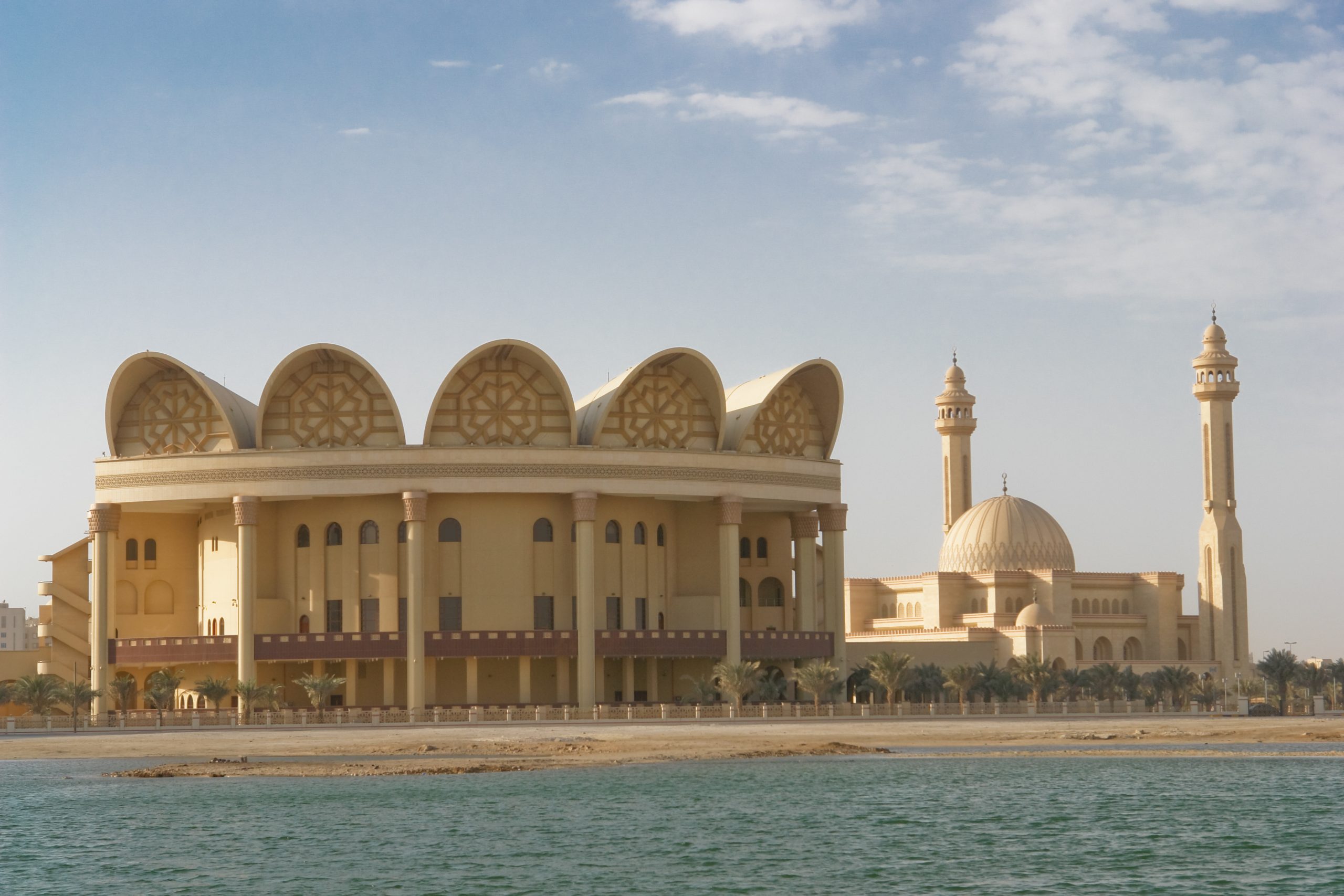
Wednesday, 3 December – GCC Summit in Sakhir: Bahrain hosted the 46th GCC Supreme Council Summit at Al Sakhir Palace, welcoming leaders of all six Gulf states. His Majesty King Hamad bin Isa Al Khalifa, chairing the summit, also received Italy’s Prime Minister Giorgia Meloni as Guest of Honour, an unprecedented inclusion of a European leader. The summit’s final communiqué (‘Sakhir Declaration’) stressed Gulf unity, non-interference and collective security, and reaffirmed support for a just and lasting Middle East peace. They also agreed to accelerate Gulf economic integration, vowing to complete the GCC Common Market and Customs Union and expand joint infrastructure, digital and clean energy projects. Additionally, the GCC and Italy concurred on developing a joint action plan to forge a strategic partnership, deepening cooperation in trade, energy and cultural ties .
Thursday, 4 December – New Bahrain-Saudi accords: On the sidelines of the summit, Bahrain and Saudi Arabia cemented their already close partnership with a series of high-level agreements. At the 4th Bahrain-Saudi Coordination Council meeting in Manama, co-led by Crown Prince Salman bin Hamad Al Khalifa and Crown Prince Mohammed bin Salman, the two neighbours signed multiple Memoranda of Understanding. These included an MoU on nuclear safety (between Bahrain’s environment authority and Saudi’s nuclear regulator), a new programme for diplomatic training cooperation, a pact to avoid double taxation, and accords to promote sustainable development, fair competition policies, increased direct investment flows, joint railway projects, higher education exchanges, and non-profit sector development.
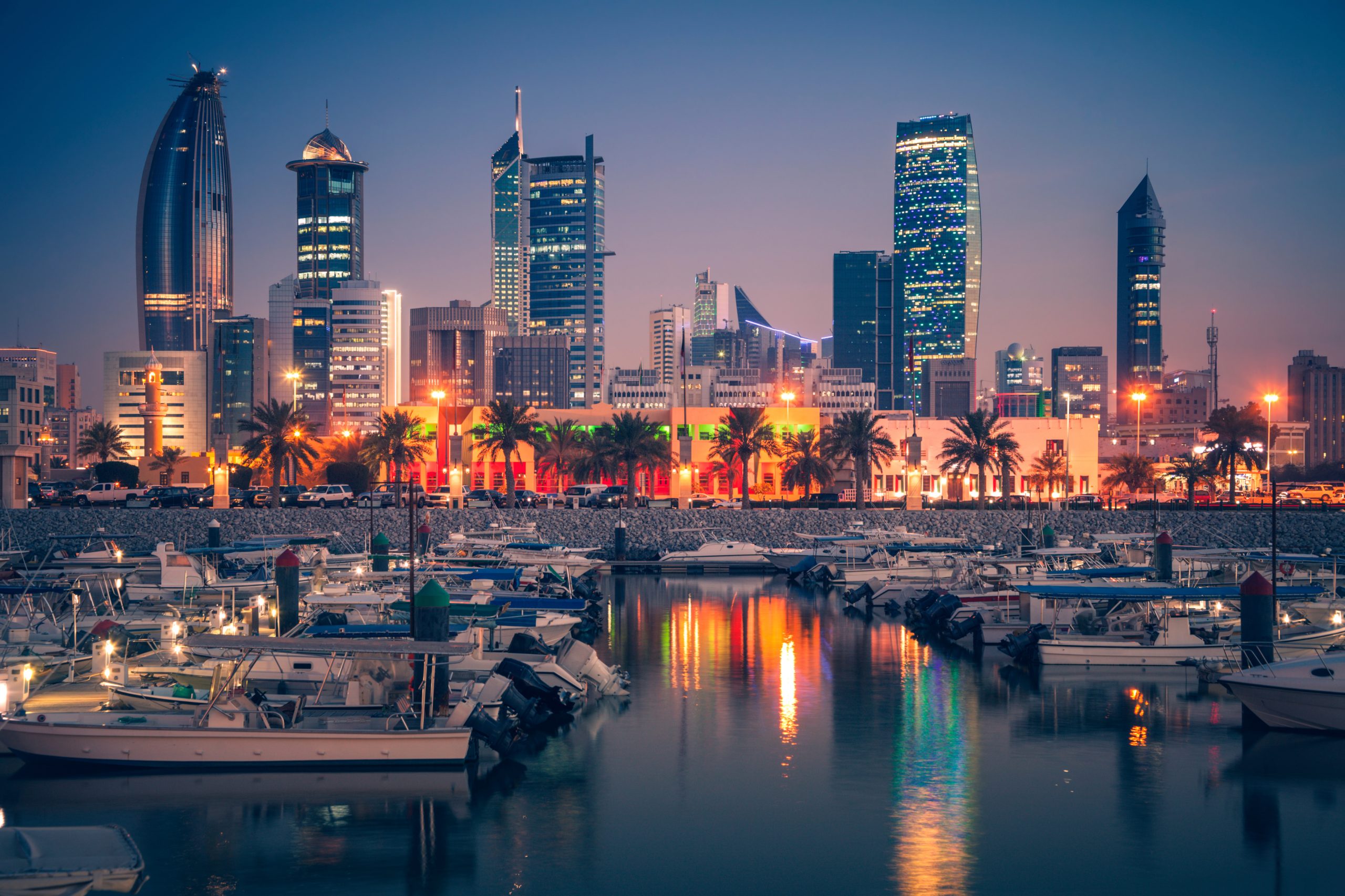
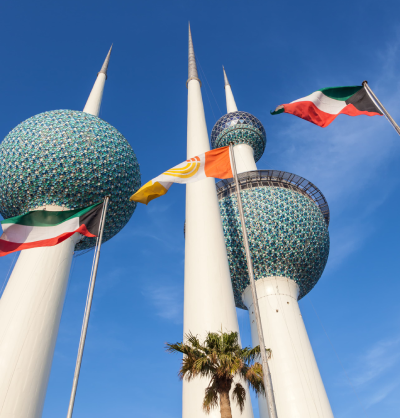
State of Kuwait

Tuesday, 2 December – Pushing Gulf integration: As it prepares to assume the GCC’s rotating presidency next year, Kuwait reaffirmed its commitment to deepen regional economic integration. Kuwaiti Foreign Minister Sheikh Salem Abdullah Al Sabah stressed that Kuwait’s upcoming GCC presidency will prioritise completing the Gulf Common Market and Customs Union, streamlining the movement of capital, goods and services among member states. He noted that accelerating these projects, alongside aligning regulations and encouraging intra-GCC investment, is key to unlocking the Gulf’s collective economic potential.
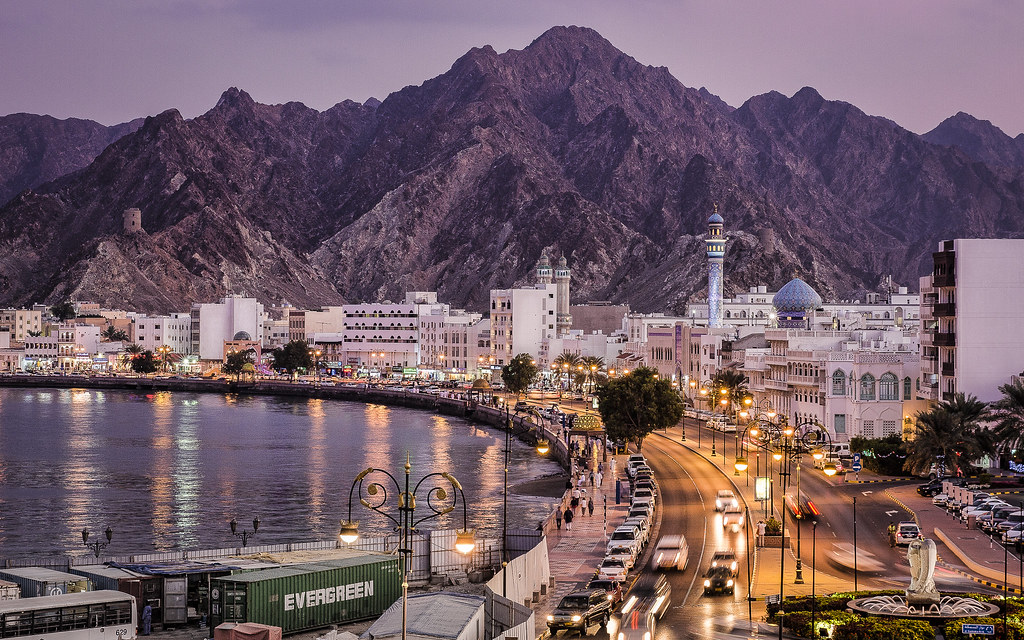
Sultanate of Oman

Wednesday, 3 December – Humanitarian diplomacy in Yemen: Oman underscored its quiet diplomatic role in the Yemen conflict by facilitating a humanitarian operation. Muscat announced it had secured the release and repatriation of 11 crew members (of Indian and Filipino nationalities) from the vessel Eternity C who had been stranded in Yemen. The individuals were airlifted from Sanaa to Muscat on a Royal Air Force of Oman aircraft and are being returned safely to their home countries.
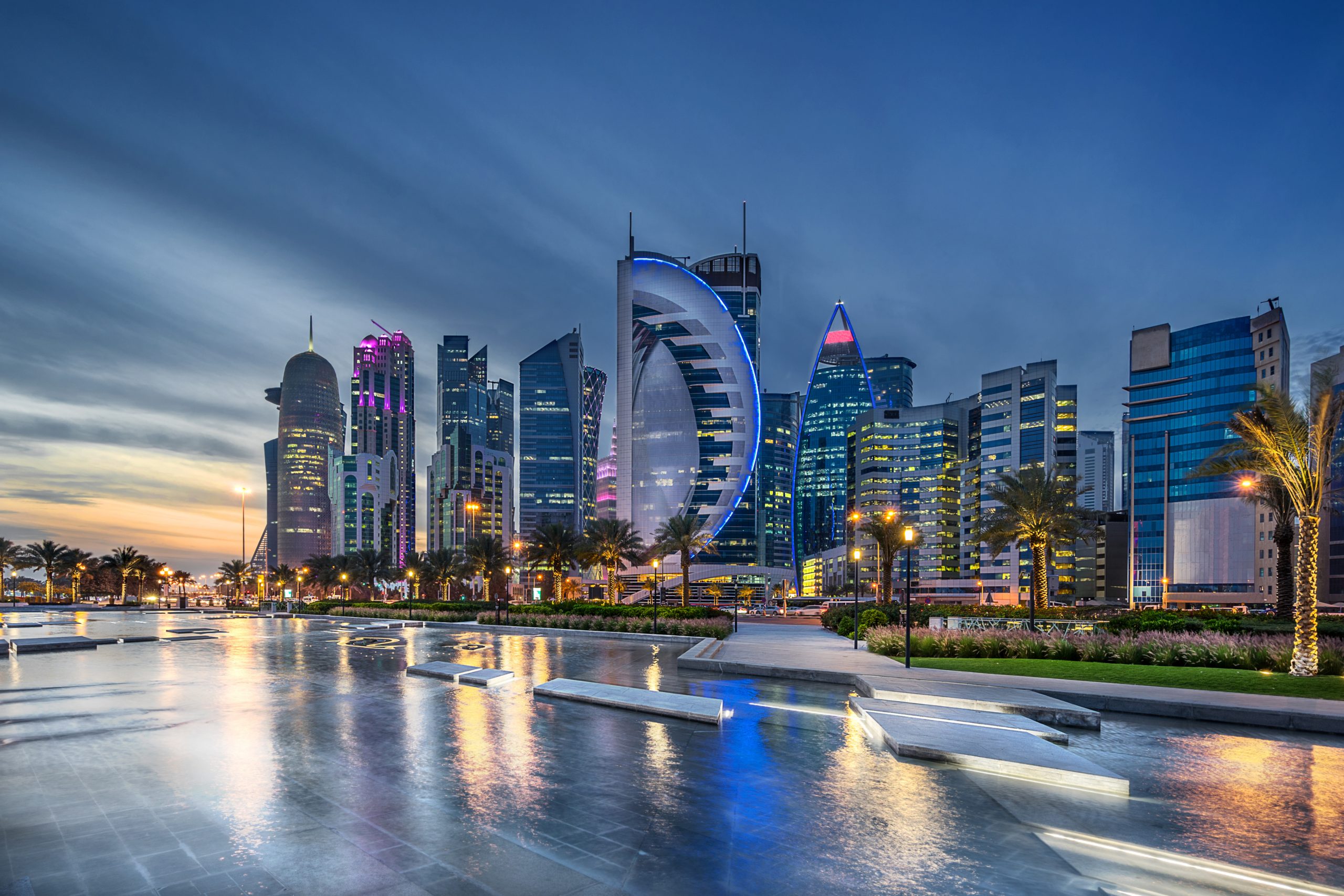
State of Qatar

Monday, 8 December – Qatar launches national AI firm: Qatar announced the creation of ‘Qai’ a government-backed artificial intelligence company, as part of its strategy to become a technology leader. The new entity, unveiled by the Government Communications Office, will be a subsidiary of the Qatar Investment Authority (QIA) and is charged with building and managing advanced AI infrastructure in Qatar and overseas. Backed by QIA’s 524 billion USD in assets, Qai is tasked with delivering secure, high-performance computing capabilities and scalable AI tools for use across sectors, from government services to industry. Officials said the company will draw on Qatar’s strong financial resources and global partnerships to drive AI innovation and investment, supporting the country’s economic diversification beyond LNG exports. Qatar’s move mirrors similar initiatives by Gulf neighbours (the UAE’s G42 and Saudi Arabia’s ‘Humain’ AI company) and positions the Gulf region as an emerging hub for AI development.
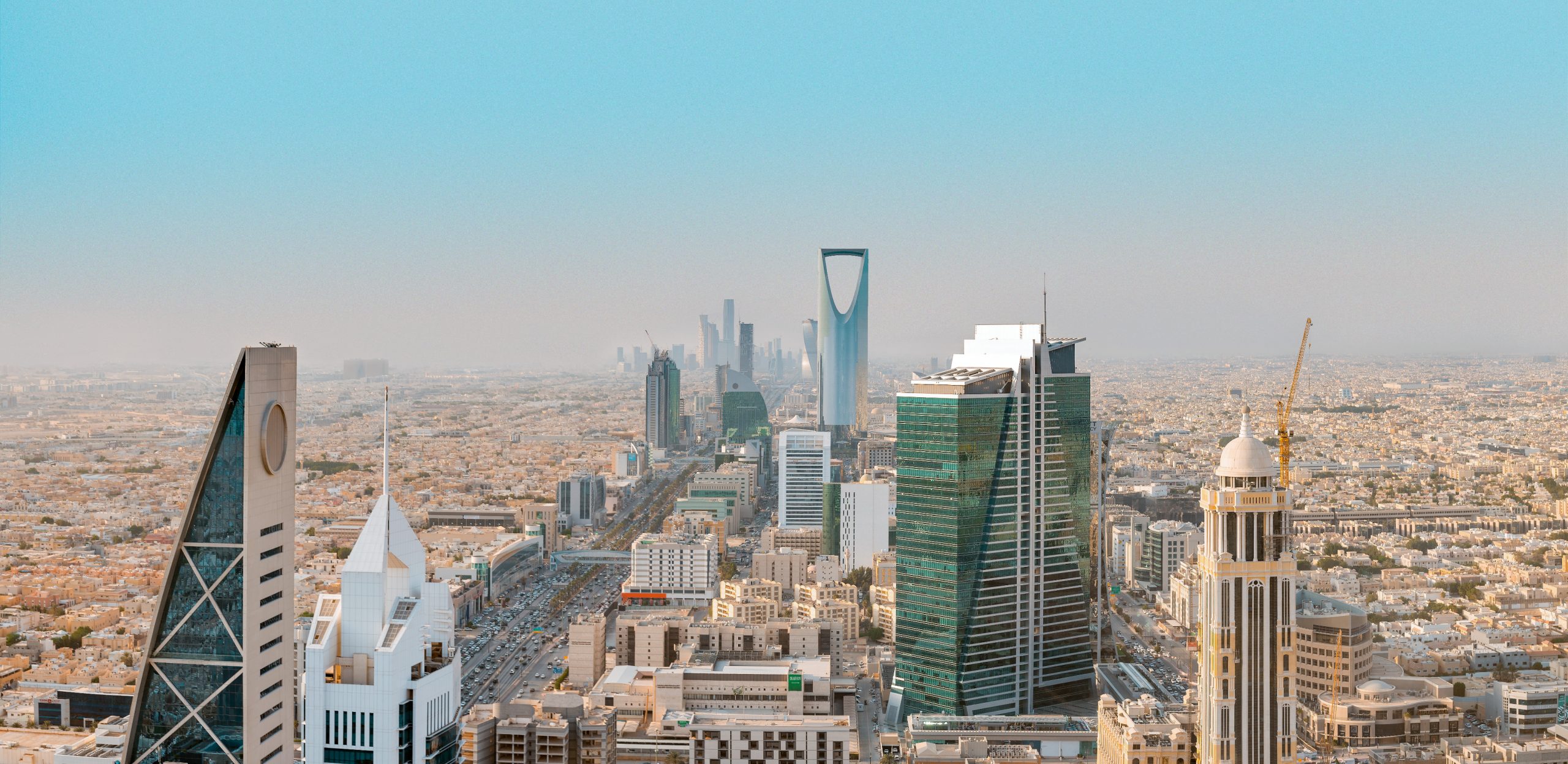
Kingdom of Saudi Arabia

Sunday, 7 December – Outreach to Syria’s energy sector: Signalling a new phase of Gulf engagement in Syria, Saudi Arabia moved to invest in Syria’s oil and gas industries as the war-torn country rebuilds. According to Syrian state media, the Syrian Petroleum Company signed four agreements with Saudi companies to develop oil and gas fields and infrastructure. The deals mark the most significant Saudi economic involvement in Syria in over a decade. They come roughly one year after the end of Bashar al-Assad’s rule and amid an ongoing Syrian transition. Riyadh’s support is seen as part of a broader regional effort to stabilise Syria through investment rather than aid, integrating it back into the Arab fold.
United Arab Emirates

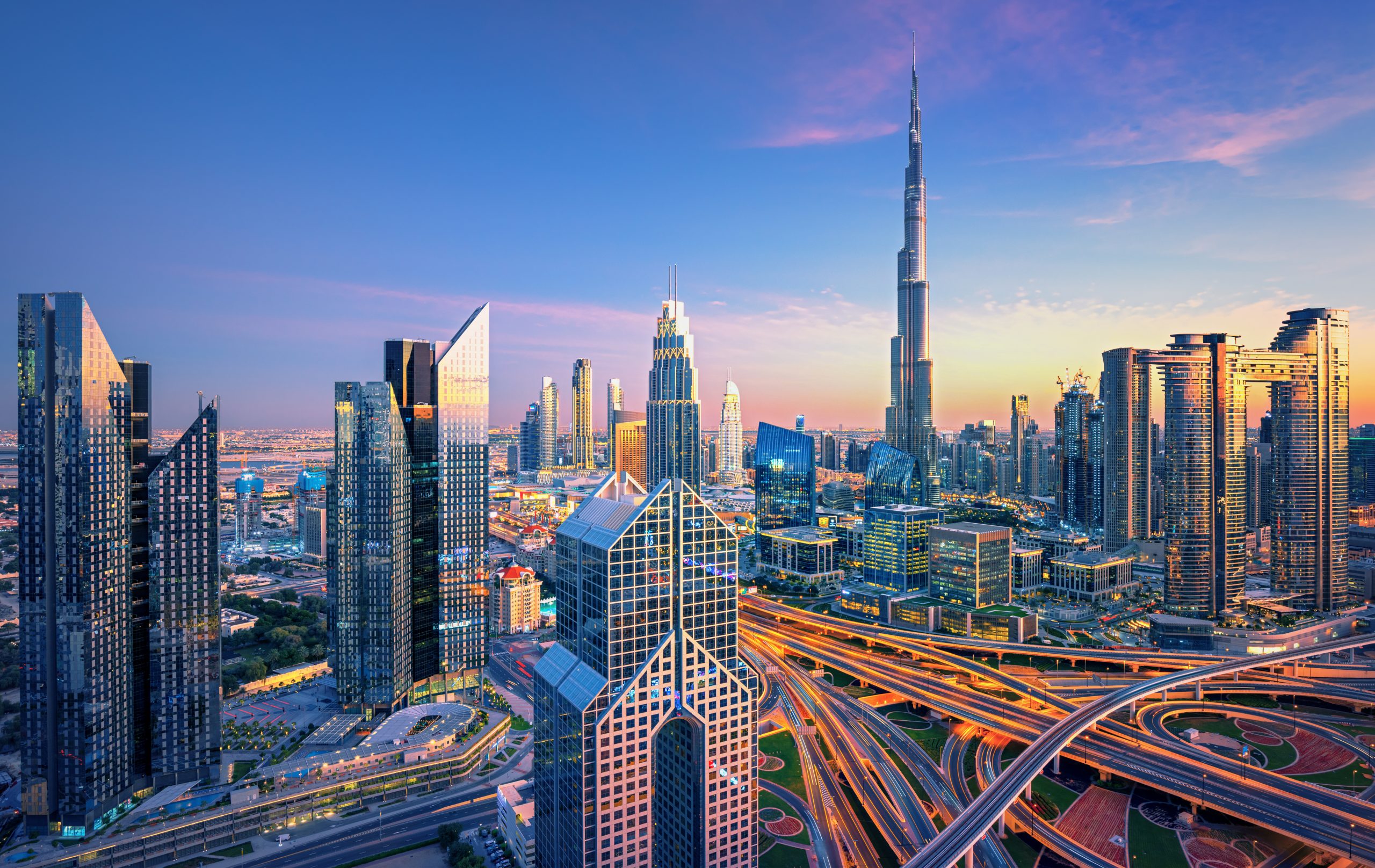
Monday, 8 December – AI for global agriculture initiative: The UAE unveiled a major international development initiative using its burgeoning strength in artificial intelligence. In Abu Dhabi, officials launched the ‘AI Ecosystem for Global Agricultural Development,’ a platform to bring AI-driven solutions to farmers in climate-exposed regions worldwide. The programme builds on the UAE’s partnership with the Bill and Melinda Gates Foundation, including a joint 200 million USD fund announced at COP28, aimed at accelerating agricultural innovation for food security. UAE Minister Mariam Almheiri highlighted that by connecting national AI capabilities with global partners, the UAE is transforming cutting-edge science into practical tools ‘to help protect the farmers and communities most exposed to climate volatility’. The ecosystem involves Abu Dhabi’s AI research institutions working alongside entities like CGIAR, the World Bank and the Gates Foundation to develop open-source AI models and digital advisory services for smallholder farmers.
EU Corner
Saturday, 6 December – EU-Qatar Strategic Partnership: The EU advanced its Gulf strategy with a high-profile diplomatic engagement in Doha. Kallas met Qatari Prime Minister Mohammed bin Abdulrahman Al Thani to formally open negotiations on an EU-Qatar Strategic Partnership Agreement. This agreement, once concluded, will create a broad framework for cooperation between Brussels and Doha, covering areas such as security, energy, investment, education and humanitarian aid. The talks underscore the EU’s post-Brexit pivot toward closer bilateral ties with Gulf states.
Tuesday, 9 December – Green business ties with Saudi Arabia: In Riyadh, the EU deepened economic diplomacy with the Kingdom of Saudi Arabia focused on sustainable development. Dubravka Šuica, the European Commissioner for the Mediterranean led an EU-Saudi Sustainable Business Roundtable that brought together senior executives from leading Saudi and European companies. Timed with Commissioner Šuica’s visit to the country, the high-level forum, organised with the EU Delegation in Riyadh and the European Chamber of Commerce in Saudi Arabia, explored partnerships in clean energy, the circular economy, advanced technology and green infrastructure. Participants noted a strong alignment between Saudi Vision 2030 and the EU’s Green Deal goals.
Key Official Visits & Contacts
Tuesday, 9 December (Muscat) – Lebanese President’s state visit: Oman played host to Lebanon’s President General Joseph Aoun for a two-day official visit (9-10 December). Sultan Haitham bin Tarik received President Aoun in Muscat, where they held consultations aimed at ‘supporting Arab collective action’ and reviewing the latest regional developments. The talks focused on strengthening bilateral cooperation between Oman and Lebanon, both historically neutral Arab states, and coordinating positions on broader Middle Eastern issues.
Sunday, 7 December (Doha) – GCC-Netherlands consultations: GCC Secretary-General Jasem Al Budaiwi met the Netherlands’ Vice Foreign Minister to discuss GCC-EU cooperation ahead of next year’s ministerial meetings, with both sides exploring ways to deepen political and economic coordination.
During the week, 2–9 December (Riyadh) – Saudi-Syria normalisation talks: Saudi and Syrian officials held talks on re-establishing consular services, reflecting ongoing Gulf efforts to normalise ties with Damascus and gradually reintegrate Syria into regional diplomatic and economic frameworks.
During the week, 2–9 December (Abu Dhabi – telephone calls) – UAE outreach on Gaza and regional cooperation: UAE President Sheikh Mohamed bin Zayed Al Nahyan held phone calls with Egypt’s President Abdel Fattah el-Sisi and Türkiye’s President Recep Tayyip Erdoğan, focusing on efforts to uphold the Gaza ceasefire and preparations for upcoming economic cooperation councils, underscoring Abu Dhabi’s active role in regional diplomacy.