


5 Top Points
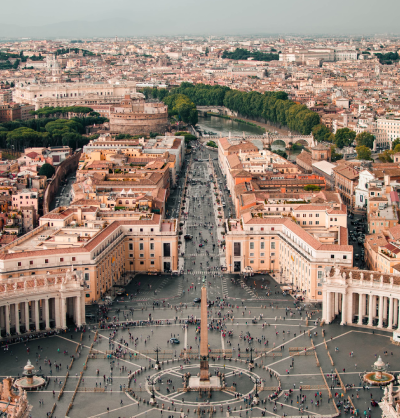
- GCC reaches out to Europe: For the first time, a European leader, Italy’s Prime Minister Giorgia Meloni, has been invited to attend the GCC summit in Bahrain, underscoring growing Euro Gulf strategic ties.
- Pakistan-Bahrain ties strengthened: Pakistani Prime Minister Shehbaz Sharif’s state visit to Manama cemented closer bilateral relations. In talks with King Hamad and Crown Prince Salman, both sides agreed to broaden cooperation across energy, trade and defence fields.
- OPEC+ seeks market stability: At its year-end meetings, the Saudi-led OPEC+ alliance approved a new mechanism to assess members’ maximum oil output capacity, to serve as the basis for future production quotas. Saudi Energy Minister Prince Abdulaziz bin Salman hailed the system as a ‘fair and transparent’ approach that will ultimately stabilise markets and reward countries investing in capacity growth.
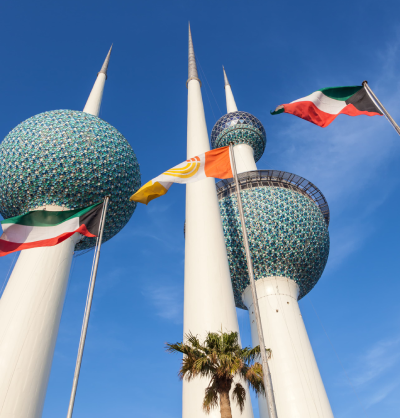
- Gulf transport integration advances: Kuwait and the UAE signed a major cooperation pact to integrate land transport networks. The Memorandum of Understanding commits both countries to jointly develop modernised road and rail systems, logistics corridors and smart mobility projects.
- Supporting Gaza’s ceasefire: Qatar took a lead role in international efforts to consolidate the fragile Gaza ceasefire. Doha hosted high-level talks with Turkey and Egypt’s intelligence chiefs to coordinate the truce’s second phase and prevent violations.
‘Round and About the Gulf’
Kingdom of Bahrain

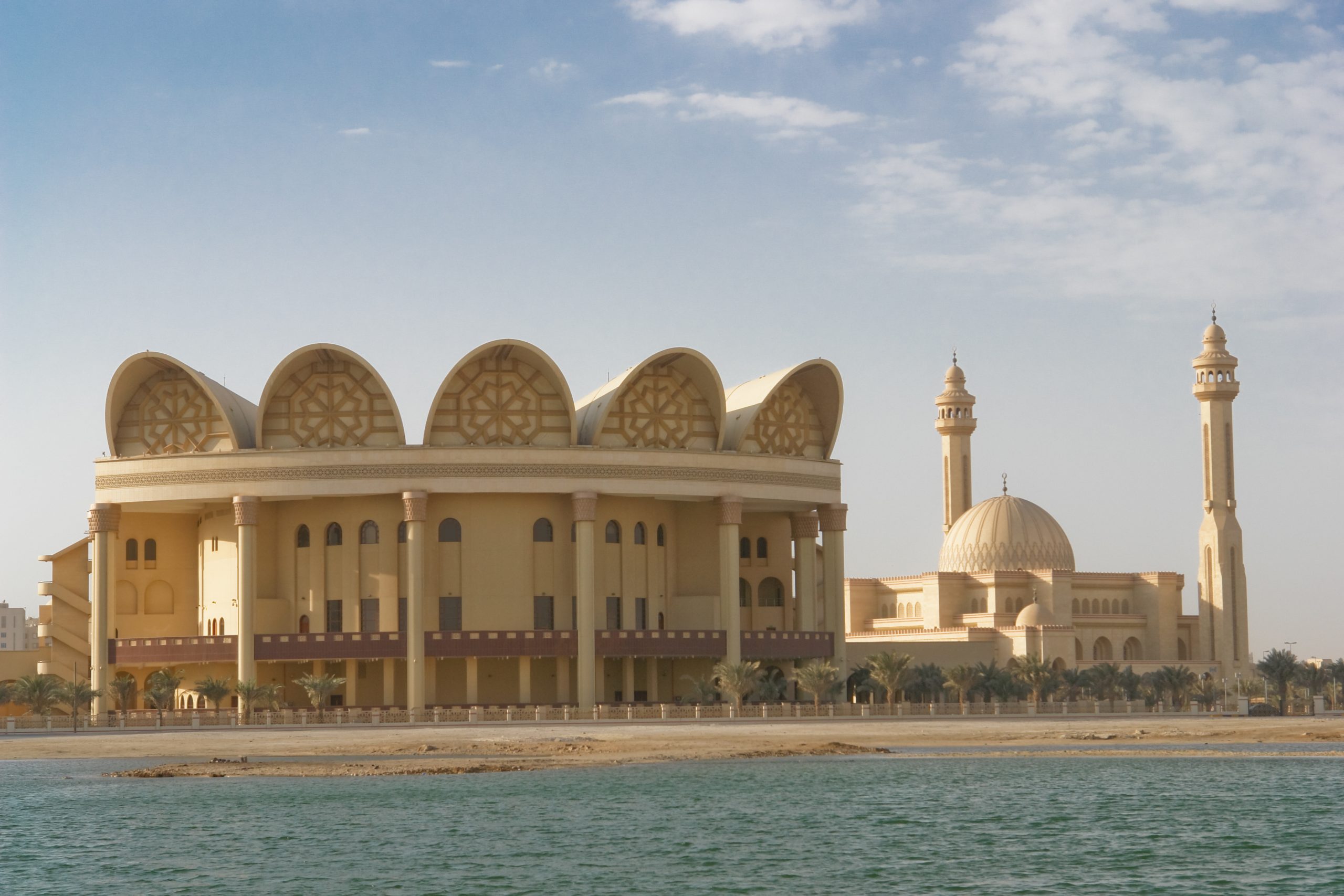
Sunday, 30 November – Bahrain chaired the 166th GCC Ministerial Council preparatory meeting in Manama ahead of the 46th Gulf summit. Bahraini Foreign Minister Abdullatif Al Zayani urged continued Gulf cohesion, noting the GCC has ‘proven its ability to face regional and international challenges’ over the past four decades. The ministers reviewed joint Gulf action in political, economic, security and development fields, aiming to bolster integration and collective resilience.
State of Kuwait

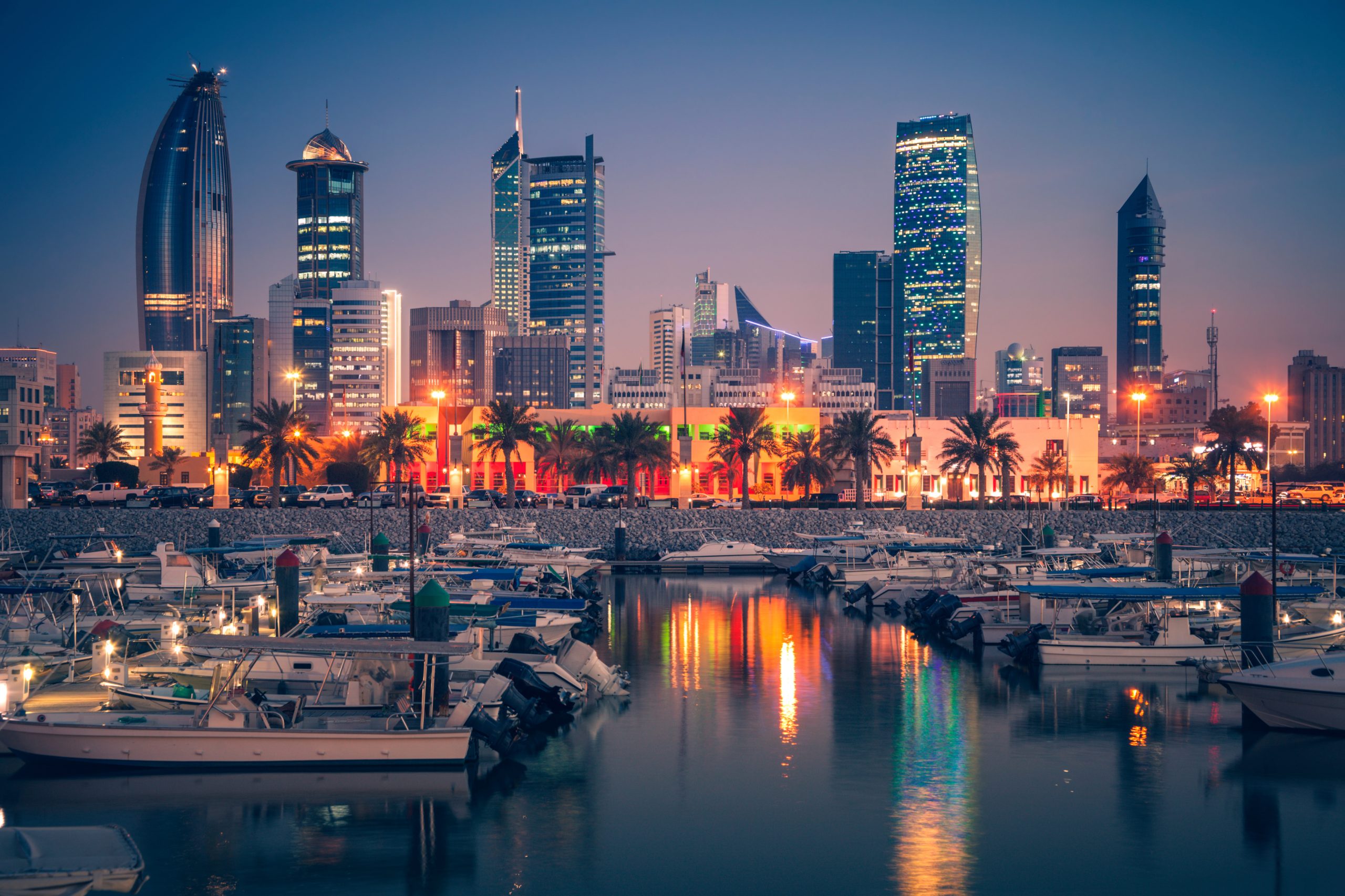
Sunday, 30 November – Kuwait and the UAE formalised a new partnership to enhance land transport and infrastructure ties. An MoU was signed to promote joint development of road and railway networks, integrated logistics corridors, and harmonised transport regulations. Seven areas of cooperation were outlined, including modernising rail links, sharing best practices in freight and passenger transport, and encouraging investment in smart mobility projects.
Sultanate of Oman

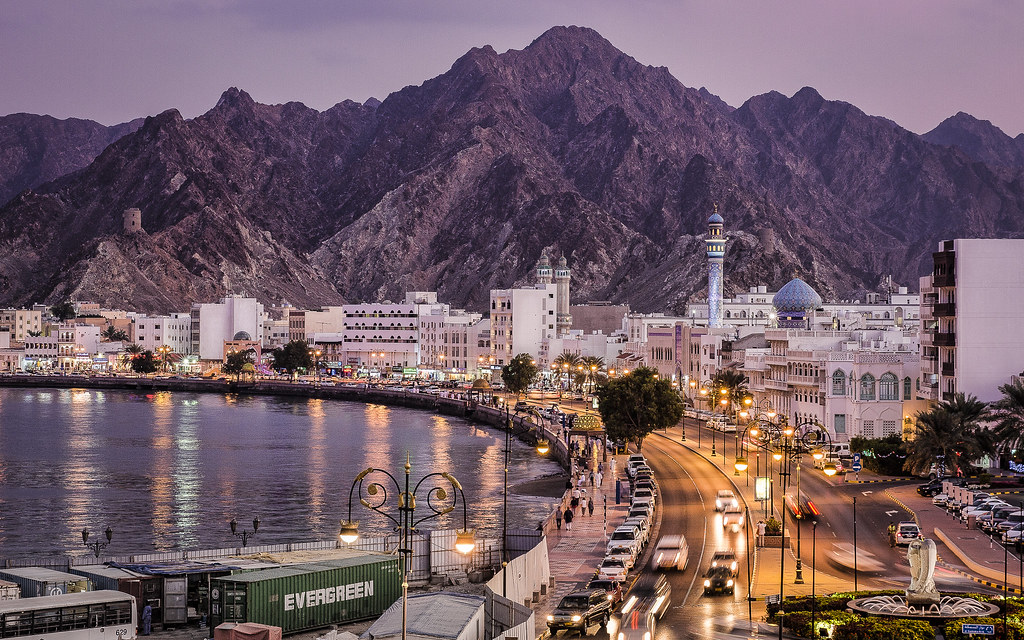
Saturday, 29 November – Oman expanded its economic diplomacy into Africa, signing four cooperation agreements with Botswana to boost long-term investment ties. During a visit by Omani Investment Authority chief Abdulsalam Al Murshidi to Gaborone, accords were inked in energy, mining and finance sectors. Oman’s state energy group OQ and Botswana Oil agreed to jointly explore oil storage and trading ventures, while Oman’s O-Green platform will help develop up to 3 GW of renewable solar and wind projects in Botswana. Another pact links Oman’s Ma’aden investment arm with Botswana’s Geoscience Institute to collaborate on mineral exploration.
State of Qatar

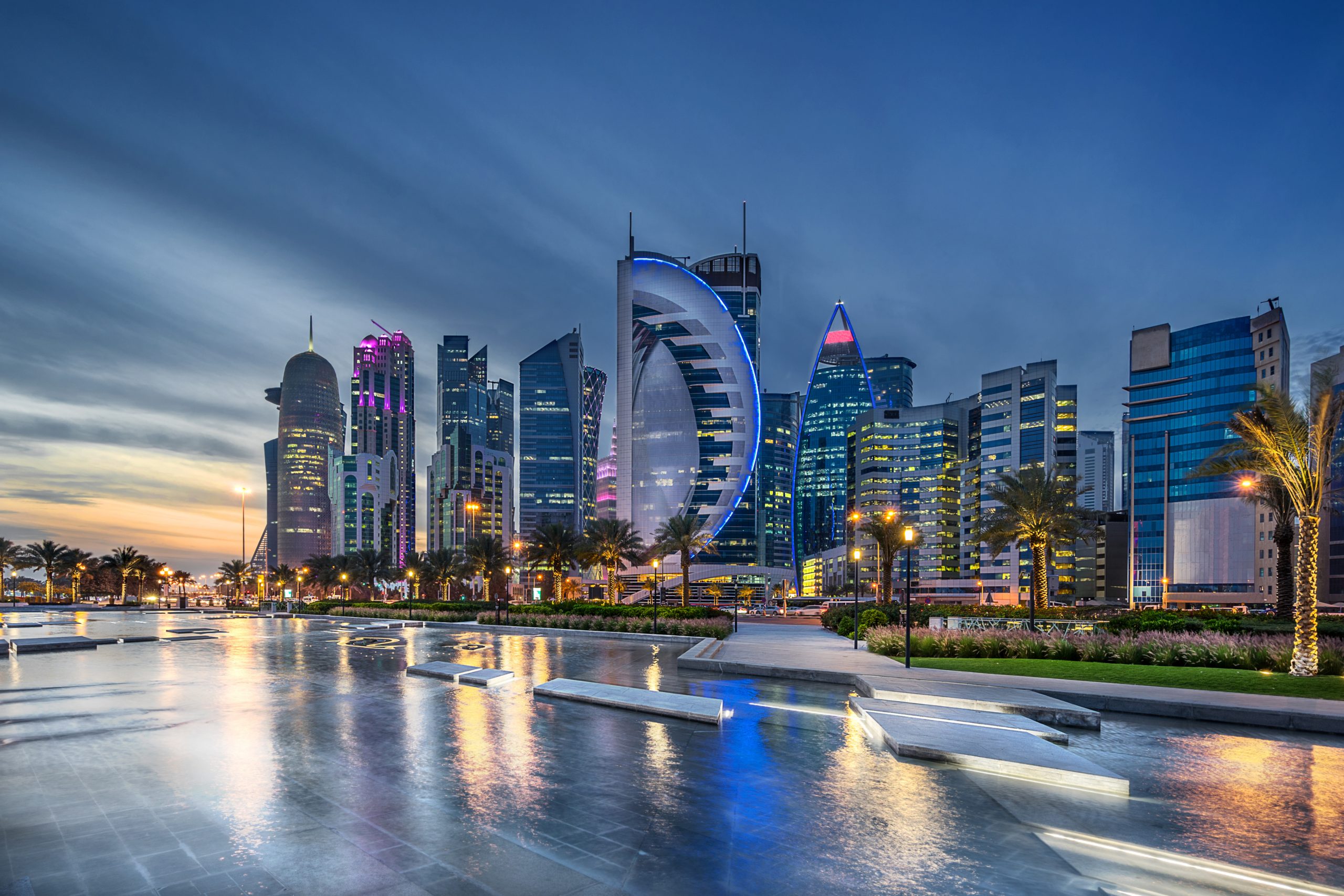
Tuesday, 25 November – Qatar’s Foreign Minister Mohammed bin Abdulrahman Al Thani participated in high-level talks in Cairo with Turkish and Egyptian counterparts focused on sustaining Gaza’s ceasefire. Meeting at Egypt’s intelligence headquarters, the Qatari, Turkish and Egyptian officials, coordinated on transitioning to a second phase of the truce and expanding humanitarian access. They agreed to strengthen the joint Civil-Military Coordination Center to remove obstacles and prevent any breaches of the ceasefire.
Kingdom of Saudi Arabia

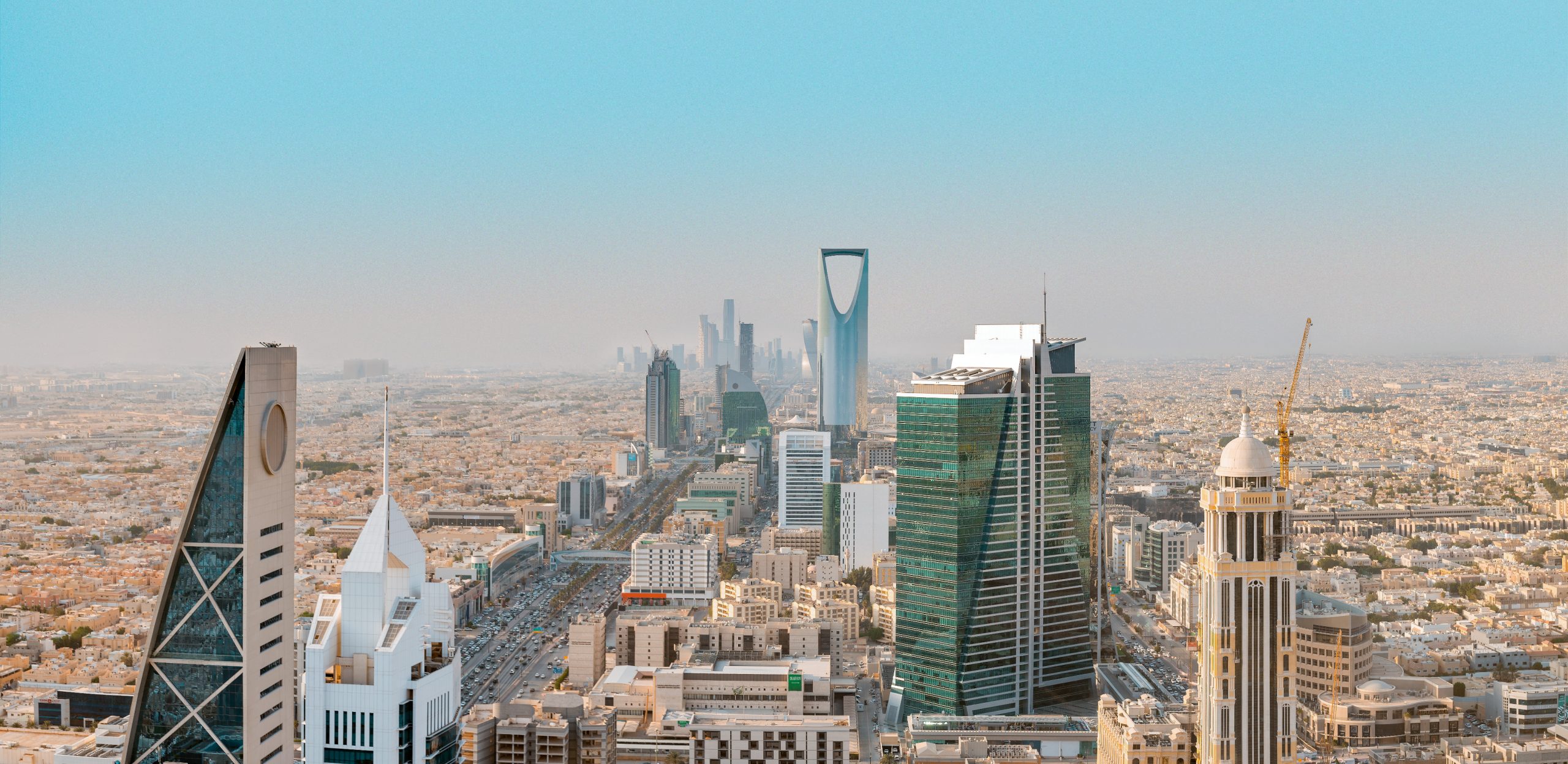
Sunday, 30 November – Saudi Arabia helped steer OPEC+ producers to adopt a new long-term approach for managing oil output. At a Riyadh meeting following OPEC’s ministerial talks, Saudi Energy Minister Prince Abdulaziz bin Salman announced that the alliance will establish fresh production baselines from 2027 based on each member’s proven capacity. He said the mechanism, developed with Russia’s support, is ‘the most detailed and transparent’ method to set fair quotas going forward. The OPEC+ deliberations also agreed to keep oil output levels unchanged through early 2026, providing certainty to global markets. Separately, Saudi officials hosted a Saudi-Russian business forum in Riyadh, underlining deepening energy and economic cooperation with Moscow.
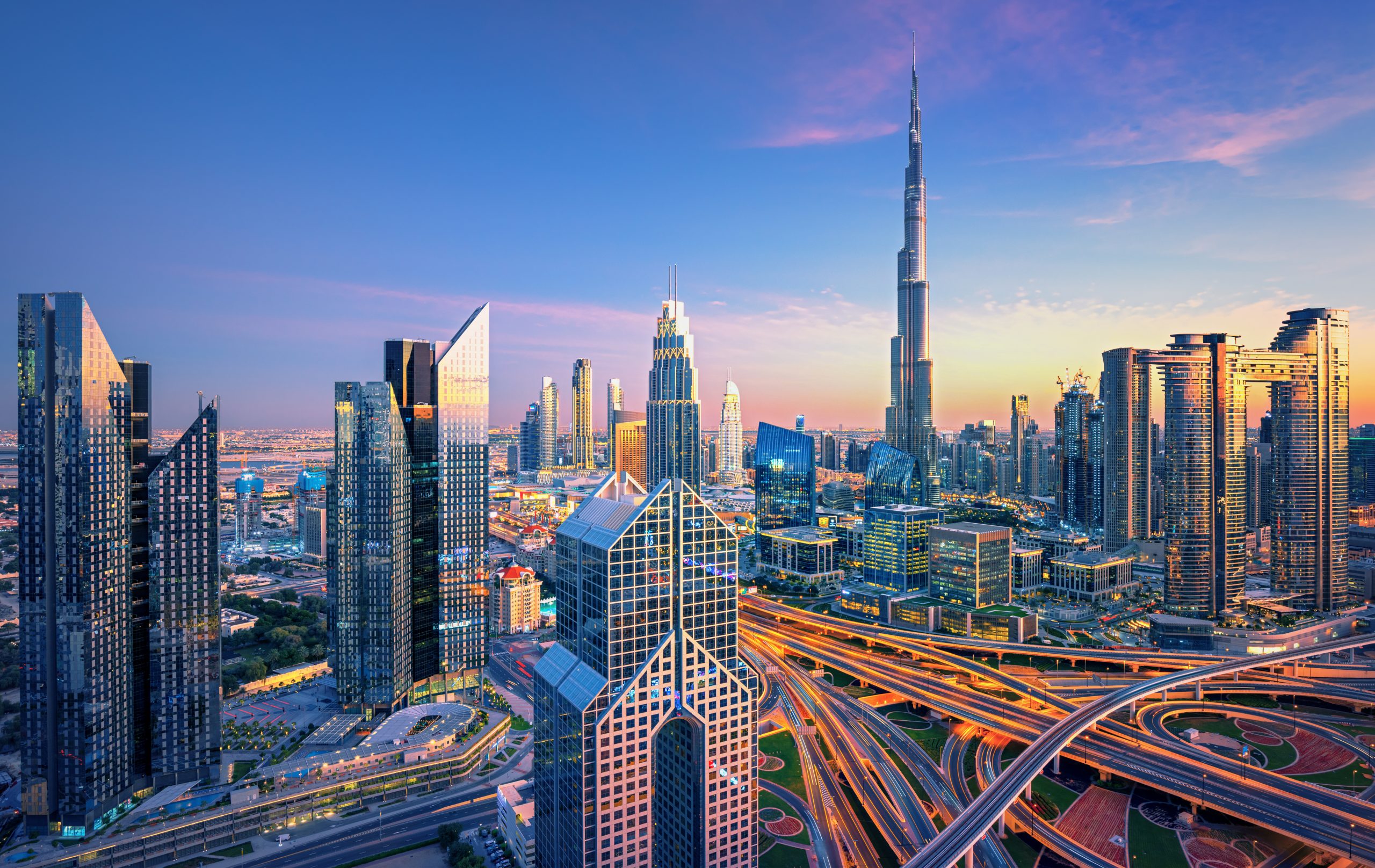
United Arab Emirates

Tuesday, 25 November – The UAE and Kazakhstan signed an agreement to collaborate on aviation safety investigations. During the Dubai Airshow 2025, the UAE’s General Civil Aviation Authority and Kazakhstan’s Transport Ministry concluded an MoU to strengthen cooperation in aircraft accident and incident investigations. The deal provides for mutual assistance, exchange of investigators and training opportunities, as well as observer participation in each other’s inquiries.
EU Corner
Friday, 28 November – Gaza stabilisation efforts: EU foreign ministers welcomed the recent UN Security Council resolution calling for an international stabilisation force in Gaza, describing it as a potential ‘game-changer’ for post-conflict security. Meeting in Brussels, the EU’s Foreign Affairs Council discussed options to expand the EU’s on-ground role in support of Gaza’s ceasefire. Ministers agreed to consider extending the EU Border Assistance Mission (EUBAM) from Rafah to other crossing points, and mooted having the EU’s police mission (EUPOL COPPS) take the lead in training up to 3,000 Palestinian police officers for Gaza. These plans, coordinated with international partners, aim to bolster humanitarian access and lay foundations for a sustainable two-state solution once hostilities fully cease.
Key Official Visits & Contacts
Saturday-Sunday, 26-27 November (Manama) – Pakistan–Bahrain Summit: Pakistani Prime Minister Shehbaz Sharif undertook a two-day official visit to Bahrain, aimed at bolstering political and economic ties. He was received by King Hamad bin Isa Al Khalifa and held talks also joined by Crown Prince Salman, where both sides reaffirmed their historic friendship and discussed regional developments. The leaders agreed to enhance cooperation in various fields, including energy, trade, infrastructure and defence, and praised each other’s support for key international issues. Sharif thanked Bahrain for backing Pakistan’s developmental projects (such as a new medical university funded by Bahrain) and invited Bahraini investors to explore opportunities in Pakistan’s ports, energy and tech sector. The visit, the first by a Pakistani premier in years, underscored Islamabad’s growing engagement with the Gulf and resulted in several agreements and MoUs to expand bilateral collaboration.
Tuesday, 25 November (Riyadh) – Saudi–Italy Investment Forum: Italy’s Deputy Prime Minister and Foreign Minister Antonio Tajani led a large delegation of around 500 Italian business leaders to Riyadh for a landmark Saudi–Italian investment forum. Co-hosted with Saudi Arabia’s government, the forum saw the signing of numerous agreements spanning infrastructure, sustainable energy, high-tech manufacturing, agribusiness, and cultural cooperation. Tajani hailed the relationship as ‘mature partnership’ and noted that Italian companies are increasingly involved in flagship Saudi projects from Vision 2030, from smart cities and green hydrogen to defence industrial ventures. During the mission (which built on discussions from Crown Prince Mohammed bin Salman’s visit to Rome in September), both sides launched a Strategic Investment Partnership council. They also outlined plans for upcoming ‘Italy-Saudi Energy Days’ in 2026 to deepen collaboration in renewables and advanced energy technology.