


5 Top Points
- The UN Security Council held an emergency session on Iranian missile and drone attacks targeting civilian infrastructure in Bahrain and Kuwait.
- Qatar holds Iran fully legally responsible for the IRGC attack on a Qatari LNG tanker near the Strait of Hormuz.
- Saudi Arabia and six other OPEC+ members agreed to increase oil production by 188,000 barrels per day from August.
- Bahrain, Kuwait, Qatar and the UAE attended the 36th NATO Summit in Ankara.
- Italy and the GCC signed an agreement to enhance cooperation and vowed to support stronger EU-GCC ties.
‘Round and About the Gulf’
Kingdom of Bahrain

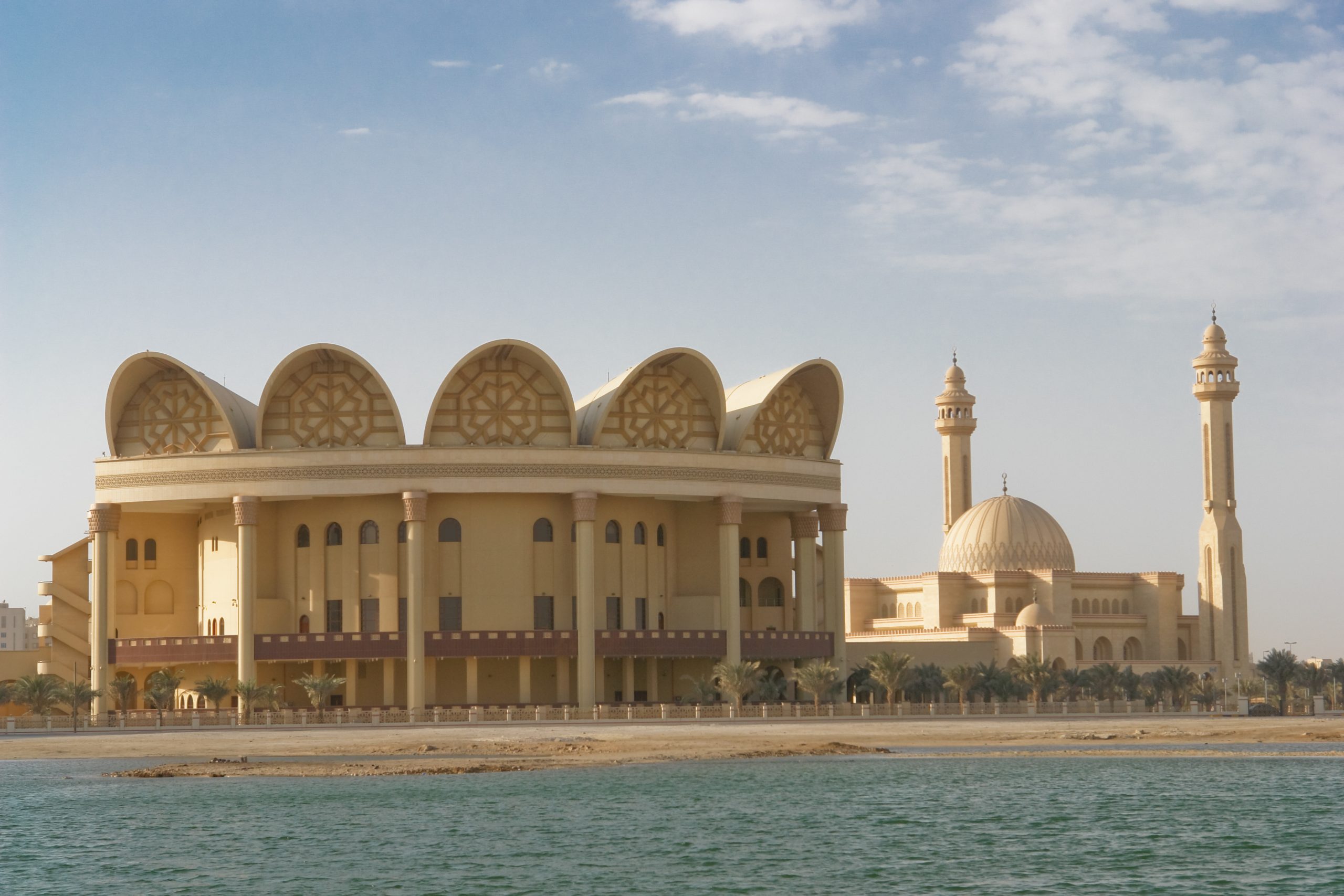
Thursday, 2 July — At Bahrain’s request, the UN Security Council held an emergency session on Iran’s continued attacks against Bahrain and Kuwait. The two countries reported nearly 2,600 missile and drone attacks since 28 February, including a near-catastrophic strike on an ammonia tank in Sitra and systematic targeting of civilian infrastructure and areas, stressing they are not parties to the regional conflict and calling on Tehran to immediately end its military operations against them.
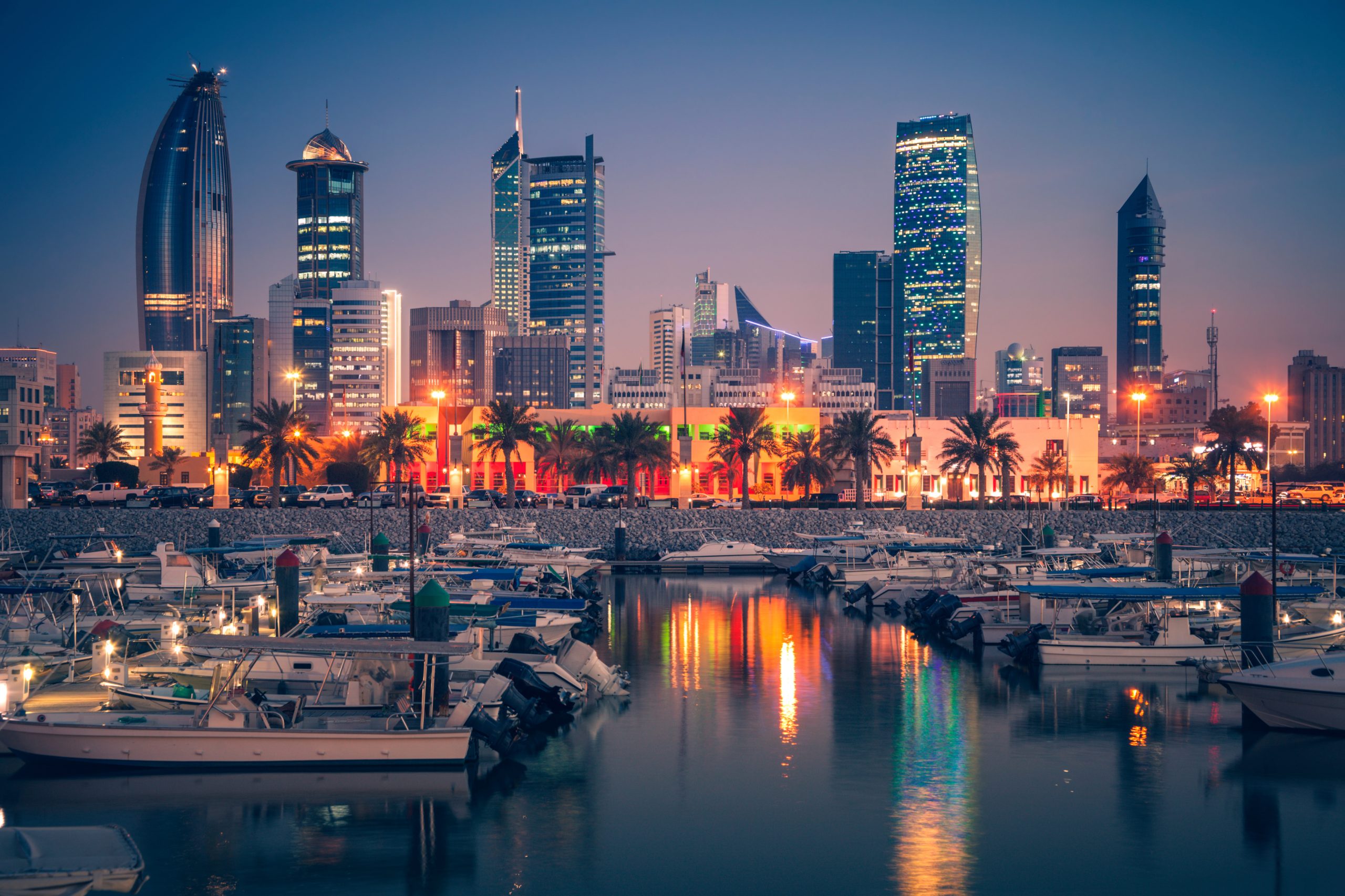
State of Kuwait

Tuesday, 7 July — The UN Human Rights Council unanimously adopted a draft resolution, co-sponsored by Kuwait, Egypt, Indonesia and Malaysia, which focuses on protecting humanitarian personnel during armed conflicts. The resolution addresses the global escalation of violence against aid delivery networks and reinforces the international legal obligation to ensure that aid reaches civilian populations in conflict zones safely and without hindrance.
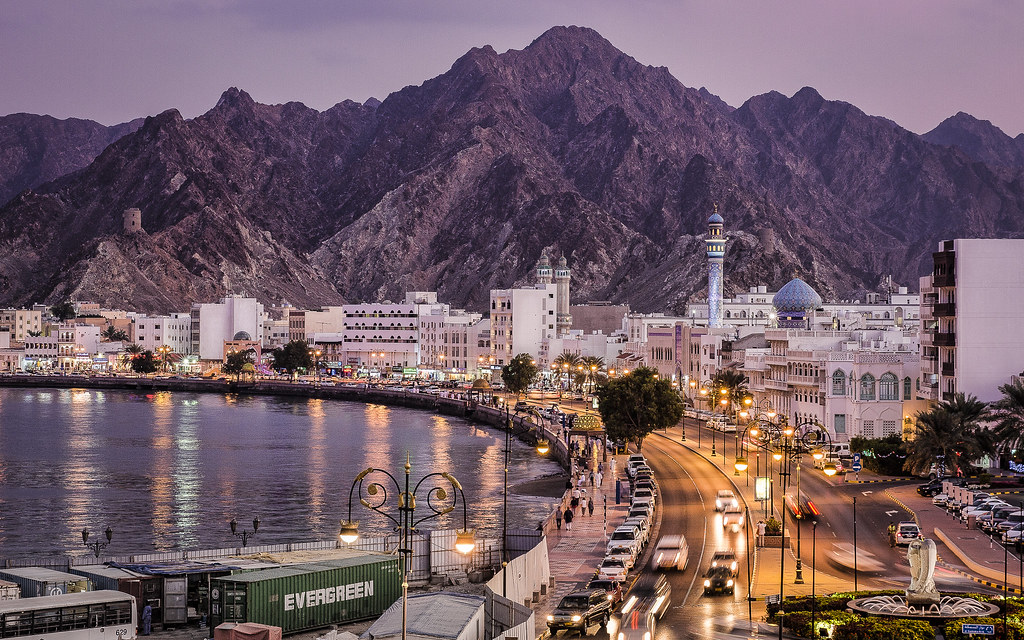
Sultanate of Oman

Monday, 6 July — Oman Air announced three new routes connecting the country with Singapore; Sochi, Russia and Medan, Indonesia. These new routes reflect the country’s effort to strengthen air connectivity targeting the tourism market, all while contributing to the national economy in line with the objectives of Oman Vision 2040.
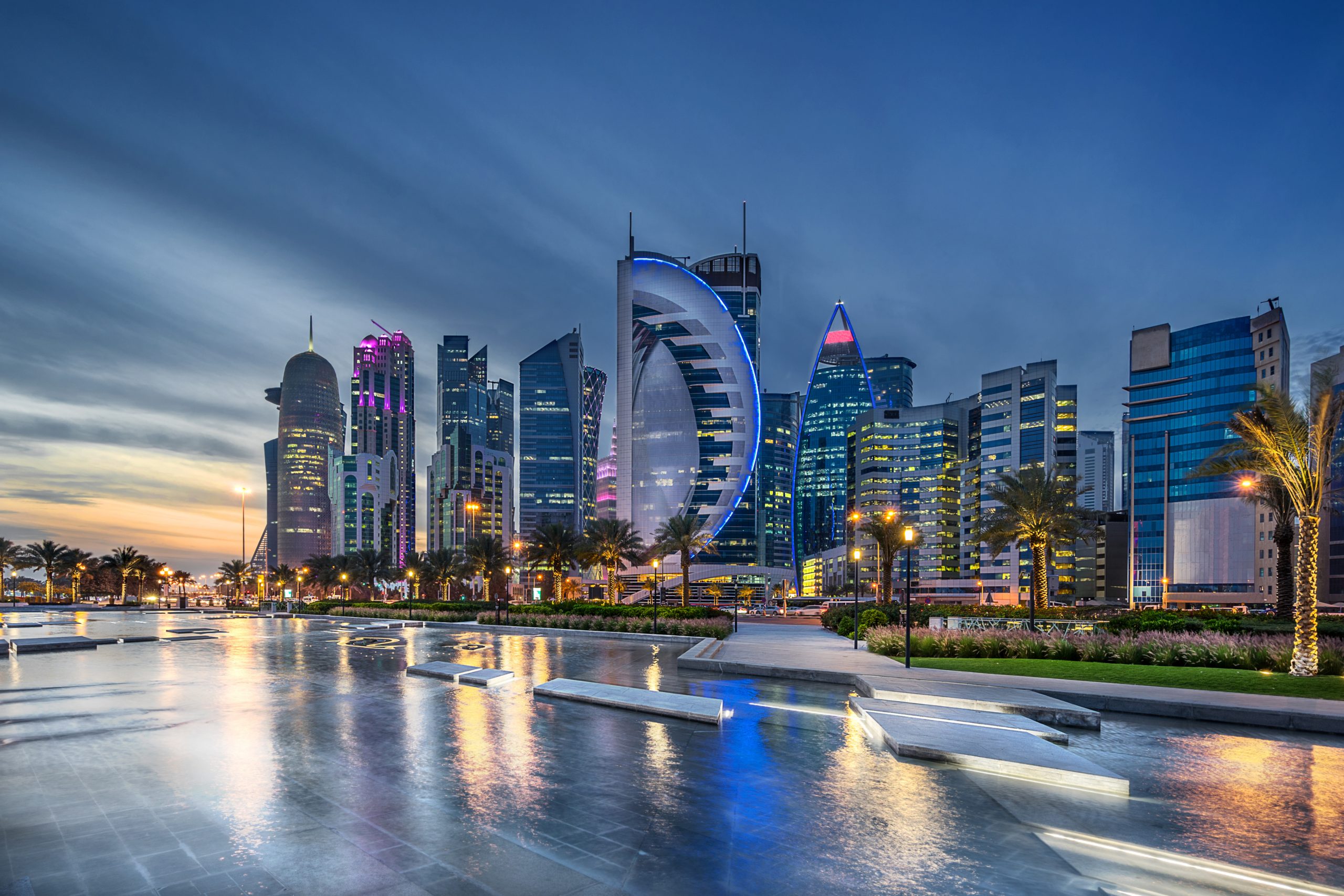
State of Qatar

Tuesday, 7 July — Qatar declared Iran fully legally responsible for an overnight missile strike on the Qatari LNG tanker Al Rekayyat by the Islamic Revolutionary Guard Corps near the Strait of Hormuz. The Foreign Ministry’s Spokesperson, Majed Al Ansari, condemned the incident as a clear violation of international law that poses a direct threat to global energy supplies and the security of maritime navigation.
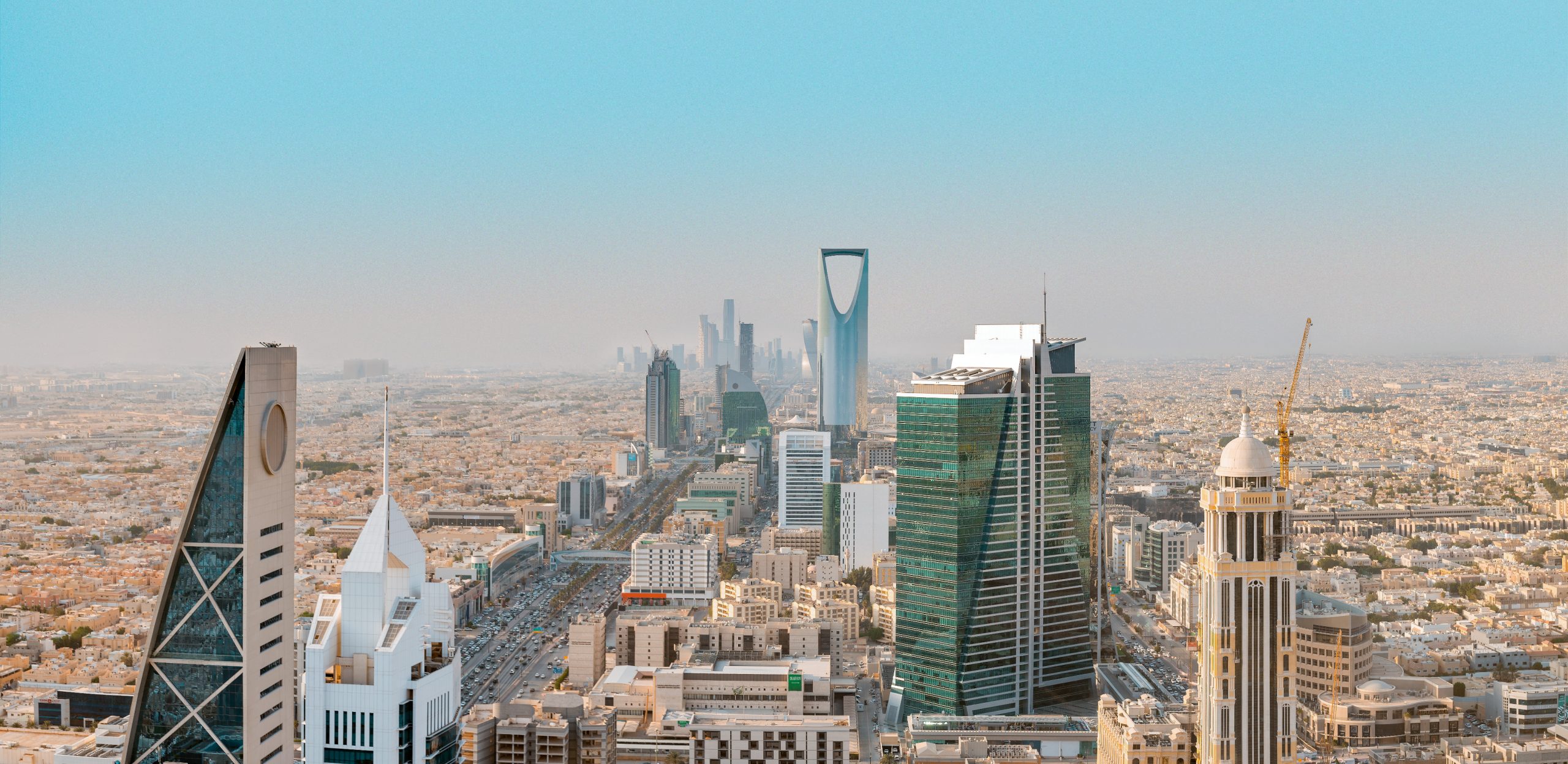
Kingdom of Saudi Arabia

Sunday, 5 July — Seven OPEC+ countries — Saudi Arabia, Russia, Iraq, Kuwait, Kazakhstan, Algeria, and Oman — have agreed to increase oil production by a total of 188,000 barrels per day from August in order to support market stability and prevent excessive prices increase.
United Arab Emirates

Wednesday, 1 July — The Comprehensive Economic Partnership Agreement signed between the United Arab Emirates and Ukraine officially entered into force. The agreement is set to reduce tariffs on a wide range of goods and services, facilitating market access, respectively, for Abu Dhabi and Kyiv. The agreement will exempt 99% of Ukrainian imports and 97% of Ukrainian exports from customs duties.
Wednesday, 1 July — Ireland assumed the Presidency of the Council of the EU until the end of 2026, placing peace, security and stability in the Middle East among its foreign policy priorities. The programme commits to supporting EU efforts to advance the two-state solution, address humanitarian needs in Gaza and the deteriorating situation in the West Bank, while prioritising peace, security and stability in the Gulf and Lebanon, alongside support for Syria’s transition.
Thursday, 2 July — Saudi Vice Minister of Foreign Affairs Waleed Elkhereiji received EU Special Representative for the Horn of Africa Annette Weber to discuss EU-Saudi cooperation on African affairs.
Key Official Visits & Contacts
Wednesday, 1 July — Saudi Foreign Minister Faisal bin Farhan Al Saud visited Beijing for talks with Chinese Vice President Han Zheng and Foreign Minister Wang Yi, reaffirming the China-Saudi strategic partnership. Discussions focused on regional de-escalation, protecting freedom of navigation in the Strait of Hormuz, and expanding cooperation, notably in energy, trade, investment, supply chains and advanced technologies.
Thursday, 2 July — Oman’s Sultan Haitham bin Tariq met in London with the United Kingdom’s Prime Minister Keir Starmer. They discussed regional developments in the Gulf, ways to prevent escalation and to ensure freedom of navigation. In a 3 July joint statement with France’s President Emmanuel Macron, Starmer announced that Oman agreed to work with London and Paris to ensure the safety of navigation in the Strait of Hormuz.
Saturday, 4 July — Saudi Arabia, Qatar and Oman sent official delegations to Tehran for the funeral of Iran’s former Supreme Leader Ali Khamenei.
Monday, 6 July — Bahrain’s Foreign Minister, Abdullatif bin Rashid Al Zayani, met with Saudi Arabia’s Minister of Foreign Affairs, Faisal bin Farhan Al Saud, in Riyadh. The ministers discussed strengthening bilateral ties, accelerating joint projects through the Bahraini-Saudi Joint Coordination Council, as well as the latest developments in the US-Iran negotiations, GCC unity and the need to safeguard freedom of navigation in the Gulf.
Monday, 6 July — Qatar’s Prime Minister and Minister of Foreign Affairs Mohammed bin Abdulrahman Al-Thani met with Ireland’s Minister for Foreign Affairs, Trade, and Defence Helen McEntee in Doha. Following their talks on regional stability and the US-Iran agreement, they signed a Memorandum of Understanding to establish bilateral political consultations. McEntee then travelled to Saudi Arabia for talks with Foreign Minister Faisal bin Farhan Al Saud.
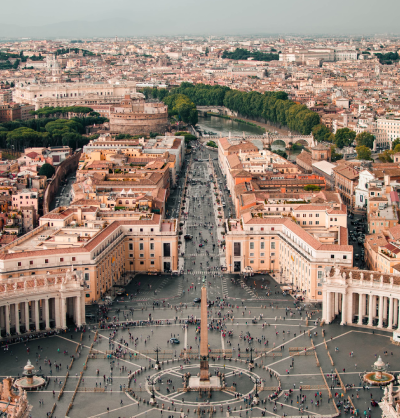
Monday, 6 July — During their meeting in Rome, GCC Secretary General Jasem Mohamed Albudaiwi and Italy’s Deputy Prime Minister and Foreign Minister Antonio Tajani signed a Memorandum of Understanding to establish a structured mechanism for political consultations, covering maritime security, counter-terrorism, critical infrastructure, energy security, connectivity, strategic corridors, such as IMEC. They vowed support for stronger EU-GCC ties and a future free trade agreement.
Monday, 6 July — The UAE and Portugal held their first Political Consultations in Lisbon, marking 50 years of diplomatic relations. The talks, chaired by UAE Minister of State Lana Nusseibeh and Portugal’s Secretary of State Ana Isabel Xavier, focused on expanding cooperation in trade, investment, energy, defence and political dialogue, and supporting the EU-UAE free trade agreement negotiations. They also discussed regional security and reaffirmed support for diplomacy and de-escalation.
Tuesday, 7 July — Bahrain’s King Hamad bin Isa Al Khalifa received India’s External Affairs Minister, Subrahmanyam Jaishankar, in Manama to discuss boosting bilateral cooperation, with King Hamad thanking India for its support following the recent Iranian attacks and its role in regional stability. Jaishankar visited Bahrain as part of a regional tour, which includes stops in Qatar, Kuwait and Oman.
Tuesday, 7 July — Ahead of the Istanbul Cooperation Initiative (ICI) meeting at the 36th North Atlantic Treaty Organisation (NATO) in Ankara, Kuwait’s Foreign Minister Jarrah Jaber Al-Ahmad Al-Sabah met NATO Secretary General Mark Rutte to discuss strengthening cooperation under the ICI, which also includes Bahrain, Qatar and the UAE, addressing regional and emerging security challenges and exploring new areas of collaboration.
The Week Ahead
Monday, 13 July — The EU-GCC High-Level Forum of Regional Security and Cooperation will take place on the sidelines of the EU Foreign Affairs Council (FAC) in Brussels.