


5 Top Points
- Bahrain and Kuwait intercepted Iranian missiles and drones, prompting strong condemnation and renewed calls for Iran to uphold the US-Iran MoU and end attacks on the Gulf.
- GCC Foreign Ministers and US Secretary of State met in Manama, reaffirming their strategic partnership and the need to address the full spectrum of Iranian threats.
- US-Iran negotiations moved to Doha, where technical discussions will continue but no high-level bilateral meetings are currently scheduled.
- France and Oman expanded their partnership and agreed to cooperate on demining efforts in the Strait of Hormuz.
- Oman and Iran held the first joint committee meeting on the future management of the Strait of Hormuz.
‘Round and About the Gulf’
Kingdom of Bahrain

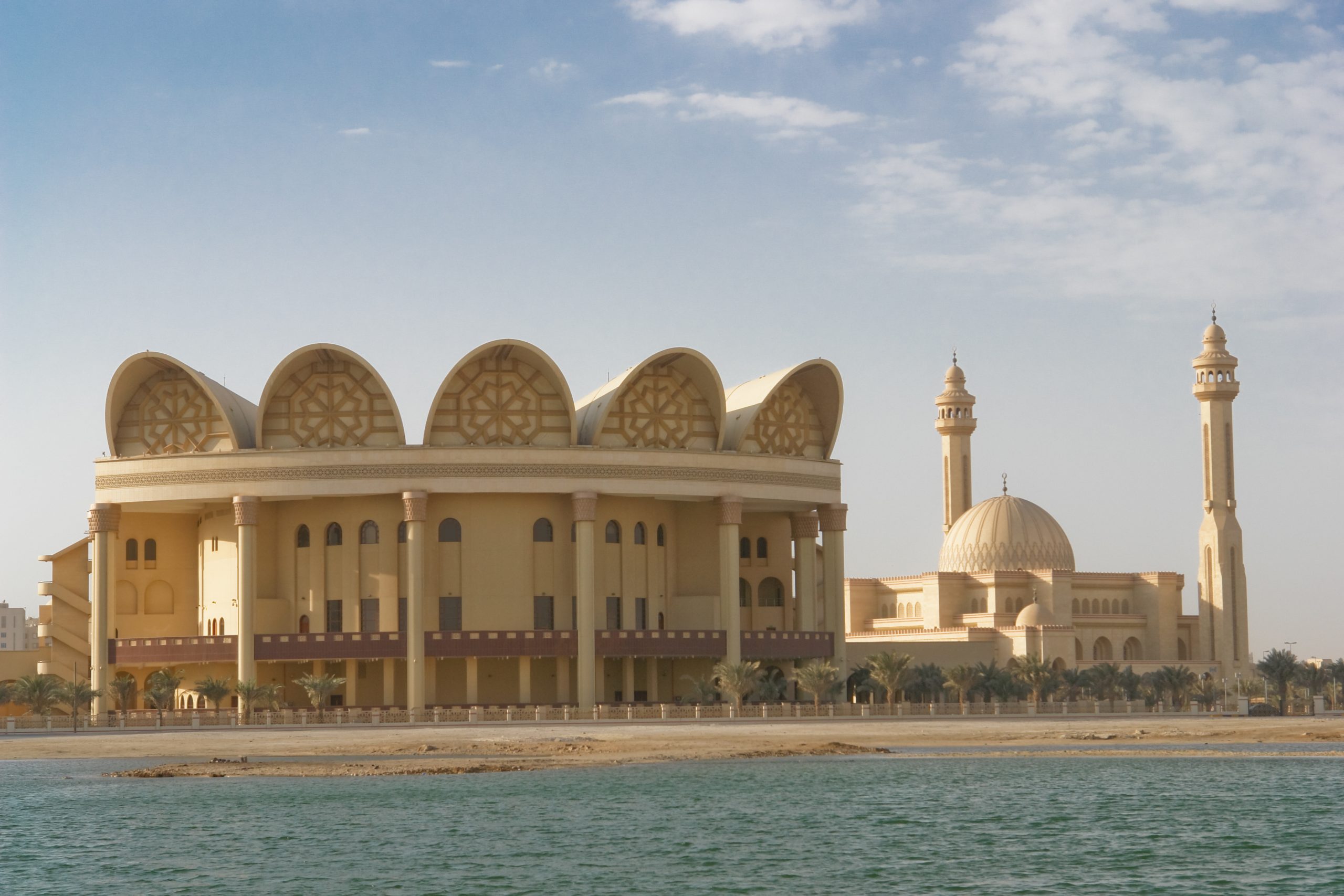
Saturday, 27 June — Bahrain intercepted several Iranian drones and missiles on 27 and 28 June, the first attacks since the signing of the US-Iran Memorandum of Understanding (MoU). The Foreign Ministry condemned the attacks, underlining that peace cannot be achieved through threats and use of force. Additionally, it called on Iran to comply with the Islamabad MoU and to permanently cease any attacks and military operations in the region.
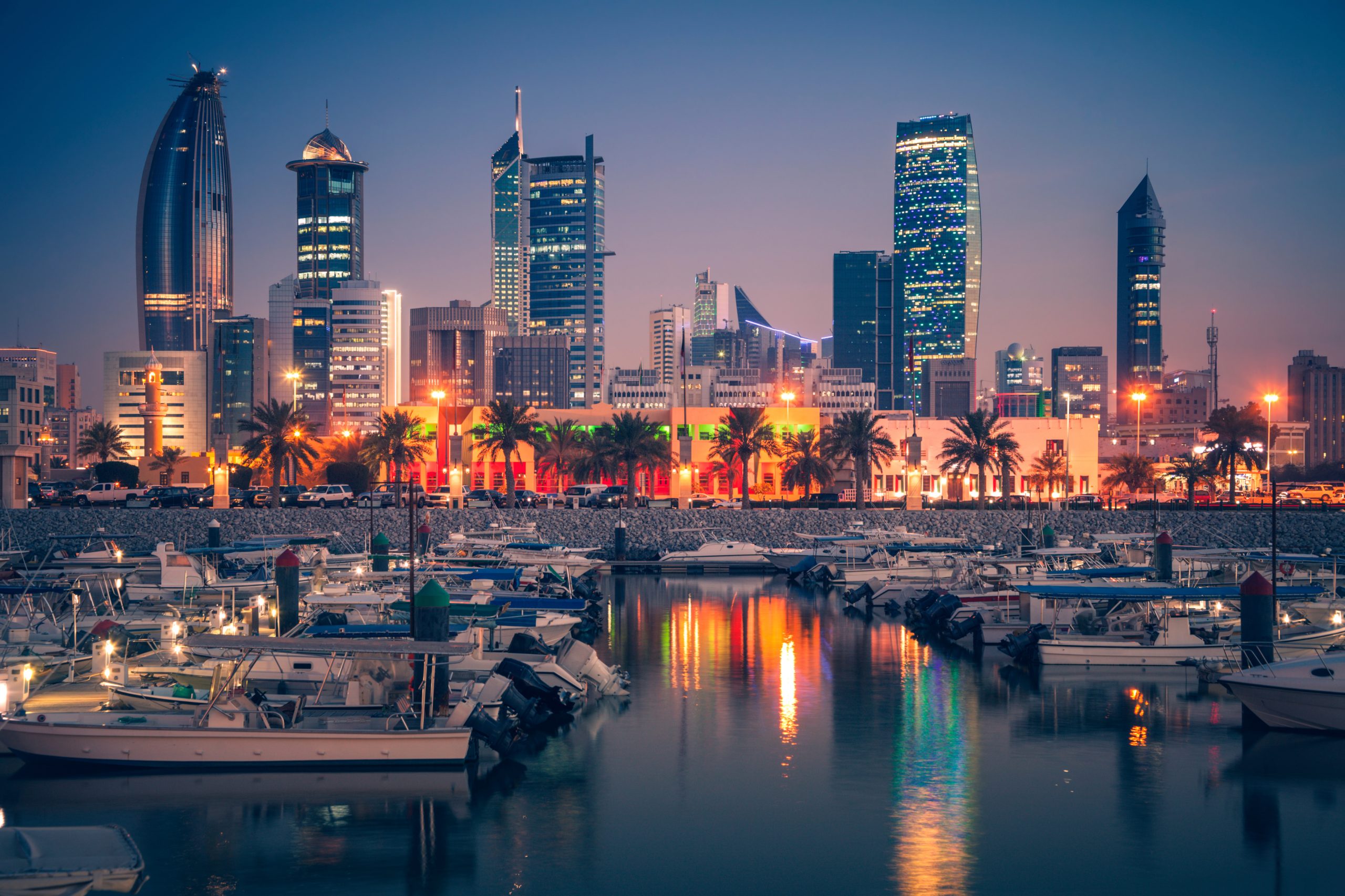
State of Kuwait

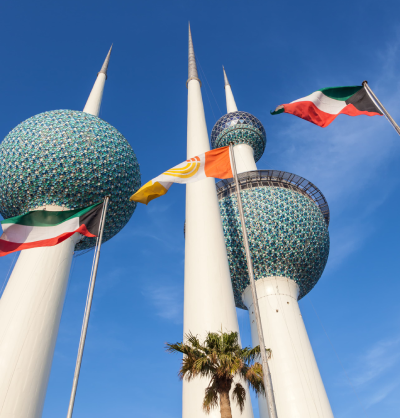
Sunday, 28 June — Kuwait intercepted two Iranian ballistic missiles at dawn. The Foreign Ministry denounced the attacks for violating Kuwait’s sovereignty and undermining ongoing regional de-escalation efforts.
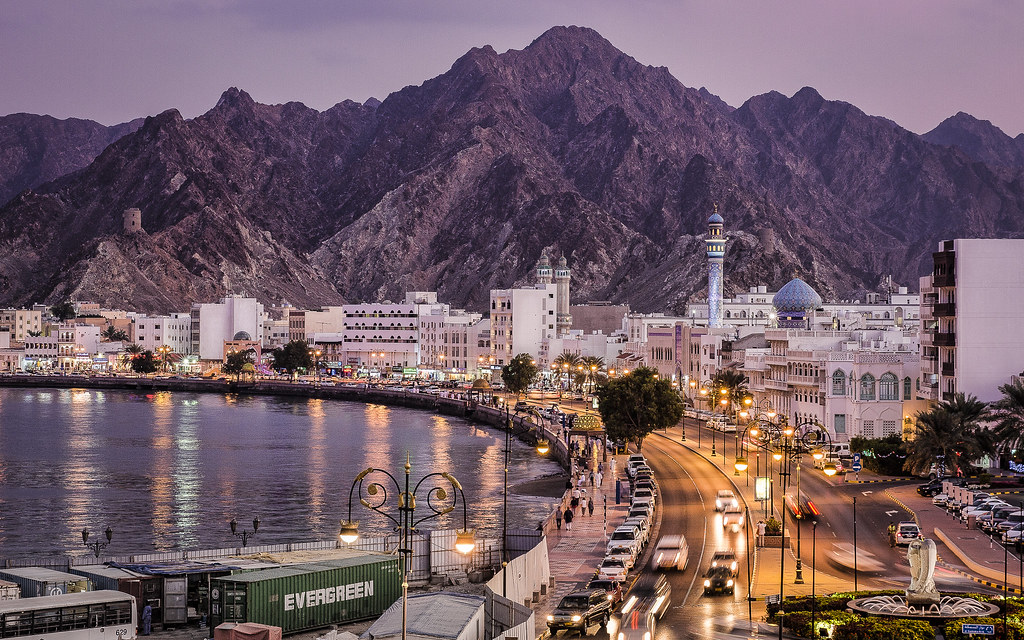
Sultanate of Oman

Wednesday, 24 June — Oman established a temporary maritime safe corridor in collaboration with the International Maritime Organisation (IMO) for vessels transiting the Strait of Hormuz. The vessels will need to coordinate with the IMO and follow the coordinates given by the Omani authorities. Wednesday, 24 June — Oman established a temporary maritime safe corridor in collaboration with the International Maritime Organisation (IMO) for vessels transiting the Strait of Hormuz. The vessels will need to coordinate with the IMO and follow the coordinates given by the Omani authorities.
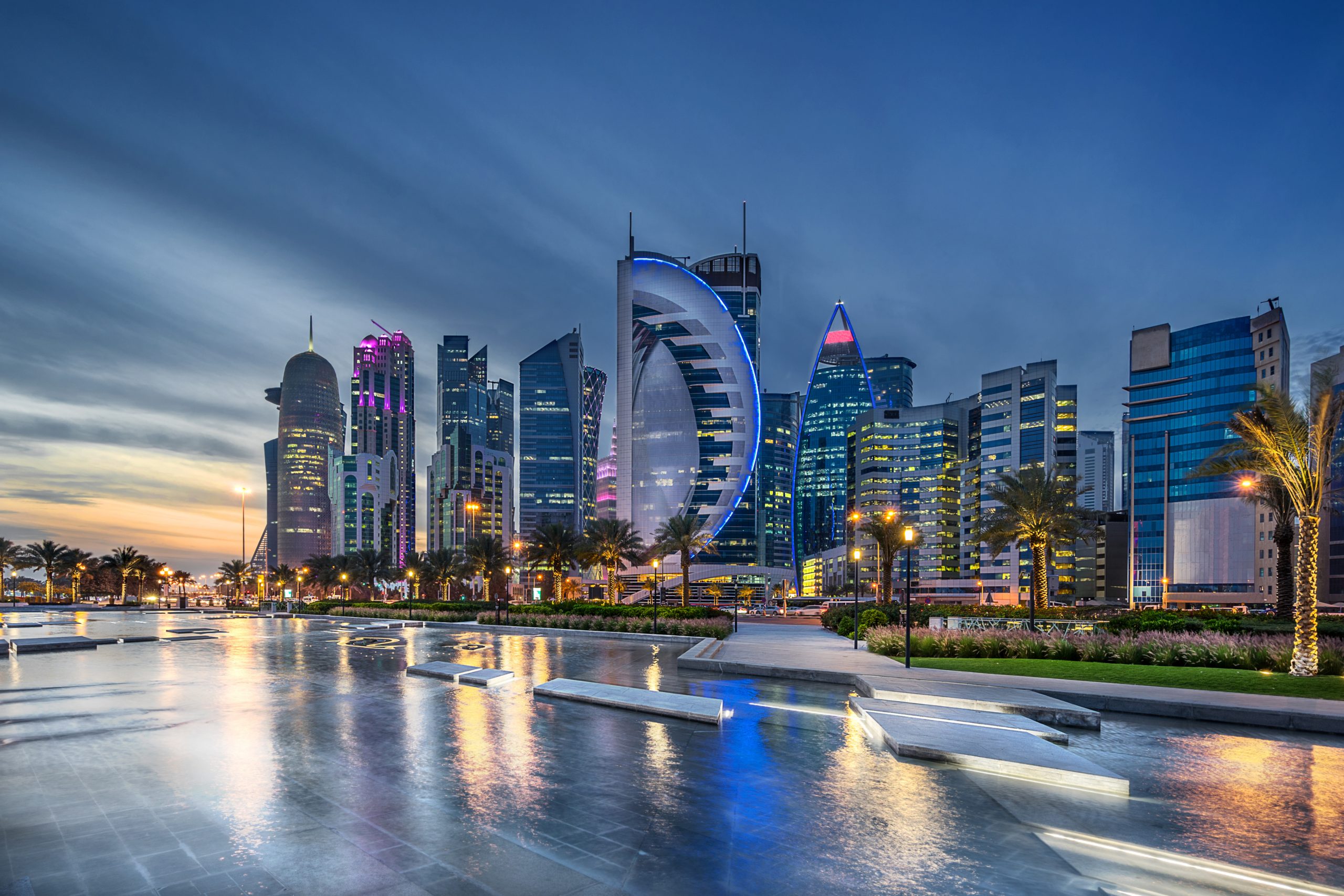
State of Qatar

Wednesday, 24 June — Qatar’s Prime Minister Mohammed bin Abdulrahman Al Thani announced that Qatar will restart the production of Liquified Natural Gas (LNG) within a few weeks. The production was halted shortly after the Iranian drone attack on the Ras Laffan plant. Wednesday, 24 June — Qatar’s Prime Minister Mohammed bin Abdulrahman Al Thani announced that Qatar will restart the production of Liquified Natural Gas (LNG) within a few weeks. The production was halted shortly after the Iranian drone attack on the Ras Laffan plant.
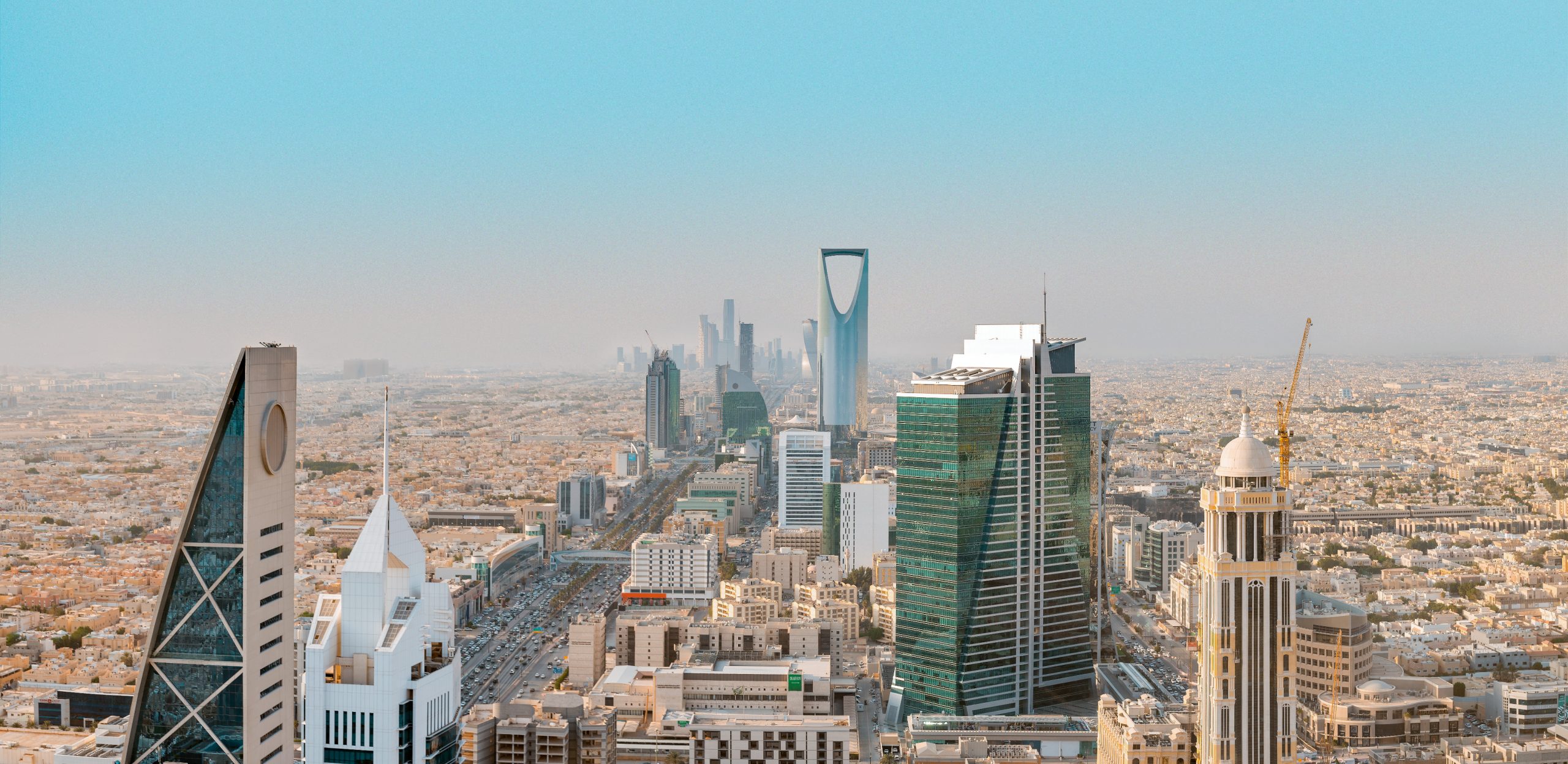
Kingdom of Saudi Arabia

Sunday, 28 June — A helicopter owned by Saudi Aramco crashed at the Ras Tanura oil refinery, killing 14 Saudi nationals. The cause is currently unknown.
Monday, 29 June — After the Saudi national team’s elimination from the FIFA World Cup 2026, Saudi Arabia’s Football Federation President Yasser Al Misehal resigned from his post. He took responsibility for the failure to qualify for the next round of the World Cup, a result that fell short of the Kingdom’s ambitions. Al Misehal was involved in the successful bid to win the hosting rights for the FIFA World Cup 2034.
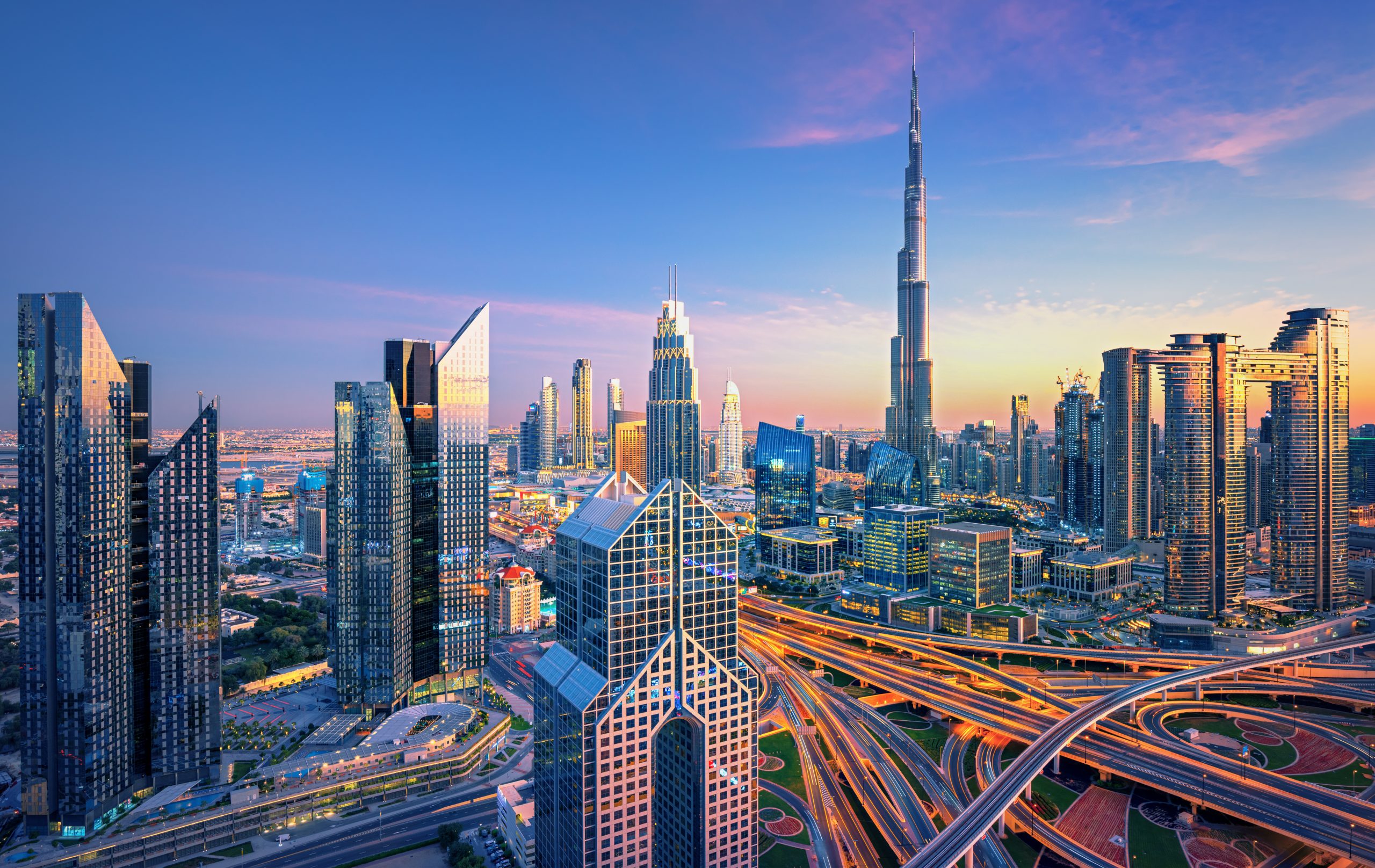
United Arab Emirates

Thursday, 25 June — Abu Dhabi’s Crown Prince Khaled bin Mohamed Al Nahyan, formally inaugurated the Mohamed bin Zayed City passenger station in Abu Dhabi, the first phase of UAE’s national passenger rail network with services between Abu Dhabi and Fujairah starting on 30 June. The wider Etihad Rail network will open in phases through March 2027, improving connectivity between the emirates and supporting tourism, economic development and sustainable transport.
Friday, 26 June — The UAE successfully mediated another exchange of 320 prisoners of war between Ukraine and Russia, bringing the total of individuals released thanks to UAE mediation to 7,791.
EU Corner
Wednesday, 24 June—Riyadh hosted the 34th EU-GCC Joint Cooperation Committee, co-chaired by the European External Action Service’s Managing Director for Middle East and North Africa Hélène Le Gal, European Commission’s DG MENA Director for the Gulf Matthew Briens and GCC Assistant Secretary-General for Political and Negotiation Affairs Abdel Aziz Hamad Aluwaisheg. Le Gal reaffirmed that: ‘The EU stands with the GCC in these difficult times.’
Thursday, 25 June—Bahrain’s King Hamad Global Center for Coexistence and Tolerance, in cooperation with the Cypriot Presidency of the EU Council, hosted the High-Level International Conference on Coexistence and Religious Diversity in Lefkosia, bringing together EU and Gulf representatives, experts and policymakers. They agreed on developing a Joint Cyprus–Bahrain Roadmap on Coexistence, outlining priority areas for cooperation and knowledge exchange.
Friday, 26 June—During the Oil Coordination Group meeting, the European Commission and EU countries discussed oil supply security in the EU in light of the ongoing US-Iran negotiations, affirming that trade flows are slowly beginning to recover following the Islamabad MoU, although regional supplies will take time to reach Europe.
Monday, 29 June—The GCC Ambassadors to the EU held talks with EU High Representative Kaja Kallas in Brussels on the latest regional developments, including the Iranian attacks on the GCC and the situation in the Strait of Hormuz. Both sides reaffirmed their commitment to strengthening cooperation, including on diplomatic and security matters. Kallas condemned the recent Iranian attacks and reiterated the EU’s solidarity with Bahrain and the GCC member states, in line with the 27 June EU statement, which also called on Iran to end its attacks on neighbouring states.
Tuesday, 30 June — Qatari Prime Minister and Foreign Affairs Minister Mohammed bin Abdulrahman Al-Thani met with the EU’s Special Representative for the Gulf region Luigi Di Maio in Doha. They discussed the latest regional developments and the signing of the MoU between the United States and Iran as well as ways to strengthen the relationship between Qatar and the EU.
Key Official Visits & Contacts
Wednesday, 24 June — Dutch Foreign Minister Tom Berendsen held talks with Qatar’s Minister of State Mohammed Al-Khulaifi and Defence Minister Ali Al Thani in Doha, highlighting Doha’s role in supporting dialogue across the Middle East. The discussions centered on regional security, mediation efforts and opportunities to strengthen cooperation between Qatar and the Netherlands.
Wednesday, 24 June — US Secretary of State Marco Rubio began his Gulf tour in Abu Dhabi, in the UAE, where he met with Mohammed bin Zayed Al Nayhan. He then visited Kuwait, where he met Emir Mishal Al-Ahmad Al-Jaber Al-Sabah, Crown Prince Sabah Al-Khalid Al-Sabah and Foreign Minister Jarrah Jaber Al-Ahmad Al-Sabah. During both meetings, the parties discussed the US-Iran MoU, with Rubio reassuring the Gulf partners of the US commitment to the Gulf’s security.
Thursday, 25 June — During the GCC-US Ministerial Meeting in Manama, the GCC Foreign Ministers and US Secretary of State Marco Rubio reaffirmed their strategic partnership, backing the US-Iran MoU and further negotiations to prevent Iran from obtaining nuclear weapons and to address its ballistic missile and drone programmes and regional proxies. They also called for free navigation through the Strait of Hormuz, supported stability in Syria and Lebanon, endorsed Gaza reconstruction efforts, and condemned attacks on GCC countries by Iran-backed groups in Iraq.
Friday, 26 June — UAE Foreign Minister Abdullah bin Zayed Al Nahyan and his Iranian counterpart Abbas Araqchi discussed protecting maritime routes and ensuring freedom of navigation in the Strait of Hormuz. The UAE called for full implementation of the US-Iran MoU, respect for international law and an immediate end of hostilities.
Friday, 26 June — Several GCC countries attended the Second Pax Silica Summit in Washington, DC. Pax Silica currently has 24 signatories, including the European Union, Israel, Qatar, the UAE, the UK and the US. Bahrain joined the signatories in endorsing the AI Opportunity Partnership, which defined priorities for AI cooperation, such as pro-innovation regulation, strengthening supply chains, private-sector investment, to promote economic security, innovation, and fair competition.
Sunday, 28 June — France and Oman strengthened cooperation during Sultan Haitham bin Tariq’s visit to France, signing six agreements, three memoranda of understanding, and three letters of intent in various fields, notably economy, energy, space, transportation, services, health and culture. French President Macron said the countries agreed to work together to support demining efforts in the Strait of Hormuz, helping secure maritime routes and ease regional tensions.
Monday, 29 June — Muscat hosted the first meeting of the Oman-Iran joint committee on the Strait of Hormuz to discuss issues related to the strategic waterway and its future management based on the US-Iran MoU signed earlier this month. The meeting was co-chaired by Ambassador at Large at Oman’s Foreign Ministry Abdulaziz bin Abdullah Al-Hinai and Iran’s Deputy Foreign Minister for Legal and International Affairs Kazem Gharibabadi. Omani Foreign Minister Badr Al Busaidi earlier said that future arrangements concerning the Strait would not involve transit fees.
Tuesday, 30 June — The US-Iran negotiations on the implementation of the MoU were moved to Qatar. Qatar’s Foreign Ministry Spokesperson Majed Al Ansari said no high-level talks are scheduled during the visit by US Envoys Jared Kushner and Steve Witkoff to Doha. Technical discussions will continue on regional security and other issues and could be later elevated to senior level. It comes a few days after the US accused Iran of attacking several commercial vessels and responded with strikes on Iranian military facilities.
The Week Ahead
1 July — Start of Ireland’s six-month Presidency of the Council of the European Union.
1 July — The UAE-Ukraine Comprehensive Economic Partnership Agreement (CEPA) officially enters into force.
2-3 July — Visit of the College of European Commissioners to Ireland.
6-9 July — European Parliament Plenary in Strasbourg.
7-8 July — The 36th NATO Summit held in Ankara.