



For decades, influence in the Gulf was largely determined by military partnerships and energy relationships. Today, however, Gulf states are increasingly seeking (GCC) partners that offer more than just security guarantees. All six Gulf Cooperation Council members – Bahrain, Kuwait, Oman, Qatar, Saudi Arabia and the UAE – are heavily investing in culture, tourism, heritage, technology and global branding as part of broader national transformation strategies. As the region’s influence shifts towards diversified partnerships and away from dependence on a single dominant actor, Italy’s growing role demonstrates that cultural diplomacy, heritage expertise and soft power have become strategic tools of international influence, alongside traditional security and economic relationships.
The nature of influence in the Gulf is undergoing a profound structural transition. For most of the late 20th and early 21st centuries, the US was the region’s main external security provider–utilising alliances, military support, defence cooperation, arms sales and security guarantees to maintain stability in this strategically important region. In response, the GCC states relied extensively on this security umbrella, especially following conflicts such as the 1990 Iraqi invasion of Kuwait, the 2003 Operation Iraqi Freedom and the ebbing and flowing of tensions and war with Iran. This system was further reinforced by energy partnerships that directly linked GCC production to Western markets.
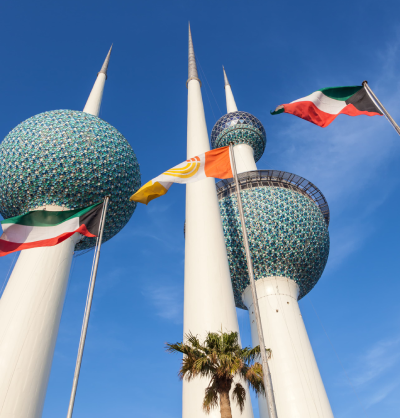
Today, the GCC members seek to reduce their dependence on any one international partner. Saudi Arabia’s Vision 2030, for example, is representative of national development initiatives across the Gulf that emphasise innovation, tourism, economic diversification, culture, and technology as pivotal drivers of future progress. Consequently, GCC states are cultivating relationships with a more diverse range of stakeholders who can provide expertise, investment and cultural exchange. Influence is no longer projected solely through military presence or defence agreements, but increasingly through a country’s ability to support economic transformation, long-term development, and global connectivity.
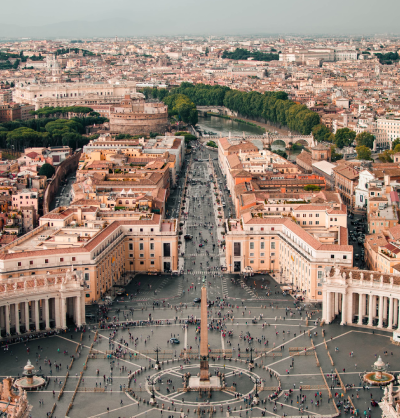
Rome occupies a unique position in this landscape. With its ancient heritage, Renaissance legacy, pioneering architecture, and global tourism, it is a natural epicentre for cultural diplomacy. For centuries, the city has demonstrated that culture can generate international prestige, attraction, and influence that outlast political or military dominance. It projects this influence through world-class institutions such as the Vatican Museums, the Capitoline Museums, and the MAXXI National Museum of 21st Century Arts, the latter of which serves as an anchor for contemporary Italian ‘soft power’. Furthermore, Rome’s high-profile restoration projects, such as those at the Colosseum, Palazzo Venezia, the Temple of Venus and Rome, and the Pyramid of Cestius, demonstrate mastery in the restoration of archaeological remains while improving accessibility and preservation. Alongside robust educational exchanges, including extensive study abroad programmes, academic mobility opportunities, and bilateral cultural grants, this Italian model has become highly attractive to planners in the Gulf.
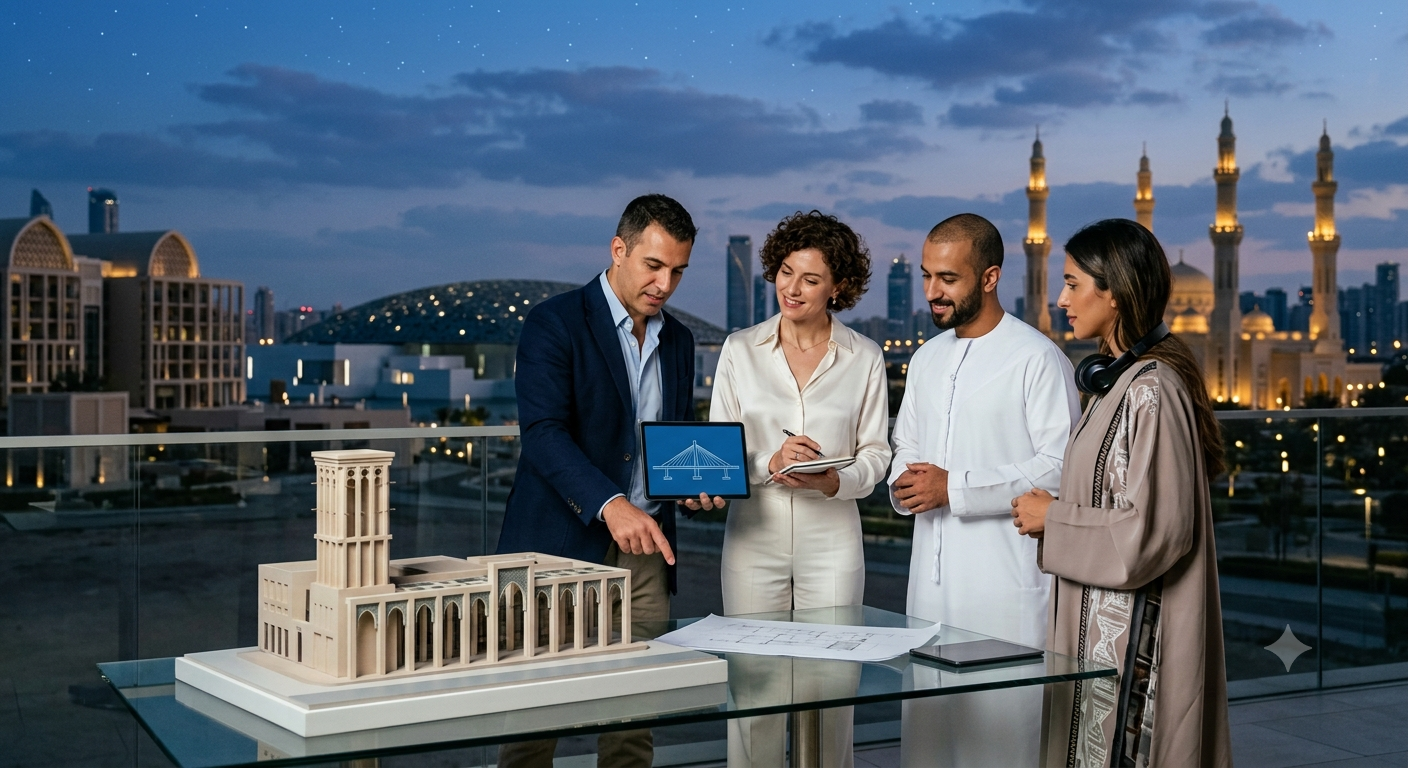
GCC diversification initiatives in museums and heritage all reflect this Italian philosophy. The Gulf states are deliberately investing in cultural capital in order to diversify their economies, boost tourism, strengthen their national identities and enhance their international reputations. Culture is now seen as an integral part of economic and diplomatic strategy, not something separate from development. This is an area in which Italy has carved out an irreplaceable niche. Italian architecture and urban planning are proving pivotal in preserving Gulf heritage. Through Italian firms involved in Gulf development projects, growing tourism, and partnerships in design, fashion, and urban development, Italy provides a valuable and unique supply of cultural expertise. While traditional Western allies offer military might, Italy offers cultural credibility that directly aligns with the Gulf’s modernisation goals.
This shift has significant implications for the US and the future of global influence. Although the US remains the Gulf’s principal security partner, with defence guarantees and military cooperation underpinning regional stability, the nature of power is changing. Partnerships centred around culture, education, technology, investment, and innovation are increasingly carrying equal weight to traditional defence ties. Italy’s growing role reflects this shift. Rather than being challenged in its ability to maintain security leadership, the US is faced with the task of adapting to a world where soft power increasingly complements and secures hard power.
Sources
- Culture Compass for Europe – Culture and Creativity, culture.ec.europa.eu/policies/culture-compass. Accessed 1 July 2026.
- Historic Centre of Rome, the Properties of the Holy See in That City Enjoying Extraterritorial Rights and San Paolo Fuori Le Mura – UNESCO World Heritage Centre, whc.unesco.org/en/list/91/. Accessed 1 July 2026.
- The Middle East Is Experiencing a Cultural Transformation | Al Majalla, en.majalla.com/node/325716/culture-social-affairs/middle-east-experiencing-cultural-transformation. Accessed 1 July 2026.
- https://whc.unesco.org/en/list/91/
- https://culture.ec.europa.eu/policies/culture-compass/international
- https://en.majalla.com/node/325716/culture-social-affairs/middle-east-experiencing-cultural-transformation