



Abstract—Much attention is paid to the US-GCC and the EU-GCC relationships but this only captures a small part of the international engagement of the GCC members in terms of global trade and politics. This article jumpstarts a mini-series that looks into some of the specific dynamics that are emerging between the GCC and Mercosur in South America. This initial research delves into how the UAE-Mercosur relationship is shaping up and paces the way for better understanding the ever-expanding GCC-Mercosur cooperation.
Keywords—GCC, Mercosur, UAE, Trade, dynamics, free trade, blocs, agro-business
During a key set of discussions initiated in 2005, during the South American-Arab Countries Summit, the signing of a Framework Agreement on Trade between the Southern Cone Market, known as Mercosur (Argentina, Brazil, Paraguay and Uruguay) and the Gulf Cooperation Council (GCC), occurred. While a bloc-to-bloc Free Trade Agreement has not yet marterialised, there have been significant steps taken towards increasing engagement between the GCC and Mercorsur. And, from July this year (2024), the United Arab Emirates (UAE) has begun to work to completing a bilateral Free Trade Agreement with the bloc.
The first round of negotiations took place in Asunción, Paraguay and is expected to conclude during the G20 meeting in Rio de Janeiro in November 2024. Key topics of interest include reducing trade and technical barriers and ensuring the harmonisation of sanitary and phytosanitary measures, along with expanding access to a variety of goods and services. These discussions are crucial to enhancing trade and cooperation between markets that are already interconnected at several levels. As of 2022, combined trade between Mercosur and the UAE was about $ 8 billion a year.
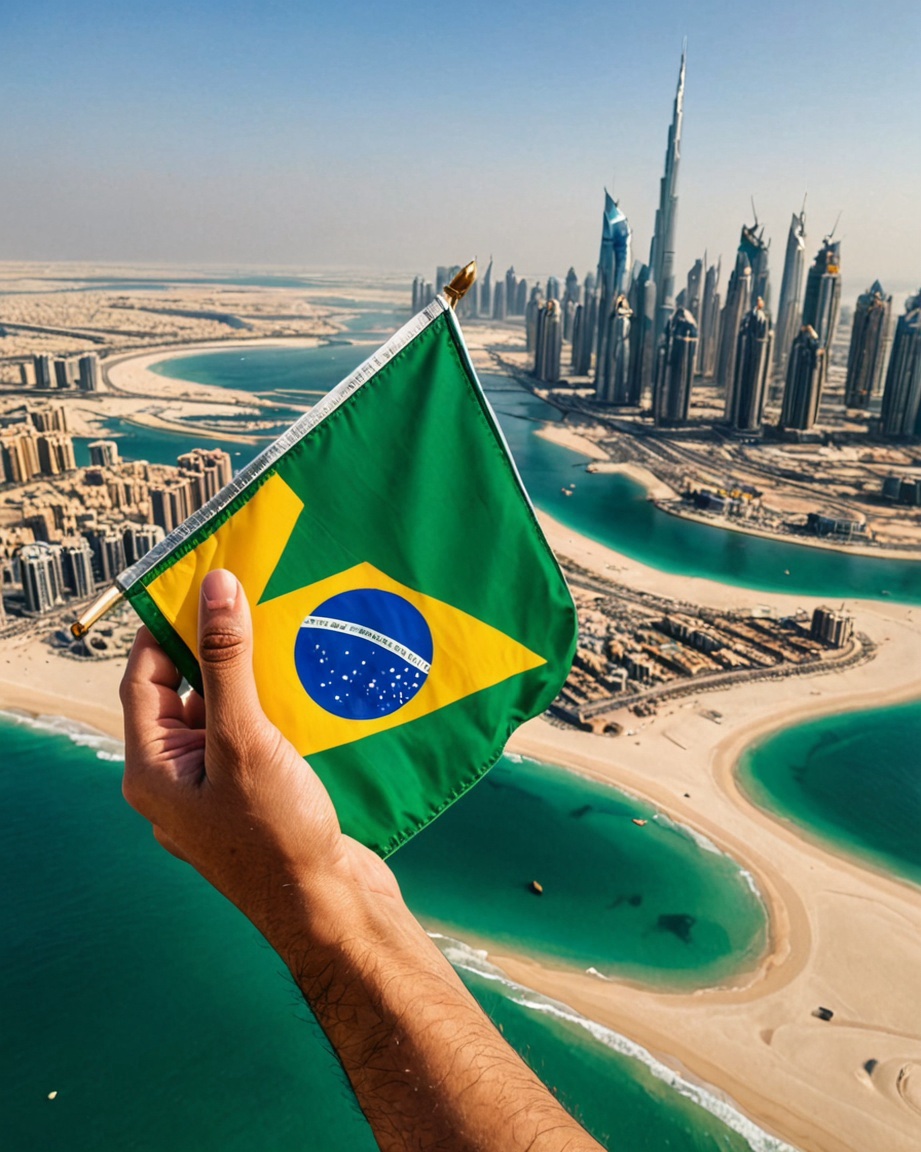
Trade between the UAE and Brazil — the largest economy in Mercosur and a key driver of the bloc’s exports, has increased significantly in the past years. According to Brazil’s Ministry of Development, Brazilian exports to the UAE have grown 74% in the first semester of 2024, compared to the same period in 2023 In global terms, the UAE jumped from 28th to 13th in importance for Brazilian exports, focused on the sector of agro-business, as Brazil is the largest halal meat global exporter.
Mercosur, established in 1991 by the Treaty of Asunción, aims to create a Common Market by eliminating internal trade barriers and eventually harmonising Common Customs Tariffs (CCTs). Although the process remains incomplete, ongoing negotiations are focused on achieving CCT harmonisation. Strengthening several institutions created by the Ouro Preto Protocol in 1994, including that of the Mercosur Trade Commission (MTC), is crucial for the oversight and application of common tariffs and trade policies (see Art.19). In addition, according to Article 34 of the same Protocol, Mercosur has acquired a ‘legal personality of international law’ being thus able to negotiate international trade agreements on behalf of its members.
******
This info sheet will be the first in a series that will follow these negotiations and will aim to explain better the workings of Mercosur as it advances in its process of integration and its potential importance to the Gulf Cooperation Council members.