


5 Top Points
- Officials from Bahrain, Qatar, Saudi Arabia, the UAE and the EU attended the Syria talks in Jordan.
- Saudi Arabia won the bid for hosting the 2034 FIFA World Cup.
- President of Belarus, Aleksandr Lukashenko, was on an official visit to Oman.
- The UAE and India plan to strengthen their strategic partnership.
- Qatari officials held phone calls with their French, Greek, and Spanish counterparts.
‘Round and About the Gulf
Kingdom of Bahrain

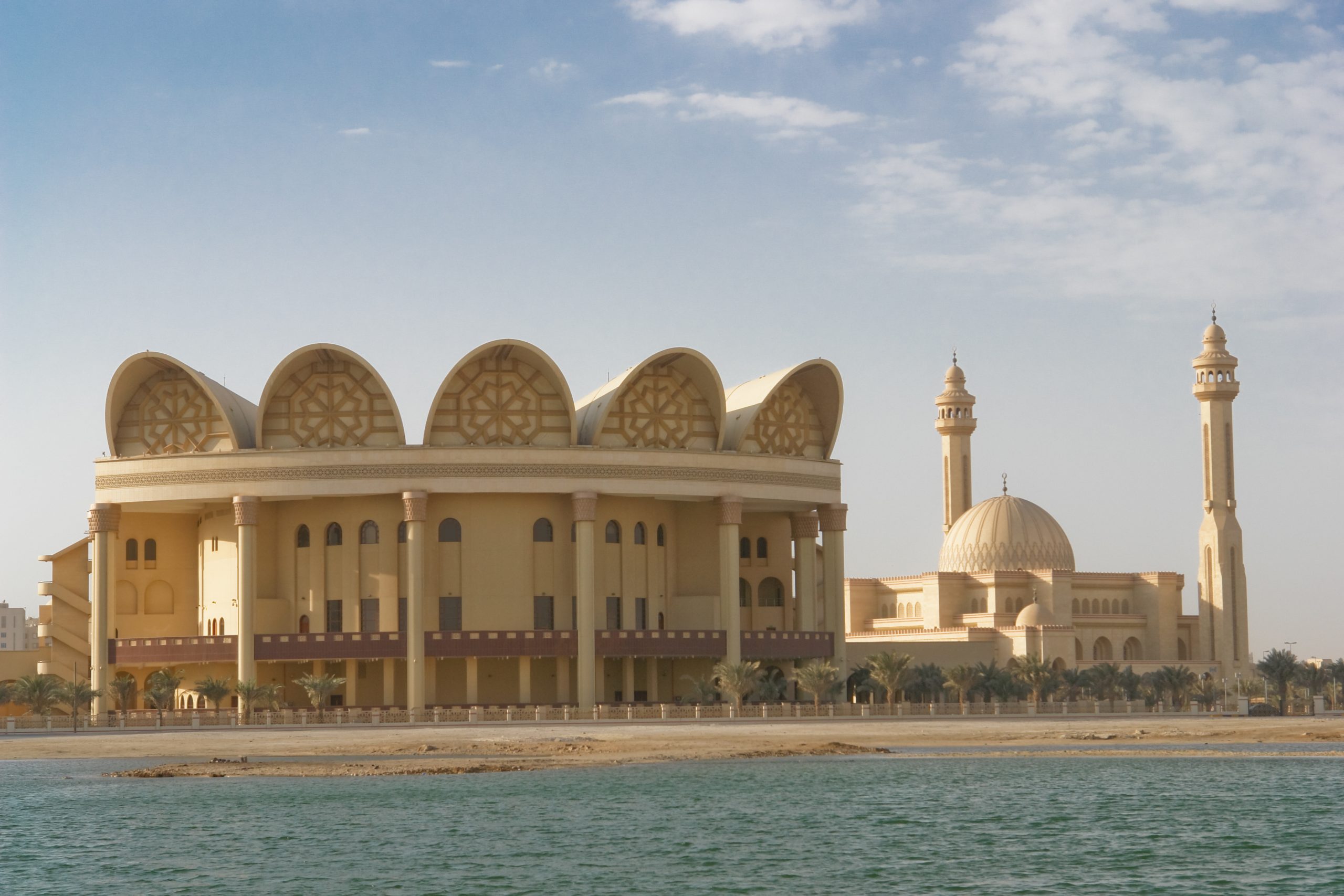
Thursday, 12 December—The Minister of Interior and Chairman of the Ministerial Committee for Information and Communication Technology, Rashid bin Abdullah Al-Khalifa, in collaboration with the Information and eGovernment Authority, announced the launch of the ‘Global Digital Twinning for eGovernment Excellence’. This initiative is a part of Bahrain’s pilot programme with the United Nations that shares Bahrain’s expertise in digital governance with partner countries to enhance international collaboration. This comes as Bahrain has integrated over 20 national systems and 13 services are now available through self-services, achieving 90% digitalisation.
State of Kuwait

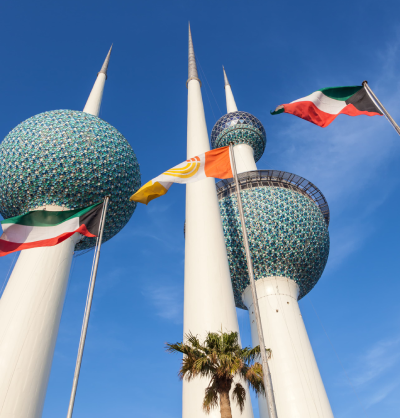
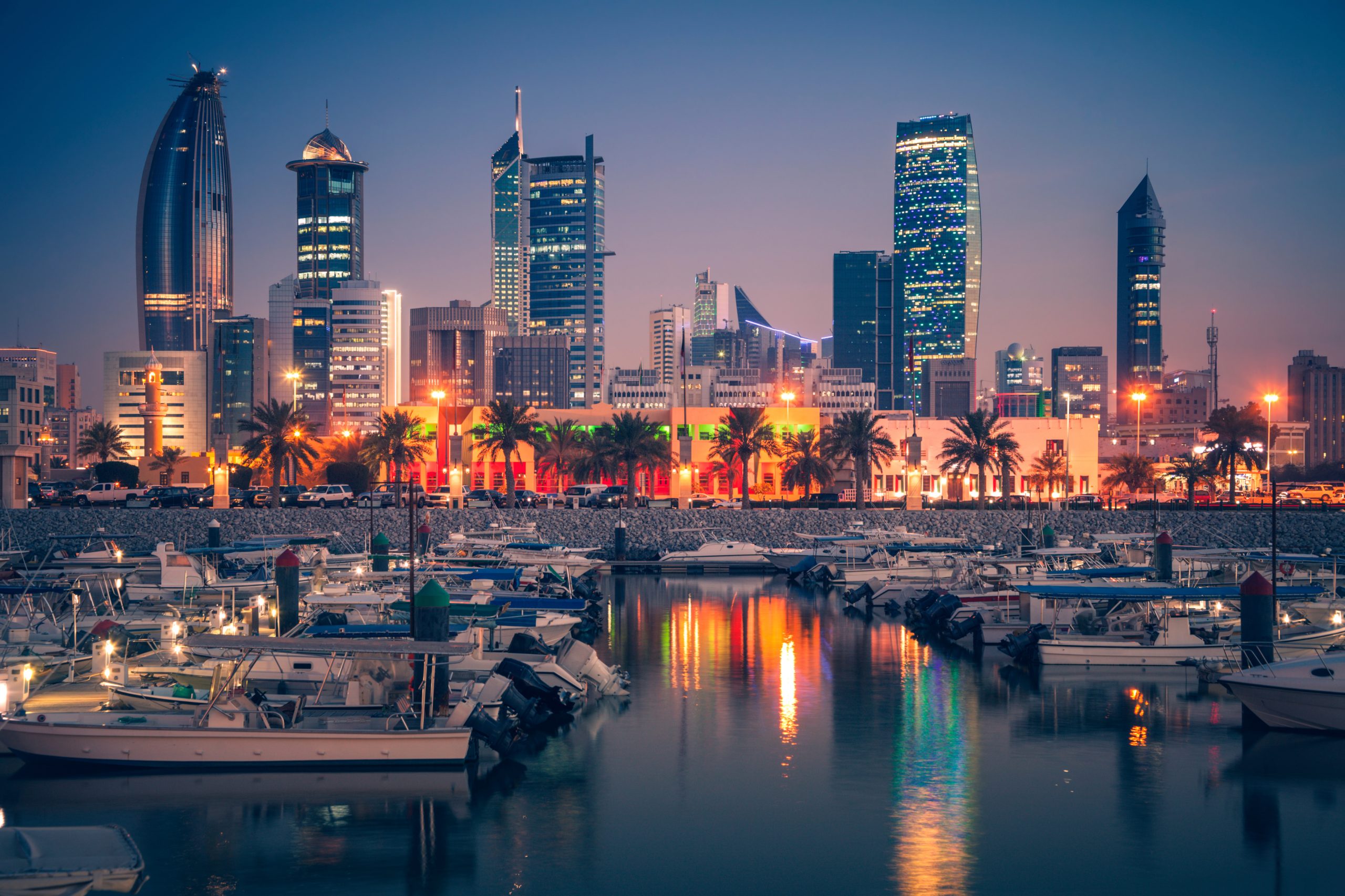
Wednesday, 11 December—Kuwait’s First Deputy Prime Minister, Minister of Defence, and Minister of Interior, Fahad Yousef Saud Al-Sabah, announced changes to the nationality law, mainly the abolishment of Article 8. Instead, he introduced a 15 year residency for non-Kuwaiti wives of Kuwaiti citizens. The abolishment of Article 8 allows national authorities to crack down on forged citizenships and purchasing loyalties in order to preserve Kuwait’s national identity.
Saturday, 14 December—The Organisation of Arab Petroleum Exporting Countries (OAPEC) held its 113rd ministerial meeting in Kuwait with the Secretary General, Jamal Al-Loughani, announcing its rebranding as the Arab Energy Organisation (AEO). The meeting’s agenda included the implementation of the ministerial council’s resolution regarding the Middle East Green Initiative and reviewing the latest developments of the circular carbon economy, global oil, liquefied natural gas, and hydrogen.
Sultanate of Oman

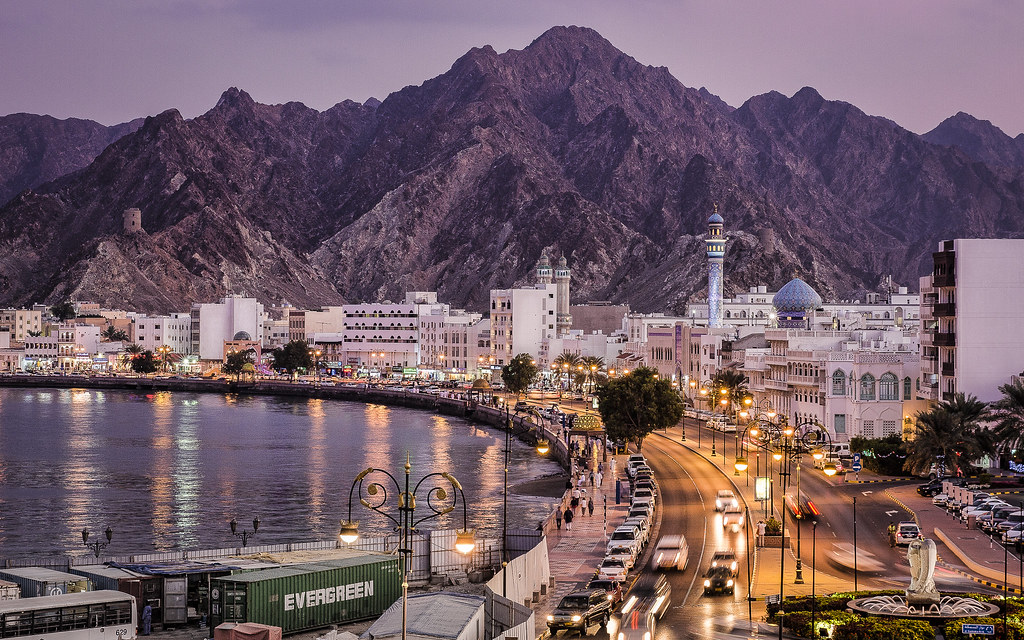
Wednesday, 11 December—Petroleum Development Oman (PDO) signed agreements with OQ Alternative Energy (OQAE) and Total Energies to develop three renewable Independent Power Producer (IPP) projects, titled ‘North Solar 100MWac PV IPP’, ‘Riyah-1 Wind 100MWac IPP’, and ‘Riyah-2 Wind 100MWac’. The projects will utilise solar and wind energy to diversify the country’s energy resources and achieve Net Zero emissions by 2050. This aligns with the sustainability goals set out in Oman’s Vision 2040.
State of Qatar

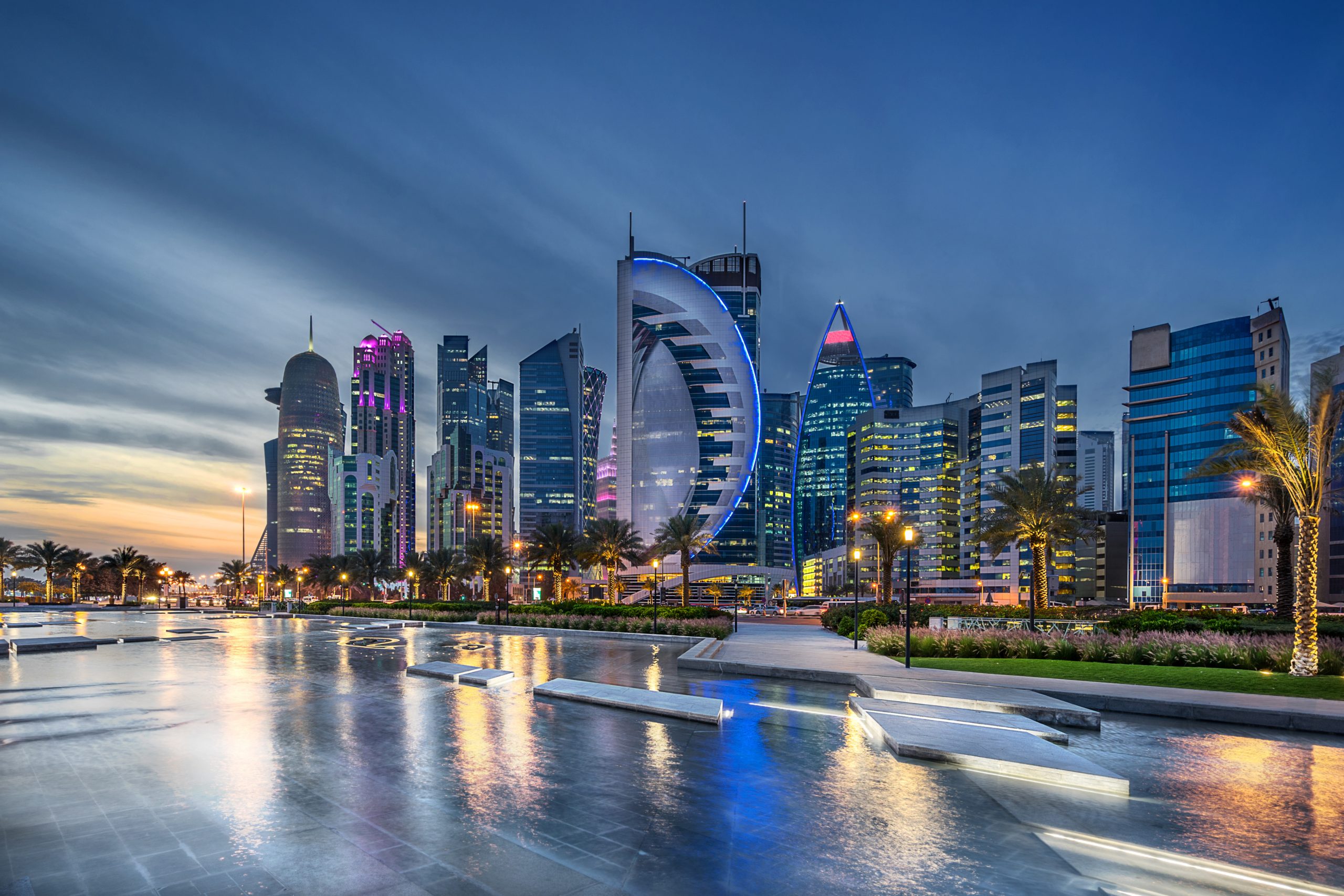
Sunday, 15 December—The Emir, Tamim bin Hamad Al-Thani, approved the general budget for the fiscal year 2025. The budget projects total revenues of QR 197 billion (€51.6 billion) and total expenditures worth QR 210.2 billion (€55 billion), anticipating a deficit of QR 13.2 billion (€3.5 billion). The budget also projects an average annual growth in real GDP of 4.1% in the years 2025-2029.
Sunday, 15 December—Qatar announced that it will reopen its embassy in Syria after 13 years of severed diplomatic relations.
Kingdom of Saudi Arabia.

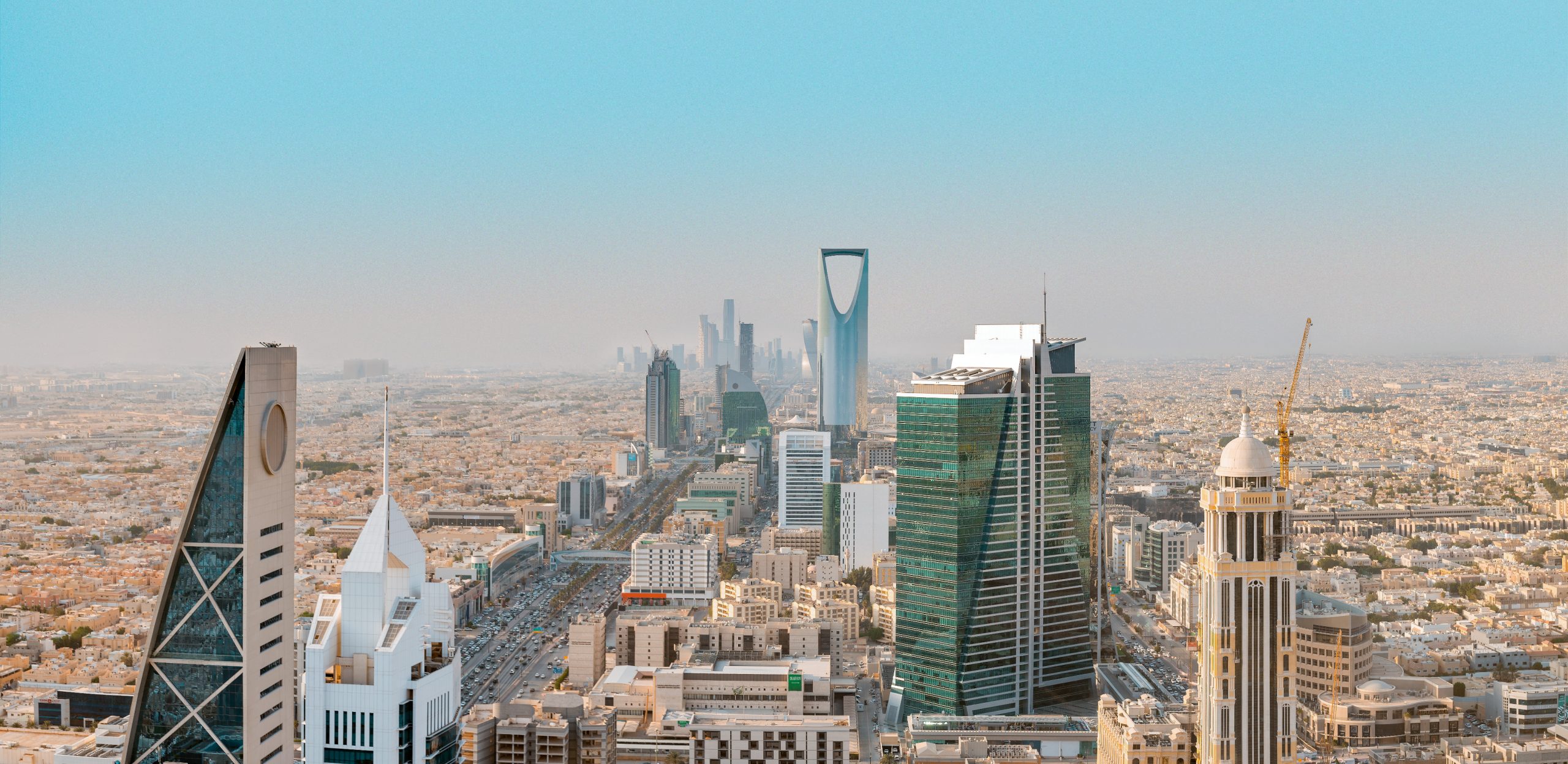
Wednesday, 11 December—Saudi Arabia officially won the bid for hosting the 2034 FIFA World Cup. The preparations will include investments into infrastructure as well as the construction of 11 stadiums and 230,000 hotel rooms.
Thursday, 12 December—The Ministry of Defence signed an agreement with Spanish shipbuilder Navantia to build three multi-mission Avante 2200 corvette ships for the Royal Saudi Navy. In alignment with the Kingdom’s localisation efforts under Vision 2030, the contract specifies that the first ship will be built in Spain while the other two will be built in Saudi Arabia. The contract also includes a comprehensive logistics support package, featuring crew training and an extensive training programme for Saudi engineers, while the ships will be equipped with domestically developed combat systems. The agreement marks an expansion of the Sarawat Project, which has already secured five Navantia-built corvettes for the Royal Saudi Navy.
United Arab Emirates

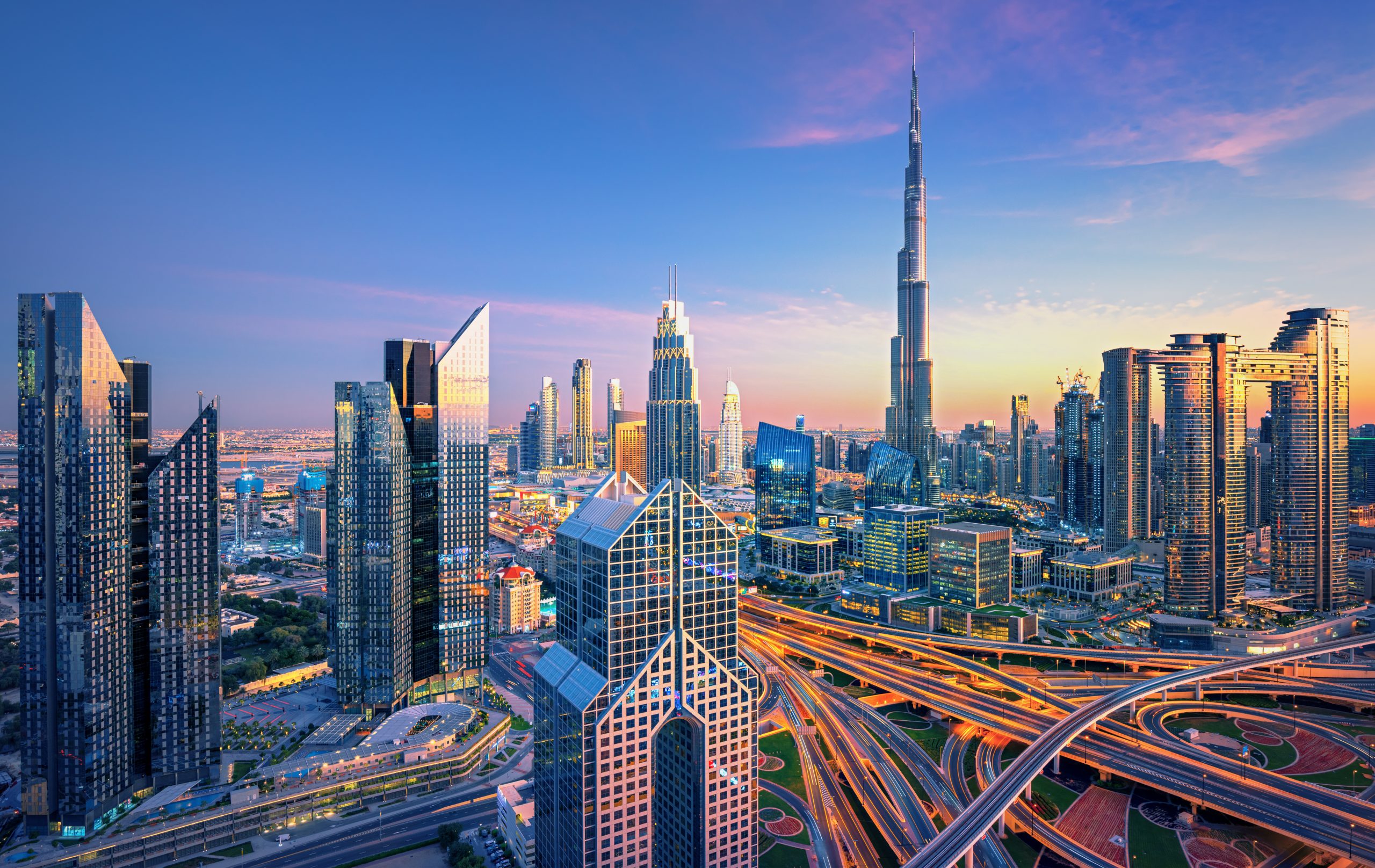
Monday, 16 December—The Dubai-based company Drydocks World and US-based GE Vernova secured a contract from 50Hertz, the transmission system operator for Eastern Germany, to build a 2GW offshore wind grid connection in the Baltic Sea. The project, titled ‘Ostwind 4’, includes the construction of offshore and onshore converter stations and a 110-kilometre cable system linking Germany’s national grid and the wind farms in the Baltic Sea.
Monday, 16 December—The Ministry of Human Resources and Emiratisation announced a nationwide standard for health insurance, starting on 1 January, 2025. This entails extending the mandated employer-paid health insurance for employees in the private sector already in place in Dubai and Abu Dhabi to Sharjah, Ajman, Umm Al Quwain, Ras Al Khaimah, and Fujairah. This initiative aims to make the labour market more competitive and marks a step towards realising universal healthcare coverage.
EU Corner
Tuesday, 10 December—During International Human Rights Day, Kuwait Society for Human Rights (KSHR) and the European Union Delegation to Kuwait in partnership with the International Organisation for Migration (IOM) launched the “Together 4” project that aims to promote human rights. In attendance was the EU Ambassador to Kuwait, Anne Koistinen, who highlighted human rights as a priority for the EU Delegation’s collaboration with Kuwait.
Wednesday, 11 December—Kuwait’s Minister of Oil, Tariq Sulaiman Al-Roumi, met with the EU Ambassador to Kuwait, Anne Koistinen, to discuss enhancing EU-Kuwait energy cooperation, mainly in clean and renewable energy sources.
Friday 13, December—The Ambassador of Kuwait to Belgium and Head of Mission to the EU and NATO, Nawaf Alenezi, discussed Kuwait’s priorities as the GCC Council Chair with the EU Council’s Middle East/Gulf Working Party, which handles EU Common Foreign and Security Policy and issues relating to Iran, Iraq, Yemen, and GCC countries.
Sunday, 15 December—Qatar’s Prime Minister and Minister of Foreign Affairs, Mohammed bin Abdulrahman Al-Thani, received a phone call from the High Representative of the EU for Foreign Affairs and Security and Vice-President of the European Commission, Kaja Kallas. Both parties discussed enhancing cooperation with the State of Qatar and the EU, as well as discussing the recent developments in the Gaza Strip and Syria.
Monday 16, December—After the Syria Talks in Aqaba, Jordan, the EU High Representative for Foreign Affairs and Security and Vice-President of the European Commission, Kaja Kallas, remarked that she has tasked the European top diplomat in Syria to go to Damascus to meet the new government. This statement came before her first EU Foreign Affairs Council that met to address the developing events in Syria, Ukraine, and Georgia.
Key Official Visits & Contacts
Tuesday, December 10—Qatar’s Prime Minister and Minister of Foreign Affairs, Mohammed bin Abdulrahman Al-Thani, held a phone call with the French Minister of Europe and Foreign Affairs, Jean-Noel Barrot. The next day, the Qatari Prime Minister held a phone call with Spain’s Minister of Foreign Affairs, European Union and Cooperation, Jose Manuel Albares, and two days later, Qatar’s Emir, Tamim bin Hamad Al-Thani, held a phone call with Greece’s Prime Minister, Kyriakos Mitsotakis. The phone calls concerned bilateral relations and recent developments in the Middle East, particularly Syria.
Tuesday, 10 December—Bahrain’s King, Hamad bin Isa Al-Khalifa, received the Prime Minister of the Kurdistan Regional Government, Masrour Barzani, to discuss ways to enhance bilateral cooperation. Barzani and his accompanying delegation visited the Bahrain Economic Development Board and met with the Minister of Sustainable Development and Chief Executive of Bahrain EDB, Noor bint Ali Al-Khulaif.
Wednesday, 11 December—Saudi Arabia’s Minister of Foreign Affairs, Faisal bin Farhan Al-Saud, held a phone call with the French Minister for Europe and Foreign Affairs, Jean-Noel Barrot, to discuss regional developments, as well as mutual interest.
Wednesday, 11 December—US Secretary of State, Anthony Blinken, held separate phone calls with the UAE’s Deputy Prime Minister and Minister Foreign Affairs, Abdullah bin Zayed Al-Nahyan, and Qatar’s Prime Minister and Minister of Foreign Affairs, Mohammed bin Abdulrahma Al-Thani. Both phone calls discussed the latest developments in Syria after the fall of Bashar Al-Assad and ways to strengthen regional and international efforts towards stabilising the region.
Thursday, 12 December—Kuwait’s Crown Prince, Sabah Khaled Al-Hamad Al-Sabah, received the Crown Prince of Jordan, Hussein bin Abdullah, and his accompanying delegation to discuss cooperation across various fields.
Thursday, 12 December—Iran’s Foreign Minister, Abbas Arachghi, held separate phone calls with Qatar’s Prime Minister and Minister of Foreign Affairs, Mohammed bin Abdulrahman bin Jassim Al-Thani, and the UAE’s Deputy Prime Minister and Minister of Foreign Affairs, Abdullah bin Zayed, to discuss bilateral relations, and regional developments, especially in Syria. Qatar’s Prime Minister also met with Iran’s Minister of Energy, Abbas Aliabadi, in Doha, to discuss bilateral cooperation.
Thursday, 12 December—The UAE’s Foreign Minister and Deputy Prime Minister, Abdullah bin Zayed, visited New Delhi to meet with India’s Prime Minister, Narendra Modi, and participate in the 4th India-UAE Strategic Dialogue. The visit aimed to discuss regional developments, review the two countries’ bilateral relations, and expand their strategic partnership in key fields, including defence, emerging technologies, nuclear energy, polar research, critical minerals, and renewable energy.
Thursday, 12 December—The UAE’s Foreign Minister and Deputy Prime Minister, Abdullah bin Zayed Al-Nahyan, held a phone call with Russia’s Foreign Minister, Sergei Lavrov, to discuss recent developments in the Middle East, particularly in Syria.
Friday, 13 December—As a result of the state visit last week, the UK’s Prime Minister, Keir Starmer, and Saudi Arabia’s Crown Prince, Mohammed bin Salman Al-Saud, announced a commitment to increase bilateral trade to £30 billion (€36.3 billion) by 2030. Both parties expressed their plan to develop a long-term strategic partnership by improving the reliability of global supply chains, aided by the launch of Saudi Arabia’s Global Supply Chain Resilience Initiatives and the Kingdom’s launch of five special economic zones.
Saturday, 14 December—Foreign Ministers of Bahrain, Egypt, Iraq, Jordan, Lebanon, Qatar, Saudi Arabia, Türkiye, the UAE, the US, the UN Special Envoy for Syria, Geir Pederson, and the EU High Representative for Foreign Affairs and Security Policy, Kaja Kallas, met in Aqaba, Jordan, to discuss the transition of power in Syria. The attendees called for a peaceful transition process and an inclusive and representative government, respecting the rights of minorities while not offering a base for terrorist groups.
Sunday, 15 December—Oman’s Sultan, Haitham bin Tarik, held official talks with the President of Belarus, Aleksandr Lukashenko, and his accompanying delegation, including his son and President of the Olympic Committee, Vitktor Lukashenko; Minister of Foreign Affairs, Maxim Ryzhenkov; Minister of Industry, Alexander Efimov; and Minister of Agriculture and Food, Anatoly Linevich. During a series of meetings, the two sides discussed ways to strengthen their partnership in the economic, investment, medical, agricultural and technological fields.