


5 Top Points
- The Manama Dialogue was held in Bahrain.
- The Doha Forum was held in Qatar.
- Oman’s Sultan visited Belgium to strengthen cooperation.
- Saudi Arabia and France plan to form a Strategic Partnership Council.
- The Astana Process countries made a joint statement on Syria.
‘Round and About the Gulf
Kingdom of Bahrain

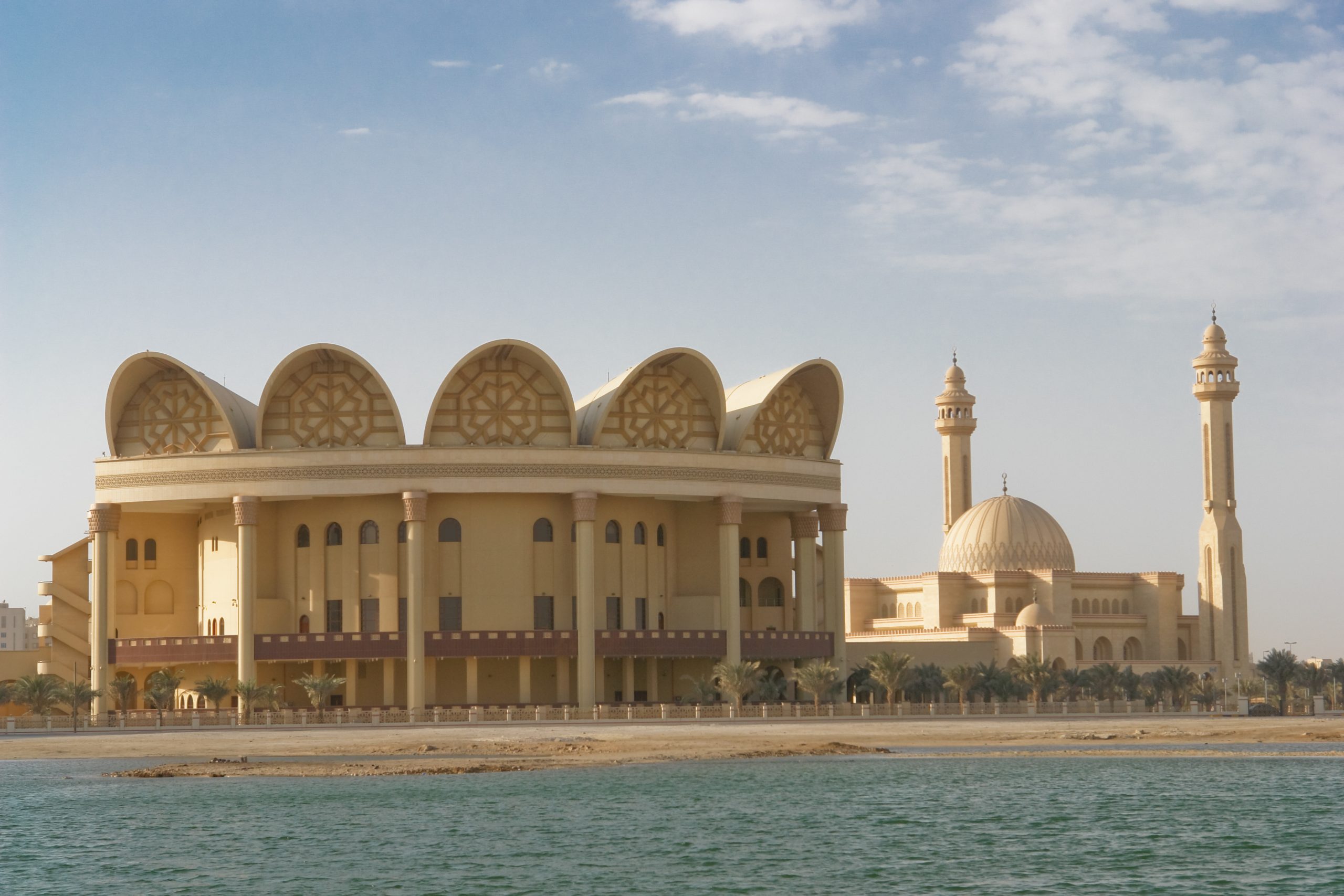
Saturday, 7 December—Bahrain’s Crown Prince and Prime Minister, Salman bin Hamad Al-Khalifa, inaugurated the 20th edition of the International Institute for Strategic Studies’ Manama Dialogue in collaboration with Bahrain’s Ministry of Foreign Affairs. Under the theme ‘Middle East Leadership in Shaping Regional Prosperity and Security’, the dialogue brought together officials, ministers, military leaders, and academics, creating a platform for diplomacy on regional security challenges.
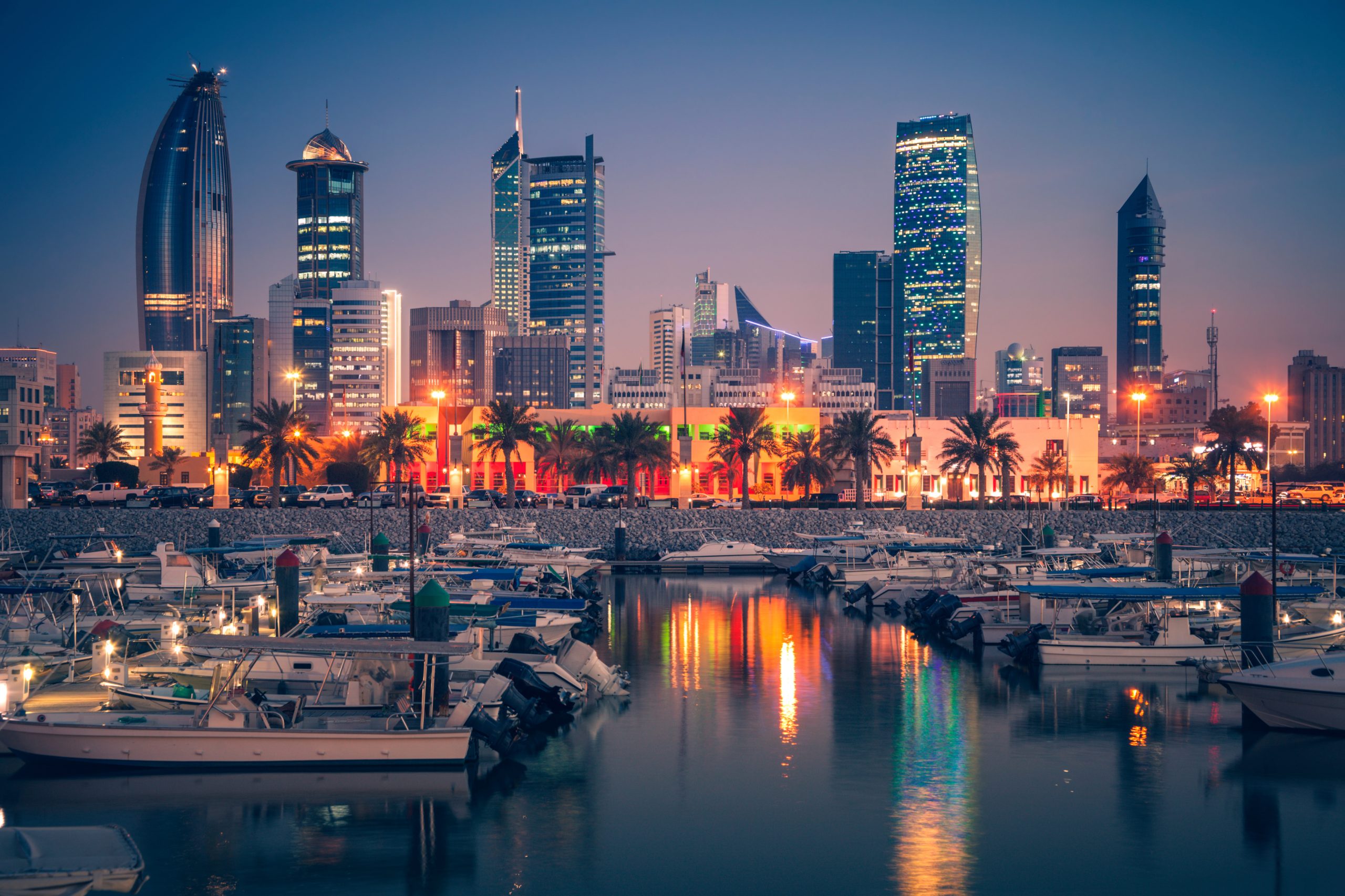
State of Kuwait

Wednesday, 4 December—Kuwait’s Minister of Commerce and Industry, Khalifa Al-Ajeel, introduced a preliminary digital trade law which will establish a regulatory framework to facilitate business operations, protect consumer rights, and enhance the digital economy. The law aims to improve transparency, set clear guidelines, and regulate the relationships between businesses, consumers, and relevant government entities, while keeping pace with technological advancements and anticipating future challenges.
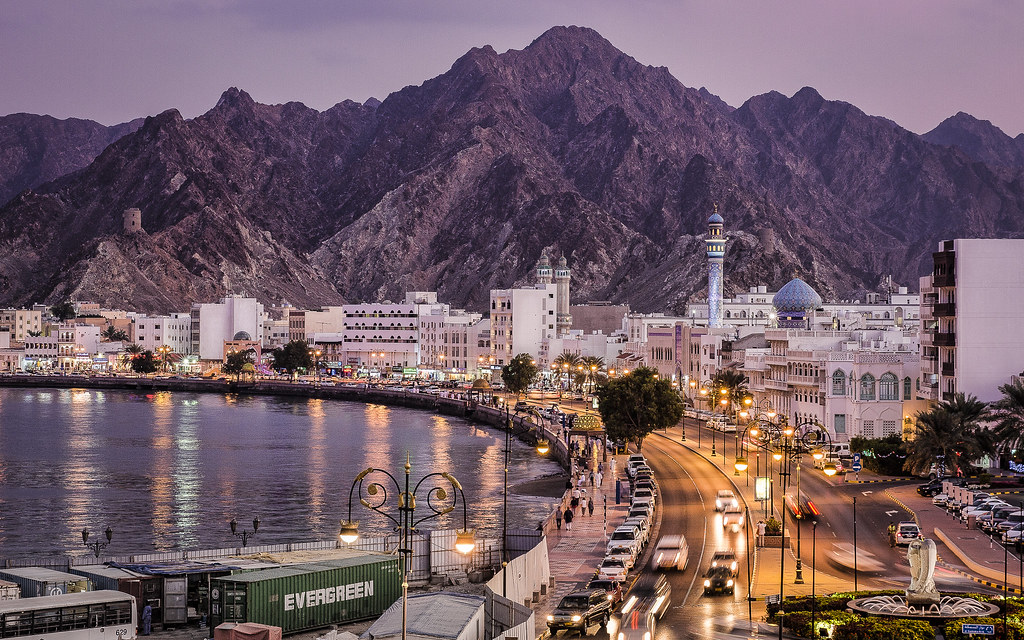
Sultanate of Oman

Sunday, 8 December—The Ministry of Energy and Minerals announced the establishment of the Oman Net Zero Centre which is designed to support Oman’s target of achieving net-zero emissions by 2050. The Centre will oversee project implementation, support public and private entities in reducing carbon footprints and increasing energy efficiency, and lead campaigns to promote environmental sustainability and national participation. The Centre will also spearhead the development of a new comprehensive national plan for the improvement of energy consumption effeciency and evaluation of projects’ energy performance.
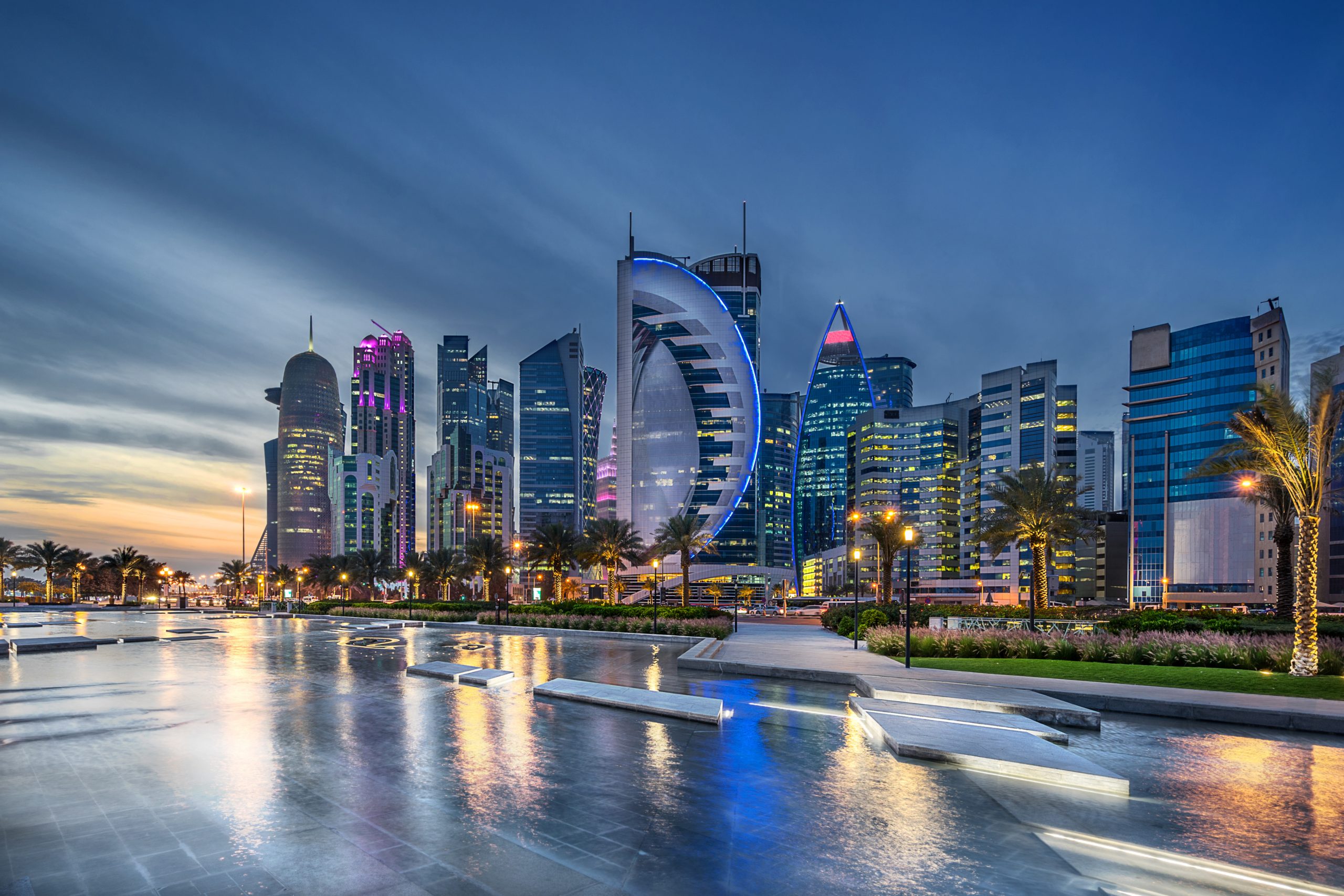
State of Qatar

Saturday, 7 December—Qatar’s Emir, Tamim bin Hamad Al-Thani, inaugurated the 22nd edition of the Doha Forum 2024, under the theme “The Innovation Imperative”. The Forum was attended by delegations, business leaders, academics, and representatives from across the world. During the Forum, Qatar launched the Centre for the Fourth Industrial Revolution which aims to harness the power of new technologies such as AI and advanced robotics. Qatar also announced updates to its National Strategy to Combat Desertification, setting out measures to combat land degradation, including increased afforestation efforts, use of local plants to improve soil fertility, and application of sustainable Agri-tech that enhances the efficiency of water resource use and increases productivity.
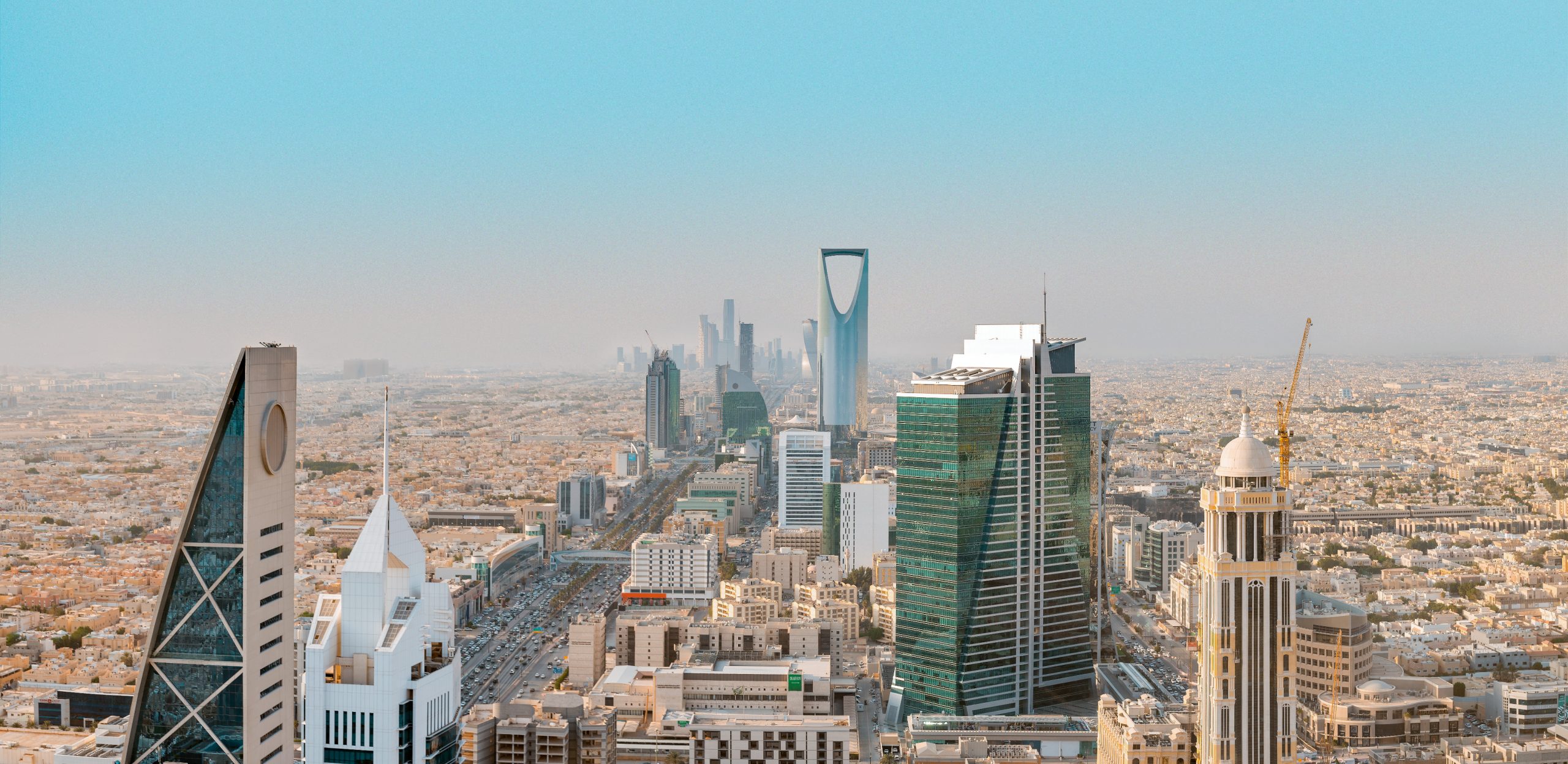
Kingdom of Saudi Arabia.

December—Saudi Arabia’s Crown Prince and Prime Minister, Mohammed bin Salman Al-Saud, launched the National Red Sea Sustainability Strategy, which aims to protect the Red Sea, empower communities, and promote a blue economy. The Strategy sets out targets of increasing the coverage of marine and coastal protected areas from 3% to 30%, increasing the contribution of renewable energy to 50% of the targeted energy mix, creating thousands of new job opportunities related to blue economy activities, and protecting the Kingdom’s investments.
United Arab Emirates

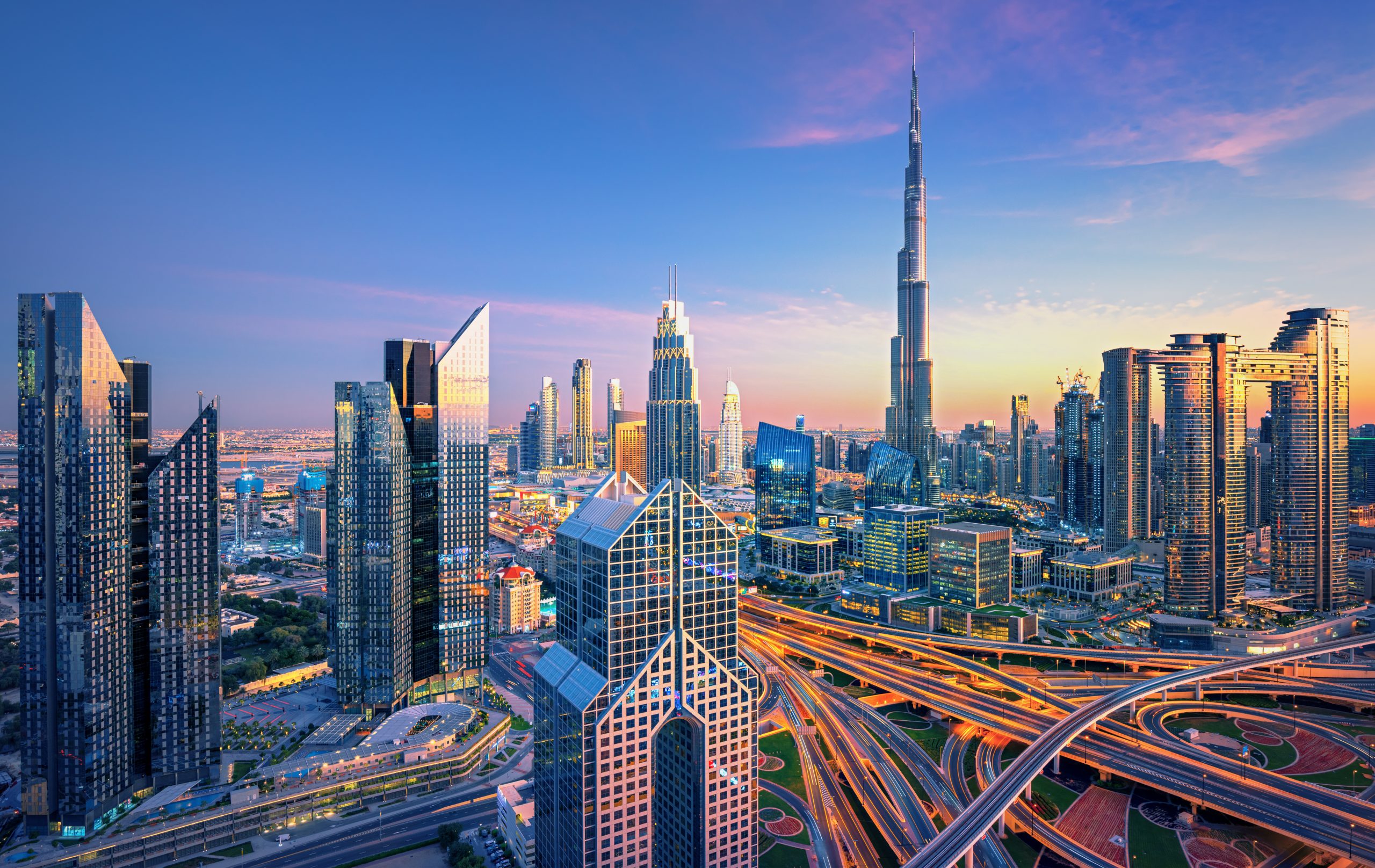
Monday, 9 December—The UAE’s Vice President, Prime Minister and Ruler of Dubai, Mohammed bin Rashid Al-Maktoum, reshuffled the government to establish a new Family Ministry and changed the Community Development Ministry to the Community Empowerment Ministry, on the directive of the President and ruler of Abu Dhabi, Mohammed bin Zayed Al-Nahyan. These initiatives aim at promoting family formation in the UAE by fostering growth, empowering families, and strengthening their cohesion and stability.
EU Corner
Tuesday, 3 December—The Ambassador of Qatar to the EU and NATO, Abdulaziz bin Ahmed, and the Permanent Representative of France to the EU, Philippe Léglise-Costa, co-chaired an informal meeting in Brussels between the Arab Ambassadors and EU member states’ representatives to discuss the developments in Gaza and the implications for the region.
Tuesday, 3 December—Kuwait and the EU held the 5th Human Rights Dialogue in Kuwait City, discussing issues such as labour rights, women’s and children’s rights, freedom of expression, assembly and association, illegal stateless residents, and digital rights. The two sides were headed by Kuwait’s Assistant Foreign Minister for Human Rights, Ambassador Jawaher Ibraheem Duaij Al-Sabah, and the Head of the Arabian Peninsula and Iraq Division at the European External Action Service (EEAS), Anna Maria Panagiotakopoulou.
Saturday, 7 December—Bahrain’s Minister of Foreign Affairs, Abdullatif bin Rashid Al-Zayani, held meetings with the EU Special Representative for the Gulf Region, Luigi Di Maio, and the EU Special Representative for the Middle East, Sven Koopmans, on the sidelines of the 20th Manama Dialogue Forum 2024. The meetings concerned ways to strengthen EU-Bahrain relations and promote stability in the Middle East.
Sunday, 8 December—Qatar’s Prime Minister and Minister of Foreign Affairs, Mohammed bin Abdulrahman Al-Thani, met with EU Special Representative for the Gulf Region, Luigi Di Maio, on the sidelines of the Doha Forum 2024. Both parties exchanged views on the various topics discussed during the Forum and discussed cooperation between Qatar and the EU.
Sunday, 8 December—The 8th Human Rights Dialogue between Bahrain and the EU was held at the Ministry of Foreign Affairs in Manama. The two sides were headed by Bahrain’s Director-General of Legal and Human Rights Affairs at the Ministry of Foreign Affairs, Yusuf Abdul Karim Bacheeri, and the Head of the Arabian Peninsula and Iraq Division at the European External Action Service, Anna Maria Panagiotakopoulou. They reviewed Bahrain’s progress in the field of human rights, including the implementation of the National Human Rights Plan (2022-2026), the open prisons programme, combating human trafficking, and strengthening the role of women.
Key Official Visits & Contacts
Tuesday, 3 December—A Qatari delegation, including the Emir, Tamim bin Hamad Al-Thani, the Prime Minister and Minister of Foreign Affairs, Mohammed bin Abdulrahman Al-Thani, and the Minister of Finance, Ali bin Ahmed Al-Kuwari, visited the UK. The visit entailed meetings with the UK Prime Minister, Keir Starmer, the Foreign Secretary, David Lammy, and the Chancellor of the Exchequer, Rachel Reeves, and resulted in the launch of a joint Artificial Intelligence (AI) Research Commission and a Memorandum of Understanding regarding cooperation on financial services.
Tuesday, 3 December—Oman’s Emir, Haitham bin Tarik, visited Belgium to discuss enhanced cooperation between the countries. The visit resulted in a joint statement, affirming the intent of the two countries to deepen cooperation in key fields, including maritime activities and cooperation between ports, energy transition and green hydrogen, trade, and service industries, as well as life sciences, technological innovation and aerospace. The visit also resulted in the signing of a Memorandum of Understanding between the Belgian Hydrogen Council and Hydrom Oman SPC to promote cooperation in the field of green hydrogen projects.
Wednesday, 4 December—On an official visit to India, Kuwait’s Foreign Minister, Abdullah Al-Yahya, signed a Memorandum of Understanding with his Indian counterpart, Subrahmanyam Jaishankar, on the establishment of a Joint Commission for Cooperation. The agreement outlines the formation of working groups in key sectors, including trade, investment, education, technology, agriculture, security, and culture.
Wednesday, 4 December—Saudi Arabia’s Finance Minister, Mohammed Al-Jadaan, met with his Croatian counterpart, Marko Primorac, in Riyadh to discuss bilateral relations and global economy and finance.
Wednesday, 4 December—French President Emmanuel Macron’s three-day visit to Saudi Arabia came to an end. After having discussed bilateral relations, regional developments, and investment opportunities, the two countries signed a Memorandum of Understanding on the formation of the Strategic Partnership Council.
Friday, 6 December—Qatar’s Minister of State for Foreign Affairs, Sultan bin Saad Al-Muraikhi, met with Estonia’s Minister of Foreign Affairs, Margus Tsahkna, in Doha to discuss bilateral relations.
Friday, 6 December—The UAE’s Chairman of the Defence, Interior and Foreign Affairs Committee at the Federal National Council, Ali Rashid Al-Nuaimi, met with Sweden’s State Secretary for Foreign Affairs at the Ministry for Foreign Affairs, Dag Hartelius, in Abu Dhabi to discuss parliamentary cooperation. They also discussed regional developments and bilateral cooperation between their two countries in key fields, including economy, artificial intelligence, green economy investments, renewable energy, and modern technology.
Saturday, 7 December—On the sidelines of the 22nd Doha Forum, Qatari officials held separate meetings with officials from Türkiye, Norway, India, Iraq, Russia, the Czech Republic, India, and Iran. The meetings concerned bilateral relations, regional developments, and the agenda of the Forum.
Saturday, 7 December—Foreign Ministers from the countries who participated in the 2017 Astana Process, including Saudi Arabia, Qatar, Türkiye, Russia, Iran, Iraq, Egypt, and Jordan, met in Doha to discuss the recent developments in Syria amid the fall of Bashar Al-Assad. The meeting resulted in a joint statement calling for a political solution to the Syrian crisis in alignment with Security Council Resolution 2254 and an increase in humanitarian aid to the Syrian people.
Saturday, 7 December—On the sidelines of the 20th Manama Dialogue, Bahrain’s Minister of Foreign Affairs, Abdullatif bin Rashid Al-Zayani, met separately with the Czech National Security Advisor, Tomas Pojar, Estonia’s Foreign Minister, Margus Tsahkna, Germany’s Minister of State, Tobias Lindner, Norway’s Foreign Minister, Espen Barth Eide, UK Minister of State for the Middle East and North Africa, Hamish Falconer, and NATO Deputy Assistant Secretary General for Political Affairs and Security Policy and Secretary General’s Special Representative for the Southern Neighbourhood, Javier Colomina, among other officials, to discuss the situation in the Middle East and bilateral cooperation.
Sunday, 8 December—Saudi Arabia’s Foreign Minister, Faisal bin Farhan Al-Saud held separate meetings with his Turkish and Iranian counterparts, Hakan Fidan and Abbas Araghchi, on the sidelines of the Doha Forum 2024. The meetings concerned bilateral cooperation and regional developments, particularly regarding Syria.
Monday, 9 December—Saudi Arabia’s Crown Prince and Prime Minister, Mohammed bin Salman Al-Saud, met with the UK Prime Minister, Keir Starmer, in Riyadh where they discussed regional developments and agreed to boost bolster their economic, defence, and security cooperation.