


5 Top Points
- The new Syrian Foreign Minister made his first foreign trips to Saudi Arabia, Qatar, the UAE and Jordan
- Kuwait’s Foreign Minister called for reconsidering international sanctions on Syri
- Italy’s Defence Minister discussed security and defence cooperation with UAE officials in Abu Dhabi.
- Oman’s Foreign Minister held talks with Iranian officials in Tehran.
- Bahrain’s football team won the 26th Arabian Gulf Cup.
Kingdom of Bahrain

Saturday, 4 January—Bahrain’s football team won the 26th Arabian Gulf Cup, defeating Oman 2-1 in the final match held at Jaber Al-Ahmad International Stadium in Kuwait. This marked Bahrain’s second Gulf Cup title after securing the first one in 2019.
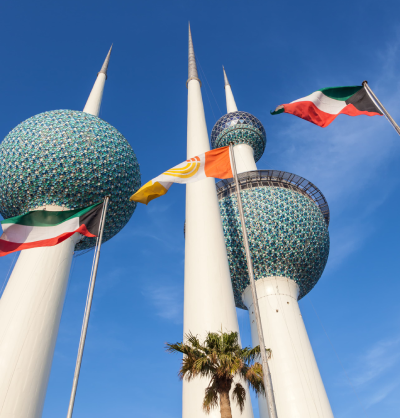
State of Kuwait

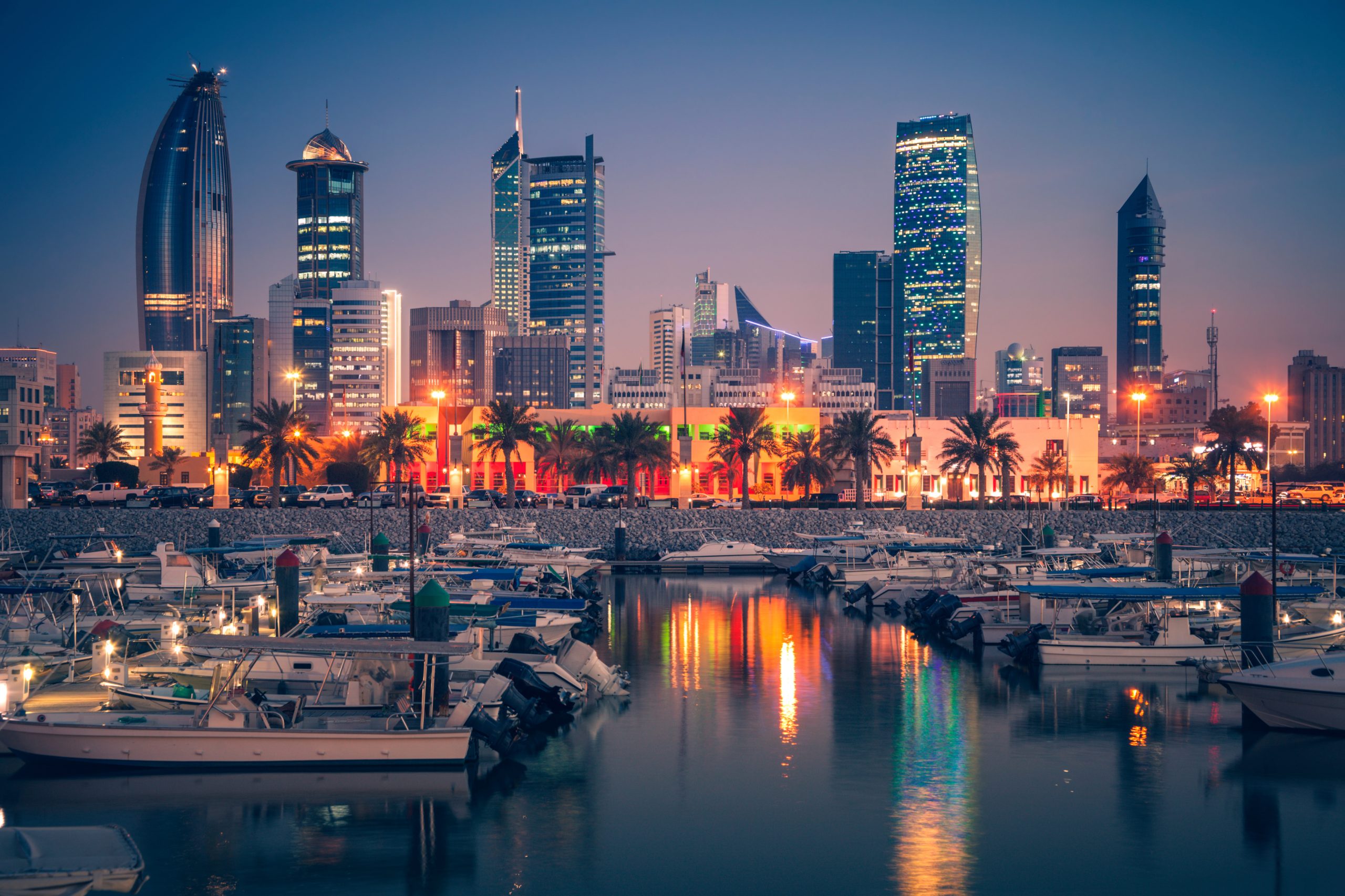
Monday, 30 December—Kuwait’s Foreign Minister, Abdullah Ali Al-Yahya, called on the international community to reconsider the sanctions imposed on Syria following the downfall of Bashar Al-Assad and affirmed the GCC countries’ commitment to Syria’s security and territorial integrity. It came as he and the Gulf Cooperation Council Secretary-General, Jasem Mohamed Al-Budaiwi, met with the new Syrian administration’s leader, Ahmed Al-Sharaa, and Foreign Minister, Asaad Hassan Al-Shibani, in Damascus.
Sultanate of Oman
Monday, 30 December—Oman’s main mining company, Minerals Development Oman (MDO), announced the Sultanate’s first export of copper in 30 years after it shipped approximately 900 tonnes of copper concentrates from the Lasail mine in Sohar. It marks the revival of Oman’s copper mining industry as the Lasail and Al-Baydha mines, currently being developed by the MDO, hold together around 2.8 million tonnes of copper ore reserves.
State of Qatar

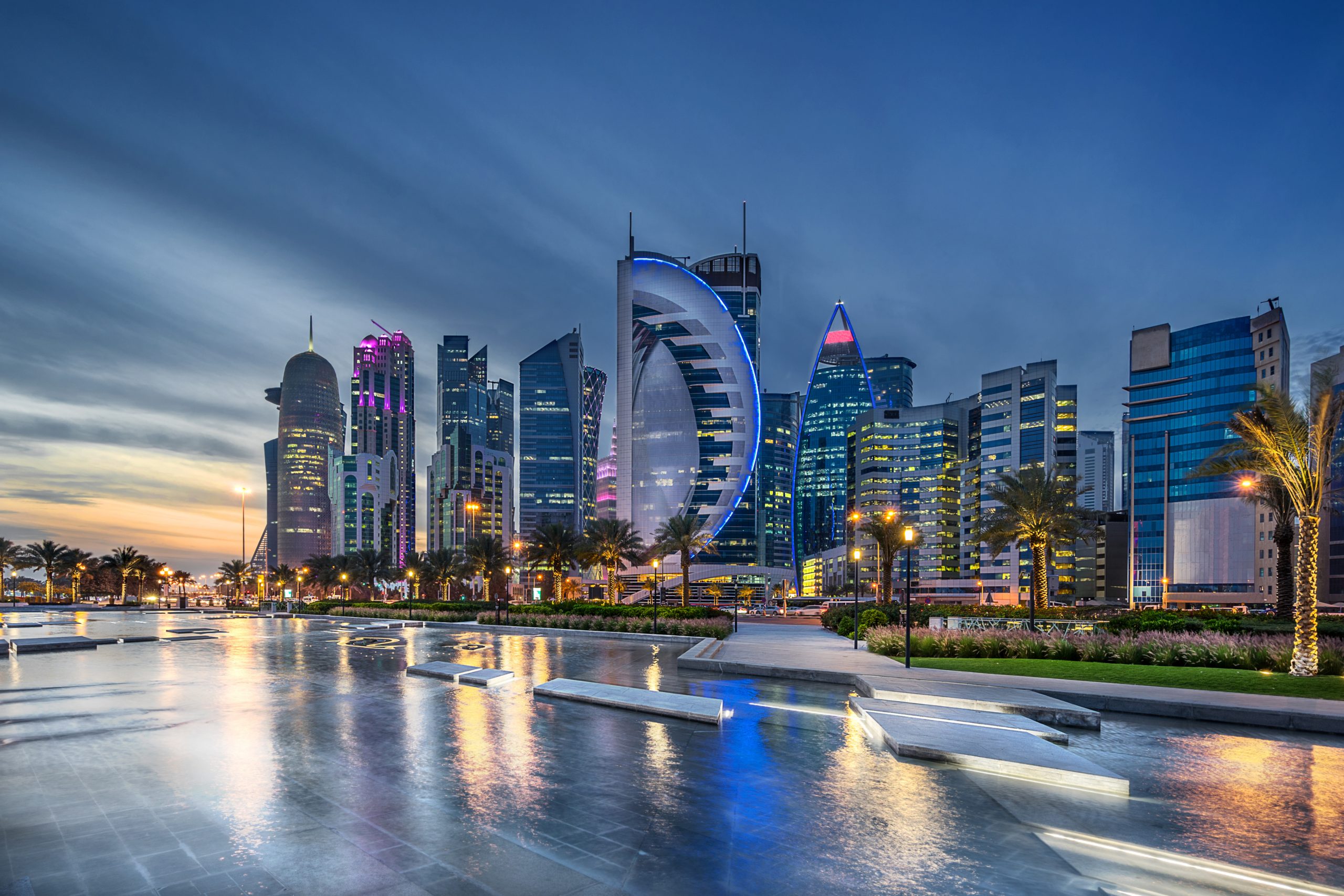
Thursday, 2 January—Qatar Airways announced it will resume flights to Damascus, Syria, from 7 January 2025, after nearly 13 years.
Kingdom of Saudi Arabia

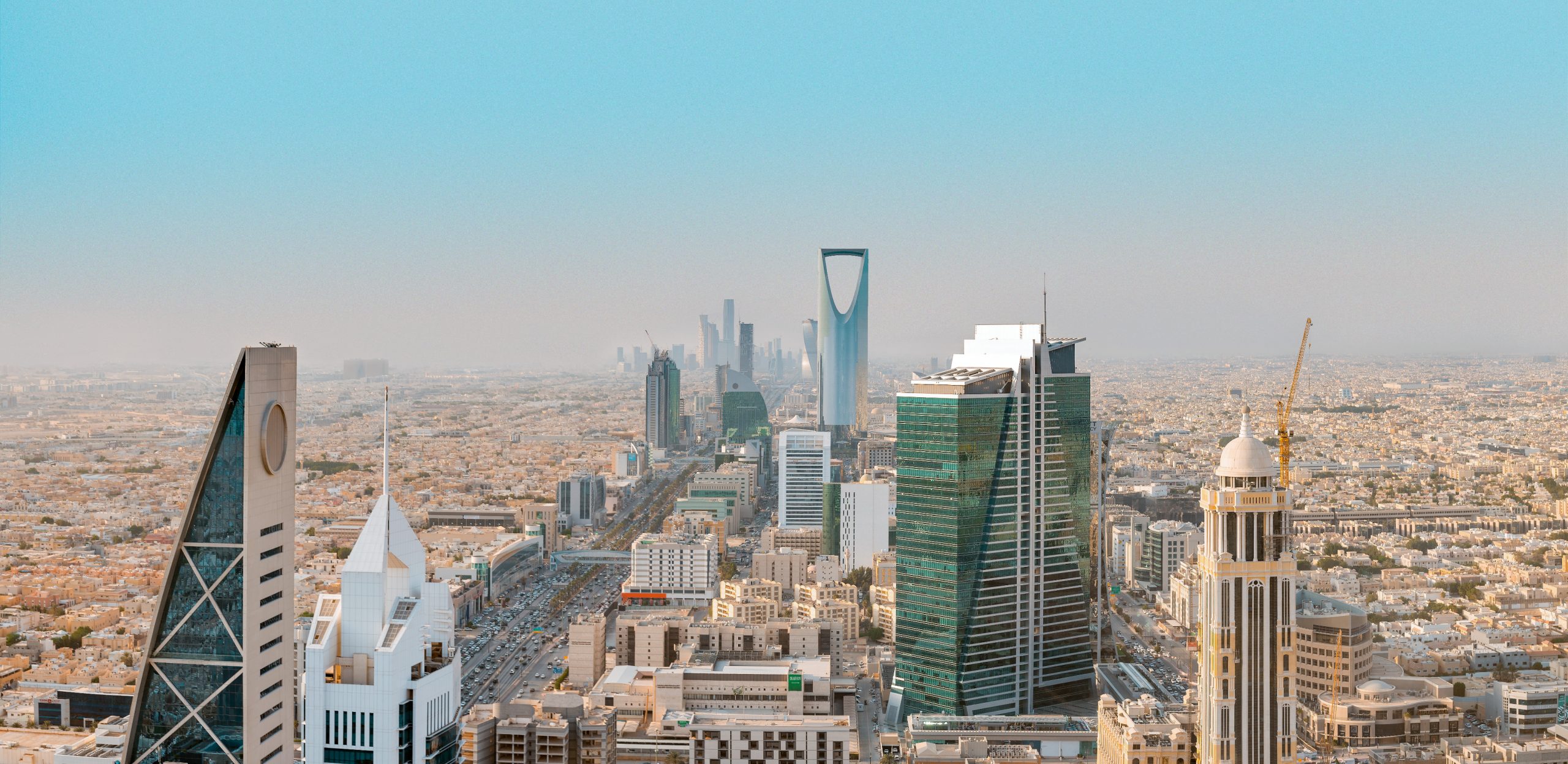
Wednesday 1 January—Saudi Arabia’s King Salman Humanitarian Aid and Relief Centre (KSrelief) launched a humanitarian air bridge to Syria, which will be followed by a land bridge in the coming days.
United Arab Emirates

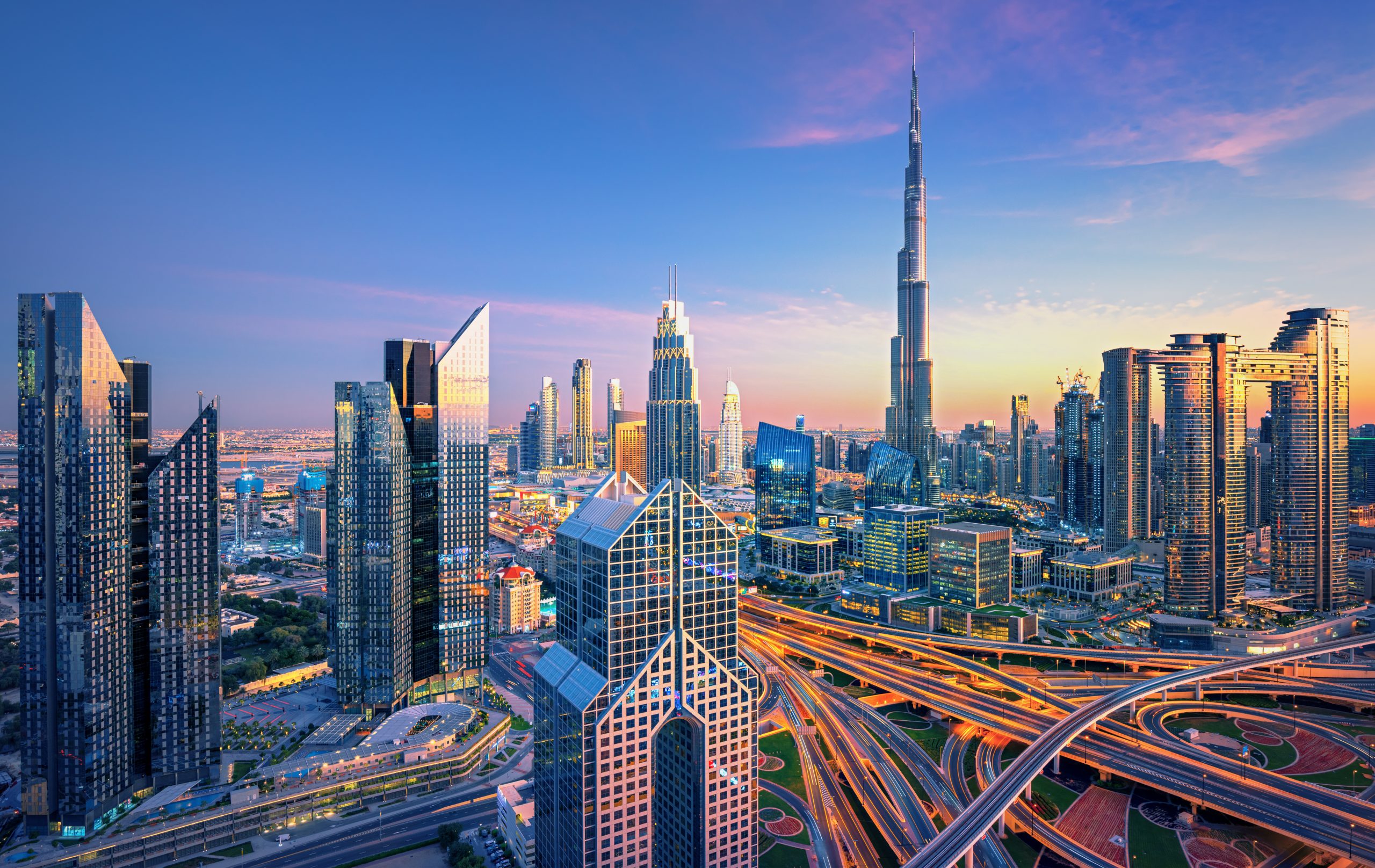
Monday, 6 January—The UAE’s conditions for participating in post-war efforts to rebuild Gaza have not yet been bet, according to a UAE official who made the statement in reaction to a recent Reuters report regarding discussions between the UAE, the US and Israel concerning a possible temporary oversight of Gaza’s post-war governance, security and reconstruction by several countries. The UAE’s conditions include a serious reform process of the Palestinian Authority, a formal invitation from a new, credible Palestinian Authority Prime Minister, Israel’s commitment to the two-state solution and a leading role by the US.
EU Corner
Wednesday, 1 January—Poland took over the rotating Presidency of the Council of the EU from Hungary. During its six month Presidency, which will last until 30 June 2025, Warsaw plans to prioritise the strengthening of European security and defence.
Friday, 3 January—The German and French Foreign Ministers, Annalena Baerbock and Jean-Noël Barrot, visited Damascus on behalf of the EU to meet with the new Syrian administration, led by Ahmad Al-Sharaa, marking the first high-level European visit to Syria since the fall of Bashar Al-Assad. The talks focused on the future of Syria and the EU’s support for the country’s political transition based on the principles agreed with regional actors and ensuring the protection of all civilians and minorities.
Key Official Visits & Contacts
Monday, 30 December—Italy’s Defence Minister, Guido Crosetto, visited Abu Dhabi for separate talks with UAE President, Mohamed bin Zayed Al-Nahyan, Crown Prince of Dubai and UAE Deputy Prime Minister and Minister of Defence, Hamdan bin Mohammed Al-Maktoum, and UAE Minister of State for Defence Affairs, Mohamed bin Mubarak Al-Mazrouei, regarding strengthening bilateral cooperation in security and defence and ways to support regional stability.
Monday, 30 December—Oman’s Foreign Minister, Badr bin Hamad Al-Busaidi, travelled to Tehran, where he met with Iranian President, Masoud Pezeshkian, and handed him a written message from Sultan Haitham bin Tariq. The Omani Foreign Minister also held talks with his Iranian counterpart, Abbas Araqchi, regarding ways to enhance bilateral cooperation in various fields, including economy, trade and investments, energy, transport, and food security, and the latest regional developments, notably in the Gaza Strip, Lebanon and Syria.
Tuesday, 31 December—Saudi Arabia’s Minister of Defence, Khalid bin Salman Al-Saud, discussed the developments in Syria and Lebanon during talks with the UAE President, Mohammed bin Zayed Al-Nahyan, in Abu Dhabi.
Wednesday, 1 January—The new Syrian Foreign Minister, Asaad bin Hassan Al-Shaibani, led a senior delegation for the first trip abroad to Saudi Arabia since the fall of Bashar Al-Assad. The Syrian delegation, which included also Minister of Defence, Murhaf Abu Qasra, and Head of the General Intelligence Service, Anas Khattab, held talks with Saudi Minister of Defence, Khalid bin Salman Al-Saud, about ways to support the political transition in Syria. The meeting was also attended by the Saudi Foreign Minister, Faisal bin Farhan Al-Saud, the Chief of Intelligence, Khalid bin Ali Al-Humaidan, and the Chief of General Staff, Fayyad bin Hamid Al-Ruwaili.
Thursday, 2 January—The Speaker of the UAE’s Federal National Council, Saqr Ghobash, and the President of the Swiss Council of States, Andrea Caroni, met in Abu Dhabi to discuss ways to strengthen parliamentary relations, exchange expertise and visits, and enhance coordination and consultation on various issues. Ghobash congratulated Caroni on his election in early December.
Friday, 3 January—Saudi Arabia’s Minister of Foreign Affairs, Faisal bin Farhan Al-Saud, received a phone call from France’s Minister for Europe and Foreign Affairs, Jean-Noël Barrot. It came as the French Minister, together with his German counterpart, was representing the EU on the first visit to Syria since the fall of Bashar Al-Assad.
Sunday, 5 January—The US White House Coordinator for the Middle East and North Africa, Brett McGurk, and the Chief of Israel’s Mossad, David Barnea, travelled to Qatar for talks with Hamas aimed at reaching the Gaza hostage release and a ceasefire deal before the departure of the current US Biden administration.
Sunday, 5 January—Syria’s Foreign Minister, Asaad bin Hassan Al-Shaibani, led a delegation to discuss Syria’s future security and economic recovery with senior officials in Qatar, the UAE and Jordan, following his first trip to Saudi Arabia. In Doha, he met with Qatar’s Prime Minister and Foreign Minister, Mohammed bin Abdulrahman Al-Thani, and Minister of State for International Cooperation, Maryam bint Ali Al-Misnad, among others, presenting a plan for Syria’s future.
Monday, 6 January—The Secretary General of the Gulf Cooperation Council (GCC), Jasem Al-Budaiwi, received Canada’s Minister of International Development, Ahmed Hussen, in Riyadh. During their meeting, they discussed the GCC-Canada ties and explored ways to enhance cooperation, including in international development, investment, education, and renewable energy.
Monday, 6 January—Saudi Arabia’s Minister of Foreign Affairs, Faisal bin Farhan Al-Saud, and his Advisor, Yazid bin Mohammed Al-Farhan, met with the US Special Envoy to Lebanon, Amos Hochstein, in Riyadh to discuss the latest developments in Lebanon.