


5 Top Points
- Saudi Arabia hosted EU and Arab officials for international talks on Syria.
- Greece’s Prime Minister met with Mohammed bin Salman in Al-Ula.
- Sultan Haitham bin Tariq declared 20 November as Oman’s new National Day.
- EU and E3 representatives held talks with Iranian officials in Geneva.
- Israel’s Foreign Minister met with his Emirati counterpart in Abu Dhabi.
Kingdom of Bahrain

Monday, 13 January—Aluminium Bahrain (Alba), one of the world’s largest aluminium smelters, and the Saudi Arabian Mining Company ended talks on a proposed merger agreement where the Saudi mining company would sell Maaden Aluminium Co and two of its aluminium units to Alba in exchange for an allotment of Alba’s share capital, a deal that would create one of the world’s largest aluminium producers.
State of Kuwait

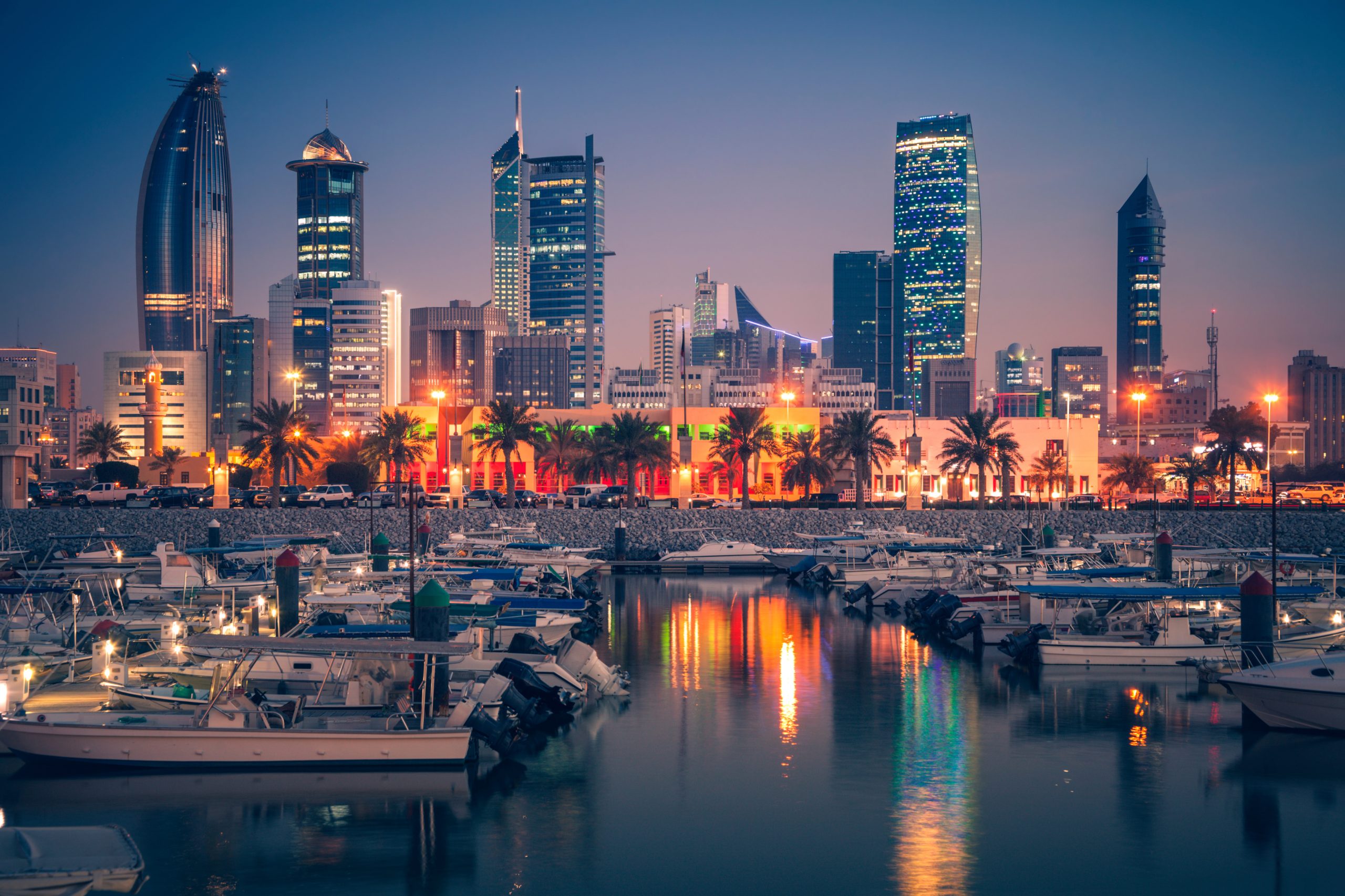
Monday, 13 January—Kuwait’s Court of Cassation sentenced 13 Kuwaitis to three years in prison for raising funds through a charity to support Hezbollah and fined them 27 million Kuwaiti dinars (€85.4 million), overturning a previous acquittal by a lower court. Hezbollah is designated as a terrorist organisation under Kuwaiti law.
Sultanate of Oman

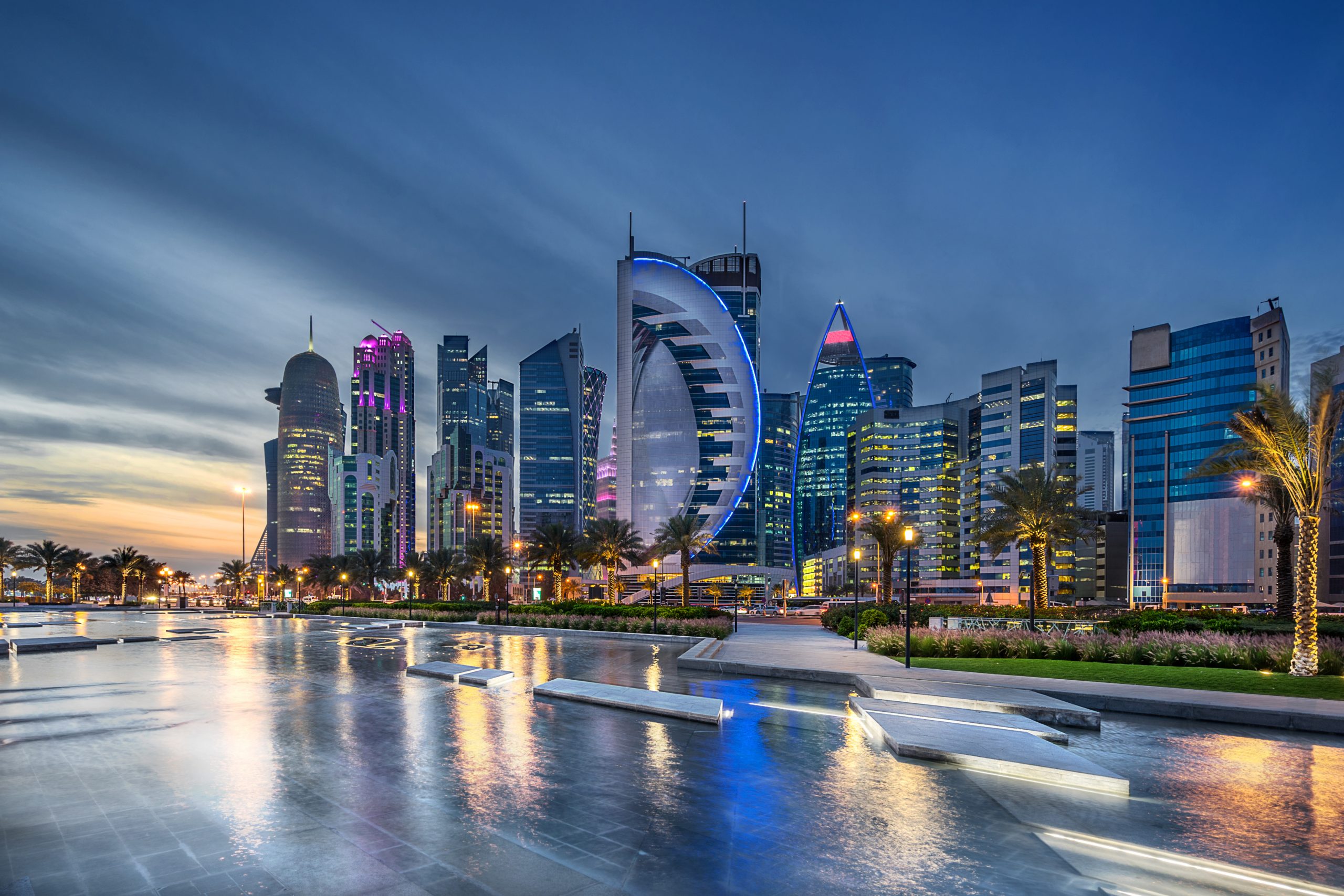
Saturday, 11 January—During a speech on the occasion of his accession to the throne in 2020, Sultan Haitham bin Tariq Al-Said declared 20 November to be Oman’s new National Day, celebrating the Al-Busaidi ruling family and the unification of Oman in 1744 by Imam Ahmed bin Said Al-Busaidi.
State of Qatar

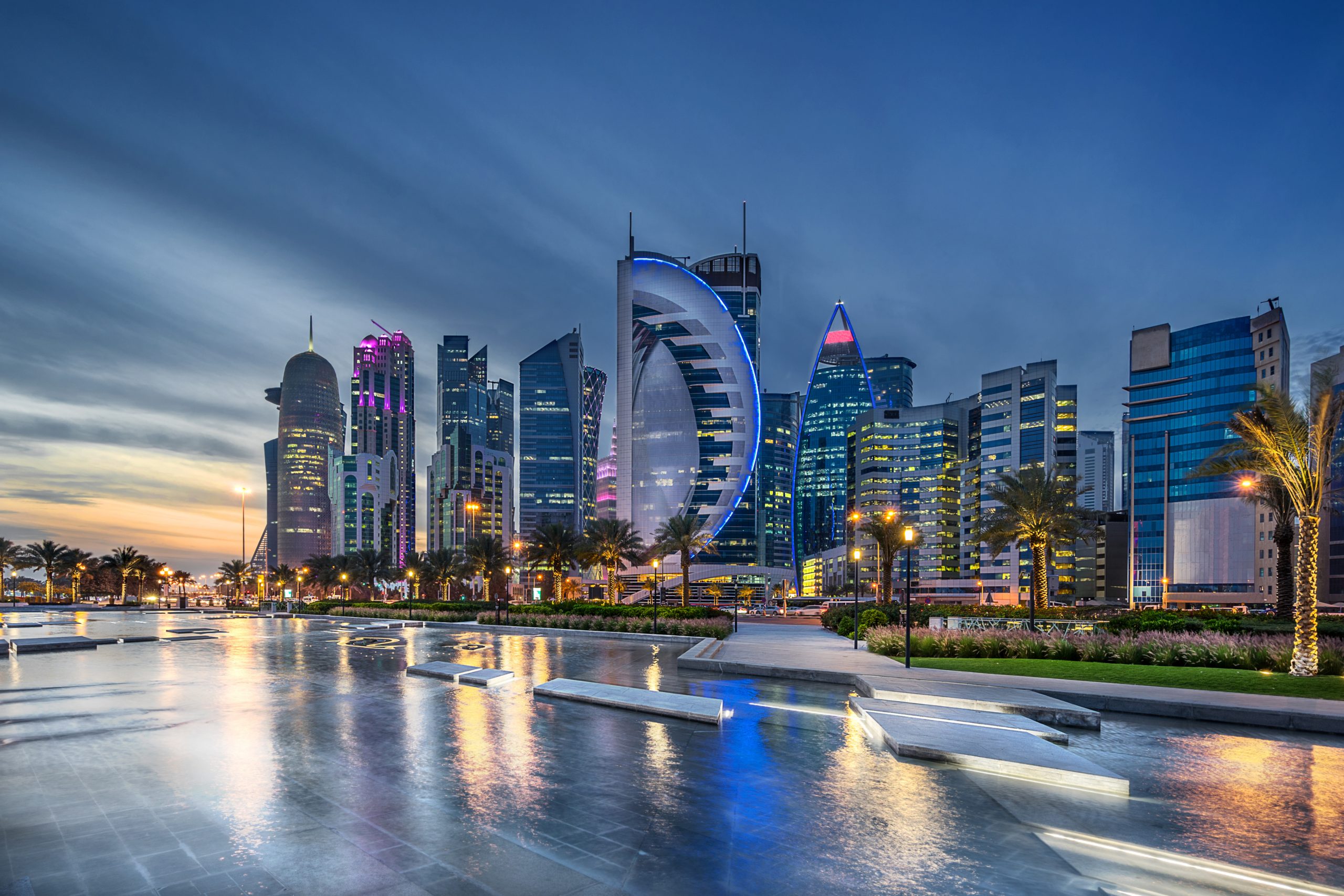
Monday, 13 January—Qatar reportedly presented Israel and Hamas with a final draft of an agreement to end the Gaza war, following a significant breakthrough at the Doha negotiations attended by the US. It came a day after Qatar’s Prime Minister and Minister of Foreign Affairs, Mohammed bin Abdulrahman Al-Thani, met with US President-elect Donald Trump’s Middle East Envoy, Steve Witkoff, to discuss the latest regional developments and the Gaza ceasefire efforts.
Kingdom of Saudi Arabia

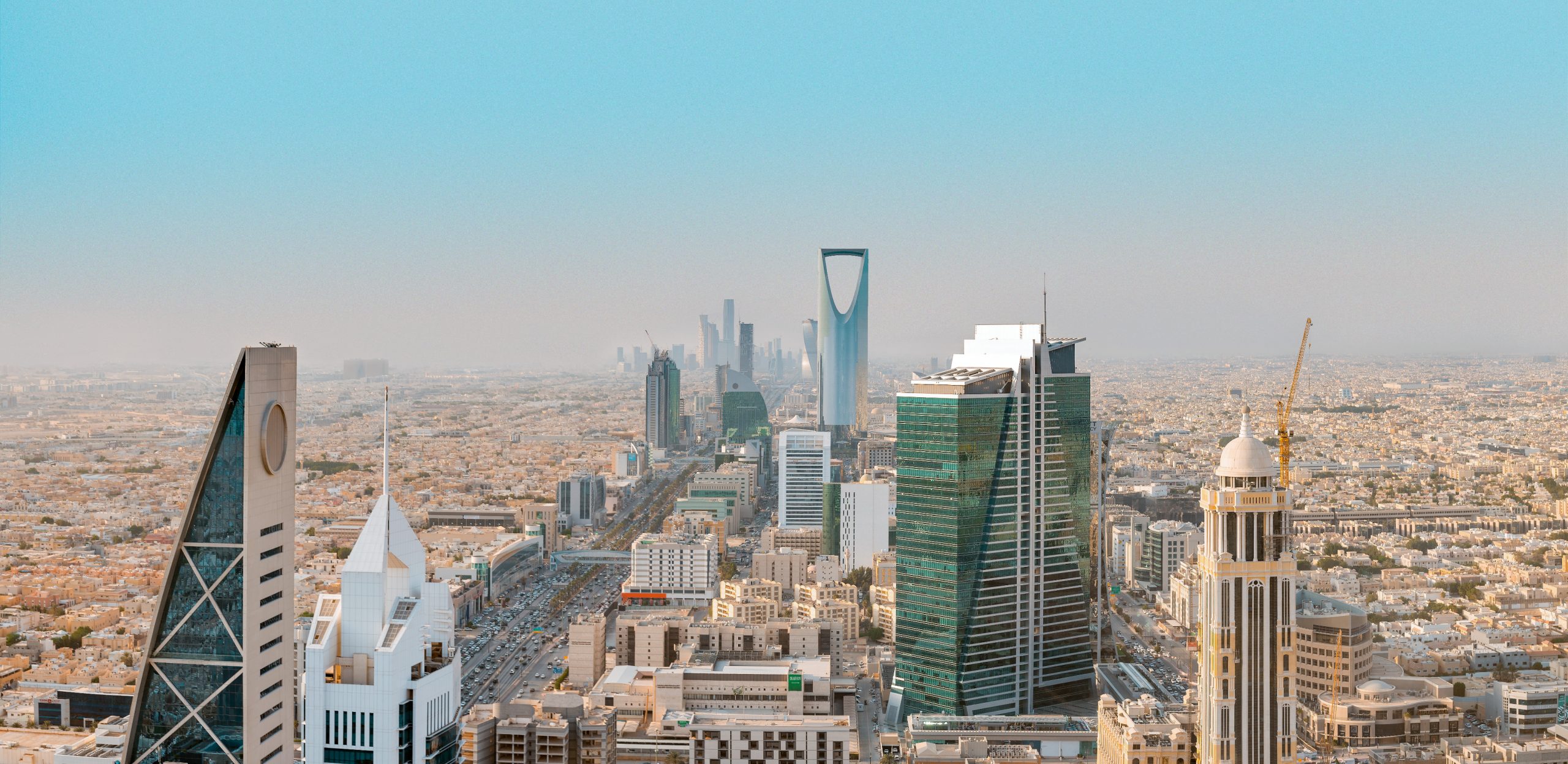
Sunday, 12 January—Riyadh hosted and chaired the Arab and Expanded Ministerial Meetings on Syria. The main focus was on coordinating international efforts to support Syria’s economic development and political transition, including sanctions lifting, regional implications, refugee repatriation, and Assad regime’s accountability. The meeting was attended by Foreign Ministers of the six GCC countries, Germany, Egypt, Iraq, Jordan, Lebanon, Syria, Türkiye, and the UK, as well as Italy’s Deputy Foreign Minister, Spain’s Minister of State for Foreign Affairs, US Under Secretary of State for Political Affairs, the French President’s Adviser for MENA Affairs, the EU High Representative for Foreign Affairs and Security Policy, in addition to the Secretaries General of the Arab League and the GCC and the UN Special Envoy for Syria.
United Arab Emirates

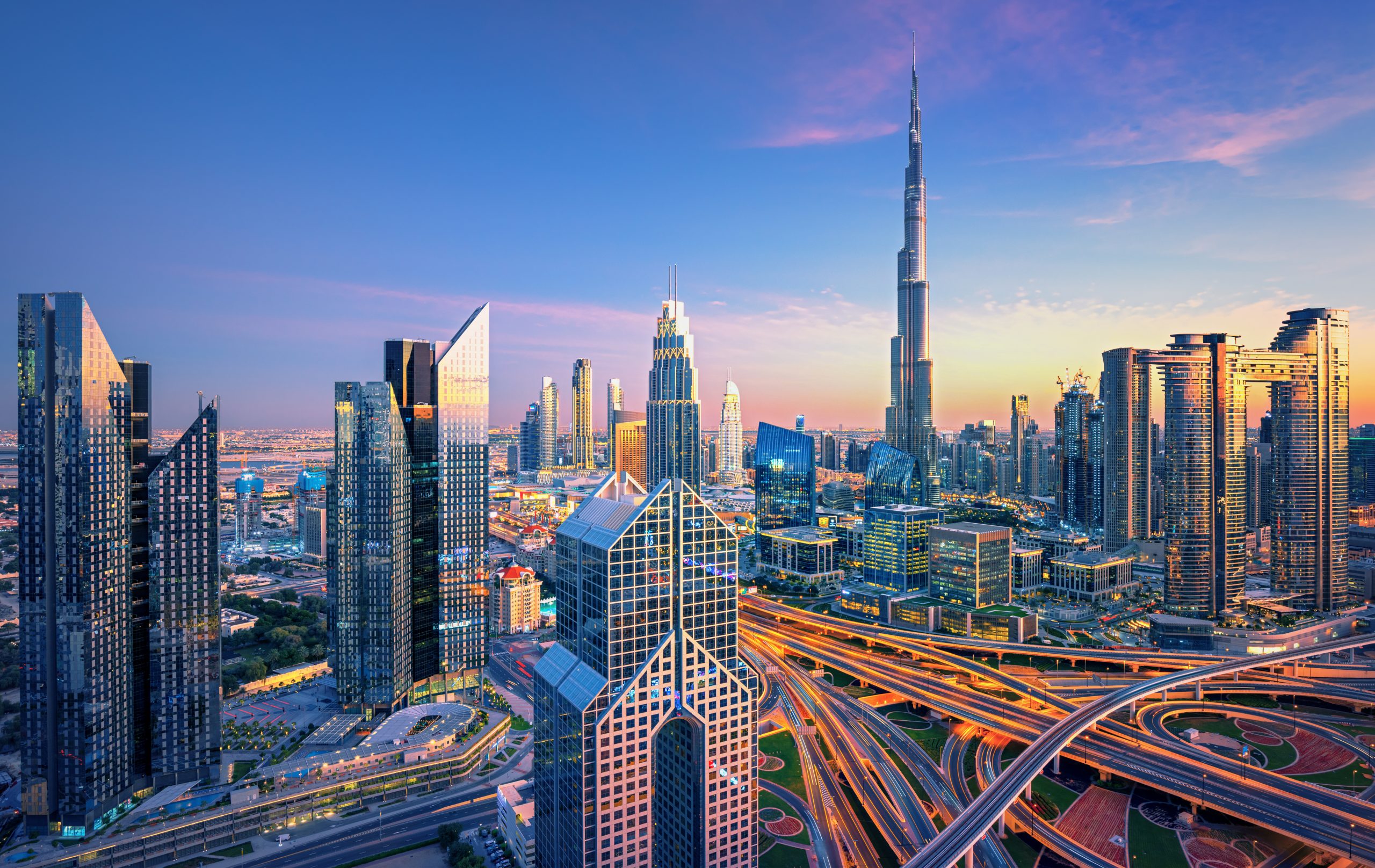
Tuesday, 14 January—The state-owned renewable energy major, Abu Dhabi Future Energy Company (Masdar), partnered with the local off-taker for water and power projects, Emirates Water and Electricity Company (EWEC), to develop storage-integrated mega solar power project to generate 1GWh of uninterrupted clean energy.
Tuesday, 14 January—The UAE signed two Comprehensive Economic Partnership Agreement (CEPA) with New Zealand and Malaysia. It is New Zealand’s first trade agreement with a Middle Eastern country.
EU Corner
Thursday, 9 January—The Head of Kuwait’s Mission to EU and NATO, Ambassador Nawaf Alenezi, met with the EU Special Representative for the Gulf, Luigi Di Maio, to discuss the roadmap for the EU-GCC strategic partnership as Kuwait chairs the GCC in 2025.
Sunday, 12 January—Ditte Juul Jørgensen, Head of the European Commission’s Directorate-General for Energy, attended the Ministerial Roundtable on Scaling-up Finance to Support the Energy Transition in Emerging Markets and Developing Economies hosted during the 15th Assembly of the International Renewable Energy Agency (IRENA) in Abu Dhabi.
Sunday, 12 January—The EU High Representative for Foreign Affairs and Security Policy, Kaja Kallas, travelled to Riyadh for an expanded ministerial meeting on Syria. It was Kallas’ first visit to the Gulf in her new role. On the occasion, she held separate talks with the Saudi Minister of Foreign Affairs, Faisal bin Farhan Al-Saud, and Syria’s new Foreign Minister, Asaad Al-Shibani, and announced that the EU Foreign Ministers will discuss ways to ease sanctions against Syria on 27 January. The move followed a coordination meeting on Syria’s transition between France, Germany, Italy, UK, US and the EU in Rome on 9 January.
Monday, 13 January—The Council of the EU extended the existing sanctions against those who support, facilitate or enable violent actions by Hamas and the Palestinian Islamic Jihad (PIJ) until 20 January 2026. The sanctions framework, established in January 2024, currently includes 12 individuals and 3 entities, subject to an asset freeze and a travel ban to the EU and it is prohibited to provide them funds or economic resources, directly or indirectly.
Tuesday, 14 January—Iran’s Deputy Foreign Minister for Political Affairs, Majid Takht-Ravanchi, held talks with his counterparts from Germany, France and the UK in Geneva, Switzerland focused mainly on Iran’s nuclear programme but also some key regional issues. Takht-Ravanchi also held a separate meeting with Enrique Mora, the EU’s JCPOA Coordinator and the Deputy Secretary General of the European External Action Service (EEAS) in Geneva.
Key Official Visits & Contacts
Tuesday, 7 January—UAE’s Deputy Prime Minister and Minister of Foreign Affairs, Abdullah bin Zayed Al-Nahyan, received Israel’s Minister of Foreign Affairs, Gideon Sa’ar, in Abu Dhabi. The meeting also discussed regional security situation, humanitarian crisis in the Gaza Strip and Hamas-Israel negotiations. The discussions covered regional and international efforts aimed at achieving a sustainable ceasefire. The UAE official also called for intensified international efforts to combat extremism, hatred, and racism while promoting the values of tolerance, coexistence, and human fraternity among nations.
Wednesday, 8 January—Qatar’s Minister of State at the Ministry of Foreign Affairs, Mohammed bin Abdulaziz Al-Khulaifi, arrived in Tehran for talks with Iran’s Minister of Foreign Affairs, Abbas Araghchi, and Deputy Foreign Minister for Political Affairs, Majid Takht Ravanchi, regarding the latest developments in Gaza, Syria and Lebanon.
Wednesday, 8 January—Bahrain’s Minister of Foreign Affairs, Abdullatif bin Rashid Al-Zayani, met with Ahmad Al-Sharaa, leader of the new Syrian administration, in Damascus. The meeting addressed Syria’s transition and efforts to restore its role regionally and internationally. Al-Zayani reviewed the Bahrain Summit outcomes, reflecting the joint Arab efforts to ensure peace, security and prosperity in the Middle East.
Thursday, 9 January—Malta’s Minister for Foreign and European Affairs and Trade, Ian Borg, visited Qatar to discuss bilateral cooperation and the latest developments in Gaza and Syria with Prime Minister and Minister of Foreign Affairs, Mohammed bin Abdulrahman Al-Thani.
Thursday, 9 January—Oman’s Foreign Ministry Undersecretary for Political Affairs, Khalifa Alharthy, received Iran’s Deputy Foreign Minister for Legal and International Affairs at the Ministry of Foreign Affairs, Kazem Gharibabadi. It came a few days before Iran’s talks with France, Germany and the United Kingdom in Geneva.
Friday, 10 January—UAE’s Deputy Prime Minister and Minister of Foreign Affairs, Abdullah bin Zayed Al-Nahyan, met with President of Cyprus, Nikos Christodoulides, in Nikosia to discuss the situation in the Middle East.
Sunday, 12 January—Following a call between UAE President, Mohamed bin Zayed Al-Nahyan, and Lebanon’s President, Joseph Aoun, a high-level UAE delegation arrived in Beirut to arrange the reopening of the UAE Embassy in Beirut.
Monday, 13 January—Saudi Arabia hosted the Saudi-Japan Vision 2030 Ministerial Roundtable to explore economic and investment opportunities to strengthen the bilateral strategic partnership, including in clean energy, financial services, critical minerals, special economic zones, health and biotechnology, water, e-sports, advanced and electronic industries. On the occasion, Saudi Arabia and Japan signed 13 Memoranda of Understanding, notably in healthcare, infrastructure, and logistics.
Monday, 13 January—The 9th UAE-German Energy and Climate Partnership High-Level Steering Group Meeting took place in Abu Dhabi to identify opportunities for collaboration.It came on the sidelines of Abu Dhabi Sustainability Week 2025 and was co-chaired by Sharif Al-Olama, UAE Undersecretary for Energy and Petroleum Affairs at the Ministry of Energy and Infrastructure, and Stefan Wenzel, Parliamentary State Secretary to the Federal Minister of Economic Affairs and Climate Action.
Monday, 13 January—UAE’s Vice President, Prime Minister and Ruler of Dubai, Mohammed bin Rashid Al-Maktoum, met with Finland’s Prime Minister, Petteri Orpo, to explore new avenues for cooperation, including in investments, education, healthcare, circular economy, technology, artificial intelligence, renewable energy, space, and telecommunications. Orpo expressed Finland’s interest to advance cooperation with the UAE, its main Gulf trading partner, on the occasion of the 50th anniversary of UAE-Finnish relations.
Tuesday, 14 January—Saudi Arabia’s Crown Prince and Prime Minister, Mohammed bin Salman Al-Saud, received Greece’s Prime Minister, Kyriakos Mitsotakis, at the Winter Camp in Al-Ula. They later co-chaired the Saudi-Greek Strategic Partnership Council, which is Greece’s first High-Level Cooperation Council with a Middle Eastern country.
Tuesday, 14 January—Kuwait’s Emir, Meshal Al-Ahmad Al-Jaber Al-Sabah, travelled to the United Kingdom at the invitation from King Charles III for his first official visit since becoming the Emir in December 2023. His entourage includes Minister of the Emiri Diwan, Mohammed Abdullah Al-Mubarak Al-Sabah and the Minister of Foreign Affairs, Abdullah Ali Al-Yahya.