



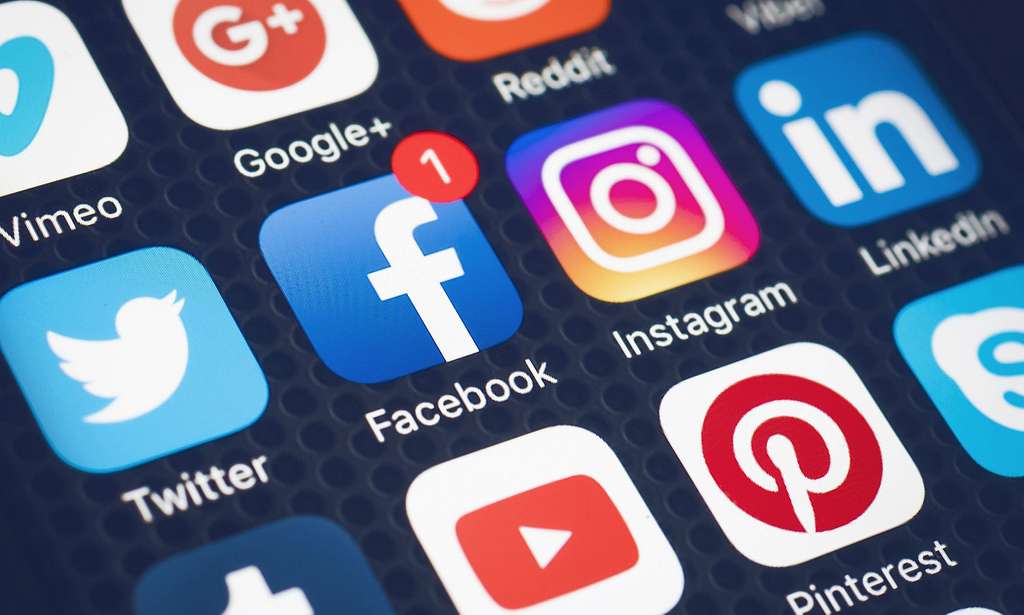


Social media has become a defining element in youth culture worldwide, and its influence is particularly pronounced in the Gulf region. With some of the highest social media penetration rates worldwide, Gulf youth turn to online platforms for various aspects and tasks of their daily lives. Each platform seems to serve a main specific purpose: X (previously Twitter) for accessing information, WhatsApp for communication, Instagram for sharing personal videos and images as well as running businesses, and Snapchat for tracking and following trends. According to DataReportal (2024), the United Arab Emirates (112.3%) and Saudi Arabia (94.3%) are leading the ranking for the ratio of social media users to population. Bahrain, Kuwait and Qatar also present elevated levels of social media adoption. For many teenagers in this region, social media has become an essential component of everyday life, described by users themselves as ‘an absolute necessity’, which sometimes leads to repercussions.
In the Gulf, social media has significantly reshaped young people’s behaviours and preferences. Influencers and celebrities on platforms such as Instagram and TikTok often dictate trends in fashion, consumption patterns, and even dietary choices. Traditional garments, including abayas, have also evolved,, with changes in colour and styling influenced by digital trends. Often, the cultural significance of these items is lost in favour of what is momentarily fashionable online. Young people often follow these trends to avoid feelings of social exclusion, instead of for their personal preferences. As a result, social media now plays a greater role than family or education in shaping youth behaviour and spending.
Beauty, fashion and lifestyle sectors, in particular, have grown due to social media’s penetration, with the UAE and Saudi Arabia content creators being seen as trendsetters. Platforms such as Instagram and TikTok promote beauty products through visually compelling content, including online tutorials and influencer endorsements. Brands have now the opportunity to create a connection with the public through smartphone’s screens, which has led to an increase in sales. The youngest among the population are the ones more easily captured by this new marketing strategy. Dubai in particular has become a magnet for both established and aspiring online creators, attracting names as Huda Kattan (Huda Beauty) or Ghaith Marwan, that have found the perfect spot to grow their business. By 2023, the influencer marketing sector in the Middle East reached a value of $1.3 billion (USD) and continues to expand, with approximately 77% of vendors actively investing in influencer marketing strategies.
Social media has also changed the aspirations and career perceptions among Gulf youth. Instagram and TikTok showcase glamorous lifestyles, pushing young people to emulate influencers whose fame mostly derives from their digital characters. The magazine, Arabian Business, indicates a growing trend among young people in Dubai aspiring to become influencers, viewing this as legitimate and rewarding alternative to traditional occupations such as doctors or lawyers. Parents in the region appear to embrace these new aspirations, perceiving being an influencer as a proper career path. Even without reaching the final goal of becoming an internet star, parents see their children’s activity online as useful to gain marketing and communication skills. This shift is not exclusive to the UAE but is emerging broadly across the Gulf region, reflecting a transition from conventional employment trajectories toward digital entrepreneurship.
The internet has not been used by the Gulf’s youth only for shopping and recreating online trends, but it is emerging as fundamental when it comes to information and sharing political views. Young people who decide to retrieve information from social media—instead of traditional media—are increasing significantly. In fact, social media platforms, particularly X, have become primary sources of real-time information for Middle Eastern youth, replacing conventional means. Youth across the region also actively participates in political discourse, especially during crises.
Despite the many opportunities for self-expression and entrepreneurship, social medias also carry heavy, at times, negative implications. The 2022 Arab Youth Survey highlights the adverse effects of influencer culture, which can amplify insecurities and unhealthy comparisons among young people, contributing to increased social anxiety and diminished self-esteem. Many have expressed their incapability to disconnect. In fact, social media addiction has been noticed frequently among young users, linking intensive usage to increased anxiety, low self-esteem, and intensified feeling of social pressures. The continuous exposure to idealised portrayals of beauty, success, and lifestyle has been proven to negatively impact self-image and mental health, especially in the younger population.
It is undoubtable that social medias have a high impact on teens and young adults lives. In fact, their everyday routines are increasingly affected by the use of internet, that has become a double-edged sword for them. Yet, this constant exposure to idealised lifestyles can amplify social pressures and negatively impact people’s lives. Social media serves as a powerful but complex tool, that both empowers and challenges young people in the Gulf.
Sources
- https://www.arabianbusiness.com/industries/media/dubai-kids-tempted-by-glamour-of-social-media-influencers-parents-encourage-it-as-legitimate-career-choice
- https://www.researchgate.net/publication/365280180_Digital_youth_in_Qatar_Negotiating_culture_and_national_identity_through_social_media_networks
- https://www.researchgate.net/publication/373427288_Role_of_Social_Media_in_Changing_the_Social_Life_Patterns_of_Youth_at_UAE
- https://www.themedialab.me/dubais-influencer-economy-exploring-the-business-of-social-media/
- https://gulfnews.com/uae/health/arab-youth-survey-2023-social-media-addiction-hurting-mental-health-of-young-users-1.98660456
- https://www.arabianbusiness.com/industries/media/dubai-kids-tempted-by-glamour-of-social-media-influencers-parents-encourage-it-as-legitimate-career-choice