



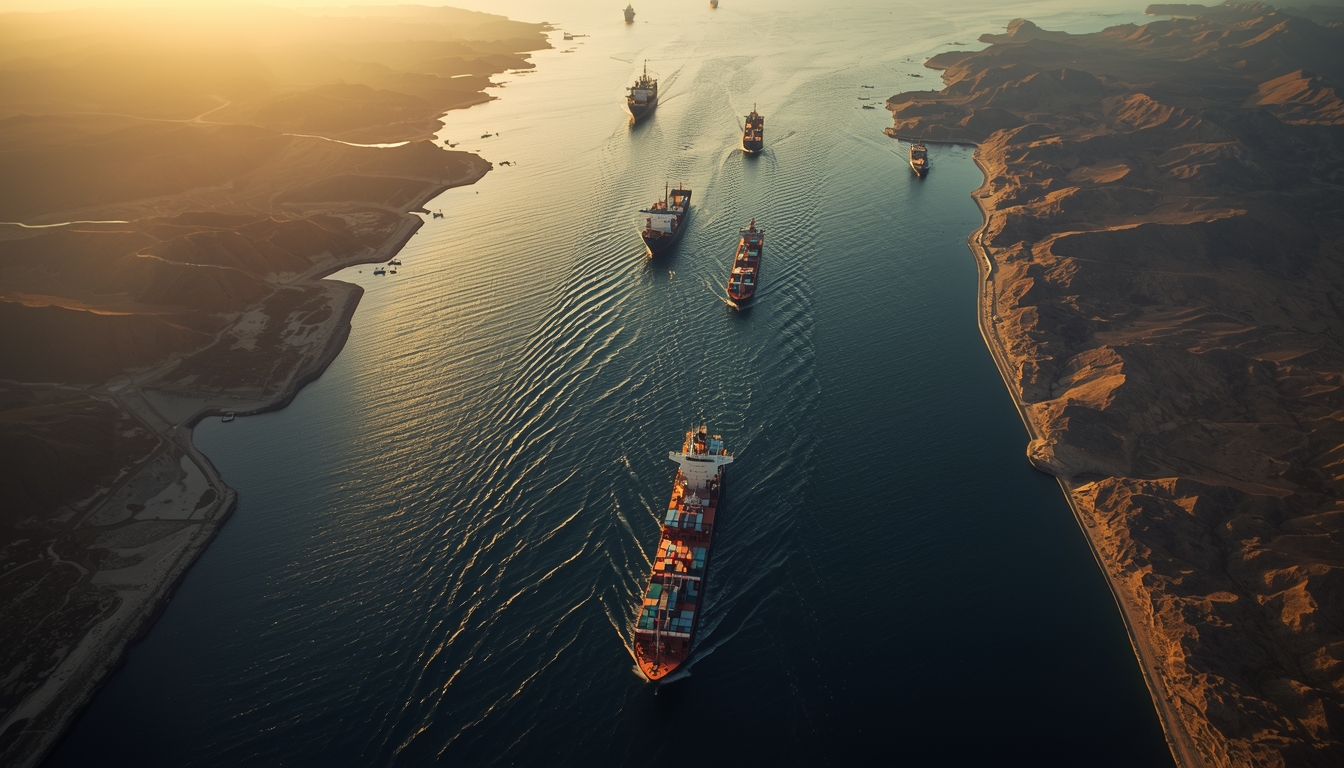


The Strait of Hormuz has long been recognised as one of the most strategically sensitive waterways in the world. Its narrow passage connects the Gulf to global markets, and any disruption there reverberates across continents. The Strait is not only a vital artery for energy exports but also a symbol of geopolitical leverage, where regional rivalries and global power competition intersect. In today’s climate of heightened tension, the question of what lies ahead for this chokepoint is more pressing than ever.
Historically, the Strait has been vulnerable to conflict. From the Iran–Iraq war in the 1980s to ongoing disruptions, its fragility has been repeatedly exposed. Roughly one-fifth of global oil trade passes through Hormuz, making it indispensable for Gulf economies and critical for international energy security. Despite billions invested in bypass pipelines and alternative routes, no infrastructure can fully replace its role. This background sets the stage for three potential scenarios that could define the future of the strait and its impact on regional stability and global markets.
The main scenario is prolonged disruption. Iran continues harassment of shipping through drones, missiles, and fast-attack boats without fully closing the strait. Oil prices remain volatile, insurance premiums rise, and smaller operators withdraw. Gulf states lean on pipelines and alternative terminals, but these cannot match Hormuz’s capacity. The result is persistent uncertainty, discouraging investment and accelerating global diversification away from Gulf energy reliance.
The second scenario is complete closure. If Iran enforces a blockade, nearly 20% of global oil flows would be halted. This would trigger a supply shock, pushing crude prices well above $112 per barrel and straining food security as transport and fertiliser costs rise. Strategic reserves in the US, Europe, and Asia would be tapped, but they could not offset a prolonged denial. The economic consequences would be severe, with recessionary pressures spreading worldwide. Militarily, such a closure would almost certainly provoke confrontation, raising the risk of escalation into a broader regional war.
The third scenario is partial reopening through military or diplomatic intervention. A US-led coalition could attempt to secure shipping lanes with naval escorts, targeted strikes, or negotiated ceasefires. Even if successful, traffic would resume only partially, perhaps restoring around 10% of pre-war flows. Prices would stabilise but remain elevated due to risk premiums. Gulf states would accelerate investment in bypass routes such as East–West pipelines and Red Sea terminals. Yet the risks of escalation remain high, as Iranian retaliation could widen the conflict.
Together, these scenarios underscore the fragility of global dependence on the Strait of Hormuz. Gulf economies cannot bypass it entirely, food security risks are as critical as energy shocks, and diplomatic channels may offer the only sustainable path to de-escalation. For smaller states like Bahrain, resilience and diversification are essential to withstand prolonged instability. The choices made in the coming months will determine whether the strait remains a chokepoint of crisis or evolves into a managed corridor under international protection.
Moving forward, expectations must be tempered by the reality that the Strait of Hormuz will remain a fragile chokepoint for the foreseeable future. Disruption is the most likely near-term outcome, with sporadic attacks and heightened risk premiums shaping global energy flows. A complete closure, while less probable, cannot be ruled out if escalation continues unchecked, and would carry devastating economic consequences. Partial reopening through military or diplomatic intervention offers some relief but would still leave markets unsettled and Gulf states under pressure to diversify routes.
Recommendations centre on three priorities. First, Gulf states should accelerate investment in bypass infrastructure and regional food security measures to reduce vulnerability. Second, international stakeholders must prepare coordinated contingency plans, including reserve mobilisation and alternative supply chains, to cushion against shocks. Third, diplomatic engagement should be pursued alongside deterrence, as sustainable stability will depend on negotiated frameworks rather than military force alone.