






Israel’s surprise recognition of Somaliland on 26 December 2025—making it the first country to do so—thrust this self-declared republic in the Horn of Africa into the global spotlight. Israel’s Prime Minister Benjamin Netanyahu hailed it as extending the Abraham Accords spirit, with Foreign Minister Gideon Sa’ar visiting Hargeisa shortly after to boost ties in technology, agriculture, and security. But amid the buzz, the real winner might be the United Arab Emirates (UAE), whose deep investments in Somaliland underscore its quest for control of vital sea lanes.
UAE and Berbera: The Crown Jewel
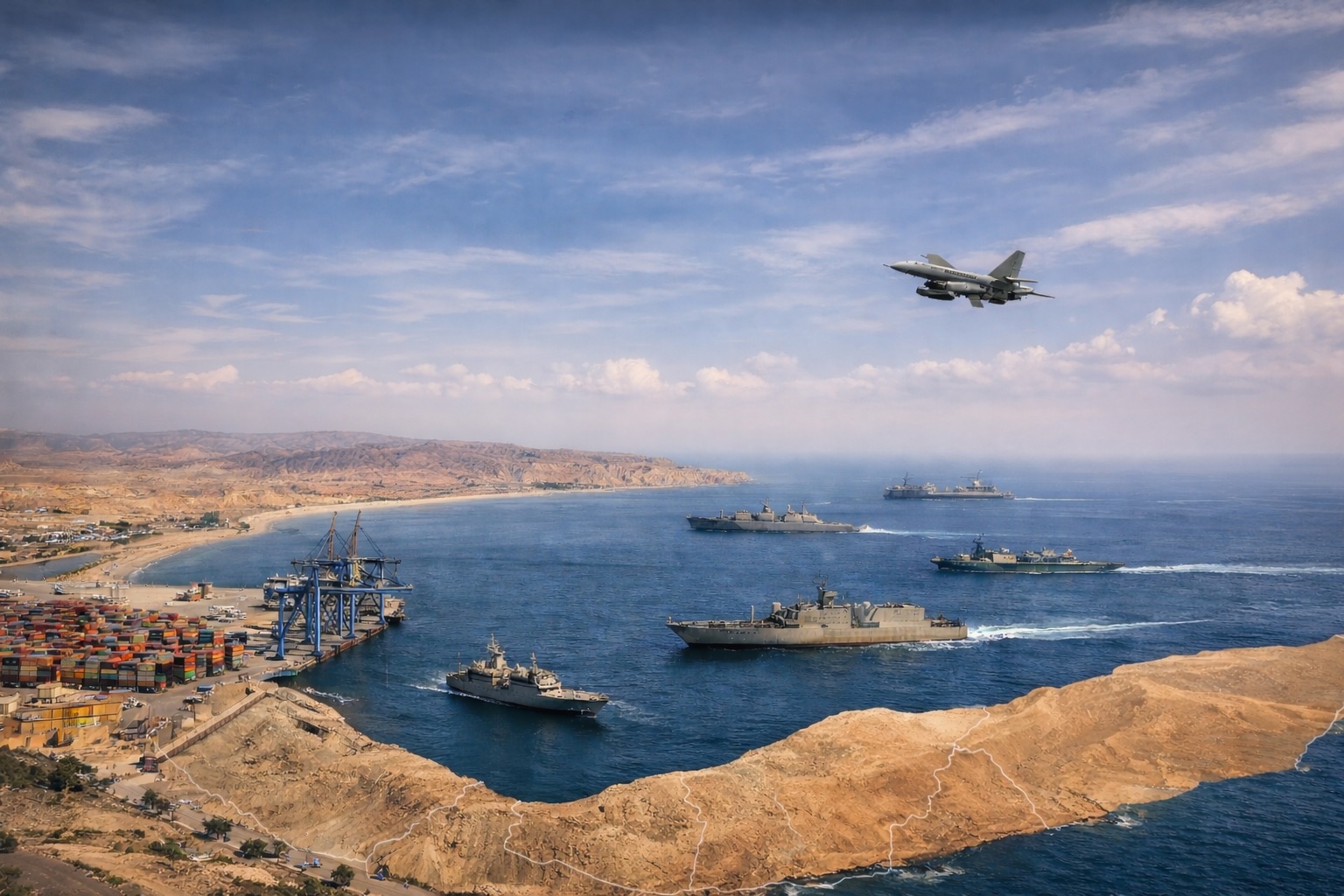
At the heart of the UAE’s interest lies Berbera port, just 260 km from Yemen and overlooking the Bab el-Mandeb Strait—a chokepoint where 12% of global trade, including a third of Europe’s oil, squeezes through daily. UAE’s DP World signed a 30-year deal in 2016 to modernise Berbera, investing $442 million alongside Ethiopia (which gets a 65% stake for landlocked access) and British International Investment (BII). This upgrade has created 2,500 jobs, pumped $45 million into Somaliland’s economy, and positioned Berbera as Djibouti’s rival, handling Ethiopia’s overflow trade.
For the UAE, it is more than commerce. Berbera hosts key facilities, part of Abu Dhabi’s broader network from Yemen’s Socotra to Eritrea, helping secure shipping routes and expand logistics reach. Israel’s position could legitimise Somaliland further, potentially shielding the UAE’s long-term assets from regional claims while opening doors with the Organisation of Islamic Cooperation (OIC) in flux.
Building Ties Quietly
The UAE has remained silent on Israel’s recognition—no official nod, just practical steps like accepting Somaliland passports (while skipping Somali ones). This fits Abu Dhabi’s style: steady engagement without ‘fanfare’, focusing on economic partnerships over headlines. Recent months show deepening cooperation—infrastructure upgrades, trade flows—positioning Berbera as a massive hub for UAE interests in the Horn.
As Somalia pushes back on port deals and Ethiopia seeks sea access, the UAE eyes a new relationship with Hargeisa: reliable, low-key, built on mutual gains like job creation and secure lanes. No rush to formal recognition; instead, quiet momentum toward stronger ties, perhaps stronger cooperation in the near future.
Ripple Effects and Gulf Power Plays
Israel’s move stirs the pot: Somalia voices concerns, Ethiopia weighs options. For the UAE, Somaliland amplifies the Gulf presence—securing energy routes, basing operations to address key challenges and diversifying trade. With President Trump adopting a more assertive foreign policy, the US seems to be outsourcing security in the Horn of Africa to the UAE-Israel nexus to nudge dynamics in the Horn forward.
***
What the future holds in store for Somaliland, the Israel–UAE relationship and the wider Horn of Africa remains a matter of speculation. However, the first step has been taken towards reshaping regional and transregional dynamics.