


5 Top Points
- Qatar confirmed its bid to host the 2036 Summer Olympic and Paralympic Games.
- Bahrain appointed Ambassadors to Belgium and Germany.
- Kuwait sanctioned Hezbollah’s financial arm and key individuals in expanded crackdown on terrorism financing.
- Saudi and French Foreign Ministers co-chaired an international conference to advance the two-state solution and called for recognition of Palestine.
- Qatar warned it may divert LNG exports from Europe over an EU corporate due diligence directive.
‘Round and About the Gulf
Kingdom of Bahrain

Saturday, 26 July—Bahrain launched its National Policy for the Use of Artificial Intelligence and adopted the GCC Guiding Manual on the Ethical Use of AI. Announced by the Information and eGovernment Authority, the policy supports economic growth, government efficiency, and ethical AI application aligned with Bahrain Vision 2030. The framework focuses on legal compliance, capacity-building, and international cooperation to support digital transformation and national development goals.
Thursday, 24 July—King Hamad bin Isa Al-Khalifa appointed new Heads of Bahrain’s Diplomatic Missions in Belgium and Germany. Mohammed Ali Bahzad, who served as Undersecretary of the Ministry of Foreign Affairs for Consular and Administrative Affairs, was named Ambassador to Belgium. Ahmed Ibrahim Al-Qurainees, who served as Head of European Affairs at the Foreign Ministry, became Ambassador to Germany.
State of Kuwait

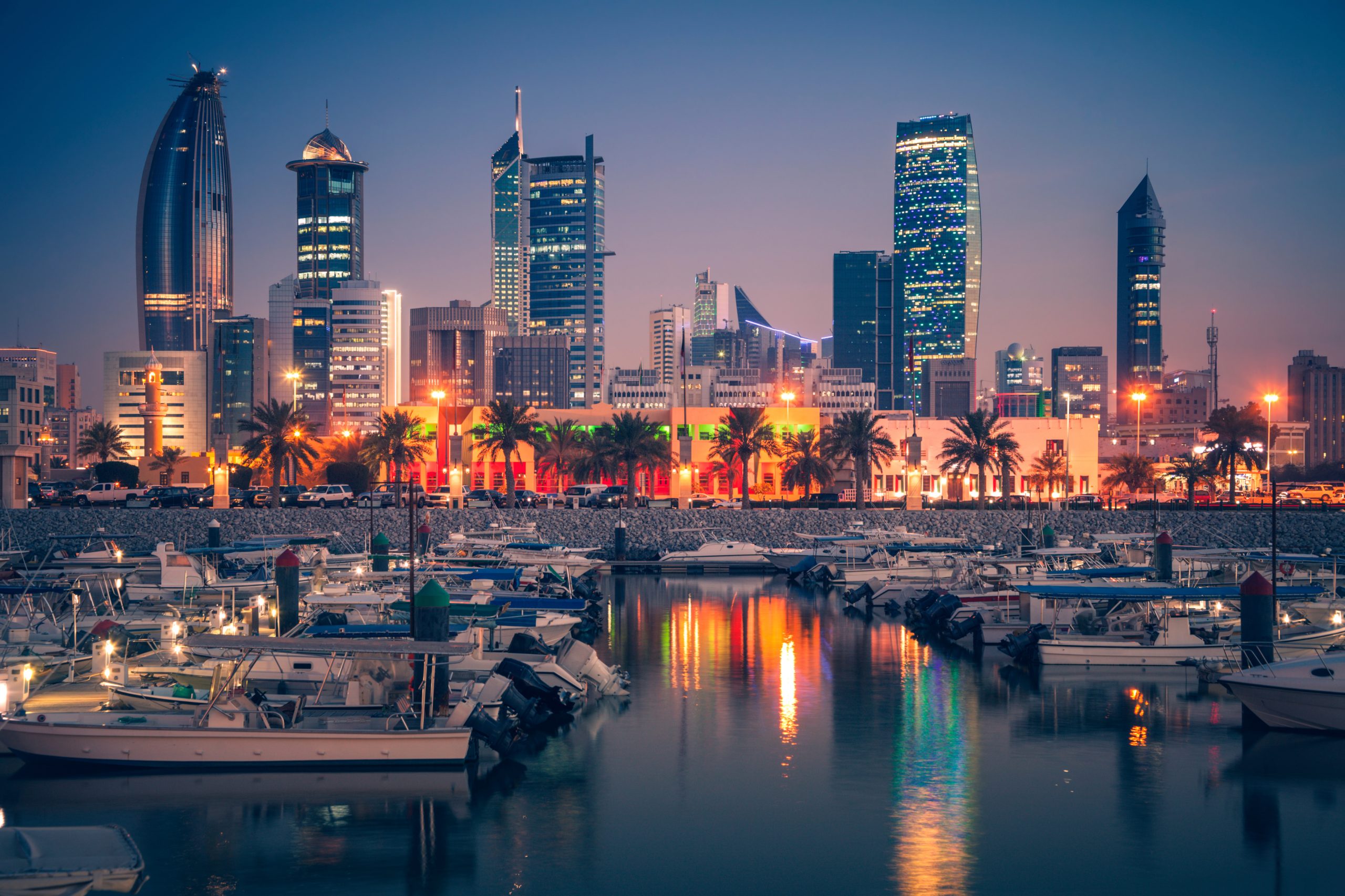
Monday, 28 July—Kuwait imposed sanctions on Hezbollah’s financial arm, Al-Qard al-Hassan Association, designating it and three individuals of Lebanese, Tunisian, and Somali nationalities. The move includes asset freezes and economic restrictions. Al-Qard al-Hassan, already under US sanctions, faces growing scrutiny as Lebanon’s Central Bank recently banned domestic institutions from engaging with the group.
Sultanate of Oman

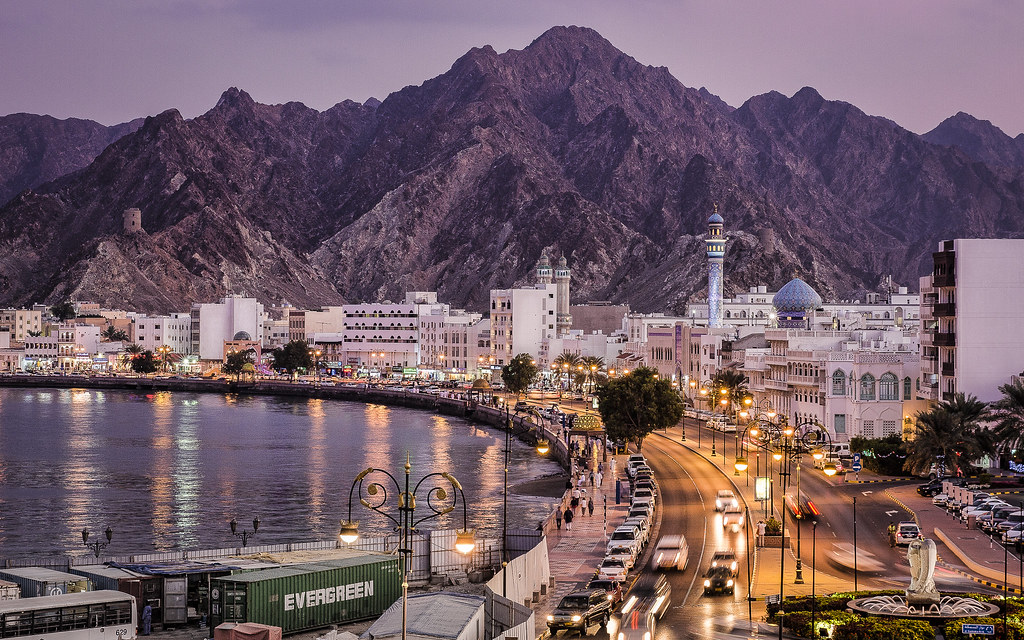
Tuesday, 29 July—SOHAR Port and Freezone signed a Memorandum of Understanding with Swiss firm HYNAT to develop a natural hydrogen value chain in Oman. The collaboration includes identifying hydrogen production zones, creating logistics corridors, and establishing storage and processing infrastructure. It follows a February 2025 MoU between HYNAT and Oman’s Ministry of Energy and Minerals. The project aligns with Oman’s clean energy strategy, aiming to position SOHAR as a regional hub for low-carbon solutions and boost sustainable industrial and economic growth.
State of Qatar

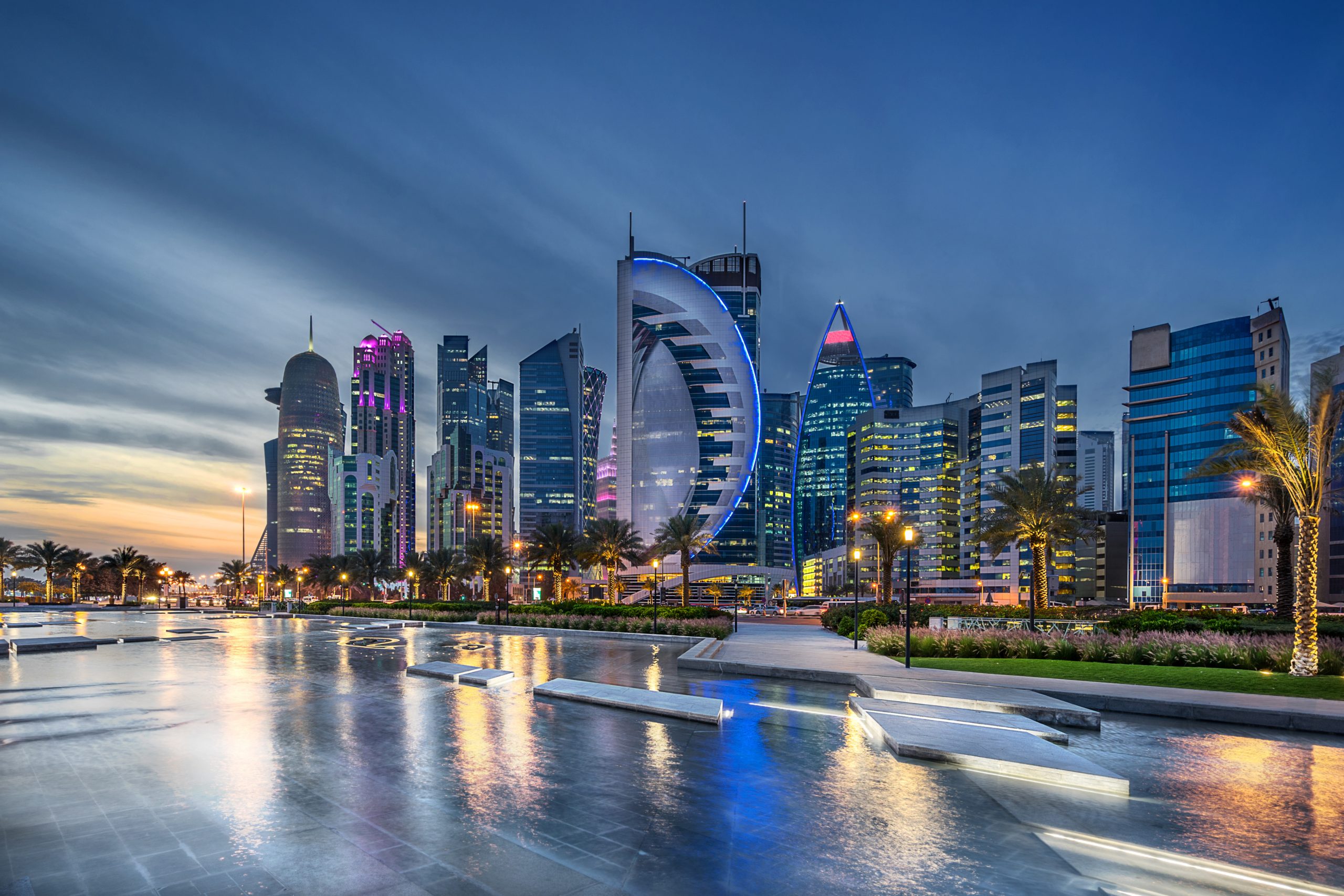
Wednesday, 24 July—Qatar officially confirmed its bid to host the 2036 Summer Olympic and Paralympic Games and announced the formation of the Bid Committee, led by the Qatar Olympic Committee President, Joaan bin Hamad Al-Thani, and Vice-Chairperson of the Qatar Foundation, Hind bint Hamad Al-Thani. Qatar would be the first Middle East and North Africa country to host the major sporting event.
Kingdom of Saudi Arabia

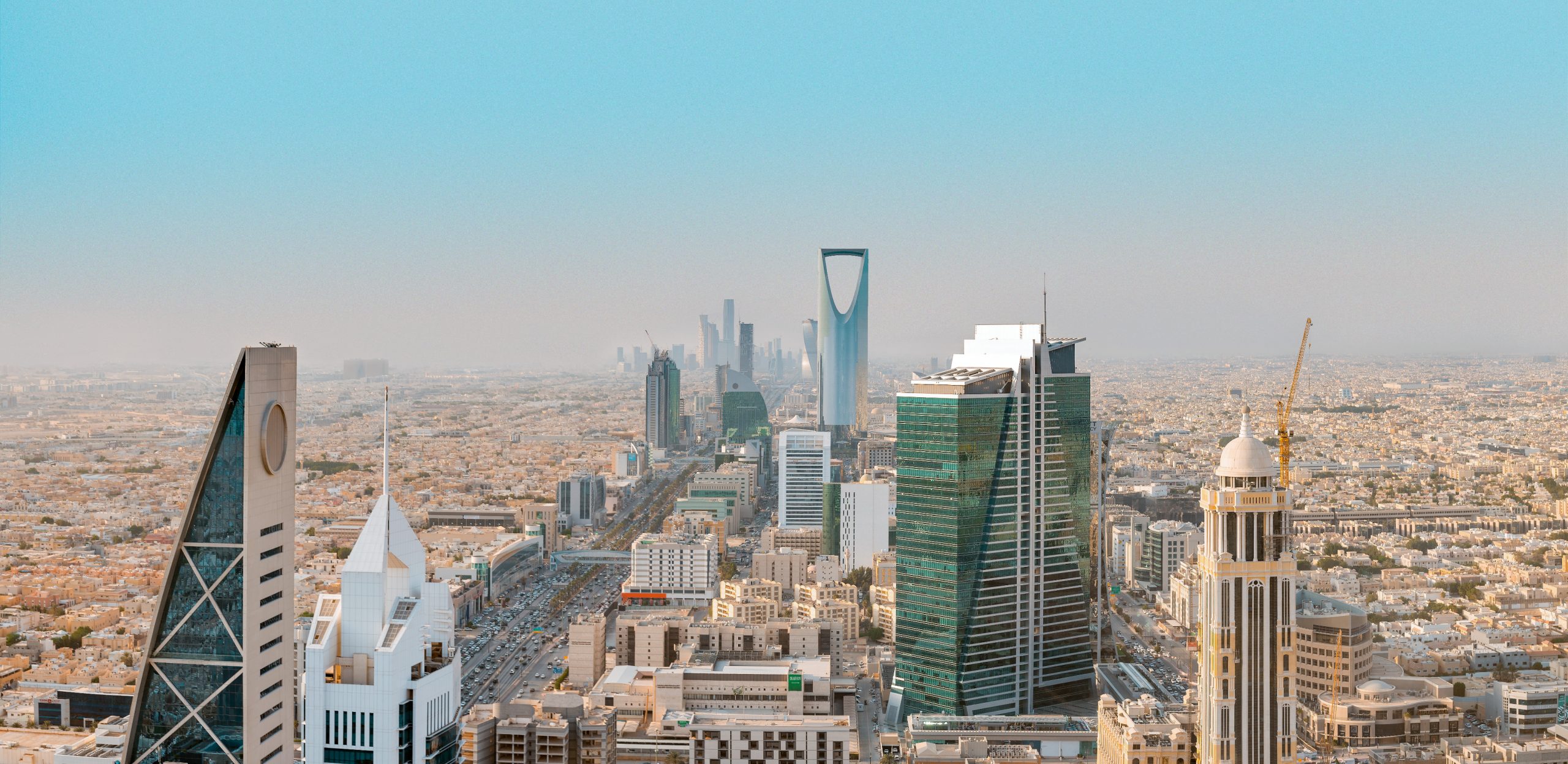
Saturday, 26 July—Saudi Arabia’s Ministry of Sport, in partnership with the National Center for Privatisation & PPP, completed the Kingdom’s first football club privatisations via public offering. Al-Kholood was acquired by US-based Harburg Group, marking the first foreign ownership of a Saudi football club. Al-Ansar went to Oudah Al-Baladi & Sons Company, and Al-Zulfi to Nojoom Al-Salam Company. The move forms part of phase two of a six-club privatisation initiative.
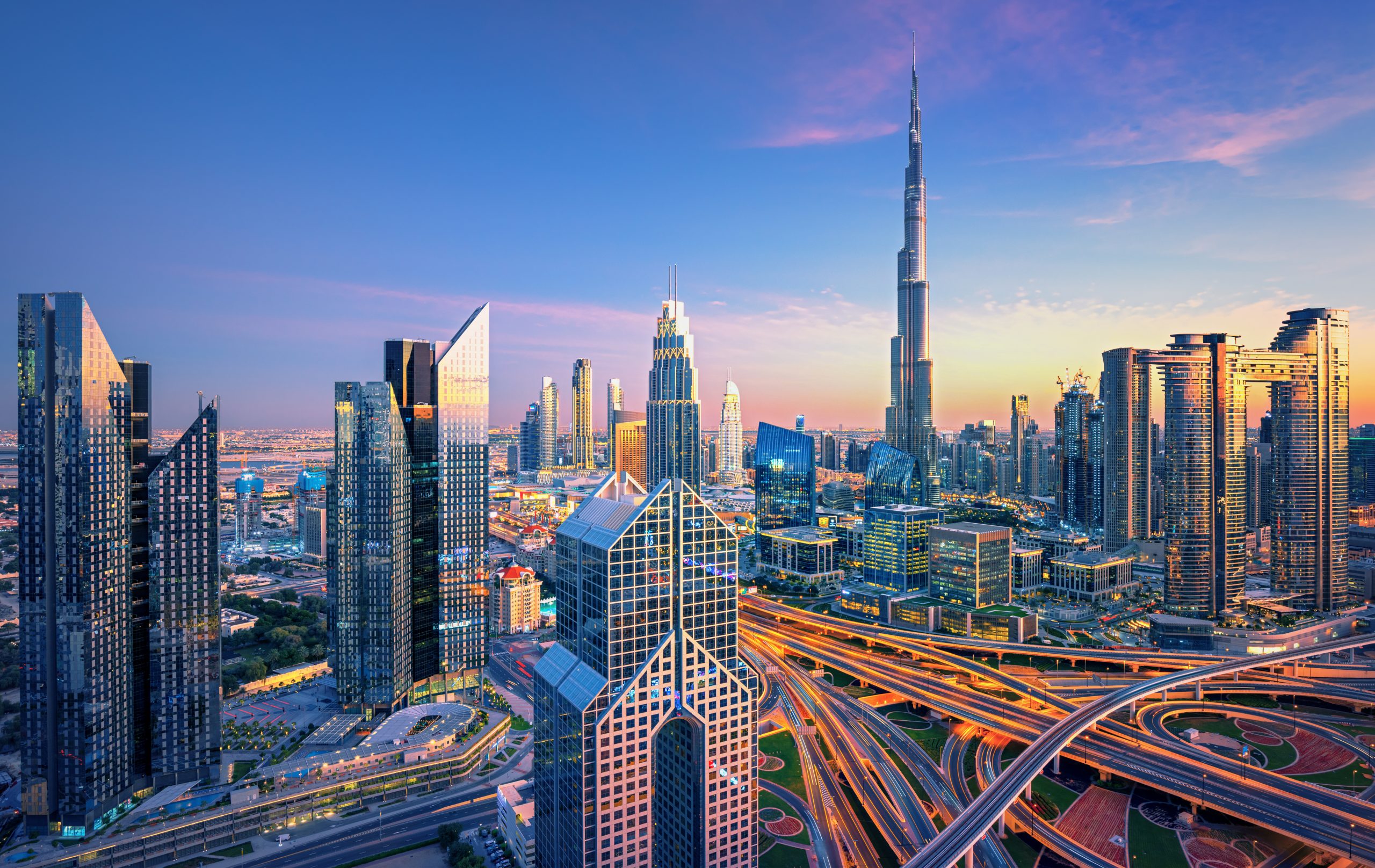
United Arab Emirates

Monday, 28 July—Rakbank, a UAE-based bank, partnered with Bitpanda, a European crypto exchange, to launch a regulated crypto brokerage service for retail investors, the first of its kind offered by a conventional bank in the UAE. The initiative aligns with the UAE’s fintech strategy and regulatory support. It will enable trading in assets like Bitcoin and Ethereum, with a pilot rollout planned ahead of wider public access.
EU Corner
Thursday, 24 July—Greek Shipping Minister, Vassilis Kikilias, announced the deployment of the salvage vessel Giant to the Red Sea, following Houthi attacks on two Greek-operated ships, Magic Seas and Eternity C, which sank off Yemen. The vessel, provided by the Hellenic Association of Tugboat Owners, will assist Greek ships and support maritime safety. Five crew remain missing, with ten others held by the Iran-backed Houthis (Ansar Allah). The EU’s Mission Aspides did not have assets in the area during the incidents.
Friday, 25 July—Deputy foreign ministers from the UK, France, and Germany (E3) held direct nuclear talks with Iran in Istanbul, the first since the June Israel-Iran war. The E3 reiterated readiness to trigger the 2015 nuclear deal’s snapback mechanism but offered an extension if Iran meets legal and technical obligations. Jean-Noël Barrot, French Foreign Minister, later stressed the need for a broader agreement covering missiles and regional activity. E3 leaders reiterated their readiness to reimpose UN sanctions by end of August unless Iran resumes IAEA cooperation and diplomatic engagement.
Saturday, 26 July—Qatar threatened to divert liquefied natural gas (LNG) supplies away from the EU over the bloc’s Corporate Sustainability Due Diligence Directive (CSDDD), which mandates large companies to address human rights and environmental issues in their supply chains. In letters to Belgium and the European Commission in May, Qatari Energy Minister, Saad Al-Kaabi, criticised the directive for infringing on national sovereignty and warned Qatar may redirect LNG to other markets if the law is not eased. Brussels proposed limited revisions, which Doha considers insufficient. Qatar currently supplies 12-14% of Europe’s LNG.
Monday, 28 July—The EU launched an in-depth investigation into Abu Dhabi’s ADNOC over its €14.7 billion acquisition of German chemical firm Covestro, citing concerns over potential market distortion from UAE state subsidies. The European Commission flagged an unlimited UAE guarantee and ADNOC’s committed capital increase as possible unfair advantages. The deal, ADNOC’s largest to date, may have discouraged rival bids. ADNOC and Covestro said they are cooperating with the review. A final decision is due by 2 December 2025.
Key Official Visits & Contacts
Wednesday, 23 July—Lebanese President, Joseph Aoun, accompanied by Foreign Minister, Youssef Rajji, began a two-day official visit to Bahrain at the invitation of King Hamad bin Isa Al-Khalifa. Aoun highlighted the historic and fraternal ties between the two nations and expressed hope for strengthened cooperation in political, economic, and cultural fields. He emphasised Lebanon’s appreciation for Bahrain’s regional and international support and anticipated productive discussions aimed at enhancing bilateral ties, particularly in strategic areas such as investment, tourism, and economic partnership.
Thursday, 24 July—Bahraini Foreign Minister, Dr Abdullatif bin Rashid Al Zayani, met French Foreign Minister, Jean-Noël Barrot, in Paris to discuss regional and global developments, reaffirming commitment to multilateralism and Middle East stability. They welcomed future cooperation at the UN Security Council, following Bahrain’s 2026 non-permanent seat. The ministers co-chaired the 4th Bahraini-French Joint High Committee, focusing on trade, investment, energy transition, and cultural ties. Both sides endorsed enhanced collaboration, particularly in education and language promotion.
Thursday, 24 July—Saudi Investment Minister, Khalid bin Abdulaziz Al-Falih, led a 130-member delegation to Syria, announcing $6.4 billion in investment agreements to support the country’s post-war reconstruction. Unveiled during a Damascus investment forum, the deals span real estate, infrastructure, energy, telecoms, and finance. Al-Falih also launched a Saudi-Syrian Business Council, reaffirming Riyadh’s support for Syria’s economic recovery.
Monday, 28 July—Saudi Foreign Minister, Faisal bin Farhan Al-Saud, co-chaired the High-Level Conference on the Peaceful Settlement of the Palestinian Question with French Foreign Minister, Jean-Noël Barrot, at the UN in New York. He highlighted the significance of the event in advancing the two-state solution and acknowledged France’s announcement of its intention to recognise the State of Palestine. Emphasising support for an independent Palestinian state on 1967 borders with East Jerusalem as its capital, he called for international efforts to address the humanitarian situation and support institutional reforms by the Palestinian Authority. He also encouraged endorsement of the conference’s final communiqué as a roadmap for implementing the two-state solution.
Monday, 28 July—Saudi Interior Minister, Abdulaziz bin Saud Al-Saud, held talks in Paris with French Interior Minister, Bruno Retailleau, focusing on enhancing bilateral security cooperation. Discussions addressed joint efforts to combat crime, drug trafficking, money laundering, and to promote expert exchanges. The ministers signed an executive document outlining future cooperation between their ministries. He also visited the Paris Operation Center which was responsible for securing the Paris Olympic Games, and the elite RAID unit and met its chief, Guillaume Cardy, reviewing advanced tactical methods for counter-terrorism and high-risk situations.
Monday, 28 July—Saif Al-Suwaidi, Director General of UAE’s General Civil Aviation Authority, led an Emirati delegation to China to advance civil aviation cooperation. The delegation included officials from GCAA, Abu Dhabi Investment Office, EDGE Group, and Ras Al Khaimah’s Department of Civil Aviation. They visited major aerospace firms, including COMAC and AutoFlight, and discussed joint industrial opportunities. In Beijing, Al Suwaidi met Song Zhiyong, Administrator, Civil Aviation Administration of China, to discuss regulatory alignment, certification, and technical cooperation in air navigation and maintenance.
Tuesday, 29 July—Bahrain’s Interior Minister, Rashid bin Abdullah Al-Khalifa, received Palestinian Interior Minister, Ziad Mahmoud Hab Al-Reeh, in Manama to discuss enhanced security cooperation. Both ministers affirmed their commitment to the Palestinian cause and regional stability, agreeing to strengthen coordination to address security challenges and deepen collaboration across key areas of mutual interest.