


5 Top Points
- Bahrain and the US agreed on civilian nuclear cooperation and signed a trilateral agreement with the UK on a joint security and prosperity pact.
- The EU plans to launch negotiations with individual GCC countries on bilateral Strategic Partnership Agreements.
- Russia’s Rosneft announced the re-appointment of Qatar’s former Energy Minister as its Chairman amid new EU sanctions.
- The UAE President visited Türkiye, Serbia, Albania and Hungary to strengthen bilateral ties.
- Saudi Arabia and Europe seek to develop a green hydrogen and renewable energy corridor.
‘Round and About the Gulf
Kingdom of Bahrain

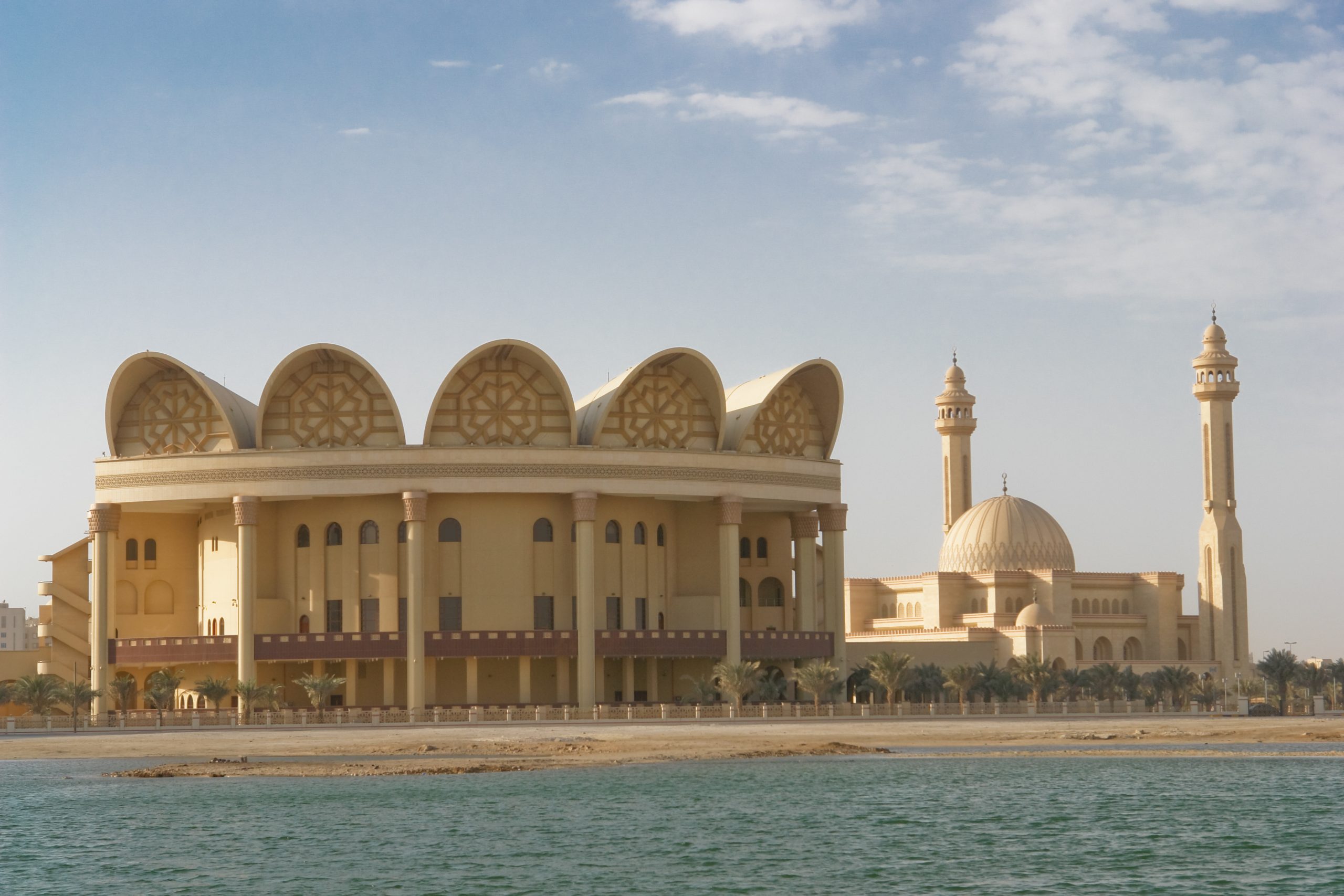
Tuesday, 22 July—At the 11th meeting of the Arab Space Cooperation Group in Egypt, Bahrain was selected to chair the committee comprising delegates from eight Arab space agencies tasked with drafting the Arab Space Strategic Plan. Rasha Al-Amad, Chief of Strategic Planning at the Bahrain Space Agency, will chair the committee on Bahrain’s behalf.
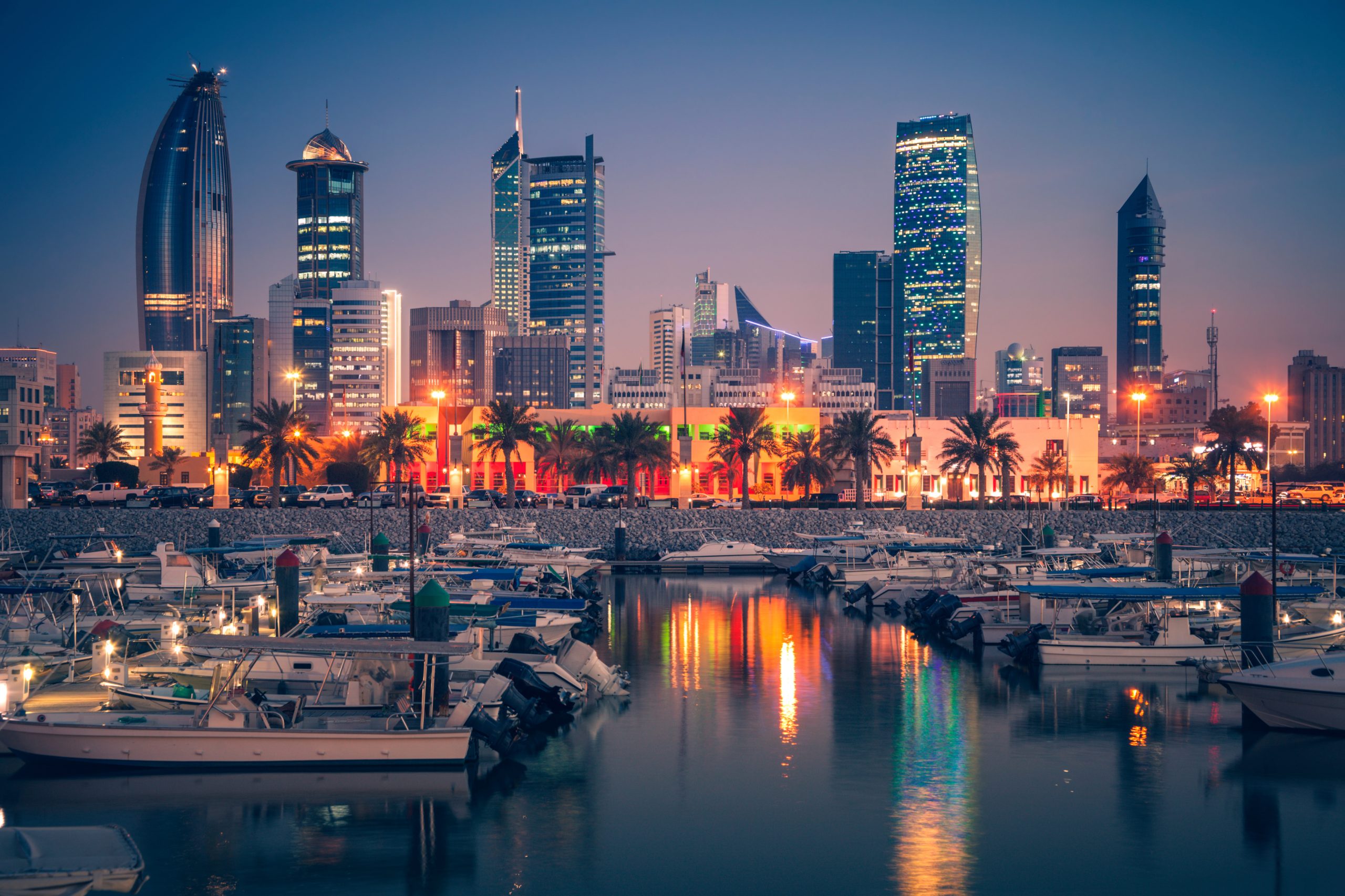
State of Kuwait

Thursday, 17 July—The Kuwait Armed Forces announced the arrival of its first Bayraktar TB2 unmanned aerial vehicles (UAVs) from Türkiye, marking a key milestone in the country’s military modernisation. Three UAVs, including one armed with guided bombs, were showcased during the launch ceremony at Salem Al-Sabah Air Base, attended by Defence Minister, Abdullah Ali Abdullah Al-Sabah. The $367 million contract for TB2s was signed in June 2023.
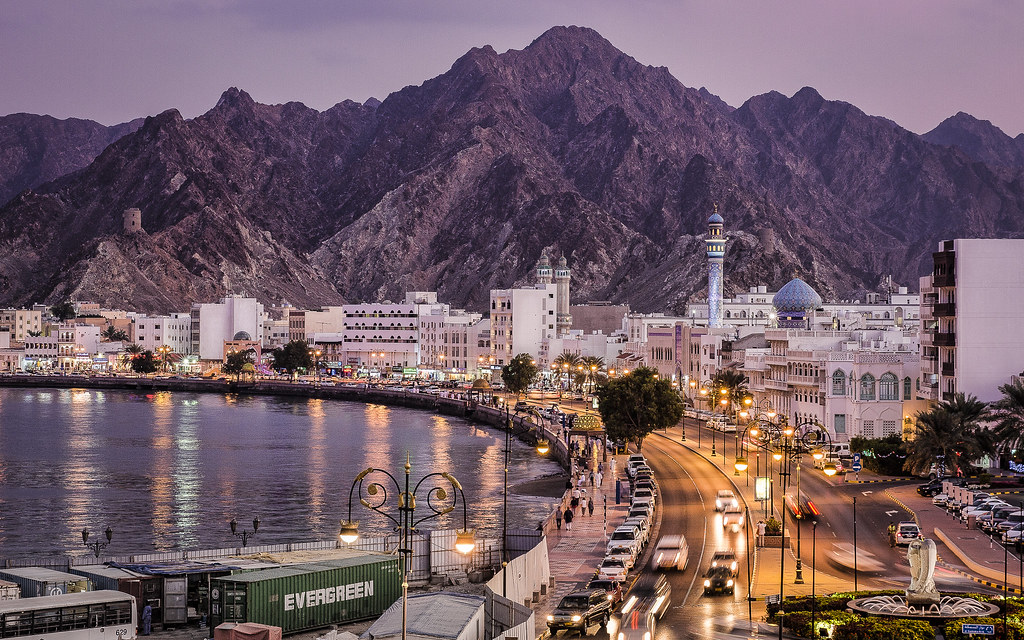
Sultanate of Oman

Saturday, 19 July—Oman Airports is in advanced discussions with European low-cost carrier Wizz Air to launch direct flights between European cities and Oman. The talks follow Wizz Air’s decision to cease its operations in Abu Dhabi by September. The move aims to enhance connectivity and attract more European travellers to Oman, potentially strengthening the country’s position as a regional aviation hub.
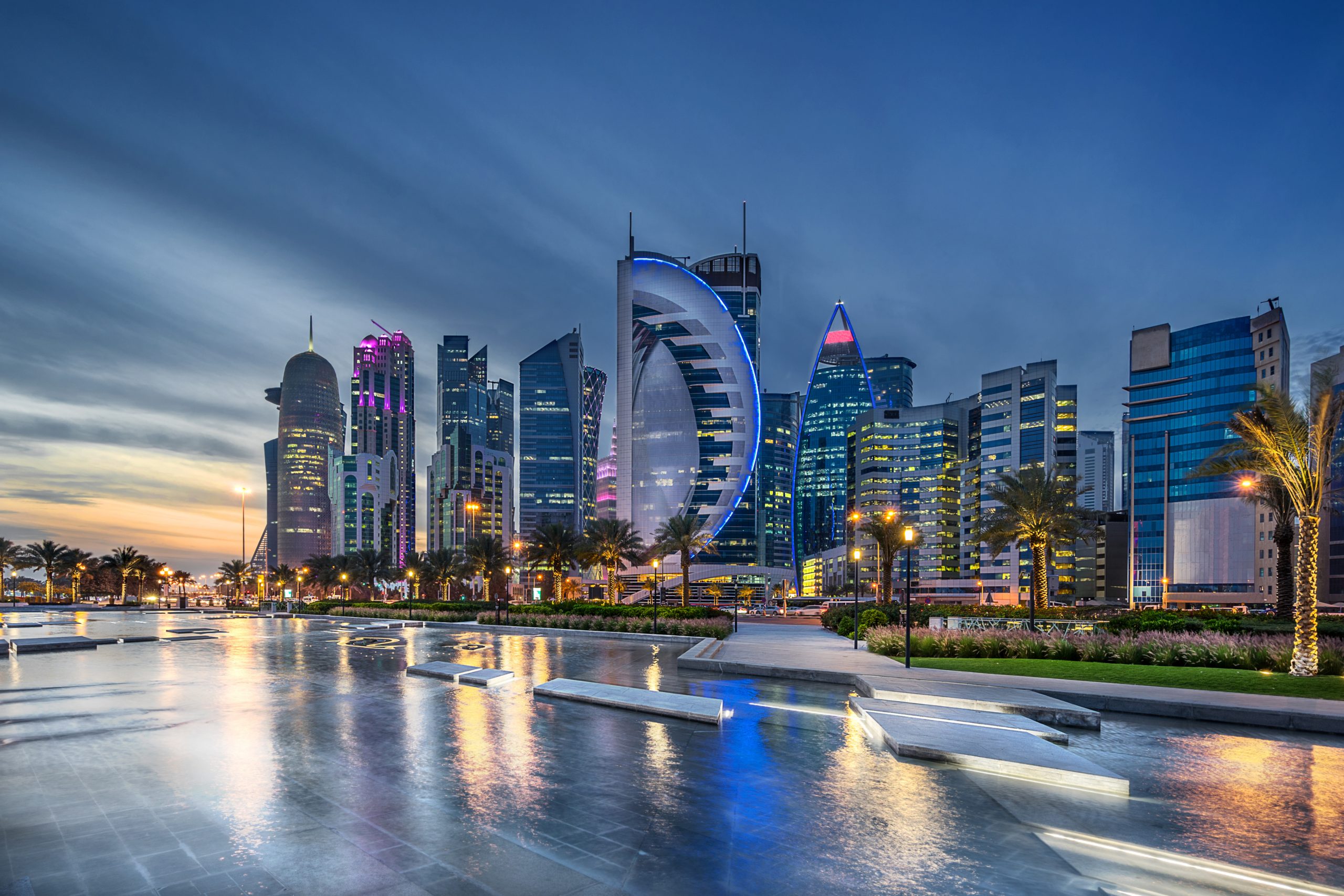
State of Qatar

Monday, 21 July—Rosneft, Russia’s largest oil producer, announced the reappointment of Mohammed bin Saleh Al-Sada, former Qatari Minister of Energy and Industry and Chairman of Qatar Petroleum (now QatarEnergy) (2011-2018), as its Chairman. Initially appointed in June 2023, Al-Sada’s continued leadership comes amid heightened EU sanctions targeting a Rosneft-linked refinery in India.
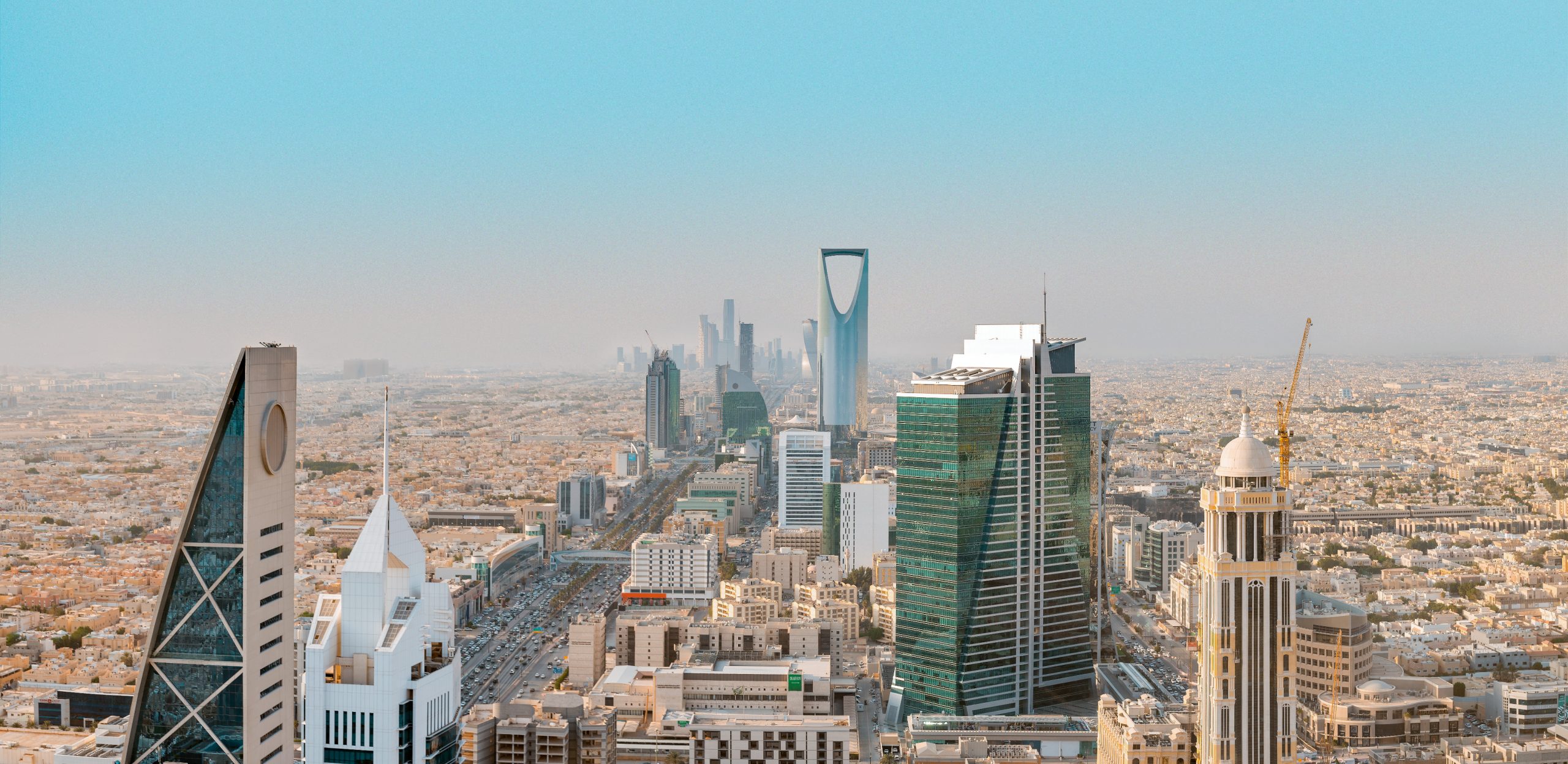
Kingdom of Saudi Arabia

Sunday, 20 July—Saudi Arabia signed multiple agreements and memoranda of understanding with international partners, including Greece, France, and Germany, through the company ACWA Power, to develop a green hydrogen and renewable energy export value chain to Europe. The agreements were signed during the Renewable Energy and Green Hydrogen Export Workshop, held under the supervision of the Ministry of Energy and attended by Minister of Energy, Prince Abdulaziz bin Salman Al-Saud. The deals aim to assess the feasibility of large-scale renewable projects in Saudi Arabia, establish export corridors to Europe, and enhance energy transmission infrastructure. This initiative reinforces Saudi Arabia’s strategic role in the India-Middle East-Europe Economic Corridor and supports the goals of Saudi Vision 2030.
United Arab Emirates

Friday, 18 July—Foreign ministers of the GCC countries, Jordan, Egypt, Iraq, Lebanon, and Türkiye reaffirmed support for Syria’s sovereignty, unity, and stability, firmly rejecting foreign interference. In joint talks, they welcomed the resolution of the Sweida crisis and the Syrian President’s commitment to accountability. They backed efforts to restore state control, reject violence and sectarianism, and condemned Israel’s attacks as violations of international law. They stressed Syria’s stability as vital to regional security and urged international support for reconstruction, calling on the UN Security Council to enforce relevant resolutions and ensure Israeli withdrawal from occupied Syrian territories.
EU Corner
Friday, 18 July—The European Council authorised the European Commission and the EU High Representative to launch negotiations with Bahrain, Kuwait, Oman, Qatar, Saudi Arabia, and the UAE on bilateral Strategic Partnership Agreements covering security, trade, energy, connectivity, digital and more. This process will complement existing EU-GCC cooperation frameworks, including ongoing regional and bilateral negotiations on Free Trade Agreements.
Monday, 21 July—The E3 (France, Germany, and the UK) and Iran will hold nuclear talks on 25 July in Istanbul, the first since the June Israel-Iran War. It comes as the E3 has set a deadline to trigger the snapback mechanism, reimposing UN sanctions on Iran by the end of August if there is no tangible progress on the issue.
Key Official Visits & Contacts
Wednesday, 16 July—Saudi Minister of Energy, Abdulaziz bin Salman Al-Saud, met Rafael Grossi, Director General of the International Atomic Energy Agency (IAEA), in Riyadh to discuss the Saudi National Atomic Energy Project and ongoing cooperation with the IAEA. Talks focused on enhancing technical collaboration, nuclear safety standards, and preparations for the International Conference on Nuclear and Radiological Emergencies, to be held in Riyadh in December. The meeting highlighted joint efforts to develop nuclear infrastructure, exchange expertise, and support Saudi Arabia’s energy diversification and sustainability goals.
Wednesday, 16 July—UAE’s President, Mohamed bin Zayed Al-Nahyan, attended the inaugural meeting of the High-Level Strategic Council in Ankara. Together with President Recep Tayyip Erdoğan, the two leaders affirmed their commitment to strengthening bilateral cooperation. Seven bilateral agreements were signed covering the fields of economy and trade, defence and security, energy (including renewables and hydrocarbons), technology and innovation, education and culture, water and environment, and infrastructure and transportation.
Thursday, 17 July—UAE’s President, Mohamed bin Zayed Al-Nahyan, met Hungarian Prime Minister, Viktor Orbán, and President Tamás Sulyok during an official visit to Budapest, following his working visits to Türkiye, Serbia and Albania the previous day. Discussions focused on enhancing bilateral cooperation in economy, trade, investment, renewable energy, technology, and culture. They witnessed the signing of multiple agreements and Memoranda of Understanding covering collaboration in artificial intelligence, data centres, green energy, food security, energy storage, and government development.
Thursday, 17 July—Kuwait signed Memoranda of Understanding with Estonia, Latvia, and Lithuania to establish regular political consultations aimed at deepening bilateral ties. In Tallinn, Assistant Foreign Minister for Europe Affairs, Sadeq Marafi, and Estonian Undersecretary for Political Affairs, Martin Roger, explored cooperation in governance, cybersecurity, and digital transformation, in line with Kuwait Vision 2035. In Riga, Marafi met Latvian Undersecretary of State, Ivars Lasis, to discuss economic ties, logistics, technology, and food security. In Vilnius, Marafi and Lithuanian Vice Minister of Foreign Affairs, Audra Plepytė, focused on economic, scientific, medical, and governance collaboration.
Friday, 18 July—Bahrain’s Crown Prince and Prime Minister, Salman bin Hamad Al-Khalifa, announced over $17 billion in investments in the United States during a meeting with US President, Donald Trump, in the White House. Bahraini financial institutions committed $10.7 billion, while sovereign fund Mumtalakat signed $2 billion in deals for downstream aluminium projects. Cisco Systems will enhance Bahrain’s digital infrastructure, and a new 800 km submarine cable will link Bahrain, Saudi Arabia, Kuwait, and Iraq to global networks. Bahrain and the US also signed a civilian nuclear energy cooperation agreement. Bahrain, the US and the UK also signed an agreement to formally join the Comprehensive Security and Integrated Prosperity Agreement (C-SIPA), originally signed by Bahrain and the United States in 2023.
Saturday, 19 July—Doha hosted the signing of a Declaration of Principles between the Government of the Democratic Republic of the Congo and the Congo River Alliance/March 23 Movement, marking a major step towards peace in eastern Congo following sustained Qatari mediation. Minister of State, Mohammed bin Abdulaziz Al-Khulaifi, affirmed Qatar’s dedication to peaceful conflict resolution, in coordination with the African Union.
Sunday, 20 July—German Chancellor, Friedrich Merz, thanked Qatar’s Emir, Tamim bin Hamad Al-Thani, for the help in facilitating the return of a group of Afghans to Afghanistan from Germany during a phone call, which also centred on regional and international developments.
Tuesday, 22 July—Saudi Arabia’s Minister of Interior, Abdulaziz bin Saud Al-Saud, held separate meetings in London with UK Minister of State for Security, Dan Jarvis, and UK Secretary of State for the Home Department, Yvette Cooper. Discussions focused on strengthening bilateral security cooperation, particularly in managing major public events and combating organised crime. The Saudi Minister toured Wembley Stadium and Wellington Barracks, reviewing security protocols. Agreements on future security cooperation were signed.