


5 Top Points
- Saudi Arabia hosted the first direct US-Russia talks on Ukraine.
- Ukraine’s President began a regional tour to the UAE and Saudi Arabia, signing a UAE-Ukraine trade agreement.
- Saudi and French leaders spoke about regional developments and the upcoming US-Russia talks on Ukraine in Riyadh.
- Qatar and India established a bilateral strategic partnership, aiming to double trade within five years.
- US officials visited the Gulf to discuss Gaza ceasefire progress and Iran’s destabilising activities.
‘Round and About the Gulf
Kingdom of Bahrain

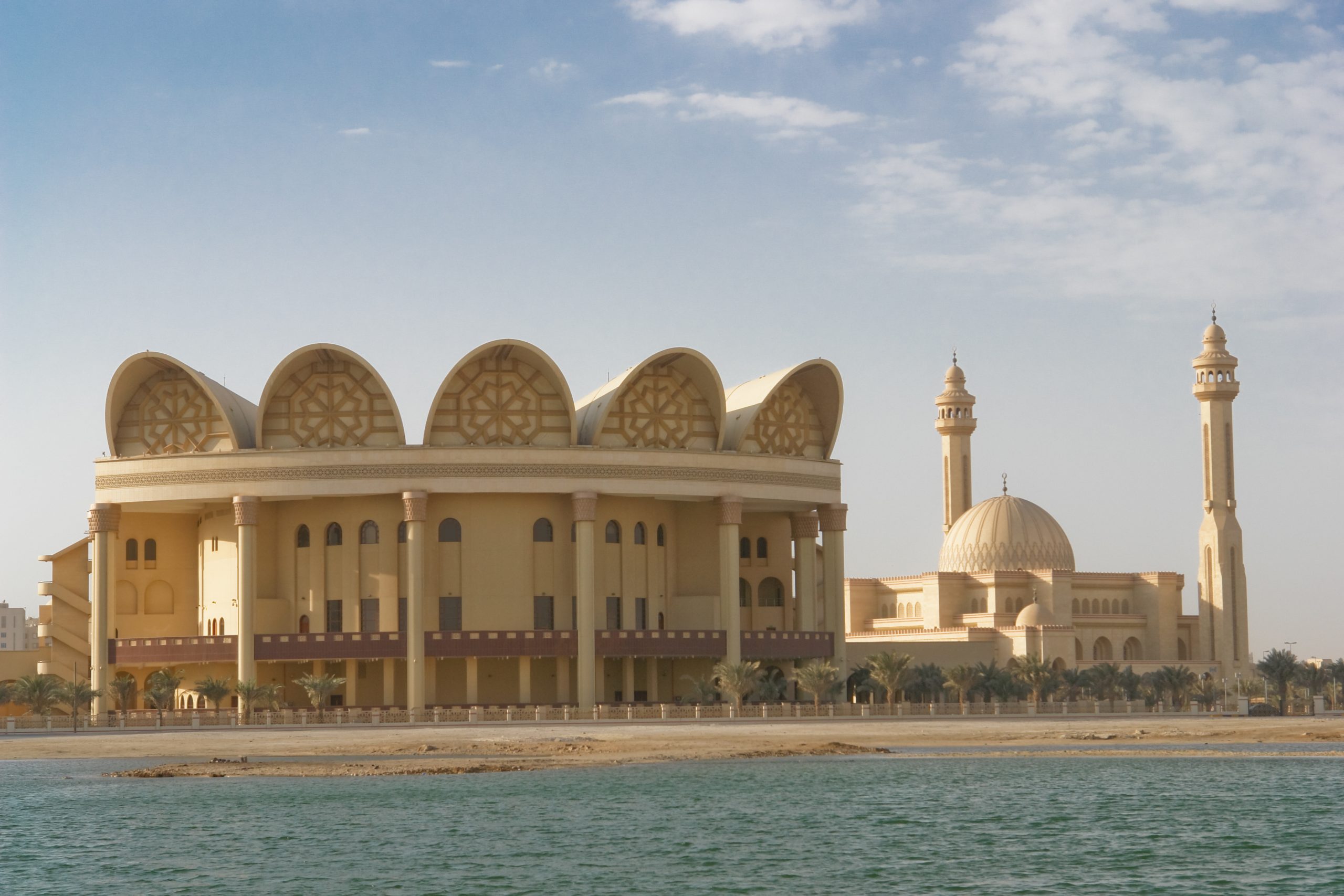
Monday, 17 February—Bahrain is set to host the Intra-Islamic Dialogue Conference on 19-20 February under the patronage of King Hamad bin Isa Al-Khalifa. Held under the theme ‘One Nation, One Shared Destiny’, the event will feature Grand Imam of Al Azhar, Ahmad Al Tayyeb, and focus on fostering dialogue and peaceful coexistence.
State of Kuwait

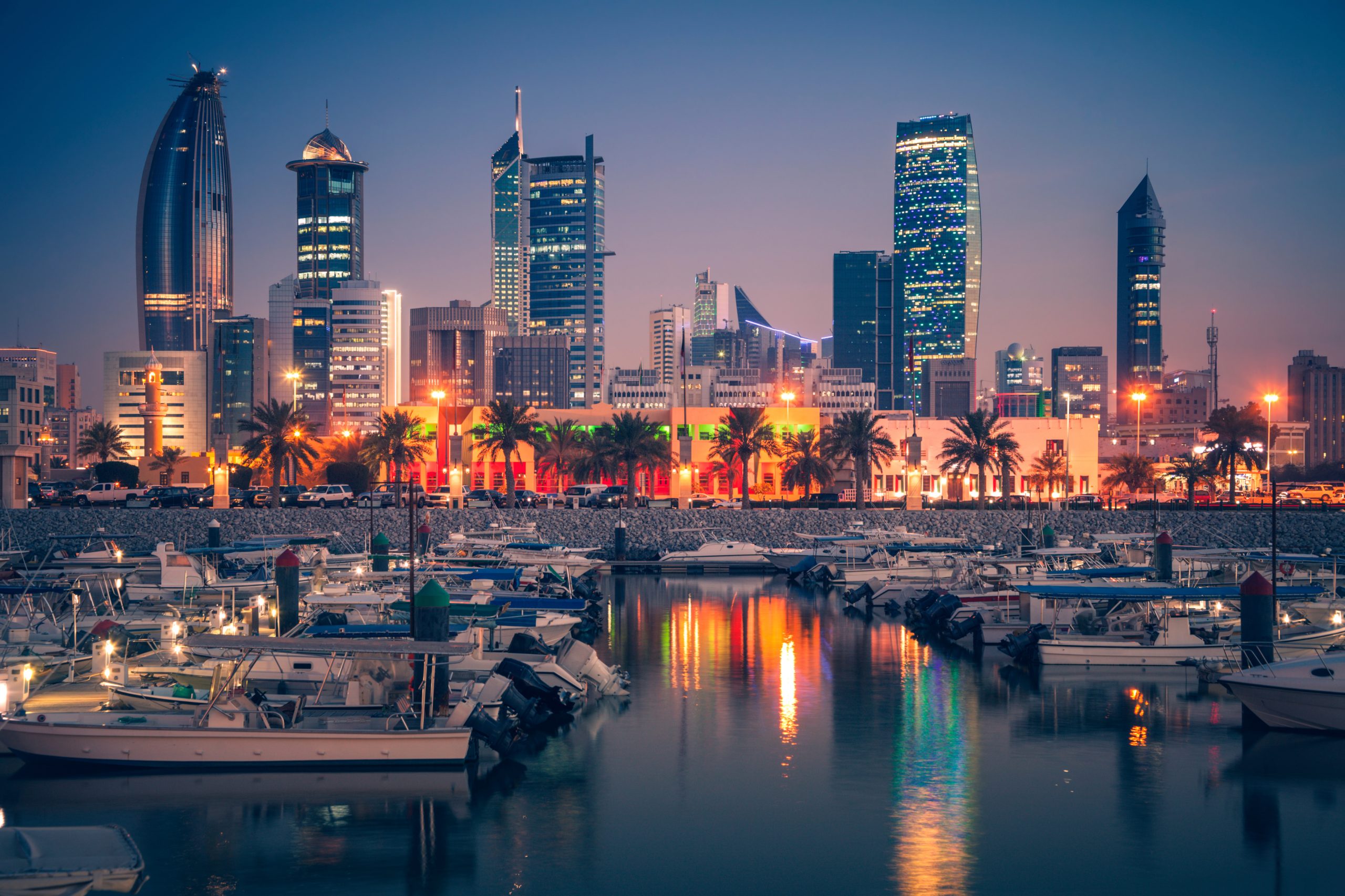
Sunday, 16 February—Kuwait’s Cabinet appointed Abeer Anwar Abdullah Al-Awadhi as the Head of the Kuwait National Cybersecurity Centre, established in 2022, for the next four years.
Sultanate of Oman

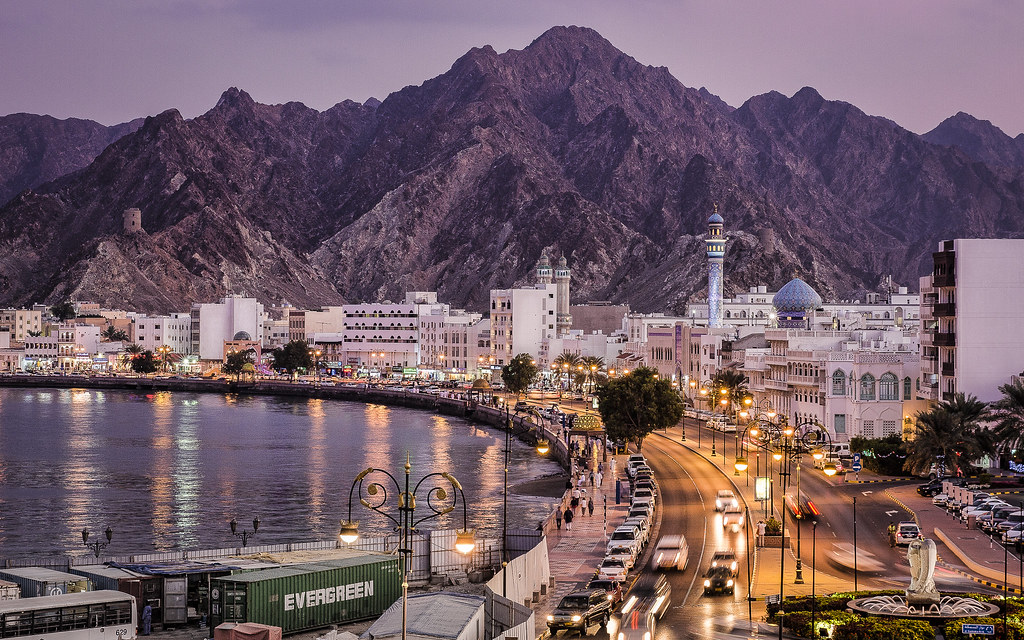
Friday, 14 February—Oman’s Ministry of Energy and Minerals, the Qatar Development Fund, and the Gulf Cooperation Council Interconnection Authority (GCCIA) signed a $100 million loan agreement that will see Qatar funding the expansion of the GCC electricity grid. The project includes establishing a 530-kilometre transmission line connecting Oman directly to the GCCIA power station in the UAE.
State of Qatar

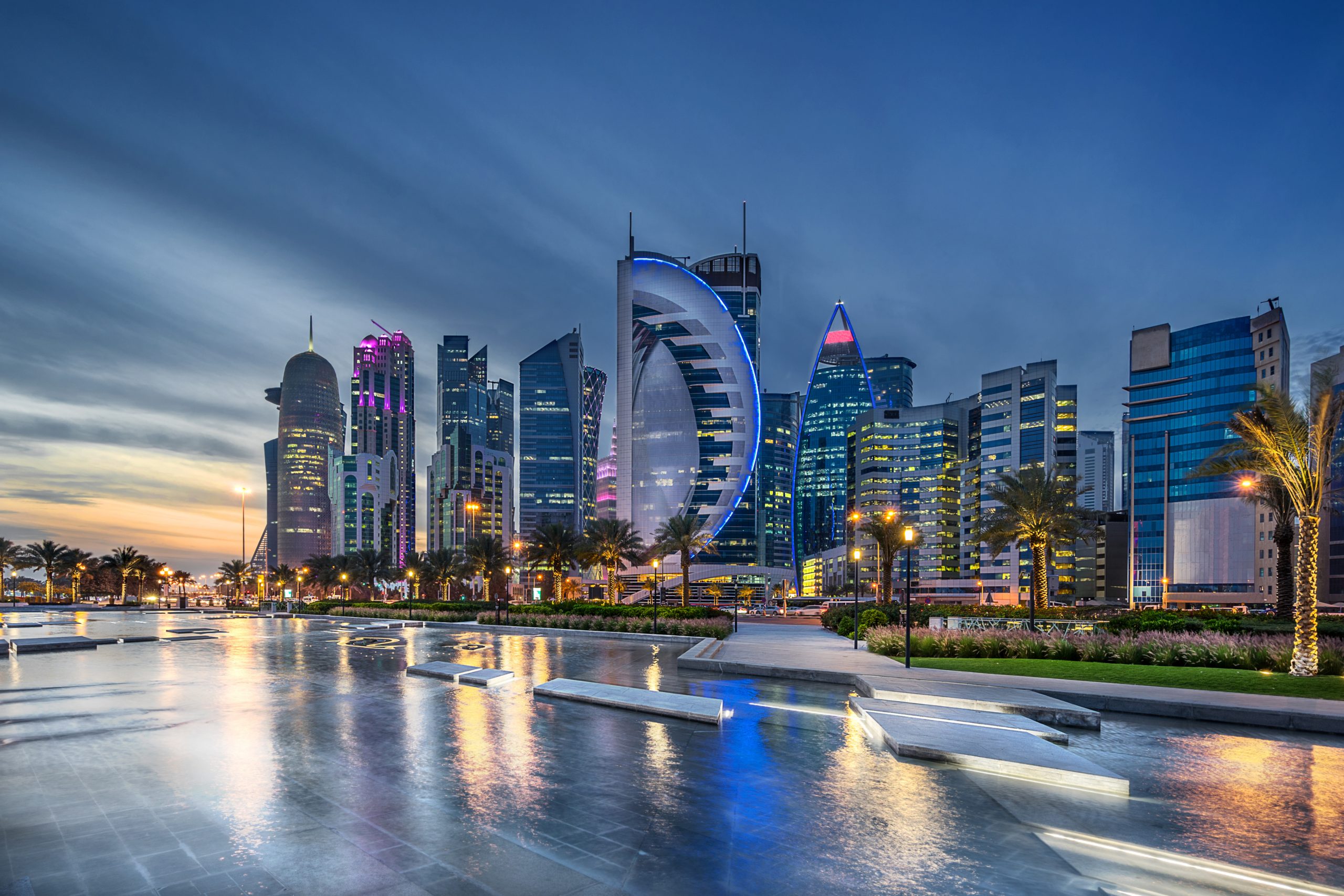
Tuesday, 18 February—Barzan Holdings, the strategic investment arm of Qatar’s Ministry of Defence, announced plans to sign a Memorandum of Understanding with the UAE defence conglomerate, EDGE Group. This partnership, set to be formalised during the International Defence Exhibition (IDEX) in Abu Dhabi, marks Barzan’s first collaboration with an Emirati company.
Kingdom of Saudi Arabia

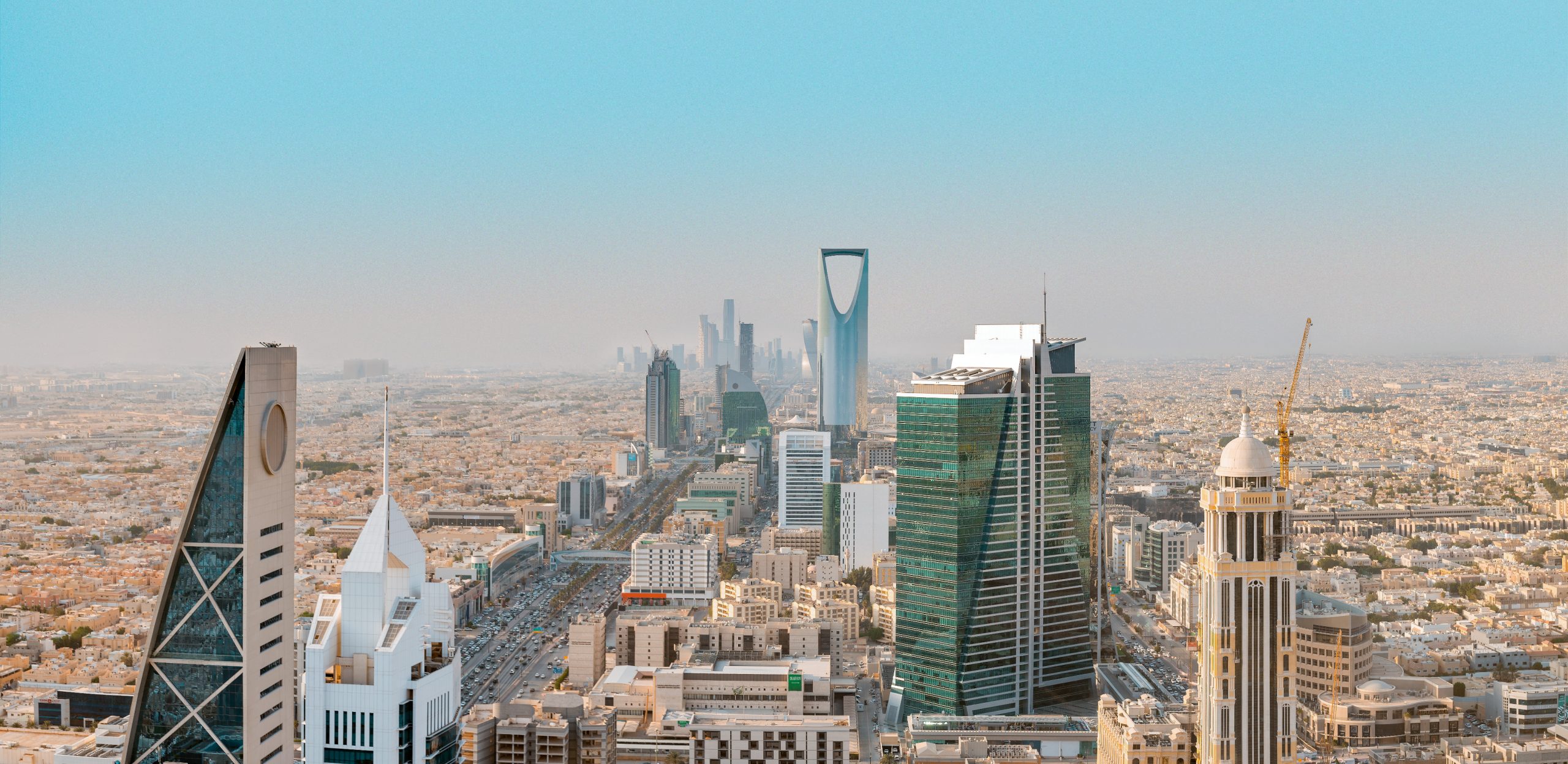
Thursday, 13 February—The Saudi Ministry of Interior announced the establishment of a General Directorate for Community Security and Combating Human Trafficking Crimes, which will operate under the General Directorate of Public Security, aiming to dismantle criminal networks and enhance coordination with relevant local and international authorities.
Tuesday, 18 February—Riyadh hosted US-Russia talks to improve ties and explore ways to end the Ukraine war. Discussions included a potential US-Russia summit with Saudi participation, restoring embassy staffing, and economic cooperation, including global energy prices. Key officials from the US, Russia, and Saudi Arabia attended, including Saudi Foreign Minister, Faisal bin Farhan Al-Saud, Russia’s Foreign Minister, Sergei Lavrov, and US Secretary of State, Marco Rubio, US National Security Adviser, Mike Waltz, and Special Middle East Envoy, Steve Witkoff, marking the first official US-Russia meeting since the Ukraine invasion three years ago.
United Arab Emirates

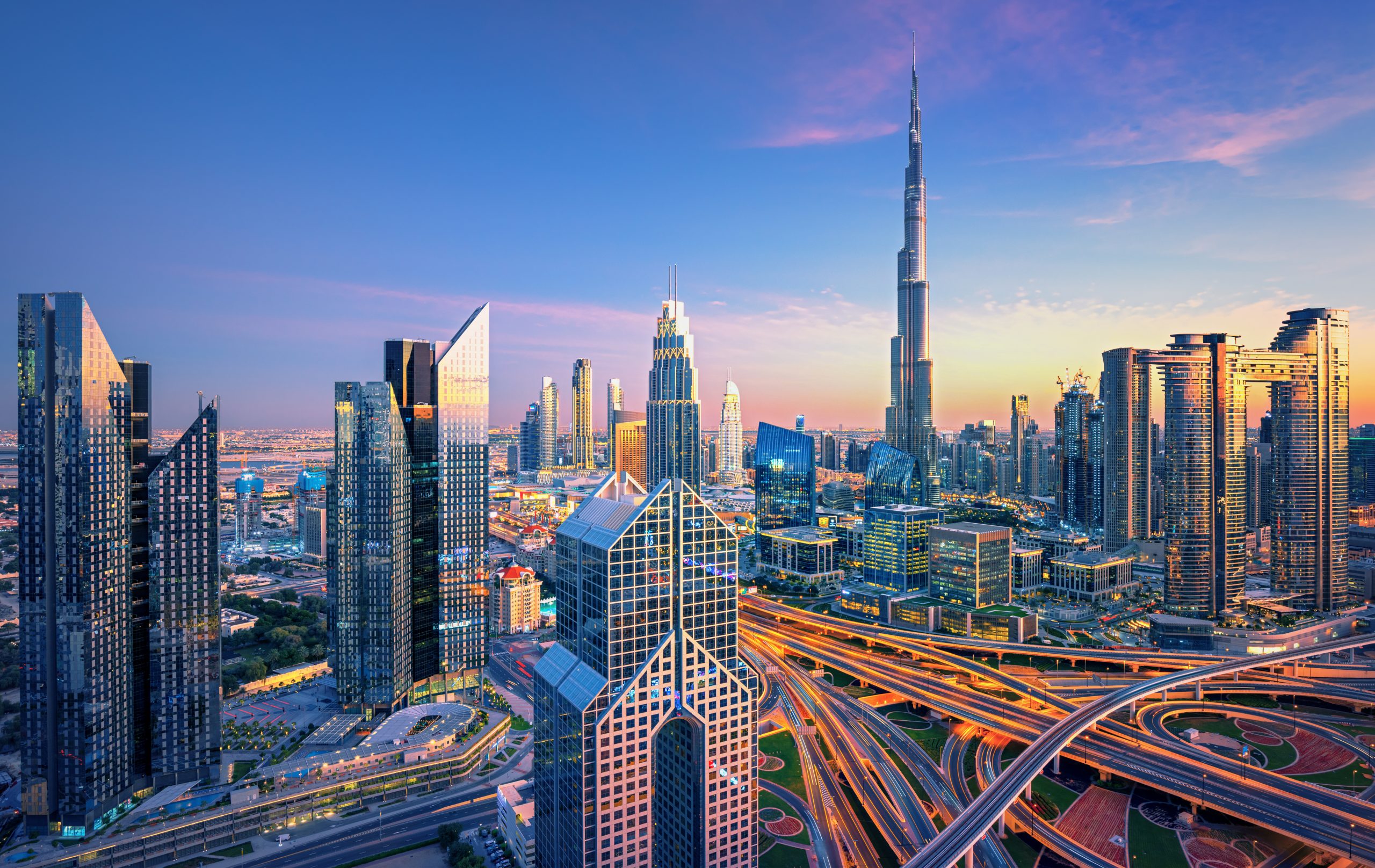
Sunday, 16 February—Ukraine’s President, Volodymyr Zelenskyy, began his regional tour of the UAE, Saudi Arabia, and Türkiye. In Abu Dhabi, he met President Mohammed bin Zayed Al-Nahyan and witnessed the signing of the UAE-Ukraine Comprehensive Economic Partnership Agreement (CEPA) to enhance trade and investment. They also discussed cooperation in development, renewable energy, and food security. The UAE reaffirmed support for a peaceful resolution to the Ukraine war. Zelenskyy ruled out meeting US or Russian officials as his visit coincided with US-Russia talks in Saudi Arabia.
EU Corner
Thursday, 13 February—The European Union, GCC and key countries, including France, Germany and the UK, issued a joint statement after the Paris Conference on Syria, hosted by the French Foreign Minister, Jean-Noël Barrot. They backed a Syria-led transition for ‘a free, inclusive, united, sovereign, stable and peaceful Syria that is fully integrated in its regional and global environment.’ This followed similar meetings in Jordan and Saudi Arabia, with a Brussels conference planned for March.
Saturday, 15 February—The EU High Representative, Kaja Kallas, and the G7 Foreign Ministers of Canada, France, Germany, Italy, Japan, the UK and the US met on the margins of the Munich Security Conference, reaffirming their support for Ukraine and condemning China’s dual-use exports and military aid from North Korea and Iran to Russia. They also addressed political, security, and humanitarian issues in the Middle East, including Israel, Gaza, Lebanon, Syria, and Iran. The leaders warned of further sanctions on Russia if it refuses to engage in good-faith negotiations to end the war.
Saturday, 15 February—Kuwait’s Minister of Foreign Affairs, Abdullah Al-Yahya, held talks with EU Special Representative for the Gulf Region, Luigi Di Maio on the margins of the Munich Security Conference in Germany. Their discussions focused on strengthening EU-Gulf relations and regional cooperation.
Key Official Visits & Contacts
Wednesday, 12 February—Saudi Arabia’s Minister of Foreign Affairs, Faisal bin Farhan Al-Saud, met with France’s Minister for Europe and Foreign Affairs, Jean-Noël Barrot, in Paris to discuss the recent security developments in the region, notably in Lebanon, Syria and Gaza. The same day, the Saudi Minister spoke over phone with his Turkish counterpart, Hakan Fidan.
Thursday, 13 February—Bahrain’s National Security Advisor and Royal Guard Commander, Nasser bin Hamad Al-Khalifa, met with the US National Security Advisor, Michael Waltz, and the Acting Under Secretary of Defence for Policy, Alexander Velez-Green, in Washington, DC, to discuss ways to strengthen US-Bahrain security and defence cooperation.
Thursday, 13 February—Steve Witkoff, the US Special Envoy to the Middle East, began his regional tour to Qatar, Israel, Saudi Arabia, and the UAE, focused on bilateral relations, the second phase of the Gaza ceasefire and Israel-Hamas hostage/prisoner exchange deal.
Friday, 14 February—Saudi Arabia’s Minister of Interior, Abdulaziz bin Saud Al-Saud, met with his Italian counterpart, Matteo Piantedosi, in Rome to discuss efforts to strengthen security cooperation, particularly in combating transnational organised crime, drug trafficking, and exchange of experience, building on the recent Saudi-Italian strategic partnership agreement. He also visited the Italian Civil Protection Department in Rome.
Friday, 14 February—Kuwait’s Prime Minister, Ahmad Abdullah Al-Ahmad Al-Sabah, met with Finland’s President, Alexander Stubb, on the sidelines of the Munich Security Conference, to discuss various regional and international issues.
Saturday, 15 February—The Secretary-General of the Gulf Cooperation Council (GCC), Jasem Albudaiwi, met with the Chairman of the North Atlantic Treaty Organisation (NATO) Military Committee, Admiral Giuseppe Cavo Dragone, on the sidelines of the Munich Security Conference in Germany. Dragone emphasised the GCC countries’ importance in maintaining regional and international security and stability.
Saturday, 15 February—UAE President, Mohamed bin Zayed Al Nahyan, held talks with Russia’s First Deputy Prime Minister, Denis Manturov, Finance Minister, Anton Siluanov, and the Central Bank’s Governor, Elvira Nabiullina, in Abu Dhabi. Siluanov then visited Saudi Arabia ahead of the Russia-US talks in Riyadh.
Sunday, 16 February—Saudi Crown Prince and Prime Minister, Mohammed bin Salman Al-Saud, held a phone call with French President, Emmanuel Macron, regarding bilateral cooperation and the latest developments in the Middle East and Ukraine, within the context of the 18 February US-Russia talks on Ukraine in Saudi Arabia and the 16 February European informal summit on Ukraine held in Paris.
Sunday, 16 February—Delegations from Saudi Arabia and Ukraine, led by Saudi Investment Minister, Khalid Al-Falih, and Ukraine’s First Deputy Prime Minister and Economic Minister, Yulia Svyrydenko, met in Riyadh to prepare for President Volodymyr Zelenskyy’s upcoming visit. They discussed opportunities to strengthen cooperation, particularly in projects related to infrastructure, energy, innovation and agribusiness.
Sunday, 16 February—Bahrain’s Minister of Foreign Affairs, Abdullatif bin Rashid Al-Zayani, met with his Ukrainian counterpart, Andrii Sybiha, on the sidelines of the 2025 Munich Security Conference. They discussed the latest developments in the Middle East and in Ukraine, notably the war’s impact on European and global security and stability and efforts to end the war.
Monday, 17 February—Crown Prince and Prime Minister, Mohammed bin Salman Al-Saud, underscored Saudi Arabia’s interest in working with the US Trump administration to achieve common interests during his first in person meeting with the new US Secretary of State, Marco Rubio, and his accompanying delegation, in Riyadh. It came ahead of US-Russia talks on Ukraine hosted in Riyadh, and touched upon the second phase of the Gaza ceasefire agreement and the release of US and other hostages held by Hamas, and countering the destabilising activities of the Iranian regime and its proxies. Rubio visited the Kingdom as part of his regional tour that began the day before in Israel.
Monday, 17 February—Bahrain’s National Security Advisor and Royal Guard Commander, Nasser bin Hamad Al-Khalifa, received Cyprus’ National Security Advisor, Tasos Tzionis, to discuss ways to strengthen bilateral security cooperation to further enhance relations and achieve shared objectives.
Monday, 17 February—Qatar’s Amir, Tamim bin Hamad Al-Thani, visited India and met Prime Minister Narendra Modi. They held the India-Qatar Business Forum and signed agreements to boost private sector collaboration, investments, and bilateral ties, focusing on sustainability, energy, and advanced technologies like AI and quantum computing. The two countries also signed a strategic partnership and a tax agreement. India’s Foreign Ministry stated they aim to double trade to $28 billion in five years and are exploring a free trade deal.
Monday, 17 February—Qatar’s Minister of Communications and Information Technology, Mohammed bin Ali Al-Mannai, received the UK’s Secretary of State for Science, Innovation and Technology, Peter Kyle, to explore opportunities for enhanced cooperation in Artificial Intelligence, digital transformation, cloud computing, and data management. Their discussions also focused on developing workforce digital skills and fostering investment in digital innovation and entrepreneurship.
Tuesday, 18 February—UAE’s Deputy Prime Minister and Minister of Foreign Affairs, Abdullah bin Zayed Al-Nahyan, met Greece’s Minister of National Defence, Nikos Dendias, on the sidelines of the International Defence Exhibition (IDEX) and the Naval Defence and Maritime Security Exhibition (NAVDEX) 2025 in Abu Dhabi to discuss defence cooperation and strategic partnerships.