


5 Top Points
- Qatar, Egypt and the US brokered a Gaza ceasefire effective 19 January.
- The UAE, Italy and Albania plan to build a subsea green energy link in the Adriatic.
- Oman celebrated the inauguration of its largest solar power plants, Manah 1 and 2.
- Saudi and French leaders discussed regional stability and AI cooperation.
- Kuwait Oil Company announced a significant hydrocarbon discovery at Al-Julaiah offshore field.
‘Round and About the Gulf
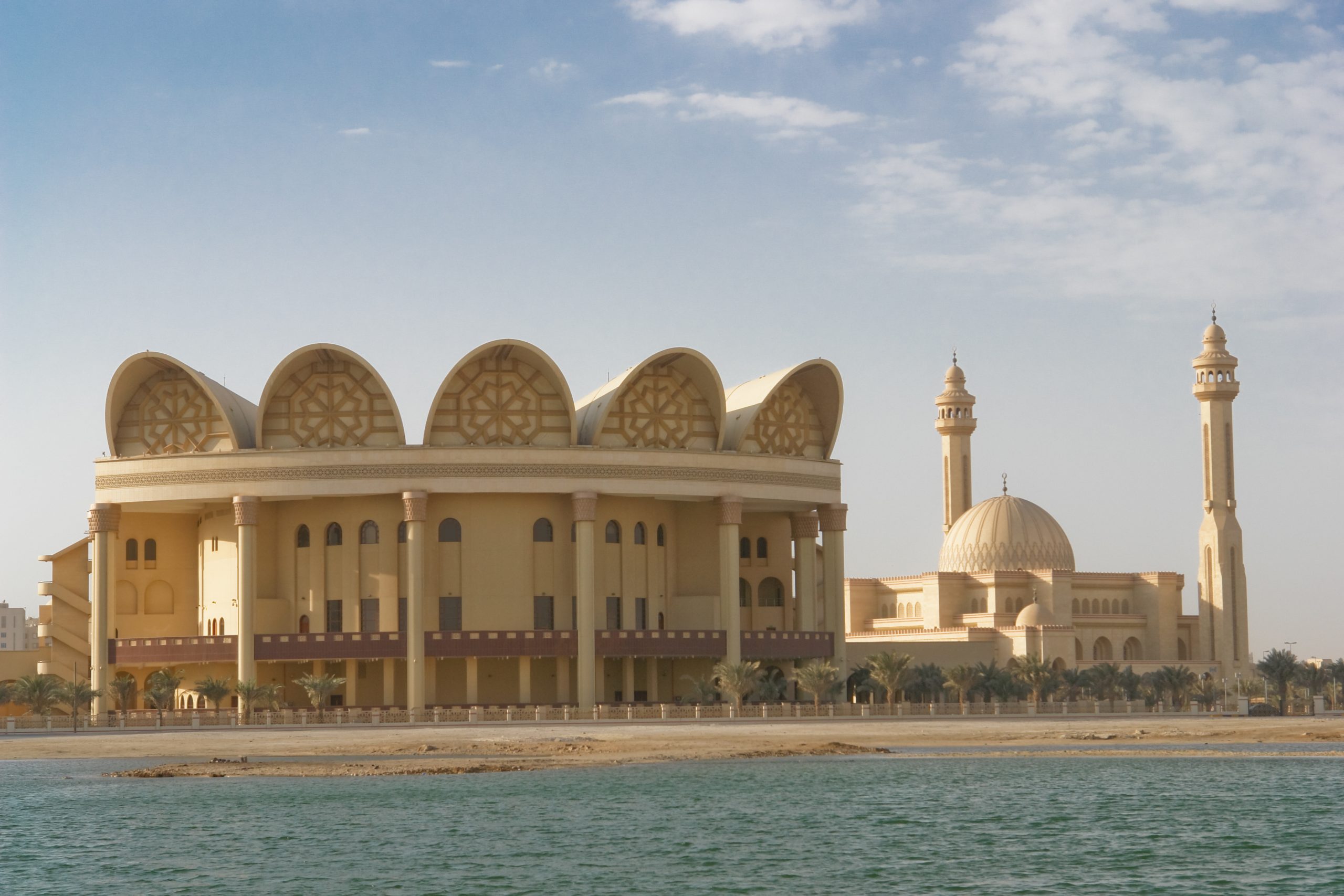
Kingdom of Bahrain

Thursday, 16 January—Bahrain’s Ministry of Foreign Affairs released a statement stressing ‘the importance of the ceasefire agreement in the Gaza Strip, the exchange of prisoners, hostages, and detainees, allowing the entry of humanitarian aid, and the return of displaced persons to their homes in the northern part of Gaza’. The Ministry urged all parties to honour the terms of the agreement and praised the mediation efforts of Egypt, Qatar and the United States.
State of Kuwait

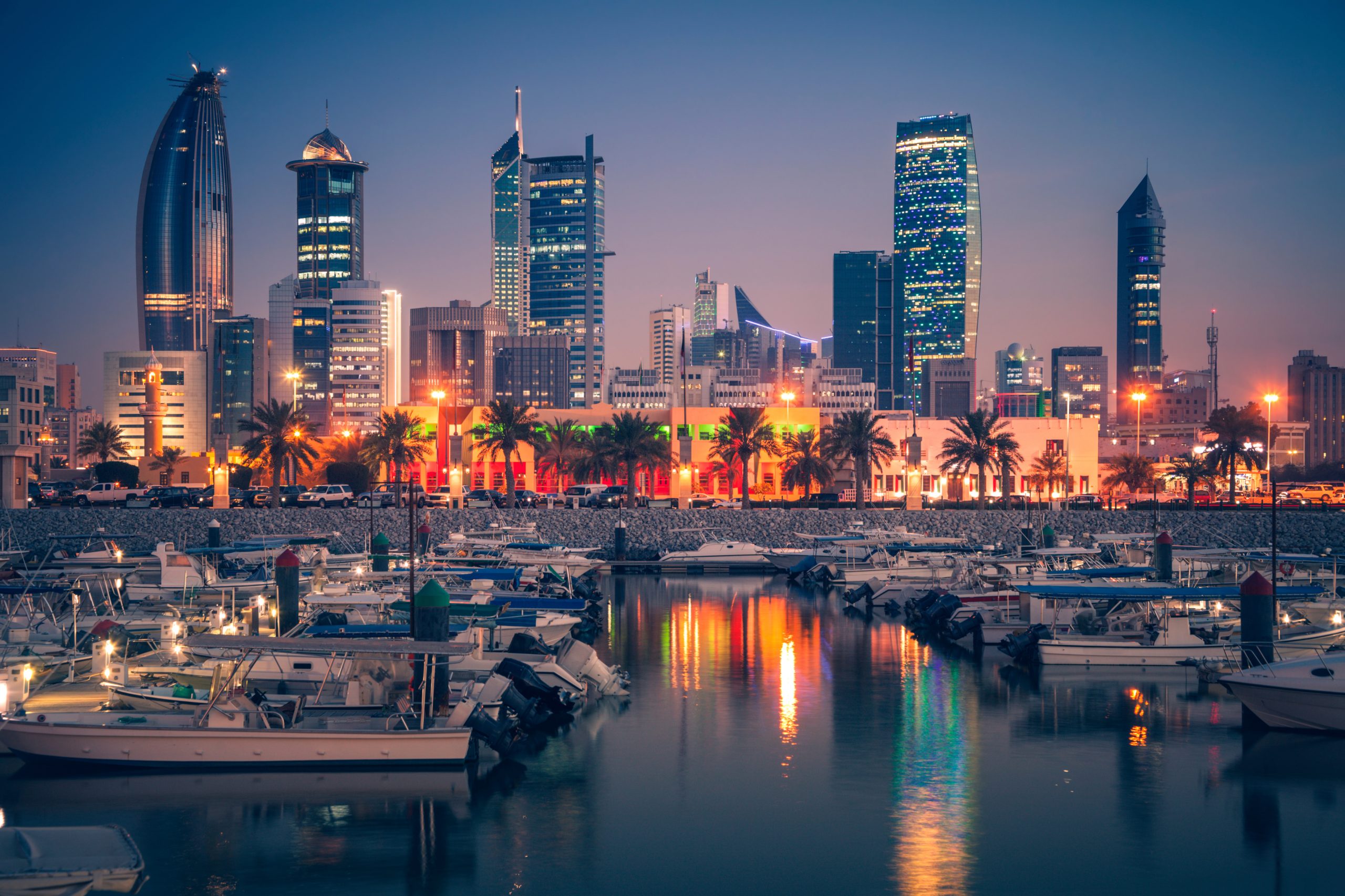
Monday, 20 January—The Kuwait Oil Company announced a significant discovery at the Al-Julaiah offshore field, uncovering 800 million barrels of medium-density oil, free of hydrogen sulphide and containing a low carbon dioxide levels, and 600 billion standard cubic feet of associated gas. As OPEC’s fifth largest oil producer, Kuwait plans to invest some €28.8 billion to increase oil production by 40%, reaching 4 million barrels per day by 2035.
Sultanate of Oman

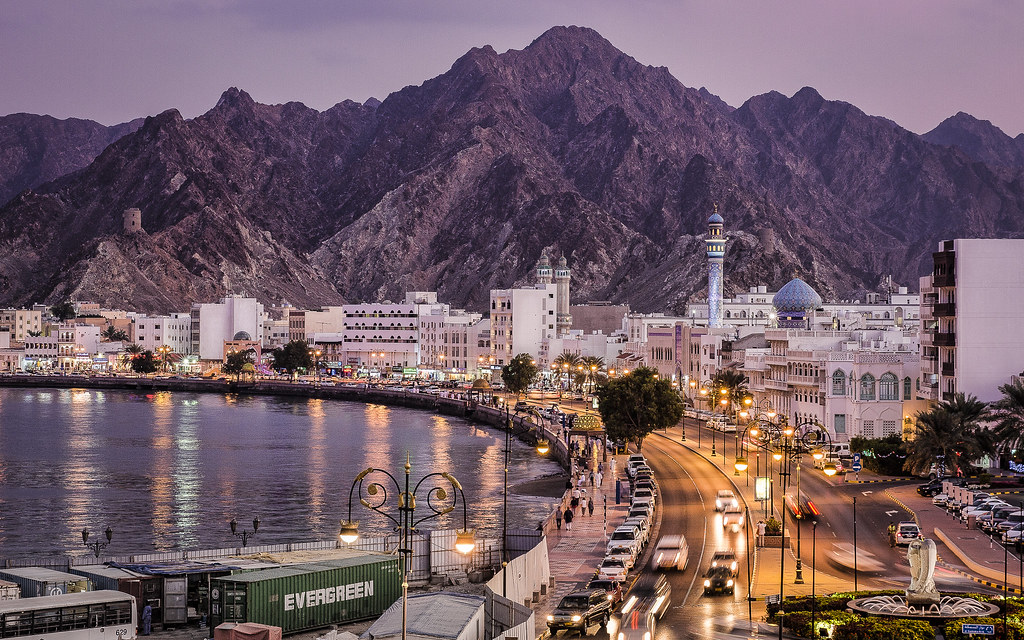
Monday, 20 January—Bilarab bin Haitham Al-Said inaugurated Oman’s largest solar power plants, Manah 1 and Manah 2, with a combined production capacity of 1,000 megawatts. The projects are expected to boost Oman’s renewable energy production from 6.6% to 11% and to generate electricity sufficient to supply around 120,000 households.
State of Qatar

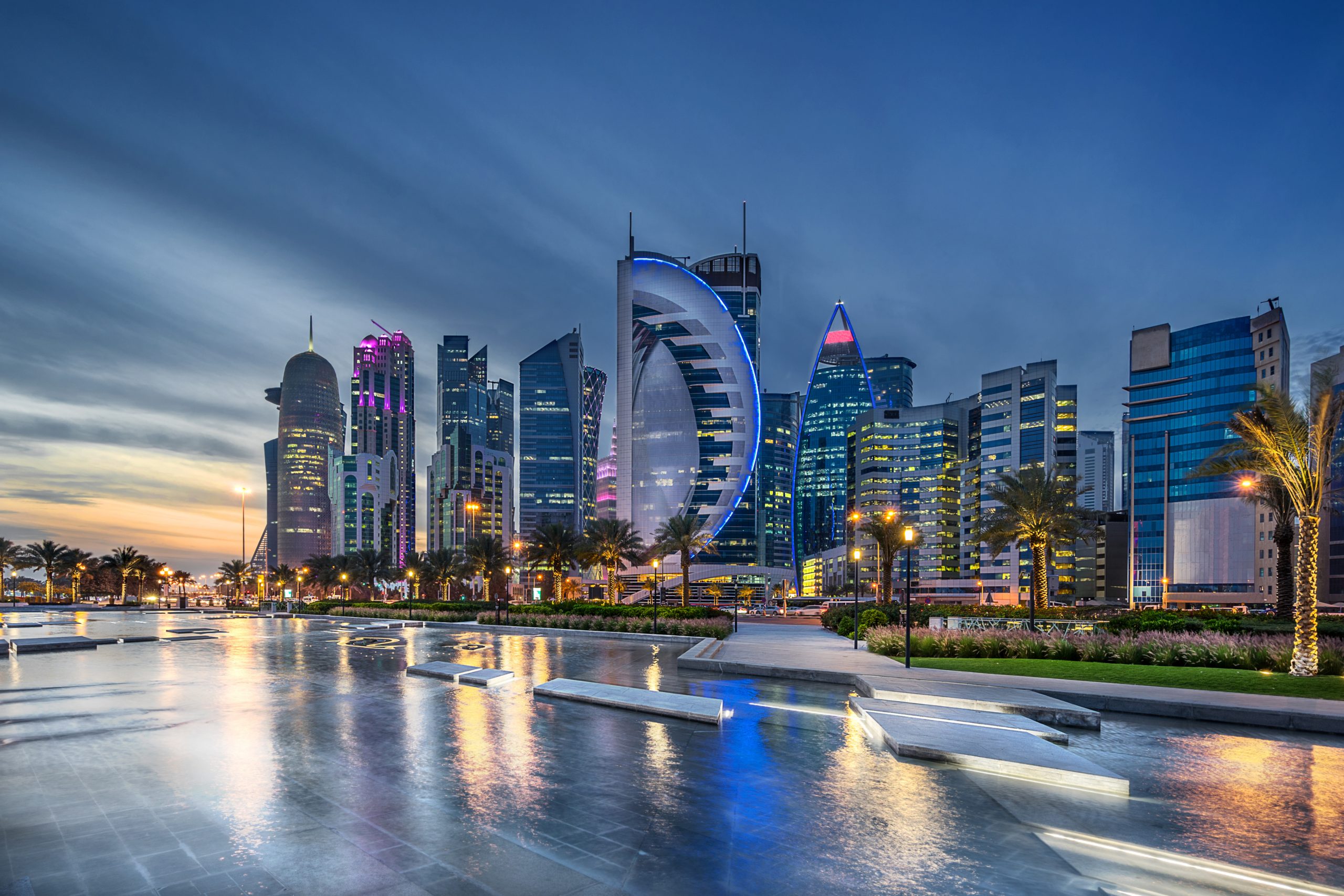
Wednesday, 15 January—Qatar, Egypt, and the US announced a Gaza ceasefire agreement, effective 19 January 2025, involving three phases and a 42-day truce. Key terms include an Israeli troop withdrawal from densely populated areas, the release of hostages and prisoners, return of displaced persons, and medical evacuation for the wounded. On 19 January, Qatar’s Prime Minister met with Palestinian factions, including Hamas and Palestinian Islamic Jihad, to discuss the agreement’s implementation.
Kingdom of Saudi Arabia

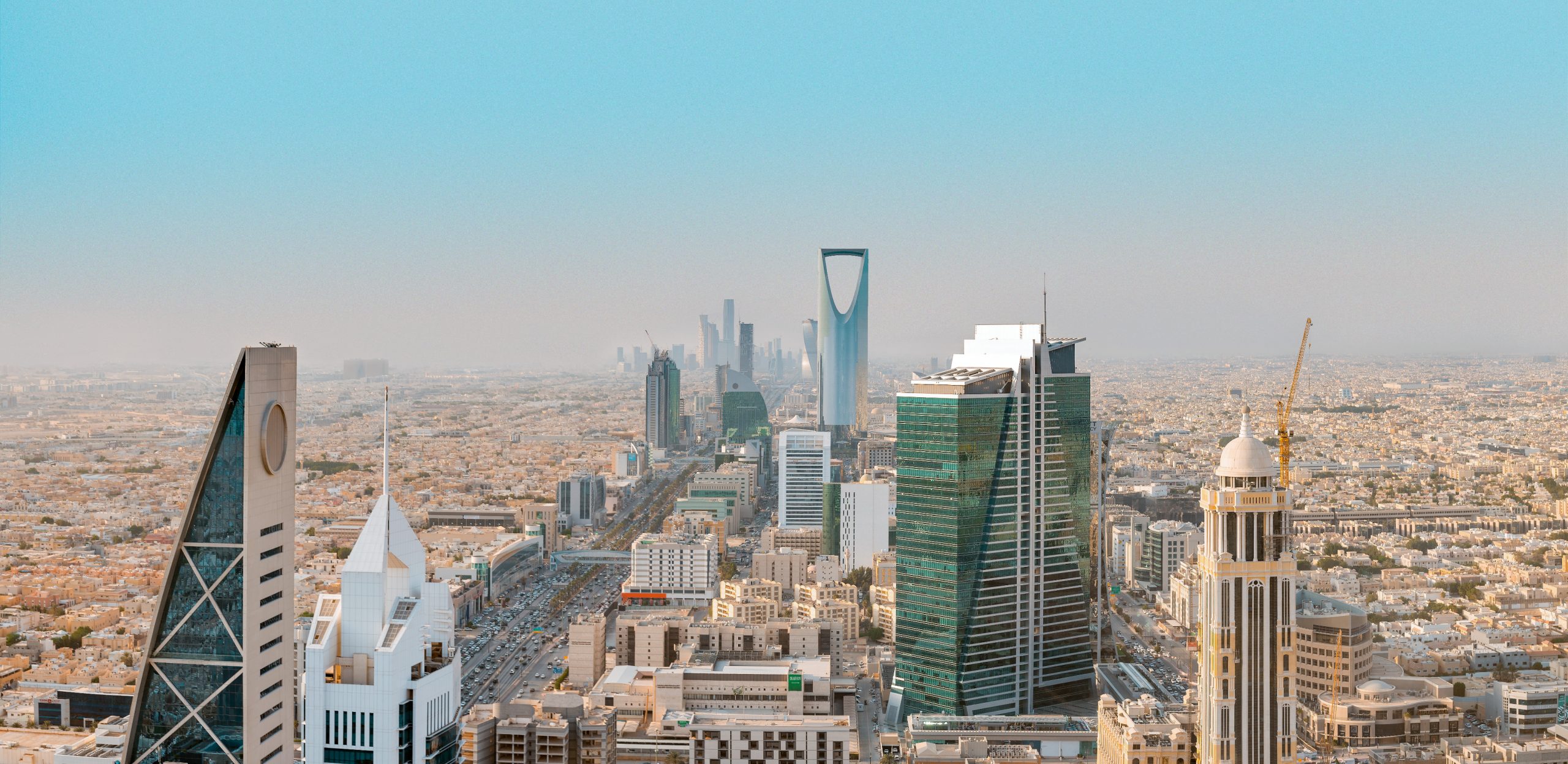
Thursday, 16 January—At the Fourth Future Minerals Forum in Riyadh, Saudi Arabia announced mining investment opportunities worth $100 billion, focusing on aluminium, iron, titanium, battery metals and renewable energy industries. It came as Saudi Aramco and Saudi Arabian Mining Company (Ma’aden) launched a joint venture to explore and produce minerals critical to the energy transition. The Forum saw 126 agreements worth 107 billion SAR (€27.4 billion) signed, including partnerships with Austria, France and the United Kingdom.
United Arab Emirates

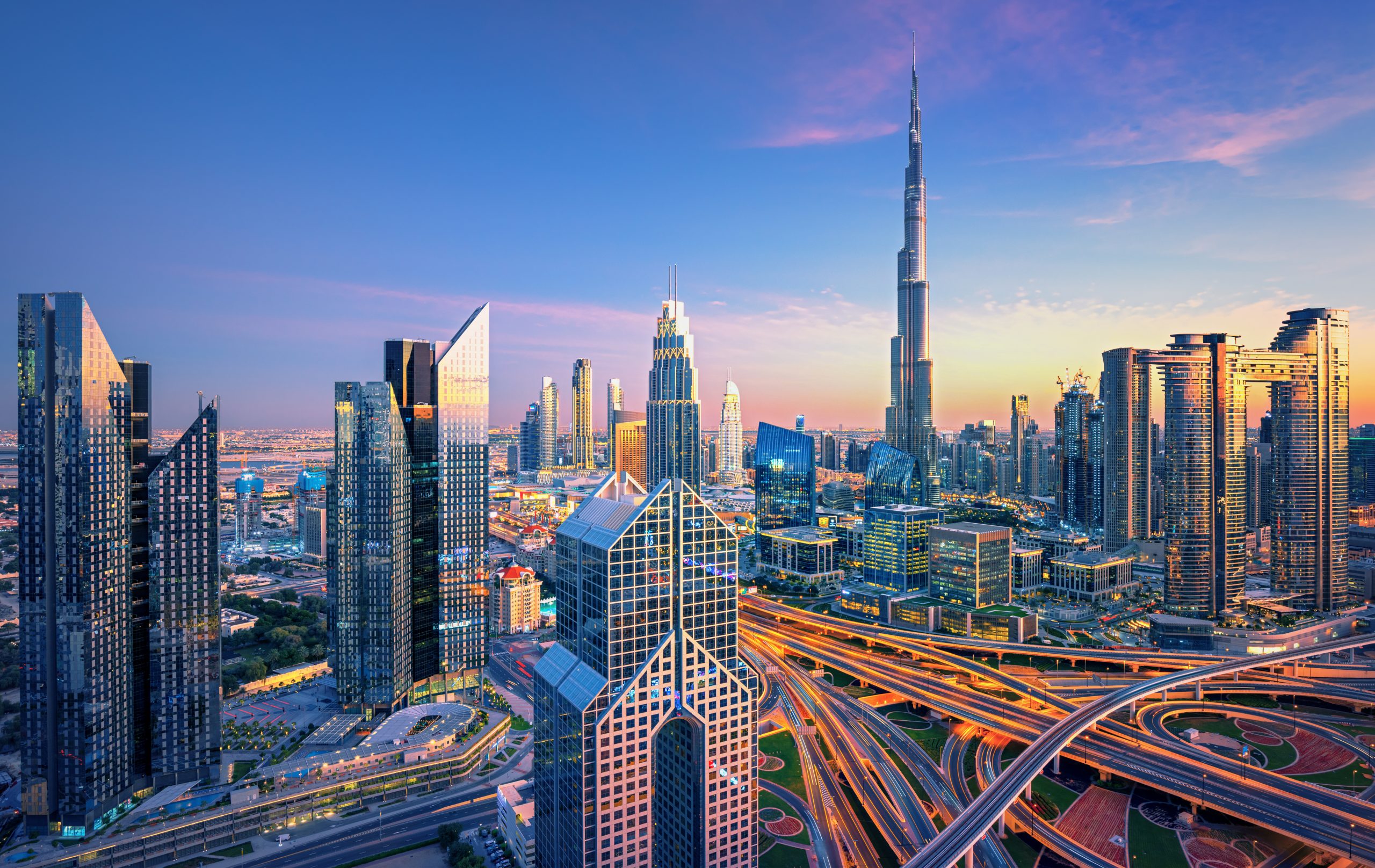
Wednesday, 15 January—The UAE, Italy and Albania agreed to build a €1 billion subsea cable to transfer renewable energy across the Adriatic Sea. The project, which aims to produce green energy in Albania and export it to Italy through subsea cables with the help of Italy’s grid operator Terna and UAE’s National Energy Company (Taqa), is set to be completed in three years.
Wednesday, 15 January—The UAE facilitated the 11th Ukraine-Russia prisoner exchange, resulting in the release of 50 individuals. Ukraine’s President, Volodymyr Zelenskyy, thanked the UAE for its assistance.
EU Corner
Saturday, 18 January—The EU welcomed the ceasefire agreement in Gaza, which will allow the phased release of the hostages, including several EU nationals, end hostilities and ease the humanitarian suffering in Gaza after 15 months. The EU appreciated the efforts of the US, Egypt and Qatar in negotiating the ceasefire and stressed the need to fully implement the deal, hoping it will have positive repercussions across the Middle East.
Monday, 20 January—The Spokesperson for EU Foreign Affairs and Security Policy, Anouar El Anouni, reiterated the EU’s deep concern about the latest executions in Kuwait and expressed regret over the continuous use of capital punishment in the country, following the executions of September 2024. He stressed that the EU will continue to work for the abolition of the death penalty across the world.
Key Official Visits & Contacts
Wednesday, 15 January—Representatives from Bahrain, Qatar, and other GCC countries attended the Third High-Level Meeting of the Global Alliance for the Two-State Solution in Oslo, hosted by Norway. The event, hosted by Norway’s Foreign Ministry, included 84 countries and international organisations, such as Palestinian Prime Minister Muhammad Mustafa. This meeting followed previous sessions in Riyadh and Brussels in 2024.
Wednesday, 15 January—Saudi Arabia and Italy signed a Memorandum of Understanding to strengthen cooperation in the field of energy and renewables. It was signed by Saudi Arabia’s Minister of Energy, Abdulaziz bin Salman Al-Saud, and Italy’s Minister of Environment and Energy Security, Gilberto Pichetto Fratin, in Riyadh.
Thursday, 16 January—Saudi Arabia’s Crown Prince and Prime Minister, Mohammed bin Salman Al-Saud, and French President, Emmanuel Macron, discussed regional issues and bilateral cooperation, particularly in artificial intelligence, during a phone call. They welcomed a potential Gaza ceasefire and reviewed preparations for an international conference on the two-state solution, co-chaired by Saudi Arabia and France. Both leaders expressed support for Lebanon’s newly elected President, Joseph Aoun, and the Lebanese Armed Forces. On Syria, they reaffirmed their commitment to an inclusive political transition, combating terrorism, and rejecting foreign interference. Paris will host the next Syria conference on 13 February 2025.
Thursday, 16 January—During Bahrain’s King Hamad bin Isa Al-Khalifa’s state visit to Oman at Sultan Haitham bin Tariq’s invitation, Bahrain and Oman signed 25 executive programmes and Memoranda of Understanding to strengthen ties in areas such as trade, industry, food security, energy, anti-human trafficking efforts, education, science, tax elimination, health, and labour.
Thursday, 16 January—Qatar’s Prime Minister and Minister of Foreign Affairs, Mohammed bin Abdulrahman Al-Thani, visited Damascus to meet the new Syrian leader, Ahmed Al-Sharaa, exploring economic cooperation and development projects. He announced an upcoming visit by Qatar’s Emir and, in a joint press conference, urged the removal of international sanctions on Syria and Israel’s withdrawal from the buffer zone.
Thursday, 16 January—In Abu Dhabi, Egypt’s President, Abdel Fattah El-Sisi, and UAE President, Mohamed bin Zayed Al-Nahyan, discussed strengthening ties in development, economy and investment. They welcomed the Gaza ceasefire agreement, expressed support for Lebanon’s new President, Joseph Aoun, and reaffirmed their commitment to Syria’s unity, stability, and sovereignty.
Saturday, 18 January—Qatar’s Prime Minister and Minister of Foreign Affairs, Mohammed bin Abdulrahman Al-Thani, held separate calls with European officials, including Austria’s Interim Federal Chancellor and Foreign Minister, Alexander Schallenberg, the Netherlands’ Minister of Foreign Affairs, Caspar Veldkamp, Spain’s Foreign Minister, Jose Manuel Albares, and the United Kingdom’s Foreign Secretary, David Lammy, to discuss the situations in Syria and Gaza.
Saturday, 18 January—A UAE delegation, led by Hamid Saif Al-Zaabi, Secretary General of the National Anti-Money Laundering and Combating the Financing of Terrorism and Illegal Organisations Committee (NAMLCFTC), visited Paris to explore ways to enhance UAE-France cooperation in combating financial and organised crimes and strengthening international economic security. They held meetings with officials from the Ministries of Treasury, Justice, and Interior, and the Financial Intelligence Unit.
Monday, 20 January—Qatar’s Minister of State of Foreign Affairs, Sultan bin Saad Al-Muraikhi, met in Madrid with Spain’s Minister of Foreign Affairs, European Union and Cooperation, Jose Manuel Albares, and Secretary of State for Foreign and Global Affairs, Diego Martinez Belio. This followed a meeting a few days earlier between the Chairperson of Qatar’s National Human Rights Committee (NHRC) and the President of the Global Alliance of National Human Rights Institutions (GANHRI), Maryam bint Abdullah Al-Attiyah, and Minister Albares to discuss the situation in the Palestinian Territories and Syria.