




5 Top Points
- The Iran war hit Gulf energy infrastructure at far greater scale: Israeli strikes on Iran’s South Pars gas field and the Asaluyeh hub triggered a new retaliatory wave across the Gulf, hitting refineries, LNG plants and export terminals in Saudi Arabia, Kuwait, Qatar, the UAE and Bahrain.
- Qatar became one of the war’s clearest economic casualties: Iranian attacks had taken out around 17% of Qatar’s LNG capacity, with the country’s GDP potentially shrinking by as much as 13% in 2026 if disruption persisted.
- The conflict moved decisively into the multilateral legal arena: Gulf countries requested an urgent debate at the UN Human Rights Council over Iranian strikes on civilians and energy infrastructure.
- The UAE remained heavily exposed to the new Iran-targeting phase of the war: repeated attacks on the Fujairah export terminal and shutdown of the Habshan gas complex due to missile debris.
- Europe’s Gulf policy shifted from reaction to strategic anxiety: Iran war continues to hit European economic confidence more broadly, with shipping, LNG and oil flows affected due in-part to the closure of the Strait of Hormuz.
‘Round and About the Gulf’
Kingdom of Bahrain

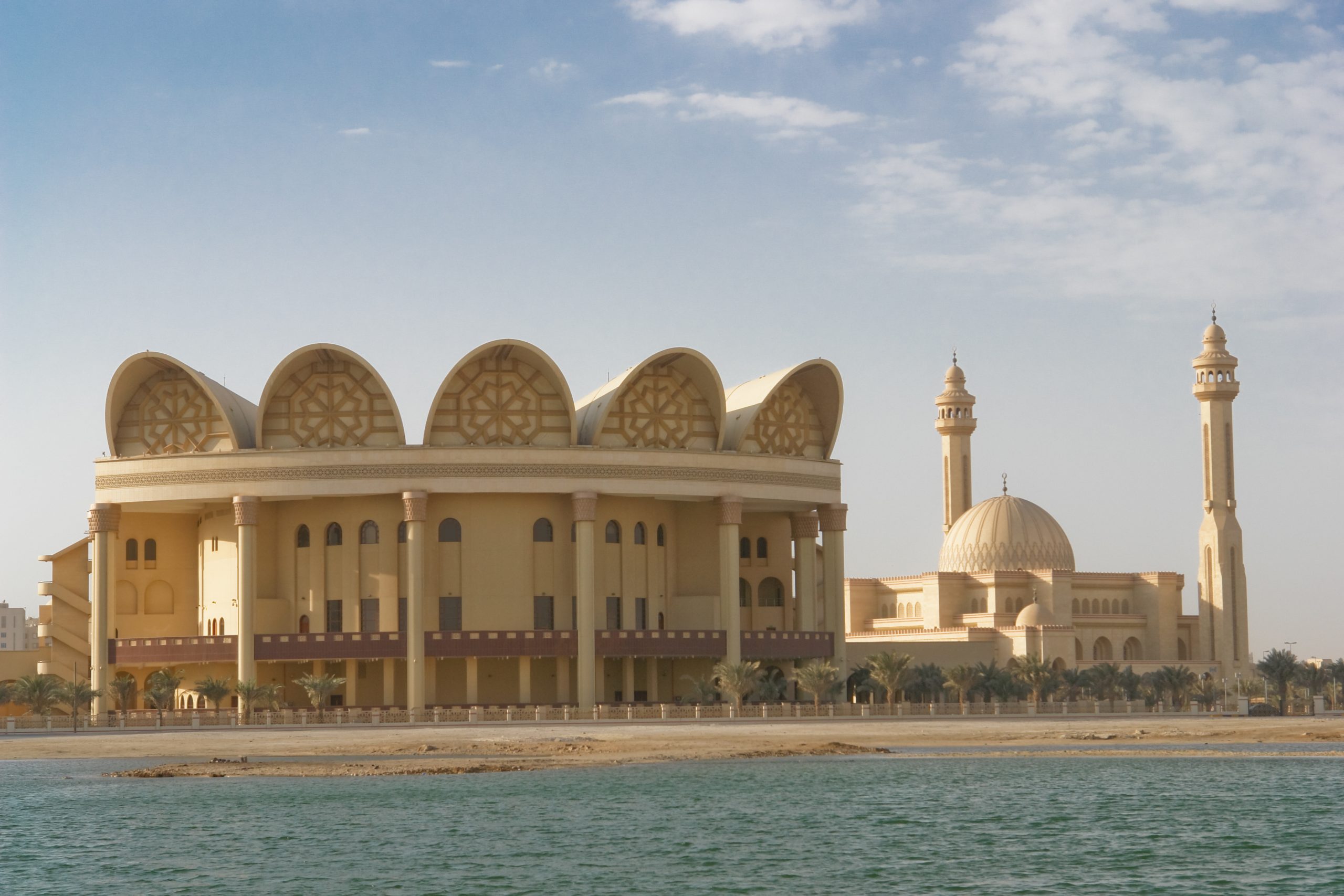
Wednesday, 18 March – Bahrain’s Defence Force said its air-defence systems had destroyed 132 missiles and 234 drones since the start of the Iranian attacks.
Saturday, 21 March – Bahrain confirmed missile system had been involved in the earlier (9 March) interception over a residential area, an incident that had injured 32 civilians, including children.
State of Kuwait

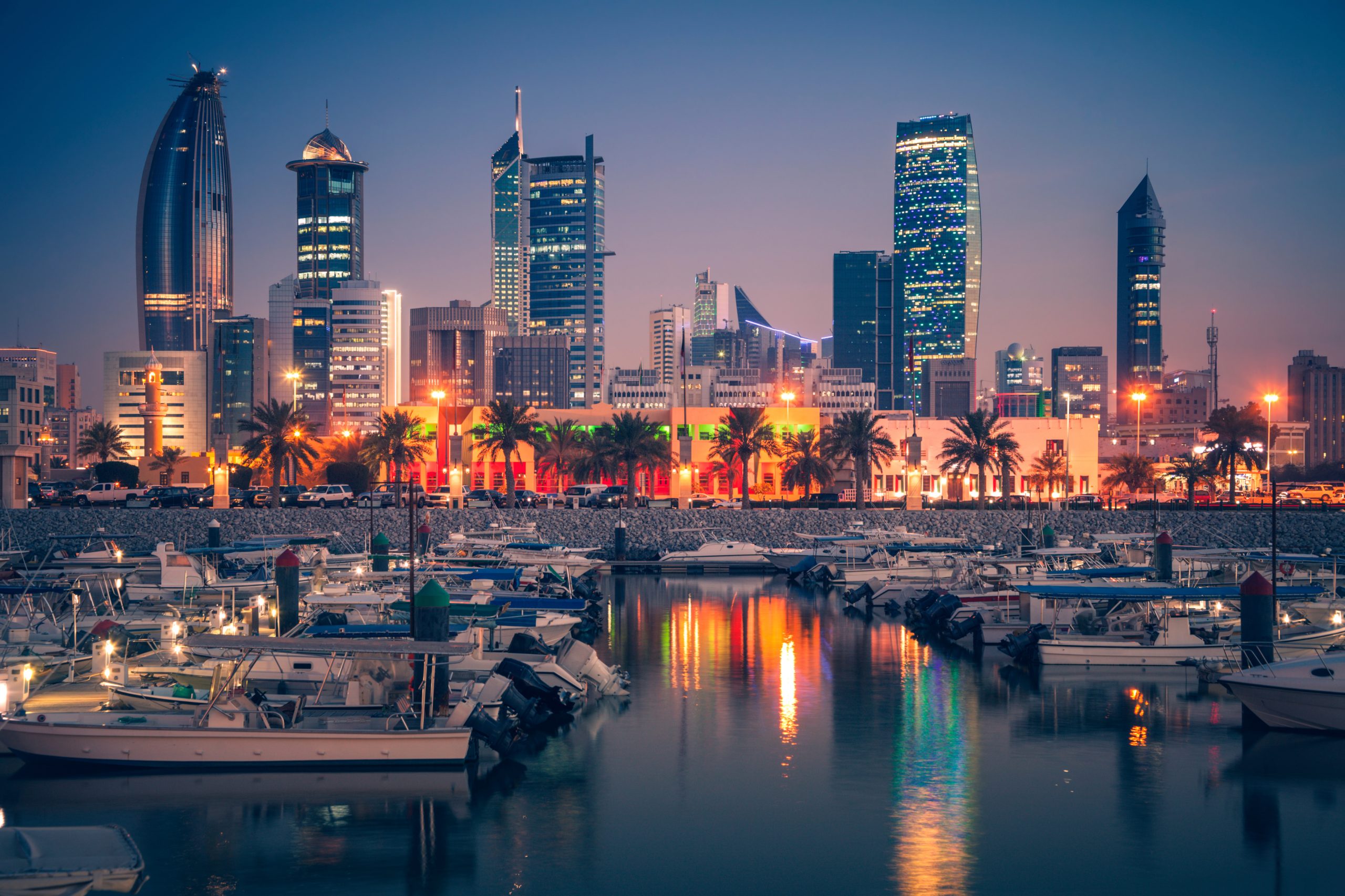
Thursday, 19 March – Kuwait’s air defences intercepted hostile missile and drone attacks, while Kuwait News Agency official reporting also referred to Iranian strikes on a military camp and an energy power plant.
Sultanate of Oman

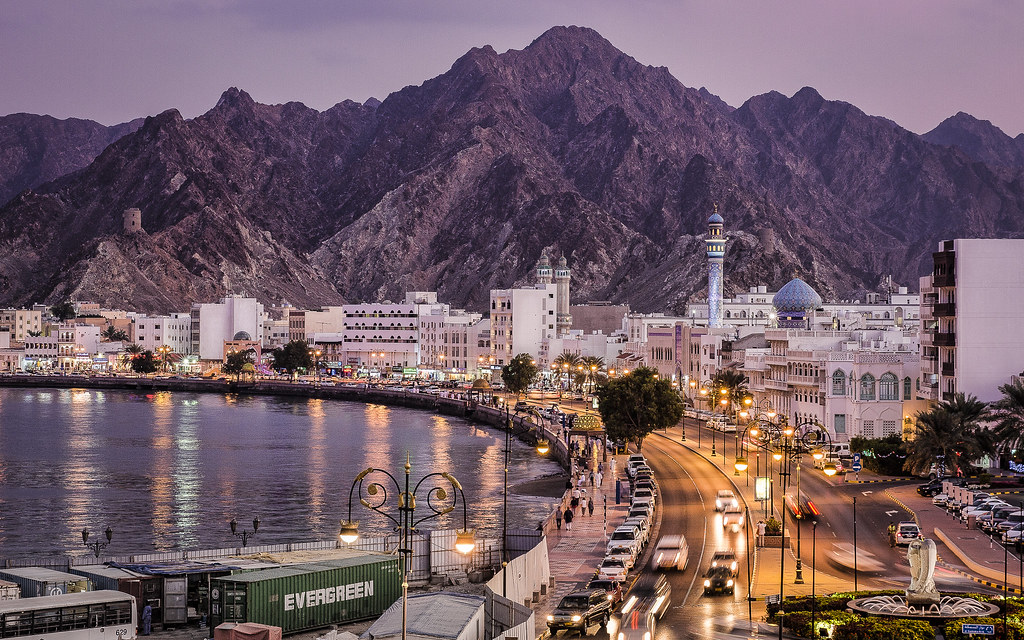
Thursday, 19 March – Oman strongly condemned Iranian attacks on Kuwait’s military and energy infrastructure, an important signal from a state otherwise careful to preserve its mediation role.
Tuesday, 24 March – Muscat remained central to the diplomatic safety-valve logic of the crisis. Qatar publicly thanked Oman for hosting and facilitating the diplomatic track.

State of Qatar

Thursday, 19 March – Qatar condemned in the strongest terms the Iranian targeting of energy facilities in Saudi Arabia and the UAE, explicitly calling it a threat to global energy security, navigation and the environment.
Thursday, 19 March – Qatar sent its ninth identical letter to the UN and Security Council regarding the Iranian aggression against its territory, sustaining its legal-pressure campaign.
Friday, 20 March – Doha submitted an official letter to ICAO on the aviation consequences of Iranian aggression, while separately condemning Israeli strikes in Syria and continuing to frame itself as both a victim of attack and a diplomatic actor.
Kingdom of Saudi Arabia

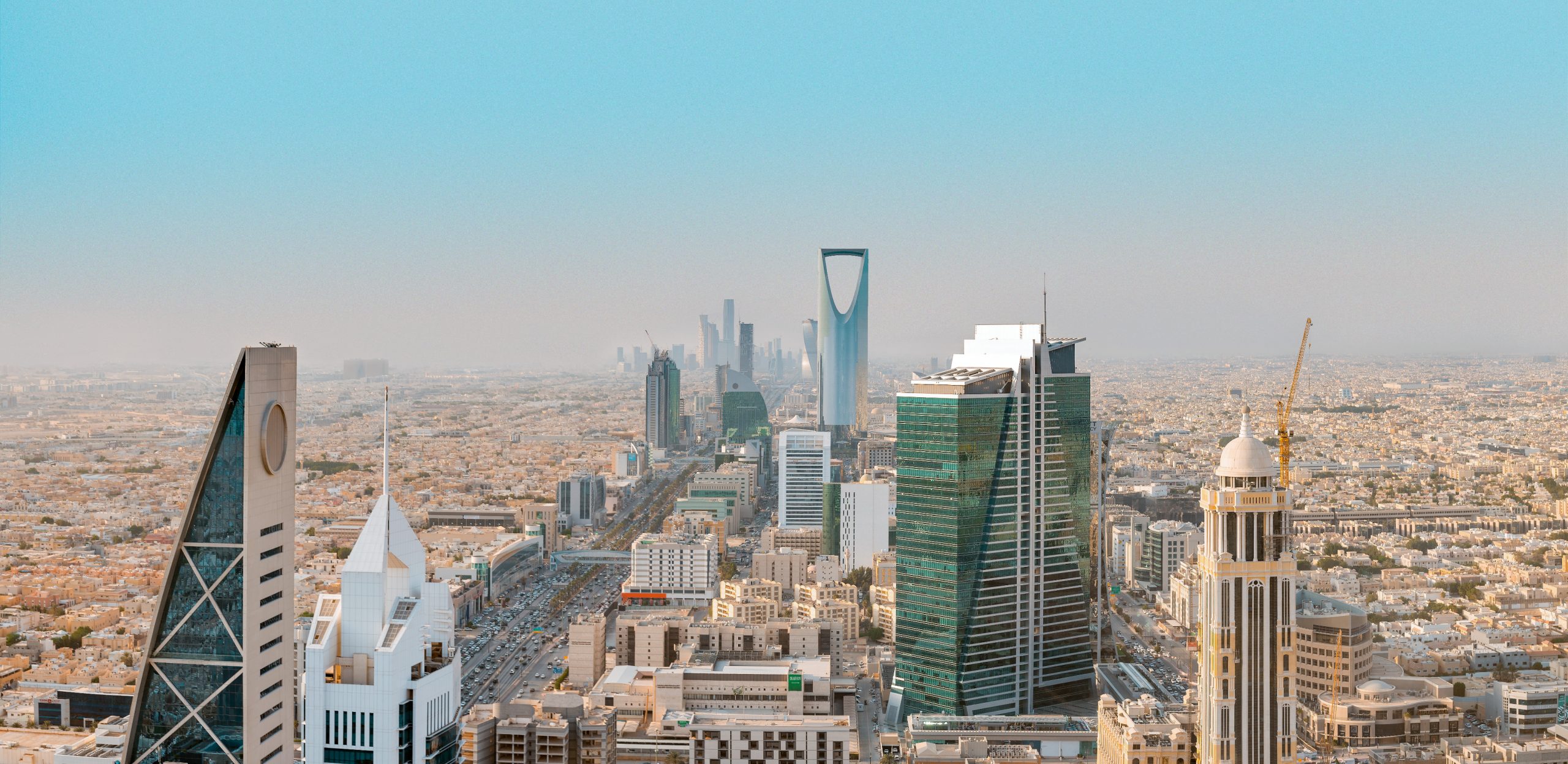
Thursday, 19 March – Saudi Arabia’s energy facilities remained under direct threat. Ministry of Defence reporting stated Iranian attacks on Gulf energy assets had become ‘very significant’, with Saudi facilities part of the wider target set.

United Arab Emirates

Wednesday, 18 March – The UAE remained heavily exposed to the new Iran-targeting phase of the war, including repeated attacks on the Fujairah export terminal and shutdown of the Habshan gas complex due to missile debris.
Friday, 20 March – UAE President Mohamed bin Zayed Al Nahyan discussed the regional situation with Turkish Foreign Minister Hakan Fidan, reflecting Abu Dhabi’s effort to keep diplomatic channels broad even while under military pressure.
Tuesday, 24 March – Abu Dhabi and Dubai stock markets stabilised in-part on talk of possible US-Iran diplomacy.
EU Corner
Thursday, 19 March – The European Council said developments in Iran and the wider region threatened regional and global security, and explicitly called for a moratorium on strikes against energy and water facilities. This was one of the clearest EU institutional acknowledgements yet that Gulf infrastructure attacks had direct strategic significance for Europe.
Key Official Visits & Contacts
Friday, 20 March (Kuwait City / by phone) – Kuwait Foreign Minister Jarrah Jaber Al-Ahmad Al-Sabah received a phone call from US Secretary of State Marco Rubio on the regional military escalation.
Friday, 20 March (Abu Dhabi) – UAE President Sheikh Mohamed bin Zayed Al Nahyan discussed the regional situation with Turkish Foreign Minister Hakan Fidan.
Tuesday, 24 March (Kuwait City / by phone) – Kuwait Foreign Minister Jarrah Jaber Al-Ahmad Al-Sabah received a phone call from Egyptian Foreign Minister Badr Abdelatty on the latest regional military escalation.