




5 Top Points
- The GCC shifted from emergency response to war-management mode: GCC transport and communications ministers held an extraordinary videoconference to deal with the war’s impact on supply chains, border crossings and strategic goods flows. GCC Secretary-General Jasem Mohamed Albudaiwi said the crisis had already triggered more than 35 coordination meetings, and ministers discussed activating the Green Lanes Protocol, using alternative ports and safe routes, and building real-time joint monitoring mechanisms.
- The GCC hardened their political demands on Iran: Gulf governments, especially Saudi Arabia, Bahrain and the UAE, told the White House that simply ending the war would not be enough: Iran’s missile and drone capabilities, and its ability to weaponise the Strait of Hormuz, would need to be durably degraded.
- Damage to Qatari gas infrastructure forced a major rethink in global LNG markets: S&P Global expecting a sharp fall in Qatari exports this year and cutting projected new supply in the years ahead.
- The Gulf’s industrial base came under fresh pressure: Iranian strikes on aluminium facilities in Bahrain and the UAE pushed aluminium prices to their highest level in almost four years.
- March closed with the sharpest OPEC supply shock since 2020: OPEC crude output fell by 7.3 million barrels per day in March to 21.57 million bpd, the lowest level since June 2020, as the Iran war and Strait of Hormuz disruptions forced sharp export cuts. Kuwait, Saudi Arabia and the UAE all posted heavy declines.
‘Round and About the Gulf’
Kingdom of Bahrain

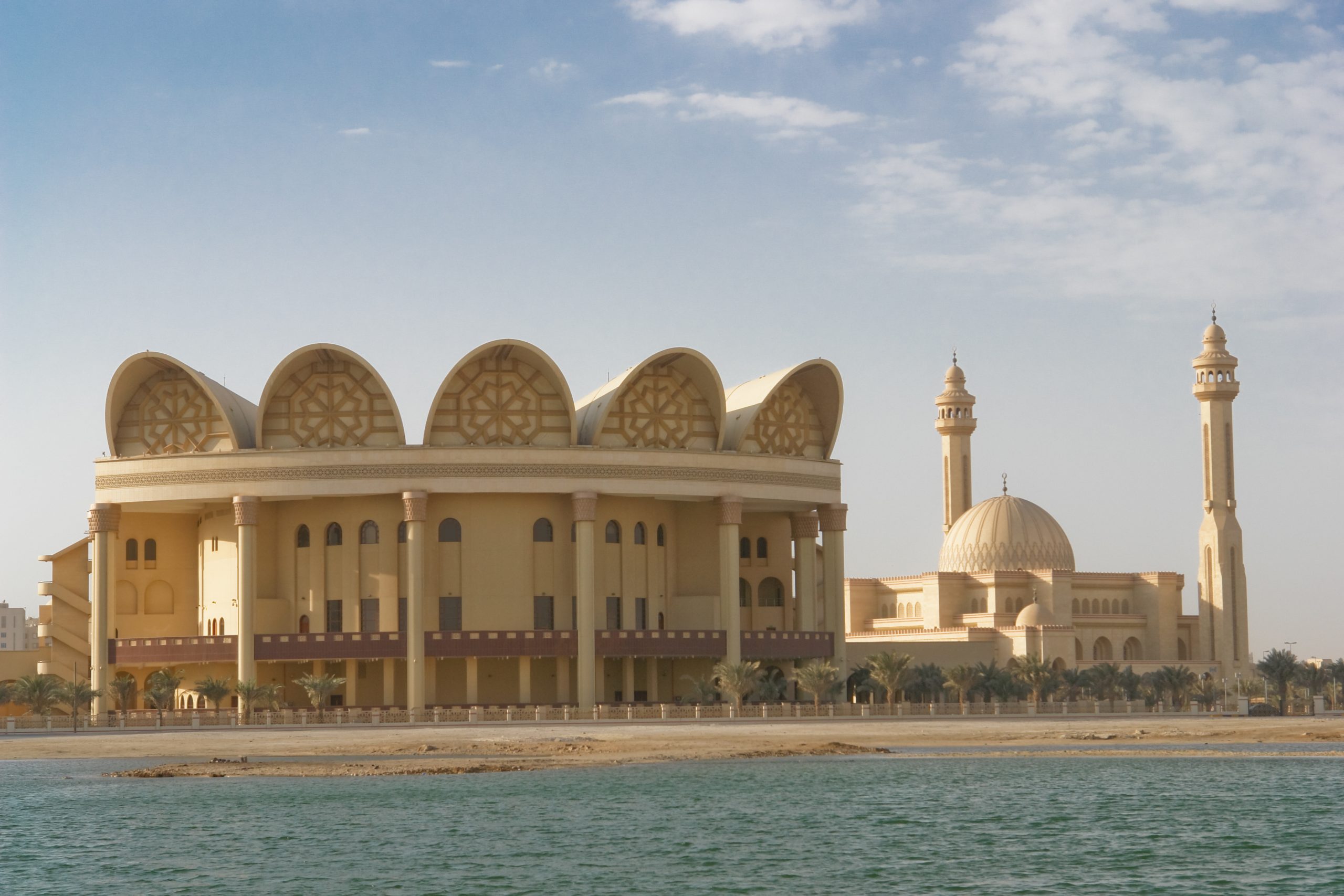
Thursday, 26 March – Bahrain was leading the GCC countries as rotating member of the UN Security Council for a resolution to authorise an international force to help reopen and secure the Strait of Hormuz.
Sunday, 29 March – Aluminium Bahrain (Alba) was assessing damage after an Iranian strike on its facilities, with two employees injured. The company said it would temporarily shut smelting lines equal to 19% of capacity, a significant industrial hit with wider implications for Bahrain’s export economy.
State of Kuwait

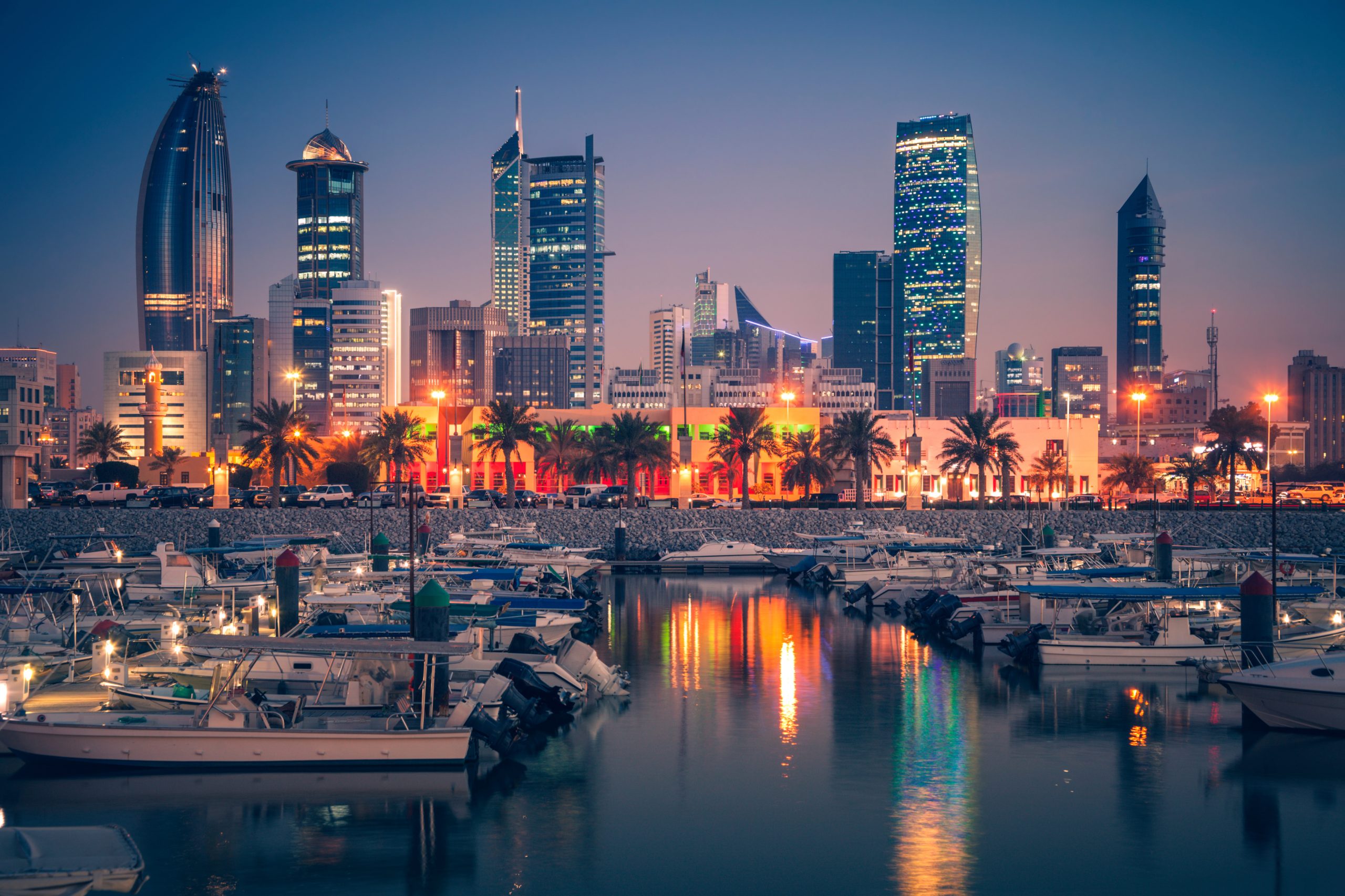
Wednesday, 25 March – Kuwait (and the wider GCC) and Jordan jointly condemned continued Iranian attacks as a flagrant violation of UN Security Council Resolution 2817 (2026), underlining Kuwait’s effort to keep the crisis framed in legal and multilateral terms as well as military ones.
Monday, 30 March – Kuwait Petroleum Corporation confirmed that the fully laden crude tanker Al-Salmi had been hit in an Iranian attack, causing hull damage and a fire, though with no oil spill or crew injuries. On the same evening, Kuwait’s Ministry of Defence said air defences were also repelling hostile missile and drone attacks.
Tuesday, 31 March – An OPEC survey indicated Kuwait was among the Gulf countries suffering the sharpest March output cuts because of the war and Hormuz disruption.
Sultanate of Oman

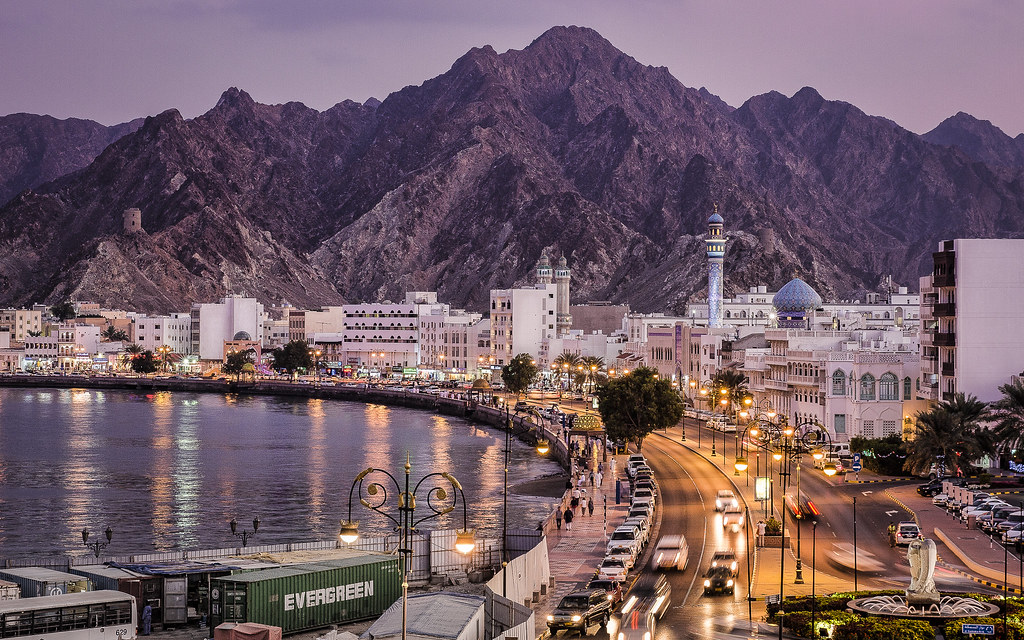
Thursday, 26 March – Oman took part in the extraordinary GCC ministers’ meeting on supply chains and border readiness, a forum that reflected Muscat’s dual role as both a de-escalation actor and a practical participant in Gulf crisis-management mechanisms.
Sunday, 29 March – Oman’s Foreign Ministry condemned attacks on a camp and an electricity facility in Kuwait, signalling that even the Gulf’s most careful mediator had sharpened its public language as the conflict widened.
Monday, 30 March – Omani Foreign Minister Sayyid Badr Albusaidi participated in the GCC-Jordan-Russia joint ministerial meeting by videoconference, part of Muscat’s continuing effort to keep diplomatic channels alive while the military confrontation persisted.

State of Qatar

Thursday, 26 March – Qatar participated in the extraordinary GCC transport ministers’ meeting on the war’s impact on supply chains, underlining Doha’s concern with logistics resilience as much as diplomacy.
Thursday, 26 March – Qatar’s LNG outlook was confirmed as significantly damaged by the war, with S&P Global projecting a 33 million-tonne fall in exports from Qatar and the UAE this year and warning of prolonged knock-on effects into the late 2020s.
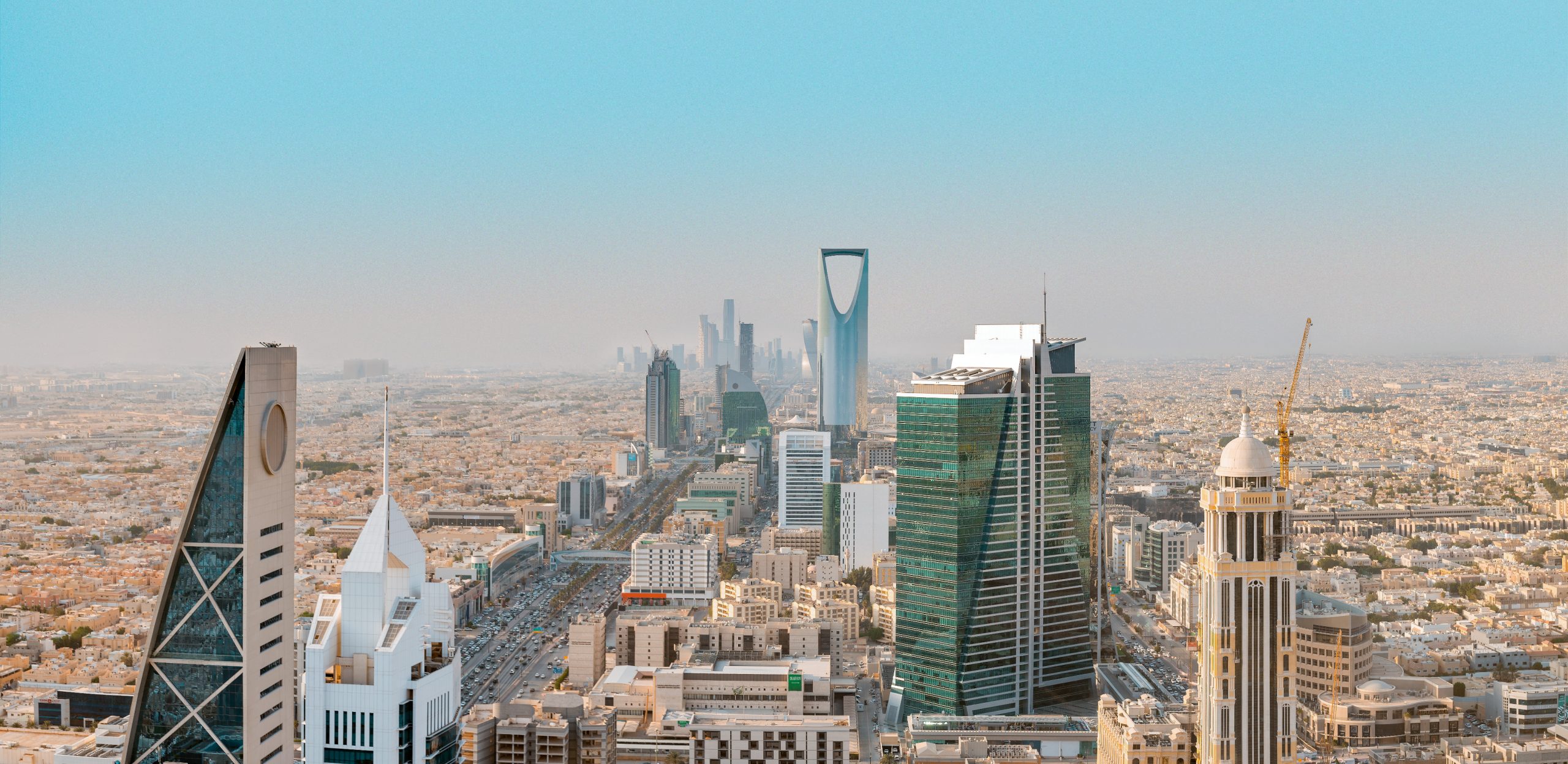
Kingdom of Saudi Arabia

Friday, 27 March – Saudi Arabia led other Gulf countries in telling the White House that any end-state to the war must go beyond a ceasefire and materially degrade Iran’s missile and drone capabilities. Riyadh’s position reflected its view that a simple return to the pre-war status quo would be strategically unacceptable.
Tuesday, 31 March – Saudi Arabia again outperformed most regional peers in equity markets. Tadawul rose 0.7% on the day and gained 5.1% for the month, helped in part by expanded rerouting of crude through Yanbu on the Red Sea.
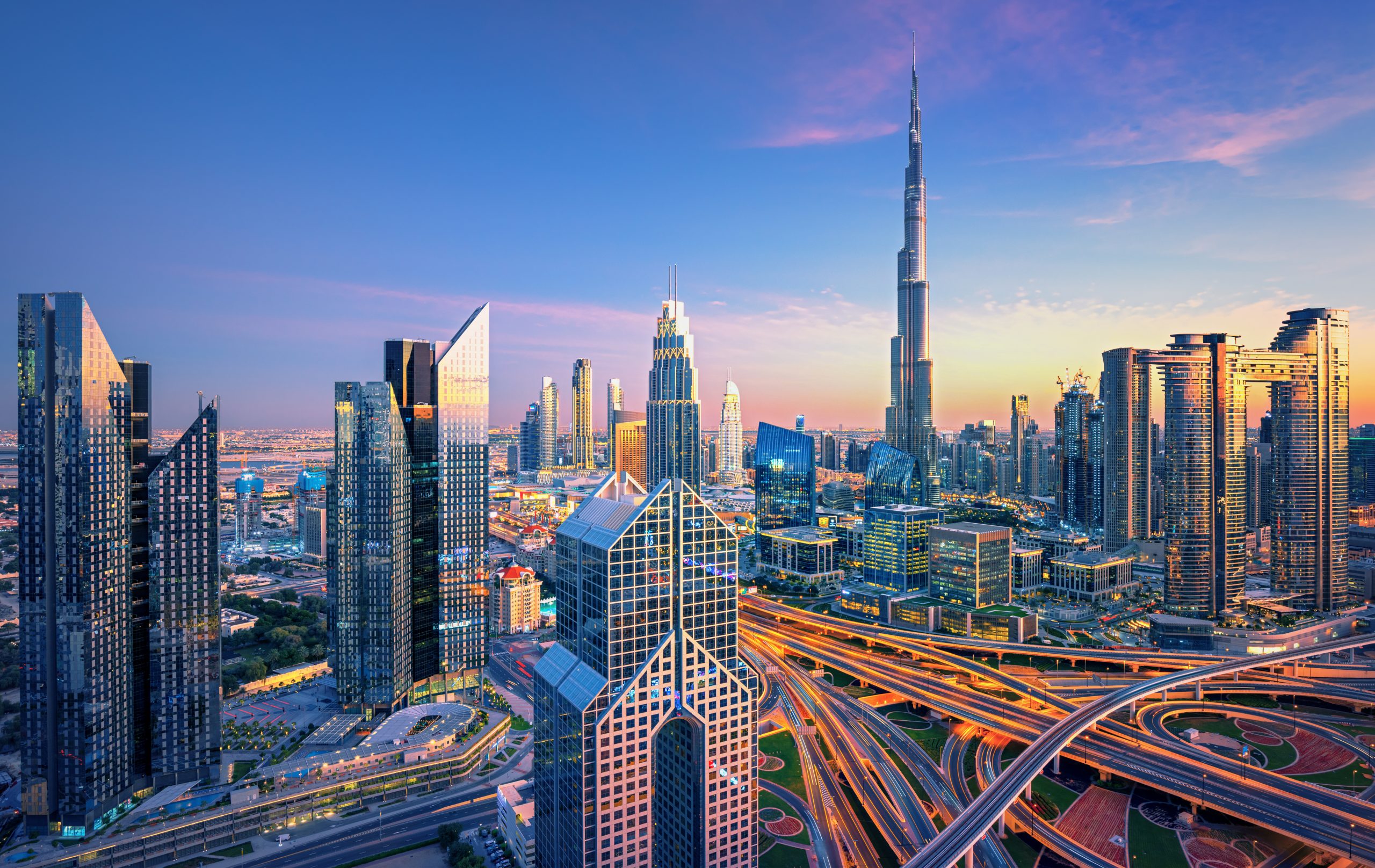
United Arab Emirates

Friday, 27 March – the UAE signalled its willingness to join an international force to reopen the Strait of Hormuz and was advocating a ‘Hormuz Security Force’ to defend shipping.
Sunday, 29 March – Iranian strikes on aluminium infrastructure in the UAE contributed to a surge in aluminium prices to near four-year highs, with Emirates Global Aluminium reported to have suffered significant damage.
Tuesday, 31 March – Dubai’s index fell 0.2% on the day and logged a 16.4% monthly drop, the worst performance in the region, while Abu Dhabi ended the month down 9%. War-risk sentiment, tanker attacks and doubts over Hormuz were clearly still weighing on Emirati markets.
EU Corner
Wednesday, 25 March – The UN Human Rights Council strongly condemned Iranian attacks targeting Gulf states, and later adopted a consensus resolution highlighting their serious implications (31 March). While not an EU institution, the Geneva track mattered directly for Europe because it internationalised the legal and humanitarian case being made by the GCC.
Monday, 30 March – EU energy ministers continue to coordinate a response to the war-driven energy shock, including possible revival of some 2022 crisis measures. The EU told member states to prepare for ‘prolonged disruption’ to energy markets, with particular concern around jet fuel and diesel supplies.
Tuesday, 31 March – oil-price surveys showed just how directly Gulf war risks were feeding into Europe’s economic outlook. The median 2026 Brent forecast jumped to 82.85 USD from 63.85 USD a month earlier, the steepest increase in the poll’s history.
Key Official Visits & Contacts
Thursday, 26 March (videoconference) – at an extraordinary GCC transport ministers’ meeting, chaired by Bahrain’s Minister of Transportation and Telecommunications Abdulla bin Ahmed Al Khalifa, GCC ministers reviewed the war’s impact on supply chains, border readiness and transport resilience.
Monday, 30 March (videoconference) – at a GCC-Jordan-Russia joint ministerial meeting, chaired by Bahrain’s Foreign Minister Abdullatif bin Rashid Al Zayani, those present including Russian Foreign Minister Sergey Lavrov, GCC foreign ministers, GCC Secretary General Jasem Albudaiwi, and Jordan’s Foreign Ministry leadership, all focused on Iranian aggressions against the GCC and Jordan.
Monday, 30 March (Jeddah) – Qatar’s Emir Sheikh Tamim bin Hamad Al Thani met Crown Prince Mohammed bin Salman to discuss regional and international developments.
Tuesday, 31 March (Doha) – Qatar’s Emir Sheikh Tamim met UK Defence Secretary John Healey, reinforcing the defence and security dimension of Qatar’s crisis diplomacy with Europe.
Tuesday, 31 March (Doha) – Qatar’s Emir Sheikh Tamim and UAE President Sheikh Mohamed bin Zayed Al Nahyan held talks on regional and international developments, underscoring continued high-level GCC coordination deep into the fifth week of the war.