


5 Top Points
- Saudi-US strategic deal-making: On Saudi Crown Prince Mohammed bin Salman visit to Washington, DC, the Saudi delegation joined a high-level investment summit. Technology ties were deepened via an AI/semiconductor partnership, including Nvidia chip exports.
- Qatar’s African outreach: Amir Sheikh Tamim bin Hamad Al Thani conducted a two-country African tour. In Rwanda, he met President Paul Kagame to expand bilateral ties, and in the Democratic Republic of the Congo, he met President Felix Tshisekedi and witnessed the signing of multiple cooperation agreements and MoUs.
- Gulf reforms and outlook: Kuwait’s government pushed ahead on economic reforms, and approved a new Digital Commerce Law, establishing unified e‑commerce rules and stronger consumer protections.
- Bahrain–UK Strategic Dialogue – Bahrain’s Foreign Minister Abdullatif Al Zayani co‑chaired the second Bahrain-UK Strategic Dialogue in London with UK Minister for the Middle East Hamish Falconer.
- EU-UAE green aviation and trade ties deepen: during the Dubai Airshow 2025, the EU and UAE held a senior-level EU-UAE Dialogue on Sustainable Aviation and Renewable Fuels under the EU’s Green Diplomacy Week and the EU-GCC Cooperation on Green Transition project, aligning regulation and investment pathways to scale SAF/eSAF, green hydrogen and certification between Europe and the Gulf.
‘Round and About the Gulf’
Kingdom of Bahrain

Monday, 24 November – Bahrain’s Foreign Minister Abdullatif Al Zayani co‑chaired the second Bahrain-UK Strategic Dialogue in London with UK Minister for the Middle East Hamish Falconer. The talks explored ways to deepen cooperation in security, advanced industries and green initiatives, and covered progress on a proposed GCC-UK free trade agreement, underscoring efforts to expand bilateral trade and investment.
Monday, 24 November – An IMF Article IV report was released, highlighting Bahrain’s ‘resilient’ 2.6% growth in 2024 (driven by services and refinery projects), and recommended fiscal consolidation (new taxes, subsidy reform) and structural reforms (labour market, SOE governance) to maintain stability.
State of Kuwait

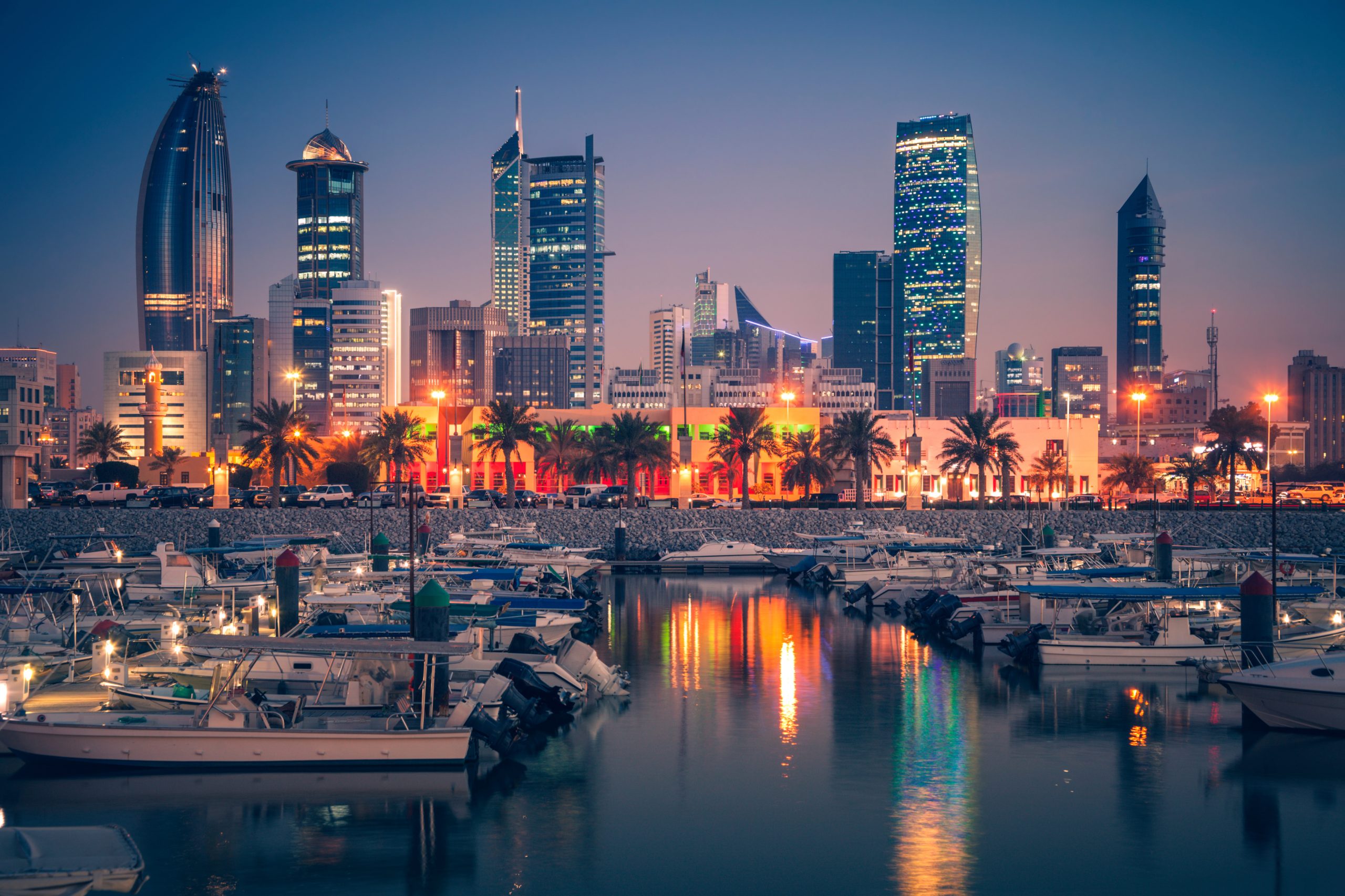
Tuesday, 18 November – Kuwait’s Cabinet approved a draft Digital Commerce Law to modernise e‑commerce. The bill provides unified definitions for online traders and services, mandates electronic licensing and platforms, and strengthens consumer protection and cyber-security rules.
Tuesday, 25 November – The weekly Cabinet, chaired by Prime Minister Sheikh Ahmad Al-Abdullah Al-Sabah, covered broad issues. It was briefed on strategic investments, including the 10th-anniversary expansion of GE Vernova in Kuwait’s power sector, it also noted credit rating improvements: S&P Global raised Kuwait’s sovereign rating to AA- (stable outlook), citing fiscal reforms and governance measures. The Cabinet also welcomed winning a seat on UNESCO’s World Heritage Committee.
Sultanate of Oman

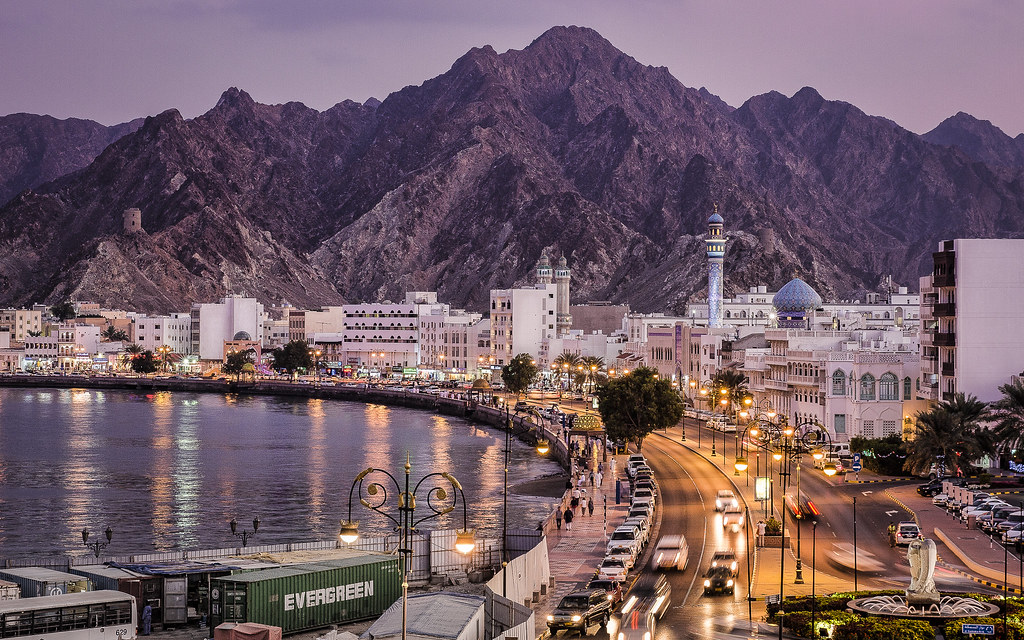
Sunday, 23 November – Omani Foreign Minister Sayyid Badr Al-Busaidi addressed a security retreat in Muscat hosted by the Oslo Forum. He warned of the erosion of international order by foreign military interventions, explicitly citing Russia’s invasion of Ukraine and Israel’s Gaza offensive as ‘illegal actions’ that undermine international law.
Monday, 24 November – Oman and Indonesia held the 2nd political consultations in Muscat. The delegations reviewed relations with focus on trade, investment and cultural exchange. They signed a visa-exemption agreement for holders of diplomatic/service passports and agreed to boost cooperation in tourism and education.
Monday, 24 November – Oman’s Culture Ministry announced it will participate in the ‘International Cultural Festival of Desert Theatre’ in Ouargla, Algeria (1-7 December). An Omani play (‘The Ship is Sinking’) and performers will join this inaugural festival, showcasing Omani heritage abroad.
State of Qatar

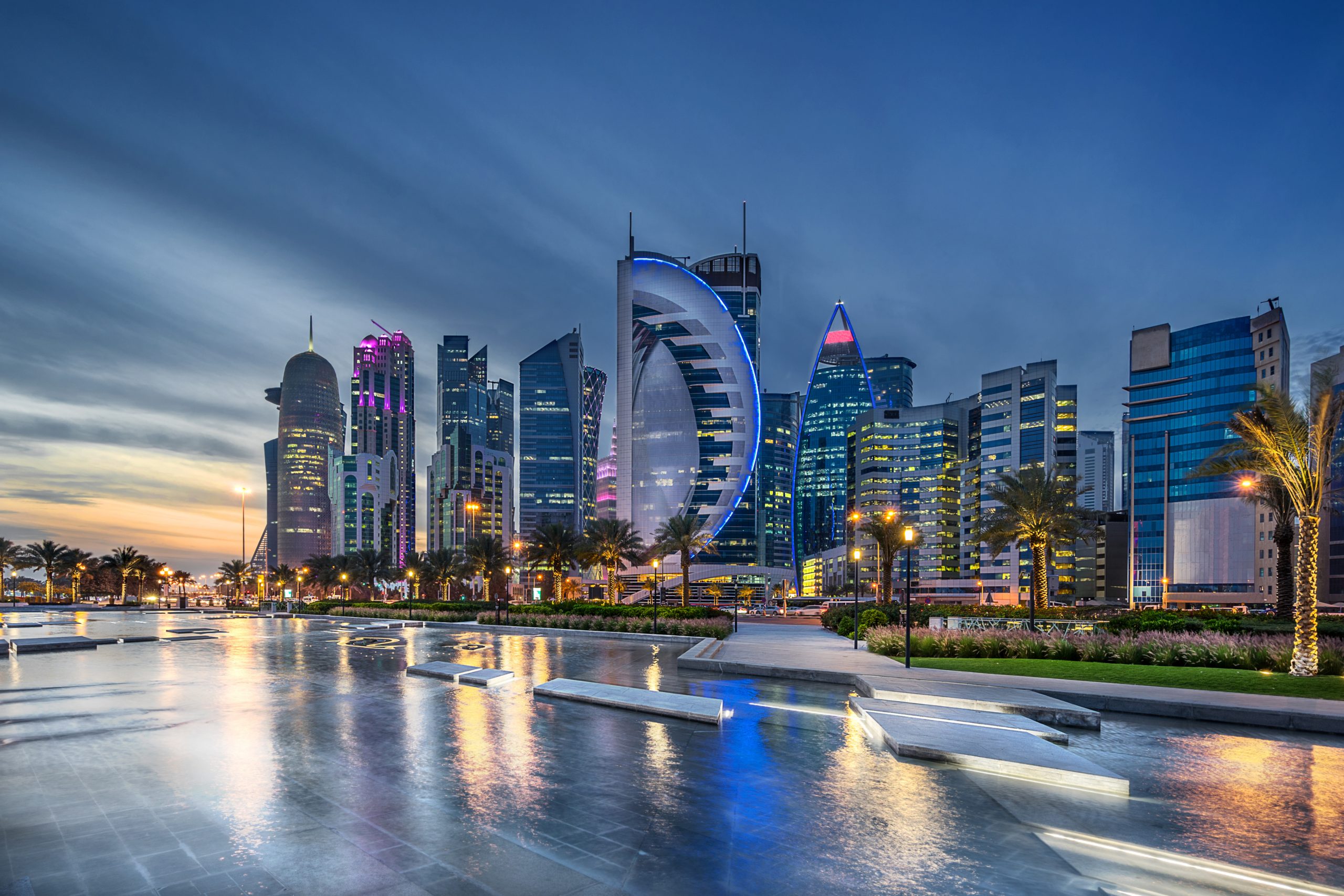
Thursday, 20 November – Amir Sheikh Tamim visited Kigali, Rwanda to meet President Paul Kagame. Both sides pledged to ‘strengthen and develop’ bilateral relations in various fields (energy, finance, education) and discussed regional and international issues of common interest.
Friday, 21 November – the Amir met Democratic Republic of Congo (DRC) President Félix Tshisekedi in Kinshasa. They oversaw a series of signed agreements, including an MoU on port cooperation (between Qatar Ports Management Co. and DRC’s ONATRA), a justice/law MoU (between both countries’ justice ministries), and a mutual diplomatic passport visa-exemption agreement. Additional MoUs were signed for humanitarian aid and youth development.
Kingdom of Saudi Arabia

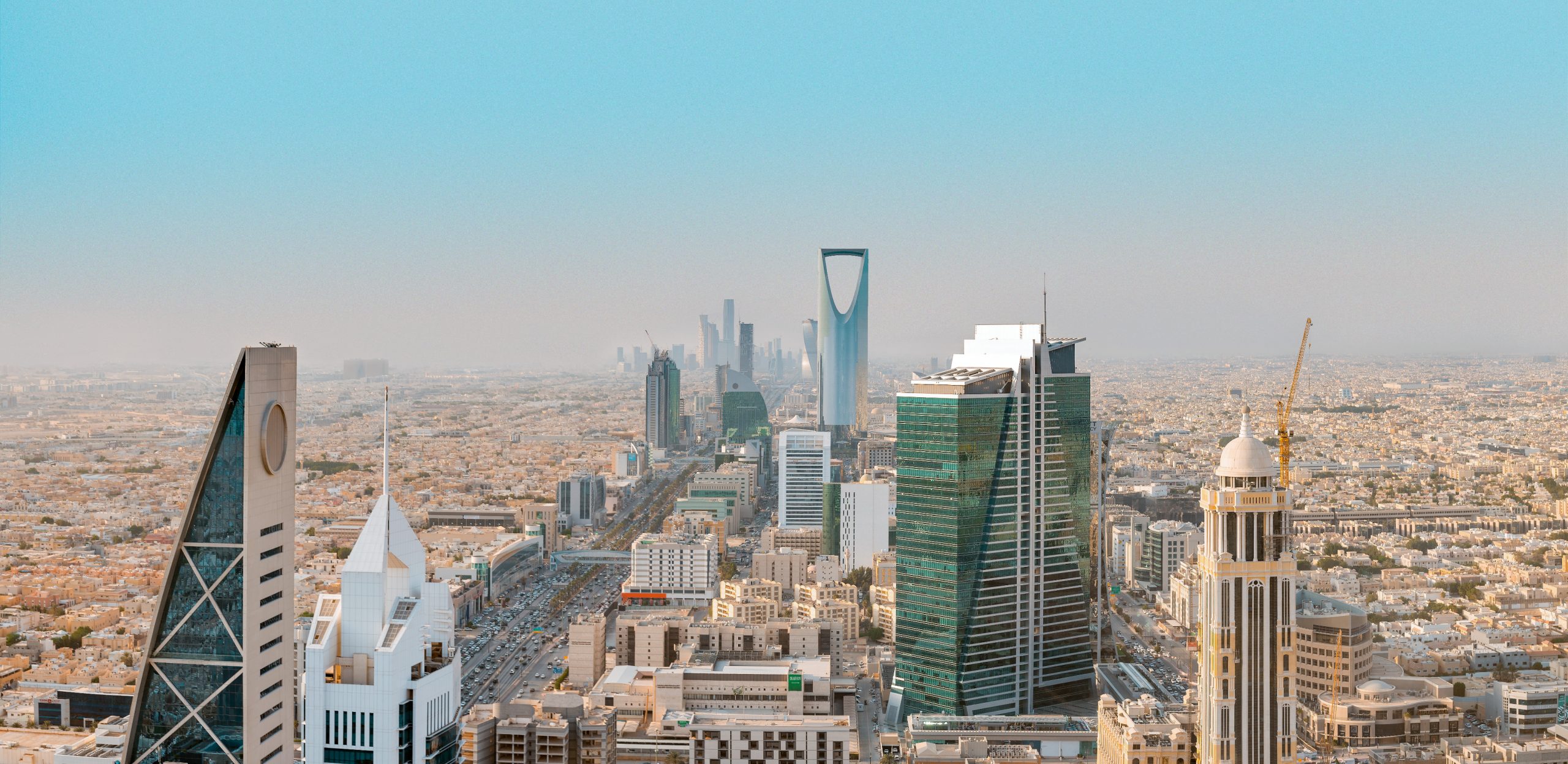
Wednesday, 19 November – at a US investment summit, Saudi Crown Prince Mohammed bin Salman co‑hosted the Saudi‑US Investment Forum in Washington DC. The summit (at the Kennedy Center) convened US and Saudi business leaders on AI, energy transition, defence and other strategic sectors. Agreements on technology were signed, including US access to advanced AI systems and Nvidia chips). Saudi Arabia announced it will expand its direct investment in the US from 600 billion to nearly 1 trillion USD, signalling deepened economic interdependence.
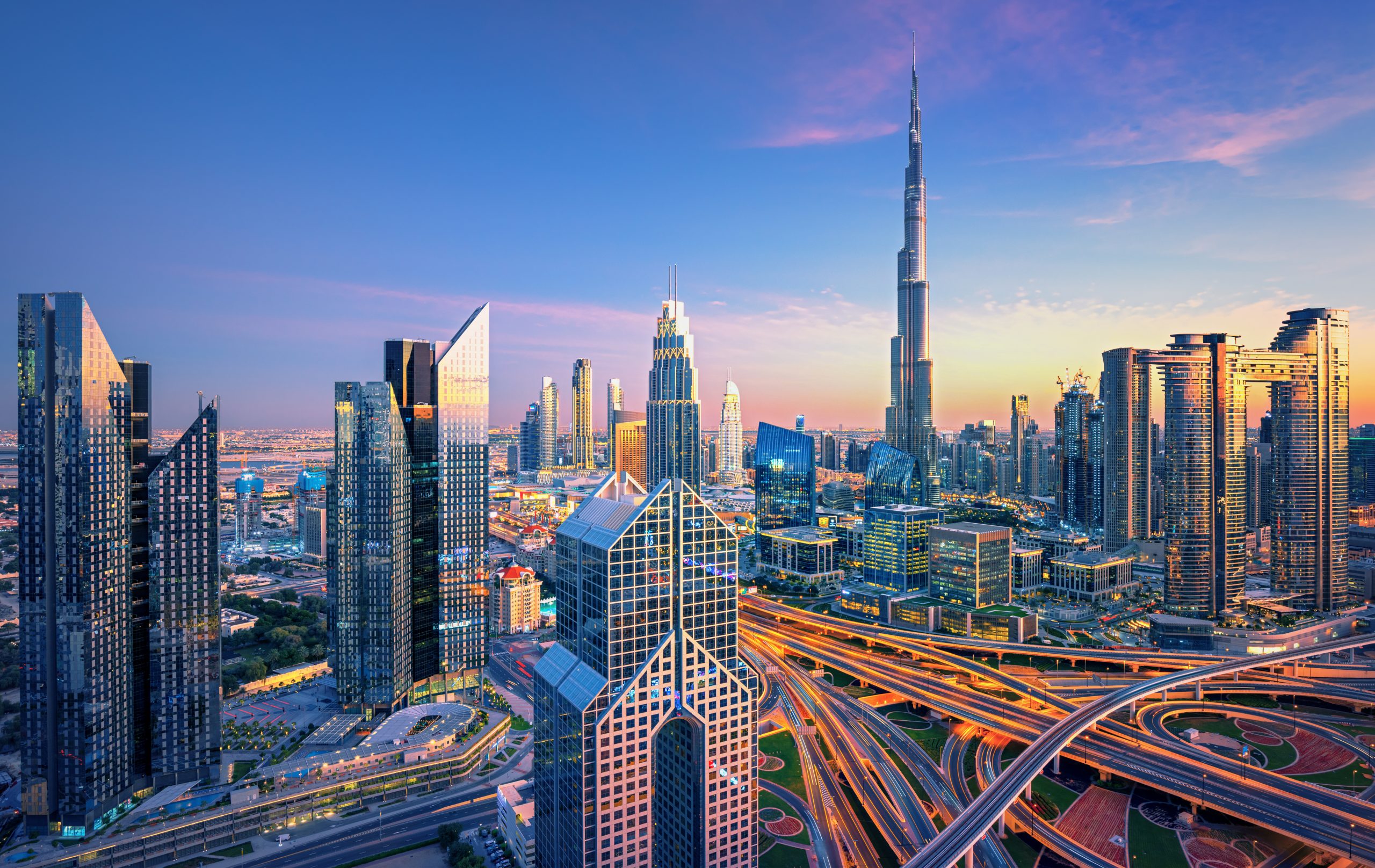
United Arab Emirates

Thursday, 20 November – In Dubai, the Investopia think-tank hosted the first ‘CEE-UAE Investopia Strategic Economic Forum’. The high-level forum gathered UAE officials (including Economy Minister Abdulla bin Touq Al Marri) and Central/Eastern European counterparts to identify joint investment opportunities in advanced sectors: AI, space, defence, energy and technology. Participants noted that over 17,000 CEE companies already operate in the UAE, and emphasised new platforms that will deepen UAE–CEE economic partnership.
EU Corner
Thursday, 20 November – In Brussels, EU foreign ministers held an extraordinary meeting on regional crises. They discussed the Middle East situation at length, in which EU High Representative for Foreign Affairs Kaja Kallas noted that a new UN-backed international force for Gaza would be ‘game-changer’ and that any peace plan must exclude Hamas. Ministers explored expanding EU civilian missions, for example, extending the EU Border Assistance Mission (EUBAM) beyond Rafah to other crossings, and enhancing the EU’s police training mission (EUPOL COPPS) for the Palestinian Authority. The Council also reaffirmed EU humanitarian support for Palestinians and the need for coordinated international presence to stabilise Gaza.
Key Official Visits & Contacts
Tuesday-Thursday, 18-20 November (Washington, DC) – Saudi Crown Prince Mohammed bin Salman led a high-profile Saudi delegation to the US. He attended a Saudi–US Investment Summit after his White House meeting with US President Donald Trump at the White House. Discussions produced the Strategic Defence Agreement, a US commitment to sell F‑35 fighters to Saudi Arabia, a nuclear cooperation deal, and major business commitments.
Thursday, 20 November (Kigali, Rwanda) – Qatar’s Amir, Sheikh Tamim bin Hamad Al Thani, made an official visit to Rwanda. He met President Paul Kagame at the presidential palace and co-chaired talks on deepening bilateral relations.
Friday, 21 November (Kinshasa, DRC) – Continuing his African tour, the Qatari Amir visited the Democratic Republic of Congo. He met President Félix Tshisekedi and witnessed the signing of multiple agreements and memoranda of understanding (ports cooperation, justice ministry ties, diplomatic visa exemption, humanitarian aid projects).
Wednesday, 19 November (Kuwait City) – Bahrain’s Foreign Minister Abdullatif Al Zayani traveled to Kuwait. He met Kuwaiti Foreign Minister Abdullah Al-Yahya to discuss bilateral cooperation and preparations for Bahrain hosting the upcoming GCC summit.