





5 Top Points
- UAE global tech push: The UAE announced major AI and technology initiatives. Nearly all federal agencies (97%) now use AI, and Abu Dhabi launched a new 5‑gigawatt AI ‘supercomputing campus’ (with US tech partners) and a 1GW ‘Stargate’ AI data centre.
- Oman rolls out a new 2026-2030 SME growth plan: Oman’s SME Development Authority (Riyada) announced the launch of an executive plan for 2026-2030 aimed at strengthening small and medium-sized enterprises as a driver of domestic growth and economic diversification.
- EU-UAE engagement deepens in Abu Dhabi: the UAE and the EU held the 13th UAE-EU Human Rights Dialogue in Abu Dhabi, covering issues including labour rights, women’s rights, human trafficking, and digital technology and human rights.
- Saudi criticism of UAE in Yemen: Saudi Arabia publicly rebuked the UAE for backing Yemen’s Southern Transitional Council (STC), declaring any threat to its national security a ‘red line.’
- Bahrain’s fiscal reform package: Bahrain’s cabinet approved a broad 2026 support package. Key measures include a 20% cut in government admin spending, a proposed 10% corporate tax on large profits, higher excise duties, and plans to adjust fuel and utility pricing.
‘Round and About the Gulf’
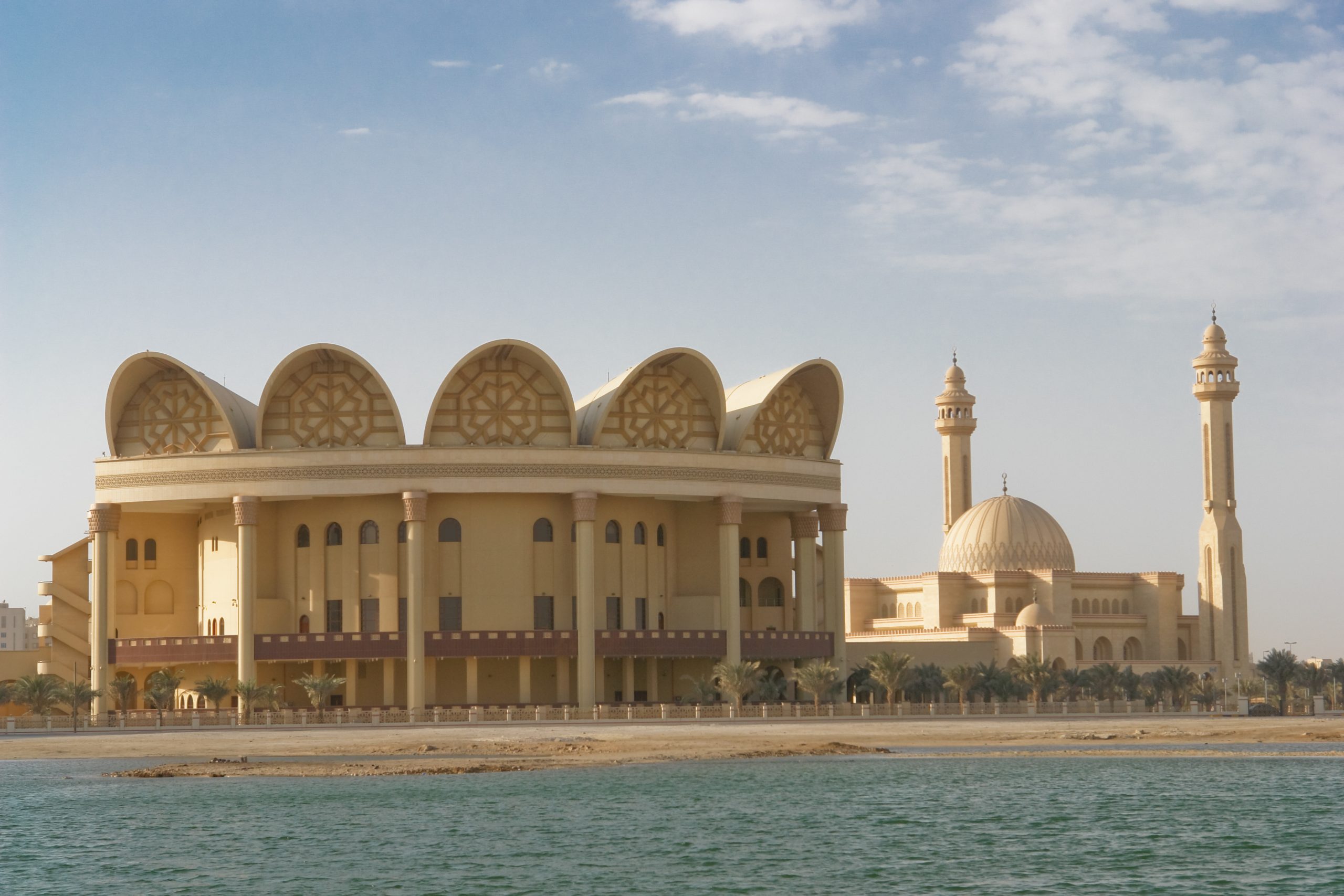
Kingdom of Bahrain

Sunday, 28 December – Officials noted Bahrain’s economy has grown over fivefold since 2000 (from circa 9 to 47 billion USD by 2024). Bahraini wages have more than doubled since 2005, and inflation has been kept near 1% on average.
Monday, 29 December – The Cabinet unveiled a new 2026 support package, including a 20% cut in administrative spending, a 10% tax on high corporate profits, increased excise levies, and a framework to adjust fuel and utility prices. Basic water and electricity rates for citizens will remain unchanged while higher consumption bands and energy products will face steeper charges.
Tuesday, 30 December – Bahrain’s director of prisons and alternatives met UAE counterparts to exchange expertise on rehabilitation and alternative sentencing, underscoring the two countries’ close security and judicial cooperation.
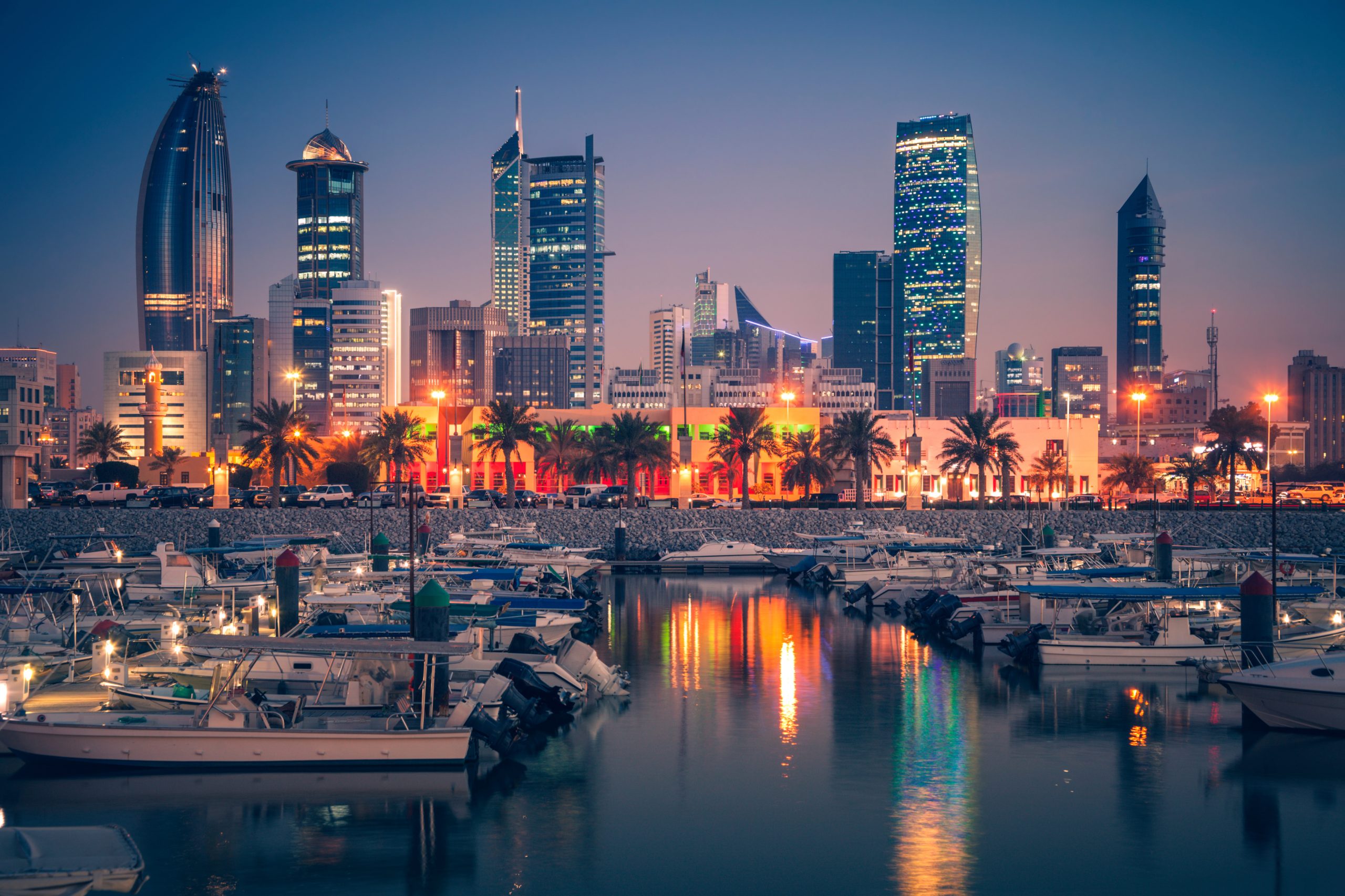
State of Kuwait

Thursday, 26 December – In a cabinet meeting, Prime Minister Sheikh Ahmad Al-Abdullah lauded the Amir’s active role in Kuwait’s development. He highlighted the recent signing of the 4 billion USD contract for the Mubarak Al-Kabeer Port on Bubiyan Island (Kuwait Vision 2035) and emphasised integrated planning in energy, housing and the environment.
Monday, 29 December – Kuwait’s fuel pricing committee announced it would keep retail petrol and diesel prices unchanged through March 2026. Petrol (Ultra 91) remains 200 fils/litre and diesel 85 fils, continuing Kuwait’s fuel subsidy policy into the new year.
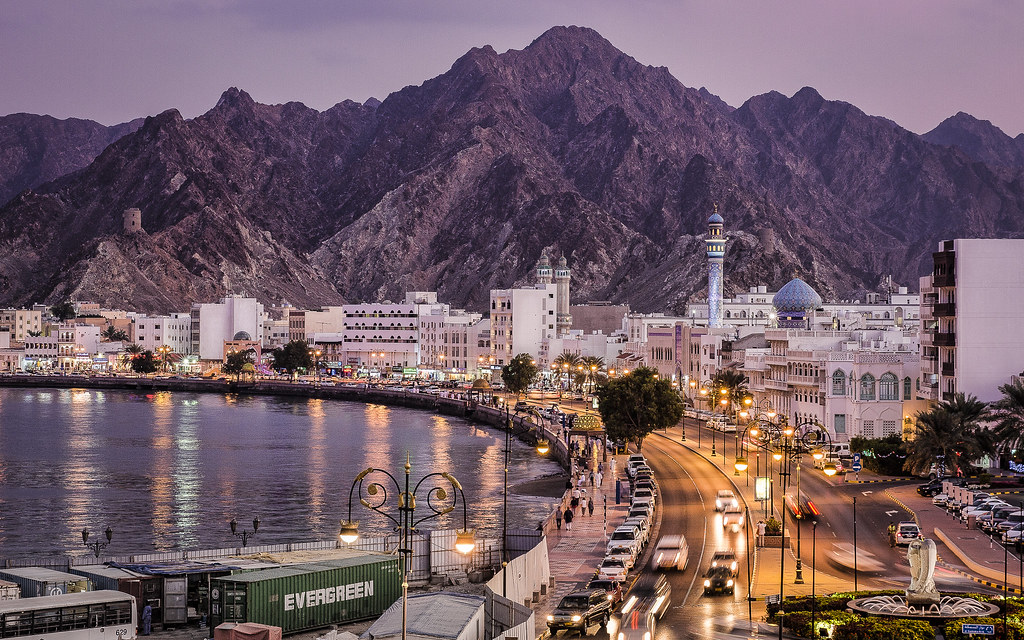
Sultanate of Oman

Monday, 29 December – Oman launched a 2026-2030 SME development strategy under ‘Riyada’, part of its Vision 2040. The plan aims to improve small businesses’ market access, funding and competitiveness. The move comes amid reports of Oman’s fiscal recovery, with public debt circa 36% of GDP, and after Fitch Ratings upgraded Oman to investment-grade (BBB–), citing stronger finances and stable growth.
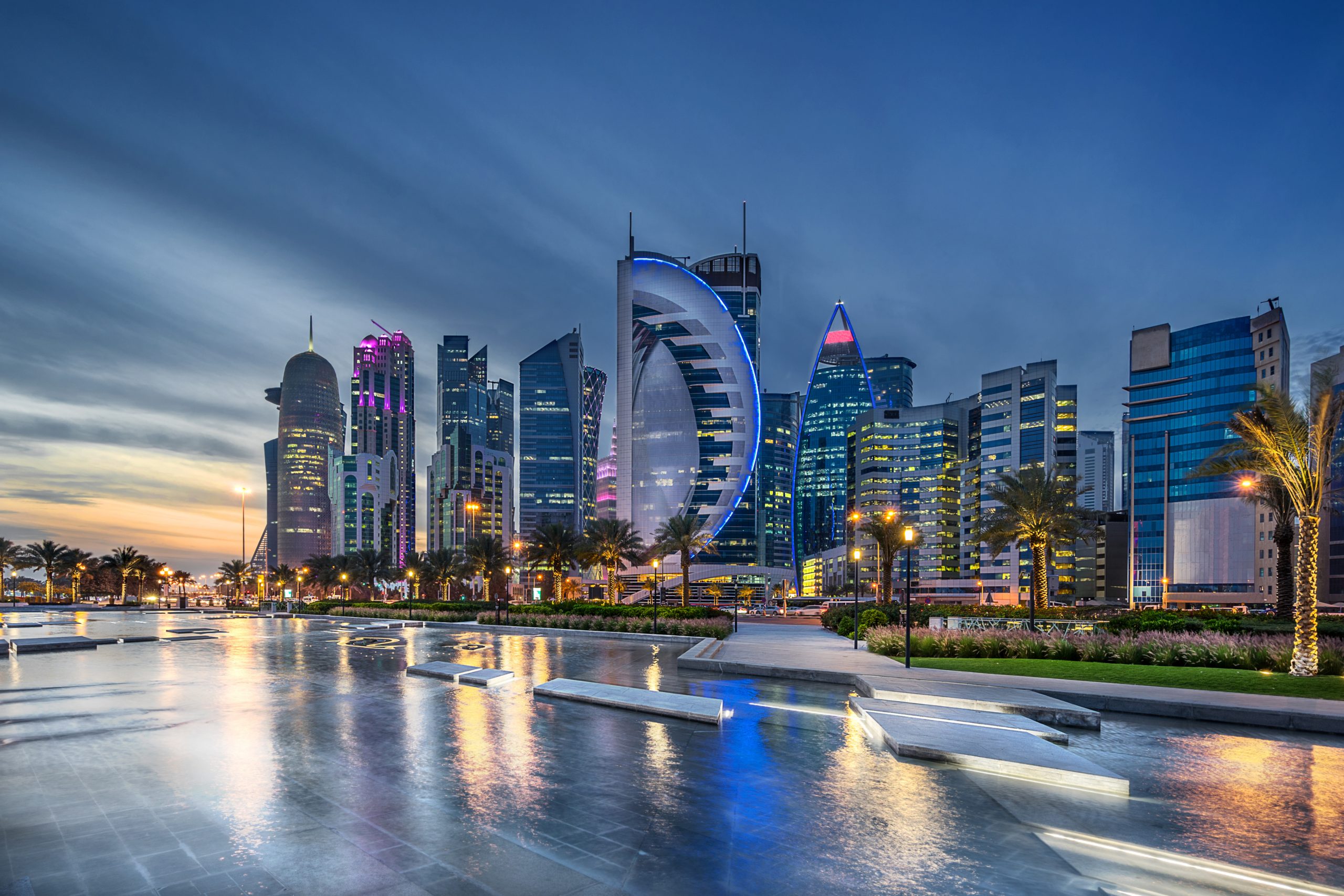
State of Qatar

Wednesday, 24 December – The Council of Ministers held its weekly meeting at the Amiri Diwan, chaired by Deputy Prime Minister and Minister of State for Defence Affairs Sheikh Saoud bin Abdulrahman bin Hassan Al Thani. The Cabinet welcomed the outcomes of the 7th Qatar-US Strategic Dialogue and said the joint statement reflected the depth of the bilateral partnership. It also commended the ‘Doha Declaration 2025’ issued at the conclusion of the 11th Conference of States Parties to the UN Convention against Corruption (hosted by Qatar), highlighting discussions on the use of AI to prevent and combat corruption.
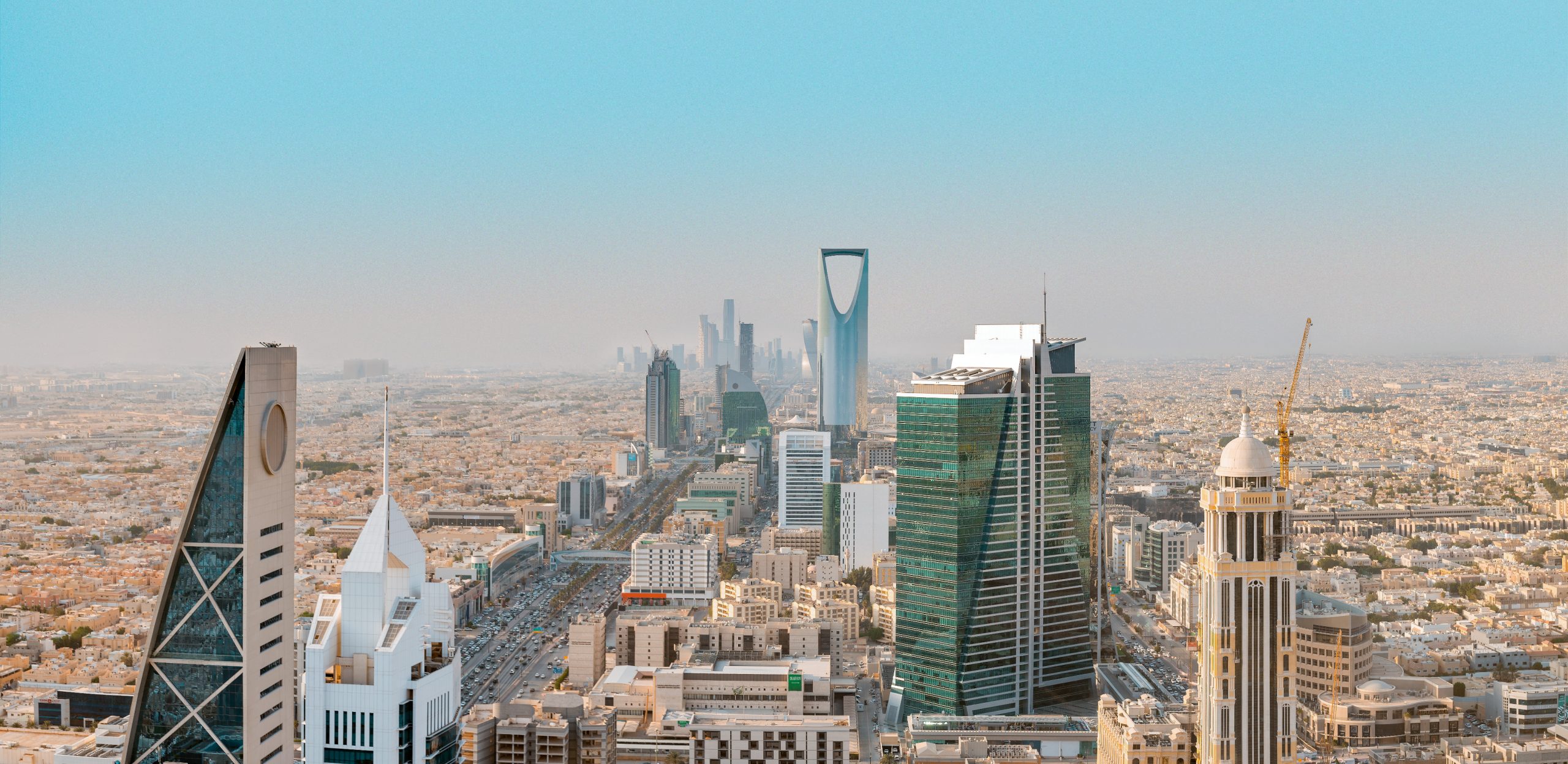
Kingdom of Saudi Arabia

Tuesday, 30 December – The Saudi Foreign Ministry condemned recent UAE-backed military moves in Yemen. It warned that UAE pressures on the Southern Transitional Council (STC) to launch operations near Saudi borders are ‘highly dangerous’ and violate the Gulf coalition’s unity, calling any threat to Saudi security a ‘red line’. Riyadh urged the UAE to withdraw forces from Yemen’s Hadhramaut and Al-Mahra, reaffirming support for Yemen’s government and pursuit of a negotiated settlement.
Tuesday, 30 December – The Saudi-led Arab coalition in Yemen announced it had carried out a ‘limited’ air strike on a ship unloading weapons in the port of Al-Mukalla (Hadhramaut). Coalition spokesman Major General Turki al-Maliki said the vessels (arriving from Fujairah) had offloaded large quantities of arms for Houthi and Southern forces without permission. The strike targeted these illicit military supplies, with officials emphasising compliance with international law and no civilian casualties.
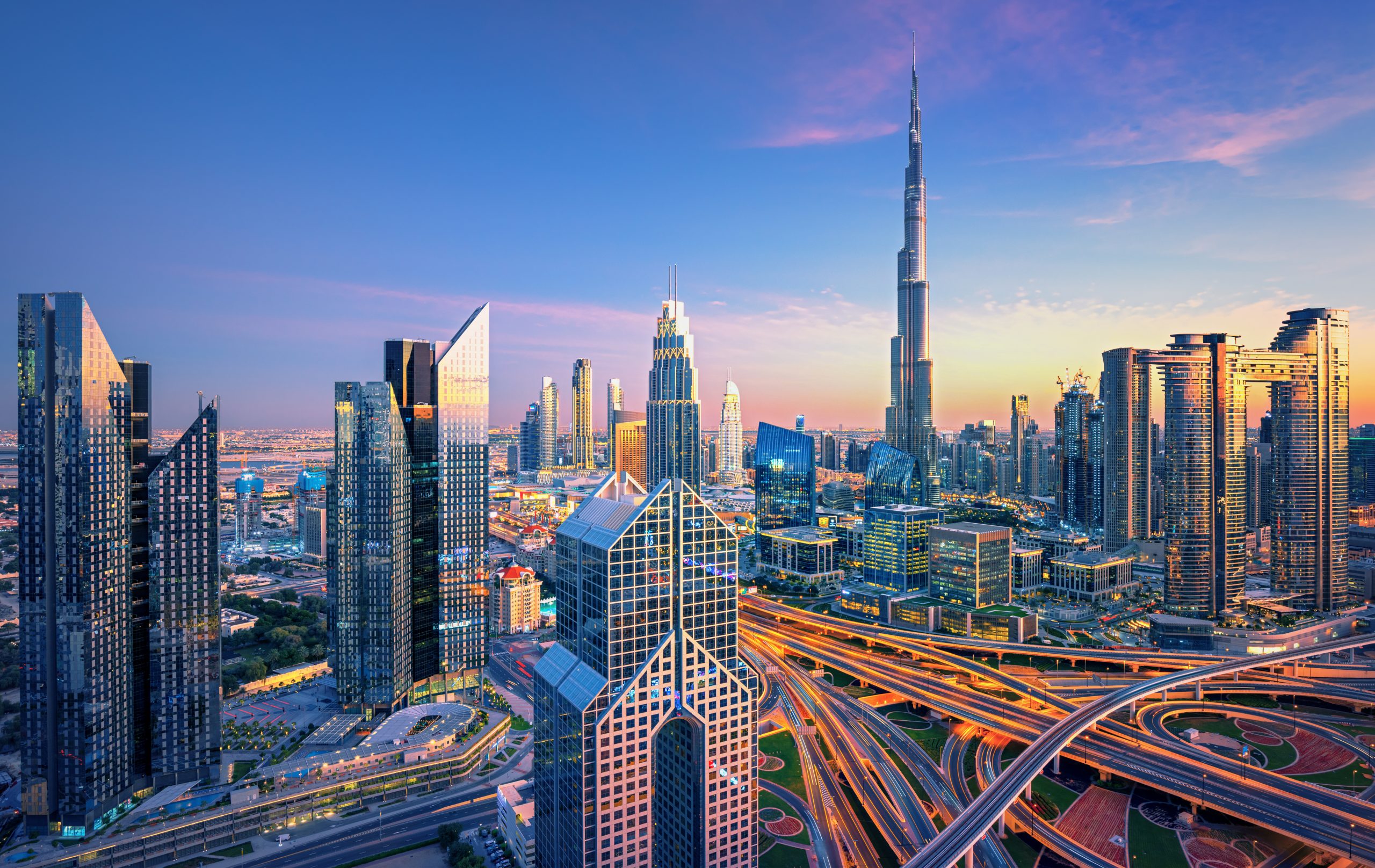
United Arab Emirates

Tuesday, 30 December – The UAE highlighted its year-end tech achievements with officials reporting 97% adoption of AI tools across federal agencies. Abu Dhabi inaugurated a new 5 GW ‘AI Campus’ (in partnership with US tech firms) and a 1 GW “Stargate” AI data centre. The country unveiled an advanced Arabic-language AI model (‘Jais 2’, 70B parameters) and announced global AI initiatives, including a 1 billion USD ‘AI for Development’ fund, a Gates Foundation-backed 200 million USD programme to accelerate innovation and digital growth.
EU Corner
Sunday, 28 December – EU counter-terror financing scrutiny intersects with Gulf-facing humanitarian channels. Italian authorities arrested suspects over alleged Hamas financing routed through charities, with the investigation involving cross-border European judicial cooperation (including Eurojust-linked coordination). The case highlights the EU’s heightened sensitivity around Gaza-linked fundraising and compliance, a trend with practical implications for Gulf-based donors, charities, and partner organisations operating in Europe, and for EU-Gulf discussions on financial integrity, de-risking, and humanitarian access.
Key Official Visits & Contacts
Sunday-Tuesday 21-23 December (Abu Dhabi) – French President Emmanuel Macron visited Abu Dhabi, where he met UAE leaders and addressed French troops stationed there. During the visit Macron announced France will build a second nuclear-powered aircraft carrier to replace Charles de Gaulle in the late 2030s. He said this decision, made while ‘spending Christmas with our soldiers’ in the UAE, underscores France’s strong defence partnership with the Emirates.
Wednesday, 24 December (Doha) – Qatari Prime Minister and Foreign Minister Sheikh Mohammed bin Abdulrahman bin Jassim Al Thani met Sheikh Tahnoun bin Zayed Al Nahyan, Deputy Ruler of Abu Dhabi and UAE National Security Adviser, during his visit to Doha. The meeting reviewed bilateral cooperation and a range of regional and international issues of mutual interest.
Monday, 29 December – Sheikh Mohammed bin Abdulrahman received a phone call from Iran’s Foreign Minister Abbas Araghchi. They discussed bilateral relations and developments in Gaza, the occupied Palestinian territories, and Lebanon. The Prime Minister stressed the need for concerted regional and international efforts to ensure full implementation of ceasefire agreements in Gaza and Lebanon, as a pathway toward sustainable peace and regional stability.