


5 Top Points
- Saudi Arabia moves to defuse Yemen’s southern crisis: Riyadh invited all Yemeni southern factions to a dialogue conference in Saudi Arabia, aiming to end a sudden flare-up of conflict with UAE-backed separatists. Yemen’s Southern Transitional Council (STC) welcomed the Saudi initiative as a ‘genuine opportunity’ for serious talks.
- Oman launches 2026 budget with social focus: Muscat unveiled a circa 12 billion OMR state budget for 2026, marking a 1.5% spending rise over 2025 and kicking off its 11th Five-Year Plan. Nearly half of expenditure is earmarked for social services and development projects.
- Qatar pushes for Gaza ceasefire ‘Phase 2’: Doha’s diplomacy intensified to restore and extend the Gaza truce. The Qatari Foreign Ministry said it is working with mediators to achieve a second phase of the ceasefire and reopen Gaza’s Rafah crossing for aid.
- UAE pioneers community-led governance model: President Sheikh Mohamed bin Zayed ordered the creation of a novel ‘Community-Managed Virtual Authority’ to be run by rotating teams of skilled citizens – launched as the UAE’s ‘Year of Community’.
- Bahrain boosts cost-of-living support: The Crown Prince and Prime Minister of Bahrain, Salman bin Hamad Al Khalifa, ordered an increase in monthly allowances for low-income Bahraini families effective January 2026.
‘Round and About the Gulf’
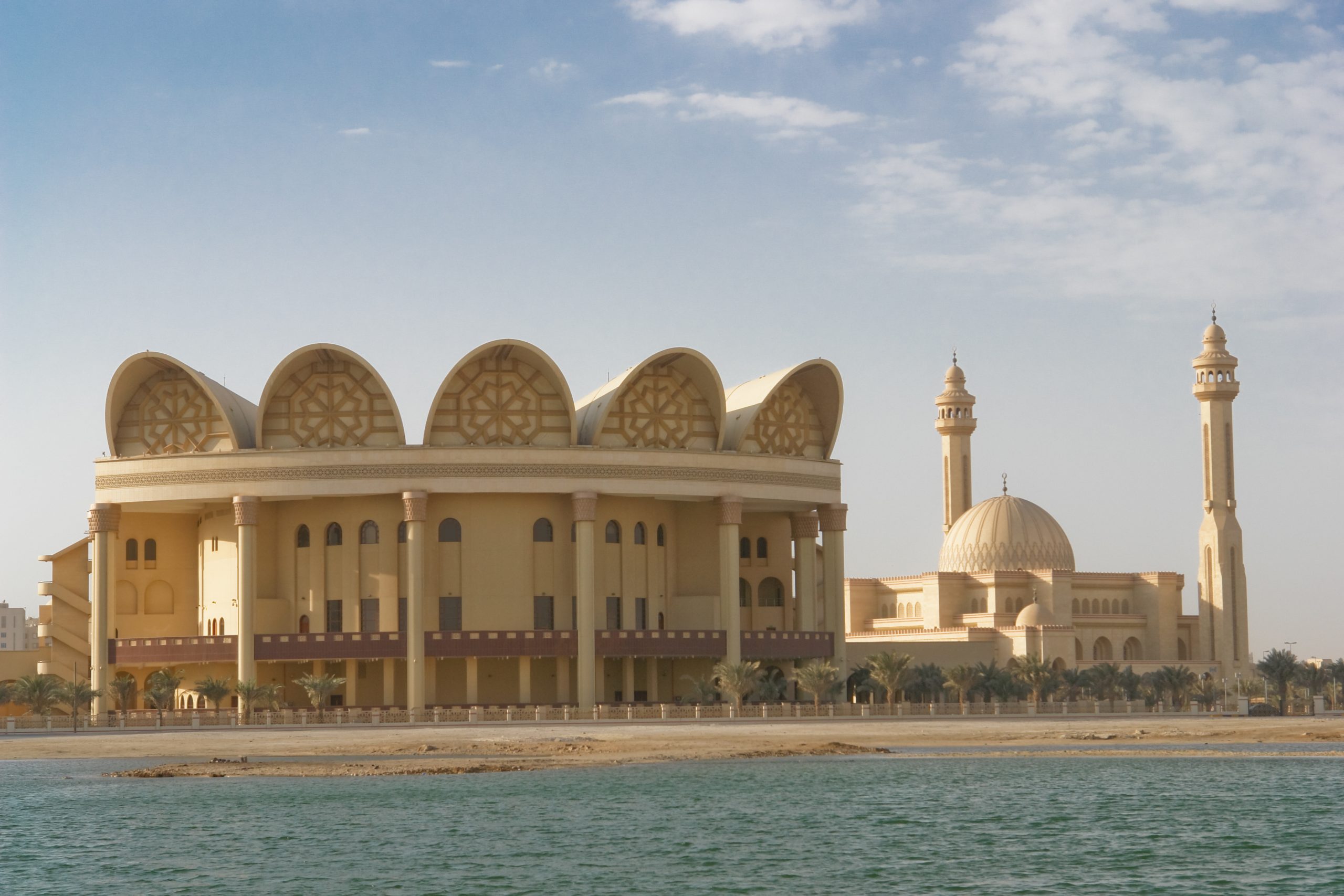
Kingdom of Bahrain

Wednesday, 31 December – Following royal directives, Crown Prince and Prime Minister Salman bin Hamad Al Khalifa instructed an increase in financial support for Bahrain’s most vulnerable families. The Ministry of Social Development will raise monthly cost-of-living stipends for eligible households starting January 2026, with families earning under BD 300 now receiving BD 130, and scaled-down amounts for higher brackets. The government also reaffirmed that electricity and water rates for citizens’ primary homes will remain frozen at current levels for lower usage tiers, to shield residents from utility price pressures.
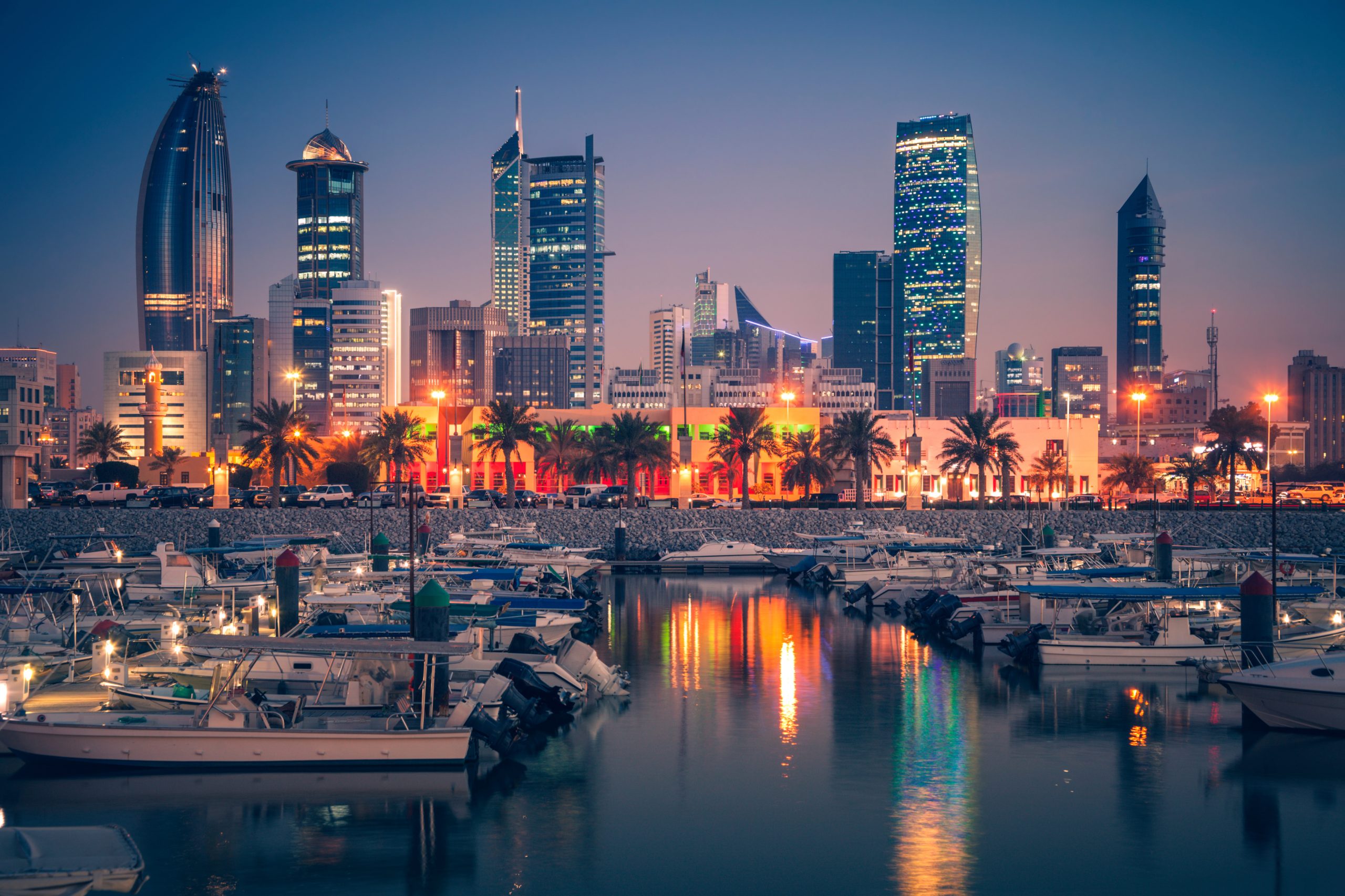
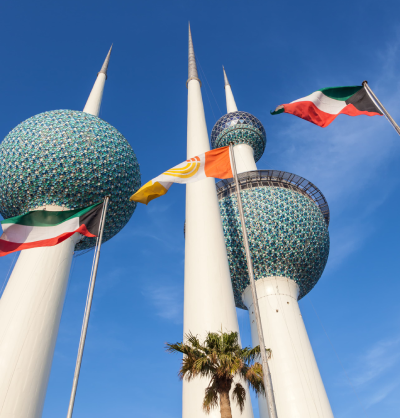
State of Kuwait

Monday, 5 January – Kuwait awarded a major contract to bolster its power infrastructure. Heavy Engineering Industries & Shipbuilding Co. (HEISCO) announced it received a KD 57.2 million contract from the Ministry of Electricity, Water & Renewable Energy. The project involves supplying and installing high-voltage transmission lines to feed the upcoming Al-Khairan power plant, as well as developing new fuel-receiving facilities to support the Al-Zour power station. HEISCO will handle construction, commissioning and maintenance under the deal.
Tuesday, 6 January – Kuwait welcomed moves to resolve Yemen’s internal rifts. The Foreign Ministry in Kuwait City commended the call by Yemen’s Presidential Leadership Council to hold an inclusive meeting of all southern Yemeni factions in Riyadh, under Saudi auspices. Kuwaiti officials voiced support for dialogue that preserves Yemen’s unity and stability, in line with the aspirations of the Yemeni people
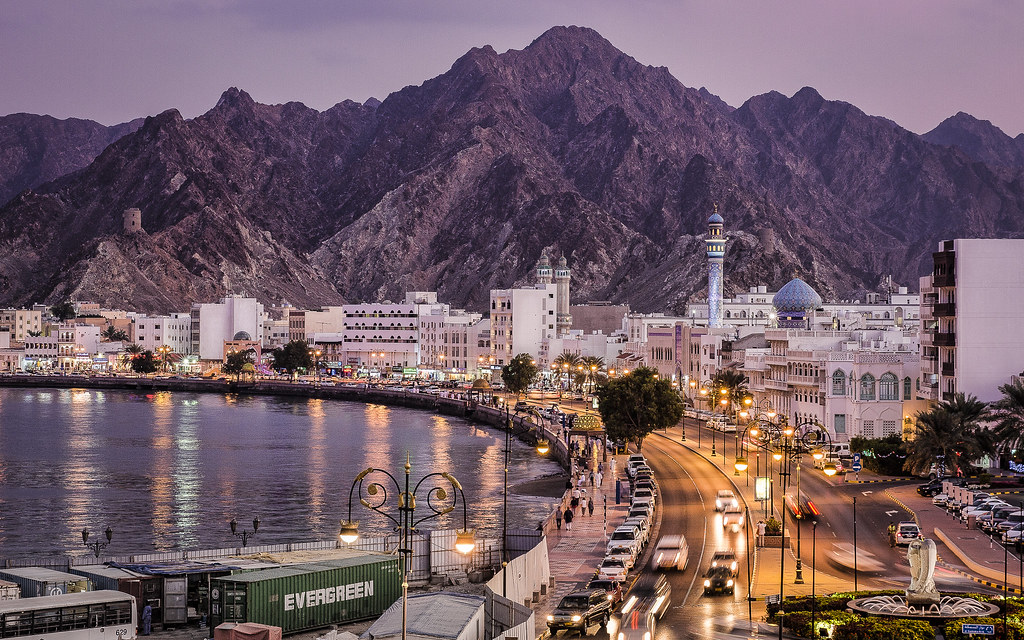
Sultanate of Oman

Thursday, 1 January – Oman’s Ministry of Finance announced the sultanate’s General Budget for 2026, emphasising social investment and fiscal prudence. Total spending is set at nearly OMR 12 billion, about 1.5% above last year’s outlay, with close to half channeled into social sectors and development programmes. The budget, the first under Oman’s 2026-2030 development plan, projects a reduced deficit of OMR 530 million after recent oil windfalls and reforms.
Sunday, 4 January – Muscat voiced strong support for new peace efforts in Yemen. Oman’s Foreign Ministry welcomed the initiative to convene inclusive talks among all southern Yemeni parties in Riyadh, hosted by neighbouring Saudi Arabia. The ministry issued a statement expressing hope that such a dialogue would achieve the ‘desired consensus’ as part of a comprehensive political solution addressing the legitimate aspirations of the Yemeni people.
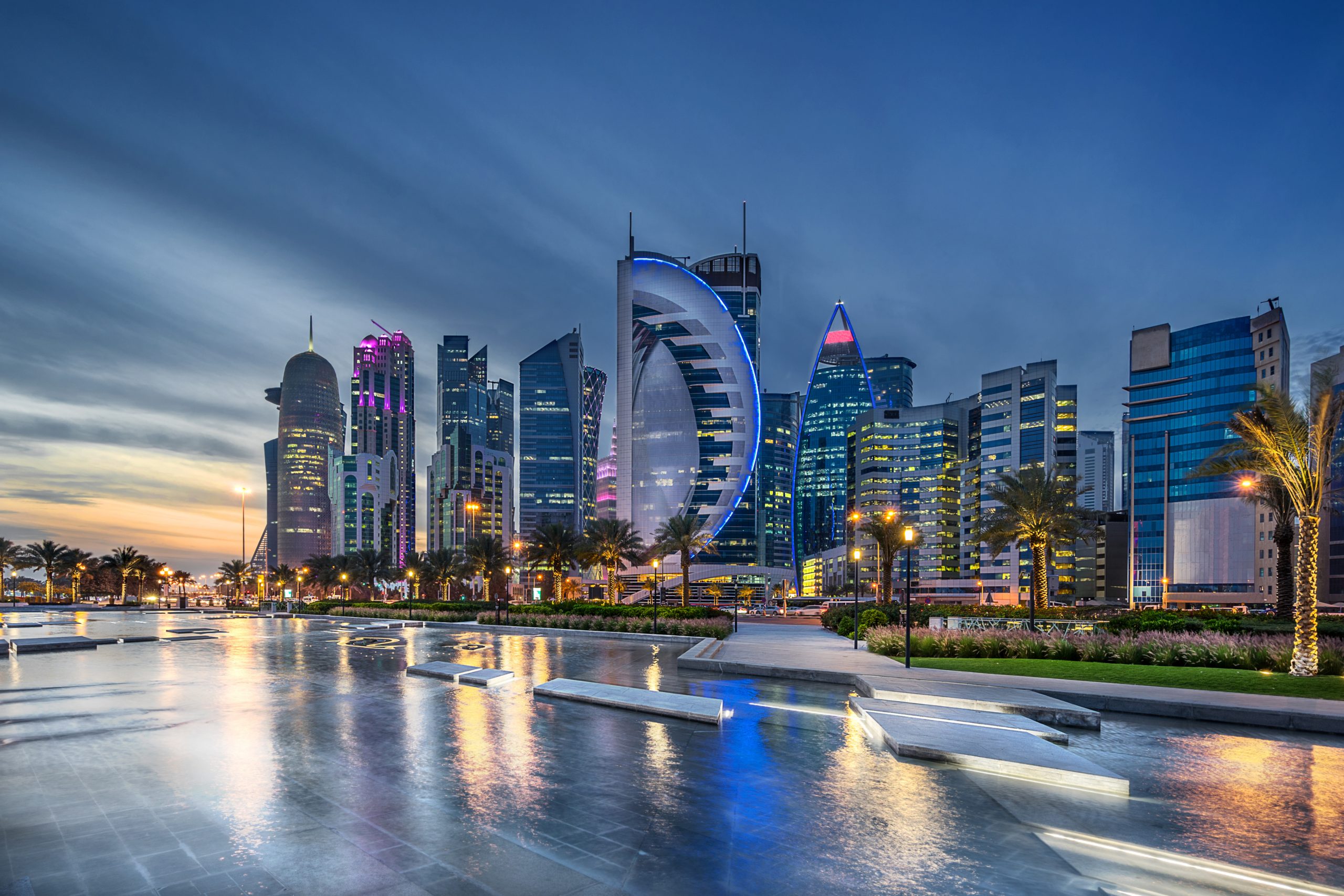
State of Qatar

Tuesday, 6 January – Qatar intensified its mediation role in the Israel-Gaza conflict amid a fragile ceasefire. Foreign Ministry spokesman Majed Al-Ansari confirmed Doha is actively working with international partners to implement a ‘second phase’ of the Gaza humanitarian truce. Qatar is pressing to reopen the Rafah border crossing into Gaza to allow sustained aid deliveries, after accusing Israel of imposing new conditions that amount to ‘political blackmail’ over humanitarian access.
Wednesday, 31 December – In Doha, Emir Sheikh Tamim bin Hamad Al Thani exchanged New Year greetings with a number of world leaders and stressed Qatar’s commitment to regional peace and cooperation in the coming year.
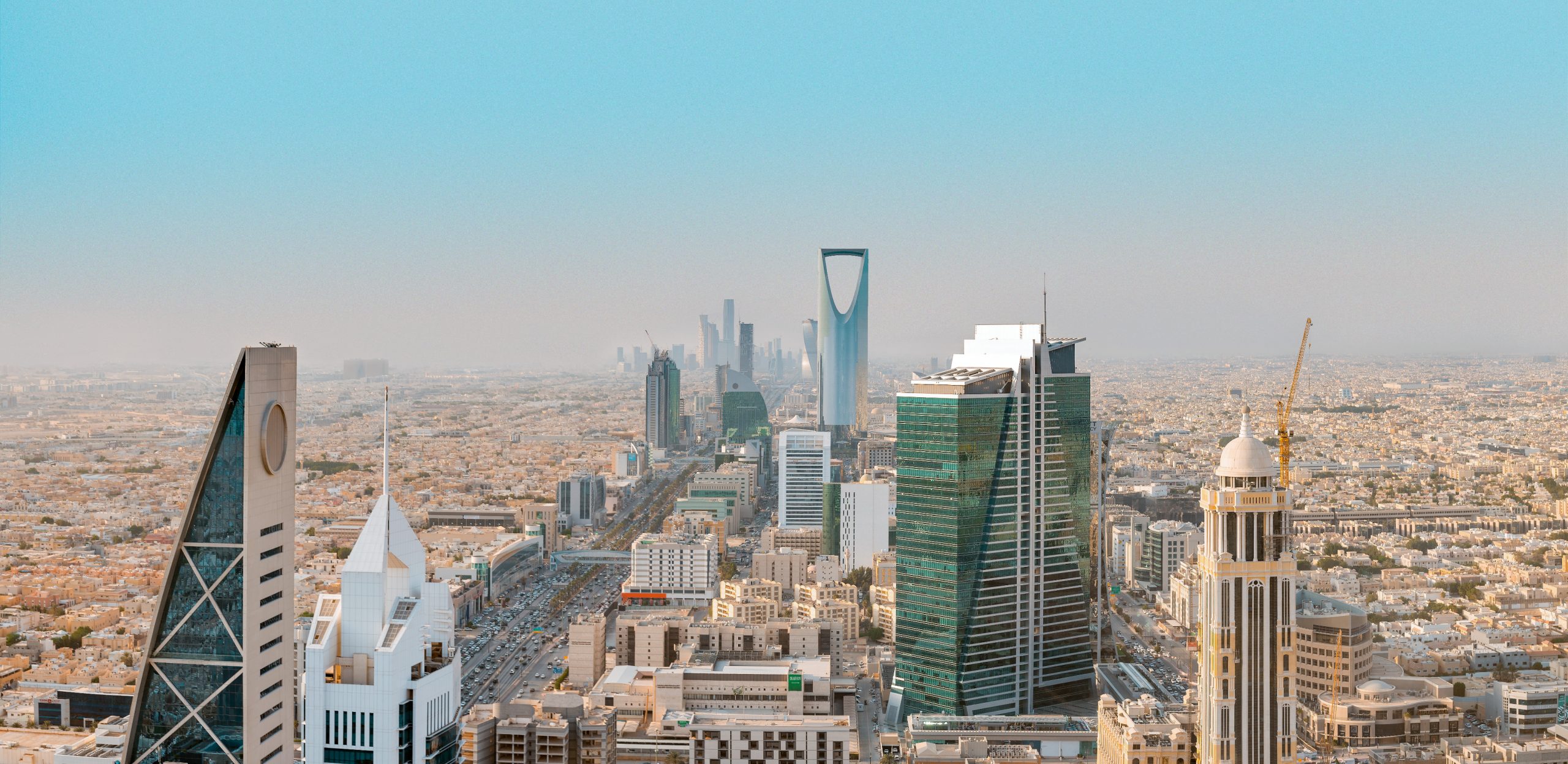
Kingdom of Saudi Arabia

Saturday, 3 January – Saudi Arabia took the lead in addressing Yemen’s latest turmoil by agreeing to host a Southern Yemen dialogue. Acting at the request of Yemen’s President Rashad Al-Alimi, the Saudi government extended invitations to all southern Yemeni factions, including the Southern Transitional Council, to attend reconciliation talks in Riyadh. The initiative followed a week of intense clashes in Yemen’s south that had pitted Saudi-backed forces against UAE-backed separatists.
Sunday, 4 January – Oil producers from the Gulf coordinated on output policy to maintain market stability. Saudi Arabia and seven other key OPEC+ nations held a virtual meeting and reaffirmed their decision to pause any crude production increases through the first quarter of 2026. Citing healthy oil market fundamentals and seasonally lower demand, the alliance, which includes the UAE, Kuwait, Oman and others, agreed to stick with current output levels in February-March 2026 rather than raise quotas. The group underscored its cautious approach, noting that the 1.65 million barrels per day of earlier voluntary cuts could be restored gradually if conditions warrant.
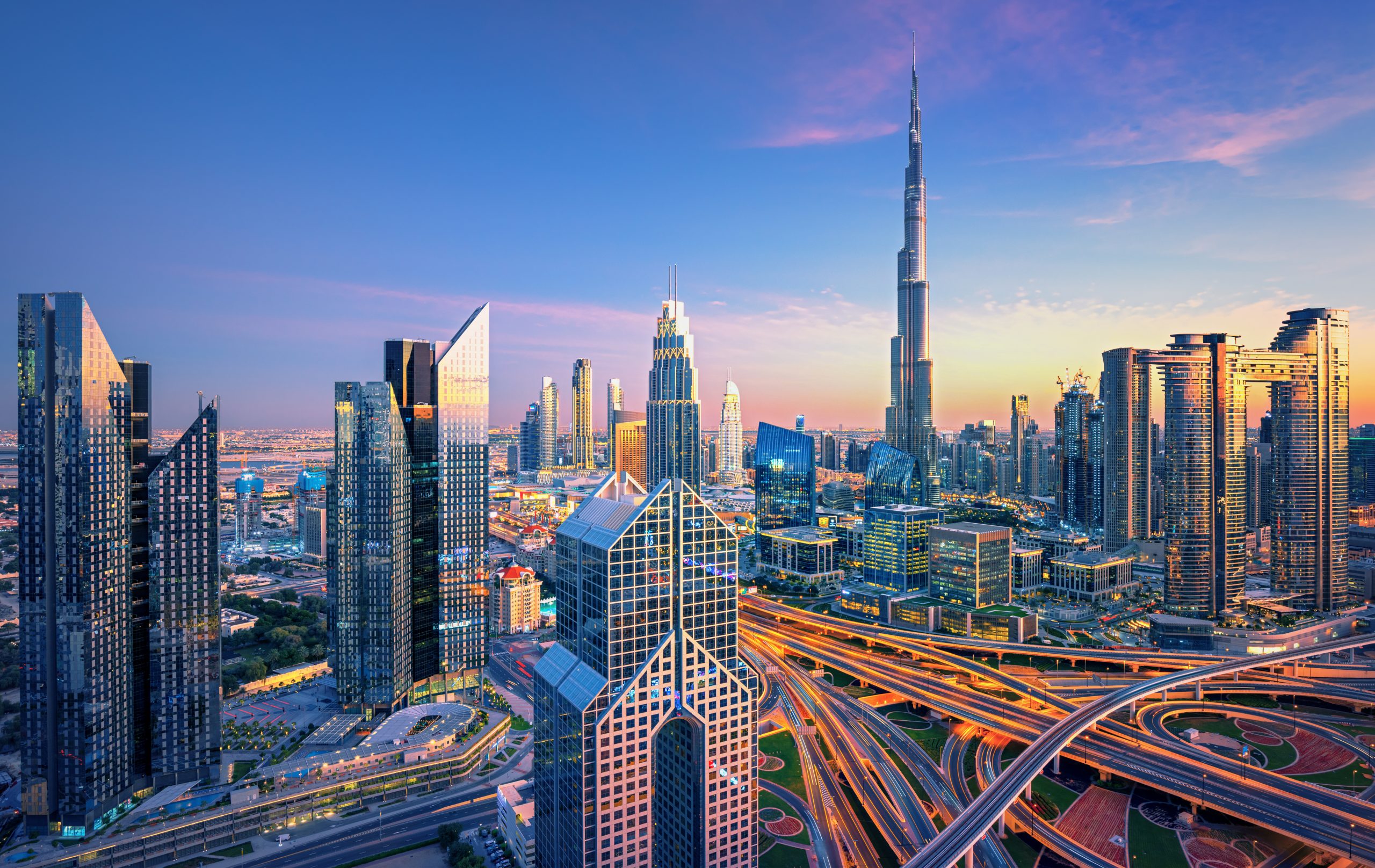
United Arab Emirates

Thursday, 1 January – The UAE introduced a groundbreaking model of public sector innovation as it concluded 2025’s ‘Year of Community’. President Sheikh Mohamed bin Zayed announced the launch of a ‘Community-Managed Virtual Authority’, a first-of-its-kind government body that will be managed entirely by citizens on a rotating basis. Under this initiative, teams of skilled Emiratis – from young professionals to seasoned experts and retirees, will be appointed as the authority’s Director General and staff for fixed terms, tasked with developing impactful programmes and solutions for national development. The experimental authority enshrines community participation in governance, aiming to harness grassroots talent and ideas to improve public services. Emirati officials said the approach will strengthen social cohesion and exemplify the UAE’s drive to become a global testbed for innovative government models.
Friday, 2 January – The UAE’s leadership marked the New Year with messages of goodwill and optimism. Sheikh Mohamed bin Zayed and Prime Minister Sheikh Mohammed bin Rashid Al Maktoum each offered congratulations to citizens and residents, reaffirming the nation’s dedication to tolerance, innovation, and prosperity in 2026.
EU Corner
Gulf climate ambition meets EU trade measures: Saudi Arabia submitted an updated Nationally Determined Contribution (NDC) under the Paris Agreement, significantly raising its climate commitments for the next decades. The new plan pledges to ‘reduce, avoid, and remove’ 335 million tonnes of CO₂-equivalent emissions per year by 2040 (from a 2019 baseline), a substantial increase in ambition over its previous target. Saudi Arabia outlined vast investments in renewable energy (over 12 GW already online), afforestation, and technologies like carbon capture and ‘clean’ hydrogen to reach this goal. However, the Saudi climate submission also pointedly criticised recent EU green regulations, including the Carbon Border Adjustment Mechanism (CBAM) and the corporate sustainability due diligence directive, as unilateral measures that could distort investment signals and undermine the competitiveness of mitigation projects. The critique highlights growing Gulf concerns that EU climate-related trade policies, such as carbon tariffs on imports, may penalise hydrocarbon-dependent economies even as they strive to decarbonise. Saudi negotiators argue that such EU measures risk complicating cooperation, and Gulf states are urging greater dialogue with Brussels to ensure that climate action and trade remain mutually supportive.
Key Official Visits & Contacts
Thursday, 1 January (Abu Dhabi) – UAE President Sheikh Mohamed bin Zayed Al Nahyan received Massad Boulos, Senior Adviser to US President Donald Trump for Arab and African Affairs, at Qasr Al Shati Palace. The meeting reviewed the robust UAE-US strategic partnership and joint coordination on regional issues. Sheikh Mohamed and the envoy discussed ongoing developments in the Middle East and Africa, emphasising efforts to promote peace and stability in conflict areas. The talks, attended by UAE Foreign Minister Sheikh Abdullah bin Zayed and other senior officials, underscored the countries’ close security and economic cooperation going into 2026.
Saturday, 3 January (Riyadh) – Saudi Deputy Defence Minister Prince Khalid bin Salman met with Yemeni Presidential Leadership Council member Tareq Saleh to confer on the situation in Yemen. Prince Khalid, who is also the Saudi point-person on Yemen, and Saleh discussed ways to strengthen joint efforts in support of Yemen’s security and stability. The meeting came as Saudi Arabia moved to facilitate a new dialogue among Yemen’s southern factions in Riyadh, following a request by the Yemeni presidency. Both sides signalled the importance of aligning military and political strategies to restore calm in southern Yemen and advance a broader peaceful resolution to the conflict.