


5 Top Points
- The first high-level US–Iran talks in Switzerland launched a 60-day roadmap towards a final agreement on Iran’s nuclear programme, regional security and sanctions relief.
- The EU countries’ leaders reaffirmed that Iran must never obtain a nuclear weapon and pledged measures to counter Iranian-linked threats and reduce dependence on the Strait of Hormuz.
- The US Secretary of State began a Gulf tour to address concerns over the preliminary US–Iran agreement.
- At least 13 people were killed and 66 injured in an explosion at a key gas supply facility in Qatar’s Ras Laffan Industrial City.
- Kuwait moves to restore oil output to 2 million barrels per day following the reopening of the Strait of Hormuz.
‘Round and About the Gulf’
Kingdom of Bahrain

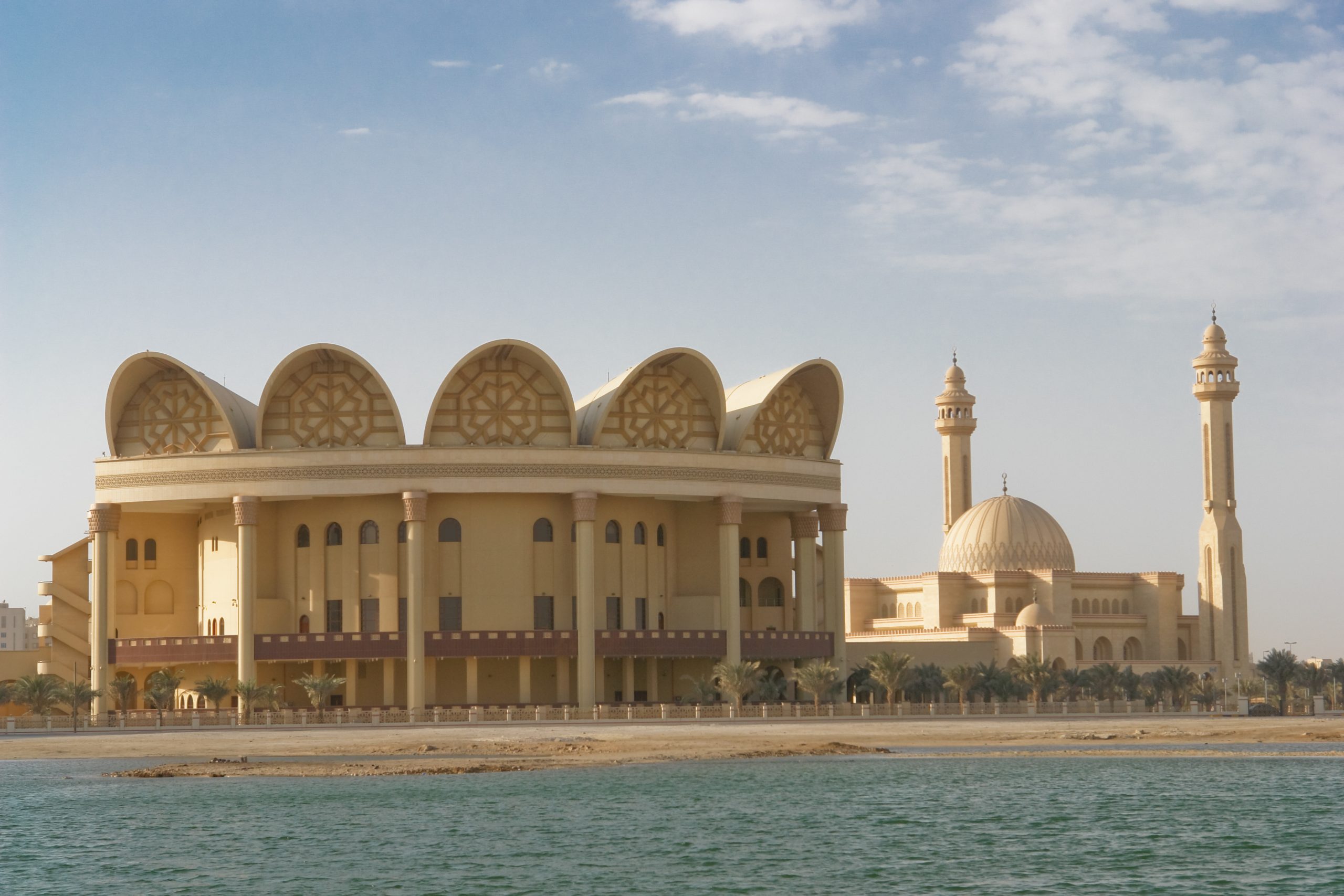
Sunday, 21 June — King Hamad bin Isa Al Khalifa established the National Resilience Documentation Committee, which will be responsible for monitoring and documenting the Iranian attacks on Bahrain to strengthen institutional national memory and to document all forms of resilience and defence. It will be chaired by Abdulla bin Ahmed Al Khalifa, Minister of Transportation and Telecommunications and Chairman of the Board of Trustees of Derasat.
State of Kuwait

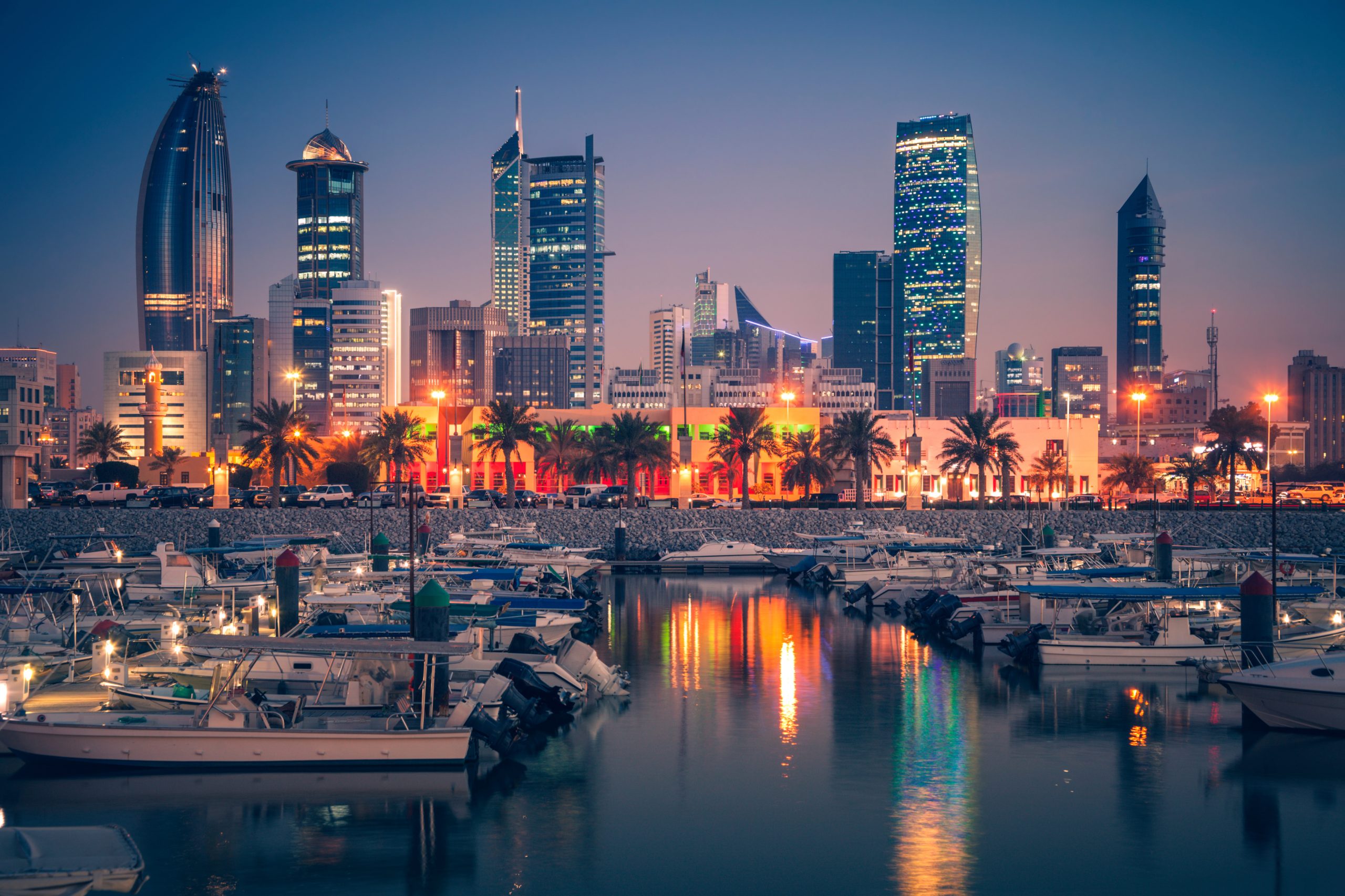
Friday, 19 June — Following the reopening of the Strait of Hormuz, Kuwait is accelerating its efforts to restore oil production, planning to raise output to more than 2 million barrels per day within a week. According to Kuwait Petroleum Corporation (KPC), repairs have enabled a faster recovery, and the country is working towards returning to pre-disruption production levels within weeks as shipping operations normalise.
Sultanate of Oman

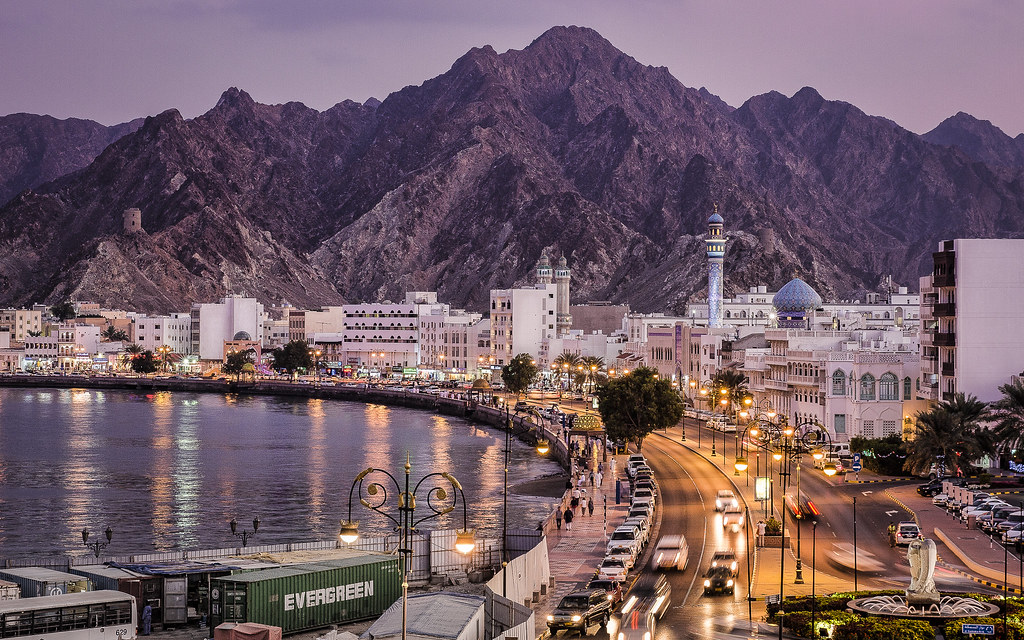
Tuesday, 23 June — Oman is implementing significant reforms to its residency laws to attract foreign investors and property buyers. The reforms simplify the procedures to obtain the “Owner Visa” allowing foreign owners of residential units and authorised representatives of property-owning companies to secure residency without sponsorship requirements. Additionally, the amendments broaden the categories of individuals eligible to sponsor family members.
State of Qatar

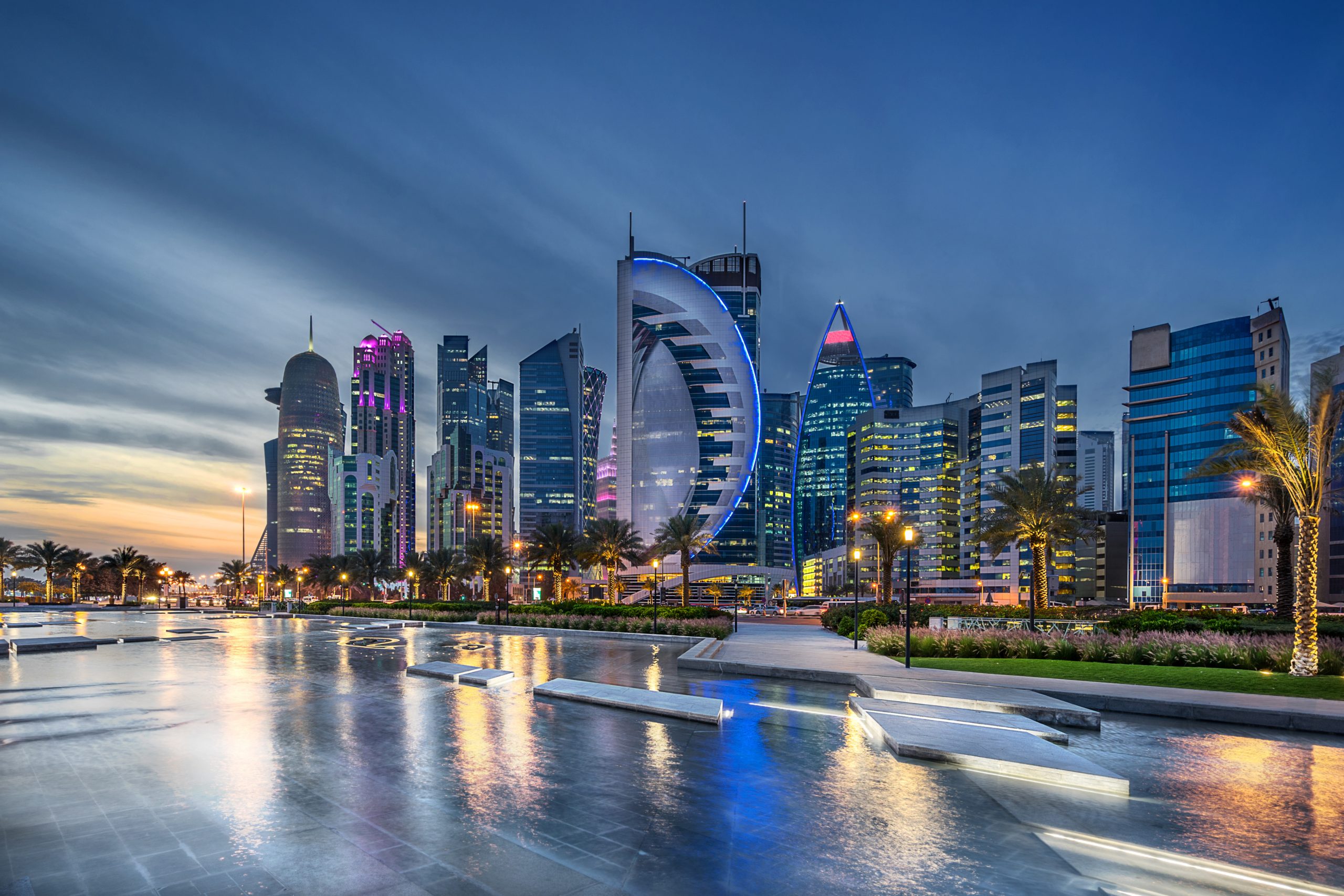
Sunday, 21 June — An explosion at the Barzan gas supply facility in the Ras Laffan Industrial City killed at least 13 people and injured 66 others. The Qatari authorities stated that it was a technical accident and that there was no leak or threat to public safety. The facility, which supplies gas to domestic industries and power generation plants, is part of Qatar’s main liquefied natural gas production and export hub.
Kingdom of Saudi Arabia

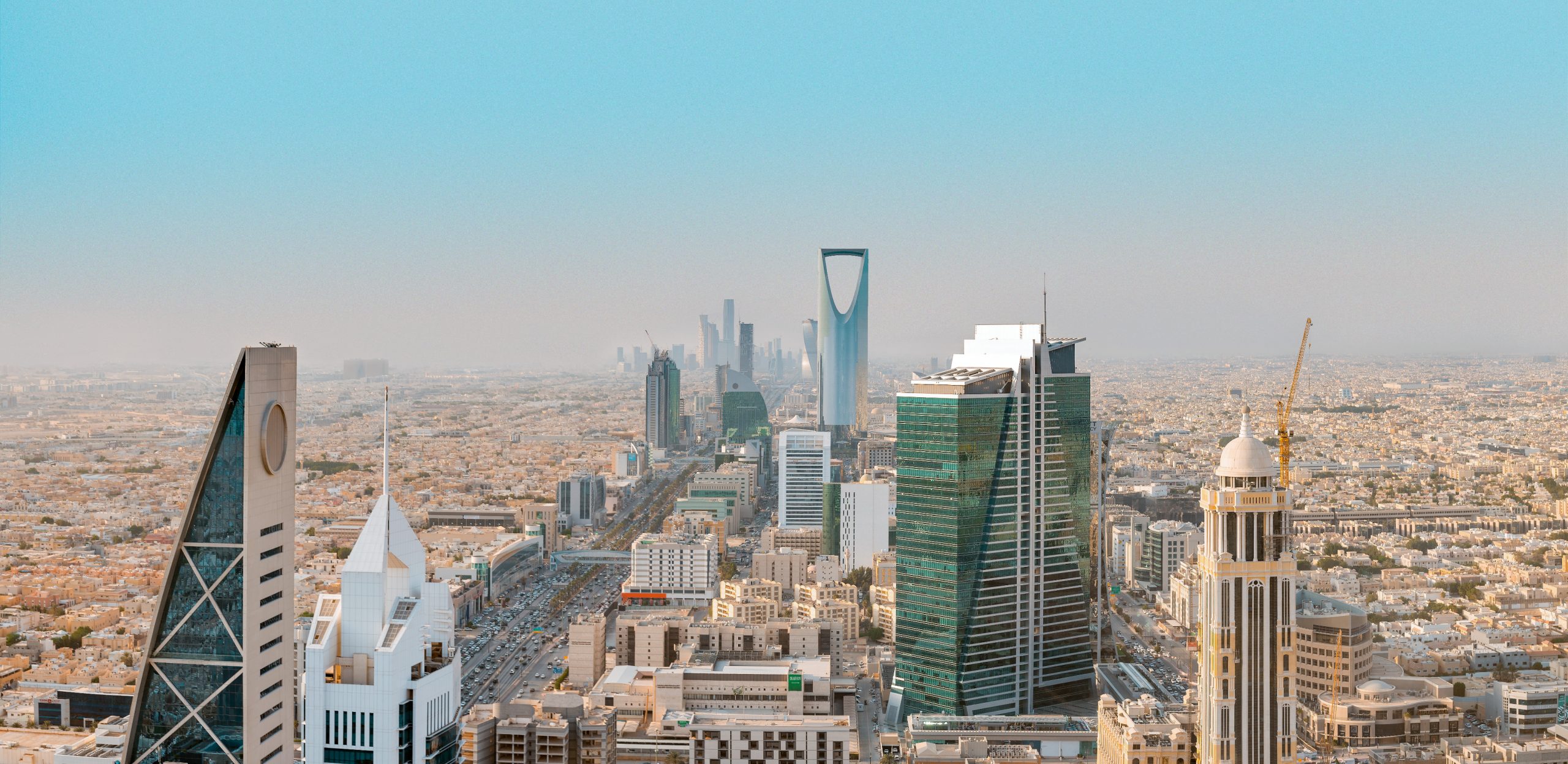
Saturday, 20 June — Following a 5-year ban due to widespread smuggling activities, trade has restarted between Saudi Arabia and Lebanon, with the first shipment of goods leaving Beirut for Jeddah this week. The Kingdom has recently lifted the ban following the introduction of stringent measures by the Lebanese government, underscoring Saudi Arabia’s commitment to Lebanon’s stability and economic development.
United Arab Emirates

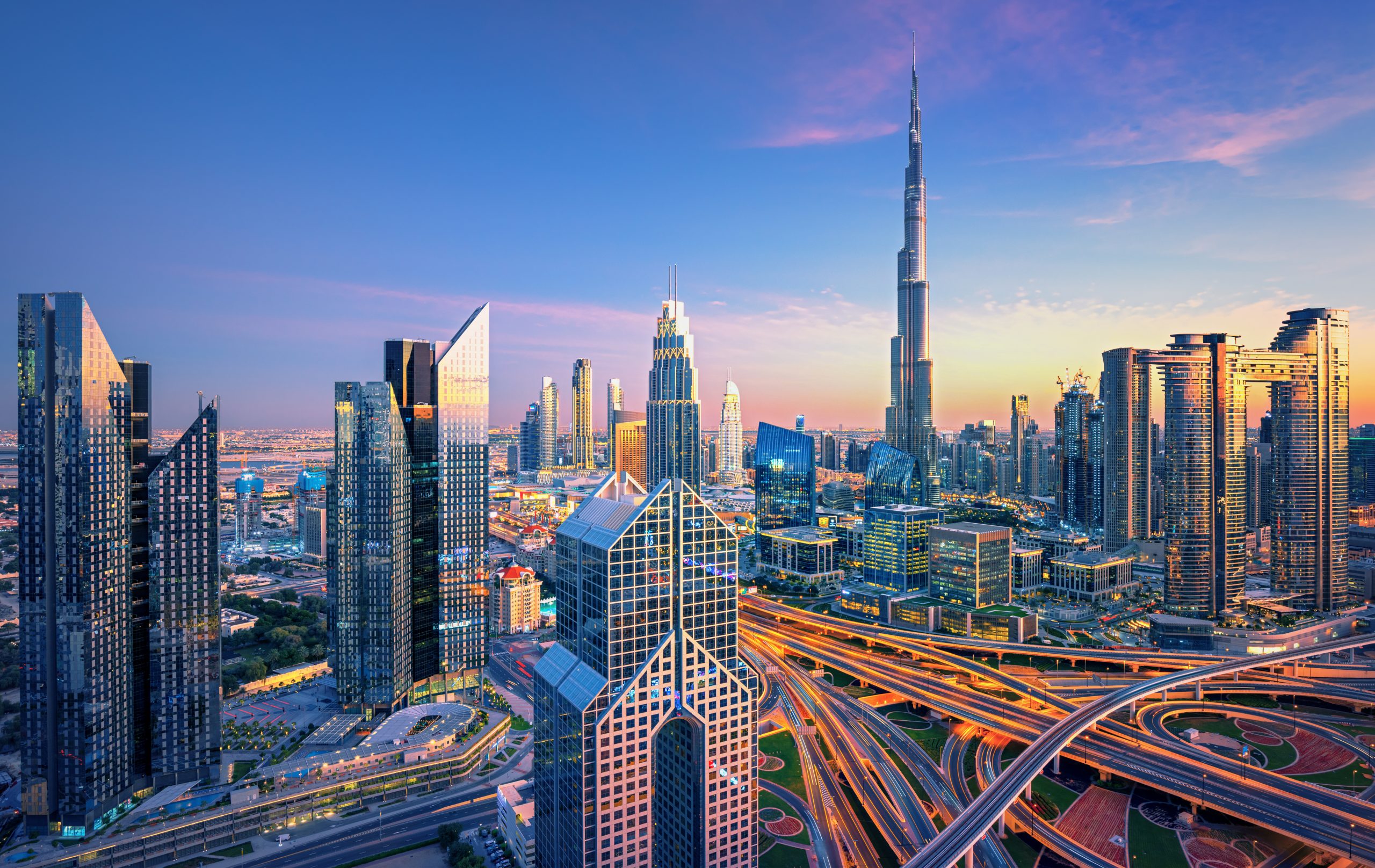
Thursday, 18 June — The UAE has introduced a new resolution regulating children’s access to social media platforms, setting the minimum age for creating, using and operating personal accounts on social media platforms at 15 years old. Children between the ages of 15 and 16 are permitted to use such platforms with enhanced protective measures, such as content classification and restriction, and regulation of usage time and duration.
EU Corner
Wednesday, 17 June — The G7 and EU leaders welcomed a US–Iran agreement as a historic opportunity to prevent Iran from acquiring nuclear weapons and address regional threats. They supported further diplomacy involving partners, restoring safe navigation through the Strait of Hormuz, and measures to strengthen supply chain and energy security. The leaders also called for Hezbollah’s disarmament, increased support for Gaza, and an end to violence in the West Bank.
Thursday, 18 June — The EU High Representative Kaja Kallas said that it was currently premature to discuss the lifting of Iranian sanctions. She said that the EU member states would discuss the issue if there was a nuclear deal.
Friday, 19 June — The European Council adopted conclusions on Iran, Gaza/West Bank and Lebanon, reiterating that Iran must never acquire a nuclear weapon and calling on Tehran to end its destabilising regional activities and ballistic missile programme. The EU countries pledged closer cooperation to counter threats linked to Iranian intelligence operations and reduce reliance on the Strait of Hormuz while preparing for possible migratory pressures.
Monday, 22 June — Envoy of the UAE’s Foreign Minister for Countering Extremism and Terrorism Maqsoud Kruse visited Brussels for high-level meetings with NATO and EU officials, including NATO Special Coordinator for Counter-Terrorism Christian Buck and Special Representative for the Southern Neighbourhood Javier Colomina. Discussions focused on counter-terrorism, terrorist financing, emerging technologies, hate speech, and prevention strategies.
Key Official Visits & Contacts
Tuesday, 17 June — The Future Investment Initiative (FII) Priority Europe Summit in Rome, organised by Saudi Arabia’s Public Investment Fund (PIF), brought together senior political and business leaders, including Italy’s Prime Minister Giorgia Meloni, Albania’s Prime Minister Edi Rama, Saudi Finance Minister Mohammed Al-Jadaan and PIF Governor Yasir Al-Rumayyan. Discussions focused on Europe’s competitiveness, resilience and strategic autonomy, alongside Saudi investment opportunities, energy security and infrastructure development.
Tuesday, 17 June — Saudi Arabia’s Foreign Minister Faisal bin Farhan Al Saud visited Vienna, Austria, where he met with Austrian Chancellor Christian Stocker, Foreign Minister Beate Meinl-Reisinger and President of the Austrian National Council Walter Rosenkranz. Apart from reviewing bilateral relations, the separate meetings also focused on enhancing cooperation in various sectors, such as energy, renewable energy, and logistics services.
Tuesday, 17 June — UAE’s President Mohammed bin Zayed Al Nayhan held a series of high-level talks on the sidelines of the G7 Summit in France, including with Indian Prime Minister Narendra Modi on technology and AI, and with Canadian Prime Minister Mark Carney on expanding cooperation in the fields of economy, investment, energy, technology and AI. During his meeting with Italian Prime Minister Giorgia Meloni, Mohammed bin Zayed discussed ways to bolster ties under the bilateral strategic partnership, while his talks with German President Friedrich Merz focused on deepening collaboration in development-related sectors.
Wednesday, 18 June — Oman’s Minister of Economy Khamis bin Saif Al Jabri met with Uzbek President Shavkat Mirziyoyev on the sidelines of the Tashkent International Investment Forum. The discussions focused on strengthening bilateral cooperation in transportation, logistics, geology, e-commerce and digital infrastructure. The two sides also praised the successful implementation of several projects through the Uzbek-Oman Investment Company.
Sunday, 21 June — Saudi Foreign Minister Faisal bin Farhan Al Saud participated in the 4th R4 (Regional Four) Ministerial Meeting in Cairo alongside Pakistan’s Deputy Prime Minister and Foreign Minister Ishaq Dar, Egypt’s Foreign Minister Badr Abdelatty, and Türkiye’s Foreign Minister Hakan Fidan to discuss Pakistan’s mediation efforts and the signing of the US-Iran Memorandum of Understanding, as well as the Israeli military escalation in Lebanon.
Monday, 22 June — Senior officials from the US and Iran, led by Vice President JD Vance and Speaker of Parliament Mohammad Bagher Ghalibaf, met in Buergenstock, Switzerland, for the first round of high-level talks, mediated by Qatar and Pakistan. The talks focused on establishing a roadmap toward a final agreement within 60 days, ensuring safe passage through the Strait of Hormuz and addressing Iran’s nuclear programme. The US also announced a 60-day waiver allowing Iran to sell its oil and petrochemical products.
Monday, 22 June — US Secretary of State Marco Rubio began a three-day visit to Bahrain, Kuwait and the UAE, during which he will discuss the preliminary agreement with Iran and address the Gulf allies’ concerns regarding some provisions in the agreement, including a proposed reconstruction fund for Iran and the absence of measures addressing Iran’s ballistic missile programme.
Tuesday, 23 June — Oman’s Sultan Haitham bin Tarik Al Said met with Iranian Minister of Foreign Affairs Abbas Araghchi and the Speaker of the Iranian Parliament Mohammad Baqer Qalibaf to discuss the ongoing mediation talks between the United States and Iran. Additionally, the Sultan expressed support for the diplomatic efforts, while stressing the importance of restoring safe navigation through the Strait of Hormuz.
The Week Ahead
25 June — EU Environment Ministers will meet in Luxembourg to discuss proposed changes to CO₂ emission standards for cars and vans, biodiversity’s role in supporting economic competitiveness, and progress on the EU’s water resilience strategy and chemicals regulation (REACH).
25-26 June — The Cypriot Presidency of the EU Council will host the Conference on Interfaith Dialogue and Religious Tolerance in Lefkosia.
26 June — EU Energy Ministers will meet in Luxembourg as part of the Transport, Telecommunications and Energy (TTE) Council to discuss key energy policy priorities, including strengthening Europe’s energy security, improving cross-border energy infrastructure and interconnections, and advancing the clean energy transition.