


5 Top Points
- The 45th GCC Summit was held in Kuwait.
- The French President arrived in Saudi Arabia for a three-day state visit.
- Qatar’s Emir met with Hungary’s Prime Minister in Budapest.
- The 8th EU-GCC Business Forum was held in Doha.
- GCC officials held phone calls with regional counterparts regarding the situation in Syria.
‘Round and About the Gulf
Kingdom of Bahrain

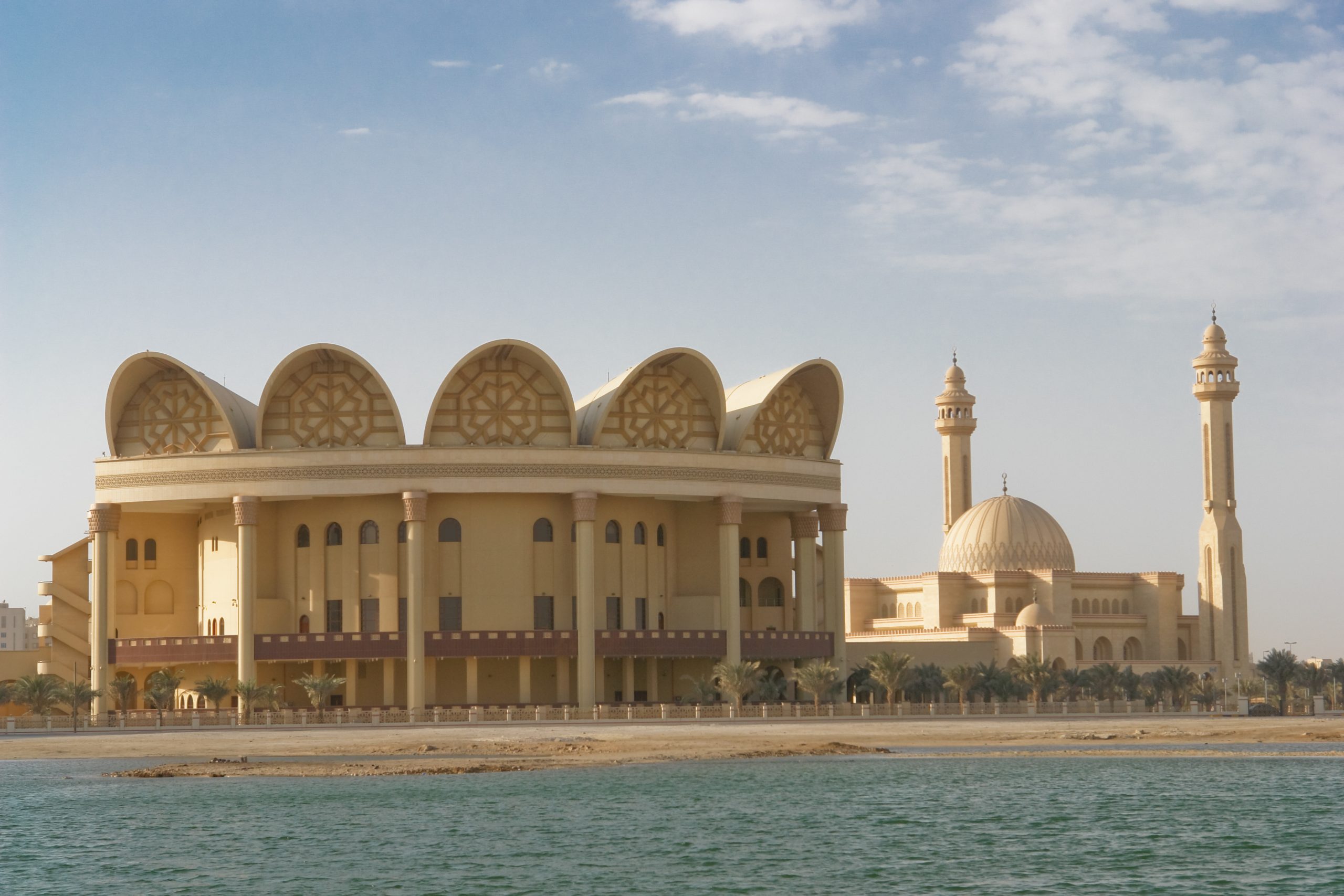
Sunday, 1 December—As outlined in Decree Law 11 of 2024, the Kingdom of Bahrain announced a Domestic Minimum Top-up Tax (DMTT) for Multinational Enterprises (MNEs) which is in alignment with the Organisation for Economic Co-operation and Development (OECD) guidelines. This initiative requires MNEs that are operating in the Kingdom and have surpassed global revenue of EUR 705 million (USD 780 million) to pay a minimum 15% tax on profits made in Bahrain. This initiative will enter into effect 1 January 2025.
Sunday, 1 December—The Labour Fund, Tamkeen, in partnership with HEC Paris, announced the launch of the “Accelerating Women’s Leadership Programme”. The programme aims to empower Bahraini women to take on leadership positions in the private sector through training and skills workshops and is set to launch in February 2025. This announcement coincides with the Bahraini Women’s Day which is held under the theme “Women Worthy in Nation Building”.
State of Kuwait

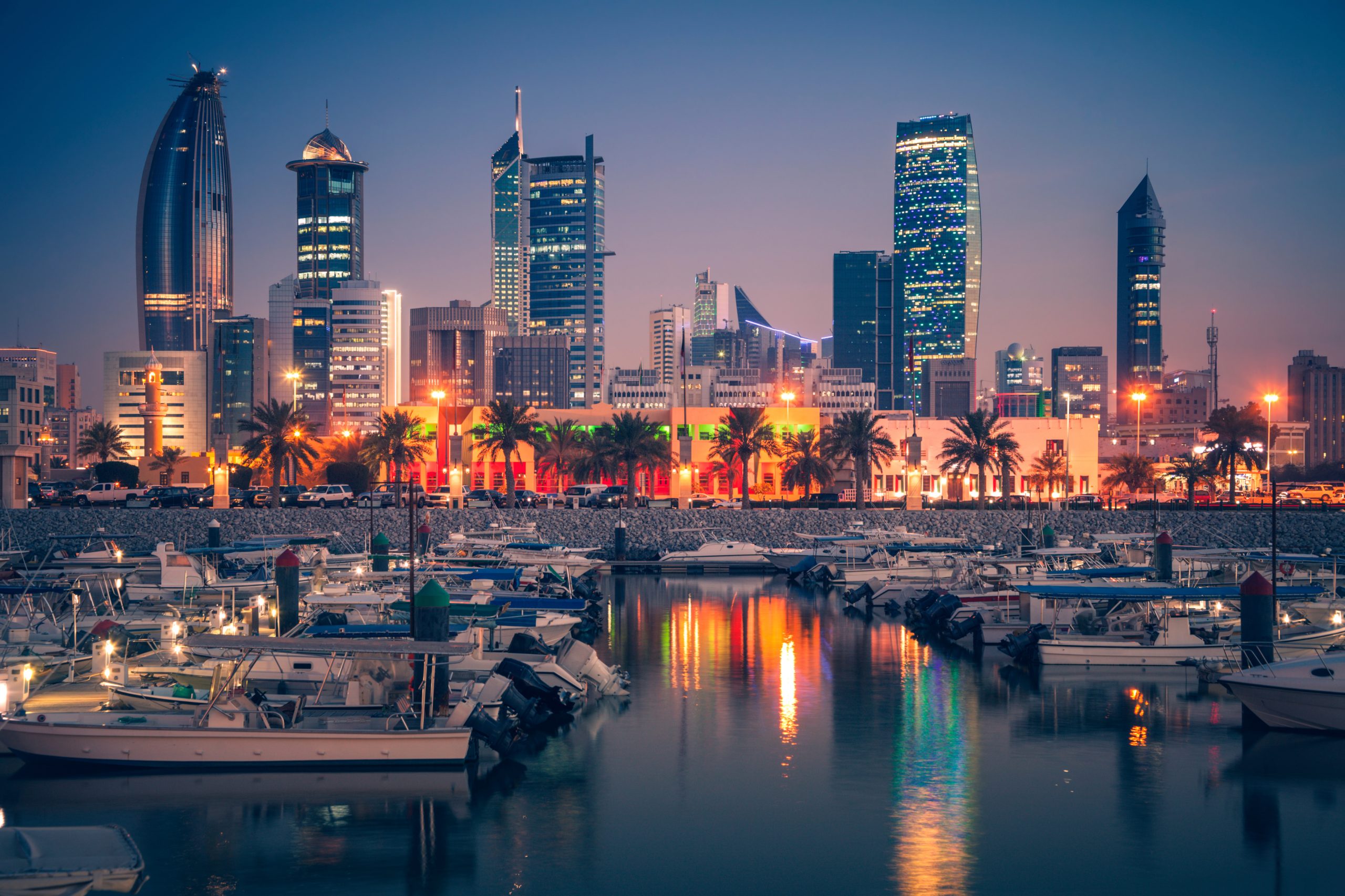
Thursday, 28 November—Decree 114/2024 concerning the residency of foreigners replaced decree 17/1959, introducing the following: individuals must have valid passports or documents to enter and leave Kuwait; Kuwaiti residents must submit a newborn’s passport to obtain residency papers; foreigners must obtain residency permits; penalties for residency trafficking; empowerment of the Interior Ministry to issue deportation orders; and jurisdiction for public prosecutors to prosecute residency-related crimes. The old decree (17/1959) will remain in effect until the Minister of Interior issues the new regulation within six months of the new decree enactment.
Sultanate of Oman

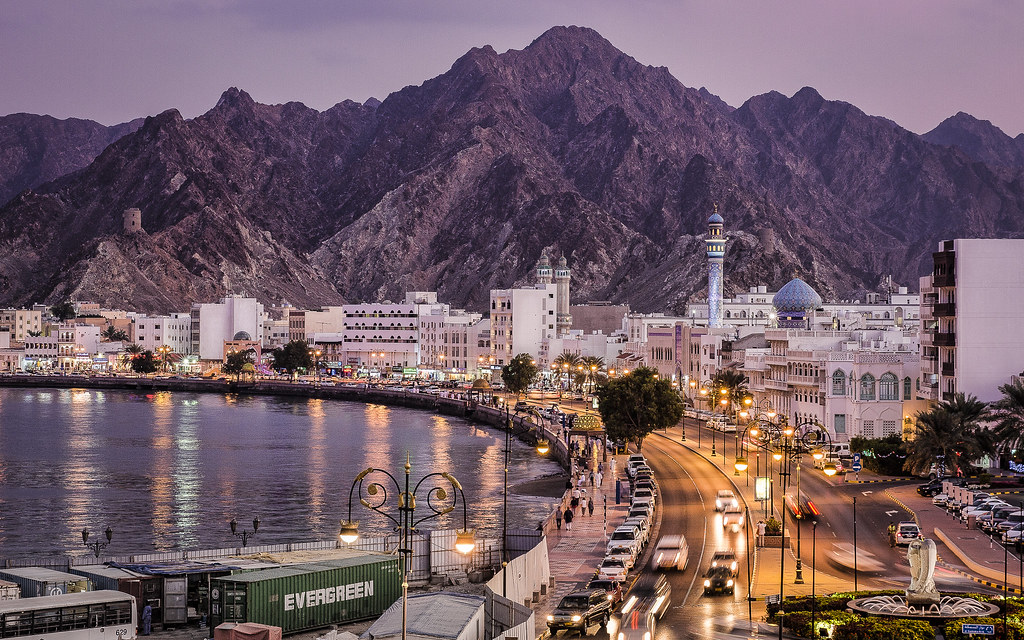
Thursday, 28 November—The Minister of Energy and Minerals, Salim Nasser Al-Aufi, signed a mining and exploration agreement with Al-Tamman Indsil FerroChrome Company in concession zone No 22-D, located in the Ash Sharqiyah North Governorate. This agreement includes a comprehensive two-year exploration of the 790 square kilometres concession zone that contains indicators of copper and chromium.
State of Qatar

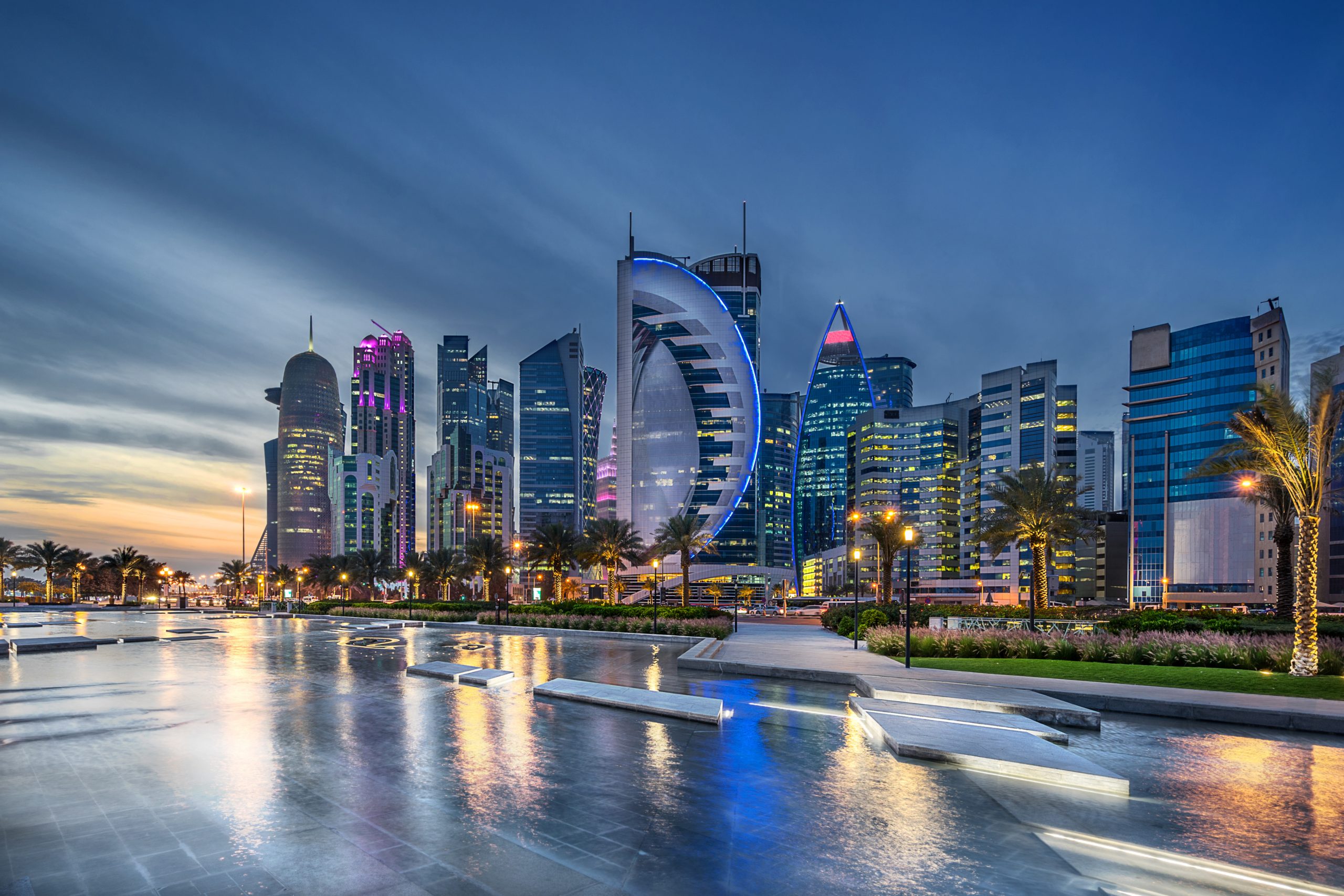
Tuesday, 26 November—The construction of the Mesaieed blue ammonia plant commenced as a result of an agreement signed between QatarEnergy Renewable Solutions and Qatar Fertilizer Company (QAFCO) in 2022. The plant, which is set to be finished in 2026, will be the largest of its kind in the world, with a capacity to produce 1.3 million tonnes of blue ammonia annually. The plant will be part of a new production complex that will propel Qatar to become the world’s largest producer of low-carbon fertiliser urea, reaching 12.4 million tonnes per annum.
Monday, 2 December—QatarEnergy and Shell entered into a long-term agreement to supply China with 3 million tonnes of liquid natural gas (LNG) per annum. The deliveries to China will commence on 1 January 2025.
Kingdom of Saudi Arabia.

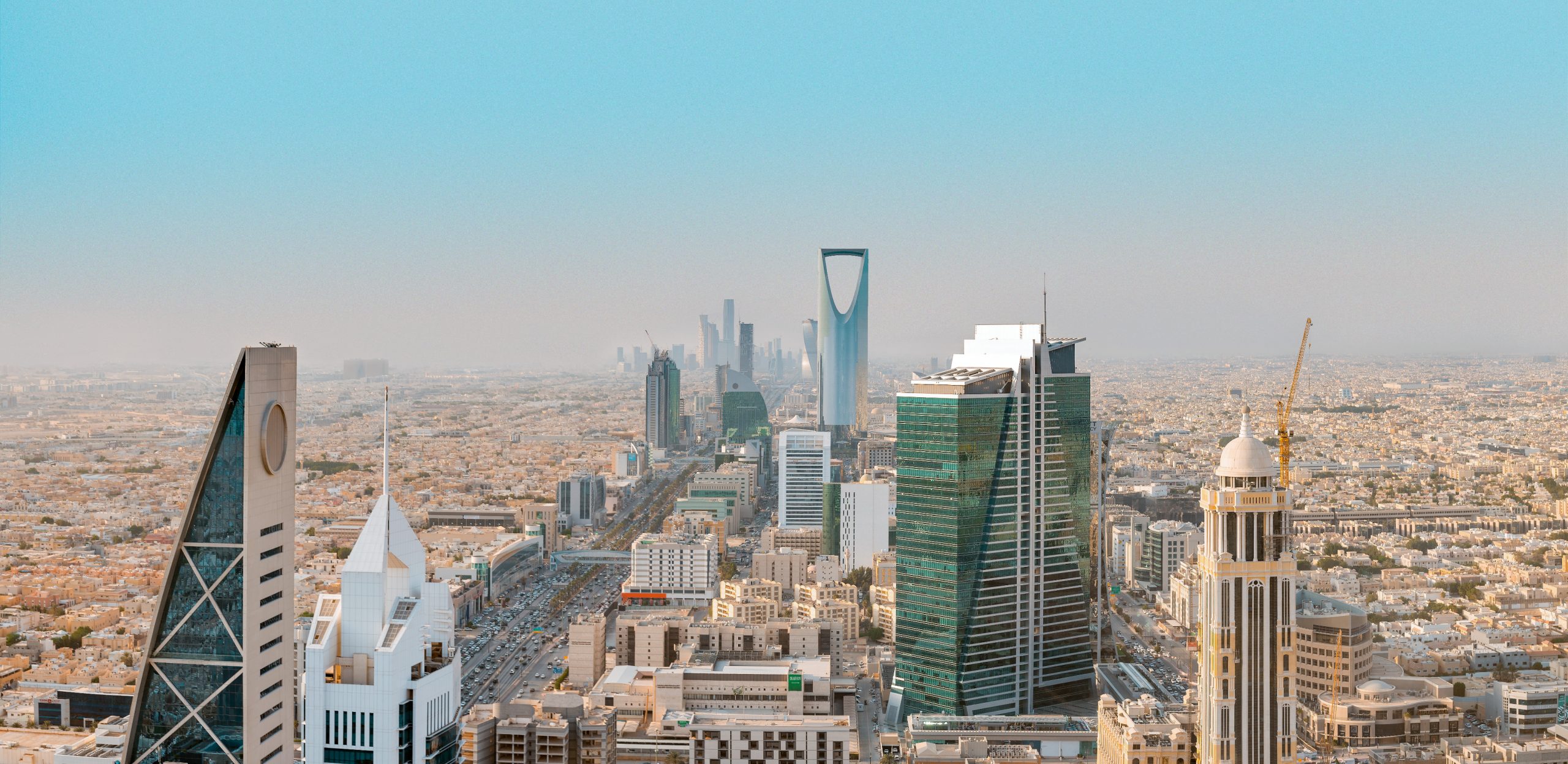
Tuesday, 26 November—Saudi Arabia’s Crown Prince and Prime Minister, Mohammed bin Salman bin Abdulaziz Al-Saud, approved the Kingdom’s budget for 2025. The budget projects revenues of SAR 1.184 trillion (€300 billion) and expenditures of SAR 1.285 trillion (€325 billion). The real GDP growth rate is estimated to be 4.6%. The Crown Prince also highlighted the economic developments in 2024, where the unemployment rate fell to 7.1%, women’s participation in the labour market reached 35.4%, and net foreign investment inflows totalled SAR 21.2 billion (€5.4 billion) in the first half of the year.
United Arab Emirates

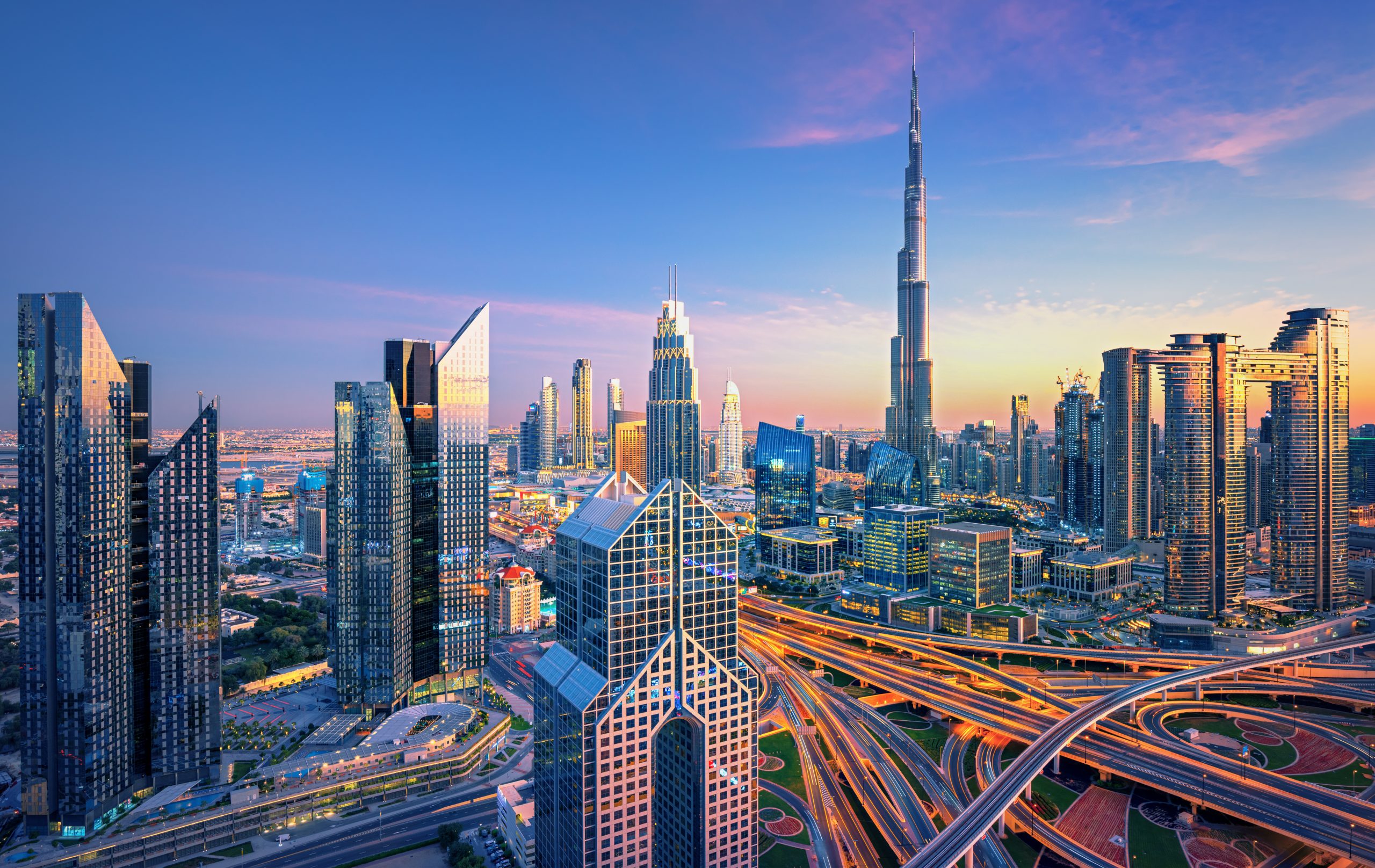
Thursday, 28 November—The Abu Dhabi Future Energy Company (Masdar) announced its successful acquisition of 70% shares in the Greek renewable energy company TERNA Energy. The deal, which values Terna Energy at €3.2 billion, is the largest ever energy transaction on the Athens Stock Exchange. Terna Energy owns and operates assets with a capacity of 1.2 GWh across wind, solar, biomass, and hydro energy, making it Greece’s renewable energy leader.
EU Corner
Tuesday, 26 November—In cooperation with Oman’s Ministry of Commerce, Industry and Investment Promotion, the Oman Manufacturers Association organised a conference with the EU, titled “Invest Oman.” The conference aimed to strengthen Omani companies entering the EU markets to enhance trade relations between Oman and the EU.
Tuesday, 26 November—Hosted by the Directorate-General for Neighbourhood and Enlargement Negotiations of the EU Commission, the 20th Meeting of the Core Donor’s Group in response to the Syrian Crisis, met to discuss the escalation in Syria. In attendance were Kuwait’s Ambassador to Belgium and Head of Mission to the EU and NATO, Nawaf Alenezei, and the Ambassador of Qatar to EU and NATO, Abdulaziz bin Ahmed Al-Malki, among Gulf representatives.
Wednesday, 27 November—Saudi Arabia’s Shura Council Vice Speaker, Mishaal Al-Sulami, met with the Chair of the EU Political and Security Committee, Delphine Pronk, and her accompanying delegation, including 27 Ambassadors from the EU member states, the Special Representative for the Gulf, Luigi Di Maio, and the EU Ambassador to Saudi Arabia, Christophe Farnaud. Both parties discussed strengthening the collaboration between the Shura Council and the EU Parliament.
Thursday, 28 November—The EU and Belgium’s Ministry of Foreign Affairs hosted the second meeting of the Global Alliance for the Implementation of the Two-State Solution in Brussels. The Chief of Arab and African Affairs of Bahrain’s Ministry of Foreign Affairs, Ahmed Mohammed Al-Tarifi, participated in the meeting. This meeting follows the first meeting of the Global Alliance for the Implementation of the Two State Solution, held in Riyadh on 30-31 October 2024.
Thursday, 28 November—The 8th EU-GCC Business Forum was held in Doha, bringing together policymakers, business leaders, and industry experts under the theme “Strengthening EU-GCC Connectivity for a Sustainable Future”. The Forum focused on diversifying GCC markets through encouraging investment in renewable energy and financial services in the EU and touched upon the issue of an EU-GCC Free Trade Agreement. In attendance were Qatar’s Minister of State for Foreign Trade Affairs at the Ministry of Commerce and Industry, Ahmad Al-Sayed, the EU Special Representative for the Gulf region, Luigi Di Maio, the Head of Negotiations and Strategic Dialogue Affairs at the GCC Secretariat, Hamad Al-Mulla, and the EU Ambassador to Qatar, Cristian Tudor, among other officials.
Key Official Visits & Contacts
Tuesday, 26 November—On the sidelines of the G7 Foreign Ministers’ Meeting in Fiuggi, Italy, Saudi Arabia’s Minister of Foreign Affairs, Faisal bin Farhan Al-Saud, met separately with Italy’s Deputy Prime Minister and Minister of Foreign Affairs, Antonio Tajani, and Canada’s Minister of Foreign Affairs, Melanie Joly. Both meetings concerned strengthening cooperation across various sectors as well as reviewing regional and international developments.
Tuesday, 26 November—UAE’s Minister of State for International Cooperation, Reem Al-Hashimy, participated in the 2024 MED Rome Dialogue under the theme, “Navigating Change: Cooperation for a Resilient Mediterranean”. This dialogue brought together international partners and policymakers to address security, climate change, economic development, and migration. The UAE’s Minister addressed the need for the delivery of humanitarian aid in Gaza and Lebanon, as well as an immediate ceasefire.
Thursday, 26 November—The UAE’s Deputy Prime Minister and Minister of Foreign Affairs, Abdullah bin Zayed Al-Nahyan, held a phone call with the US Secretary of State, Antony Blinken, to review the political and diplomatic efforts in reaching a ceasefire in Lebanon and the Gaza strip, along with the humanitarian implication and response in Sudan.
Thursday, 28 November—The Director General of the Mohammed bin Mubarak Al-Khalifa Academy for Diplomatic Studies in Bahrain, Muneera bint Khalifa, signed a Memorandum of Understanding with the Director of the Bulgarian Diplomatic Institute, Tania Mihaylova, which aims to enhance diplomatic training cooperation.
Thursday, 28 November—Türkiye’s President, Recep Tayyip Erdogan, received Oman’s Sultan, Haitham bin Tariq Al-Said, in Ankara. They discussed bilateral relations and peace efforts in the region, especially in Yemen, Gaza, and Lebanon. The two leaders also committed themselves to increase the value of the trade between their countries to $5 billion, (€475 billion) with Omani liquid natural gas (LNG) deliveries to Türkiye set to begin in July 2025. The The Turkish army pension fund Oyak and the Oman investment authority (OIA) agreed to set up a joint venture worth around €475 million.
Thursday, 28 November—Qatar’s Prime Minister and Minister of Foreign Affairs, Mohammed bin Abdulrahman Al-Thani, met with Hungary’s Prime Minister, Viktor Orban, in Budapest to discuss ways to enhance cooperation in various areas, including economy, tourism, culture, agriculture, energy, technology, and the development of the Budapest Airport. They also discussed regional developments and collaboration within international organisations.
Thursday, 28 November—The UAE’s Minister of Justice, Abdullah bin Sultan bin Awad Al-Nuaimi, signed two bilateral agreements with Sweden’s Minister for Justice, Gunnar Strommer, on mutual legal assistance on criminal matters and extradition. These agreements aim to strengthen mutual law enforcement and combat organised crime.
Friday, 29 November—The UAE joined the Eurasian Group on Combating Money Laundering and Terrorist Financing (EAG) as an observer, as the first country in the Gulf region. The nine members of the EAG include Belarus, China, India, Kazakhstan, Kyrgyz Republic, Russia, Tajikistan, Turkmenistan, and Uzbekistan.
Friday, 29 November—Syria’s Foreign Minister, Bassam Sabbagh, held separate phone calls with his Saudi Arabian and Bahraini counterparts, Faisal bin Farhan Al-Saud and Abdullatif bin Rashid Al-Zayani, to discuss recent developments in Syria with Al-Zayani affirming Bahrain’s commitment to Syria’s stability and territorial integrity. The next day, the latest developments in Syria were discussed over the phone by Syria’s President, Bashar Al-Assad, and the UAE’s President, Mohammed bin Zayed Al-Nahyan. The latter expressed solidarity with Syria and support for combating terrorism and extremism.
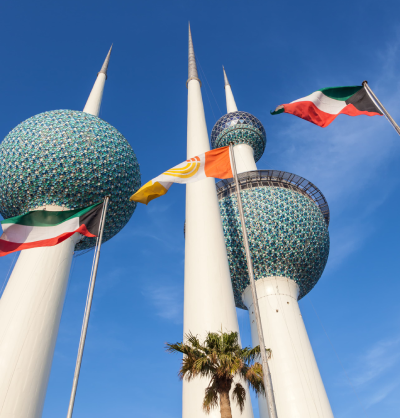
Sunday, 1 December—The 45th GCC Summit was held in Kuwait and chaired by Kuwait’s Emir and President of the Supreme Council, Mishal Al-Ahmad Al-Jaber Al-Sabah. The GCC countries’ heads of state and the GCC Secretary General, Jasem Mohamed Albudaiwi, participated to review the progress of the member states in key fields, including renewable energy, defence cooperation, food and water security, economic development, health, and joint action to promote peace and stability in the region. They also called for further progress in these areas and welcomed initiatives on anti-money laundering, anti-narcotics, digital transformation, and joint security services and traffic laws. Finally, they condemned Israel’s actions and called for a two-state solution.
Sunday, 1 December—The UAE’s Deputy Prime Minister and Minister of Foreign Affairs, Abduallah bin Zayed Al-Nayan, held separate phone calls with Iraq’s Deputy Prime Minister and Minister of Foreign Affairs, Fuad Hussein, Jordan’s Deputy Prime Minister and Minister of Foreign Affairs and Expatriates, Ayman Al-Safadi, and Egypt’s Minister of Foreign Affairs and Migration, Badr Abdel Ati. The discussions addressed regional security and stability, mainly the
current situation in Syria.
Monday, 2 December—Qatar’s Emir, Tamim bin Hamad Al-Thani, held a phone call with Iran’s President, Masoud Pezeshkian, to discuss bilateral relations and regional developments.
Monday, 2 December—France’s President, Emmanuel Macron, arrived for a three-day state visit to Saudi Arabia, to discuss ways to strengthen diplomatic ties between France and Saudi Arabia with Saudi Arabia’s Crown Prince and Prime Minister, Mohammed bin Salman Al-Saud. This comes as France supports Saudi Arabia’s bid to host Expo 2030, the 2034 World Cup, and the 2030 Winter Olympics.
Monday, 2 December—The Ministerial Conference to Enhance the Humanitarian Response in Gaza took place in Cairo, Egypt, with participation of 103 delegations, representing states, international organisations, and financial institutions, including Bahrain, Kuwait, Saudi Arabia, and Qatar. The conference aims to ensure uninterrupted delivery aid to the Gaza Strip and mitigate the humanitarian consequences of the ongoing conflict.
Monday, 2 December—Qatar’s Prime Minister and Minister of Foreign Affairs, Mohammed bin Abdulrahman bin Jassim Al-Thani, held a phone call with Türkiye’s Foreign Minister, Hakan Fidan, to discuss bilateral relations and recent developments in the Palestinian territories and Syria. The talks also touched on the next push for a ceasefire in Gaza, headed by the US, Egypt, Qatar, and Türkiye.