


5 Top Points
- EU designates Islamic Revolutionary Guard Corps as a terrorist organisation: EU foreign ministers agreed to list the IRGC as a terrorist organisation and adopted a fresh sanctions package targeting individuals and entities tied to repression and coercive state power.
- Qatar doubles down on tech diplomacy at Web Summit Qatar: At Web Summit Qatar, Doha used flagship convening power to signal ‘post-gas’ diversification, in which the government announced an expansion of the venture ‘Fund of Funds’ programme and introduced a new long term (10-year) residency pathway aimed at entrepreneurs and senior executives.
- Major LNG deal-making at LNG2026 boosts Asia-Europe energy security calculus: On the sidelines of LNG2026 in Doha, QatarEnergy signed a 27-year LNG supply agreement with JERA, underscoring Qatar’s strategy of locking in strategic Asian demand.
- UAE hosts global customs-tech summit in Abu Dhabi: The World Customs Organization (WCO) Technology Conference and Exhibition in Abu Dhabi put trade facilitation, border security and supply-chain resilience under the spotlight, with a strong emphasis on digital pathways and AI enabled customs.
- Germany-Saudi Arabia hydrogen corridor momentum: Germany’s EnBW signed an MoU with ACWA to develop an import pathway for ammonia, as a hydrogen carrier, into German projects, alongside wider German-Saudi energy cooperation steps during high-level talks in Riyadh.
‘Round and About the Gulf’
Kingdom of Bahrain

Sunday, 1 February – Bermuda’s Premier David Burt held a set of economic engagements in Bahrain, including meetings with Bahrain’s economic promotion institutions and financial authorities, spotlighting Bahrain’s positioning as a services and fintech-adjacent hub. Bahrain and Bermuda signed an MoU on maritime and air freight services, signalling niche-but-practical steps to expand logistics connectivity and services cooperation.
Monday, 2 February – Bahrain’s Autumn Fair 2026 concluded at Exhibition World Bahrain, reporting over 200,000 visitors during the event, useful as a quick barometer of domestic consumption and Bahrain’s growing events economy.
Tuesday, 3 February – Bahrain-Kuwait political coordination: Bahrain’s Crown Prince and Prime Minister Salman bin Hamad Al Khalifa met Kuwait’s top leadership during an official visit, reaffirming close GCC bilateral coordination at a moment of heightened regional uncertainty.
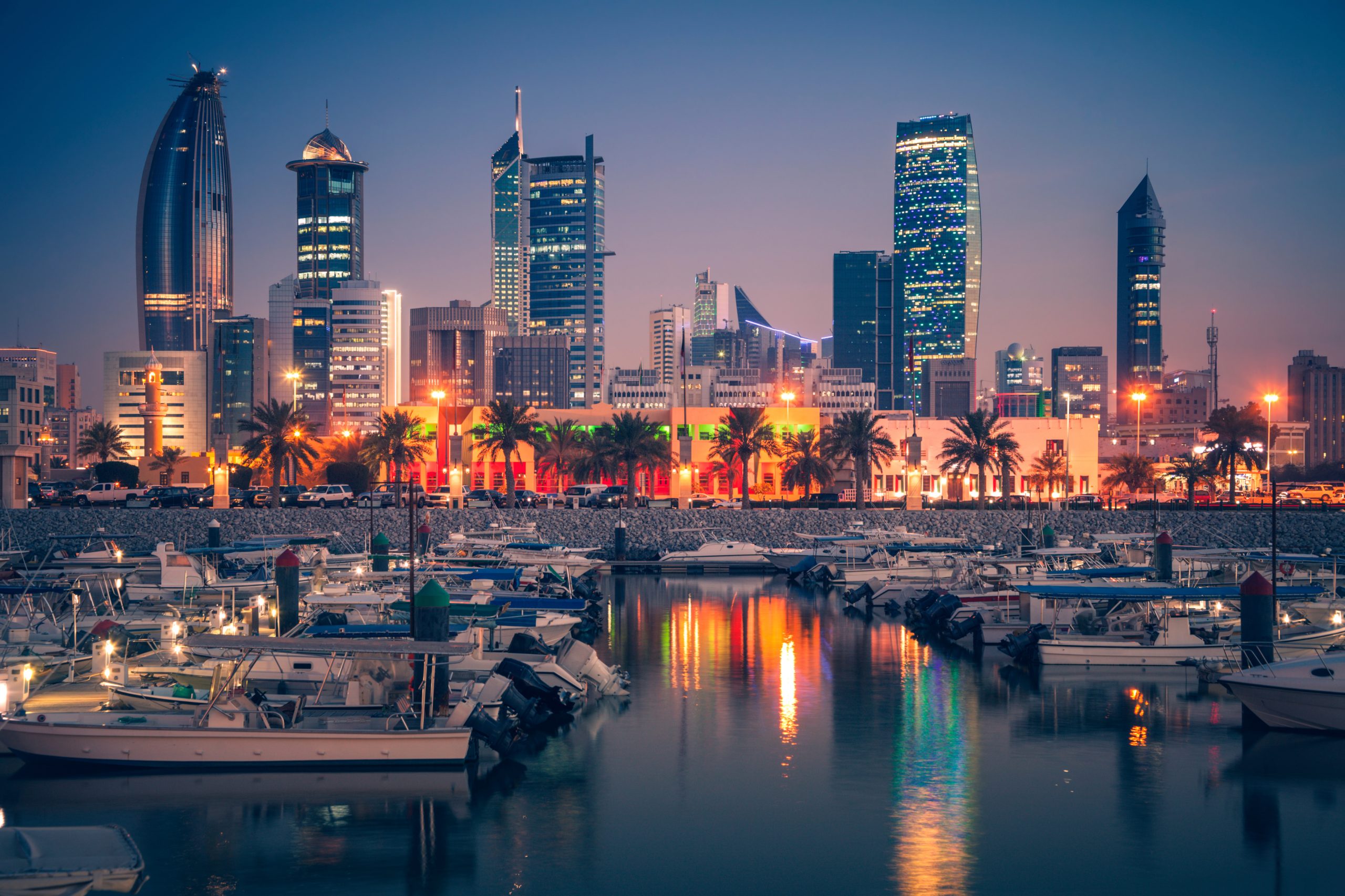
State of Kuwait

Wednesday, 28 January – Kuwait held its first political and security dialogue with NATO in Brussels, aligning with a broader Gulf trend of structured engagement with Euro-Atlantic security institutions, including maritime security, crisis response, and regional stability.
Friday, 30 January – Kuwait’s Ministry of Interior announced a test run of warning sirens, a public preparedness measure linked to civil defence readiness and emergency communications.
Sunday, 1 February – Kuwait issued a cabinet reshuffle decree, reflecting ongoing domestic governance adjustments as the country balances reform priorities and a challenging regional environment.
Sunday, 1 February – Kuwait used an official platform to underline the importance of Arab-Indian cooperation amid global challenges, signalling Kuwait’s continued interest in balancing Gulf-Asia economic ties alongside Euro-Atlantic engagement.
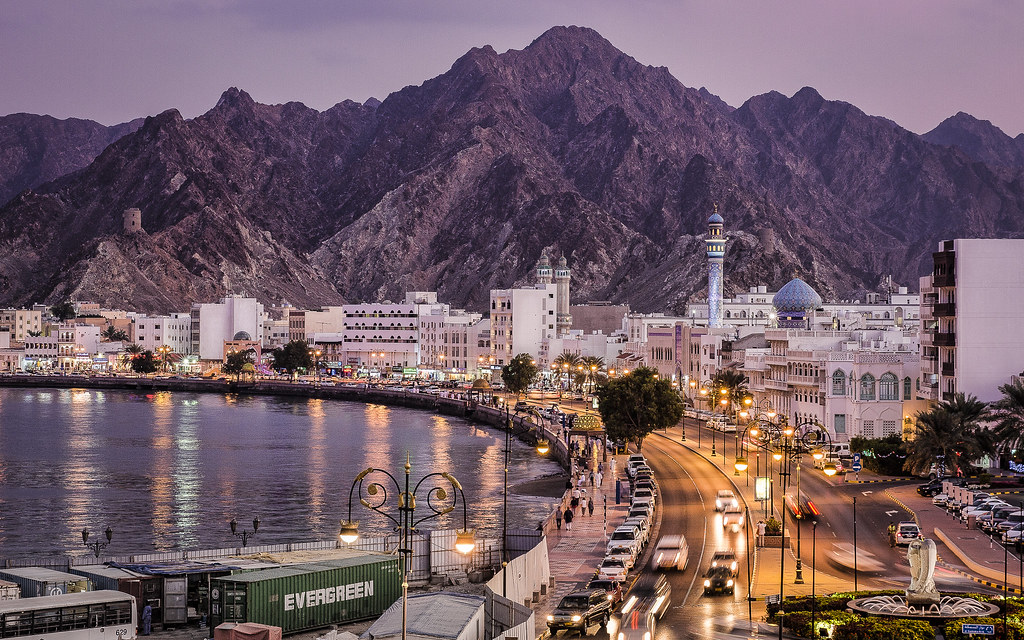
Sultanate of Oman

Saturday, 31 January – Oman Air launched nonstop flights between Muscat and Taif, adding another node to Oman-Saudi people-to-people and tourism links at a time when intra-GCC mobility is increasingly treated as an economic lever.
Sunday, 1 February – Oman participated in the Abu Dhabi Dialogue meeting, highlighting Muscat’s preference for quiet coalition-building and multilateral regional de-escalation platforms.
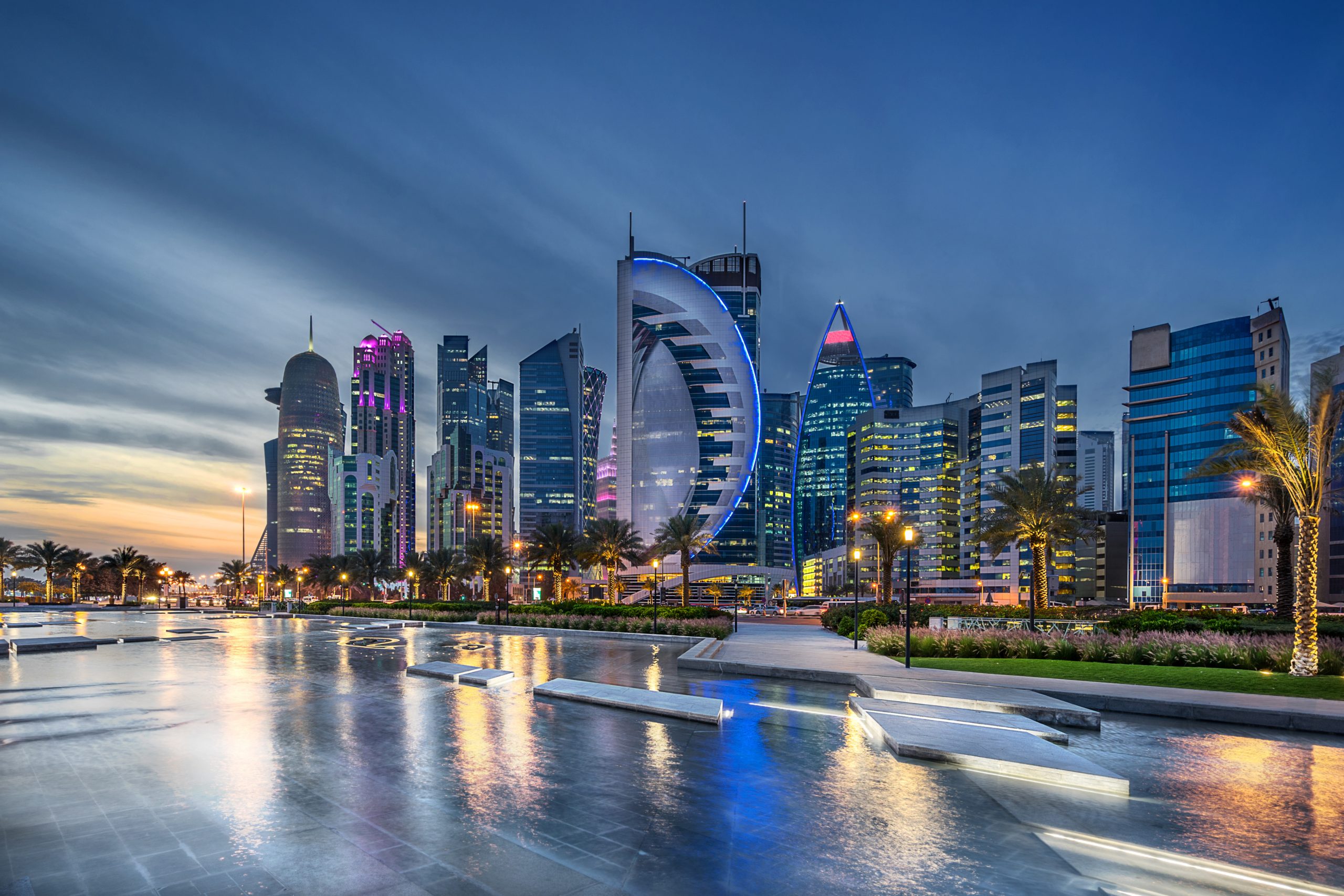
State of Qatar

Sunday, 1 February – Venture capital scaling: Qatar’s Prime Minister Mohammed bin Abdulrahman bin Jassim Al Thani announced a major expansion of the QIA-backed VC ‘Fund of Funds’ programme, explicitly framing it as a tool to deepen the start-up ecosystem and attract global funds.
Sunday, 2 February – Invest Qatar announced a strategic partnership with EnergyX to establish a global command centre in Qatar, reinforcing Doha’s pitch as an operational hub for high-growth tech firms.
Tuesday, 3 February – Qatar and Germany signed an agreement to launch a deep-technology innovation hub in Doha, reinforcing Qatar’s ‘innovation diplomacy’ narrative as it hosts major global tech and energy conferences back-to-back.
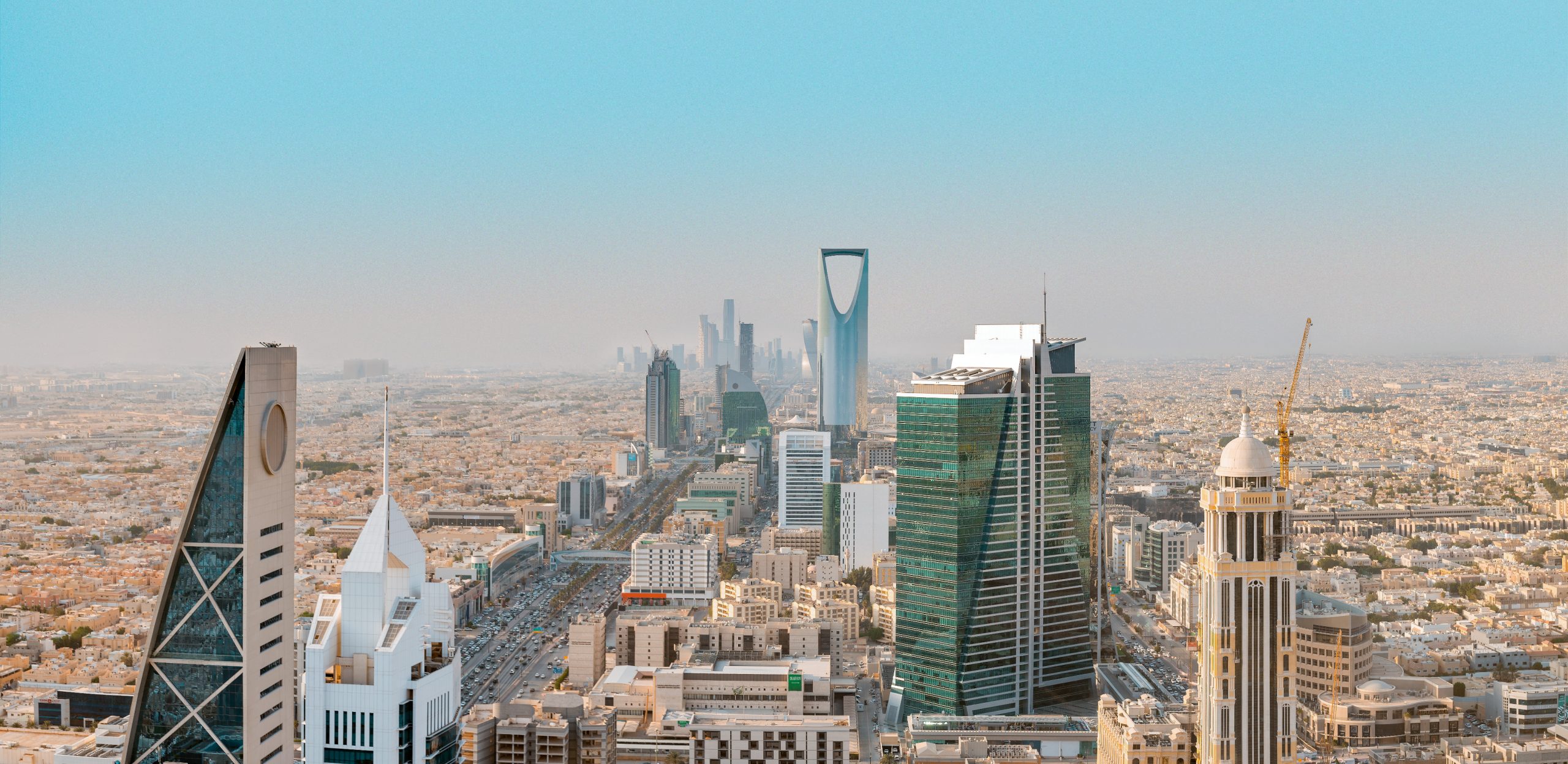
Kingdom of Saudi Arabia

Sunday-Tuesday, 1-3 February – Saudi-German engagement accelerated around hydrogen supply chains and ammonia import pathways into Europe, tying Vision 2030 industrial ambitions to EU decarbonisation demand.
Monday, 2 February – Saudi Arabia convened the Saudi Media Forum with a heavy focus on AI, digital transformation and next-generation media, soft-power programming that parallels Saudi Arabia’s broader push to become a global convening hub.
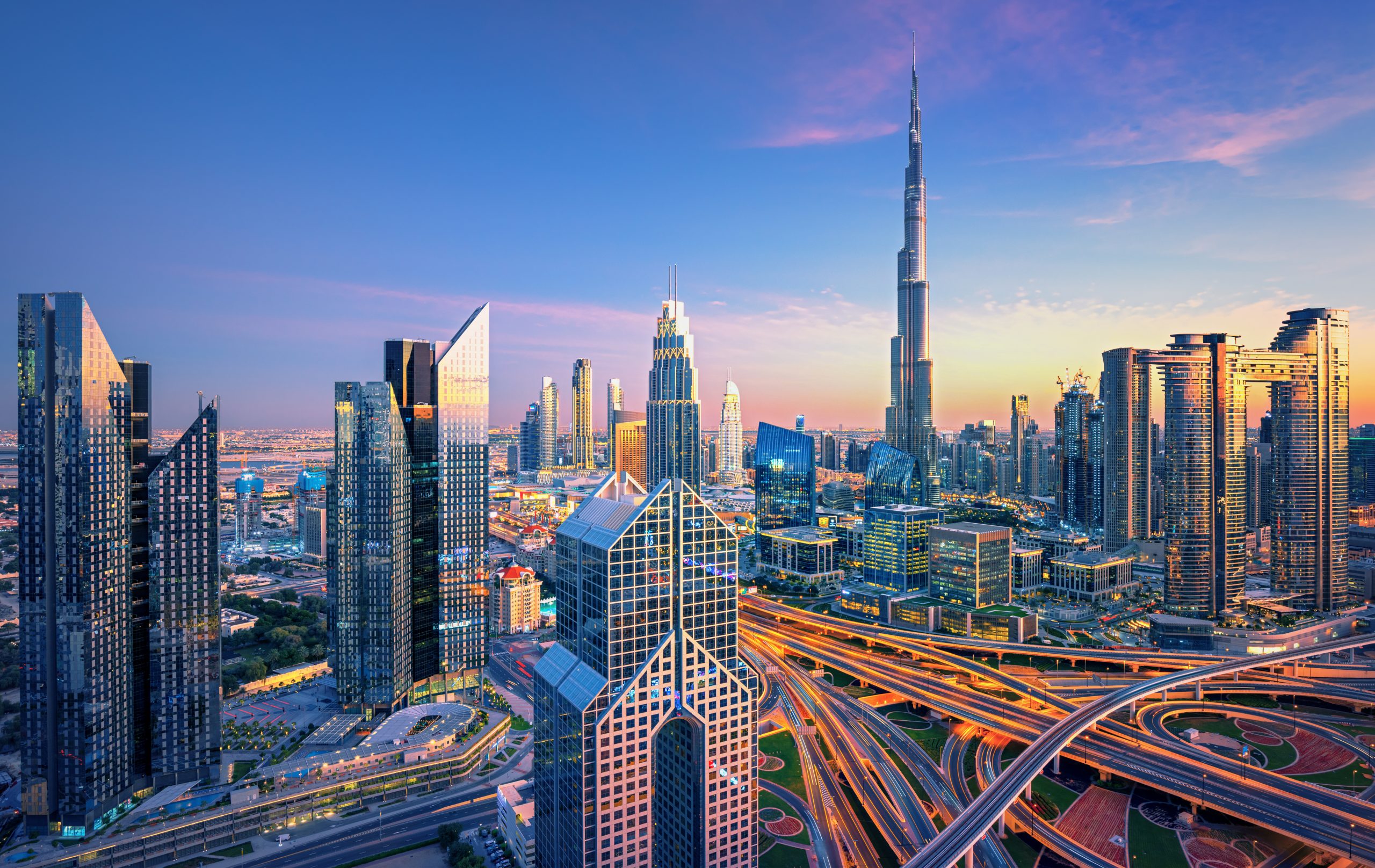
United Arab Emirates

Thursday, 29 January – The UAE hosted the WCO’s technology conference, showcasing customs and border-tech innovation, relevant for GCC trade facilitation, Europe-Gulf supply chains, and security screening at scale.
Friday, 30 January – The UAE President Mohamed bin Zayed Al Nahyan held a call with Iran’s President Masoud Pezeshkian focused on bilateral ties and regional stability, an example of Abu Dhabi’s calibrated ‘de-risking’ diplomacy even amid sharper EU sanctions signalling.
Monday, 2 February – UAE President Mohamed bin Zayed Al Nahyan and UAE Vice President, Prime Minister, and Ruler of Dubai Mohammed bin Rashid Al Maktoum welcomed international delegations to World Government Summit 2026, maintaining Dubai’s role as a major platform for governance, tech and policy diplomacy.
EU Corner
Wednesday, 29 January – The EU Council adopted new restrictive measures over serious human rights violations and Iran’s continued military support to Russia, adding further listings that will matter for Gulf-based firms’ due-diligence and compliance screening where EU exposure exists.
Sunday, 1 February – Announcements around Germany-Saudi energy cooperation, and ammonia and hydrogen pathways reinforced a broader EU trend including de-risking energy systems while securing clean-industrial inputs through Gulf partnerships.
Tuesday, 3 February – European supply chains and Gulf trans-shipment hubs received a positive signal as major carriers prepared a limited return to trans-Suez routings under naval assistanc, still fragile, but strategically significant for Europe-Gulf trade flows.
Key Official Visits & Contacts
Sunday-Monday, 1-2 February (Kuwait City) – Kuwait hosted Switzerland’s President Guy Parmelin for bilateral talks, underscoring Kuwait’s steady ‘middle-power diplomacy’ and interest in investment, trade facilitation and institutional cooperation with European partners.
Tuesday, 3 February (Kuwait City) – Bahrain’s Crown Prince and Prime Minister held meetings with Kuwait’s senior leadership during an official visit, reaffirming close Bahrain–Kuwait coordination.
Tuesday, 3 February (Abu Dhabi) – The UAE President Mohamed bin Zayed Al Nahyan received Swiss President Parmelin, both sides announced an MoU to establish a joint economic committee, further institutionalising UAE-European economic ties.