


5 Top Points
- German-Gulf strategic partnership deepens: German Chancellor Friedrich Merz toured the Gulf, meeting Saudi Crown Prince Mohammed bin Salman in Riyadh and Qatar’s Emir Sheikh Tamim in Doha. Merz pledged to ‘work more intensively in arms cooperation’ with Gulf partners and to increase German LNG imports from Qatar.
- Oman-mediated US-Iran talks: Regional leaders continued to back diplomacy between Washington and Tehran. Qatar’s foreign ministry formally welcomed the negotiations in Muscat, praising Oman’s role as host.
- Record European presence at World Governments Summit (WGS): The Dubai WGS drew unprecedented European representation, highlighting growing EU-Gulf ties. Over 35 heads of state and 500 ministers attended, including Spain’s Prime Minister Pedro Sánchez, Swiss President Guy Parmelin and Estonia’s President Alar Karis.
- Saudi Arabia hosts AlUla emerging-markets forum: Riyadh hosted the second AlUla Conference for Emerging Market Economies under a Saudi-IMF partnership.
- UAE-mediated Ukraine talks: In Abu Dhabi the UAE hosted the second round of trilateral peace talks on Ukraine, involving the US, Russia and Ukraine.
‘Round and About the Gulf’
Kingdom of Bahrain

Friday, 6 February: During a state visit to Paris, Bahrain and France signed a joint defence cooperation agreement. The accord, signed by Bahrain’s National Security Advisor Sheikh Nasser bin Hamad Al Khalifa and France’s Armed Forces Minister Delegate Alice Rufo, aims to deepen
military training exchanges, intelligence-sharing and joint defence industry projects. French officials noted it marks a new chapter in bilateral defence ties.
Sunday, 8 February: Bahrain’s Labour Fund Tamkeen unveiled its new 2026–30 strategy. Chaired by Shaikh Isa bin Salman Al Khalifa, the board approved measures to empower Bahraini talent and target key economic sectors.
Monday, 9 February: Manama hosted the first meeting of the 29th session of the Advisory Board of the Supreme Council of the GCC. Chaired by President of the Advisory Board, Shaikha Maryam bint Hassan Al Khalifa, the session in Manama reviewed reforms to enhance the body’s role and discussed future projects including regional digital currencies and technology initiatives.
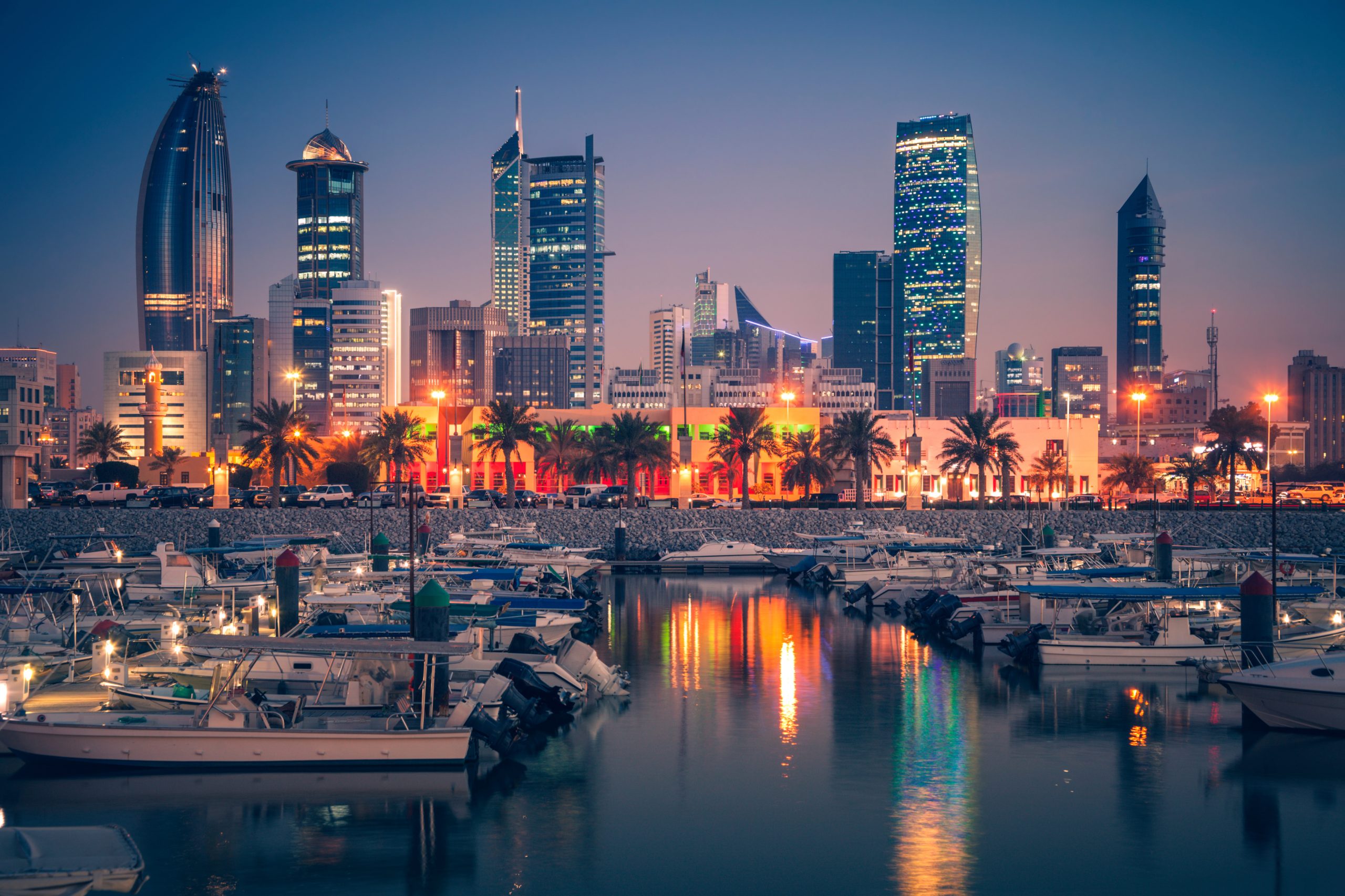
State of Kuwait

Wednesday, 4 February: At the WGS in Dubai, Kuwaiti Prime Minister Sheikh Ahmad Al Sabah met UAE President Sheikh Mohammed bin Zayed. They reaffirmed strong bilateral ties and discussed expanding economic, trade and investment cooperation. Both leaders noted shared development priorities and pledged to deepen collaboration on the summit’s international agenda.
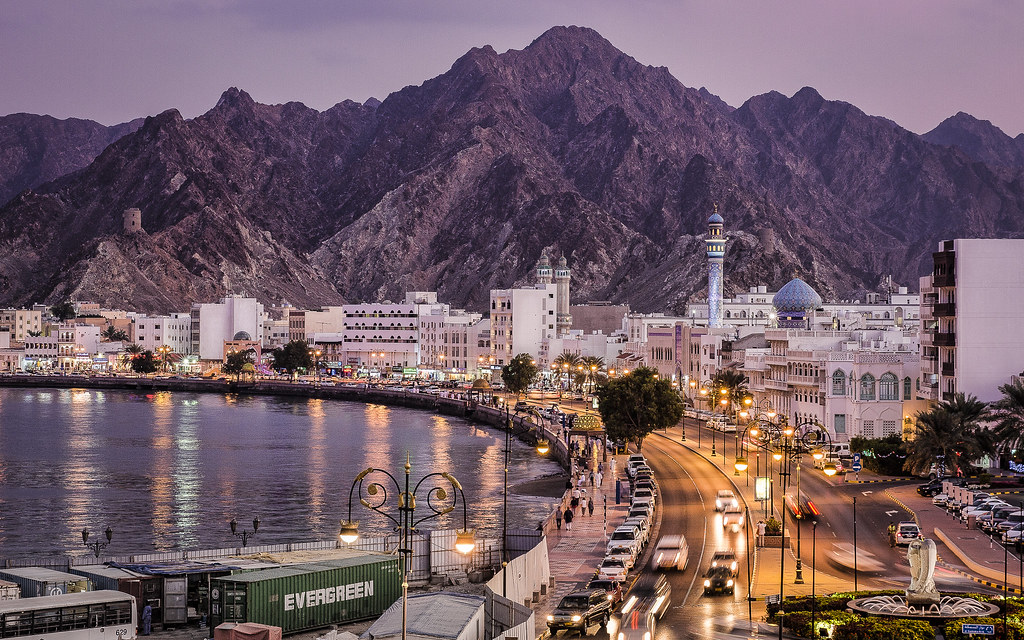
Sultanate of Oman

Friday, 6 February – Oman’s role as a discreet diplomatic convenor was underscored after Qatar publicly welcomed the US-Iran engagement taking place in Muscat, explicitly thanking Oman for ‘hosting and facilitating’ the talks. The endorsement matters less for its rhetoric than for what it signals, a preference among key Gulf capitals to keep the Iran file on a managed, diplomatic track, and to reduce the risk of miscalculation spilling into maritime security, energy flows, and regional investor confidence. For Oman, the episode reinforces a consistent strategic niche, providing a trusted, low-noise venue where adversaries can test positions and clarify red-lines.
Monday, 9 February – In Muscat, government officials reported that e-government performance has surged 400% since 2022, reflecting rapid digitalisation of public services. The same day, Oman’s Environment Authority held a national workshop on ‘Man and the Biosphere Reserves’, aiming to build capacity for managing the country’s UNESCO biosphere reserves.
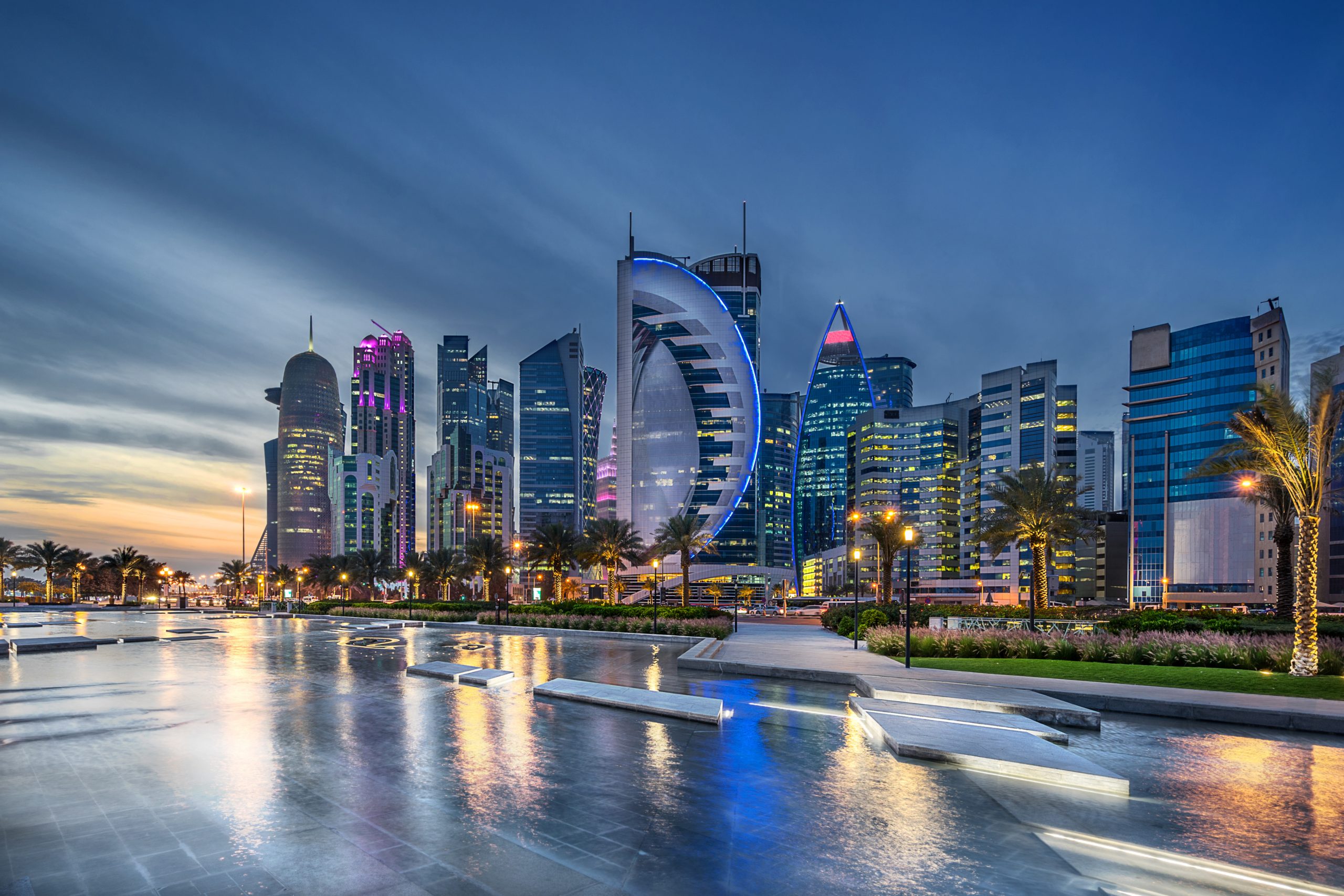
State of Qatar

Tuesday-Wednesday, 3-4 February – Doha hosted the LNG2026 conference, drawing CEOs of the world’s largest energy companies. QatarEnergy CEO Saad Sherida Al Kaabi opened the summit by stressing Qatar’s leading global role in LNG. He announced plans to raise Qatar’s LNG production
from 77 to 120 million tonnes per year (about 40% of world supply) by the late 2020s via North Field expansions.
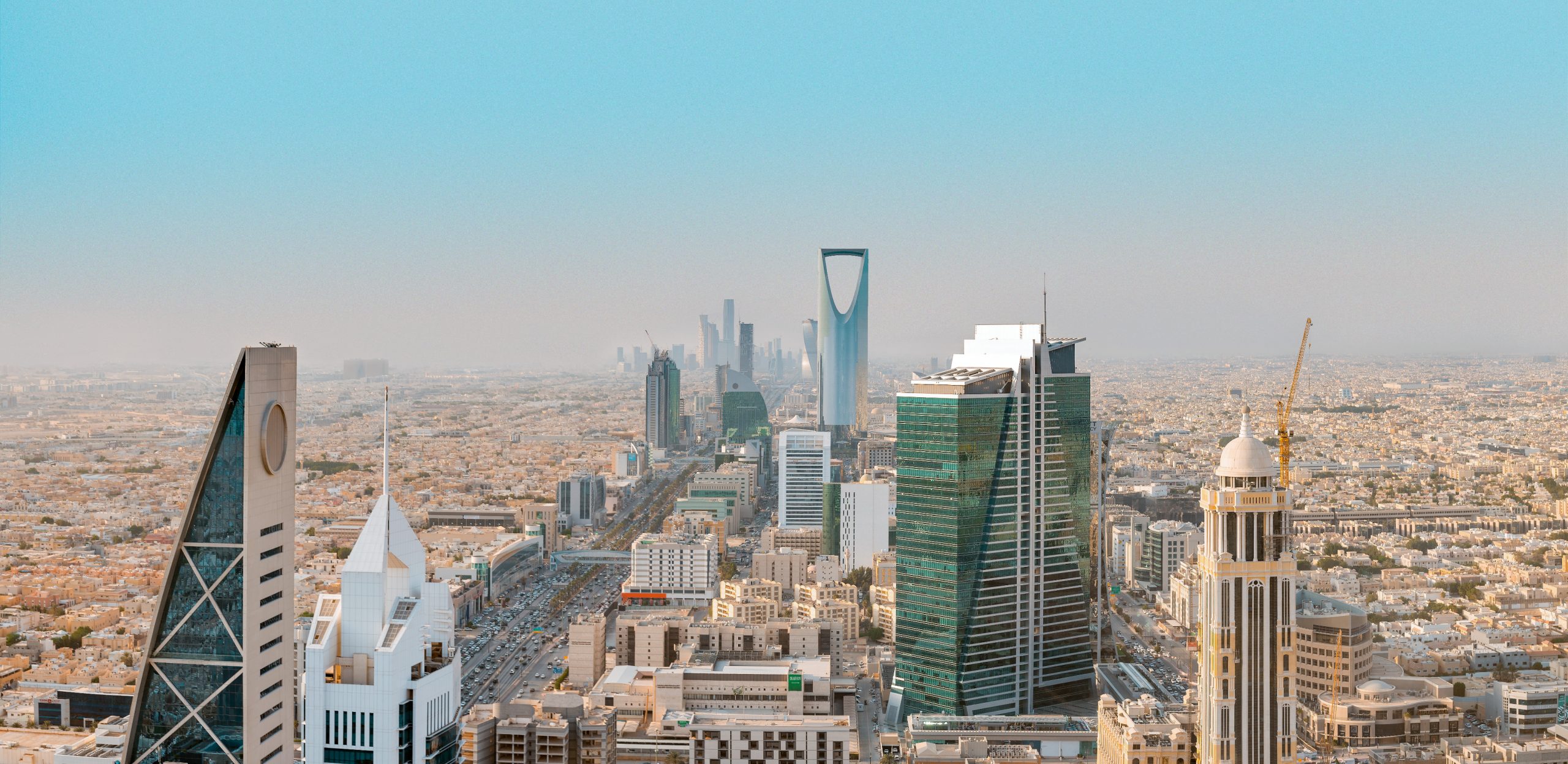
Kingdom of Saudi Arabia

Sunday-Monday, 8-9 February – Saudi Arabia will host the 2nd AlUla Conference for Emerging Market Economies (ACEME). The summit, organised with the IMF, will bring together finance ministers and central bank governors to discuss how emerging economies can adapt to global transformations and ensure sustainable growth.
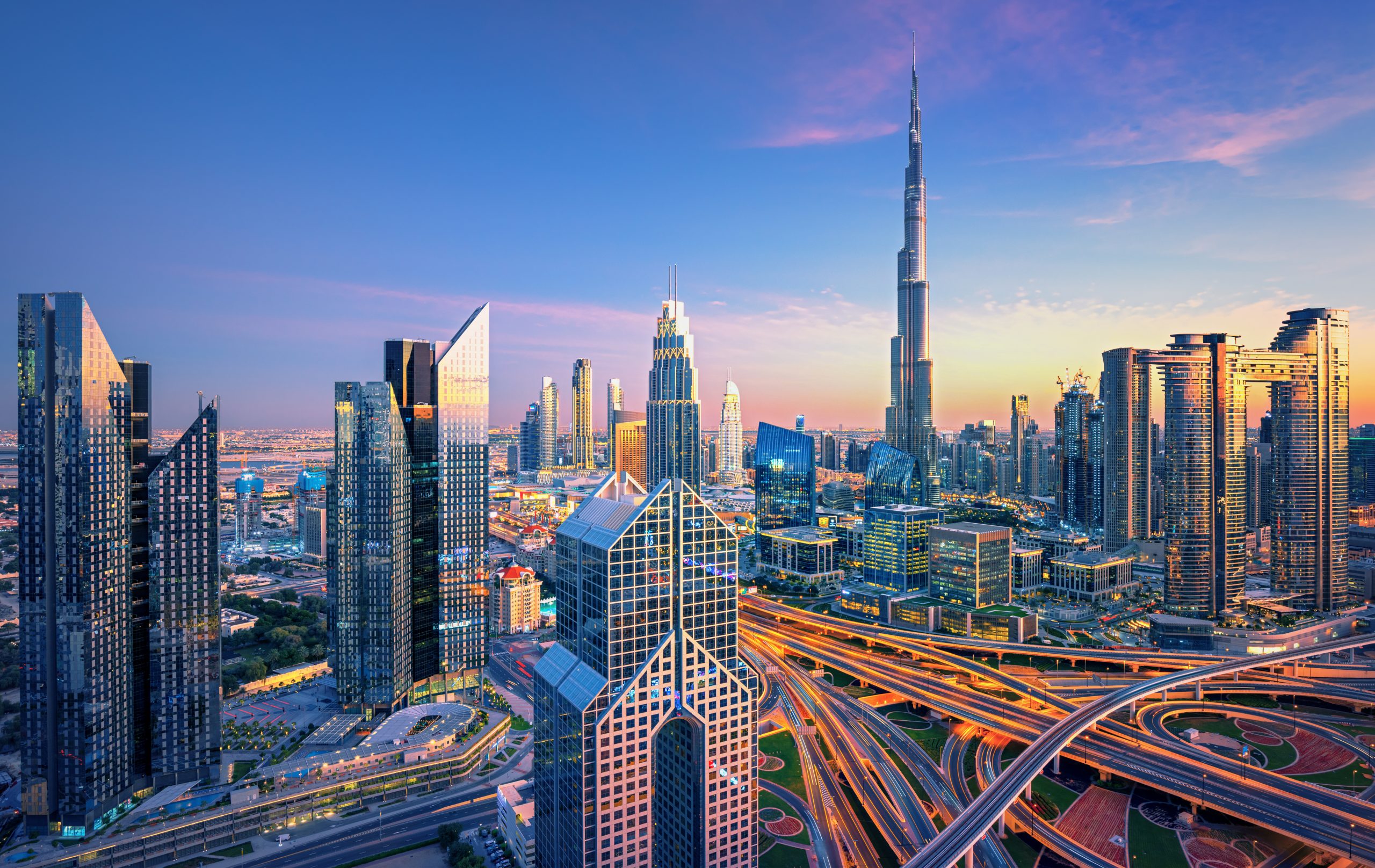
United Arab Emirates

Wednesday, 4 February – In Dubai, President Sheikh Mohammed bin Zayed welcomed visiting dignitaries at the the WGS. On the sidelines he held bilateral meetings with North Macedonia’s President Gordana Siljanovska-Davkova and Latvia’s Prime Minister Evika Siliņa. Discussions focused on strengthening UAE ties with their countries, especially expanding cooperation in economic, trade and development fields.
Wednesday, 4 February – Also in Abu Dhabi, the UAE hosted the second round of trilateral peace talks with US-Russia-Ukraine. The foreign ministry emphasised that hosting the talks showcases the UAE’s strong, balanced relations with all parties and its international role as a facilitator of diplomacy. The UAE reiterated full support for a comprehensive political solution to the conflict, in line with global peace efforts.
Monday, 9 February – The UAE’s Foreign Minister Abdulla bin Zayed Al Nahyan joined a multilateral meeting in Abu Dhabi with his counterparts from Turkey, Egypt, Jordan, Indonesia, Pakistan, Saudi Arabia and Qatar. Together they issued a joint statement reaffirming cooperation on regional security and development challenges.
EU Corner
On the sidelines of WGS in Dubai, GCC Secretary-General Jasem Al-Budaiwi spoke alongside EU and global officials on deepening Gulf–Europe ties. He noted that Gulf–EU relations are moving beyond raw-material trade towards ‘joint development of sustainable value chains,’ reflecting a strategic shift in their partnership. This follows the 2022-27 joint Gulf-EU action programme and preparatory summits in Brussels. Al-Budaiwi highlighted expanding European FDI into the Gulf as evidence of growing confidence and economic interdependence. He identified clean energy, green hydrogen, and digitalisation AI, smart infrastructure, cybersecurity as priority areas for future Gulf- EU collaboration.
EU Special Representative Luigi Di Maio commented that recent global trade and security challenges have increased EU interest in closer engagement with GCC countries. These developments suggest the EU is actively pursuing diversified partnerships, from governance to investment, across the Gulf region.
Key Official Visits & Contacts
Tuesday, 3 February – Spanish Prime Minister Pedro Sánchez attended the opening of Dubai’s World Governments Summit. He delivered the main address on digital governance, advocating global cooperation on internet regulation.
Wednesday, 4 February – German Chancellor Merz met Crown Prince Mohammed bin Salman in Riyadh. They discussed deepening Saudi-German economic ties, especially in energy and industry. Merz also raised human rights concerns, including the Khashoggi case, during the meeting.
Thursday, 5 February – Chancellor Merz traveled to Doha to meet Qatar’s Emir Sheikh Tamim. In Doha he promised to ‘work more intensively in arms cooperation’ with Qatar and to boost German LNG imports from Qatari fields. He later invited the Emir to visit Germany, signalling long-term
strategic partnership.
Monday, 9 February – Omani Foreign Minister Badr Albusaidi’s spoke with Russia’s Foreign Minister Sergey Lavrov via a phone call. According to the official readouts, the call focused on two tracks, firstly bilateral relations and ways to enhance it. Secondly, the Iran file and Muscat talks in which Lavrov stressed the need to promote continuation of the negotiating process, reduce risks of armed confrontation, and ensure regional stability.