



5 Top Points
- Iran’s campaign against the Gulf moved from shock to sustained pressure: The GCC faced further missile and drone waves across the region, with an impact on all facets of Gulf society and infrastructure.
- GCC-EU emergency diplomacy accelerated: the GCC and EU foreign ministers held an extraordinary joint ministerial meeting focused specifically on Iran’s attacks against GCC states. GCC Secretary-General Jasem Albudaiwi stressed that the extension of attacks even to Cyprus, the current holder of the EU Council Presidency, showed that Gulf instability was now affecting Europe’s own security environment.
- Qatar shifted from mediation branding to open deterrence language: Doha’s public line hardened markedly. Foreign Ministry spokesperson Majed Al Ansari said the Iranian attacks on Qatar crossed ‘red lines’ and would not go unanswered.
- Energy disruption became structural, not temporary: around 1.9 million barrels per day of Gulf refining capacity had been shut because of the war, affecting Bahrain, Kuwait, Qatar, Saudi Arabia and the UAE.
- Saudi Arabia balanced deterrence with warning signals to Tehran: Riyadh publicly condemned repeated Iranian attacks, including strikes on civilian sites and oil facilities, and warned Iran to stop its attacks or face possible retaliation.
‘Round and About the Gulf’
Kingdom of Bahrain

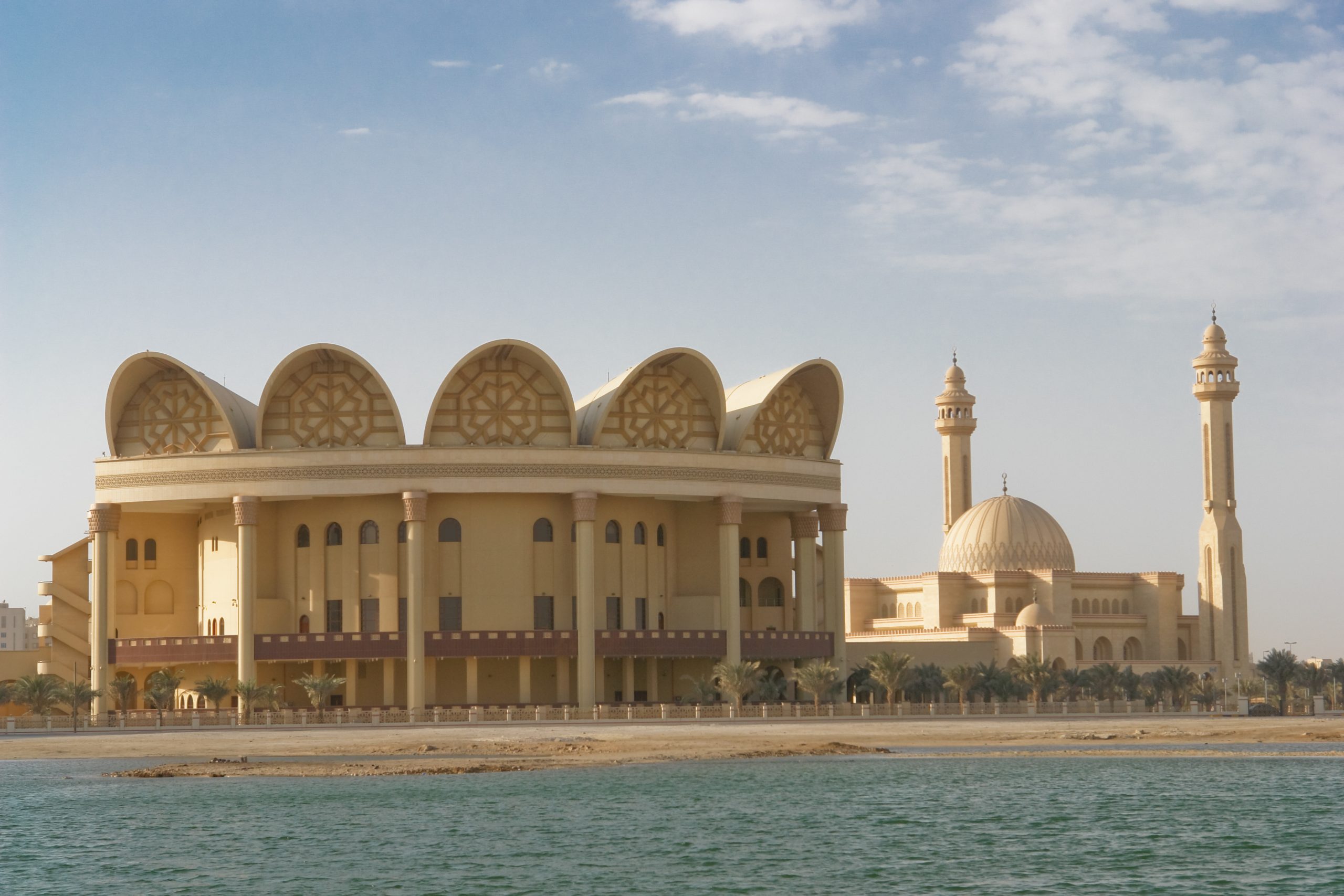
Thursday, 5 March – Bahrain reported that Iranian aggression had targeted the Ma’ameer industrial area, causing limited material damage and no casualties, underlining how the war was beginning to touch civilian-industrial infrastructure rather than only military and air-defence targets.
Monday, 9 March – A drone strike near Bahrain’s oil installations caused significant disruption. Bapco Energies declared force majeure after an attack on its refinery complex, while wider reporting described at least 32 injuries from the new wave of strikes.
Tuesday, 10 March – the Interior Ministry said a 29-year-old Bahraini woman was killed and eight others wounded in an Iranian attack on a residential building in Manama.
State of Kuwait

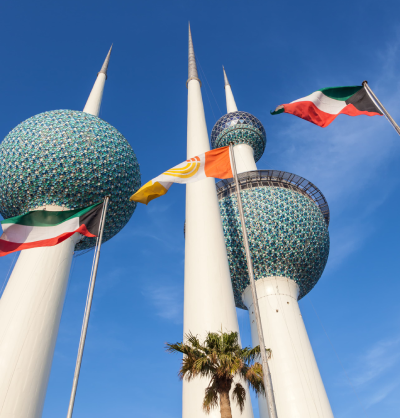
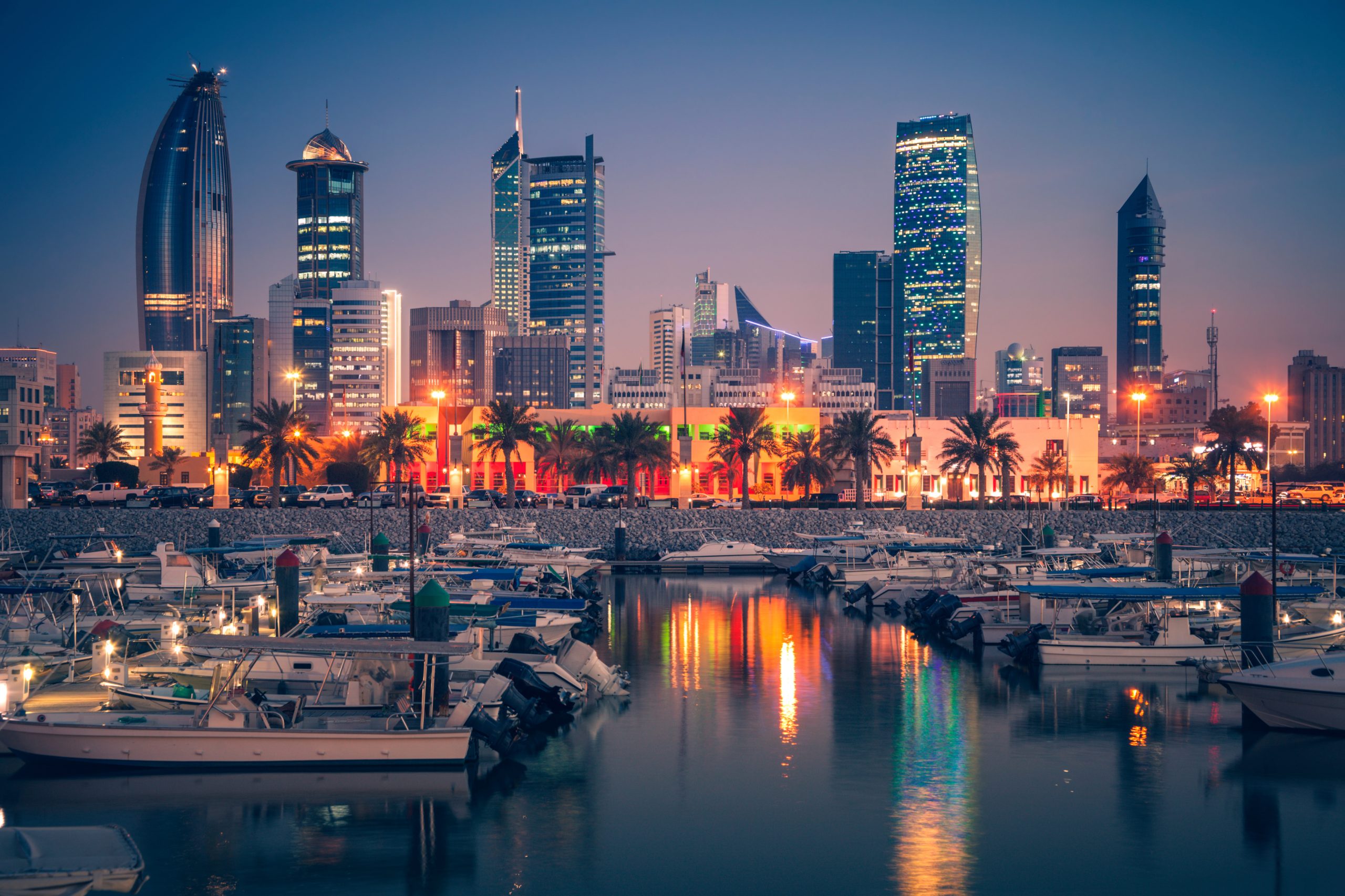
Tuesday, 3 March – Kuwaiti air defences intercepted drones over Rumaithiya and Salwa, underlining that Kuwait remained directly exposed even after the initial closure of its airspace the previous week.
Saturday, 7 March – Kuwait cut oil production and declared force majeure as a precaution amid the widening conflict and the blockage of the Strait of Hormuz.
Tuesday, 10 March – Kuwait sent two new letters to the UN Secretary-General and UN Security Council on what it described as continuing Iranian aggression, stating that attacks had targeted military bases, critical infrastructure, Kuwait International Airport fuel tanks, and the headquarters of the Public Institution for Social Security.
Sultanate of Oman

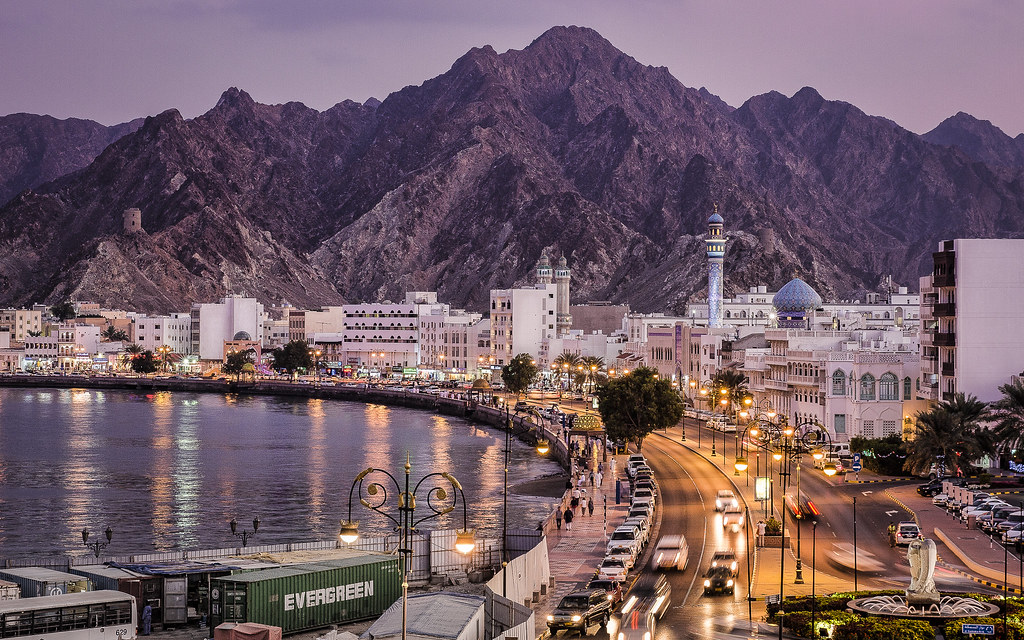
Monday, 9 March – Omani Foreign Minister Sayyid Badr Albusaidi confirmed diplomatic engagement focused on the escalation, including a call with Russian Foreign Minister Sergey Lavrov in which both sides stressed the need to continue negotiations, reduce the risk of armed confrontation and preserve regional stability.
State of Qatar

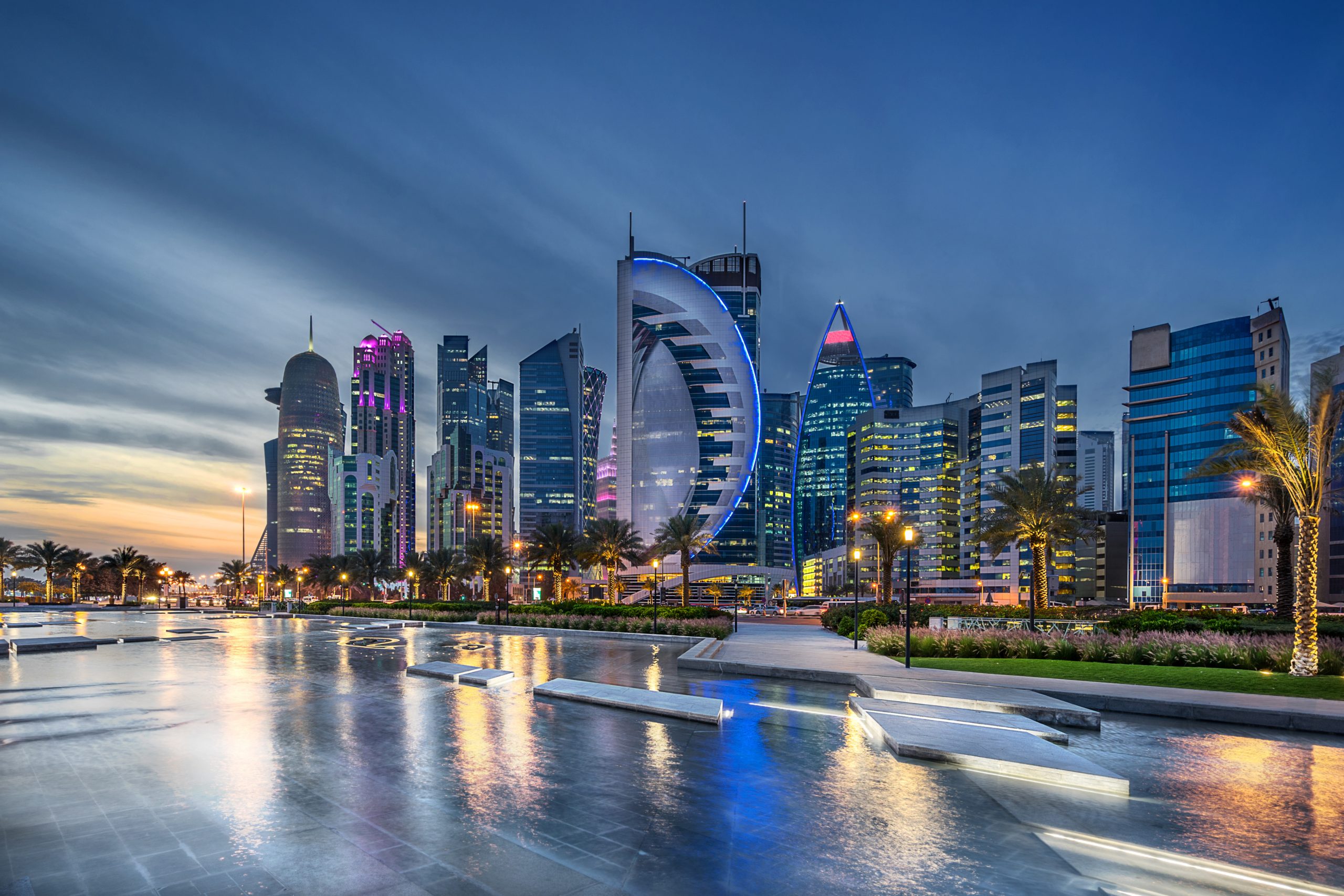
Thursday, 5 March – Qatar said it had been attacked in several waves involving 14 ballistic missiles and four drones; 13 missiles were intercepted, one fell in territorial waters, and all four drones were intercepted.
Tuesday, 10 March – Qatar’s Defence Ministry said another five ballistic missiles had been intercepted and neutralised, with no casualties. On the same day, the Prime Minister Mohammed bin Abdulrahman Al Thani held calls with China, Italy and the EU High Representative Kaja Kallas repeating Doha’s condemnation of the Iranian attacks and calling for disputes to be resolved peacefully.
Kingdom of Saudi Arabia

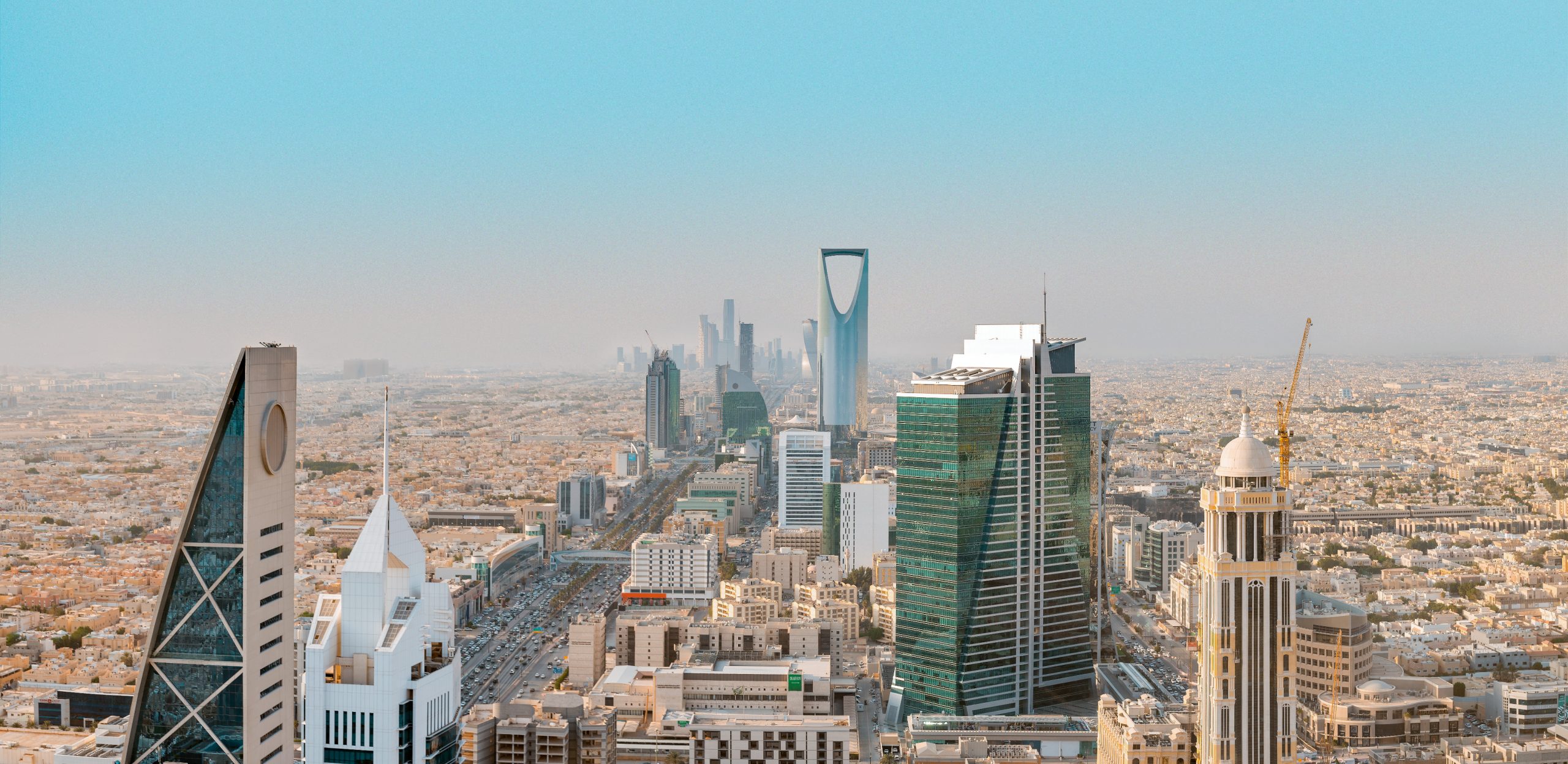
Tuesday, 3 March – Saudi Arabia strongly condemned an Iranian attack on a US residential and support facility in Al Kharj, which killed two people and injured 12.
Saturday, 7 March – Saudi Arabia sent a warning to Iran not to attack the Kingdom again and signalled that continued attacks could trigger retaliation.
Tuesday, 10 March – The Saudi Cabinet strongly condemned Iranian attacks against the Kingdom and GCC states, specifically citing strikes on civilian objects, airports and oil facilities.
United Arab Emirates

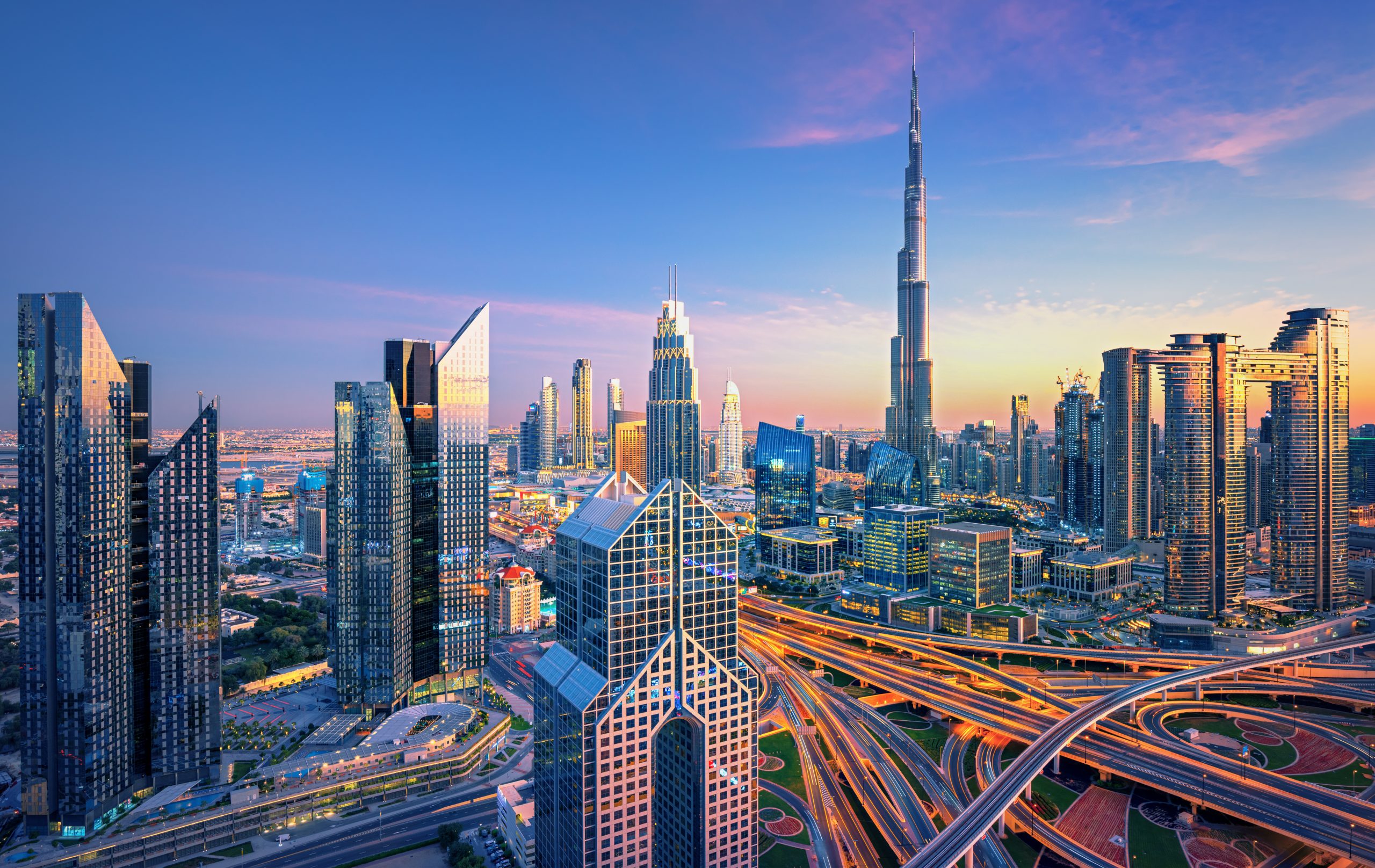
Wednesday, 4 March – by this stage the UAE moved confirmed it moved on to an overt war footing in air defence terms, with three ballistic missiles intercepted and 129 drones detected (121 of them intercepted).
Tuesday, 3 March – Foreign Minister Sheikh Abdullah bin Zayed held multiple calls with GCC his counterparts to discuss the Iranian attacks and their implications.
Tuesday, 10 March – The UAE said its air defences had intercepted 165 ballistic missiles, two cruise missiles and 541 drones since the onset of the attacks, offering the clearest illustration yet of the scale of the sustained campaign against Gulf territory.
EU Corner
Thursday, 5 March – the emergency GCC-EU ministerial meeting was the week’s most significant Euro-Gulf political development. The two sides jointly condemned Iran’s attacks against GCC states and linked Gulf security to Europe’s wider energy and strategic interests. The meeting was chaired by Bahrain’s Foreign Minister Abdullatif Al Zayani and EU High Representative Kaja Kallas, with the participation of GCC and EU Foreign Ministers, and GCC Secretary-General Jasem Albudaiwi.
Tuesday, 10 March – Europe’s economic exposure deepened as Gulf refining disruptions mounted, with approximately 1.9 million bpd of refining capacity offline across the region, resulting in direct implications for European importers and supply planning.
Key Official Visits & Contacts
Thursday, 5 March (virtual) – Emergency GCC-EU ministerial meeting on Iranian attacks: GCC and EU foreign ministers met in an extraordinary session to address Iran’s attacks against Gulf countries. The GCC side was headed by Bahrain’s Foreign Minister Abdullatif bin Rashid Al Zayani, with the participation of GCC Secretary-General Jasem Mohamed Albudaiwi and GCC foreign ministers, while the EU side was headed by EU High Representative Kaja Kallas with EU foreign ministers and Commissioner Dubravka Šuica. Qatar’s Prime Minister and Foreign Minister Sheikh Mohammed bin Abdulrahman bin Jassim Al Thani also participated directly. Albudaiwi argued that the attacks demonstrated that Gulf security now directly affects the stability and security of Europe and other international partners.
Sunday, Monday, 8-9 March (Muscat / by phone) – Omani Foreign Minister Sayyid Badr Albusaidi spoke with Russian Foreign Minister Sergey Lavrov about the escalation, the Iran war, and the need to continue negotiations and avert wider confrontation.
Tuesday, 10 March (Makkah) – Saudi Defence Minister Prince Khalid bin Salman received Pakistan’s Chief of Army Staff to discuss mutual defence following the Iranian attacks.
Tuesday, 10 March (Doha / by phone) – Qatar’s Prime Minister and Foreign Minister received calls from China’s Foreign Minister Wang Yi, Italy’s Foreign Minister Antonio Tajani, and EU High Representative Kaja Kallas, with all conversations focused on the regional military escalation and ways to resolve disputes peacefully.